Automotive Customer Experience Strategy - Differentiate Beyond Price - 2026 Guide
Turn this article into takeaways for your work.


Each assistant summarizes the article only for you and suggests best practices for your work.
Customers can research invoice pricing, compare inventory across 50 dealers, and negotiate offers via text without setting foot in a showroom. Product knowledge lives on YouTube. Financing comes from credit unions and online lenders. The internet eliminated most traditional dealership advantages.
Yet some dealers consistently command premium pricing, generate waiting lists for popular models, and maintain 70%+ customer retention rates. The difference isn't location, brand, or market demographics. It's customer experience. McKinsey research on automotive customer experience confirms that customer experience has become the new competitive battleground, replacing traditional engineering capabilities as the primary differentiator in automotive retail.
Dealers with exceptional customer experience achieve 15-20% price premiums and 2× higher customer retention rates than competitors. When you provide outstanding experiences, customers choose you despite slightly higher prices because they value the relationship and trust the outcome.
But customer experience can't be generic. You can't copy best practices from other industries and expect automotive customers to respond. Auto buyers and service customers have specific expectations, pain points, and decision criteria that require purpose-built strategies.
The Automotive Customer Experience Framework
Customer experience isn't one moment, it's a series of touchpoints from initial research through post-sale relationship building. Each stage requires specific strategies.
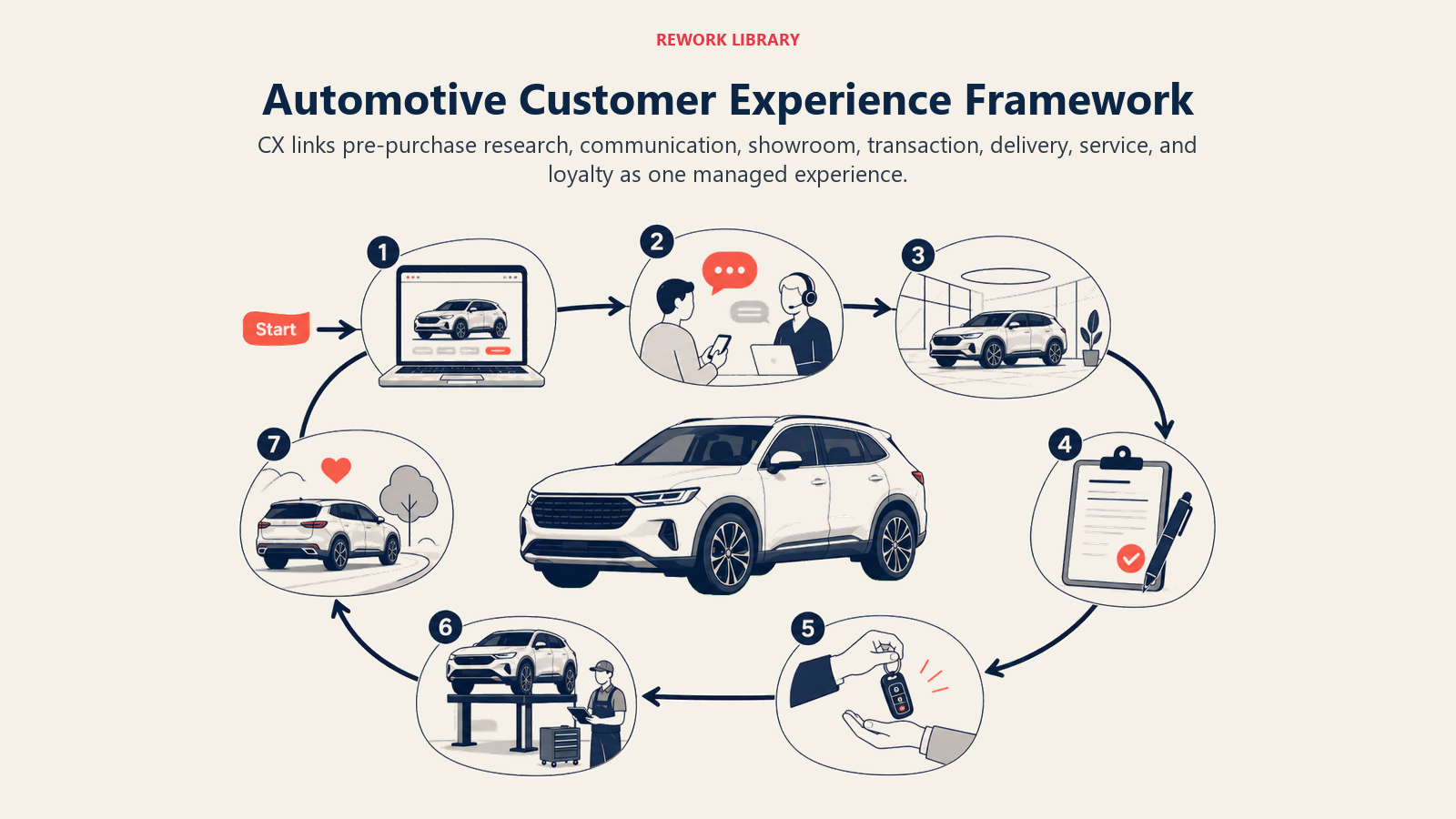
Pre-purchase research and engagement starts before customers contact you. They're researching online, reading reviews, comparing inventory, and forming opinions about your dealership. Your digital presence and online inventory presentation shape these early impressions before any conversation.
Most dealers lose opportunities during this phase. Slow email responses, poor website experiences, and inadequate inventory information push customers to more responsive competitors. Optimize internet lead follow-up to capture opportunities.
Showroom and test drive experience represents your first physical impression. Facility cleanliness, greeting process, needs assessment approach, product knowledge, and test drive quality determine whether customers can envision buying from you.
The greeting matters more than most dealers realize. A genuine welcome, proper introduction, and comfort assessment set the tone through effective meet and greet techniques. The worst experience? Being pounced on before you exit your vehicle or ignored for 10 minutes because salespeople are arguing about who's up.
F&I and contracting process creates the highest stress for customers. They've made vehicle decisions and now face financing complexity, product pitches, and contract signing. This stage generates the most customer satisfaction problems and negative reviews.
Top dealers redesign F&I processes around customer comfort: clear timeline expectations, product explanations in plain language, no pressure tactics, and paperwork efficiency.
Vehicle delivery experience disproportionately impacts overall satisfaction. Customers remember delivery more than earlier interactions. A rushed, incomplete delivery undermines everything. An exceptional delivery creates memories customers share with friends and post on social media.
Delivery should be celebration, not transaction. Take time, demonstrate features, answer questions, create photo opportunities, and make customers feel valued.
Post-sale follow-up and service transition determines whether customers return for service and refer friends. Most dealers abandon customers after delivery. Top performers maintain contact, ensure satisfaction, resolve issues quickly, and transition customers to service departments seamlessly.
This ongoing relationship-building turns one-time buyers into lifetime customers.
Digital Experience Foundation
Your digital presence determines whether customers engage with your dealership. Poor digital experiences eliminate you from consideration before salespeople have opportunities to demonstrate value.
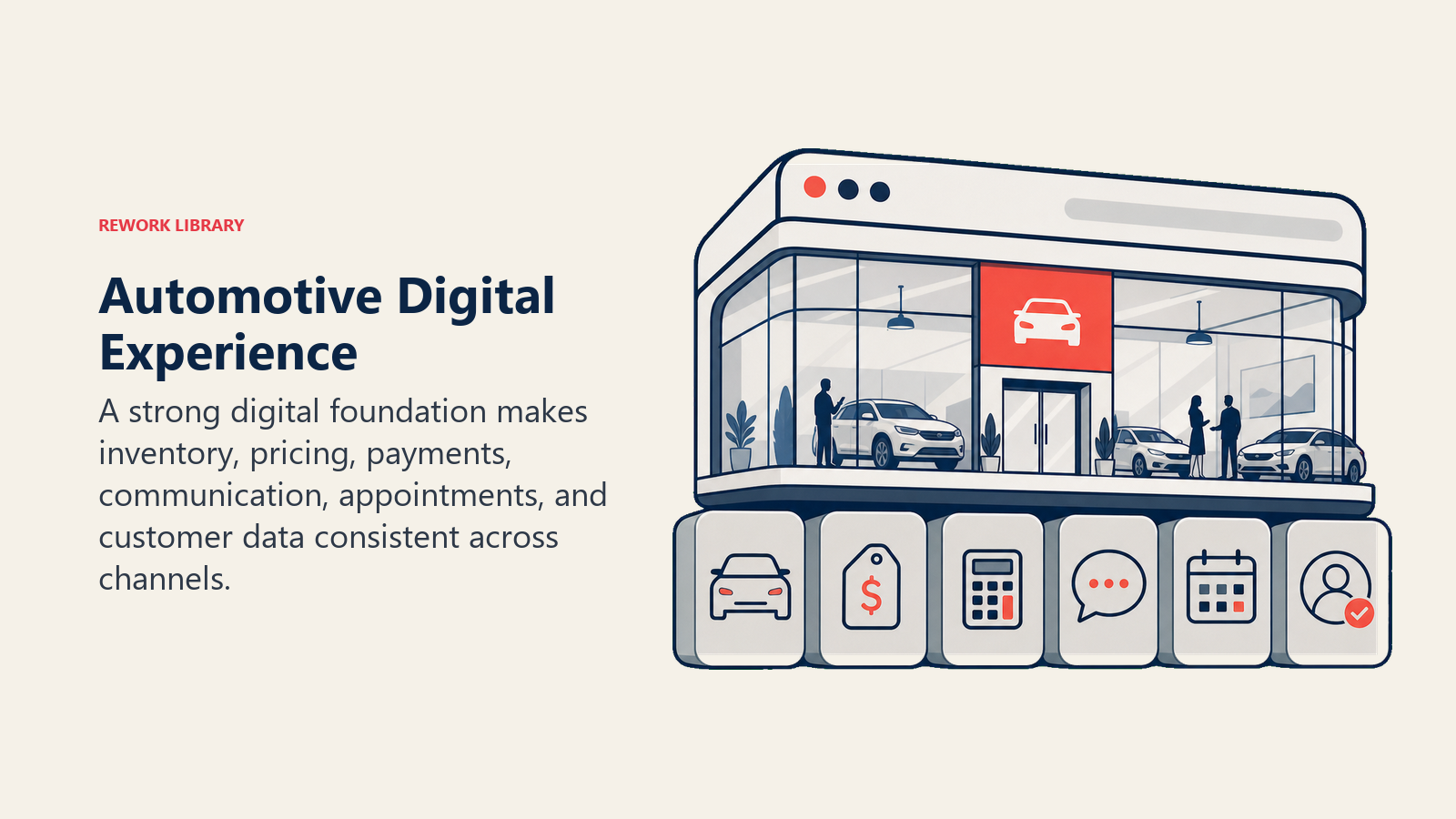
Website usability and mobile optimization can't be afterthoughts. More than 65% of automotive shoppers research primarily on mobile devices. If your website doesn't work well on phones, you're invisible to most customers.
Test your website on multiple devices. Can customers easily browse inventory? Are photos high quality? Does click-to-call work properly? Can they get directions and hours without hunting?
Online inventory presentation and transparency separates leaders from followers. Detailed vehicle information, comprehensive photos (20+ images per vehicle), window stickers, Carfax reports, and clear pricing build confidence.
Hidden pricing or "call for price" approaches frustrate customers. They're researching 10-15 dealers simultaneously. If you make them work harder than competitors to get information, they move on.
Digital retailing tools and pricing confidence allow customers to structure deals online through automotive digital retailing platforms. While few customers complete transactions entirely online, many want to build and price deals before visiting. Dealers offering this capability capture more appointments.
But digital retailing creates problems when online prices don't match showroom prices. Nothing destroys trust faster than discovering the online deal isn't actually available. Maintain online pricing transparency consistently.
Communication responsiveness matters more than perfect messages. Customers expect responses to online inquiries within 15 minutes during business hours. Dealers responding in hours or days lose opportunities.
Speed doesn't mean sacrificing quality. But customers equate responsiveness with professionalism and caring. Slow responses signal disorganization and disinterest. McKinsey findings show that almost 60% of potential car buyers under 45 prefer to purchase their vehicle online, emphasizing the critical importance of digital responsiveness and seamless omnichannel communication.
Set up systems ensuring immediate acknowledgment and fast substantive responses. If specific answers require research, acknowledge receipt immediately and commit to follow-up timing.
Showroom Experience Design
Your physical facility creates impressions that either support or undermine your brand promises.
Facility presentation and cleanliness standards communicate how you'll treat customers' vehicles. Dirty showrooms, cluttered service drives, and neglected facilities suggest carelessness. Pristine facilities imply attention to detail.
Walk through your dealership daily from a customer perspective. What do they see when entering? Are bathrooms clean? Is signage clear? Are waiting areas comfortable?
These details seem minor but they accumulate into overall impressions. Luxury brands especially can't deliver premium experiences in substandard facilities.
Greeting and needs assessment approach sets the relationship tone. Train staff to welcome customers warmly, introduce themselves properly, and understand customer needs before talking about vehicles.
The best salespeople ask questions and listen. They understand customer situations, priorities, and concerns before making recommendations. Poor salespeople launch into product presentations immediately.
Reducing wait times and friction points improves satisfaction dramatically. Customers hate waiting without explanation. They tolerate necessary wait times if you communicate clearly and provide comfortable waiting environments.
Map your customer journey. Where do customers wait? Why? Can you eliminate waits through better processes? Can you reduce waits through improved staffing? Can you improve the waiting experience through better facilities?
Comfort amenities and hospitality touches demonstrate customer value. Comfortable seating, quality coffee and refreshments, WiFi access, phone charging stations, and entertainment options make waiting more pleasant.
Some dealers provide concierge services, valet parking, vehicle pickup and delivery, loaner vehicles, shuttle service. These conveniences differentiate significantly, especially for service customers.
Process Transparency & Communication
Customers hate surprises and confusion. Process transparency builds trust.
Trade-in appraisal explanation addresses major pain points. Customers wonder whether they're getting fair value. Walking them through your trade-in appraisal process, explaining how you arrived at your offer, and showing market data builds confidence.
Even when your offer is lower than expected, transparent explanation maintains trust. Customers appreciate honesty more than inflated offers that disappear during negotiation and closing.
Financing process clarity and expectations reduces F&I stress. Before sending customers to finance offices, sales staff should explain what happens next, how long it takes, what information is needed, and what decisions they'll face.
Finance managers should present product options clearly without pressure. Explain benefits, costs, and alternatives. Let customers make informed decisions.
Delivery timeline communication manages expectations. When can customers pick up their vehicles? What preparation is happening? If delays occur, communicate proactively.
Nothing frustrates customers more than arriving for scheduled delivery only to discover their vehicle isn't ready. Set realistic timelines and meet them consistently.
Post-sale contact schedule transparency shows customers you're committed beyond the sale. During delivery, explain follow-up timing: "We'll text this evening to ensure everything's perfect. In three days, your sales consultant will call to answer questions. In 30 days, we'll check in on your service experience."
This transparency prevents follow-up contacts from feeling like sales pitches.
Employee Experience & Culture
Customer experience flows from employee experience. Happy, engaged employees create better customer experiences. Stressed, unhappy employees can't deliver excellence regardless of processes.
Hiring for customer-centric attitudes starts with selecting people who genuinely enjoy helping others. You can teach product knowledge and processes. You can't teach caring.
Interview for empathy, patience, problem-solving, and communication skills. Look for candidates with service backgrounds, hospitality, retail, healthcare, where customer focus was central.
CX training and ongoing development ensures employees understand expectations and develop skills. Initial training should cover customer experience philosophy, specific processes, and communication techniques.
But one-time training isn't enough. Top dealers conduct monthly refresher training, share customer feedback regularly, and recognize CX excellence publicly.
Empowering staff to resolve issues prevents small problems from becoming major complaints. When employees must seek multiple approvals to address customer concerns, resolution takes too long and customers feel unimportant.
Give frontline staff authority to solve problems within reasonable parameters. A service advisor who can offer a free car wash or discount a $50 service charge can resolve issues immediately instead of escalating through management.
Recognition programs for CX excellence reinforce desired behaviors. Publicly recognize employees mentioned positively in customer reviews. Reward high CSI/SSI scores. Share customer compliment letters in staff meetings.
What gets recognized gets repeated. If you only recognize sales volume and gross profit, don't expect employees to prioritize customer experience.
Measuring & Improving CX
You can't improve what you don't measure. Track these CX metrics consistently through your dealership KPI dashboard:
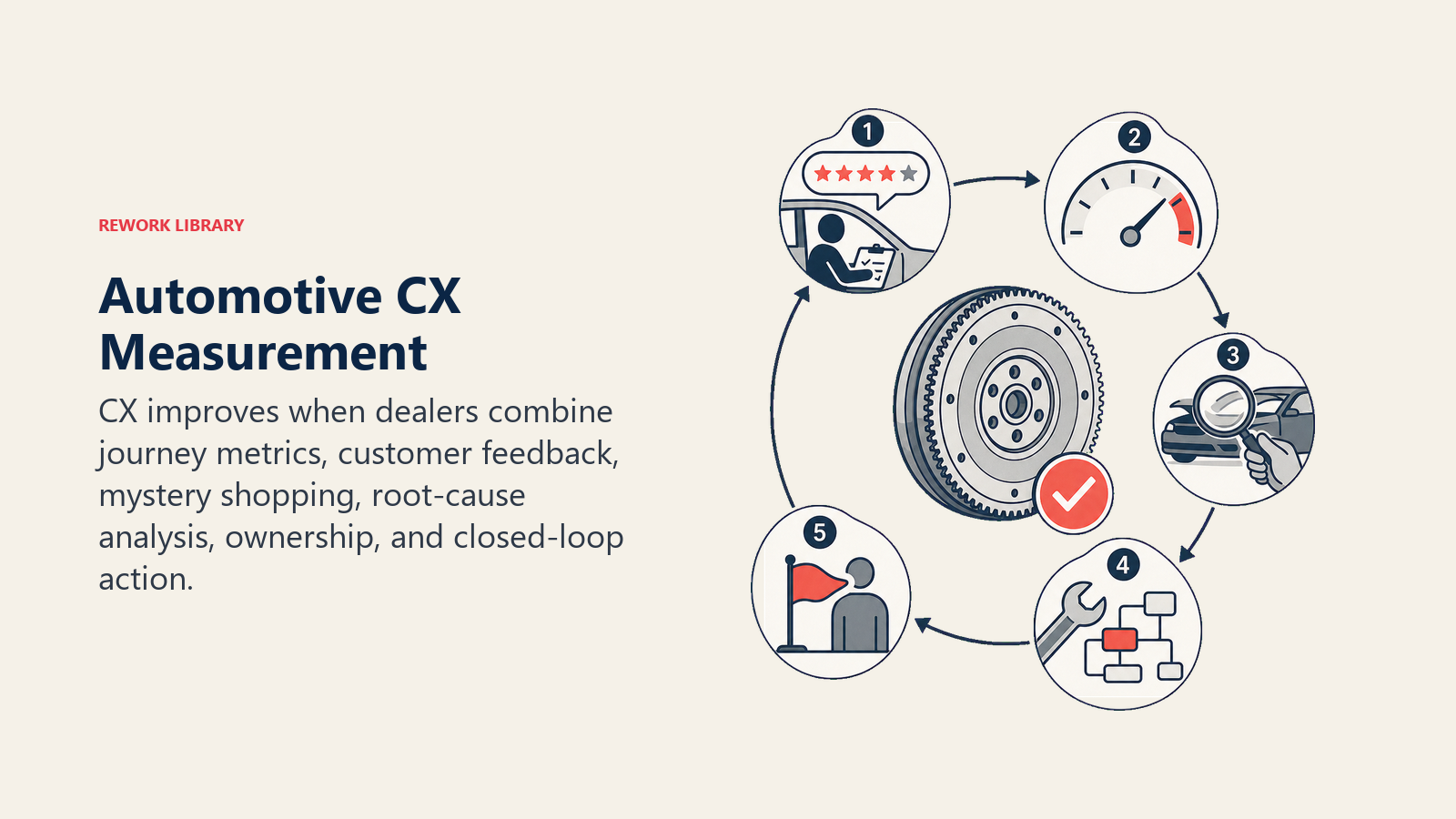
CSI score and SSI score tracking and analysis provide manufacturer-standardized benchmarks. Review scores monthly by individual salesperson, service advisor, and department through sales consultant performance tracking. Identify patterns in negative feedback.
But don't obsess over perfect scores. Focus on trends and themes. Are customers consistently mentioning wait times? Communication problems? Pricing concerns? Address systemic issues, not random low scores.
Net Promoter Score (NPS) measures customer willingness to recommend your dealership. Ask one simple question: "On a scale of 0-10, how likely are you to recommend us to friends or family?"
Promoters (9-10) are loyal enthusiasts. Passives (7-8) are satisfied but not enthusiastic. Detractors (0-6) are unhappy and may actively discourage others.
Calculate NPS by subtracting detractor percentage from promoter percentage. Top dealers achieve NPS scores above 50. Average dealers sit at 10-30. Research from Deloitte on automotive customer experience transformation shows that perceptions of a brand's value stem from factors other than price for as many as 40% of surveyed consumers, making customer experience measurement critical for sustainable differentiation.
Customer feedback collection and response requires systematic processes. Don't rely solely on manufacturer surveys. Collect feedback immediately after key touchpoints, delivery, first service visit, problem resolution.
Use multiple collection methods: email surveys, text message feedback requests, QR codes on service invoices, follow-up phone calls.
Most important: respond to feedback. Thank customers for positive reviews. Address negative feedback directly and resolve issues. Customers who complain and receive effective resolution often become more loyal than customers who never had problems.
Continuous improvement process treats CX as ongoing evolution, not fixed program. Review customer feedback monthly in management meetings. Identify recurring themes requiring attention.
Test improvements on small scale before full implementation. Measure impact. Refine based on results. Successful CX strategies emerge from continuous iteration, not perfect planning.
Building Your CX Strategy
Start by mapping your current customer journey. Walk through your dealership as a customer would. Identify friction points, confusion moments, and negative experiences.
Survey your employees. Ask frontline staff where customers struggle, complain, or show frustration. They know the problems even if management doesn't.
Review customer feedback systematically. Read all negative reviews from the past six months. What themes emerge? These point to improvement priorities.
Select 2-3 high-impact improvements to implement first. Don't try fixing everything simultaneously. Focus on changes that affect the most customers and address the biggest pain points.
Train staff thoroughly on changes. Explain why you're changing processes and how new approaches benefit customers. Get employee input on implementation.
Measure impact after 60-90 days. Did CSI improve? Are customer complaints on those issues decreasing? Are positive reviews mentioning the improvements?
Then move to the next priorities. Customer experience excellence builds incrementally through sustained effort, not dramatic overnight transformation.
The dealerships commanding premium pricing and generating loyal customer bases don't do dramatically different things. They build customer loyalty programs and consistently deliver excellence across touchpoints, including online review management. They do normal things exceptionally well, consistently, across every touchpoint. That consistency and excellence is what customers value, and what they'll pay extra to receive.