VIP Guest Programs - High-Value Customer Retention 2025
Turn this article into takeaways for your work.


Each assistant summarizes the article only for you and suggests best practices for your work.
Twenty percent of your customers probably generate 70% of your profit. What are you doing for them?
Most travel businesses treat every customer the same. That's democratic. It's also terrible business strategy.
Your high-value customers, the ones who book multiple trips through repeat booking strategy, spend more, refer friends, and generate the bulk of your profit, deserve different treatment. Not because it's nice, but because it's smart through customer segmentation.
VIP programs recognize and reward your most valuable customers in ways that increase their loyalty, spending, and advocacy. They're not about generosity; they're about maximizing return on your most profitable relationships through loyalty program design.
This guide shows you how to design VIP programs that deliver real business results, not just warm feelings.
VIP Program Strategy
VIP programs start with clear qualification criteria. You need bright lines that define who's in and who's not.
Annual spend thresholds are the simplest approach. Set the bar at $10,000+ annual spend, or whatever represents your top 10-20% of customers by revenue. This directly rewards the behavior you want: spending money with you.
Trip frequency works well for businesses with lower price points. Three or more trips per year qualifies someone as a frequent traveler who deserves special recognition. It's particularly effective for tour operators and activity providers.
Calculate customer lifetime value and use that as criteria. Someone who's spent $25,000 over five years might be more valuable than someone who spent $12,000 last year. CLV captures long-term loyalty that annual metrics miss.
Define your VIP segment size carefully. Too large and it's not exclusive enough to mean anything. Too small and you're missing opportunities. Most businesses target 5-10% of customers for VIP status.
Calculate VIP program ROI before building elaborate benefits. If VIPs generate 60% of profit and you invest 5% of revenue in VIP benefits that increase retention by 20%, you'll see enormous returns. Run the numbers.
Balance exclusivity with accessibility. VIP status should feel attainable to high-potential customers who aren't there yet. "I could reach that if I book one more trip this year" is a powerful motivator.
Consider multiple VIP tiers. Platinum for good customers (3+ trips or $7,500+ spend). Diamond for great customers (5+ trips or $15,000+). Elite for your absolute best (10+ trips or $30,000+). Tiers give people something to aspire to.
But start simple. One VIP tier is better than no program. You can add complexity later.
The strategic foundation: VIP programs are investments in retention and lifetime value growth, not costs. They should pay for themselves through increased booking frequency, higher spend per trip, and referrals.
VIP Identification and Qualification
Some customers self-identify through obvious behavior. Others need to be spotted early.
Implement automatic VIP qualification based on your criteria. When someone crosses your threshold, third trip booked, $10,000 spent, whatever your trigger is, your system should flag them immediately and trigger welcome communications.
But also recognize VIP potential before customers hit formal thresholds. That first-time customer who just booked a $8,000 luxury trip? They're showing high-value indicators. Tag them as "VIP potential" and treat them accordingly.
Create a nomination process for exceptional guests who don't quite hit quantitative criteria but deserve recognition anyway. Maybe they're incredible brand ambassadors who refer tons of business. Maybe they had challenging circumstances but showed remarkable loyalty. Give your team discretion.
Establish VIP tier levels with clear graduation paths. Make the next level visible and achievable. "You're Platinum. Take one more trip this year to reach Diamond and unlock even better benefits."
Use scoring systems that combine multiple factors. Points for spending, trips, referrals, reviews, social media advocacy, and engagement. Accumulate 500 points for Platinum, 1,000 for Diamond, 2,000 for Elite.
Track VIP status dynamically. Should someone maintain status indefinitely or do they need to re-qualify annually? Rolling 12-month windows work well: maintain your spend/frequency over any 12-month period.
Send congratulatory communications when someone achieves VIP status. Make it feel like an achievement, not just a marketing gimmick. "Congratulations! You've qualified for Platinum status. Here's what that means..."
Monitor customers at risk of dropping out of VIP status. If a Diamond member hasn't booked in 10 months and usually books annually, reach out proactively. Don't let VIPs lapse because you weren't paying attention.
The goal is identifying valuable customers as early as possible and keeping them in VIP status as long as possible.
Exclusive VIP Benefits
VIP benefits need to feel valuable enough to drive behavior. Generic perks don't cut it.
Priority booking access is simple but powerful. VIPs get first access to trips before public release. For popular trips that sell out, this is genuinely valuable, not just a nice gesture.
Provide complimentary upgrades when available. Better room, better seat, premium inclusions at no extra cost. The marginal cost to you is minimal. The perceived value to customers is significant.
Create VIP-only trips and experiences that aren't available to regular customers. Exclusive departures, behind-the-scenes access, unique itineraries, smaller group sizes. This is exclusivity that money alone can't buy.
Implement concierge-level personal service. Dedicated phone line with no wait times. Email responses within two hours. Text message access to a real person who knows their history and preferences.
Offer pre-trip planning assistance. Help VIPs design their perfect trip. Suggest destinations based on past preferences. Handle all the logistics and details. Make booking with you easier than booking anywhere else.
Provide special amenities during trips. Welcome gifts, preferred seating, personalized touches that show you remember them. The cost is minimal; the impact is significant.
Include exclusive content and experiences. VIP-only webinars with destination experts. Virtual pre-trip meetings with guides. Access to planning resources and insider information.
Consider travel credits or cash-back programs. VIPs earn credits on every trip that can be applied to future bookings. It's a loyalty program embedded in VIP status.
The best VIP benefits combine tangible value (real savings, better experiences) with intangible recognition (feeling valued, getting special treatment). Both matter.
VIP Communication and Service
VIPs shouldn't navigate the same channels as everyone else.
Assign dedicated VIP account managers or travel advisors through travel CRM implementation. One person who knows them, understands their preferences, and handles their bookings. Continuity and personal relationships matter enormously at this level.
Provide direct contact information through on-trip support service: cell phone, email, text. VIPs shouldn't go through general customer service. They should reach their person directly.
Send personalized trip recommendations through travel email marketing, not generic newsletters. "Hi Sarah, based on your love of our Peru cultural trip, I think you'd be perfect for our new Colombia journey. I've held two spots for you through Friday if you're interested."
Conduct regular check-ins through post-trip engagement that aren't sales pitches. Quarterly calls just to say hello, see how they're doing, ask if they're planning any trips. Build genuine relationships.
Remember personal details and reference them. Kids' names, career milestones, special occasions. "How did Emma's college tour go? Still thinking about that celebration trip we discussed?"
Respond to VIP inquiries immediately. Within an hour for emails, answer the phone when they call, prioritize their requests. Speed of service is a powerful differentiator.
Proactively solve problems before they escalate. If you know there's a potential issue with a trip they're on, contact them directly. If weather might affect their experience, give them options early.
Send personalized video messages for major milestones. Their fifth trip anniversary with you. Congratulations on reaching Diamond status. Thanks for an amazing referral. Personal touches at scale.
The principle: VIPs should feel like they have a direct relationship with your company, not like they're one of thousands of anonymous customers.
VIP Recognition and Experiences
Recognition isn't just about saying thank you. It's about creating moments that reinforce their special status.
Create memorable recognition moments during trips. The guide publicly acknowledges their VIP status and thanks them for their loyalty. They receive a small welcome gift in their room. They're invited to a VIP gathering or experience during the trip.
Host VIP appreciation events when possible. Annual gatherings where your VIPs meet each other, hear about new trips, and feel like part of an exclusive community. These don't need to be elaborate; they need to be genuine.
Offer surprise and delight upgrades. They booked a standard room; you upgraded them to a suite. They signed up for a regular excursion; you gave them the premium version. Unexpected positives create powerful emotional connections.
Acknowledge VIP status publicly when appropriate and desired. Feature them in customer stories (with permission). Recognize milestone trips. Celebrate their achievements. Some people love public recognition; others prefer privacy. Know your customers.
Create physical recognition items. VIP welcome packet with their tier level. Priority luggage tags. Exclusive gear or apparel. Something tangible that marks their status.
Remember anniversaries and milestones. Five years as a customer. Their 10th trip. Their birthday. Send personalized notes, small gifts, or special offers. The effort is minimal; the impact is substantial.
Involve VIPs in special opportunities. First to experience new destinations. Beta testers for new trip types. Participants in unique one-time experiences. Access others don't get.
The goal is making VIPs feel genuinely valued, not just marketed to. Recognition should feel personal and sincere, not automated and transactional.
VIP Pricing and Offers
VIPs should get better deals, but not so good that you destroy margins.
Provide exclusive VIP pricing in the 15-20% off range. It's significant enough to feel valuable but doesn't gut your profitability. Frame it as insider pricing: "As a Diamond member, your rate for this trip is $4,500 instead of our standard $5,400."
Offer early access to sales and promotions. VIPs get 48-72 hours to book sale trips before public announcement. They get first shot at limited inventory.
Create VIP-only flash sales. Short-duration offers exclusively for VIP members. "This weekend only: 25% off these five trips, VIPs only." Urgency plus exclusivity drives action.
Implement dynamic pricing that rewards loyalty. The more someone has booked, the better their pricing. Trip #1 might be full price, trip #3 gets 10% off, trip #5 gets 20% off. It incentivizes repeat booking directly.
Bundle VIP discounts with other benefits. "Diamond members receive 18% off, priority booking, complimentary upgrades when available, and dedicated concierge service."
Test last-room inventory offers. When you have one or two spots left on a trip, offer them to VIPs at a premium discount. You fill the trip, they get a deal, everybody wins.
Consider companion pricing. VIPs can bring a friend at VIP rates. It rewards the VIP and potentially converts a new customer who experiences your service quality firsthand.
Don't train VIPs to wait for deals. If you only offer discounts, they'll only book during sales. Balance promotional pricing with exclusive experiences and service benefits that justify full-price bookings.
The strategy: pricing benefits should be one component of VIP value, not the only one. The best customers care more about experience quality and exclusive access than about discounts.
VIP Feedback and Co-Creation
Your best customers can make your business better if you ask them.
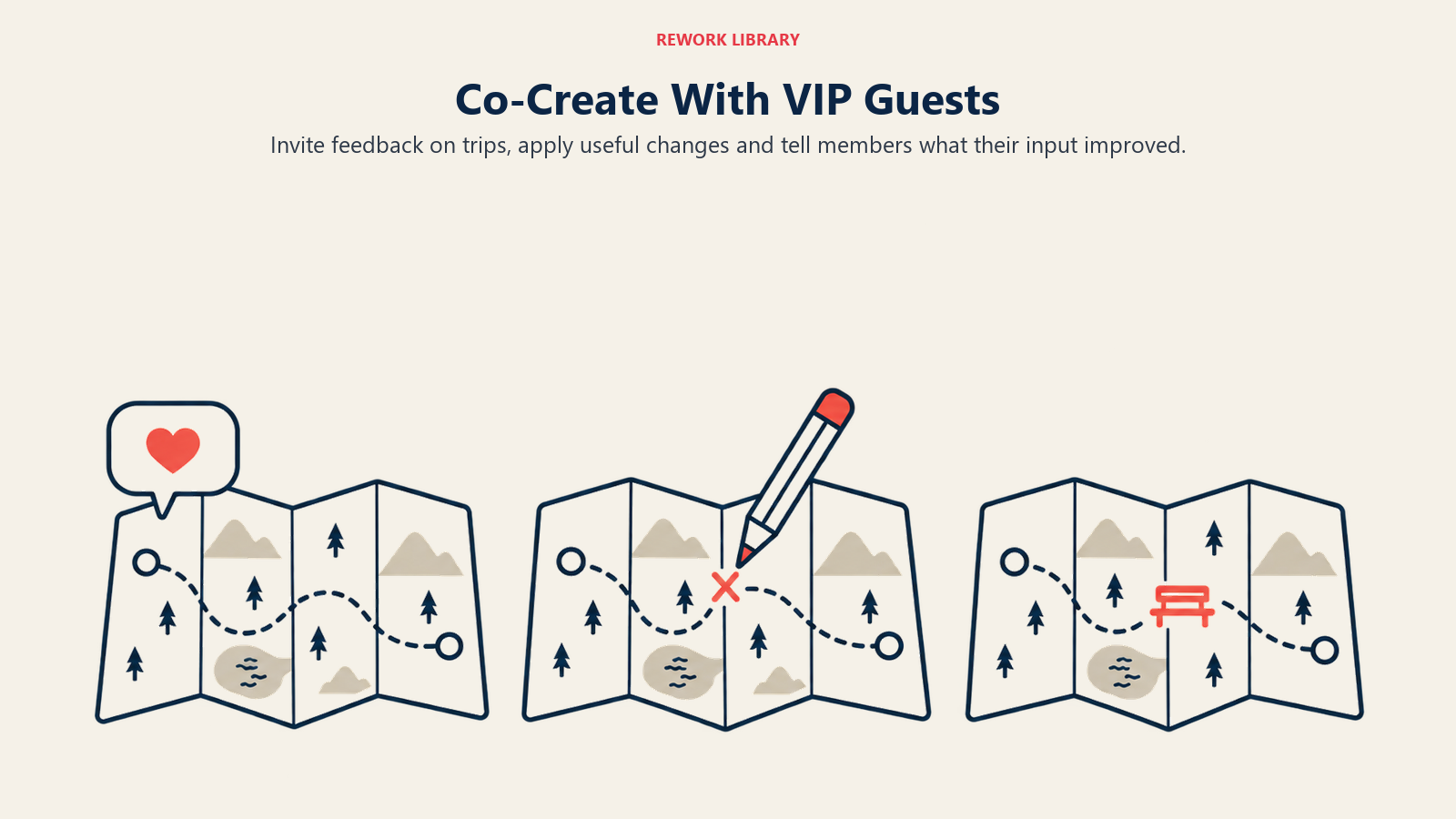
Involve VIPs in new trip development and testing through guest feedback collection. "We're designing a new cultural journey through Japan. Would you be willing to review the itinerary and give us feedback?" People love being insiders.
Seek VIP input on service improvements. Annual surveys asking what they value, what you should add, what's not working. Act on the feedback and tell them what changed because of their input through review management.
Host VIP advisory councils or focus groups. Small groups of VIPs who meet with you (virtually or in person) to discuss the business, industry trends, and what you should do next. Make them feel like valued advisors.
Test new experiences with VIPs first. New destinations, new activity types, new trip formats. They get exclusive access; you get real-world feedback before broader launch.
Ask for testimonials and referrals, but make it easy and valuable. "We're creating a guide to Peru travel. Would you be willing to share your experience in a short interview?" Content creation that serves them and you.
Show VIPs how you've implemented their suggestions. "Based on feedback from our Diamond members, we've added a free day in every multi-week trip for rest and independent exploration." People who see their input valued feel ownership.
Create a private VIP community. Facebook group, online forum, or regular meetups where VIPs connect with each other. They become ambassadors for your brand because they're part of something exclusive.
The principle: make VIPs feel like partners in your business success, not just customers you're extracting value from. The relationship is collaborative, not transactional.
VIP Referral Incentives
VIPs are your best source of quality referrals. Reward them for it.
Create enhanced referral rewards for VIP members. Where regular customers might get $200 for a referral, VIPs get $400. Their referrals are more likely to convert anyway, and they should be compensated accordingly.
Recognize VIPs who drive significant referral business with special status or benefits. Someone who refers five bookings becomes a "Brand Ambassador" with permanent upgraded benefits.
Offer exclusive incentives for VIP referrals. Refer three friends who book, get a free weekend trip. Refer five, get $2,000 off your next major journey. Refer ten, get a complimentary trip to a destination of your choice.
Make referral sharing easy. Personal referral links, shareable content, easy forwarding of trip details to friends. Every friction point reduces referrals.
Track VIP referral patterns. Which VIPs refer regularly? What trips do they refer most often? Understanding patterns helps you encourage more of what's working.
Thank referrers meaningfully. Handwritten notes for major referrals. Public recognition (if they want it). Unexpected bonuses beyond stated rewards.
Create referral competitions among VIP tiers. "This quarter, the Diamond member who refers the most bookings wins a free trip to Iceland." Gamification drives behavior.
Double-incentivize by rewarding both referrer and referred. The VIP gets credit; their friend gets a first-trip discount. Both benefit.
The lifetime value of a VIP who refers multiple customers is exponentially higher than one who doesn't. Identify these people early and treat them extraordinarily well.
Technology for VIP Management
VIP programs fail when they're manual. You need systems.
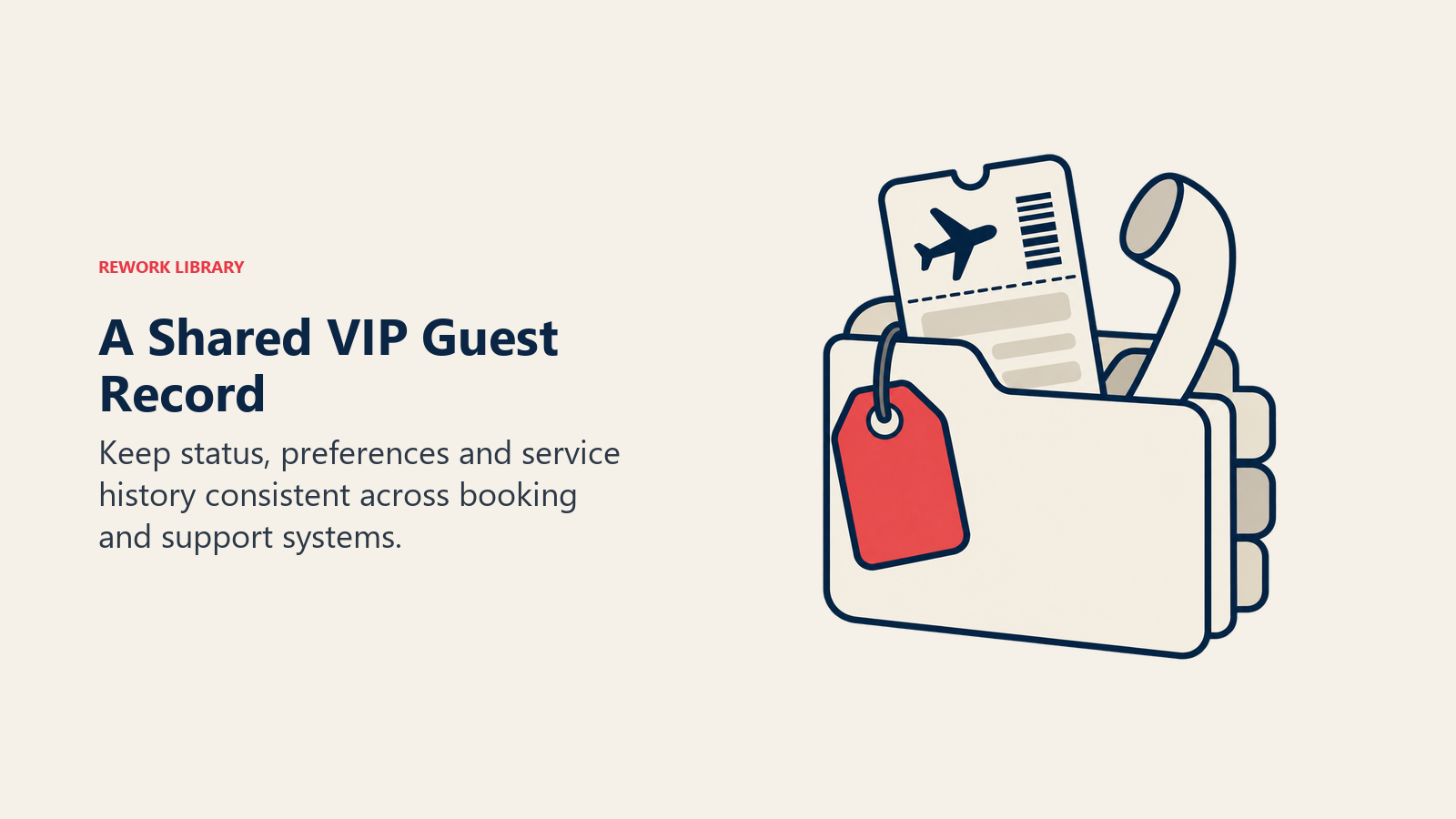
Flag VIP status across all systems: CRM, booking platform, email, customer service. Anyone interacting with a VIP should know immediately. It should be impossible to accidentally treat a Diamond member like a random prospect.
Track VIP preferences and special requests. Dietary restrictions, room preferences, activity limitations, past trip feedback. Use this data to personalize every interaction.
Automate VIP recognition and benefits while maintaining personal touches. Automatic upgrade to VIP status when thresholds are met. Auto-applied VIP discounts. Triggered congratulatory emails. But personalize the important communications.
Create VIP member portals with exclusive content. Trip planning tools, destination guides, past trip histories, personal dashboard showing their tier status and benefits.
Implement alerts for VIP activity. When a Diamond member visits your website, your sales team should know. When a VIP hasn't booked in their normal cycle, trigger outreach.
Use data to predict VIP churn risk. Declining engagement, longer gaps between trips, lower email open rates. Identify at-risk VIPs before they lapse.
Track VIP program metrics: retention rates by tier, average CLV by tier, program costs versus incremental revenue, graduation rates between tiers.
Integrate VIP data with marketing automation. Segment VIPs out of generic campaigns. Include them in exclusive campaigns. Personalize messaging based on tier and history.
The technology should make VIP treatment effortless for your team and seamless for customers. It should enable personalization at scale.
Maintaining VIP Relationships Long-Term
Getting someone to VIP status is valuable. Keeping them there is where the real ROI lives.
Prevent VIP churn through proactive engagement. Don't wait for them to reach out. Regular check-ins, personalized recommendations, early access to everything they might care about.
Address VIP complaints and issues with extreme urgency. Drop everything to solve their problems. Empower your team to make decisions and offer solutions without escalation.
Celebrate VIP milestones and anniversaries. Their one-year VIP anniversary. Their 10th trip. Five years as a customer. Recognition reinforces loyalty.
Evolve the VIP program based on changing needs and expectations. What VIPs valued three years ago might not be what they value today. Survey them. Adjust benefits. Stay relevant.
Watch for life changes that affect travel patterns. Retirement, kids leaving home, career changes, relocation. These create new opportunities to serve them differently.
Identify early warning signs of dissatisfaction: declining satisfaction scores, shorter trips, longer gaps, fewer referrals. Intervene before they churn.
Create re-engagement campaigns for VIPs showing declining activity. "We miss you. What can we do to earn your next booking?" Sometimes people just need to be asked.
Never take VIPs for granted. The moment they feel like you're not paying attention, they'll start looking at alternatives.
The businesses with successful VIP programs don't just create benefits packages. They build genuine relationships with their most valuable customers that deepen over years.
Building VIP Value
VIP programs work when they deliver ROI for you and value for customers.
Start by measuring your current top-customer performance. What's their retention rate? Booking frequency? CLV? Referral behavior? Establish baselines.
Design VIP qualification criteria and benefits that balance exclusivity with profitability. You want to invest in customers who'll return the investment through loyalty and spending.
Implement systems that make VIP treatment automatic and consistent. Everyone on your team should know how to identify and serve VIP customers.
Track program performance rigorously. Are VIPs booking more frequently? Spending more per trip? Staying active longer? Referring more? If not, adjust.
Listen to VIP feedback and evolve the program. The best VIP programs improve continuously based on what members actually value.
Remember that VIP programs aren't about being nice to people who spend a lot. They're about strategically investing in relationships that drive disproportionate business value.
Your top customers are your competitive advantage. Competitors can copy your trips, your pricing, your marketing. They can't copy the loyalty you've built with people who've traveled with you five times and wouldn't consider going anywhere else.
Build that, and you've built something sustainable.
Related Resources

Business Consultant
On this page
- VIP Program Strategy
- VIP Identification and Qualification
- Exclusive VIP Benefits
- VIP Communication and Service
- VIP Recognition and Experiences
- VIP Pricing and Offers
- VIP Feedback and Co-Creation
- VIP Referral Incentives
- Technology for VIP Management
- Maintaining VIP Relationships Long-Term
- Building VIP Value
- Related Resources