Luxury Travel Sales: High-End Client Acquisition & Service
Turn this article into takeaways for your work.


Each assistant summarizes the article only for you and suggests best practices for your work.
Winning high-value travel clients comes down to selling time, access, and personalization rather than price. Affluent and ultra-high-net-worth buyers pay premiums for exclusive experiences they cannot arrange themselves, flawless execution, and guaranteed privacy. You reach them through relationships (wealth advisors, private clubs, referrals), uncover their preferences through consultative discovery, then deliver curated access and white-glove service that makes premium pricing feel like value.
The couple sitting across from you just spent more on their watch collection than most people spend on cars. They're not price-shopping. They're evaluating whether you understand their world well enough to design experiences worthy of their time and money.
Luxury travel isn't just expensive travel. It's about access, exclusivity, personalization, and service standards that anticipate needs before they're voiced. Get this right and you'll build a client roster where single bookings exceed $50,000 and lifetime value reaches seven figures. Understanding customer lifetime value in travel shows why luxury clients are so valuable.
Luxury Travel Market Characteristics
The luxury market isn't monolithic. Different segments have different motivations and expectations.
Emerging affluent travelers (household income $250K-500K) are experiencing luxury travel for the first time. They want obvious markers of luxury, five-star hotels, first-class flights, Michelin-starred restaurants. They're excited about luxury and willing to pay for it, though still conscious of value. These clients can grow into bigger spenders as their wealth increases.
Established wealthy ($500K-2M household income) have traveled extensively in luxury. They've stayed at top properties, experienced exceptional service, and know what good looks like. They want personalization over generic luxury. They'll pay premiums for unique access and experiences that feel designed specifically for them rather than packaged luxury products.
UHNW clients (Ultra High Net Worth, $30M+ net worth) operate in a completely different realm. Money isn't their constraint, time is. They expect absolute privacy, seamless execution, and the impossible made possible. They don't want to know about logistics. They want to show up and have everything perfect. Your value is making complexity invisible.
Spending patterns differ dramatically. Emerging affluent might splurge on one major trip annually. Established wealthy travel multiple times yearly in luxury. UHNW clients travel frequently, often spontaneously, and have virtually unlimited budgets for exceptional experiences.
Decision factors shift up-market. Price matters least to truly wealthy clients. What matters: Do you understand their preferences? Can you deliver experiences they can't arrange themselves? Will service be flawless? Is privacy guaranteed?
Luxury Client Acquisition
Wealthy travelers don't find you through Google ads. You must position yourself in their world.
Where to find wealthy travelers: Private clubs, luxury brand events, high-end hotel partnerships, wealth management advisor networks, luxury car dealership relationships, country clubs, charity galas, or art gallery openings. Be where they already gather.
Networking strategies focus on quality over quantity. One authentic relationship with a wealth manager whose clients trust their recommendations generates more business than 100 random connections. Build relationships first, business follows. The same relationship-led mindset drives travel referral programs that turn satisfied clients into a steady source of high-value introductions.
Referral programs incentivize current clients to introduce you to their networks. Not tacky cash rewards, but elegant recognition: "Thank you for introducing us to the Thompsons. We've arranged a wine tasting credit at your favorite Napa winery as our appreciation." Wealthy people know other wealthy people, so tap those networks.
Partnerships with luxury brands create credibility. Co-host events with luxury car brands, partner with private banks for client appreciation experiences, or collaborate with high-end real estate firms whose clients relocate internationally. Association with recognized luxury brands elevates your positioning.
Understanding Luxury Buyer Psychology
What drives luxury travel purchases isn't what you might assume.
Status signaling matters for some segments. They want trips they can discuss at dinner parties, experiences their peer group hasn't accessed, or destinations that convey sophistication and taste. Instagram-worthy isn't tacky when framed correctly. It's documenting extraordinary experiences to share with their world.
Exclusivity seeking drives many luxury purchases. If anyone can book it, it's not truly luxurious. Private island resorts with 10 villas. After-hours museum access. Meeting with winemakers who don't normally host guests. Dining at restaurants with year-long waitlists you can access through relationships. Scarcity creates value.
Time scarcity is the real luxury. Wealthy clients have money but limited time. Your value is handling everything so they don't spend 40 hours researching, booking, and coordinating. They'll pay significant premiums to simply show up and have everything perfect.
Experience collecting motivates well-traveled luxury clients. They've been to obvious destinations and stayed at famous properties. Now they want experiences: dinner cooked by Michelin-starred chef in private villa, helicopter to remote wilderness lodge, photography expedition with renowned photographer, or meditation with respected spiritual teacher.
Privacy expectations are non-negotiable at high levels. They don't want resort staff announcing their names publicly, other guests recognizing them, or photos appearing on social media. Discretion is paramount.
Consultative Discovery for Luxury Clients
Discovery conversations with luxury clients require finesse and deep listening.
Ask about lifestyle, not demographics. "Walk me through a typical weekend at home" reveals more than asking their net worth. Do they golf daily? Collect art? Host dinner parties? Spend time on their yacht? Lifestyle interests shape itinerary design.
Preferences matter enormously. Some luxury travelers want to dress for dinner, enjoy formal service, and appreciate traditional elegance. Others prefer casual luxury, flip-flops and gourmet food on the beach. Get this wrong and even perfect execution feels mismatched.
Past luxury experiences provide your roadmap. "Tell me about the best trip you've ever taken, what made it exceptional?" Listen for what they valued: seamless logistics, authentic cultural access, outdoor adventure, absolute relaxation, or intellectual enrichment.
What defines exceptional service varies. Some want invisible service, needs anticipated and met before asking. Others want warm personal connection with staff. Some value efficiency above all. Ask: "When you think about the best service you've experienced anywhere, what made it stand out?"
Curating Exclusive Experiences
Luxury clients can book hotels themselves. Your value is access they can't arrange independently. This exclusivity is central to your direct booking strategy.
Access to private events includes Fashion Week tickets through designer connections, Cannes Film Festival access, Formula 1 garage tours, private gallery viewings before public openings, or invitation-only cultural events. These experiences can't be bought. They require relationships.
VIP treatment at properties means more than just room upgrades. It's arrival champagne selected based on their preferences, rooms pre-set to their temperature preferences, amenities chosen specifically for them, or restaurants accommodating special requests they didn't even make because you briefed the hotel on their dietary preferences.
Behind-the-scenes opportunities create memorable moments. Kitchen tours with celebrity chefs, vineyard access with winemakers, artist studios with renowned painters, or conservation experiences with wildlife researchers. Educational and privileged access that money alone doesn't buy.
Once-in-a-lifetime moments justify premium pricing. Northern Lights from glass igloo in Finnish Lapland, hot air balloon over Serengeti during migration, private concert in historic castle, or underwater dining experience in the Maldives. Create moments they'll remember forever.
Luxury Supplier Relationships
Your network determines what you can deliver.
Preferred partnerships with luxury hotels mean you get preferential treatment for your clients. Virtuoso, Signature, or INDI memberships provide amenity programs: room upgrades when available, daily breakfast, spa credits, and early check-in/late checkout. These perks cost you little but clients value enormously.
Private aviation relationships for clients who fly private. Knowing reputable charter operators, understanding pricing, and facilitating bookings positions you as comprehensive luxury resource.
Destination management companies specializing in luxury provide on-ground support. They execute your vision, private chefs, security services, yacht charters, or helicopter transfers. Your DMC relationships enable seamless execution anywhere globally.
Luxury cruise lines (Seabourn, Regent, Crystal, or expedition cruising with Ponant) offer all-inclusive luxury that simplifies planning while delivering exceptional experiences.
Premium Pricing & Value Justification
Luxury clients expect to pay more, but they need to understand why.
Confidently present high-end pricing without apology, an approach that builds on your wider travel pricing strategy. Hesitation signals doubt about value. "This comprehensive two-week journey through Japan is $85,000 per couple. Let me walk you through what that includes and why it's exceptional value for this caliber of experience."
Articulate value beyond cost by breaking down what they're getting. Not just "$85,000 for a trip to Japan" but "Private tea ceremony with a National Living Treasure, exclusive after-hours access to temples normally closed to tourists, Michelin-starred dining including reservation at Sukiyabashi Jiro that books 3 months ahead, helicopter transfer to remote ryokan in the Japanese Alps, and white-glove service throughout."
Avoid discounting traps because once you discount, that becomes their expectation. If budget is genuinely constrained, adjust scope rather than margin. Fewer days, different properties, or modified experiences, but maintain your integrity on pricing for what you propose.
Luxury Proposal Presentation
How you present proposals signals your caliber.
Elevated presentation standards mean professionally bound proposals, premium paper stock, custom design reflecting their aesthetic, and error-free content. Details matter because details signal competence.
Attention to detail throughout, from knowing how to spell their name (including any titles) to remembering preferences they mentioned casually, to accurate details about properties and experiences.
Personalized touches show investment. Including a handwritten note, referencing specific conversations ("You mentioned loving wine, so I've arranged exclusive access to..."), or sending a coffee table book about their destination with the proposal.
Communication style should match theirs. Some clients prefer detailed emails. Others want brief text updates. Some like phone calls. Adapt to their preferences, not yours.
White-Glove Service Delivery
Luxury service is about anticipation, not just responsiveness.
Concierge-level support means being available when they need you. Not necessarily 24/7, but clear communication about how to reach you for urgent needs and reasonable responsiveness during business hours.
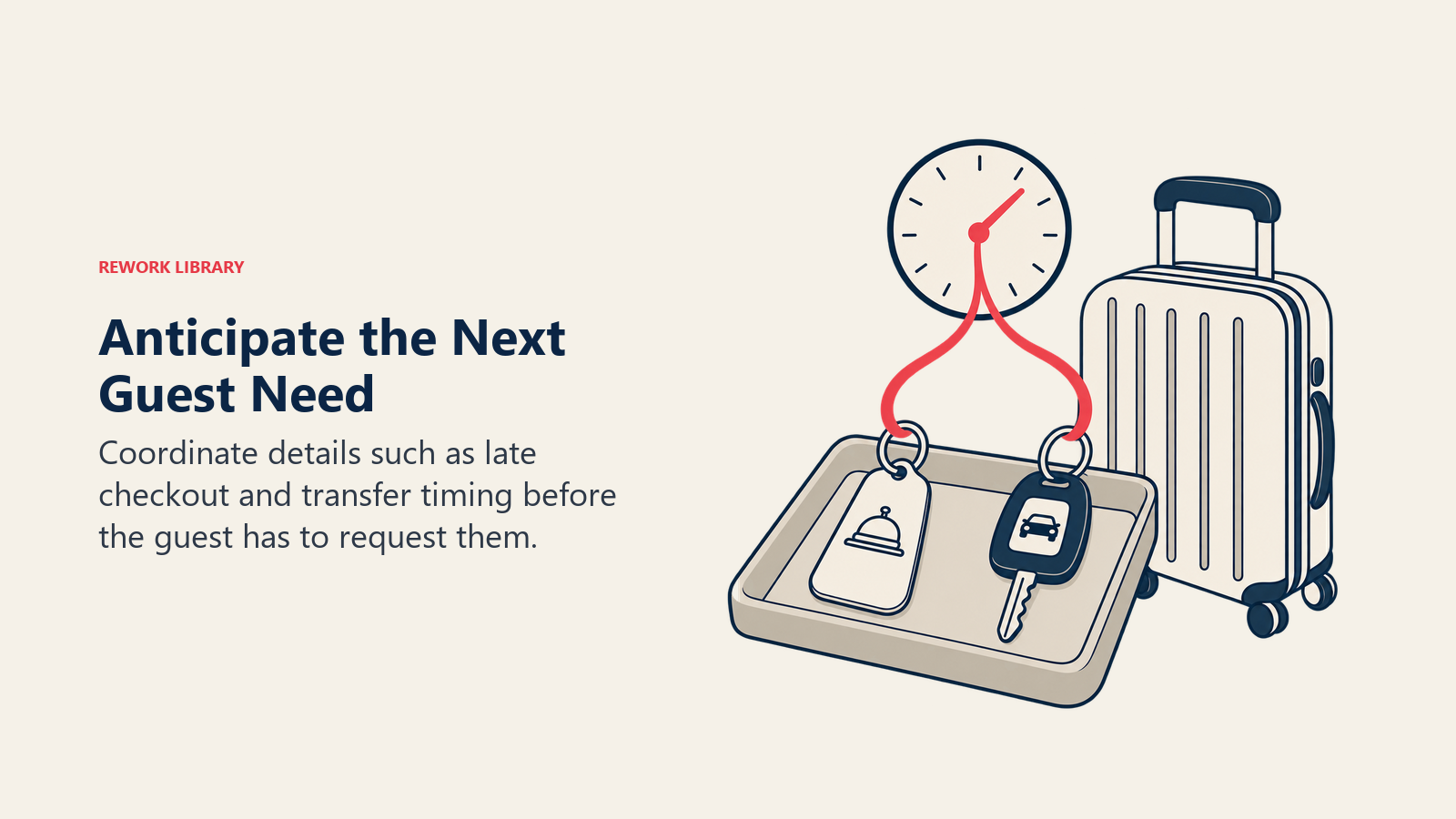
Anticipate needs before they ask. "I've arranged late checkout on your final day so you can enjoy the morning before your evening flight. The car will pick you up at 4 PM, giving you plenty of time for check-in." They didn't request this. You just handled it.
Handle requests seamlessly, whether it's arranging birthday surprises, accommodating dietary restrictions, securing theater tickets, or managing unexpected changes. "Leave it to me" becomes your signature phrase.
Exceed expectations through small extras. Welcome amenity in their room upon arrival. Handwritten note waiting when they return from dinner. Arranging a special experience that wasn't in the original itinerary because you know they'd love it.
Luxury Client Retention
Acquiring luxury clients is expensive. Retaining them is where profitability lives.
Stay in touch between trips with relevant, valuable contact. Not sales messages but sharing articles about destinations they've mentioned interest in, noting when their favorite hotel completes renovations, or remembering birthdays and anniversaries.
Remember preferences in your CRM. They prefer south-facing rooms, dislike seafood, celebrate anniversaries in November, and love golf. Next time they book, incorporate these details without asking again.
Celebrate milestones with personal touches. Anniversary or birthday approaching? Send a note, small gift, or offer to arrange something special for their next trip.
Exclusive client events create community. Annual client appreciation reception, private destination preview events, or small group journeys just for your top clients. This builds relationship beyond transactional booking.
Generate repeat luxury bookings by being the first person they think of when considering travel. "We're thinking about celebrating our 30th anniversary next year. Before we research anything, wanted to get your thoughts on where would be special."
Luxury travel sales aren't about convincing people to spend more. They're about understanding what affluent travelers genuinely value (time, access, personalization, privacy, and flawless execution) then delivering at levels justifying premium investment.
Build trust, demonstrate competence, curate exceptional experiences, and deliver white-glove service. Luxury clients will pay for value, return repeatedly, and refer their equally wealthy friends. That's the foundation of a luxury travel business.
Frequently Asked Questions about Luxury Travel Sales
What do affluent travelers actually pay for?
They pay for time, access, personalization, privacy, and flawless execution, not the trip itself. Price matters least to truly wealthy clients. What wins is whether you understand their preferences, can deliver experiences they cannot arrange alone, and guarantee discretion throughout.
How do you find and acquire high-end travel clients?
Position yourself where wealthy clients already gather: private clubs, luxury brand events, wealth-management networks, charity galas, and referrals from existing clients. One trusted relationship with a wealth advisor outperforms a hundred cold connections, because affluent buyers act on recommendation, not advertising.
How do you justify premium luxury travel pricing?
Present the price confidently and break down the specific value: private access, exclusive experiences, and white-glove service that the client cannot replicate. If a budget is genuinely tight, adjust scope (fewer days or different properties) rather than discounting, so your pricing integrity stays intact.
What does white-glove service mean in luxury travel?
It means anticipation, not just responsiveness. You handle requests seamlessly, pre-empt needs the client never voiced, and add small unexpected touches. The standard is that the client simply shows up and finds everything already arranged.
Related Articles:

Business Consultant
On this page
- Luxury Travel Market Characteristics
- Luxury Client Acquisition
- Understanding Luxury Buyer Psychology
- Consultative Discovery for Luxury Clients
- Curating Exclusive Experiences
- Luxury Supplier Relationships
- Premium Pricing & Value Justification
- Luxury Proposal Presentation
- White-Glove Service Delivery
- Luxury Client Retention