Group Travel Lead Capture: Win High-Margin Tours, Incentives, and Events
Turn this article into takeaways for your work.


Each assistant summarizes the article only for you and suggests best practices for your work.
Group travel delivers 40-60% higher profit margins than individual bookings. You're negotiating bulk hotel rates, securing group discounts on activities, and spreading fixed costs across 20-50 participants instead of two. A single destination wedding group can generate $150,000 in revenue with operating margins that individual bookings can't match.
But group travel also comes with 3x longer travel sales process cycles, complex decision dynamics involving multiple stakeholders, and customization expectations that require consultative selling. You're not processing transactions, you're designing experiences for groups with diverse preferences, complex payment arrangements, and high expectations.
The operators winning group business don't just accept inquiries and send quotes. They proactively build relationships with wedding planners, corporate travel incentive houses, alumni associations, and community organizers who control access to regular group opportunities. They respond faster, customize more intelligently, and nurture relationships over 6-18 month cycles that typical leisure travel lead generation sales can't sustain.
Group Travel Segmentation
Different group types have completely different needs and buying behaviors.
Wedding and destination celebration groups (10-150 guests) center around a couple planning the biggest event of their lives. The bride and groom are ultimate decision makers, but they're often advised by wedding planners, family members, and venue coordinators. Budget per person ranges from $2,000-8,000+ depending on destination and luxury level. Decision timelines run 12-18 months before the event. These groups need room blocks, welcome events, group activities, and coordination with local vendors. Margins are strong because couples prioritize experience over price.
Corporate incentive travel groups (20-500 participants) reward top-performing employees or channel partners. Decision makers are HR leaders, sales executives, or dedicated incentive program managers. Budget per person is typically $3,000-10,000 with total budgets reaching $500,000+ for large programs. Decision timelines are 6-12 months, often tied to fiscal year planning. These groups need team-building activities, professional meeting spaces, celebration dinners, and travel pricing strategy logistical precision. Margins are excellent because companies view this as investment in employee motivation, not discretionary spending.
Family reunions and milestone celebrations (15-75 people) bring together multi-generational families for anniversaries, birthdays, or regular family gatherings. The organizer is usually one family member coordinating for everyone else. Budget consciousness is high because participants pay their own way. Per-person budgets range from $1,500-4,000. Decision timelines are 6-12 months. These groups need accommodations that keep families close, activities for all ages, and flexibility as plans evolve. Margins are moderate, you're balancing affordability with service.
Special interest groups around photography, adventure activities, culinary experiences, or cultural immersion attract enthusiasts willing to pay premium prices for expertise and access. Group size is typically 12-25 participants. Budget per person ranges from $4,000-12,000 for specialized experiences. Decision timelines are 4-10 months. These groups need expert guides, exclusive access, and itineraries designed for their specific passion. Margins are among the highest in travel because participants are less price-sensitive when pursuing serious interests.
Religious and pilgrimage groups traveling to sacred sites value spiritual significance and cultural authenticity. Group size varies from 15-100+ participants. Budget per person is $2,000-5,000. Decision timelines are 6-12 months. These groups need knowledgeable guides, respectful itinerary design, and accommodations near important sites. Relationships with religious organizations create recurring business.
School and university trips include educational tours, spring break groups, and study abroad programs. Group size is 15-50 students plus chaperones. Budget per person is $1,500-4,000. Decision timelines are 8-14 months tied to academic calendars. These groups need educational content, safety protocols, and affordability. Margins are thinner but volume can be high with established school partnerships.
Unique Group Dynamics
Group sales differ fundamentally from individual travel sales.
Organizer versus participant decision making creates complexity. The person contacting you (wedding couple, corporate planner, family reunion organizer) makes decisions but needs buy-in from participants who ultimately pay or attend. Your proposal must satisfy the organizer's vision while being acceptable to diverse participant preferences. This is why group sales take longer, consensus building among 30 people takes time.
Payment collection complexities arise because you're dealing with one contract but multiple payers. Do you collect individual payments directly, or does the organizer collect from participants and pay you in bulk? Individual collection reduces organizer burden but increases your administrative work. Bulk payment simplifies your process but requires trust that the organizer will collect successfully. Deposit structures need to balance securing commitment with respecting that participants may drop out.
Customization expectations are higher than for packaged tours. Groups want itineraries tailored to their interests, pacing adjusted to their demographics (families with young kids need different pacing than corporate executives), and special touches that make the experience feel personalized. You can't just send a brochure, you need consultative discovery to understand what makes this group unique.
Lead time requirements mean group inquiries arriving 2-3 months before travel are often too late. Quality accommodations and venues book 6-18 months ahead for popular destinations during high season. When someone contacts you in March wanting to book 50 people for June, your options are limited and pricing reflects scarcity. Educating prospects about planning timelines is part of lead management.
Lead Generation Tactics
Proactive channel development beats reactive inquiry handling.
Wedding planner and event organizer partnerships provide recurring referrals. Wedding planners coordinating destination weddings need trusted ground operators in destination markets. Build relationships with 10-20 high-volume planners who send you every Mexico beach wedding or Tuscany villa wedding they book. Offer them referral fees (10-15% of your margin) or preferred pricing. One strong planner relationship can deliver 8-15 groups annually.
Corporate incentive house relationships connect you to companies outsourcing their incentive program management. These specialized agencies plan corporate incentive trips for multiple clients. Getting approved as a preferred destination partner means you're considered for every relevant RFP they process. This requires professional credentials, proven capacity to handle 100+ person groups, established supplier relationships, and references from past corporate programs.
Alumni association connections create recurring business with universities and high schools. Many alumni associations organize trips for members. These groups travel regularly (1-2 trips per year) and have built-in audiences. Reach out to directors of alumni relations offering to design trips tied to university history, sports events, or popular destinations. Once you've delivered one successful trip, you're likely their go-to provider.
Special interest community outreach targets hobbyist groups and affinity organizations. Photography clubs, wine enthusiast groups, hiking organizations, and cultural societies all organize trips. Join relevant online communities, sponsor their events, or offer to present on travel opportunities related to their interests. A presentation on "Best Photography Destinations in Iceland" at a photography club meeting can generate 3-5 group inquiries.
Group RFP platforms like Groople, GroupSync, and Social Tables aggregate group travel inquiries from corporate planners and event organizers. Create detailed profiles highlighting your specialties, respond quickly to relevant RFPs, and differentiate through specific capability demonstrations rather than just pricing. These platforms increase inquiry volume but also competition, you're bidding against multiple providers.
Website and Landing Page Strategy
Your website conversion for travel must speak specifically to group organizers.
Group travel inquiry management forms should capture information that qualifies the opportunity before you invest sales time. Ask: group size, travel dates (flexible or fixed), budget per person, group composition (ages, interests), level of customization needed, decision timeline, and how they heard about you. Don't just ask for name and email, collect the data you need for intelligent response.
Group-specific package showcases demonstrate you understand group needs. Instead of showing "7-day Italy tour - $2,499," show "Destination Wedding Packages in Tuscany - Groups of 25-75" with details on accommodations, welcome dinners, group activities, and vendor coordination. Different packages for different group types (corporate vs family vs special interest) prove travel lead qualification specialization.
Capacity and minimum group size clarity prevents mismatched inquiries. If you require 15-person minimums for custom groups or can't handle groups larger than 75, state this clearly. "We specialize in intimate groups of 12-30 travelers seeking authentic cultural experiences" filters inquiries to your sweet spot. Don't waste time responding to 8-person or 200-person inquiries if you can't serve them profitably.
Customization capability demonstration builds confidence. Show example itineraries for different group types. Display testimonials from past group organizers. Include photos of groups you've hosted. Prove you've done this before and understand the nuances of group logistics, not just individual trip planning.
Inquiry Qualification Framework
Not every group inquiry deserves full proposal effort.
Group size and composition determine profitability and fit. A 12-person group generates less revenue than a 40-person group, but it might be more profitable if your fixed costs are low and per-person margins are high. Ask: exact group size, age range, physical activity level expectations, and any special needs (mobility limitations, dietary restrictions). This tells you whether your product fits.
Budget per person and total reveal whether expectations align with reality. If someone wants a luxury safari for 30 people at $2,000 per person, you know immediately there's a mismatch. Quality safaris cost $5,000-12,000 per person. Either educate them on realistic pricing or gracefully decline the opportunity. Don't waste time creating detailed proposals for budgets that can't work.
Decision timeline and travel dates separate real opportunities from wishful thinking. Ask: When do you want to travel? When do you need to make a decision? If they're traveling in 3 months, you have urgency but limited options. If they're traveling in 18 months but need a proposal next week, they're likely shopping broadly and may not be serious. Ideal prospects have 8-14 month timelines and are ready to decide within 4-6 weeks of receiving proposals.
Decision maker authority matters. Ask: Who's involved in the final decision? What's your decision-making process? A bride and groom who make their own decisions move faster than a corporate incentive planner who needs approval from HR, finance, and legal. Understand decision complexity to set realistic expectations for sales cycle length.
Competition and alternatives being considered reveal your competitive position. Ask: Are you considering other destinations or providers? What's most important to you in making this decision? This tells you whether you're competing on price (hard to win profitably), unique access (your strength if you have it), or service quality (winnable through relationship building).
Response and Engagement
Speed and quality both matter in group travel sales process.
Four-hour response time rule applies especially to group inquiries. When someone submits a group inquiry form, they've likely contacted 3-5 other providers. The first company to respond with substantive engagement (not just "we received your inquiry") earns disproportionate mindshare. Send a personalized email marketing within 4 hours acknowledging the inquiry, confirming key details, and proposing a discovery call within 24-48 hours.
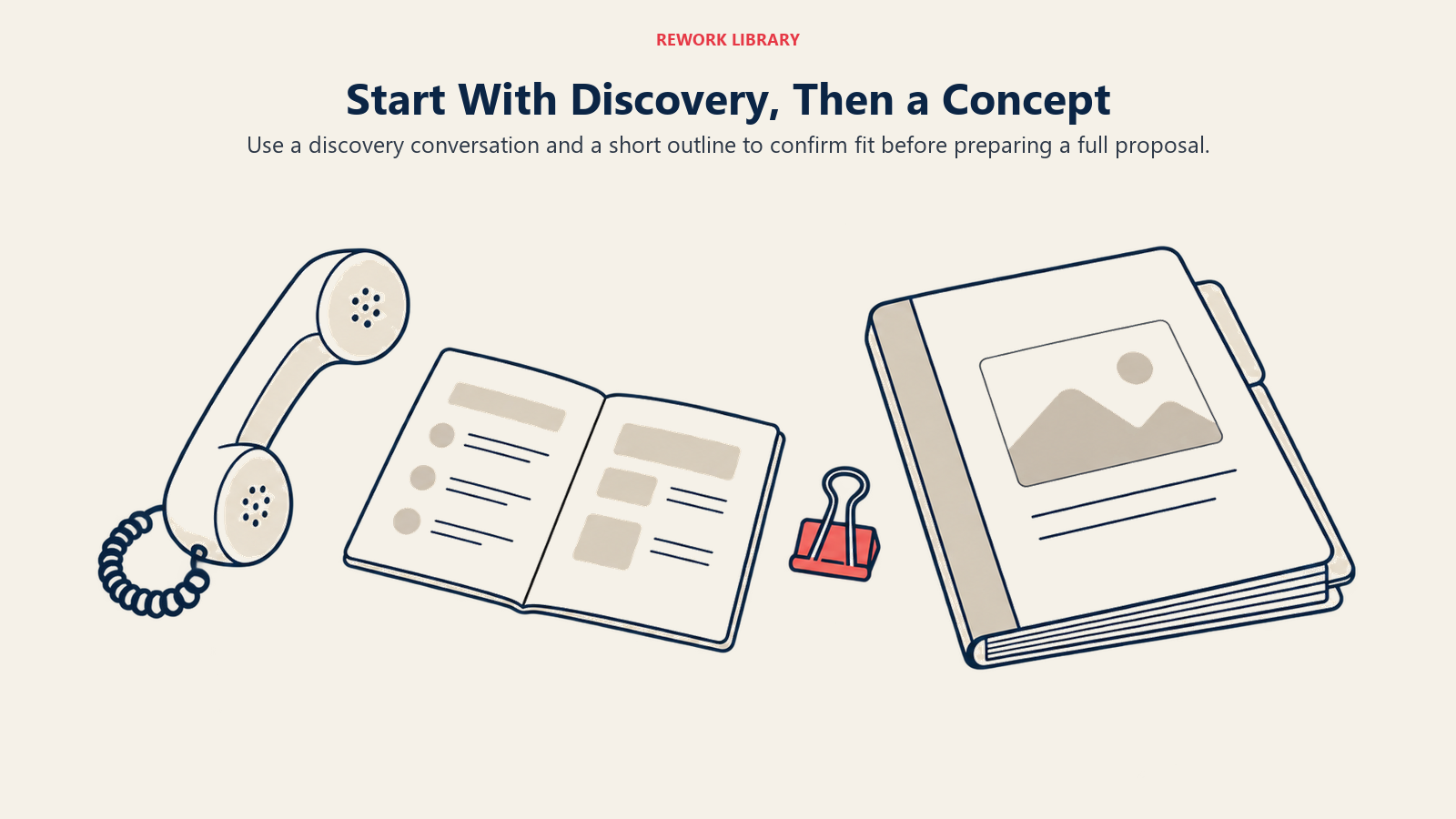
Discovery call structure should uncover needs before proposing solutions. Don't pitch, ask questions. What's the purpose of this trip? What are you hoping participants will experience? What's been successful in past group trips you've organized? What concerns do you have about logistics? This consultative customer retention approach positions you as a partner designing a solution, not a vendor quoting a commodity.
Preliminary proposal approach starts with concept before detailed pricing. After the discovery call, send a 1-2 page overview outlining your understanding of their needs, proposed destination and high-level itinerary, approach to customization, and ballpark pricing range. This gives them enough to know whether you're aligned before you invest hours in detailed proposals. If they respond positively, then create the full proposal.
Site visit and FAM (familiarization) trip strategy works for high-value groups. If a corporate client is considering a $300,000 incentive program or a couple is planning a $200,000 destination wedding, offering to host them on a site visit to experience the destination firsthand can close deals. The investment ($2,000-5,000) is small relative to the booking value and dramatically increases conversion rates.
Nurture Strategy for Long Cycles
Group sales cycles stretch 6-18 months. Staying top-of-mind without being annoying requires structured nurture.
Six to eighteen month engagement cadence maintains relationship momentum. Month 1: Discovery and initial proposal. Month 2: Follow-up with refined proposal based on feedback. Month 3: Share relevant case study. Month 5: Check in on decision timeline. Month 7: Provide updated availability or pricing if needed. Month 9: Share new testimonial or destination update. The goal is valuable touchpoints every 4-6 weeks that add information rather than just asking "have you decided yet?"
Educational content delivery positions you as advisor. Send articles on "How to Plan a Destination Wedding Timeline," "Corporate Incentive Travel ROI Best Practices," or "Tips for Managing Family Reunion Budgets." You're helping them succeed at organizing their group, which builds trust and keeps your name visible.
Milestone reminders prompt action. If they mentioned tentative travel dates 10 months out, send a reminder 7 months before: "Your tentative June travel is approaching. Accommodations in Santorini book up 4-6 months ahead. Should we revisit your plans?" This creates gentle urgency without pressure.
Peer success stories show similar groups succeeding. When you host a destination wedding in Cabo, send photos and testimonials to other engaged couples considering Cabo. When a corporate incentive program achieves strong satisfaction scores, share that case study with other corporate prospects. Social proof from peer groups is more persuasive than generic marketing.
Technology and Process
Group operations need travel CRM systems, not spreadsheets.
Group CRM setup should track complex, multi-stakeholder relationships. Tag contacts by group type (wedding, corporate, family reunion), track proposal status, log all interactions, and set automated reminders for follow-up tasks. HubSpot, Salesforce, or specialized travel CRMs like Traveltek or Tourplan provide customer data management group-specific functionality.
Proposal automation speeds response without sacrificing customization. Build templates for common group types with modular itinerary components you can mix and match. Pre-price common inclusions (airport transfers, welcome dinners, standard excursions) so you're assembling travel content marketing proposals from a library rather than starting from scratch each time. This reduces proposal creation time from 6 hours to 90 minutes.
Booking deposit and payment structure should be clearly defined in contracts. Typical structure: 25% deposit to secure, 50% due 90 days before departure, final 25% due 30 days before. Build in cancellation policies that protect your costs. If someone cancels 45 days before a wedding, you've already committed to vendors and may have limited ability to recoup costs.
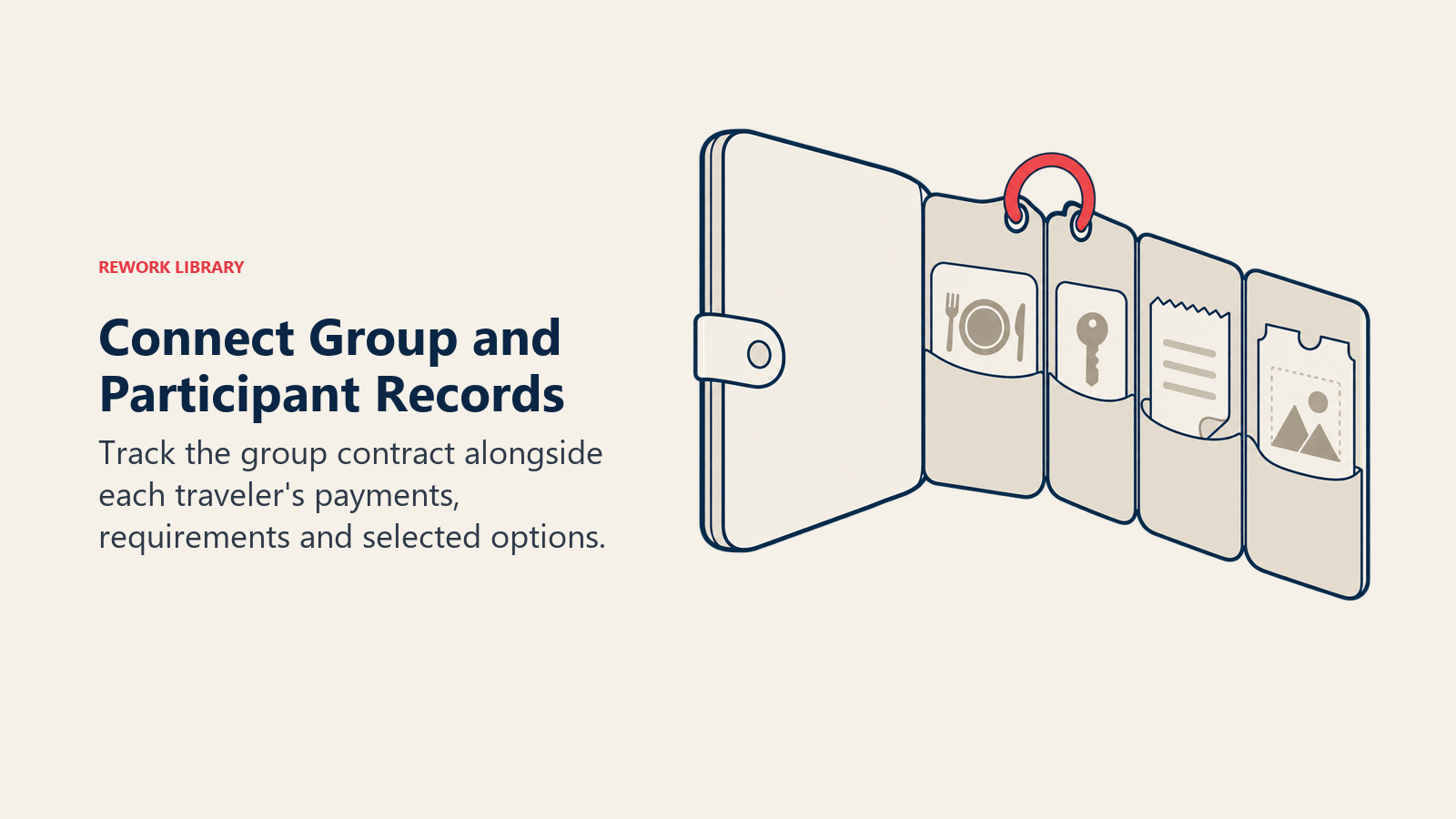
Participant management systems track individual bookings within group contracts. You need to know who's paid, who hasn't, who has dietary restrictions, who needs accessible rooms, and who opted into optional excursions. Tools like TravelJoy, Travefy, or Streamlined handle participant-level details while rolling up to group-level tracking.
Conclusion
Group travel isn't a scaled-up version of individual bookings, it's a completely different business model requiring consultative selling, complex logistics, and long-term relationship building. But the economics reward specialization. One strong group relationship delivering 3-4 bookings annually generates more profit than 200 individual leisure transactions.
The operators winning group business build systematic lead generation through partnerships with planners and organizations, respond to inquiries with speed and substance, and nurture relationships over months with valuable content and strategic check-ins. They're not order-takers, they're experience designers who make group organizers look good and participants remember the trip for years.
Related Articles: