Travel Community Building - 2026 Complete Guide
Turn this article into takeaways for your work.


Each assistant summarizes the article only for you and suggests best practices for your work.
Your best marketing asset isn't your ad campaign. It's the 500 travelers in your Facebook group sharing photos, answering each other's questions, and convincing strangers to book trips. Communities create competitive moats that paid advertising can't replicate.
The travel businesses winning today aren't just selling trips. They're building tribes. G Adventures has 200,000 members in their travel community. Intrepid Travel's Facebook groups generate thousands of bookings annually from peer recommendations. These companies spend less on advertising because their communities do the heavy lifting.
But most travel businesses approach community building backwards. They create the group, post promotional content, and wonder why no one engages. Building genuine communities requires different thinking.
Why Travel Communities Matter
The economics of community-driven growth are compelling. When a community member books a trip, your customer acquisition cost in travel is effectively zero. They were already engaged. No paid ads. No sales calls. Just organic conversion from authentic relationships.
Lifetime value increases dramatically with community involvement. Data from travel companies with active communities shows members book 2.3x more frequently than non-members. They stay loyal 40% longer through customer lifetime value in travel improvements. They refer 3-4 friends on average compared to 0.8 referrals from regular customers.
User-generated content from communities through user-generated content strategy provides unlimited social proof. Every trip photo, destination tip, and success story becomes marketing material. You're not claiming your tours are amazing. Real travelers are demonstrating it publicly. That credibility is worth more than any professional ad campaign.
Emotional bonds transcend transactional relationships when community works. Members don't just buy from you. They identify with your brand. They defend you when criticized. They evangelize unprompted. This psychological connection creates customer loyalty that survives price competition and service hiccups.
And communities reduce support burden by enabling peer assistance. Instead of your team answering the same destination questions repeatedly, experienced travelers help newcomers. Your community becomes a self-sustaining knowledge base.
Community Platform Options
Facebook Groups remain the easiest starting point for most travel businesses as part of your social media for travel brands strategy. Your potential members are already on Facebook. The features support photos, discussions, and events naturally. You can moderate effectively. The downside is you're building on rented land. Facebook owns the relationship and could change algorithms or policies anytime.
But Facebook Groups work because they require minimal technical setup. Create the group, set some basic rules, start posting valuable content, and invite your existing customers. Within weeks you can have active discussions.
Slack and Discord channels appeal to tech-savvy travelers and create more intimate communities. These platforms enable real-time conversations, multiple topic channels, and stronger bonds. The adventure travel community "Nomad List" built its entire business model on a Slack community of digital nomads planning trips.
The limitation is friction. Not everyone has Slack or Discord. Asking people to download new apps creates drop-off. But the members who do join tend to be highly engaged.
Branded mobile apps give you full control and data ownership. You can build exactly the features your community needs: trip planning tools, photo sharing, travel buddy matching, event coordination. Apps like Tourlane and Evaneos have built communities directly into their booking platforms.
The trade-off is cost and complexity. Custom app development requires significant investment. You need critical mass before the effort pays off. Most travel businesses should start with Facebook or Slack and only build custom apps after proving the community model works.
Online forums and discussion boards feel old-school but still work for destination-specific communities. Sites like Lonely Planet's Thorn Tree forum and TripAdvisor's destination forums have millions of posts. They're searchable, SEO-friendly, and create permanent knowledge bases.
In-person meetup strategies complement digital communities powerfully. Local travel meetups, alumni reunions for past travelers, and destination events create real-world connections that strengthen online engagement. G Adventures hosts "Wanderers Unite" meetups in cities globally. These events generate massive loyalty.
Community Segmentation Strategies
Destination-based communities work well for agencies specializing in specific regions with strong destination marketing strategy. If you focus on Japan travel, create a "Japan Travel Enthusiasts" community. Members share tips about specific cities, seasonal recommendations, and hidden gems. The expertise concentration makes discussions more valuable than generic travel groups.
Traveler type segmentation lets people connect with like-minded explorers. Adventure travelers have different interests than luxury travelers. Family vacation planners need different advice than solo backpackers. Intrepid Travel runs separate communities for different travel styles: 18-to-Thirtysomethings, Comfort Tours, Wellness Tours.
Alumni and repeat guest communities capitalize on shared experiences through repeat booking strategy. Everyone in your "Iceland Alumni" group has taken your Iceland tour. They have common memories, inside jokes, and instant rapport. These communities show prospective travelers what post-trip engagement looks like and increase repeat bookings.
Interest-based tribes around photography, food, wellness, or adventure create strong identities. Your "Travel Photography Community" attracts people who prioritize capturing amazing images. They share camera settings, locations, and techniques. The community becomes valuable beyond just booking trips.
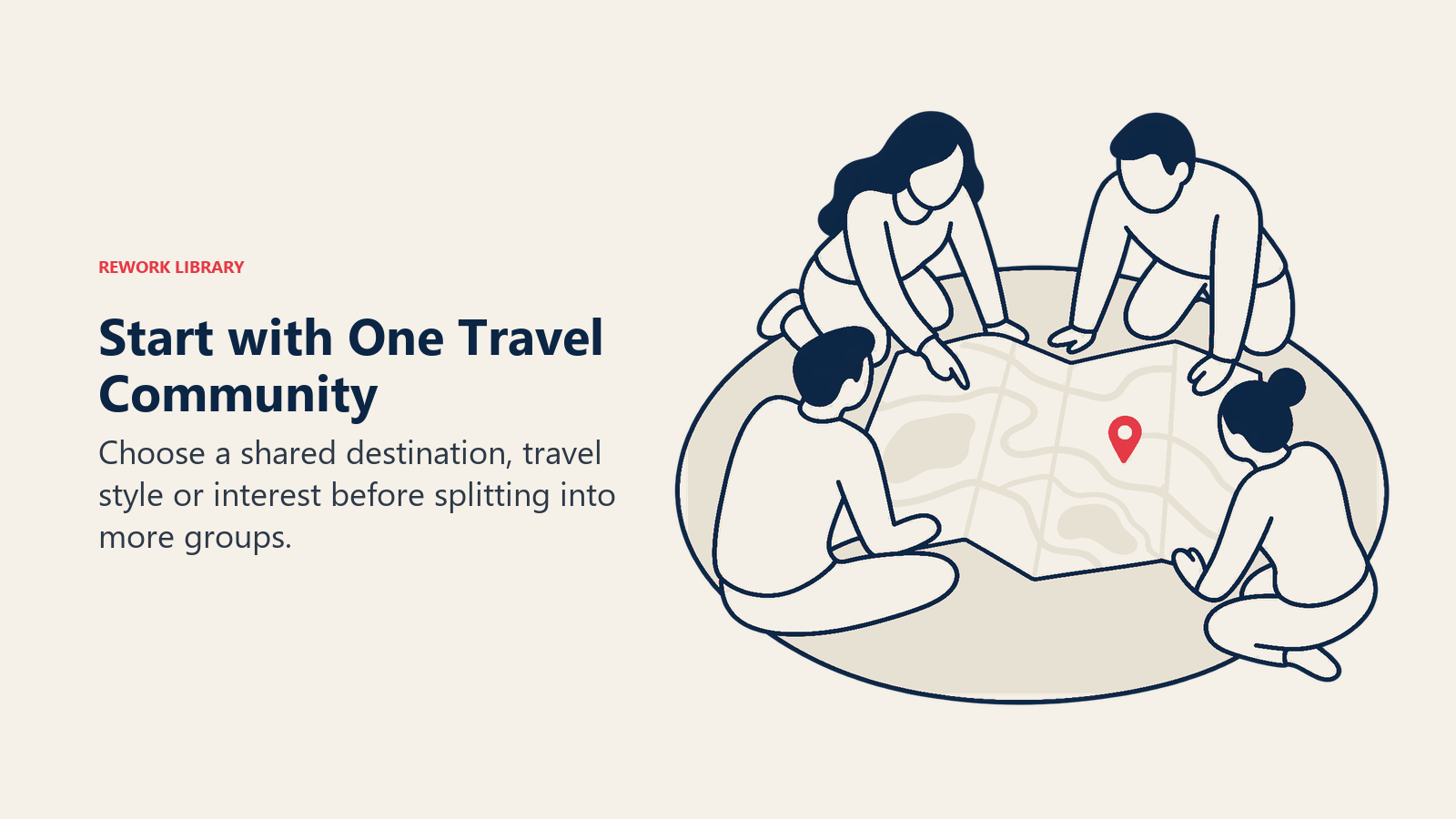
Don't create too many segments initially. Start with one community, prove the model, then expand. Managing multiple communities requires significant moderator time and content creation.
Launch & Growth Strategies
Seed your initial members from your best existing customers. Email your past travelers who gave 5-star reviews and refer friends. Invite them personally to join the founding community. These enthusiasts will generate the early engagement that attracts others.
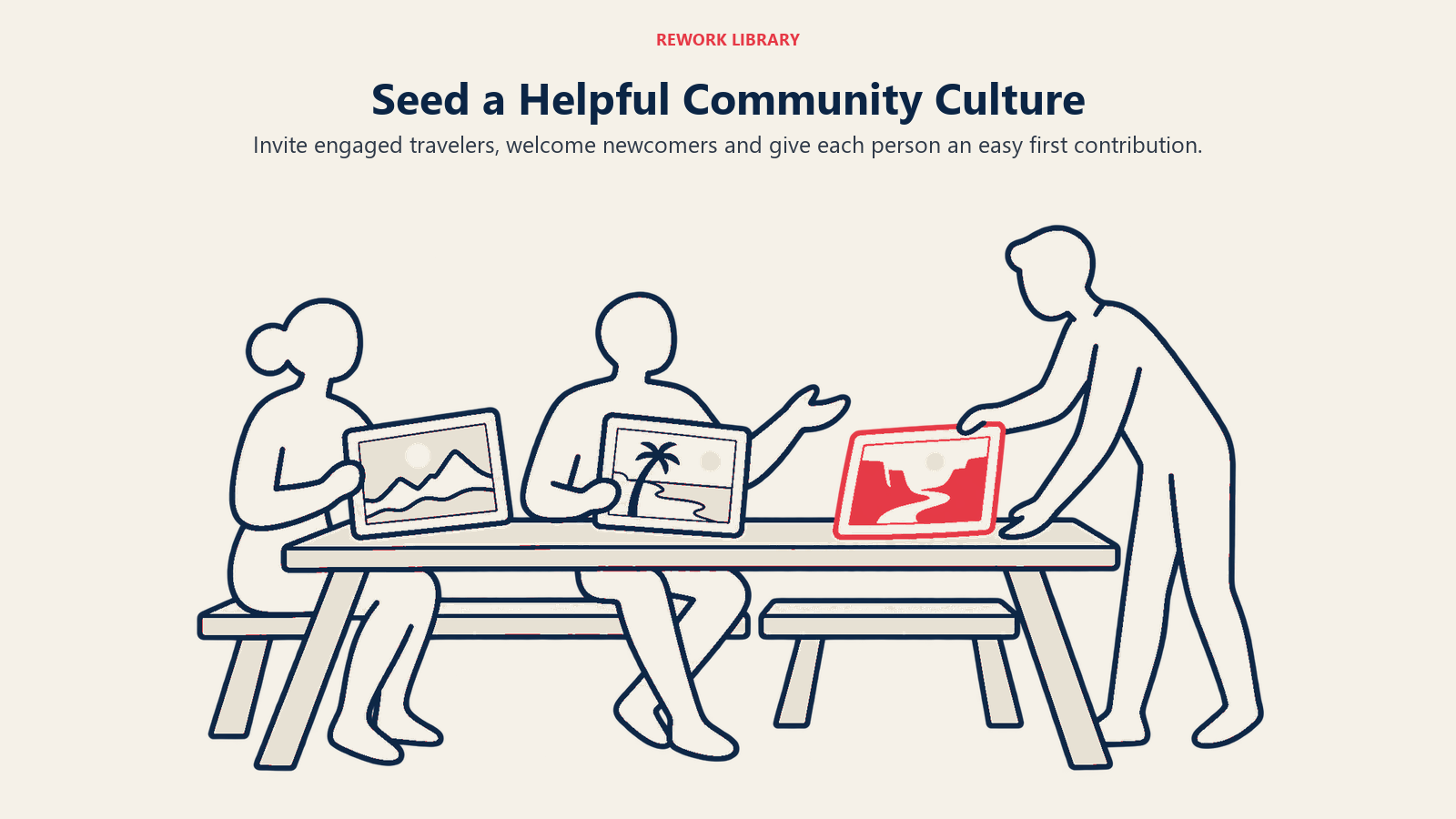
Your first 50-100 members determine community culture. If they post valuable content, ask good questions, and support each other, new members will follow those norms. If the early members are complainers or lurkers, the culture sours.
Create compelling onboarding for new members. When someone joins, welcome them personally. Ask them to introduce themselves and share their travel interests. Give them a quick action to take, like answering a simple question or sharing their favorite trip photo.
Generate early engagement through intentional prompts. Post questions that invite participation: "What's your dream destination for 2026?" or "What's the best travel advice you've ever received?" These low-friction prompts get lurkers commenting.
Achieve critical mass by targeting 10-15% active member participation. If 200 people join but only 5 ever post, the community feels dead. But if 25-30 people are actively participating, the community feels vibrant. Focus on engagement quality over member count early on.
Cross-promote the community everywhere: your website, email signature, booking confirmation, post-trip follow-up. Make joining the community a natural part of the customer journey.
Content & Engagement Tactics
Trip planning discussions generate consistent engagement. Create threads for specific destinations or timeframes: "Who's traveling to Europe in Summer 2026?" Members planning similar trips connect, share research, and build relationships before they book.
Travel tips exchange provides ongoing value. Prompt members to share packing hacks, money-saving strategies, photography tips, or language basics. This content helps future travelers while showcasing community expertise.
Photo sharing contests create visual engagement and UGC that complements travel video marketing. Monthly themes like "Best Sunset Photo" or "Most Unique Street Food" encourage members to share travel highlights. Feature winning photos in your marketing materials and tag the photographers.
Q&A sessions with travel experts position your team as helpful resources, not just salespeople. Host live sessions where members ask questions about destinations. Your destination specialists provide insights without being promotional. This builds trust and authority.
Member spotlights celebrate active community members and encourage participation. Feature a "Traveler of the Month" with their story, favorite trips, and travel philosophy. Recognition motivates members to contribute more.
Behind-the-scenes content from your team humanizes your brand. Share how you vet hotels, plan itineraries, or discover hidden gems. Let members see the work that goes into creating great trips.
Weekly prompts keep engagement consistent. "Monday Motivation" destination photos. "Wednesday Wanderlust" dream trip sharing. "Friday Flashback" to favorite travel memories. Predictable rhythms train members to check the community regularly.
Moderation & Community Guidelines
Set clear community rules from day one. No spam or self-promotion. No attacks or disrespect. Stay on topic. Keep language family-friendly. Post these rules prominently and enforce them consistently. One bad actor can poison community culture if not addressed quickly.
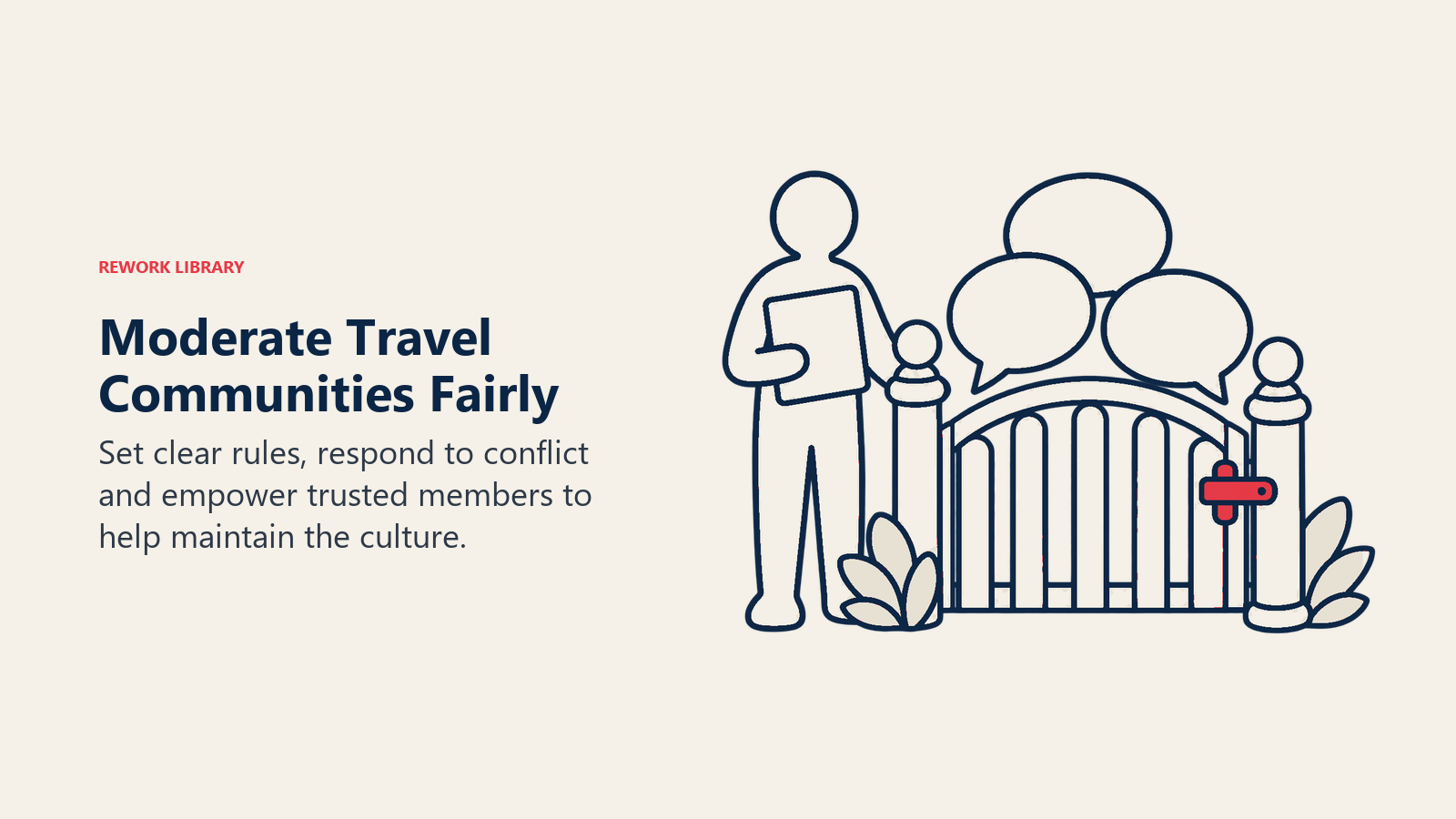
Manage conflicts promptly and fairly. When disagreements arise, step in as moderator. Remind members of the rules. De-escalate tensions. Private message people if needed. Most conflicts resolve with simple moderation.
Prevent spam and promotional abuse by requiring approval for new member posts initially. Once members prove they're genuine participants, they can post freely. This stops marketers from joining just to pitch products.
Foster positive culture through recognition and tone-setting. Thank members for helpful contributions. Celebrate great trip stories. Model the friendly, supportive vibe you want. Community culture reflects moderator behavior.
Recruit community ambassadors from your most active members. Give them moderator privileges. They help answer questions, welcome new members, and keep discussions active. This distributes the work and increases member investment.
Community-Driven Marketing
Leverage UGC for social proof across all marketing channels. Every community member who posts trip photos gives you content to share. Ask permission, then feature their images and testimonials on your website, social media, and ads. Real traveler content outperforms stock photos dramatically.
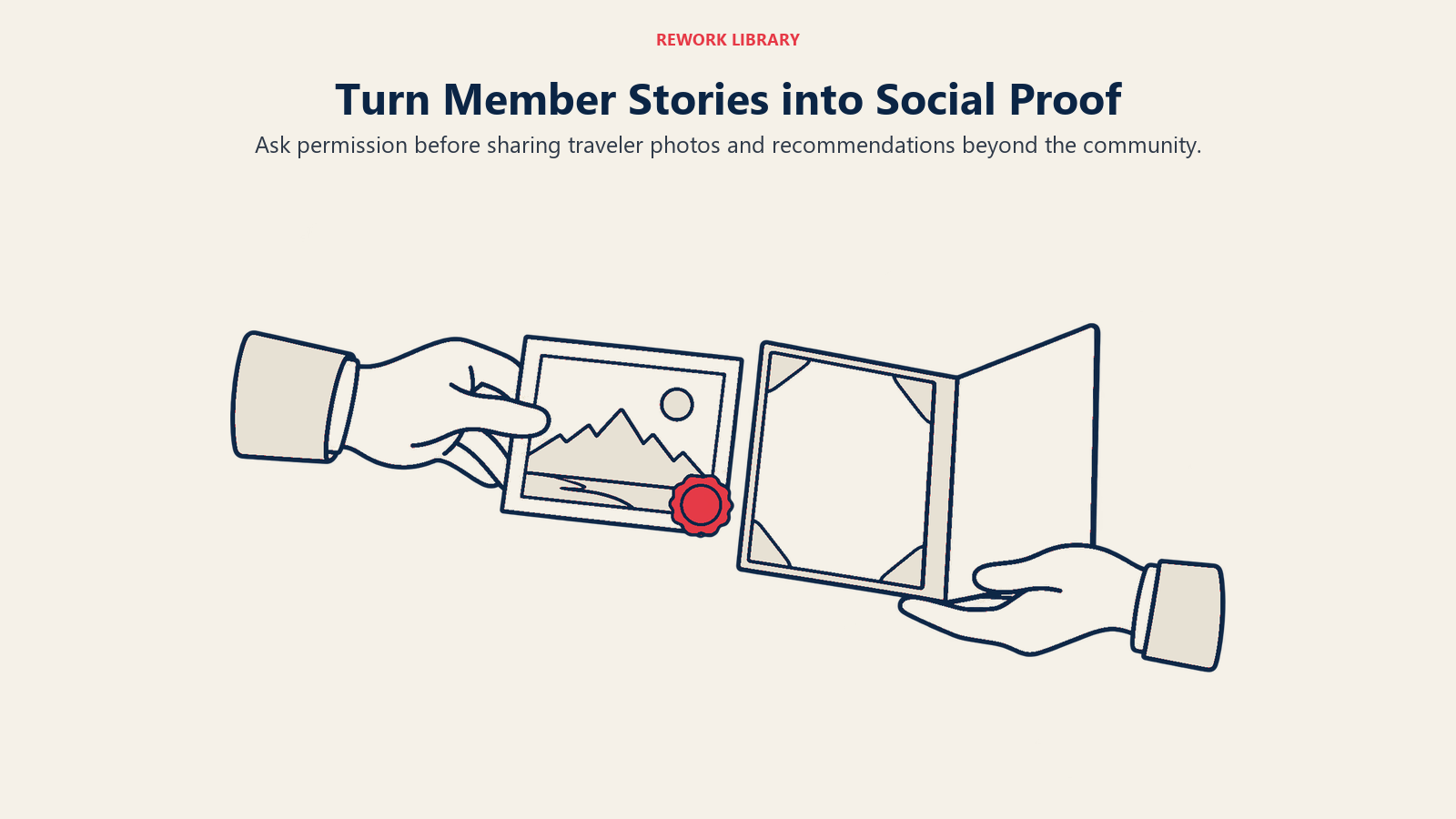
Testimonials from community members carry more weight than anonymous reviews. When prospects see active discussions and authentic recommendations, trust forms faster. Feature community conversations on your sales pages.
Referrals from community members through travel referral programs convert at 3-4x higher rates than cold leads. When a community member recommends your tours to friends, those referrals arrive warm. They've heard authentic stories, seen real photos, and trust the source.
Authentic destination content created by travelers who've been there beats anything you write as part of travel content marketing. Your blog post about Paris is marketing. A community member's detailed guide to hidden Paris bistros is genuine advice. This peer-generated content ranks well for SEO and drives organic traffic.
Exclusive Community Benefits
Early access to new trips creates VIP feeling and drives community participation. Announce new itineraries to your community 2-4 weeks before public launch. Let members book first. This exclusivity rewards engagement and generates quick sales.
Special pricing for community members is expected but should be strategic. Don't discount everything. Offer exclusive rates on select departures or new destinations. The value needs to feel special, not just standard marketing.
Member-only events, both virtual and in-person, strengthen bonds. Host annual gatherings, destination meetups, or webinar series exclusively for community members. These experiences differentiate community membership from just being on your email list.
Behind-the-scenes content and insider knowledge give members reasons to stay engaged. Share destination reports from your scouting trips. Reveal upcoming itinerary plans. Let community members influence new destination selection through polls.
Recognition programs for active contributors create gamification. Award badges or status tiers based on participation: posts, helpful answers, trip bookings, referrals. Display member levels publicly to encourage friendly competition.
Measuring Community Health
Active member percentage reveals true engagement. If you have 1,000 members but only 50 ever post or comment, your active rate is 5%. Healthy communities maintain 10-20% active participation. Track this monthly and investigate drops.
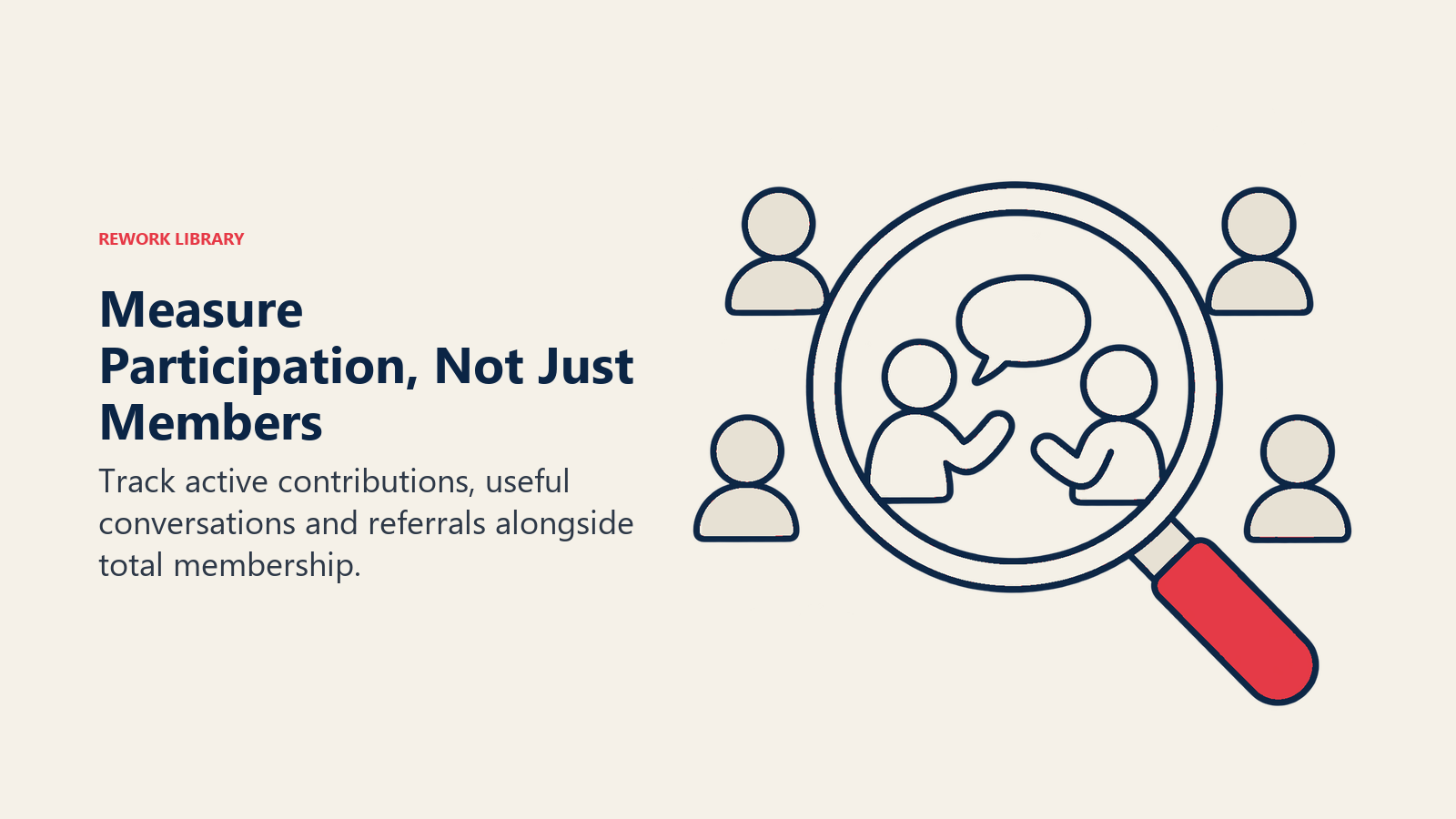
Engagement rate on your posts shows content effectiveness. If you post questions or prompts and get 2 responses, engagement is weak. If you get 30+ responses, you're hitting the mark. Test different content types to find what resonates.
UGC volume quantifies content creation. Count member posts, photos shared, and discussions started monthly. Growth in member-generated content means community vitality is increasing.
Referrals generated from community members tie directly to revenue. Track which bookings came from community referrals. Compare community member referral rates to non-member rates. The gap should be significant if community is working.
Community NPS measures member satisfaction and loyalty using travel NPS satisfaction metrics. Survey your community quarterly: "How likely are you to recommend this community to other travelers?" Scores above 50 indicate healthy community. Below 30 signals problems.
Community-to-Revenue Conversion
Repeat bookings from community members should be 2-3x higher than non-members. Track booking frequency by community participation level. Your most active members should book most frequently. If not, the community isn't translating to sales.
Group trips organized through community connections drive large revenue events. When community members organize their own group departures, you're getting free trip leaders. Support these initiatives and they become recurring revenue sources.
Affiliate partnerships with community-relevant brands create additional revenue. Partner with luggage companies, travel insurance, language apps. Community members get discounts. You get affiliate fees. This only works if you're thoughtful about partnership quality.
Premium community memberships can justify charging for access if value is high enough. Some travel communities charge $99-$299 annual fees for enhanced benefits: deeper discounts, exclusive trips, premium content. This model works once you've proven significant value.
The ultimate community-to-revenue metric is customer acquisition cost reduction. As community referrals and organic discovery increase, paid acquisition costs should decrease. Track CAC trends before and after community launch. Successful communities drive CAC down 20-40%.
Conclusion
Travel communities transform customers into brand advocates and create self-sustaining marketing engines. The companies that master community building reduce acquisition costs, increase lifetime value, and build competitive moats that advertising alone can't create.
Start small with a single community on Facebook or Slack. Focus obsessively on engagement quality over member count. Provide genuine value through peer connections, exclusive content, and recognition. The revenue follows naturally when community culture is strong.
Related Articles:

Business Consultant