Social Media for Travel Brands: Building Audience and Driving Inquiries
Turn this article into takeaways for your work.


Each assistant summarizes the article only for you and suggests best practices for your work.
Two travel companies both have 50,000 Instagram followers. Company A generates 15 inquiries monthly from social media. Company B generates 240. The difference isn't follower count, it's strategy, content quality, and systematic conversion approach.
87% of travelers use social media for travel inspiration, but most tour operators treat social as an afterthought, posting occasionally, chasing likes, celebrating follower milestones while generating zero business results. Social media can be a powerful growth engine, but only if you approach it strategically.
The goal isn't followers. It's converting inspiration into inquiries, and inquiries into bookings.
Social Media's Role in Travel Marketing
Social serves specific functions in the travel journey:
Inspiration and Discovery Phase Dominance:
Social is where travel dreams begin. People aren't on Instagram looking for flights, they're escaping into beautiful places and aspirational experiences. Your social presence plants seeds that grow into trips months later.
This means social media's value isn't measured in immediate conversions. It's measured in awareness, brand recall, and the inquiries that come 3-6 months after someone started following you.
Visual Storytelling Advantages:
Travel is inherently visual. Destinations, experiences, cultures, these are best communicated through photos and videos. Social platforms built for visual content (Instagram, Pinterest, TikTok) perfectly match your product.
But "pretty pictures" aren't enough. Effective travel social media tells stories, provides context, shares insights, and makes viewers feel something.
Community Building Opportunities:
Social enables ongoing relationships with past guests, future travelers, and destination enthusiasts. You're not just broadcasting, you're building tribe of people who share your values and interests.
Past guests commenting on your posts create social proof for prospects. Engaged community members share your content, expanding reach organically.
Direct Inquiry Generation:
While primarily an awareness channel, social can generate direct inquiries through:
- DMs asking trip questions
- Bio link clicks to inquiry forms
- Saved posts referenced during research
- Tagged content sparking interest
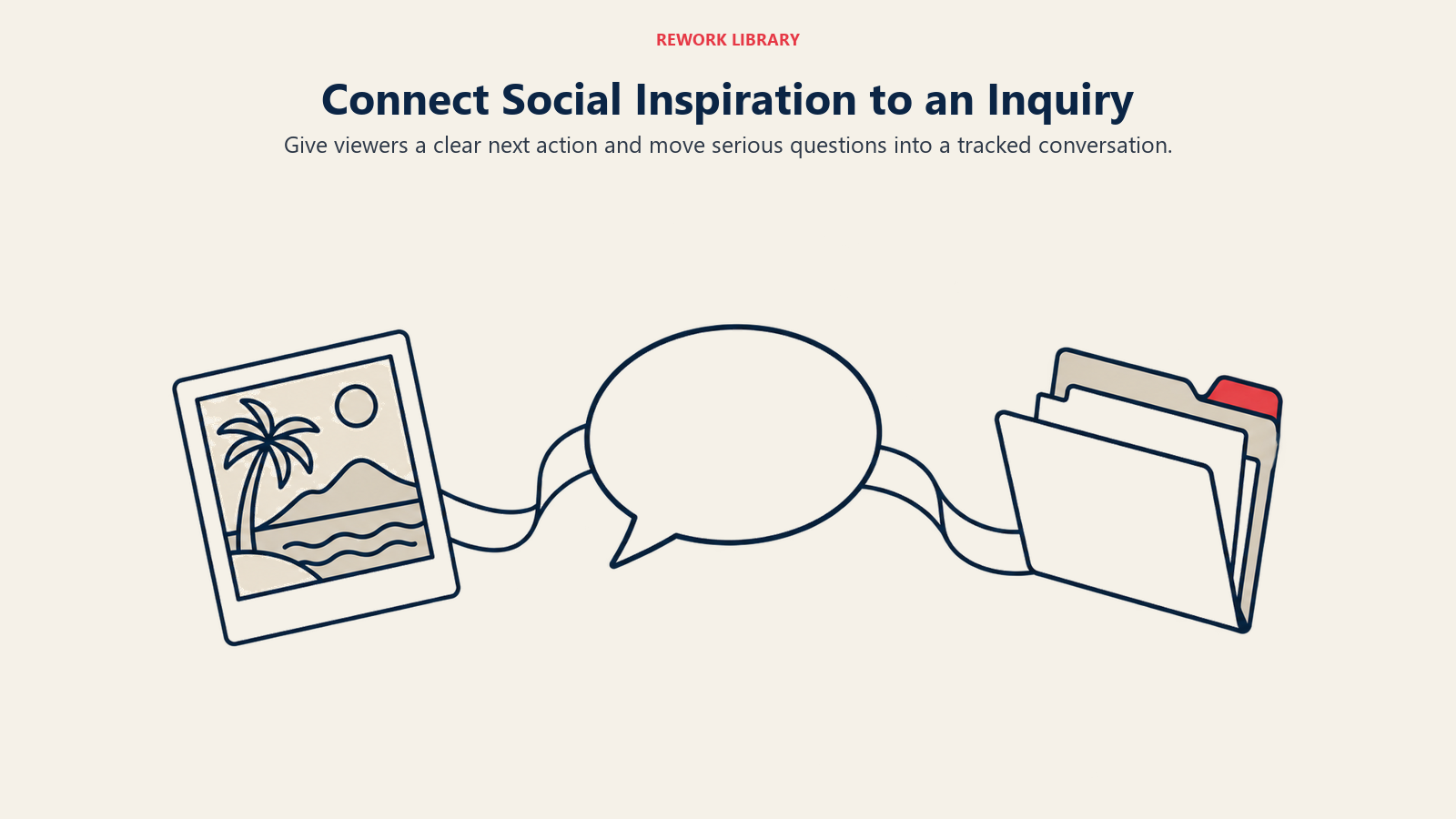
The key is making it easy to move from inspiration to inquiry.
Platform Strategy for Travel
Different platforms serve different purposes:
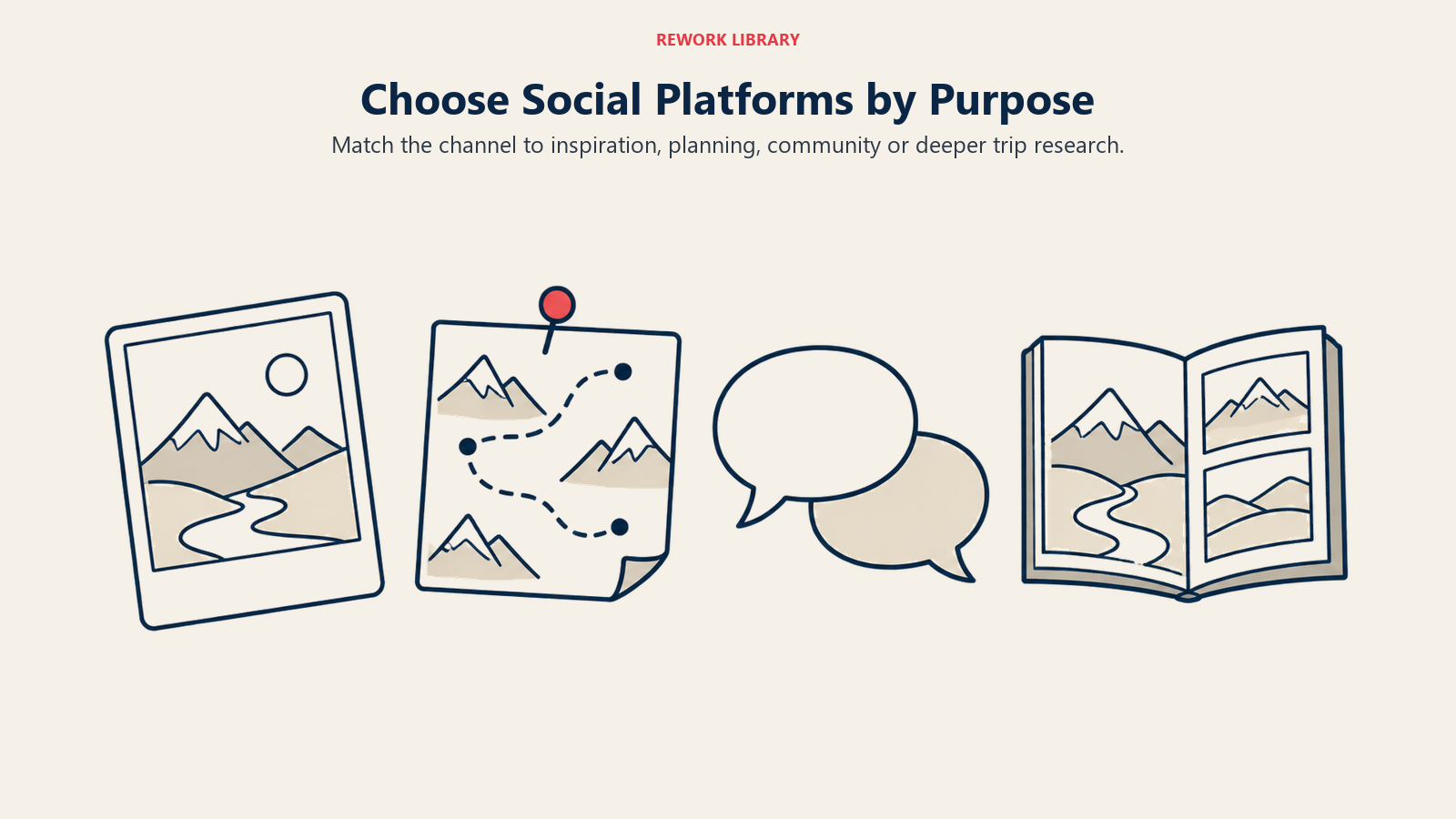
Instagram: Visual Inspiration and Destination Showcasing:
Primary Use: Beautiful destination photos, experience previews, customer stories, behind-the-scenes content.
Content Types:
- Feed posts: Best photography, curated stories (post 3-5x weekly)
- Stories: Real-time content, polls, Q&A, day-in-life (daily)
- Reels: Short videos showcasing destinations, experiences, tips (3-5x weekly)
- Highlights: Organized permanent content by destination or topic
Audience: Millennials and Gen Z, aspirational travelers, visual-first researchers.
Strategy: Build aesthetic consistency, showcase experiences, leverage UGC, drive traffic via link in bio.
Facebook: Community, Groups, and Detailed Content:
Primary Use: In-depth content, community building, event promotion, customer support.
Content Types:
- Longer-form posts with multiple images
- Video content and live streaming
- Facebook Groups for past guests or destination enthusiasts
- Event pages for departure dates or info sessions
Audience: Gen X and older Millennials, family travelers, group organizers.
Strategy: Foster community engagement, provide detailed trip information, leverage groups for loyalty and referrals.
Pinterest: Trip Planning and Idea Boards:
Primary Use: Evergreen content discovery, trip planning, inspiration collection.
Content Types:
- Destination guides and travel tips
- Itinerary ideas and sample trips
- Packing lists and planning resources
- Beautiful destination photography
Audience: Predominantly female, planners and organizers, early research phase.
Strategy: Optimize pins for search, create valuable planning resources, drive traffic to website content. Pinterest has longest discovery timeline, people find pins months after posting.
TikTok: Destination Discovery and Experience Previews:
Primary Use: Short-form entertaining destination content, reaching younger travelers.
Content Types:
- Quick destination tours and highlights
- Travel tips and hacks
- Behind-the-scenes and authentic moments
- Trending audio with travel context
Audience: Gen Z and young Millennials, spontaneous travelers, mobile-first.
Strategy: Embrace authenticity over perfection, participate in trends, educate while entertaining, drive profile visits and website traffic.
YouTube: Long-Form Destination Content:
Primary Use: Detailed destination showcases, itinerary walkthroughs, educational content.
Content Types:
- Destination guides and vlogs (8-15 minutes)
- Customer testimonial videos
- Itinerary walkthroughs and trip previews
- "How to" content for trip planning
Audience: Serious researchers, visual learners, deep consideration phase.
Strategy: Optimize for YouTube search, create comprehensive destination content, build subscriber base for ongoing reach.
LinkedIn: B2B Travel (Corporate, Group, MICE):
Primary Use: Corporate travel, group sales, industry thought leadership.
Content Types:
- Industry insights and trends
- Company culture and values
- Case studies and success stories
- Sustainable tourism initiatives
Audience: Corporate travel planners, event organizers, B2B buyers.
Strategy: Position expertise, share business value, network with decision-makers, showcase corporate capabilities.
Content Strategy by Platform
Each platform has different content preferences:
What Content Works Where:
Instagram: Stunning photos, short videos, aspirational moments, customer experiences, destination beauty.
Facebook: Community discussions, detailed trip info, customer photos, event announcements, longer stories.
Pinterest: Helpful guides, list-based content, infographics, planning resources, beautiful aspirational images.
TikTok: Quick tips, entertaining moments, day-in-life, authentic experiences, trending formats.
YouTube: Educational deep-dives, destination guides, full experience showcases, detailed itineraries.
Don't post the same content everywhere. Adapt to platform preferences and audience expectations.
Format Optimization:
Reels/TikTok (Vertical Video):
- 15-60 seconds
- Hook in first 2 seconds
- Text overlays for sound-off viewing
- Trending audio when relevant
- Clear call-to-action
Instagram Feed Posts:
- High-quality photography
- Carousel posts (multiple images) get more engagement
- First line must hook (most see only preview)
- Include destination tags and hashtags
Stories:
- Behind-the-scenes and authentic
- Interactive elements (polls, questions, quizzes)
- Swipe-up links (if you have feature)
- Time-sensitive content
Posting Frequency and Timing:
Recommended posting frequency:
- Instagram: 4-7 feed posts weekly, daily stories, 3-5 reels weekly
- Facebook: 3-5 posts weekly
- Pinterest: 5-10 pins daily
- TikTok: 3-7 videos weekly
- YouTube: 1-4 videos monthly
- LinkedIn: 2-3 posts weekly (for B2B focus)
Posting timing matters less than consistency. Most platforms show content based on engagement, not chronological order.
Hashtag Strategies for Travel:
Use mix of hashtag sizes:
- Large (1M+ posts): #travel, #wanderlust, #travelgram, huge reach but very competitive
- Medium (100K-1M posts): #perutravel, #adventuretravel, #luxurytravel, targeted reach, moderate competition
- Small (10K-100K posts): #peruhiking, #machupicchutrek, #amazontours, niche audiences, higher engagement
- Branded: Your company hashtag, campaign hashtags, community building
Use 5-10 relevant hashtags on Instagram, 2-3 on TikTok, minimal on other platforms.
Visual Content Creation
Quality content requires investment:
Photography Guidelines and Quality Standards:
Minimum standards:
- High resolution (at least 1080px width)
- Good lighting and composition
- Authentic moments, not overly staged
- Diversity in subjects and perspectives
- Consistent editing style and color palette
Invest in quality camera or smartphone with good camera. Consider hiring photographer for key destination shoots.
Video Content Production:
Equipment needed:
- Smartphone with stabilization or gimbal
- External microphone for better audio
- Basic editing software (free: CapCut, iMovie; paid: Adobe Premiere, Final Cut)
- Lighting equipment for indoor shots
Focus on storytelling over production value. Authentic shaky iPhone video often outperforms overly-produced content.
User-Generated Content Curation:
Your guests create content constantly:
- Request permission to repost
- Credit original creators prominently
- Mix UGC with branded content (50/50 or 70/30)
- Create hashtag campaigns encouraging sharing
- Feature customer stories regularly
UGC is more authentic and trustworthy than branded content, and it's free.
Balancing Professional vs Authentic Content:
Too polished: Looks like advertising, lower engagement, less trustworthy.
Too raw: Appears unprofessional, doesn't inspire confidence in quality.
Sweet spot: Professional quality with authentic moments and real people. Behind-the-scenes that's well-shot. Customer content that tells real stories.
Audience Building Tactics
Growing engaged followers:
Organic Growth Strategies:
- Post consistently with quality content
- Engage authentically with your audience (reply to comments, like posts, answer DMs)
- Engage with complementary accounts and their audiences
- Use relevant hashtags strategically
- Collaborate with other travel brands
- Share valuable, shareable content
- Optimize profiles for discoverability
Organic growth is slow but builds genuinely interested audience.
Paid Follower Acquisition:
Run targeted ads optimized for followers:
- Target by destination interest and travel behavior
- Use engaging creative showcasing your best content
- Set reasonable cost per follower targets ($0.50-$2.00)
- Test different audiences and creative
But remember: follower count is vanity metric. Engaged, qualified followers matter, not just numbers.
Collaboration and Cross-Promotion:
- Partner with complementary travel brands
- Guest takeovers with other travel accounts
- Collaborative giveaways and contests
- Shoutout exchanges
- Tag and mention partner brands naturally
Community Engagement Tactics:
- Respond to every comment and DM quickly
- Ask questions in captions to encourage comments
- Create conversation-starting content
- Run polls and interactive stories
- Feature community members regularly
- Build Facebook/WhatsApp groups for past guests
Engagement matters more than reach. 10,000 engaged followers beat 100,000 passive ones.
Inquiry Generation from Social
Converting social presence into business:
Bio Link Optimization:
Your bio link is prime real estate:
- Use link-in-bio tools (Linktree, Beacons, Stan Store) to offer multiple destinations
- Update seasonally to highlight current promotions
- Track clicks to measure interest
- Make clear what action you want
Call-to-Action Strategies:
Include CTAs in content:
- "DM us to start planning your Peru adventure"
- "Link in bio for full itinerary and pricing"
- "Save this for your future trip planning"
- "Tag someone you'd travel here with"
Make next steps obvious and easy.
DM Inquiry Management:
Respond to DMs within hours:
- Use saved replies for common questions
- Move serious inquiries to email or phone quickly
- Provide helpful info even if not immediate sales opportunity
- Track inquiries and follow up
DMs are high-intent. Fast, helpful responses convert.
Social Commerce for Travel:
Platforms are adding native booking capabilities:
- Instagram Shopping for tagging products
- Facebook Marketplace for experiences
- Pinterest Product Pins
These are emerging, test but don't depend on yet. Directing to your website still converts better.
Social Advertising for Travel
Paid amplification strategies:
Awareness Campaigns:
Goal: Reach people interested in your destinations
- Beautiful imagery and video
- Storytelling and inspiration
- Optimize for reach and video views
- Build audiences for retargeting
Consideration and Inquiry Campaigns:
Goal: Drive website visits and inquiry submissions
- Specific itinerary and trip promotions
- Customer testimonials and social proof
- Clear value propositions
- Optimize for website conversions or lead generation
Retargeting Strategies:
Re-engage people who visited your website or engaged with content:
- Show specific trips they viewed
- Offer limited-time promotions
- Customer testimonials building trust
- Remarketing to past inquirers who didn't book
Budget Allocation and ROAS Expectations:
Social advertising for travel typically delivers:
- $30-$80 cost per inquiry
- 5-15% inquiry-to-booking rate
- $2,000-$8,000 cost per booking
Allocate 30-50% of digital ad budget to social, with remainder on search.
Measurement and Analytics
Track meaningful metrics:
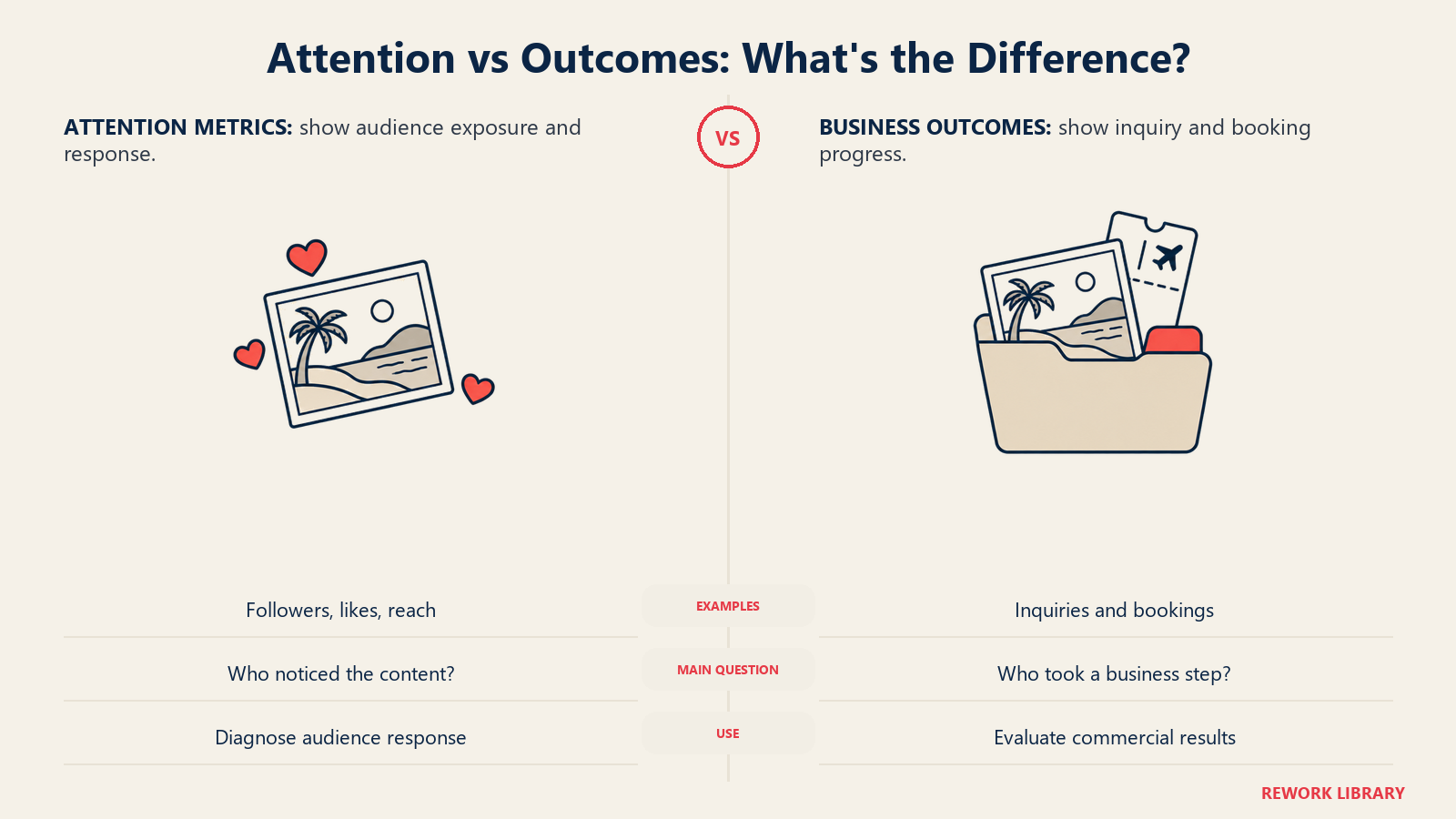
Vanity Metrics vs Business Metrics:
Vanity Metrics (not directly valuable):
- Total followers
- Total likes
- Reach and impressions
Business Metrics (what actually matters):
- Website clicks from social
- Inquiry submissions attributed to social
- Bookings from social traffic
- Cost per inquiry from social
- Engagement rate (meaningful interaction)
Celebrate follower milestones but optimize for business outcomes.
Attribution Modeling for Social:
Social media often assists conversions without being last click:
- Track first-touch attribution (where customer first found you)
- Use UTM parameters on all social links
- Ask on inquiry forms: "How did you find us?"
- Give credit for multi-touch journeys
Content Performance Analysis:
Review regularly:
- Which content types drive most engagement
- Which drive most website clicks
- Which destinations/topics resonate most
- Optimal posting times for your audience
- Hashtag performance
Double down on what works; cut what doesn't.
Building Social Media Team
Resource allocation options:
In-House: Hire social media manager. Best for brands over $3M annual revenue. Allows brand control and quick execution. Requires salary $50K-$80K+ plus tools and content production costs.
Agency: Outsource to social media agency. Can work at any size. Costs $2,000-$10,000/month depending on scope. Less brand intimacy but brings expertise.
Hybrid: In-house strategist/manager with freelance content creators (photographers, videographers, designers). Good balance of control and specialized skills.
Founder-Led (under $1M revenue): Founder manages social with help from team members contributing content. Authentic but not scalable long-term.
Related Articles

Business Consultant