Travel Crisis Management - Emergency Response & Business Continuity 2025
Turn this article into takeaways for your work.


Each assistant summarizes the article only for you and suggests best practices for your work.
The earthquake hit at 3:47 AM. The tour operator had 23 guests across four hotels in the affected city, three more groups arriving that day, and another departing tomorrow. For 18 minutes, they had no communication with any guides. No way to confirm guest safety. No information about hotel structural integrity. Just terrifying silence while social media showed building collapses and emergency responders flooding the city.
When communication finally restored, they discovered all guests were safe. But those 18 minutes exposed a critical gap: their crisis management plan assumed they'd have communication. They'd never planned for the scenario where the crisis itself destroyed the communication infrastructure they'd depend on to manage it.
Crisis management isn't about preventing all possible problems - some events are beyond any operator's control. It's about preparing systematic responses that protect people first, maintain operations where possible, and preserve your business and reputation through the recovery period. Effective on-trip support service serves as your first line of defense.
The operators who survive crises are those who've prepared while their competitors hoped it would never happen to them.
Crisis Management Framework
Effective crisis response requires preparation, structure, and clear decision-making frameworks established before crisis occurs.
Crisis categories define different types of emergencies requiring different responses. Natural disasters (earthquakes, hurricanes, floods, wildfires) require evacuation and guest safety protocols. Political unrest (coups, civil violence, terrorism) triggers security protocols and potential extraction. Health emergencies (disease outbreaks, pandemics) activate health screening and medical response. Accidents (vehicle crashes, activity injuries) initiate immediate medical care and incident management. Each category needs specific protocols.
Crisis management team roles and responsibilities should be pre-assigned and documented. Crisis coordinator (typically CEO or operations director) makes final decisions and coordinates overall response. Operations manager handles guest communication and itinerary impacts. Marketing/PR director manages external communication and media relations. Legal counsel advises on liability and documentation. Insurance coordinator handles claims and coverage questions. Finance director authorizes emergency expenses. Everyone knows their role before crisis strikes.
Crisis communication hierarchy and decision authority prevents confusion about who can make what decisions. Field guides can make immediate safety decisions without authorization - get people out of danger now, report later. Operations managers can approve emergency expenses up to defined limits and make operational changes. Crisis coordinator authorizes major expenditures, policy decisions, and external communications. This hierarchy ensures fast decisions at appropriate levels.
Business continuity plans for various scenarios outline how you'll maintain operations during and after crises. Plans should address: communication with current guests on trips, contact with upcoming departures, supplier coordination and alternatives, financial management during disruption, and staff safety and support. These plans transform abstract "be prepared" advice into concrete action steps.
Medical Emergency Protocols
Medical emergencies are the most common serious crises travel operators face. Clear protocols save lives and reduce liability.
Handling guest illness or injury during trips requires immediate assessment and appropriate escalation. Guides trained in first aid provide initial care, assess severity, and determine need for professional medical attention. For serious situations: call local emergency services immediately, contact home office to activate medical emergency protocol, stay with affected guest providing support and translation, and gather relevant medical history and insurance information from your travel documentation process.
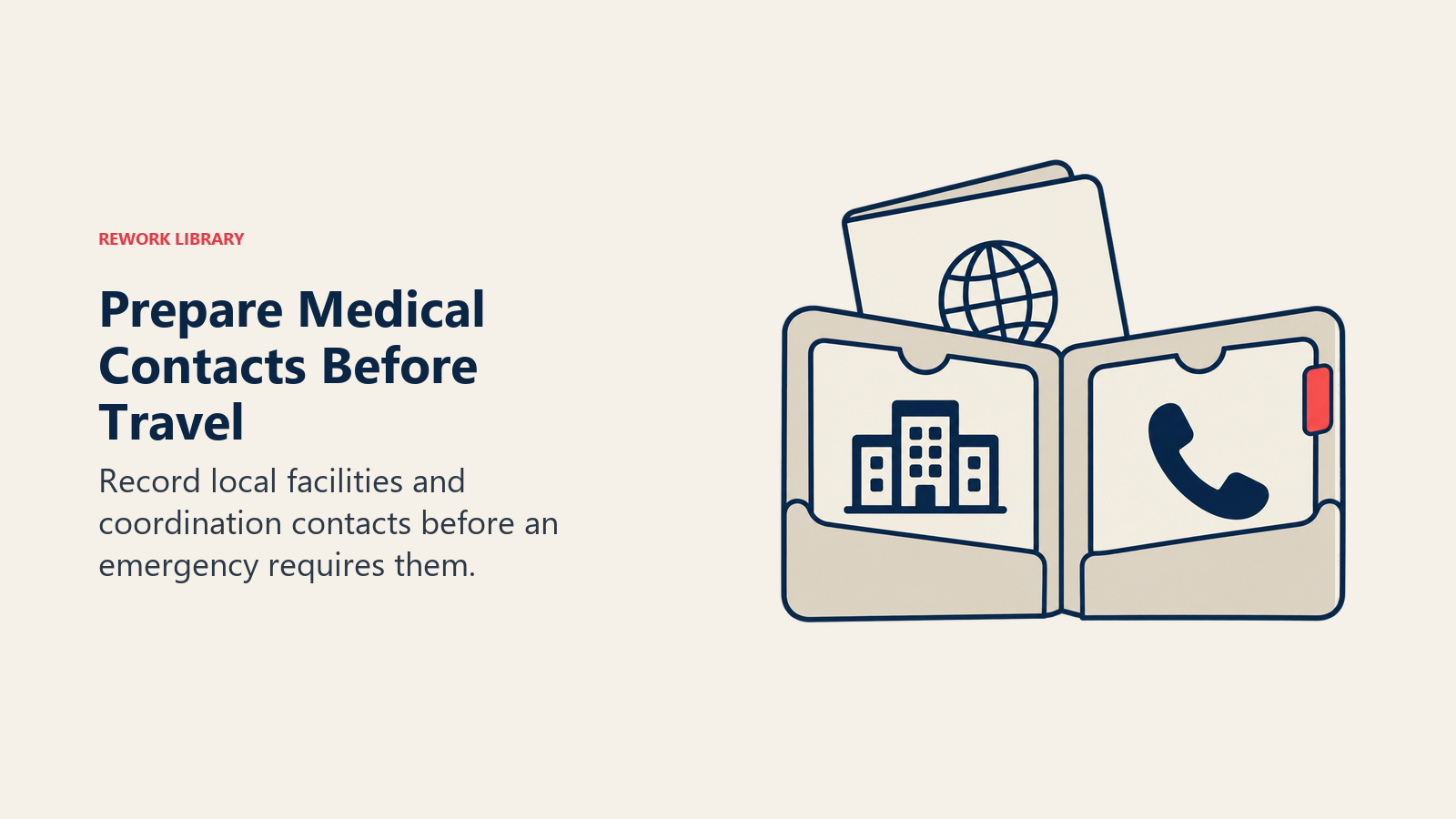
Coordinating with local medical facilities and hospitals works better when you've established relationships before emergencies. Identify quality medical facilities in destinations where you operate, establish contacts with English-speaking physicians, understand facility capabilities and limitations, and know transfer protocols to better facilities if needed. These relationships prevent scrambling during emergencies.
Managing medical evacuations when necessary requires coordination with insurance companies, medical professionals, and transportation providers. Evacuations happen when: local facilities lack capability to treat condition, patient requires specialized care unavailable locally, or medical professionals recommend evacuation. Insurance companies often coordinate and pay for evacuations, but you need to facilitate communication and logistics.
Supporting families during medical crises provides compassionate communication and practical help. Immediately notify emergency contacts with factual information about situation, provide regular updates as situation evolves, assist with travel arrangements if families want to join the guest, coordinate with insurance for medical information sharing, and provide emotional support during stressful situations. Families remember how you handled crises when they decide whether to ever travel with you again.
Natural Disaster Response
Natural disasters create widespread impacts requiring systematic evacuation and safety protocols.
Monitoring weather and natural disaster risks in operating areas enables proactive response rather than reactive scrambling. Subscribe to weather alert services, monitor forecasts for areas where you operate, have local contacts who can assess on-ground conditions, and make go/no-go decisions based on safety rather than financial considerations. Evacuating before disaster strikes is always better than extracting guests afterward.
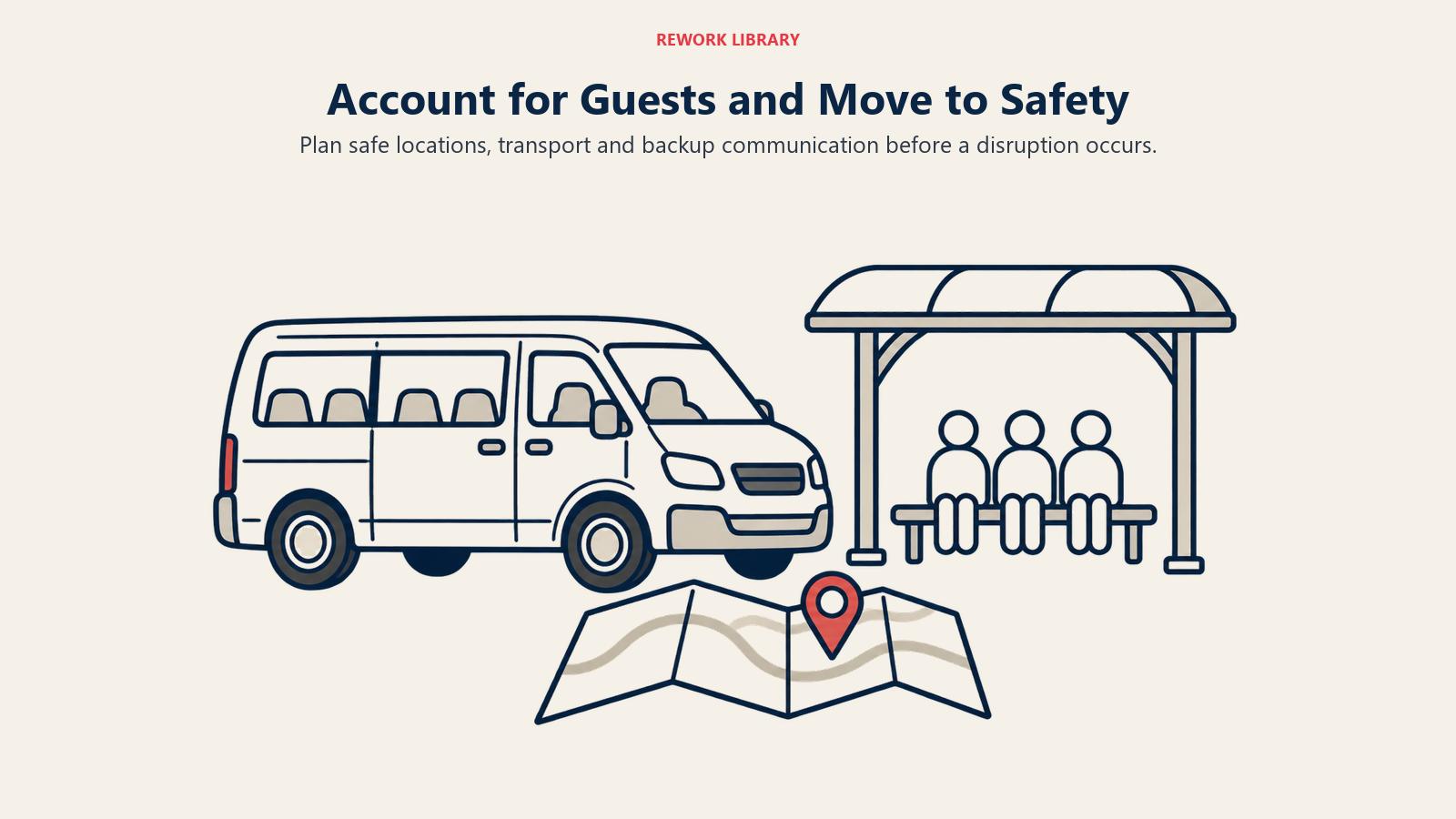
Implementing evacuation procedures for hurricanes, earthquakes, floods requires advance planning. Evacuation triggers and decision criteria, designated safe locations or evacuation destinations, transportation arrangements for moving guests, communication protocols when infrastructure fails, and coordination with embassies for international guests. Practice these procedures during non-emergency times so everyone knows their role when real disaster strikes.
Securing guest safety during emergencies is the paramount priority. Account for all guests and staff immediately, move to safe locations or shelters, provide necessary supplies (water, food, medications, blankets), maintain calm and provide accurate information, and stay in contact with home office as infrastructure allows. Document everything for later insurance and legal purposes.
Managing itinerary changes due to natural disasters requires balancing guest safety with maintaining experience quality through your itinerary planning capabilities. Options include: moving to unaffected areas if safe to do so, postponing activities until conditions improve, offering alternative activities in safe locations, or cutting trip short with appropriate refunds if continuation is impossible. Communication and transparency matter as much as the decisions themselves.
Political Unrest and Security Incidents
Political instability and security threats require different protocols than natural disasters, with emphasis on rapid extraction when necessary.
Monitoring political situations in destination countries should happen continuously, not just when problems emerge. Subscribe to government travel advisory updates (State Department, Foreign Office, etc.), follow reputable international news sources, maintain relationships with local partners who provide ground truth, and track social media for emerging situations. Early warning enables proactive response before situations deteriorate.
Implementing security protocols for civil unrest protects guests without creating panic. Avoid protest areas and government buildings, stay in hotels when situation is unclear, limit movement until situation stabilizes, have evacuation plans ready if conditions worsen, and provide guests with regular updates about situation and your response. Guests look to you for guidance during uncertain situations.
Coordinating evacuations from dangerous situations sometimes becomes necessary when security situations deteriorate beyond what monitoring and avoidance can manage. Triggers include: government evacuation recommendations, violent unrest near your locations, targeted violence against foreigners, or breakdown of rule of law. Evacuations require coordination with: embassies for guidance and support, airlines for emergency flight arrangements, local contacts for safe transportation to airport, and home office for authorization and logistics.
Working with embassies and local authorities provides resources and expertise you can't replicate. Embassies can provide: security situation assessments, evacuation assistance, emergency travel documents if passports are lost, and communication with families if guests are unreachable. Register groups with embassies before arrival when operating in politically unstable regions.
Health Crisis Management
Disease outbreaks and pandemics create complex operational challenges requiring health protocols, communication, and adaptability.
Responding to disease outbreaks and pandemics requires monitoring health situation updates, implementing health screening and protocols, communicating with guests through pre-trip communication channels about risks and precautions, and making difficult decisions about trip continuation or cancellation. The 2020 pandemic taught travel operators hard lessons about health crisis response and the importance of flexible planning.
Implementing health screening and quarantine protocols when required includes: temperature checks and symptom monitoring, isolation procedures for sick guests, communication with health authorities, coordination with medical providers for testing and treatment, and support for guests who must quarantine rather than continuing travel. These protocols protect all guests while supporting affected individuals.
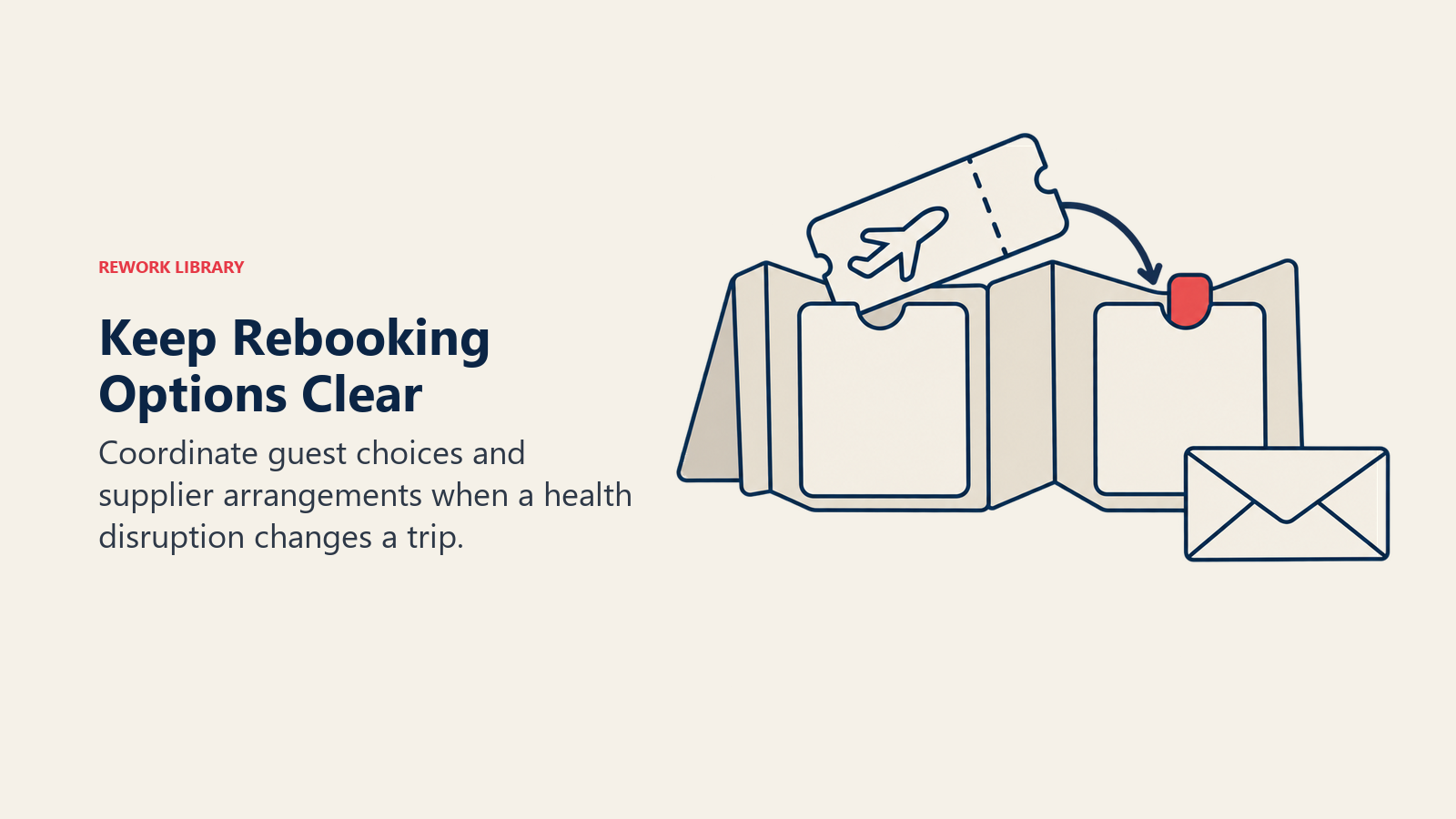
Managing trip cancellations and postponements during health crises impacts both guests and business continuity. Clear force majeure policies, flexible rebooking options, transparent communication about situation and options, coordination with suppliers for refunds or credits, and insurance claims assistance help navigate these difficult situations. How you handle cancellations during crises determines whether guests trust you with future bookings.
Adapting operations to changing health regulations requires agility and clear communication. As requirements change, update: pre-trip health documentation requirements, on-trip protocols and distancing measures, supplier capabilities and limitations, and guest expectations about health-modified experiences. Operators who communicated proactively and adapted operations succeeded better than those who resisted changes or provided confusing guidance.
Guest Death Protocol
Guest deaths, while rare, require compassionate, professional protocols that support families while managing necessary procedures.
Implementing compassionate support for bereaved families begins with immediate, personal notification. When possible, make phone calls rather than emails, provide clear factual information about what happened, express genuine condolences, offer support with necessary procedures, and assign a dedicated staff member to coordinate with family. Families never forget how you handled these awful situations.
Coordinating with local authorities and embassies involves multiple parties with different requirements. Local police or medical examiners certify death and investigate circumstances, embassies assist with documentation and family communication, funeral homes handle remains if local burial/cremation occurs, and medical examiners provide death certificates needed for legal proceedings. A coordinator managing these relationships prevents families from navigating foreign bureaucracy during grief.
Managing repatriation of remains when necessary is complex and expensive. Process includes: obtaining death certificates and required documentation, coordinating with funeral homes and transportation companies, working with insurance companies on coverage, ensuring proper handling per religious/cultural requirements, and supporting families through process. Most travel insurance includes repatriation coverage, but coordination still requires significant effort.
Providing ongoing support to traveling companions means not just handling deceased guest's affairs but supporting other group members processing grief. Offer counseling resources, provide flexibility for companions to handle arrangements, facilitate departure or continuation based on their wishes, and follow up after trip to check on their wellbeing. Group members and companions often suffer trauma that needs acknowledgment and support.
Transportation Accidents and Incidents
Vehicle accidents involving guests require immediate medical response followed by careful incident management.
Responding to vehicle accidents involving guests triggers emergency protocols: ensure scene safety and prevent further injury, call emergency medical services immediately, provide first aid while awaiting professional help, secure accident scene and gather information, and notify home office for incident management support. Guides need clear training on these steps to act effectively under stress.
Implementing first aid and emergency medical response depends on guide training and available resources. All guides should maintain: current first aid and CPR certification, basic medical supplies for initial response, calm demeanor that reassures injured guests, and clear assessment of injury severity for triage. The guide's initial response in first minutes often determines outcomes.
Coordinating with insurance companies and authorities requires documentation and communication. Gather: photos of accident scene and damage, witness statements from guests and others, police reports and official documentation, medical records for injured guests, and detailed incident timeline. This documentation supports insurance claims and protects against liability.
Managing group support after traumatic incidents recognizes that accidents affect everyone, not just those directly injured. Provide: factual information about what happened and guest conditions, access to counseling or support resources, flexibility in itinerary continuation, and acknowledgment of emotional impact. Some guests will want to continue; others will prefer going home. Support both choices.
Communication During Crises
How you communicate during crises often matters as much as your actual response actions.
Establishing crisis communication protocols with guests and families ensures consistent, accurate information flow. Designate single point of contact for each affected guest's family, provide regular updates at scheduled intervals even if no new information, use multiple communication channels (phone, email, text), and ensure 24/7 availability during acute crisis phase. Families need to know you're present and managing the situation.
Providing timely updates while managing information accuracy balances competing pressures. Families want immediate information, but inaccurate information creates more problems than delayed but accurate information. When you don't know something, say so - and say when you expect to know more. Never speculate about causes, blame, or outcomes before facts are established.
Coordinating with media and managing public relations prevents miscommunication and protects brand reputation. Designate a single spokesperson for media inquiries, prepare factual statements about situation and response, don't speculate or assign blame, express appropriate concern for affected parties, and refer detailed questions to appropriate authorities. Uncontrolled media narratives can damage your reputation even when your response was appropriate.
Maintaining transparency while protecting privacy navigates competing obligations. You owe affected guests and families transparent communication about situation and response. You owe all guests privacy about their personal information and situation details. This means: communicate facts about operational impacts to all guests, provide detailed information only to directly affected parties, don't share names or identifying information without permission, and let authorities handle public information releases about serious incidents.
Insurance and Legal Considerations
Crisis management intersects with insurance and legal obligations that must be managed carefully.
Understanding travel insurance coverage and claims processes helps you support guests with claims while managing your own coverage. Guest travel insurance typically covers medical expenses, evacuation, trip interruption, and some provides crisis support. Your business insurance covers liability, property damage, business interruption, and crisis expenses. Know what's covered before crises occur so you can make informed decisions about expense authorization.
Managing liability and legal documentation during crises protects your business while supporting guests. Document everything comprehensively, provide accurate information without speculation or blame, cooperate with authorities without making unnecessary admissions, notify your insurance carrier immediately per policy requirements, and preserve evidence for potential claims or litigation. Your documentation in crisis moments often determines liability outcomes years later.
Working with legal counsel on serious incidents provides expertise you don't have. Counsel advises on: liability exposure and risk management, communication that doesn't create unnecessary legal exposure, regulatory compliance and reporting requirements, and potential litigation defense if claims arise. Retain counsel before crises occur so relationships exist when you need urgent guidance.
Protecting business interests while prioritizing guest welfare balances competing priorities. Always prioritize guest safety and welfare over financial considerations in acute crisis response. But document everything to protect your business in later liability claims, follow insurance notification and documentation requirements, consult counsel on significant decisions, and manage public relations to protect brand reputation. These aren't competing priorities - proper crisis management protects both guests and business.
Crisis Recovery and Learning
How you recover from crises and learn from them determines whether your business emerges stronger or weaker.
Conducting post-crisis debriefs and analysis happens after acute crisis resolves. Gather all involved staff for facilitated discussion: what happened and how response unfolded, what worked well in your response, what gaps or failures occurred, and what improvements need implementation. These debriefs capture institutional learning while memory is fresh, feeding valuable insights to your guest feedback collection system.
Implementing improvements based on lessons learned transforms experience into better preparation. Update crisis protocols based on what you learned, provide additional training on gaps identified, improve equipment or resources proven inadequate, and share learnings across organization. Every crisis is tuition paid for education - make sure you actually learn from it through systematic operational improvement.
Supporting staff who experienced traumatic situations recognizes that guides and staff process crisis trauma too. Provide: critical incident debriefing and counseling, time off to recover if needed, acknowledgment of their efforts and effectiveness, and ongoing support as they process experience. Staff who felt supported during crisis become your most loyal, effective team members through stronger travel team training.
Rebuilding guest confidence after crisis situations requires transparent communication about changes implemented. Share publicly through travel review management and post-trip engagement: acknowledgment of what happened, actions taken to prevent recurrence, improvements made to response capabilities, and commitment to continuous improvement. This transparency demonstrates that you learned from experience and are better prepared going forward.
Crisis management is the aspect of travel operations you hope never to use but must prepare thoroughly. The operators who survive crises are those who've done the difficult work of planning, training, and preparation when business was good and skies were clear. When storm clouds arrive, it's too late to start building your emergency protocols.
Related Articles:

Business Consultant