Corporate Travel Sales: B2B Strategy & Account Management - 2026
Turn this article into takeaways for your work.


Each assistant summarizes the article only for you and suggests best practices for your work.
A single corporate account booking $15,000 monthly generates $180,000 annually. Land three similar accounts and you've built $540,000 in relatively predictable revenue, versus chasing hundreds of individual leisure bookings that might or might not materialize. Understanding customer lifetime value in travel shows why corporate accounts are so valuable.
Corporate travel sales require completely different muscles than leisure sales. You're not selling dream vacations. You're solving business problems: duty of care compliance, cost control, policy enforcement, and traveler satisfaction. Get this right and you build revenue foundations that sustain your business through seasonal fluctuations. The travel business economics favor stable corporate accounts.
Corporate Travel Market Landscape
Understanding market segments helps you target appropriate opportunities.
SMB corporate travel (companies with 10-50 employees) books sporadically, conference travel, occasional client meetings, modest incentive trips. No dedicated travel manager exists. Decisions come from office managers, CFOs, or CEOs directly. Volume is lower but you can provide value they're not getting from massive TMCs who ignore small accounts.
Mid-market companies (50-250 employees) generate meaningful volume, monthly bookings for various business needs. Might have a part-time travel coordinator or someone managing travel among other duties. They need more than self-service booking tools but can't afford enterprise-level TMC fees. This sweet spot works beautifully for independent agencies and boutique firms.
Enterprise accounts (250+ employees) typically work with Travel Management Companies offering global reach, 24/7 support, and technology platforms. Breaking into these accounts requires niche specialization, maybe you handle their incentive travel or executive trips while TMCs handle routine bookings.
Managed travel programs involve formalized policies, preferred suppliers, negotiated rates, and tracking systems. These companies want consistency, compliance, and reporting, not just booking capabilities.
Direct corporate booking opportunities exist where companies aren't satisfied with current TMC relationships, need specialized services, or want personalized attention their TMC doesn't provide.
Corporate Account Prospecting
Corporate business doesn't walk through your door. You must hunt for it.
Identify target companies in your region with characteristics suggesting travel needs: sales teams visiting clients, multi-location operations requiring internal travel, companies with customers/partners globally, firms hosting events or conferences, or businesses offering employee incentive programs. Effective corporate travel lead generation systems identify these opportunities systematically.
Reach travel managers through LinkedIn, attending local GBTA (Global Business Travel Association) chapters, sponsoring business networking events, or joining chambers of commerce where HR and finance leaders gather.
Understand procurement processes because corporate buying differs from consumer decisions. Many companies require RFPs for service providers. Purchasing departments evaluate vendors. Multiple stakeholders influence choices. Decisions take weeks or months, not days.
Get past gatekeepers with value propositions addressing business needs. Don't call saying "We're a travel agency", that's ignored. Call with: "We work with companies similar to yours to reduce travel costs by 15-20% while improving traveler satisfaction. Would it make sense to share how we've done this for similar organizations?"
Understanding Corporate Travel Needs
Corporate buyers care about different things than leisure travelers.
Duty of care is legal obligation to ensure employee safety during business travel. Companies need to know where travelers are, be able to contact them during emergencies, provide support when issues arise, and demonstrate reasonable care. Your systems must support traveler tracking and emergency protocols.
Policy compliance prevents maverick spending. Company policy might require: economy class for flights under four hours, mid-range hotels within per diem rates, advance booking to capture lower fares, or preferred suppliers with negotiated rates. Your booking process must enforce these rules while allowing appropriate exceptions.
Cost control drives corporate decisions more than traveler preferences. Every dollar spent on travel is a dollar not available for other business needs. Demonstrate how you save money: negotiated rates, advance booking discipline, policy enforcement preventing overspending, or eliminating unused bookings.
Reporting requirements include: monthly spending by department, traveler compliance with policies, advance booking percentages, preferred supplier usage rates, and cost per trip metrics. Corporate buyers need data to manage budgets and demonstrate value to leadership.
Traveler satisfaction matters because unhappy travelers complain to management, reducing travel program buy-in. Balance cost control with reasonable comfort, don't book travelers in sketchy hotels to save $30 per night.
Risk management includes travel insurance, supplier financial protection, emergency assistance, health and safety information, and contingency plans for disruptions.
Corporate Travel RFP Process
Many corporate accounts require formal RFP responses.
RFP responses require addressing specific requirements: service offerings, technology capabilities, account management structure, reporting deliverables, implementation timeline, pricing structure, and supplier partnerships. Don't skip sections or provide vague answers, corporate buyers are comparing multiple proposals side-by-side.
Highlight differentiators that set you apart. Maybe you offer 24/7 phone support with real humans, not chatbots. Perhaps you specialize in their industry and understand unique needs. Your account management might include quarterly business reviews with insights, not just transaction processing.
Pricing strategies for corporate accounts differ from leisure. Might be per-transaction fees ($25-35 per booking), management fees (fixed monthly amount), or percentage-based pricing. Consider your costs, competitive positioning, and desired profitability. Under-pricing wins accounts that aren't profitable. Overpricing loses winnable business. Your overall travel pricing strategy should account for B2B models.
Winning competitive bids requires more than lowest price. Emphasize total value: service quality, traveler satisfaction, policy compliance improving, reporting capabilities, and partnership approach versus transactional relationships. Many companies will pay moderate premiums for superior service.
Service Level Agreements
SLAs formalize expectations and provide measurable accountability.
Define response time commitments. Routine booking requests answered within 2 hours during business hours? Urgent needs within 30 minutes? After-hours emergencies within 1 hour? Set realistic SLAs you can consistently meet.
Booking procedures outline how requests are submitted, approved, and confirmed. Email? Online portal? Phone? Who approves trips exceeding budget thresholds? How are changes and cancellations handled?
After-hours support availability matters for companies with travelers globally. True 24/7 coverage? Emergency-only support outside business hours? Clearly define availability and contact methods.
Reporting deliverables specify what you'll provide: monthly spending reports by department, quarterly savings analysis, policy compliance dashboards, or custom reports meeting their needs. Commit only to reports you can actually deliver accurately and on-time.
Performance metrics include: booking accuracy, response times, traveler satisfaction scores, cost savings versus prior periods, or policy compliance rates. These metrics become your report card during contract reviews.
Volume & Rate Negotiation
Corporate negotiations balance your need for profitability against their desire for value.
Negotiate fees based on realistic volume projections. If they project $30,000 monthly, don't offer pricing requiring $50,000 to be profitable. Better to decline than lock into money-losing agreements.
Booking minimums protect you from accounts that don't generate promised volume. "This pricing assumes minimum 40 transactions monthly. If volume falls below 30 for two consecutive months, pricing adjusts to reflect actual volume."
Volume discounts incentivize growth. Start at $15,000 monthly volume at one fee level, drop fees at $25,000 monthly, and further reduce at $40,000+. This encourages consolidating more travel with you.
Preferred supplier agreements where you earn commissions can offset fees charged to clients. If they use hotels and car rental companies where you earn 10% commission, you might reduce management fees knowing you're earning on backend.
Corporate Travel Technology Integration
Modern corporate clients expect technology integration, not just phone and email booking.
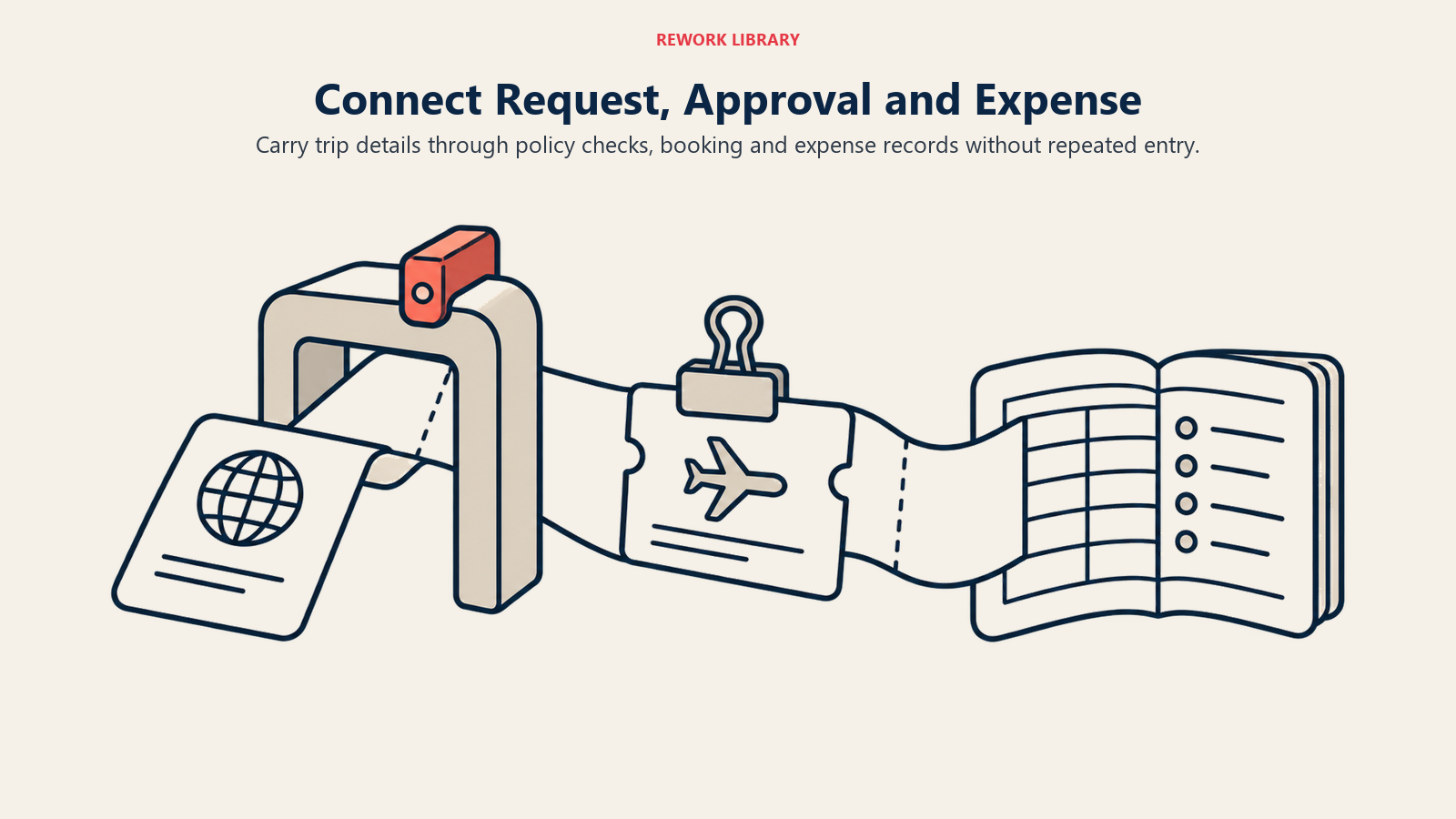
API connections allow booking tools to pull your rates and availability directly. Requires technical investment but makes you competitive with larger TMCs.
Booking tools should integrate with corporate processes. Employee requests trip, manager approves in system, booking gets made automatically within policy parameters. Seamless workflow encourages adoption and compliance.
Expense management integration means trip details flow directly to expense systems. Travelers don't manually enter flight and hotel costs, they're already captured. This convenience drives user satisfaction.
Approval workflows ensure policy compliance. Trip exceeding budget thresholds? Requires senior manager approval. Last-minute booking at high fares? Triggers review. Technology enforces rules without you micromanaging every booking.
Reporting dashboards give corporate buyers visibility. Real-time spending by department, upcoming trips, policy compliance rates, and savings versus targets. Self-service reporting reduces their requests for ad-hoc reports.
Account Management & Relationship Building
Winning accounts is hard. Losing them because of poor account management is inexcusable.
Regular business reviews (quarterly at minimum) demonstrate proactive partnership. Review: spending trends, savings opportunities, policy compliance patterns, traveler feedback, supplier performance, and strategic recommendations. Come with insights, not just historical reports.
Stay ahead of needs by understanding their business. Expanding into new markets? Proactively research travel requirements there. Hosting annual conference? Bring ideas three months before they ask. Planning incentive trip? Suggest destinations matching budget and objectives before they start researching.
Upsell additional services naturally as relationships mature. Started handling routine air and hotel? Propose managing their annual sales meeting. Doing individual bookings? Suggest formalizing preferred supplier agreements for better rates. Service expansion grows account value.
Become a trusted partner, not just a vendor. Return calls same day. Solve problems without excuses. Bring them savings ideas. Celebrate their business wins. Trusted partners survive budget pressures and competitive proposals. Vendors get replaced.
Corporate Traveler Experience
You're serving two masters: the corporate buyer and individual travelers.
Balance policy compliance with traveler preferences where possible. Policy requires economy class? Let travelers use miles for upgrades. Hotel must be mid-range? Offer multiple options within policy so travelers have choices.
VIP programs for frequent travelers create internal advocates. Top travelers get priority service, direct contact info for account manager, or flexibility in booking processes. They'll advocate for renewing your contract when it comes up for review.
Loyalty recognition means remembering preferences. Jane always wants aisle seats. Tom needs late checkout because of his schedule. Maria prefers Marriott properties. Capture and honor these preferences, corporate travelers often book 10-20+ trips annually, and personalization matters.
Feedback mechanisms let travelers share experiences and help you improve. Post-trip surveys, direct feedback channels, or annual satisfaction assessments identify what's working and what needs fixing.
Contract Renewals & Retention
Retaining accounts is more profitable than constantly replacing lost ones.
Demonstrate value through metrics at renewal time. "In our first year managing your travel, we've reduced average cost per domestic trip by 18%, improved advance booking from 32% to 67%, and maintained 4.3/5 traveler satisfaction. Here's our proposal for year two."
Address concerns proactively before they become reasons to leave. Heard complaints about response times? Fix it and report the improvement. Traveler satisfaction slipping? Investigate and remedy. Don't wait for them to raise issues.
Competitive positioning requires knowing what else they're considering. Large TMCs will pitch scale and technology. Other independent agencies might undercut your pricing. Emphasize your unique value: personalized service, niche expertise, or relationship depth they won't get elsewhere.
Long-term relationship strategies create switching costs. Integrated technology that would require reimplementation. Preferred supplier relationships you've negotiated. Account knowledge that would take new providers months to develop. These advantages compound over time.
Corporate travel sales build business stability that leisure-focused agencies can't match. The sales cycles are longer and the requirements more complex, but the reward is predictable revenue, higher transaction values, and relationships that can last years.
Treat corporate accounts as partnerships requiring ongoing investment and attention. They're not one-time sales, they're revenue foundations that grow more valuable over time.
Related Articles:

Business Consultant
On this page
- Corporate Travel Market Landscape
- Corporate Account Prospecting
- Understanding Corporate Travel Needs
- Corporate Travel RFP Process
- Service Level Agreements
- Volume & Rate Negotiation
- Corporate Travel Technology Integration
- Account Management & Relationship Building
- Corporate Traveler Experience
- Contract Renewals & Retention