On-Trip Support Service - Real-Time Guest Support Excellence 2025
Turn this article into takeaways for your work.


Each assistant summarizes the article only for you and suggests best practices for your work.
A guest woke at 2 AM with severe stomach pain. The hotel was an hour from the nearest hospital. The tour guide, unsure what to do, called the home office - which was closed. Another hour passed before the guide decided to act independently, taking the guest to the hospital. The guest recovered fine, but the two-hour delay from lack of clear support protocols and decision authority created unnecessary risk and lasting resentment.
On-trip support isn't about preventing every problem - that's impossible when you're managing complex experiences with multiple suppliers in sometimes-unpredictable environments. It's about responding so effectively when issues arise that guests feel cared for even during disruptions.
The best travel operators I know measure success not by whether problems occur, but by how quickly and completely they resolve them. They empower frontline staff with clear travel documentation processes and decision authority. They monitor experiences proactively rather than waiting for complaints. And they create support systems that work at 2 AM on Sunday as reliably as at 10 AM on Tuesday.
On-Trip Support Framework
Effective support requires clear definition of who handles what, when, and how decisions get made.
Support responsibilities across tour guides, local support, and home office need explicit definition. Guides handle immediate guest-facing issues: daily logistics, minor accommodation booking problems, activity coordination, and first-level problem resolution. Local destination management companies provide backup support: alternative supplier arrangements, local knowledge and contacts, emergency medical coordination. Home office handles: major itinerary changes, financial decisions above certain thresholds, crisis escalation, and family communication in emergencies.
These divisions prevent gaps where everyone assumes someone else is handling an issue, and prevent overlaps where multiple people create conflicting solutions. The guide is the primary guest interface. Local support is the backup resource. Home office is strategic oversight and escalation recipient.
Clear communication channels and escalation paths define how information flows. Guides communicate routine updates via daily check-ins or automated systems. Urgent issues trigger immediate phone contact with home office. Critical emergencies activate crisis protocols involving senior leadership. Guests have direct access to guide mobile numbers for immediate needs, plus emergency hotline numbers for situations where the guide can't respond.
Balancing proactive support with respect for guest independence is an art. Some guests want high-touch support with constant guidance. Others prefer minimal intervention and maximum independence. Reading these preferences through effective travel customer segmentation and adjusting support levels accordingly creates better experiences than one-size-fits-all approaches. Check in regularly but not obtrusively. Be available without hovering. Offer help without appearing to doubt guest competence.
Measuring support effectiveness through guest satisfaction provides accountability. Post-trip surveys asking specifically about support responsiveness, issue resolution effectiveness, and guide accessibility create quantifiable metrics. Track response times to support requests, resolution rates for issues raised, and guest ratings of support quality. These metrics identify improvement opportunities and validate what's working well.
24/7 Support Availability
Travel happens across time zones and doesn't respect business hours. Support availability must match this reality.
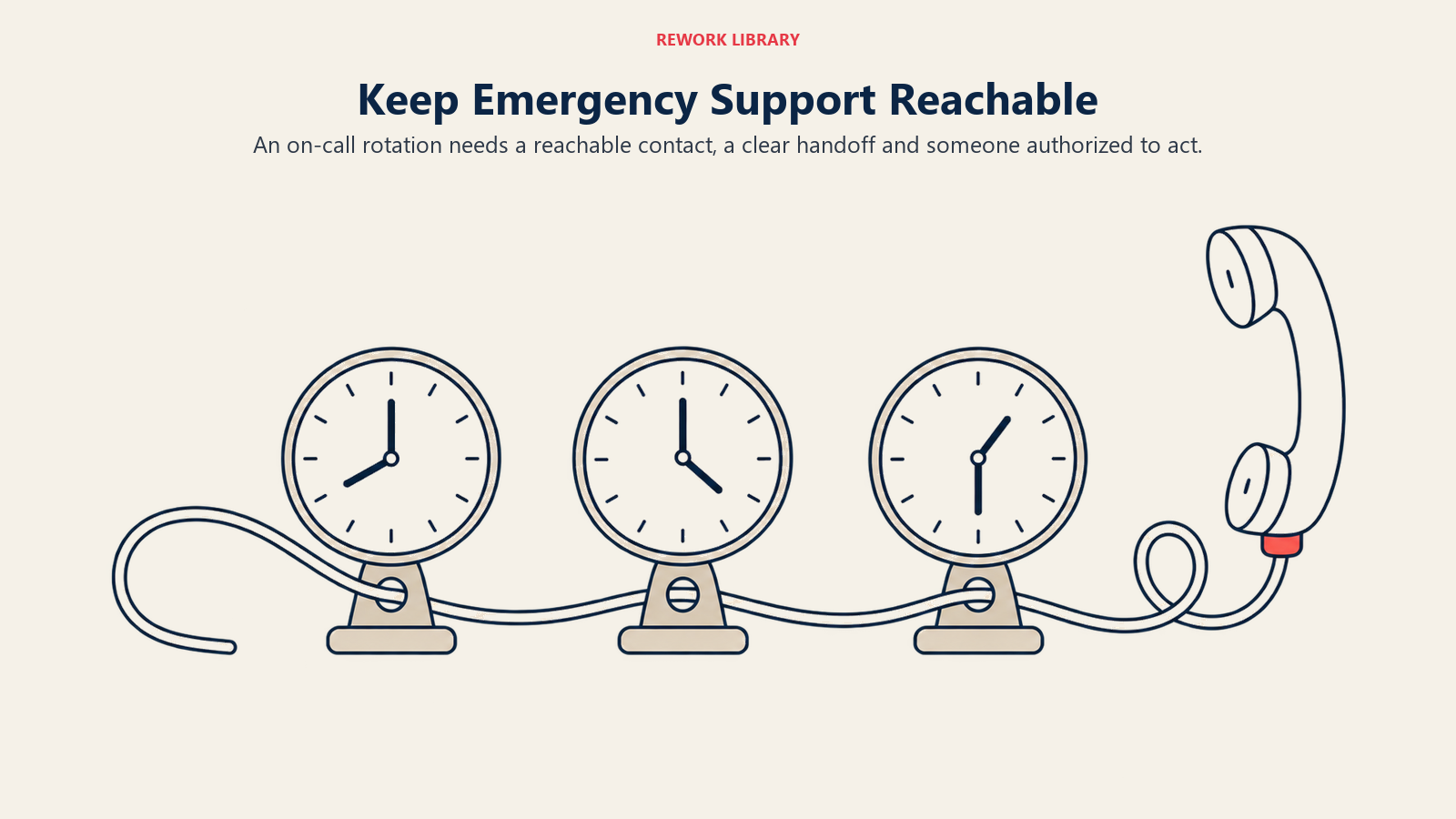
Implementing round-the-clock emergency contact systems means having someone reachable any time, anywhere. Rotating on-call schedules among leadership team members, dedicated after-hours support lines that forward to on-call staff, and clear protocols for what constitutes emergency-level contact create reliable availability. Guests need to know someone will answer if they call the emergency line at 3 AM - and that person needs authority to make decisions.
Managing time zone differences for international operations becomes complex when your home office is in New York but your guests are touring Southeast Asia or Europe. Someone needs to be available during the destination's evening and overnight hours when most emergencies occur. This might mean dedicated staff in destination time zones, on-call rotations that cover overnight hours, or partnerships with local DMCs who provide after-hours support.
Staffing emergency support lines appropriately means having people with actual authority and knowledge, not just call center staff who take messages. The person answering an emergency call about a guest hospitalization needs to understand your insurance coverage, have authority to approve emergency expenses, and know how to coordinate medical support. Otherwise you're just creating an additional layer of communication that delays actual help.
Communicating support availability clearly to guests prevents confusion when they need help. Every guest should know: their guide's mobile number (available 6 AM - 11 PM local time), emergency hotline number (available 24/7 for urgent issues), and home office contact (available during business hours for non-urgent questions). Include these contact numbers in pre-departure information, in welcome packets, in trip apps, and in daily briefing materials. Redundancy ensures accessibility.
Tour Guide Support Excellence
Guides are your primary guest interface during trips. Their effectiveness determines experience quality more than almost any other factor.
Training guides on guest service excellence goes beyond destination knowledge and logistics. Service training includes reading and responding to guest moods and concerns, proactive pre-trip communication and expectation setting, conflict resolution and de-escalation techniques, and cultural sensitivity when working with diverse guest nationalities. Technical knowledge makes someone a competent guide. Service excellence makes someone an exceptional guide.
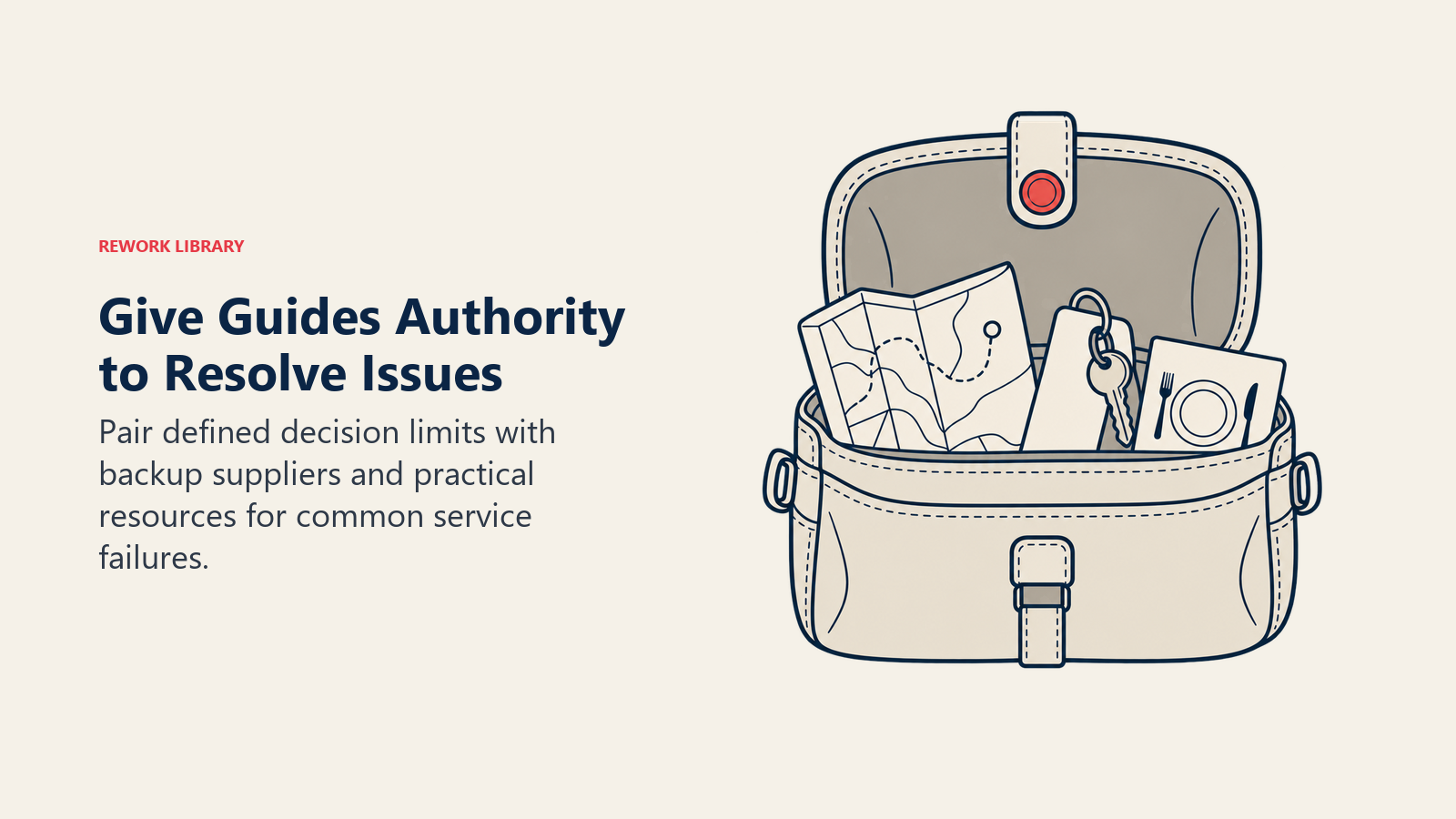
Empowering guides with decision-making authority within defined limits creates responsive service without constant escalation. Common authorization frameworks: guides can approve expenses up to $200 per guest without authorization, upgrade accommodations or meals when resolving service failures, modify itineraries for weather or safety without approval, and offer compensation up to 10% of trip cost for major issues. These limits provide flexibility while protecting against expensive unauthorized commitments.
Providing guides with resources for common issues ensures they can solve problems independently. Guides should have: backup activity options for weather cancellations, alternative restaurant lists when reservations fall through, contacts for common suppliers (pharmacies, laundry, local transport), and pre-approved solutions for frequent issues (room upgrades, free meals, activity adds). These resources eliminate the need to call home office for routine problem-solving.
Implementing guide check-in protocols with operations team creates accountability and enables early intervention. Daily check-ins covering: any guest concerns or issues, tomorrow's logistics confirmation, supplier performance problems, and guide needs for successful delivery. These brief touchpoints (5-10 minutes) identify emerging patterns and allow operations team to proactively support guides before small issues become big problems.
Proactive Issue Identification
The best support prevents problems rather than just responding to them efficiently.
Training staff to recognize potential issues early requires developing pattern recognition. Quiet guests at meals might be dissatisfied but reluctant to complain. Guests frequently checking phones might be dealing with problems at home affecting their experience. Physical exhaustion early in active trips signals need for pace adjustments. Solo travelers sitting alone repeatedly might feel excluded. Training guides to notice these patterns enables intervention before frustration escalates.
Conducting daily guest pulse checks and informal feedback creates open communication channels. Brief conversations during bus rides, casual check-ins at breakfast, or quick group check-ins at day-end create opportunities for guests to raise concerns in low-pressure settings. "How's everything going?" opens dialogue better than waiting for guests to complain formally.
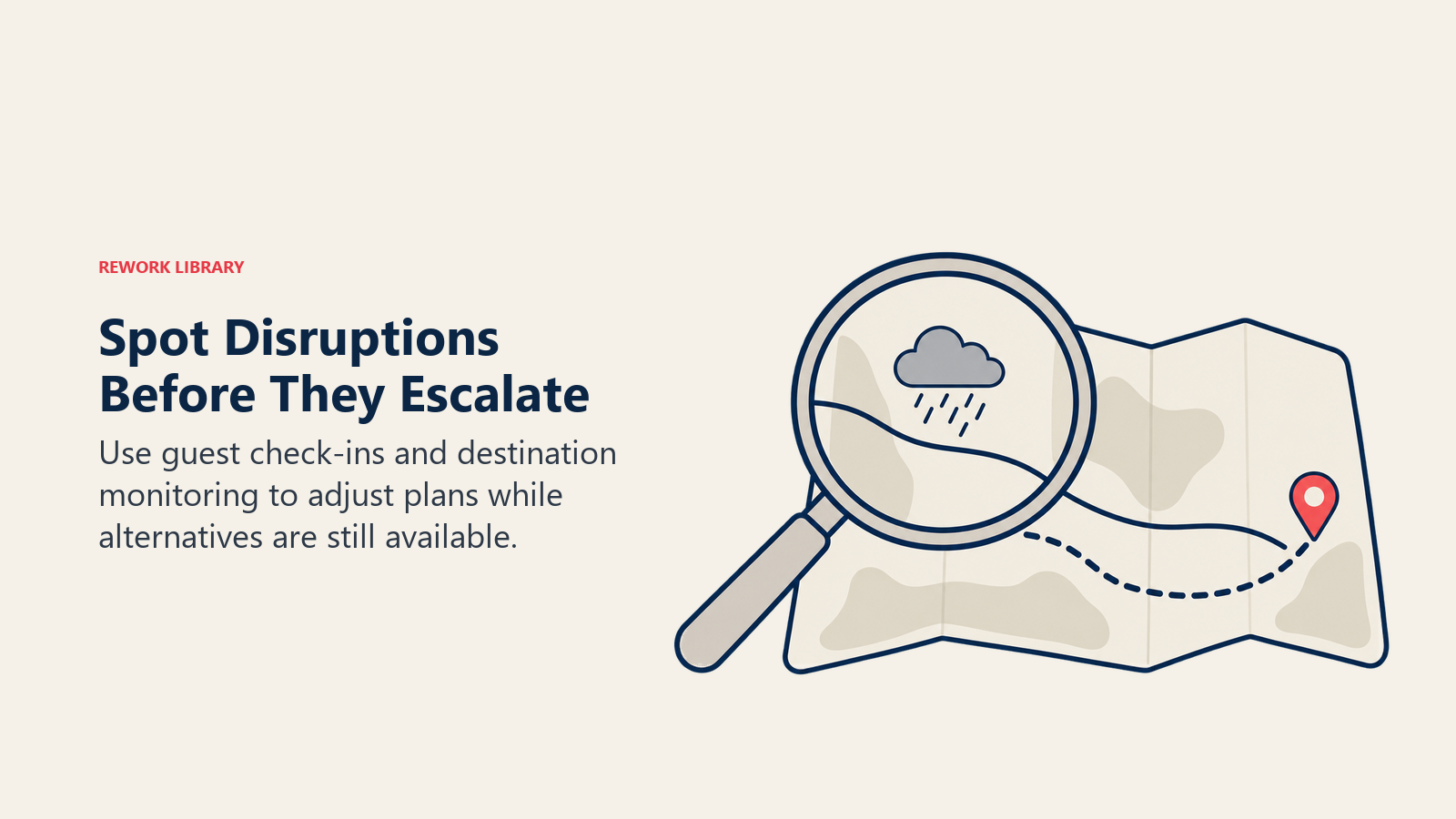
Monitoring weather, local events, and potential disruptions allows proactive response rather than reactive crisis management. Weather forecasts warning of storms trigger contingency planning before cancellations occur. Local festivals affecting traffic patterns enable schedule adjustments. Political demonstrations near hotels prompt safety briefings and route changes. This monitoring transforms potential problems into managed situations.
Addressing small concerns before they become problems demonstrates responsiveness and prevents accumulation of frustrations. Guest mentions room is noisy? Offer immediate room change rather than hoping they'll tolerate it. Activity runs slightly behind schedule? Acknowledge it and adjust afternoon timing to recover. These small interventions prevent minor disappointments from coloring entire trip experiences.
Common On-Trip Issues and Solutions
Certain issues recur across almost all trips. Having standard solutions makes resolution faster and more consistent.
Accommodation issues fall into several categories. Room quality below expectations requires immediate inspection with the guest, honest acknowledgment if their concern is valid, and either room change or compensation. Noise complaints get same-day resolution: different room, earplugs provided, and sincere apology. Cleanliness issues trigger immediate housekeeping, inspection to verify resolution, and follow-up with hotel management to prevent recurrence.
Restaurant and dining concerns often involve food quality, service speed, or dietary restriction failures. Poor food quality gets acknowledged, alternative options offered, and meals comped when warranted. Slow service gets proactive communication with restaurant and consideration of partial group service to get some guests served while waiting for others. Dietary restriction failures require immediate replacement meals arranged through your food and beverage supplier system, verification all remaining meals will be correct, and compensation for the inconvenience and trust breach.
Activity cancellations or changes due to weather, supplier failure, or safety concerns need immediate communication and alternatives offered. Explain why the change is necessary, present alternative options, allow guest input when practical, and provide compensation if the alternative is clearly inferior. Guests forgive necessary cancellations when handled transparently and alternatives show effort to preserve trip value.
Transportation delays or vehicle issues can derail entire day schedules. When delays occur: communicate promptly and realistically about timing, adjust itinerary to optimize remaining time, identify what can be preserved and what must be cut, and consider evening extension or next-day adjustments to recover missed experiences. Guests accept delays caused by circumstances beyond control. They don't accept delays made worse by poor communication or inflexible response.
Communication During the Trip
Clear, timely communication during trips prevents confusion and demonstrates organizational competence.
Daily briefings and next-day previews establish rhythm and set expectations. End-of-day briefings covering: tomorrow's wake-up and departure times, weather forecast and appropriate clothing, daily activity overview with timing and physical requirements, meals and free time, and any changes from original itinerary. These briefings take 10-15 minutes but prevent dozens of individual questions.
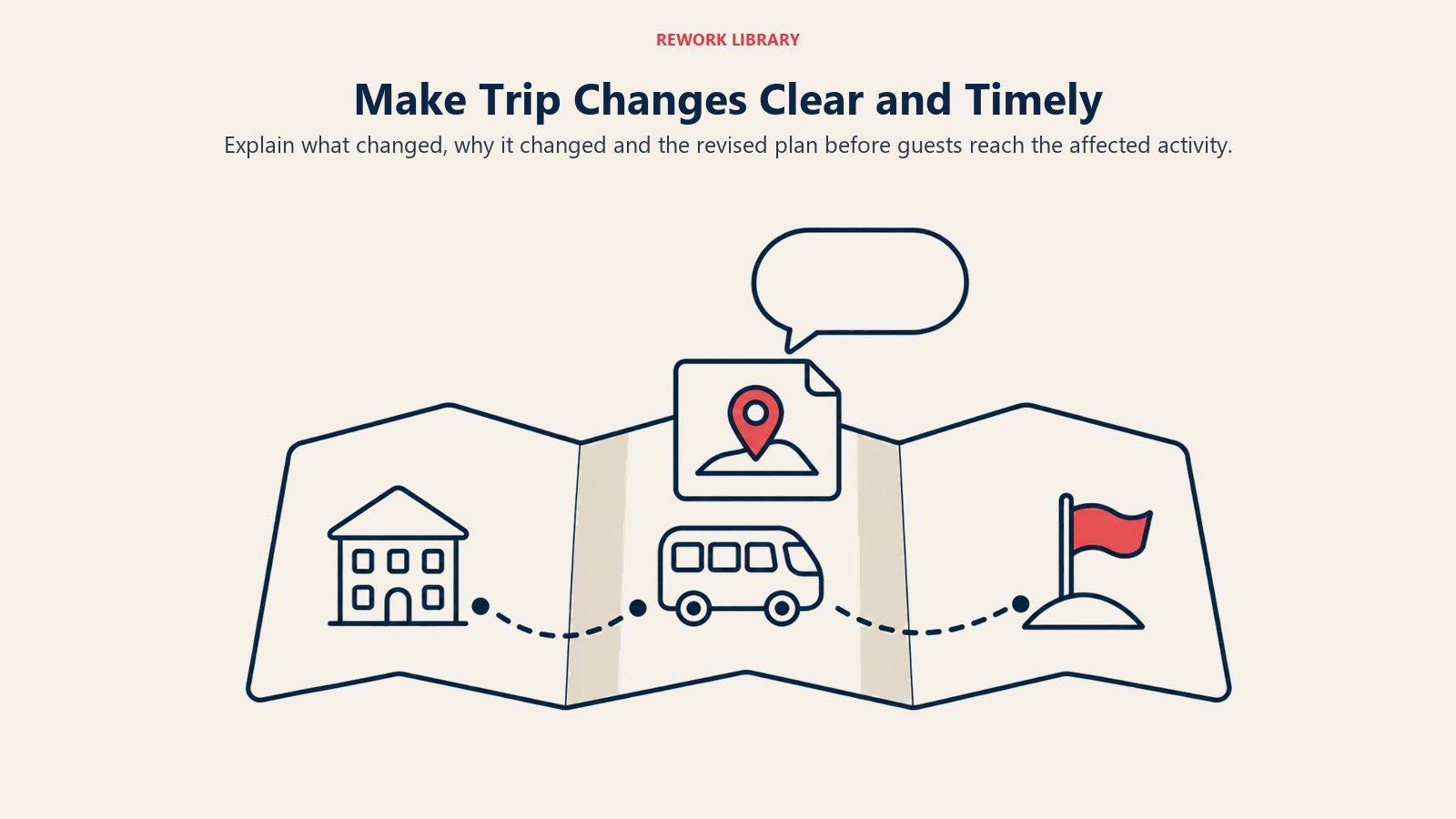
Timely updates about schedule changes maintain trust even when plans shift. When changes occur: announce as soon as known, explain why change is necessary, present new plan clearly, acknowledge any inconvenience, and remain available for questions. The timing of communication matters. Telling guests at breakfast that afternoon plans have changed is good. Telling them as they're boarding the bus for an activity that's been cancelled creates frustration.
WhatsApp or group messaging for real-time coordination enables efficient communication without lengthy meetings. Group messages for: departure time reminders, meeting point changes, optional activity coordination, and quick logistical questions. These tools work for operational coordination but shouldn't replace face-to-face communication for significant issues or emotional topics.
Balancing information sharing with avoiding over-communication requires judgment. Guests need relevant information but don't need to hear about every behind-the-scenes adjustment. The restaurant you booked was full but you found an equivalent alternative? Guests probably don't need those details. An activity supplier went out of business and you're scrambling to arrange replacement? That's worth transparent communication. Share information that affects guest experience or requires their action. Handle operational challenges that don't impact guests behind the scenes.
Special Needs and Accommodations
Supporting guests with special requirements requires proactive attention and individualized approach.
Supporting guests with dietary restrictions and allergies requires vigilance at every meal. Confirm restrictions with guests again during welcome orientation, communicate restrictions to all meal providers in advance, verify each restaurant understands specific requirements, and check with guests that meals meet their needs. The guest with severe allergy who gets served contaminated food ends up in the hospital - and you face liability. This isn't optional extra service; it's essential safety protocol.
Assisting travelers with mobility or accessibility needs means going beyond legal minimums to create actually inclusive experiences. Arrange accessible rooms with roll-in showers, scout activities for accessibility and communicate realistic expectations about participation, provide extra time and assistance for boarding vehicles, and ensure guides watch for accessibility challenges during activities. Many operators avoid accessibility challenges rather than embracing them. Those who figure out inclusive travel access an underserved market segment.
Addressing medical concerns and pharmacy needs happens regularly on longer trips. Guests run out of medications, develop minor illnesses, or need medical advice. Guides should have: local pharmacy locations and hours, relationships with English-speaking doctors for consultations, basic medical supplies for common issues, and clear protocols for when medical situations require professional care versus over-the-counter solutions.
Providing age-specific support for families or seniors recognizes different groups have different needs. Families with young children need: flexible activity pacing, child-friendly meal options, accommodation near hotels in case kids need breaks, and patience with inevitable family dynamics. Senior travelers often need: slower pace with more rest time, accessibility considerations even if not formally required, assistance with luggage and physical challenges, and extra care with medications and health monitoring.
Crisis Support and Escalation
Some situations exceed normal support capabilities and require escalation to senior leadership and crisis protocols.
Clear escalation procedures for serious issues define when guides should immediately involve home office. Escalation triggers include: medical emergencies requiring hospitalization, safety or security threats to guests, accidents involving serious injury, death of any trip participant, major supplier failures affecting significant itinerary, and any situation with potential legal or liability implications.
Managing medical emergencies and hospital support requires calm coordination. Guide stays with affected guest providing support and translation, home office contacts emergency contacts to notify family, insurance company gets contacted immediately for coverage verification, medical facility receives relevant medical history and insurance information, and operations team handles itinerary adjustments for remaining group members. Clear protocols prevent confusion during stressful situations.
Handling security incidents or safety concerns might involve: moving guests from areas of risk, coordinating with local authorities and embassies, arranging alternative accommodations if current location is unsafe, communicating with families without creating undue alarm, and documenting everything for insurance and legal purposes. These situations are rare but require decisive action based on pre-established protocols.
Coordinating with emergency services and embassies becomes necessary in serious situations involving crimes, natural disasters, or political instability. Know embassy contact information for all nationality combinations you serve. Understand what support embassies can and cannot provide. Have relationships with local emergency services or DMCs who can coordinate effectively with local authorities.
Technology for On-Trip Support
Technology enhances human support capabilities without replacing the human element that guests need during problems.
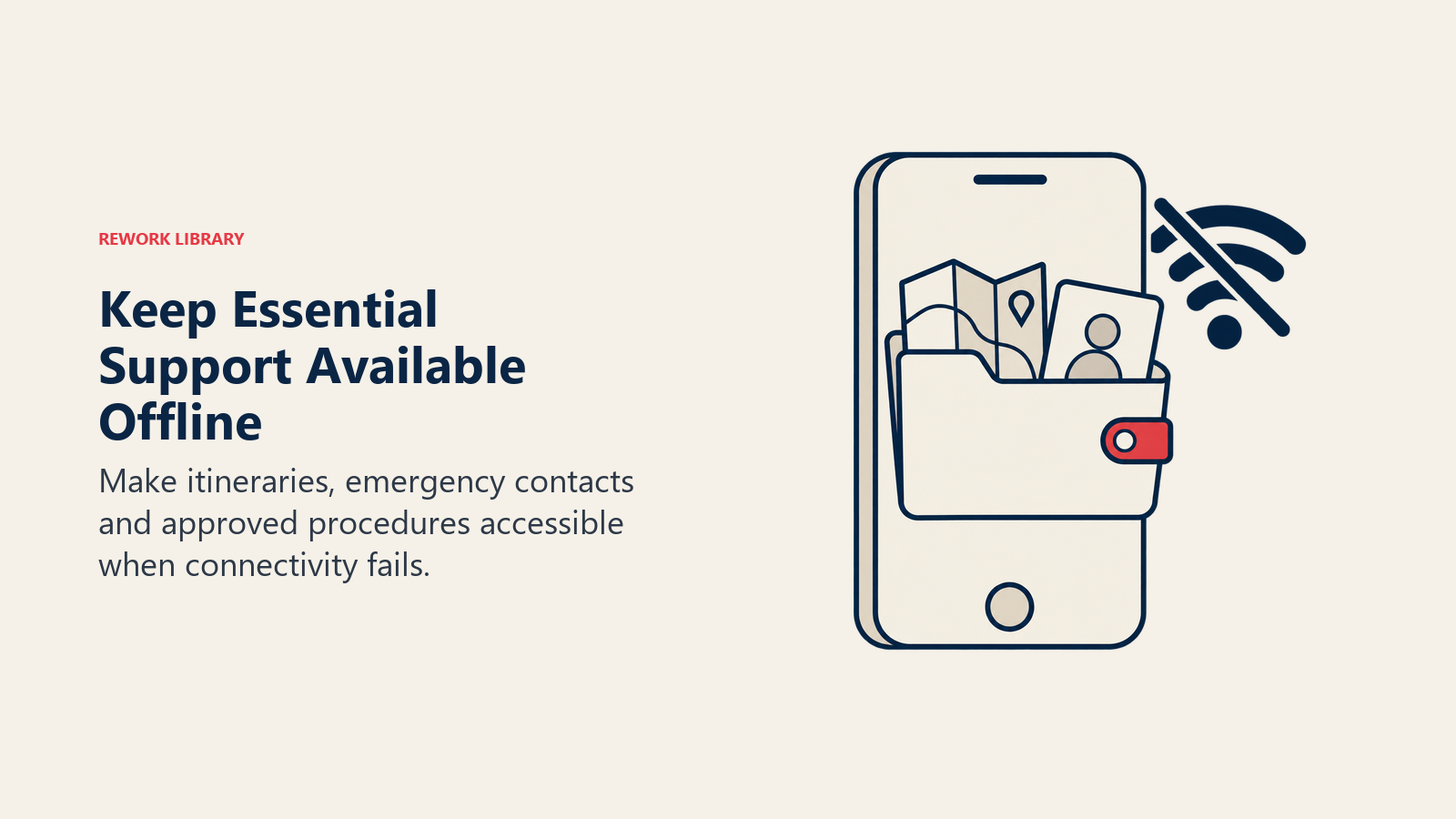
Mobile apps for real-time itinerary and support information centralize communication and eliminate lost emails or paper handouts. Apps should include: daily itineraries with up-to-date timing, all emergency contact numbers with click-to-call functionality, guide profiles with photos and contact info, and destination information and tips. Offline functionality ensures accessibility even without internet. Consider integrating with your travel CRM implementation for seamless data sync.
GPS tracking for group safety allows operations teams to verify guides and groups are where they should be, enables faster response if emergencies occur, and provides families with peace of mind knowing their travelers' locations. Privacy considerations require clear disclosure and consent, and tracking should support safety without feeling like surveillance.
Translation apps and services break down language barriers in destinations where guides don't speak all guest languages. Apps providing real-time translation, relationships with remote interpretation services for medical or legal situations, and printed translation cards for common needs all supplement guide language skills.
Offline access to critical support information matters because connectivity fails at inconvenient times. Guides should have offline-accessible: emergency protocols and decision trees, supplier contact information, guest medical information and emergency contacts, and insurance policy details and claims procedures. Cloud-based storage with offline sync creates reliable access.
Support Quality and Consistency
Maintaining consistent support quality across all trips, guides, and situations requires systematic approaches to training and quality assurance.
Standardizing support protocols across all trips creates consistency for guests and guides. Document standard procedures for common situations, create decision trees for complex scenarios, provide templates for common communications, and ensure all guides receive training on standard protocols. This standardization doesn't mean robotic service - it means consistent frameworks that guides can personalize to specific situations.
Regular guide and staff training keeps skills current and introduces best practices. Quarterly training covering new procedures, lessons learned from recent trips, guest service skill development, and scenario-based practice with complex situations. Mix online training for knowledge transfer with in-person workshops for skill practice and team building.
Quality checks during trips provide real-time oversight and coaching opportunities. Operations managers occasionally join trips to observe guide performance, shadow guides to identify support gaps or training needs, gather direct guest feedback, and recognize guides demonstrating excellence. This presence shows guides that quality matters and provides learning opportunities.
Gathering support performance data for continuous improvement requires measuring: guest satisfaction with guide and support, response time to support requests, issue resolution rates, and common issues across trips. Analyze this data quarterly to identify patterns requiring system-level solutions rather than individual coaching. Use insights to inform your repeat booking strategy and improve overall guest retention.
On-trip support excellence isn't about perfect execution of plans - it's about responsive, empowered, empathetic response when reality diverges from plans. The operators who excel at this create guests who remember how well they were cared for even more than specific activities or sights. That's the foundation of post-trip engagement, loyalty, referrals, and sustainable growth.
Related Articles:

Business Consultant