レイ・ダリオのリーダーシップスタイル:スケール時の激進的な透明性
Turn this article into takeaways for your work.


Each assistant summarizes the article only for you and suggests best practices for your work.
レイ・ダリオは同時に金融のコピーされた最も多く、そして最も複製できないリーダーシップモデルの1つです。CEOは彼の『プリンシプルズ』の本を読みます。HRリーダーは「激進的な透明性」を引用します。エグゼクティブチームはドットコレクターフレームワークをダウンロードします。そして、その後、ほぼ普遍的に、彼らは薄いバージョンを実装し、それが必要とする正直さで不快感を感じ、6か月後に静かにそれを棚に上げます。
それは事故ではありません。ダリオはBridgewater Associatesを1975年にニューヨークの2寝室のアパートから1,500億ドルの資産運用を超えた。彼は彼が個人的に設計し、個人的に施行し、個人的に体現したシステムを通じて47年かけてそれを行いました。文化は彼が毎日その中にいたため、機能しました。これはLinkedInのポストが除外する部分です。
ダリオのアプローチを実際に駆動した — そしてそのモデルがその限界に到達する場所 — を理解することは、ダリオの方法を崇拝または棄却するよりも有用です。このプロフィールはその目的のためです。
主要事実
- 生まれ: 1949年、ニューヨーク、クイーンズ
- Bridgewater Associatesを設立: 1975年、ニューヨークシティの2寝室のアパートから
- Bridgewater規模: 世界最大のヘッジファンド、ピークで1,500億ドル以上の資産運用
- 中核哲学: 「激進的な透明性」と「アイデア・メリトクラシー」管理モデルをパイオニア
- 主要著作: 『プリンシプルズ:人生と仕事』(2017年、500万部以上販売)、『変化する世界秩序への対処のためのプリンシプルズ』(2021年)
- ネット価値: 150億ドル以上(Forbes)
- 注目すべき判断: 2008年の金融危機を予測して利益を得た;Pure Alphaは2008年で顧客向けに約370億ドル獲得
- 共同CIOから退任: 2022年、Bridgwaterの管理チームへの管理権を引き渡した
ダリオ・アイデア・メリトクラシー・モデル
ダリオ・アイデア・メリトクラシー・モデルは、加重された証拠ベースの入力に基づいて、階層またはシニアリティではなく、最適なアイデアが勝つ意思決定システムです。激進的な透明性 — ミーティングが記録され、フィードバックが公開で配信される — 与えられた質問の実証済みの実績に基づいて意見にもっと重量を与える「信頼性」階級化を組み合わせます。目標は、エゴ、政治、および位置権限を決定から削除し、それらを真理の表面化を示す反復可能なシステムに置き換えることです。
リーダーシップスタイルの分析
| スタイル | 比率 | どのように現れたか |
|---|---|---|
| システム指向 | 65% | ダリオはマクロ投資と同じ方法で文化にアプローチしました:明示的なモデルを構築し、現実に対してテストし、失敗すると更新します。『プリンシプルズ』の本は、数十年以上に蓄積された500以上の運営規則を成文化しました。ミーティングが記録されました。決定が文書化されました。目標は、特異的な人々から人間の判断を抽出し、それを反復可能なプロセスにコード化することでした。 |
| 対立的な/透明性優先 | 35% | Bridgewaterの任意の従業員は、ダリオ自身を含む任意の決定に異議を唱えることができました。ドットコレクターアプリはミーティング中にリアルタイムで誰もが評価しました。フィードバックは、個別の1対1ではなく、公開で配信されました。ダリオはこれを「激進的な透明性」と呼び、短期的な不快感が長期的にはより良い思考を生成したと信じました。去った複数のシニアパートナーを含む評論家は、それを別のものと呼びました。 |
主要なリーダーシップ特性
| 特性 | 評価 | 実践におけるその意味 |
|---|---|---|
| マクロパターン認識 | 傑出した | ダリオは2008年の金融危機を予測し、それに応じてBridgewaterを位置付けました。彼の「債務サイクル」フレームワークは数十年の経済がどのようにデレバレッジされるかについての研究に基づいており、詳細で特定の十分でした。マクロの競合他社が買っていた間、市場を短くしました。Pure Bridgewaterの戦略は、2008年にほぼ370億ドルを獲得しました。S&P が38%下落する間。これは運ではありません。それは数年にわたってストレステストされたフレームワークです。 |
| 原則的な運営 | 傑出した | ほとんどのリーダーは彼らの管理原則を彼らの頭の中に運びます。ダリオは彼らを書き下ろし、それを反復し、公開的に彼ら自身を保持しました。彼が何か間違った場合、彼はそれを原則アップデートとして文書化しました。このアプローチは、並外れた組織的一貫性を作成しました — そしてまた、原則からのあらゆる偏差を、システムの個人的な背信として感じさせました。 |
| 知的対立 | 高い | ダリオは本当に真実に到達することが、その時点で誰の気持ちよりも重要だと信じていました。その信念は、ヘッジファンド履歴のいくつかの最も不快な管理瞬間を生産しました — また、弱い分析が速く露出された文化を作成しました。その剣の二重の端は本当です。 |
| システミック思考 | 高い | All Weatherポートフォリオ、任意の経済環境で実行するために設計されたBridgewaterのフラッグシップ製品は、ダリオが単純な質問を尋ねた直後に来ました:「どの種類のポートフォリオを明日死ぬつもりですか」。彼は既存のモデルを調整しませんでした。彼は最初の原則から再構築しました。その習慣は、基礎に戻ることは、彼の決定全体に一貫して現れます。 |
ダリオをリーダーとして定義した3つの決定
1. ゼロからのコールドコール洞察でBridgewaterを始める
1975年に、ダリオは26歳でした。彼はMBAを得た後、ニューヨーク証券取引所の床で短く働き、商品会社に参加しました。彼は外部資本なし、機関的支援なし、そして実質的な実績なしで、彼のアパートの外からBridgewaterを開始しました。
彼の初期のビジネスモデルは、アドバイザリー作業でした — 農業および他の商品企業のための研究分析を書き、それはそれはそれはニュースレターを見ると配布しました。彼はお金を管理する前に洞察を請求しました。彼の見解を書き下ろし、公開で共有し、彼らが間違ったときに説明責任を持つ規律は、Bridgewaterが数十年のために実行した分析基礎を構築しました。
リーダーシップのレッスンはここで「小さく始める」ではありません。それは、ダリオが事業を構築する前に知的信頼性を構築したということです。彼は首都で誰かに信じる前に、彼がどのように考えるかについて責任がありました。あなたが今リーダーシップの評判を構築している場合、尋ねなさい。あなたのチームが、あなたが決めるもの、あなたがどのように思うかを見ることができますか。
2. 1982年の近い破産の後、All Weather Fundを構築する
ダリオの最も形成的な瞬間は成功ではありませんでした。1982年に、彼はメキシコの債務デフォルトがグローバルな鬱病をトリガーするだろうと公開で予測しました。彼は間違っていました。連邦準備制度は金利をカットし、危機は封じ込められ、Bridgewaterはそんなにお金を失い、すべての従業員を解雇する必要がありました — 一時的に、ダリオは唯一の人だけでした。彼は生活費をカバーするために彼の父親から4,000ドルを借りました。
その経験は、その時点から前進するためにBridgewaterをどのように構築したかを変えました。彼は何が彼が知らなかったか、単一の市場の方向について正しいことを必要としなかったポートフォリオを構築する方法を知っていたかについて、夢中になりました。All Weatherポートフォリオはその思考から現れ、1つの前提で設計されました:異なる資産クラスは、成長とインフレが上昇または下降しているかどうかに応じて異なって実行されます。それらの環境全体の右のバランスを保持し、あなたは予測する必要はありません。あなたは単に実際のリスクドライバー全体に多様化する必要があります。
それは個人的な失敗への体系的な対応です。ほとんどのリーダーは、倍増またはピボットを新しいものに倍にすることで間違っていることに対応します。ダリオは彼の投資フレームワーク全体をスクラッチから再構築しました。ピボットは感情的ではなく、構造的でした。
3. プリンシプルズを著述および出版 — 内部文化をグローバルテキストに変える
Bridgewaterの履歴の大部分では、原則は内部ドキュメントでした。彼らはメモと録音として存在し、企業内で共有されましたが、外部で配布されませんでした。ダリオは最初のバージョンを2011年にオンラインで公開し、2017年に完全な本で公開しました。それは600以上の密集したページであるにもかかわらず、ベストセラーになりました。生産的な意見の違いから、「信頼性」によって採用する方法まですべてについてカバーしています。
外部で出版する決定は、彼が完全に予測しなかった方法でダリオのリーダーシップ位置を変えました。本の前、彼は尊敬されたが、やや曖昧なヘッジファンドマネージャーでした。その後、彼は世界規模のフォロワーを持つ管理哲学者になりました — 彼の『プリンシプルズ』フレームワークは機関金融の外側のオーディエンスに到達しました。その可視性はアイデアを増幅しましたが、また、Bridgewaterの文化を外部の人に合法化しました — 透明性モデルが実際に内側に感じたことについて非常に異なる評価を持つジャーナリストと元従業員を含めて。
Rob Copelandの2023年の本『The Fund』は、重大な機能不全を文書化しました:多くの従業員が自由ではなく抑圧的と見つけた文化、2つの失敗したCEO移行につながった継承者の闘い、および2012-2022年の期間の性能は期待することを失望させました。レイ・ダリオのそれらの批評への公開対応は、リーダーが機関的な評判の課題をどのように処理するか自体がケーススタディです。『プリンシプルズ』を公開する公開基準を作成しました。Bridgewaterは に対して保持する必要がありました。双方の方法を切ります。
ダリオがあなたのロールで何をするか
CEOなら、ダリオのモデルの最も転送可能な部分は透明性ではありません — それは、意思決定の方法を書き下ろす習慣です。決定自体ではなく、彼らの背後にある推論フレームワーク。ダリオはすべてについての原則を書きました:採用する方法、意見が異なる方法、誰かの実績を評価する方法。その規律は明確を強制します。あなたは鈍いな原則を書き下ろすことはできません。あなたが実際に従うルールを関節化することはできない場合、あなたはルールを持たないでしょう — あなたは優先度を持ち、優先度は圧力の下でシフトします。
COO または運営リーダーなら、ドットコレクターの概念は、Bridgewaterの文化周囲の論争から分けて検査する価値があります。基本的な考え方は、ほとんどの組織では、誰かが彼らのパフォーマンスを改善するのに役立つフィードバックは、彼らに直接配信されることはありません — それはマネージャーに横方向に行き、Slackメッセージに行き、または誰かの頭に留まります。リアルタイムの同僚入力、軽量形式でも、年間のパフォーマンスレビューより速くそのギャップを閉じます。質問は、心理的安全性の機械なしでこのようなものを実装できるかどうかについてです。それはセミナスのように感じません。
製品リーダーなら、ダリオのAll Weather思考は製品戦略に変換します:単一の市場条件または顧客セグメントにすべてを賭けるのではなく、複数のシナリオ全体で実行するプロダクトを構築します。それはヘッジではなく、構造的な弾力性です。尋ねなさい。経済環境が変わるとき、あなたの製品は何をしますか、最大の顧客チャーン、競争相手があなたの価格を下げます。3つすべてへの答えが「私たちは問題に在ります」の場合、あなたの製品論文は見える以上に脆弱です。
営業またはマーケティングリーダーなら、ダリオ・モデルの最も有用な要素は信頼性の階級です。Bridgewaterが決定をしたとき、投票は等しくありませんでした。関連する実績を持つ人々は関連のない人々より多く重量を得ました。顧客の会話では、それは有用です:あなたのケーススタディと参考資料は、あなたのデッキより多く重量を運びます。クローズレートを改善する販売プロセスを構築し、あなたのピッチがどの程度良いかについて独立して。
Reworkが Dalio スタイルの操作モデルに適応する場所
ダリオのモデルは、ほとんどの組織が作成しない2つのことで実行されます:意思決定のプリンシプル書き下ろした、再使用可能なロジックとして。そしてフィードバック透明性は、決定時に取得されます。両方は、ScaleでSlackスレッド、ミーティングメモ、そして誰かの記憶があるとき、スケールで崩壊します。Reworkはプリンシプルズが説明することを運用化することです:すべての決定がレコードを取得し — 内容、異なる見方、信頼性加重入力、および後で確認するアウトカム。Rework のCRMおよび仕事運営プラットフォームを使用する(月額6ドルから)チームは決定をタグ付けし、根拠を添付し、何百人もの上のパターンをサーフェスできます。あなたはBridgewaterの録音スタジオ文化の利益のほとんどを取得する必要はありません。あなたは何が決定されたかだけではなく、なぜ決定が行われたのか、推論は人々を超えて生き残るシステムが必要です。
注目すべき引用と教室外の教訓
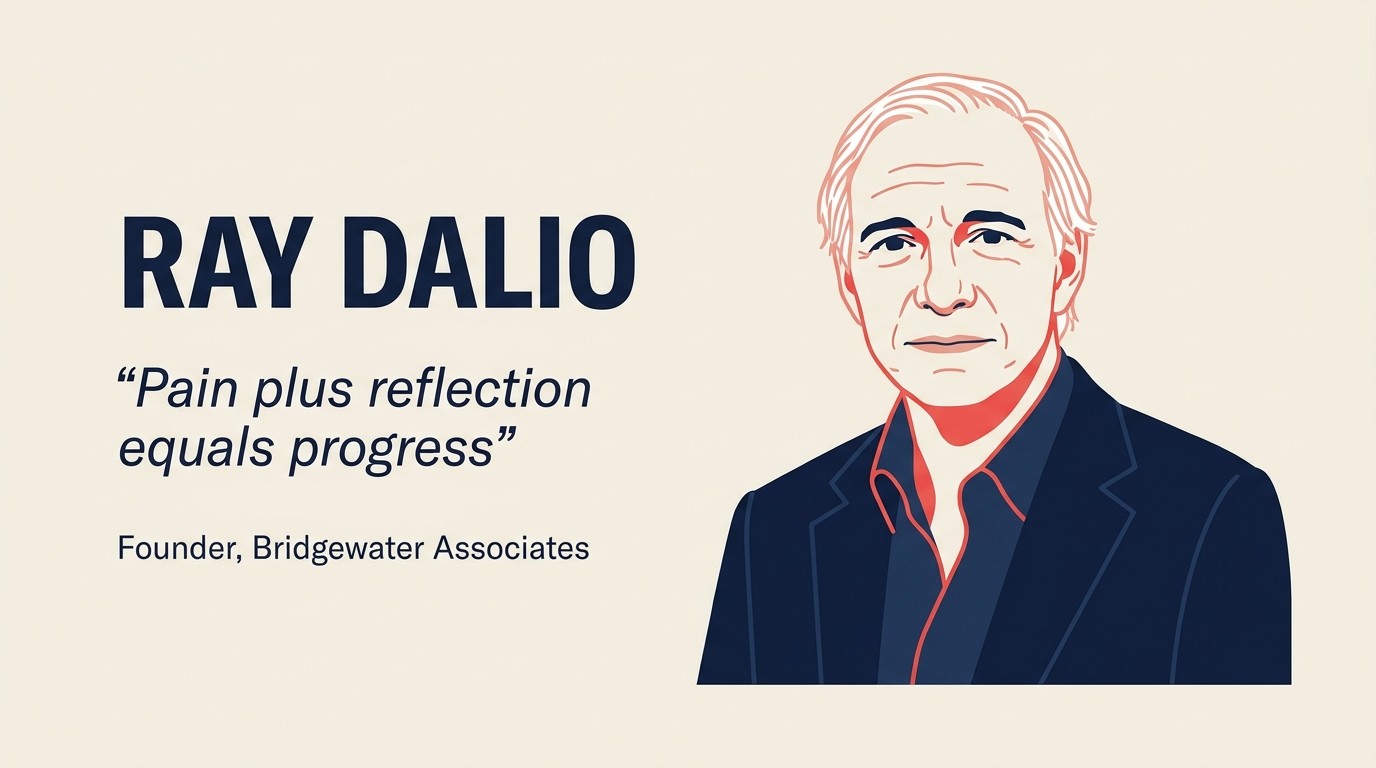
「痛み+反射=進捗。」これはダリオのコア個人運営原則です。『プリンシプルズ』全体で表示されます。実践ではどういう意味ですか:彼はすべての誤りをひどく感じるための理由としてではなく、彼のモデルが間違っているデータポイントとして扱っています。ほとんどの組織は失敗を最小化するもの、説明する、または割り当てる責任として扱うもの。Bridgewaterはそれをシステム改善のために必要な入力として扱いました。
「私があなたに渡すことができる最も重要なことは、自分のためにあなたが考える能力です。」ダリオは卒業生に言ったが、Bridgwaterの管理にも適用されました。彼の目標は、彼自身の権限を含む権限を延期しなかった文化でした。Bridgewaterが達成したかどうかは異議を唱えました。しかし、原則自体 — あなたの組織は、リーダーが部屋にいるときに人々が考えるのを止める場合、脆弱です — は真摯に服用する価値があります。
原則についての記述の習慣は他の場所に平行があります。Andy Groveの「Only the Paranoid Survive」フレームワーク同様に戦略的思考をリーダーシップ組織のロジック — 両方のリーダー本領域は明示的なフレームワークが直感より長く。文化側では、Patty McCordの Netflixでのラディカルオネスティモデルダリオが追い求めた同じ透明性課題に取り組みましたが、異なる決定で:McCordは構造上の施行よりも個人的な自由を優先化し、より清潔にスケーリングされた文化を作成しました。コントラストはダリオのプレイブックから借りることを試みているすべての人に教訓的です。
ダリオは2022年に共同CIOから退任し、管理チームに管理権を引き渡しました。移行は岩が多かった。主要な人々は去りました。パフォーマンスは落胆しました。継承者の闘い実際には、Bridgewaterストーリーの最も教訓的な部分の1つです:1人の原則周辺で構築された文化は、自動的に移行しません。システムはダリオが施行したため、機能しました。彼なしで、施行メカニズムは不明瞭でした。
このスタイルが壊れるところ
激進的な透明性は、電源濃度の反対のように聞こえます。実際には、それは多くの場合になります。Bridgewaterでは、システムを設計した人もそれの中のすべてを評価しました。そのダイナミック — 創設者としてのルールメーカーと裁判官の両方 — 開放のように見えるものが、管理として機能できることを意味します。透明性が非対称の場合、それは本当に透明性ではありません。
モデルはスケールと文化全体で壊れます。Bridgewaterは約1,500人でシステムに既にシステムを過度なしていました。5,000人の異なるジオグラフィー全体で、記録されたミーティングとリアルタイムピア評価は、物流的および心理的に持続不可能になります。そして、直接対立がコネチカット州より異なる社会的重量を運ぶ文化では、「激進的な」部分がはるかに異なります。
あなたがダリオから借りているなら、原則執筆規律とマクロフレームワーク思考を借りなさい。記録されたミーティングをウェストポートに残してください。
レイ・ダリオのリーダーシップに関する頻繁に聞かれる質問
レイ・ダリオは誰ですか。
レイ・ダリオ(生まれ1949年)は、1975年にニューヨークの2寝室のアパートからBridgewater Associatesを設立し、世界最大のヘッジファンドに成長させたアメリカの投資家、ヘッジファンドマネージャー、および著者です。ピークで1,500億ドル以上の資産管理。彼は『プリンシプルズ』の本と「激進的な透明性」管理モデルをパイオニアすることで最も有名です。
激進的な透明性とは何ですか。
激進的な透明性はダリオの推論、異議、およびフィードバック可視性の実践です。Bridgewaterでは、これはミーティング、公開異議を公開で出版する、リアルタイム同僚評価ドットコレクターアプリを通じて、決定を階層またはポリティクスではなく証拠で評価できるようにすることを意味しました。
ダリオに従う「アイデアメリトクラシー」は何ですか。
アイデアメリトクラシーは、最高のアイデアが誰が提案したかに関わらず勝つ決定システムです。ダリオのバージョンは「信頼性」によって入力を重量付けします — 与えられた質問での人の実証済みの実績 — 経験あるオペレーターが彼らの領域で、より良い証拠で誰でも挑戦をすることに開いてながら、より多く重量を運びます。
プリンシプルズの本は何についてですか。
『プリンシプルズ:人生と仕事』(2017年)は、ダリオがBridgewaterを実行している4つの十年以上に蓄積した500以上の運営規則を成文化した600ページ以上の本です。採用する方法、生産的な不同意を持つ方法、パフォーマンスを評価する方法、および決定を下すためのシステムを構築する方法をカバーしています。本は500万以上のコピーを販売しました。
ダリオの履歴の周期変化に関する見方は何ですか。
『変化する世界秩序に対する原則』(2021年)では、ダリオは経済、帝国、予備通過が約75–100年続く反復的な長期債務および電源サイクルを移動すると主張しています。彼はオランダ、イギリス、およびアメリカ帝国からのパターンを使用して、米国が遅期段階であり、リーダーに数十年の力の多次元バランスのための計画を促すと主張しています。
リーダーはレイ・ダリオから何を学ぶことができますか。
最も転送可能なプラクティスは、明示的な意思決定原則を記述してシステムを構築している場合、単一の結果に賭けるのではなく、複数のシナリオ全体で実行され、誤りを改善するシステムのためのデータとして扱っています。記録されたミーティングおよびリアルタイム同僚評価で貧困的に移動するパーツ。ほとんどの組織は保持できない文化的条件が必要です。
さらに詳しく知る
