Influencer Partnerships for Salons: Micro-Influencer Strategy That Works
Turn this article into takeaways for your work.


Each assistant summarizes the article only for you and suggests best practices for your work.
A salon in Melbourne paid a lifestyle influencer with 280,000 followers $1,200 for a sponsored post. She drove 47 profile visits and zero confirmed bookings. Three weeks later, the same salon partnered with a local foodie blogger who had 8,400 followers and offered her a complimentary blowout and color session. The post generated 14 new client inquiries and 9 confirmed appointments. Nine real clients who had never been in before.
That's the core insight behind influencer marketing in the beauty industry: follower count is a vanity metric. Local relevance and audience trust are what actually convert to appointments. Micro-influencers (typically defined as accounts with 1,000 to 100,000 followers) consistently outperform macro accounts for local service businesses because their audiences are geographically concentrated, their engagement rates are higher, and their recommendations carry personal credibility rather than the arms-length feel of a paid sponsorship. This makes them particularly valuable for local SEO for beauty centers, where geographic reach matters far more than raw reach numbers.
The salons building sustainable influencer programs in 2026 aren't working with celebrity accounts. They're building networks of 10 to 20 local micro-influencers who post consistently, stay in their geographic market, and create content that their neighbors actually trust.
Key Facts: Influencer Marketing in Beauty
- Micro-influencers (10K–100K followers) generate 60% higher engagement rates than macro-influencers (Influencer Marketing Hub, 2024)
- Beauty is the #1 performing niche for influencer content, with average engagement rates of 3.86% vs 1.9% cross-industry (Later, 2024)
- 82% of consumers are likely to follow a recommendation from a micro-influencer they follow (Experticity Research)
Micro vs. Macro: Why Local Matters More Than Large
The core difference isn't just follower count. It's audience composition. A macro influencer with 500,000 followers might have an audience spread across 40 countries and 200 cities. Their mention of your Dallas salon reaches an audience that is overwhelmingly not in Dallas. The engagement that post generates is largely irrelevant to your business.
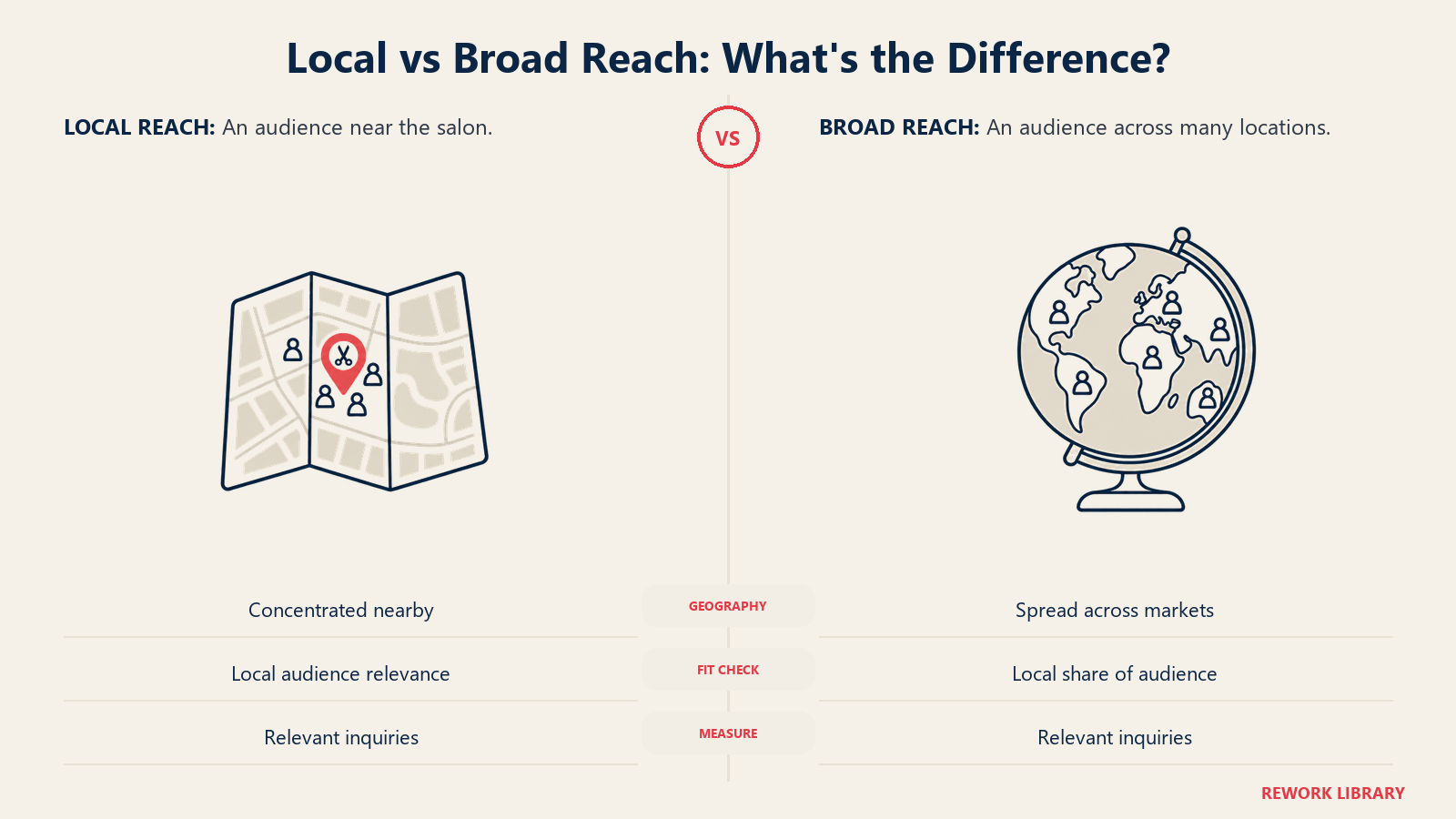
A micro-influencer in your city with 12,000 followers probably has 60–80% of their audience within driving distance of your salon. And that audience trusts their recommendations more: they follow this person because they consider them a peer, not a celebrity.
Engagement rates confirm this. According to Statista data on Instagram influencer engagement rates, smaller accounts consistently outperform larger ones. Nano-influencers (1K–10K followers) average 4–8% engagement. Micro-influencers (10K–100K) average 2–4%. Macro-influencers (100K–1M) average 1–2%. That means a 15,000-follower local influencer post showing your salon's balayage work may actually reach and resonate with more genuinely interested local people than a 200,000-follower account with passive scrollers.
Beauty also benefits from content that is inherently visual and high-impact. Before-and-after content, color reveals, nail art showcases, and skin treatments are among the most shared content formats on Instagram and TikTok. The beauty industry ranks among the highest-performing niches for influencer content engagement across all verticals, which means influencer posts about your services have strong organic reach potential beyond their base audience. Pair your influencer strategy with a strong Instagram and TikTok content plan to maximize organic visibility from each collaboration.
Finding the Right Local Beauty Influencers
You don't need a tool to start. The best local influencer prospects are already posting content in your area. You just need to surface them.
Instagram geotags and location search
Search your city or neighborhood in Instagram's location feature. Look at who is posting lifestyle, beauty, and local content. Look at who is tagging salons, restaurants, boutiques. These are your people. They're already creating content about local businesses.
TikTok location search and hashtag mining
TikTok's search is increasingly local. Search "[Your City] hair," "[Your City] beauty," or "[Your City] glow up." You'll find creators who are actively producing beauty content in your market.
Hashtag mining
Search hashtags like #[yourcity]hair, #[yourcity]makeup, #[yourcitynails] and browse recent posts. Make a list of anyone with 1,000–100,000 followers who consistently posts beauty or lifestyle content.
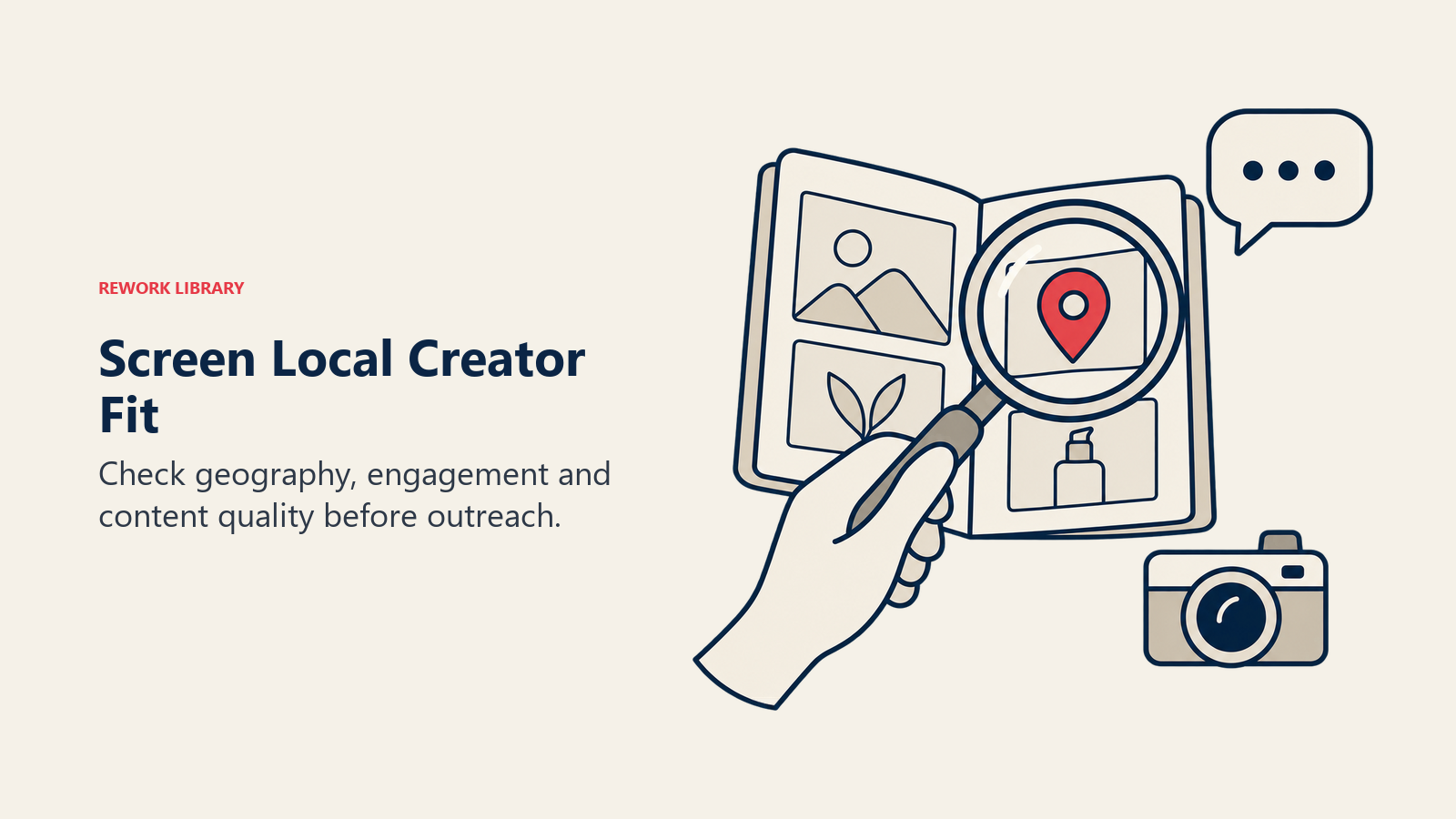
Evaluating fit: what to look for before you reach out
Don't reach out to everyone. Filter your list by:
- Engagement rate: Likes + comments divided by followers. Look for 2%+ for accounts over 10K followers. Below 1% suggests bought followers or low audience interest.
- Audience geography: Check their recent comments. Are they engaging with people who reference your city? This is often visible from commenter profiles and location tags.
- Content quality: Is their photography clean? Do their posts look genuine or heavily filtered and commercial? Beauty clients trust authentic over polished.
- Audience demographics: Who follows them? If they're a mum blogger whose audience skews 30–45 and you're a med spa targeting that exact group, it's a perfect fit.
Tools that help
Modash and Heepsy both offer audience demographics and engagement analytics for influencer discovery. They're worth using once you've identified 20–30 prospects and want to validate before committing to partnerships. But don't over-invest in software for small programs. Manual research on Instagram and TikTok works fine for the first 5–10 partners.
Partnership Structures: Barter vs. Paid
Most small salons start with barter arrangements. And for micro-influencers, barter is often completely appropriate.
Complimentary services in exchange for content
The influencer receives a free service (haircut and color, facial, nail set) worth $80–$300 at your regular price. In return, they post a specified number of pieces of content: typically one feed post and two to three Stories at minimum, ideally a Reel or TikTok video.
This structure works when both sides see fair value. For the influencer, it works when the service cost represents genuine value to them. For you, it works when the expected audience size and engagement justify the cost-of-goods on the service. A color session that costs you $40 in product and 2.5 hours of labor is fair trade for a post reaching 8,000 engaged local followers.
Paid partnerships
Once you've validated which influencers actually drive bookings, consider moving high-performers to paid arrangements. The global influencer marketing industry has seen sustained investment growth, with beauty brands allocating increasing budgets to creator partnerships. Typical micro-influencer rates in the beauty space:
- 5K–15K followers: $50–150 per post
- 15K–50K followers: $150–400 per post
- 50K–100K followers: $400–800 per post
Paid arrangements justify higher content requirements: more deliverables, specific posting schedules, and usage rights for your own channels.
Commission-per-booking models
Give the influencer a unique promo code or booking link. They earn a commission ($15–25) for every new client booking they generate. This aligns incentives perfectly: they earn more when they drive more. But it requires solid tracking infrastructure and some influencers won't accept performance-only deals.
Long-term ambassador programs vs. one-off posts
One-off posts generate spikes. Long-term ambassador relationships generate sustained visibility and deeper audience trust. If a creator's audience sees them visiting your salon monthly and consistently talking about their results, the credibility compounds. For your 2–3 best-performing influencer relationships, propose a 6-month ambassador arrangement with monthly visits and content commitments.
Content Guidelines: Getting Posts That Convert
A beautiful photo that doesn't mention your salon name, location, or how to book is wasted. Set content standards from the start.
Before-and-after photography
This is the single highest-converting content format for salons. Ensure there's always a "before" captured during consultations. The influencer should receive it before posting. The photo standard matters: good lighting, neutral background, consistent angles. Your before and after content marketing strategy should set the same standards internally so influencer content aligns with your own brand aesthetic.
Booking link placement
Every post should include your booking link, in the bio (for Instagram) or in the caption (for TikTok). A Stories post without a swipe-up link or clear booking call-to-action loses most of its conversion potential. This is especially important if you've invested in online booking optimization, where a frictionless click-to-book path directly affects how many impressions convert to appointments.
Stories vs. Feed vs. Reels
Stories convert well in the short term: 24-hour visibility drives immediate click-through. Feed posts have permanence and show up in search. Reels and TikToks have the highest organic reach potential. An ideal post package includes one feed post or Reel plus two to three Stories.
FTC and ASA disclosure compliance
In the US, FTC guidelines require influencers to disclose paid partnerships and gifted services with #ad, #sponsored, or Instagram's paid partnership tag, rules that were updated and strengthened in 2023. In the UK, ASA rules are similar. Non-compliance creates legal risk for both the influencer and your business. Make disclosure non-negotiable in your partnership agreements.
Sample Outreach DM Template
When reaching out to a prospective influencer, keep it brief and specific:
"Hi [Name], I'm [Your Name] from [Salon Name] in [City]. I love your content, especially the [specific recent post reference]. We'd love to offer you a complimentary [service] in exchange for a post and a couple of Stories. We're particularly interested in your [haircare/skincare/nail] content as our audience overlaps really well. Would you be open to chatting about what that might look like? Happy to share more details."
The specificity (referencing their actual content) demonstrates you're not mass-messaging and makes the partnership feel genuine.
Tracking ROI: What Actually Matters
Don't track follower count. Track bookings.
Unique promo codes
Each influencer gets a unique code (e.g. SARAH10 or MAYA15) that new clients mention at booking or use in an online booking discount field. This creates clean attribution. Structured referral tracking like this also complements a formal referral program for beauty centers, where the same attribution principles apply to client-to-client recommendations.
Unique tracking links
Use UTM parameters on your booking page URL. Each influencer gets a unique link that your booking platform or Google Analytics captures. You can then trace exactly how many people clicked through and how many completed a booking.
Influencer ROI Tracking Table
| Influencer | Followers | Engagement Rate | Partnership Cost | Unique Code Bookings | Cost Per Booking |
|---|---|---|---|---|---|
| @local_lifestyle | 8,400 | 4.2% | $0 (barter, $120 service cost) | 9 | $13.30 |
| @cityglow | 22,000 | 2.8% | $200 (paid) | 14 | $14.30 |
| @beautyinsydney | 51,000 | 1.6% | $500 (paid) | 11 | $45.45 |
The table above shows what often happens in practice: larger accounts don't always outperform smaller, more engaged local accounts on a cost-per-booking basis.
Contract Essentials: Protecting Both Sides
Even for barter arrangements, a simple one-page agreement prevents misunderstandings.
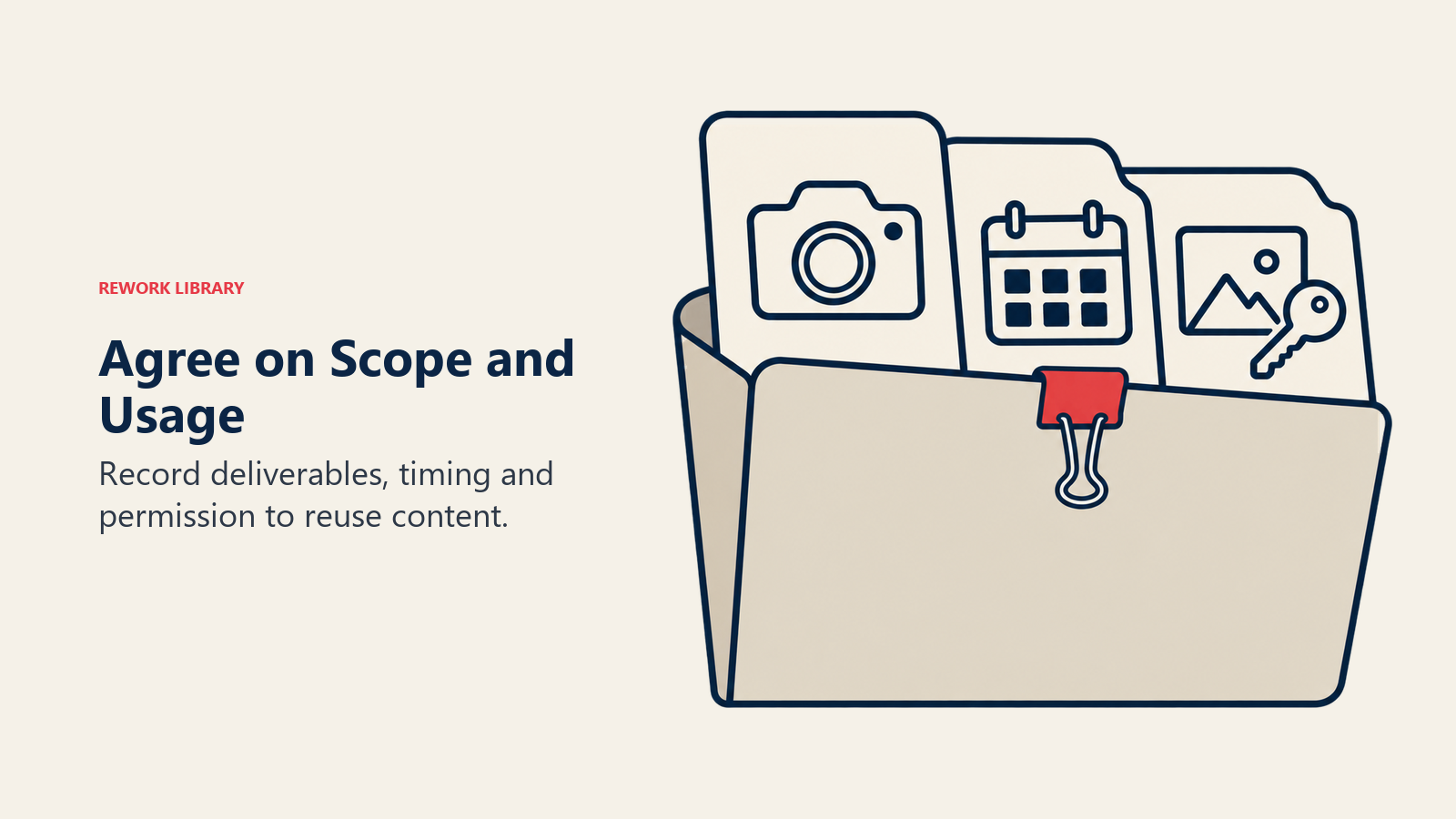
Deliverable specifications: Exact number of posts, Stories, Reels, or TikToks. Posting timeline (within 7 days of service, or specific dates). Content approval step if required.
Disclosure requirements: FTC/ASA compliance is non-negotiable.
Exclusivity clauses: You may reasonably request that the influencer doesn't post for a direct local competitor salon within 30 days of posting for you.
Usage rights: Can you repost their content on your own channels? For how long? This is a significant value-add, since influencer-generated content often outperforms studio photography in social ads. Repurposing this content across your social media marketing for salons channels can significantly extend the life and reach of each collaboration.
Influencer Partnership Contract Checklist
- Deliverables defined (post types, quantities, platforms)
- Posting deadline specified
- Disclosure compliance required (#ad or paid partnership tag)
- Unique promo code or tracking link assigned
- Exclusivity window defined (if applicable)
- Usage rights for salon's channels specified
- Cancellation terms for barter (service reschedule policy)
Building a Repeatable Local Influencer Network
The goal isn't a single great post. It's building a rotating network of 10–20 local influencers who post about your salon every quarter, creating consistent brand visibility in your local market without consistent ad spend.
Start with 3–5 barter partnerships in the first two months. Track bookings rigorously. Identify which 2–3 drove the best results. Deepen those relationships into ambassador arrangements. Then expand the network gradually, adding 2–3 new partners per quarter while retiring underperformers.
Done right, your influencer program becomes a self-sustaining acquisition channel. New clients come in, some of them turn out to have their own engaged audiences, you invite them to partner with you, and the network grows organically. Every new client who enters through this channel should be enrolled in a loyalty program for your beauty center to begin converting them from an acquisition-channel lead into a retained, high-value client. Consider also pairing influencer campaigns with Google Ads for beauty businesses to retarget the traffic these posts generate with booking-focused paid placements.
Learn More

Senior Operations & Growth Strategist
On this page
- Micro vs. Macro: Why Local Matters More Than Large
- Finding the Right Local Beauty Influencers
- Partnership Structures: Barter vs. Paid
- Content Guidelines: Getting Posts That Convert
- Sample Outreach DM Template
- Tracking ROI: What Actually Matters
- Contract Essentials: Protecting Both Sides
- Building a Repeatable Local Influencer Network
- Learn More