Teori Path-Goal dalam Kepimpinan: Panduan Lengkap
Turn this article into takeaways for your work.


Each assistant summarizes the article only for you and suggests best practices for your work.
Teori Path-Goal memberi pemimpin satu kerangka praktikal untuk memilih tingkah laku yang tepat berdasarkan keperluan pengikut dan tuntutan situasi. Padankan dengan betul, dan laluan pasukan menuju matlamat menjadi lebih jelas, motivasi meningkat, dan prestasi pun mengikut.
Apakah Teori Path-Goal?
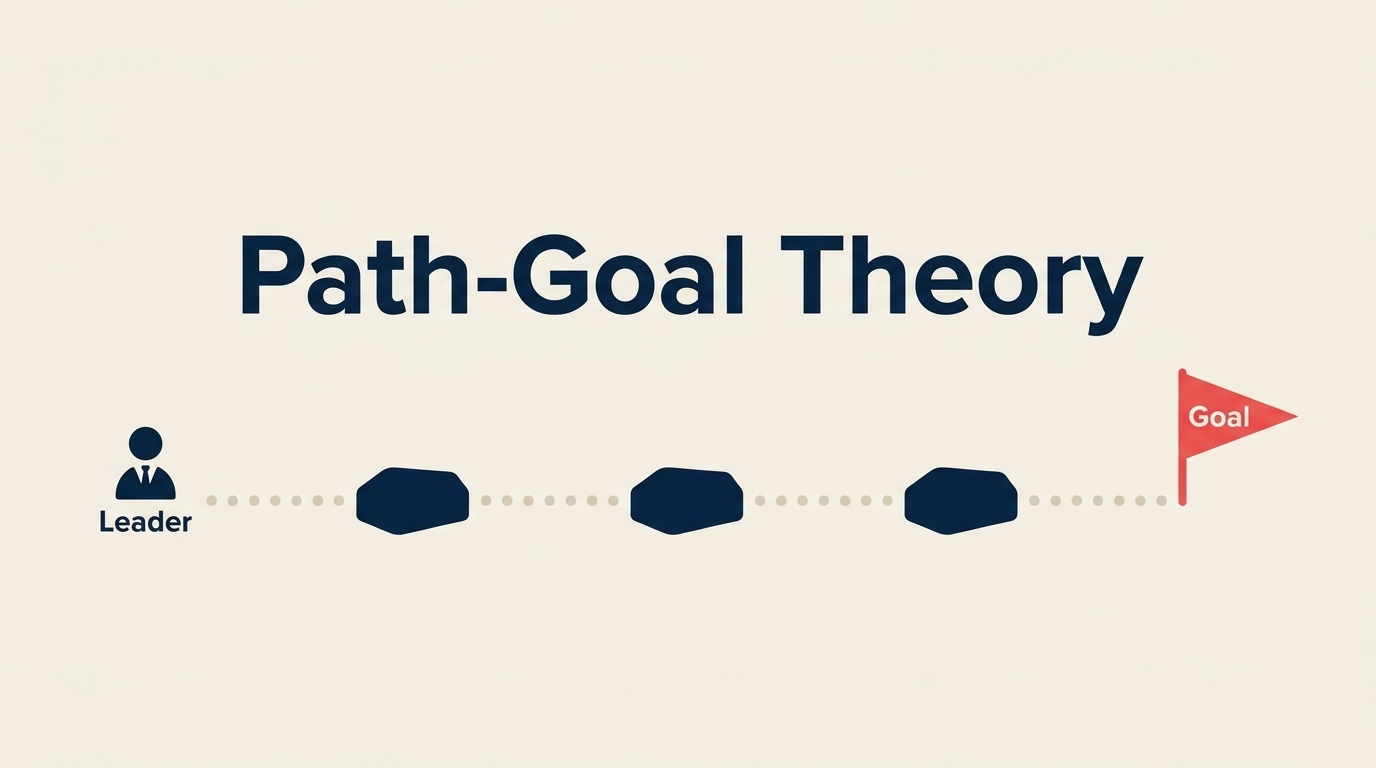
Teori Path-Goal ialah model kepimpinan kontingensi yang menyatakan bahawa tugas seorang pemimpin adalah membersihkan halangan, menyediakan sumber, dan menyesuaikan tingkah laku mereka supaya pengikut dapat mencapai matlamat kerja dengan penuh keyakinan. Keberkesanan pemimpin bergantung sepenuhnya kepada sama ada gaya kepimpinan yang dipilih sesuai dengan ciri-ciri pengikut dan tuntutan persekitaran.
Teori ini pertama kali dikemukakan oleh Robert J. House pada tahun 1971 dalam "A Path Goal Theory of Leader Effectiveness" (Administrative Science Quarterly). House mengembangkan dan merumuskan semula teori ini pada tahun 1996 dalam "Path-Goal Theory of Leadership: Lessons, Legacy, and a Reformulated Theory" (Leadership Quarterly). Berbeza dengan teori kepimpinan terdahulu yang mencari satu gaya yang berkesan secara universal, Teori Path-Goal menerima bahawa tiada satu pendekatan tunggal yang sesuai untuk semua orang dalam setiap situasi.
Fakta Utama
- Teori Path-Goal pertama kali dikemukakan oleh Robert J. House pada tahun 1971 dan dirumuskan semula pada tahun 1996 dalam "Path-Goal Theory of Leadership: Lessons, Legacy, and a Reformulated Theory" (Leadership Quarterly, 1996).
- Teori ini dibina atas Teori Ekspektasi Victor Vroom (1964), menghubungkan tingkah laku pemimpin dengan usaha, prestasi, dan ganjaran pengikut (Vroom, 1964).
- Kajian empirikal menunjukkan sokongan terkuat untuk gaya mengarah dan menyokong, dengan keputusan yang lebih lemah untuk gaya penyertaan dan berorientasi pencapaian (Psychological Bulletin, 1996).
Logik Teras: Pemimpin Membersihkan Laluan
"Laluan" dalam Teori Path-Goal merujuk kepada jalan yang perlu ditempuh oleh pengikut untuk mencapai hasil yang diingini. "Matlamat" ialah ganjaran di penghujungnya: projek yang siap, kenaikan pangkat, bonus prestasi, pengiktirafan. Antara permulaan dan matlamat, laluan jarang sekali jelas. Ia dipenuhi dengan kekaburan, tugas-tugas sukar, kebimbangan peribadi, dan jurang kemahiran.
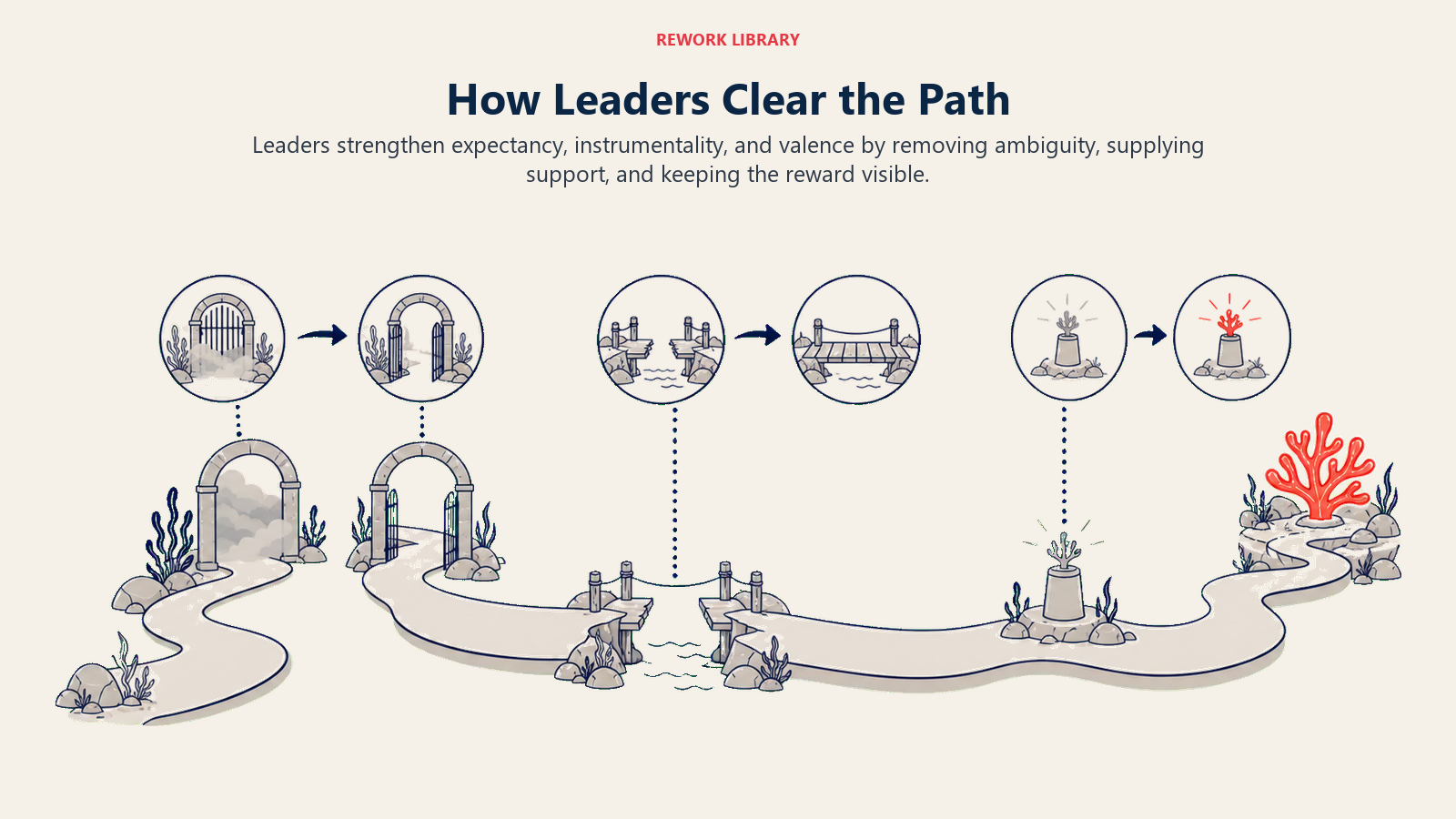
Teori Path-Goal mengambil inspirasi secara langsung daripada Teori Ekspektasi Victor Vroom (1964), yang berhujah bahawa motivasi adalah hasil daripada tiga kepercayaan:
- Ekspektasi: "Jika saya cuba, bolehkah saya berjaya?"
- Instrumentaliti: "Jika saya berjaya, adakah saya akan mendapat ganjaran yang dijanjikan?"
- Valensi: "Adakah saya benar-benar menghargai ganjaran itu?"
Apabila mana-mana kepercayaan ini melemah, usaha pun berkurangan. Seorang pemimpin yang mengarah yang menjelaskan tugas meningkatkan ekspektasi. Seorang pemimpin yang menyokong yang mengurangkan tekanan mengekalkan valensi apabila kerja itu membosankan. Seorang pemimpin penyertaan yang mengajak pengikut menyumbang meningkatkan instrumentaliti kerana pengikut merasakan tindakan mereka benar-benar berkaitan dengan hasil. Peranan pemimpin adalah memperkukuhkan kepercayaan mana yang pada masa ini menjadi pautan paling lemah.
Inilah yang membezakan Teori Path-Goal daripada kerangka yang lebih mudah. Ia tidak sekadar mengatakan "padankan gaya anda dengan kematangan" seperti Teori Kepimpinan Situasi. Ia menelusuri mekanisme motivasi: pemimpin bekerja melalui kepercayaan pengikut, bukan hanya tahap kemahiran mereka.
4 Gaya Kepimpinan
House mengenal pasti empat tingkah laku kepimpinan yang berbeza. Seorang pemimpin boleh dan seharusnya beralih antara mereka bergantung kepada orang dan keadaan.

Kepimpinan Mengarah
Kepimpinan mengarah bermaksud memberi arahan yang jelas, menetapkan jangkaan yang spesifik, menjelaskan dengan tepat bagaimana tugas harus dilaksanakan, dan menetapkan jadual masa. Pemimpin menghilangkan kekaburan dengan memberitahu pengikut dengan tepat seperti apa kejayaan itu.
Bila menggunakannya: Apabila tugas tidak berstruktur, apabila pengikut baharu dalam peranan, atau apabila taruhan tinggi menuntut proses yang konsisten.
Tingkah laku: Menetapkan piawaian prestasi, memberi panduan langkah demi langkah, menjelaskan dasar, menjadualkan kerja, menyelaraskan merentas pasukan.
Contoh: Seorang jurujual baharu menyertai pasukan tanpa pengalaman jualan B2B. Pengurus mereka menyediakan skrip panggilan yang berstruktur, sasaran aktiviti harian (20 percubaan hubungan), dan semakan mingguan rakaman panggilan. Jurujual itu tahu dengan tepat apa yang perlu dilakukan dan boleh memberi tumpuan kepada pelaksanaan berbanding meneka.
Kepimpinan Menyokong
Kepimpinan menyokong memberi tumpuan kepada keperluan emosi dan hubungan pengikut. Pemimpin bersifat mesra, mudah didekati, dan peka terhadap kesejahteraan pasukan.
Bila menggunakannya: Apabila tugas berulang atau membosankan, apabila pengikut berada di bawah tekanan atau keletihan, atau apabila perpaduan kumpulan mula retak.
Tingkah laku: Menyemak kesejahteraan peribadi, mengiktiraf usaha secara terbuka, menunjukkan minat yang tulus terhadap matlamat kerjaya pengikut, menjadikan persekitaran kerja lebih selesa, menawarkan keselamatan psikologi.
Contoh: Pasukan sokongan pelanggan mengendalikan jumlah panggilan yang tinggi dan sukar dari segi emosi. Pengurus mereka mengadakan perbincangan ringkas harian yang dimulakan dengan soalan bukan berkaitan kerja, secara kerap mengiktiraf panggilan yang cemerlang dalam saluran pasukan, dan menghubungi secara individu apabila seseorang kelihatan keletihan. Pusing ganti pekerja pun berkurangan dan prestasi berterusan kekal kukuh.
Kepimpinan Penyertaan
Kepimpinan penyertaan melibatkan perundingan dengan pengikut sebelum membuat pembuatan keputusan, berkongsi maklumat secara bebas, serta menggabungkan idea dan cadangan pengikut ke dalam rancangan.
Bila menggunakannya: Apabila pengikut berpengalaman dan berkebolehan, apabila tugas kompleks dan mendapat manfaat daripada input pelbagai, atau apabila komitmen adalah penting untuk pelaksanaan.
Tingkah laku: Meminta pendapat sebelum membuat keputusan, menjalankan sesi brainstorm yang berstruktur, berkongsi konteks dan rasional di sebalik pilihan strategi, membina keputusan melalui persetujuan bersama di mana boleh.
Contoh: Seorang pengurus produk yang menyediakan peta jalan untuk suku berikutnya berunding dengan ketua kejuruteraan, pereka UX, dan dua pekerja bawahan langsung daripada bahagian kejayaan pelanggan sebelum muktamadkan keutamaan. Pelan itu mencerminkan pandangan dari peringkat bawah dan pasukan lebih bermotivasi untuk melaksanakan kerana mereka yang membentuknya.
Kepimpinan Berorientasi Pencapaian
Kepimpinan berorientasi pencapaian bermaksud menetapkan matlamat yang mencabar, menyatakan keyakinan yang kukuh terhadap keupayaan pengikut untuk mencapainya, dan terus meninggikan bar secara berterusan.
Bila menggunakannya: Apabila pengikut mempunyai keupayaan tinggi dan keperluan pencapaian yang kuat, apabila tugas kompleks dan memerlukan penyelesaian masalah secara kreatif, atau apabila kealpaan adalah risiko utama.
Tingkah laku: Menetapkan tugasan mencabar, menyatakan keyakinan secara terbuka bahawa pasukan boleh melampaui prestasi lepas, menggalakkan inovasi berbanding pilihan yang selamat, membincangkan pencapaian kemajuan kerjaya.
Contoh: Seorang jurutera kanan yang telah menguasai susunan teknologi semasa mendapat tugasan baharu untuk mereka bentuk sistem caching yang diedarkan dari awal. Pengurus mereka menetapkan sasaran yang teknikal dan mencabar, menjemput jurutera untuk menentukan pendekatan mereka sendiri, dan menggariskan projek tersebut sebagai peluang yang menentukan kerjaya. Dorongan intrinsik jurutera itu bangkit dan mereka melampaui skop asal.
Dua Faktor Kontingensi: Pengikut dan Persekitaran
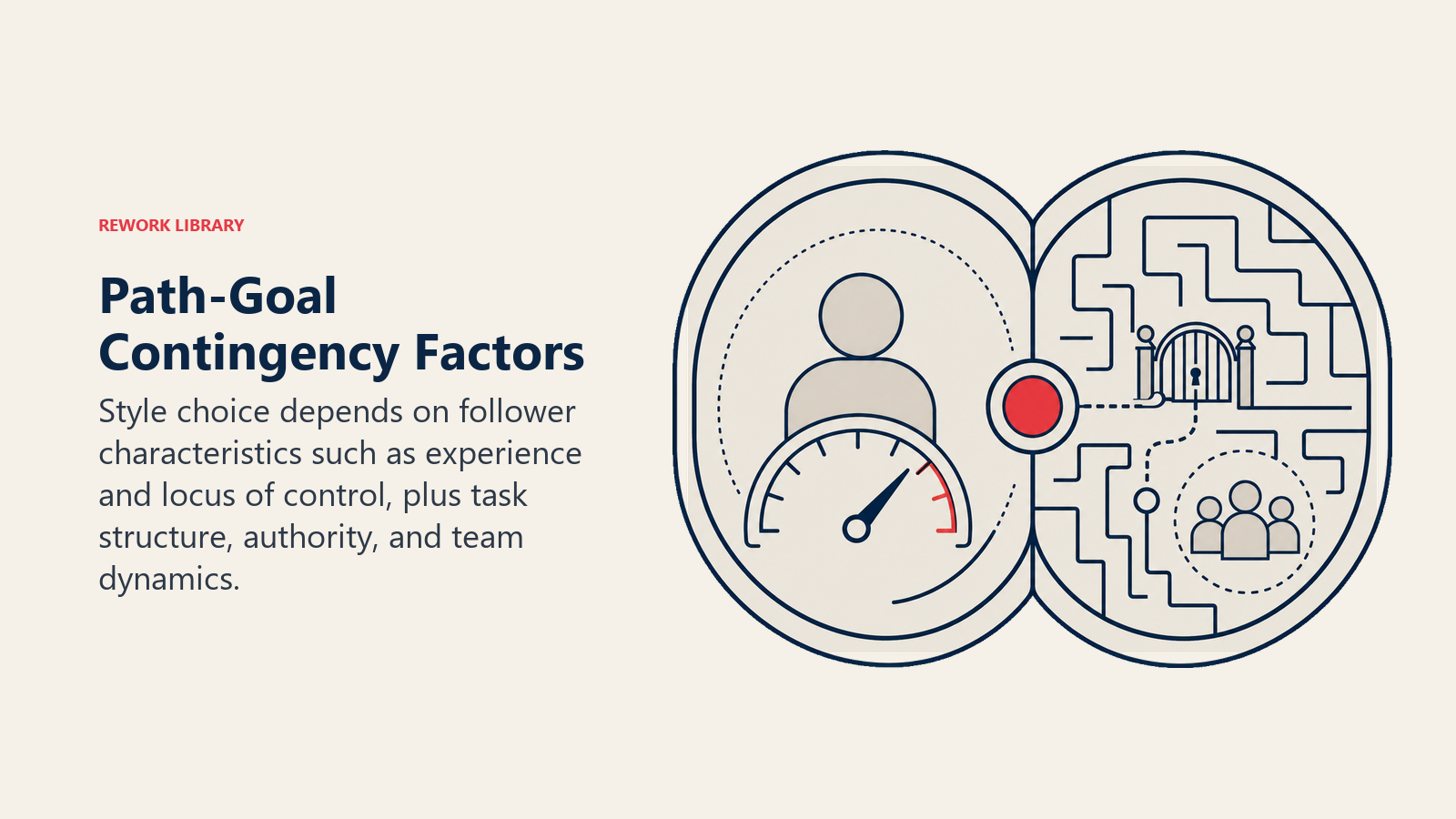
Teori Path-Goal ialah teori kepimpinan kontingensi, yang bermaksud gaya yang tepat bergantung kepada faktor kontekstual berbanding formula tetap. House mengenal pasti dua kategori pemboleh ubah penyederhana.
Ciri-ciri Pengikut
Lokus kawalan. Pengikut yang percaya mereka mengawal hasil sendiri (lokus dalaman) bertindak balas lebih baik terhadap gaya penyertaan kerana mereka mahukan autonomi dan pengaruh. Pengikut yang percaya hasil bergantung kepada kuasa luaran (lokus luaran) cenderung memilih gaya mengarah kerana panduan yang jelas sejajar dengan pandangan dunia mereka.
Keupayaan dan pengalaman. Seorang pengikut dengan pengalaman rendah dalam tugas tertentu mendapat manfaat daripada tingkah laku mengarah yang mengisi jurang pengetahuan. Seorang pengikut dengan keupayaan tinggi mendapati tingkah laku mengarah yang sama sebagai merendahkan dan menjejaskan motivasi. Gaya penyertaan dan berorientasi pencapaian paling berkesan untuk mereka yang berpengalaman.
Keperluan untuk perhubungan. Pengikut yang sangat menghargai hubungan dan interaksi sosial bertindak balas baik terhadap kepimpinan menyokong. Mereka yang terutama didorong oleh pencapaian dan autonomi mungkin mendapati terlalu banyak sokongan sebagai gangguan berbanding bantuan.
Ciri-ciri Persekitaran
Struktur tugas. Apabila tugas jelas, rutin, dan terdefinisi dengan baik, menambah kepimpinan mengarah mencipta pertindihan dan boleh menggusarkan pengikut yang berkebolehan. Apabila tugas kabur, kepimpinan mengarah mengurangkan tekanan dan meningkatkan ekspektasi. Tingkah laku menyokong cenderung paling penting apabila tugas berulang dan risiko ketidakterlibatan adalah tinggi.
Sistem autoriti formal. Dalam organisasi yang sangat birokratik di mana peraturan sudah sangat mengekang tingkah laku, pemimpin mengarah menambah kawalan yang bertindih. Dalam persekitaran dengan struktur formal yang lemah, kepimpinan mengarah mengisi jurang yang sepatutnya disediakan oleh sistem formal.
Dinamik kumpulan kerja. Jika pasukan mempunyai perpaduan sosial yang kukuh dan norma tidak formal, pemimpin mungkin tidak perlu menambah sokongan yang berat kerana kumpulan itu sendiri menyediakannya. Tetapi dalam pasukan yang berpecah-belah atau yang mengalami konflik interpersonal, kepimpinan menyokong dari atas menjadi penting.
Matriks Kesesuaian Gaya-Situasi
Gunakan jadual ini sebagai rujukan permulaan. Situasi sebenar menggabungkan pelbagai faktor, jadi anggaplah ia sebagai panduan diagnostik, bukan peraturan yang rigid.
| Situasi | Ciri pengikut | Persekitaran | Gaya terbaik |
|---|---|---|---|
| Pekerja baharu, proses tidak jelas | Pengalaman rendah, lokus dalaman | Tugas kabur, tidak berstruktur | Mengarah |
| Kerja berulang, jumlah tinggi | Lokus luaran, perlu hubungan sosial | Tugas membosankan, rutin | Menyokong |
| Perancangan strategik dengan pasukan pakar | Keupayaan tinggi, keperluan pengaruh yang kuat | Kompleks, taruhan tinggi, struktur rendah | Penyertaan |
| Pakar kanan menghadapi tugasan mencabar | Kompetensi tinggi, dorongan pencapaian yang kuat | Tugas kompleks, inovatif | Berorientasi pencapaian |
| Tekanan projek yang tertekan | Mana-mana tahap, kebimbangan tinggi | Tarikh akhir tekanan tinggi | Gabungan menyokong dan mengarah |
| Ketidakpastian pasca-penstrukturan semula | Pengalaman pelbagai, lokus luaran | Autoriti formal terganggu | Mengarah kemudian penyertaan |
Cara Menerapkan Teori Path-Goal: Langkah demi Langkah
Path-Goal bukan diagnostik sekali sahaja. Ia adalah disiplin yang anda jalankan secara berterusan apabila orang berkembang dan situasi berubah.
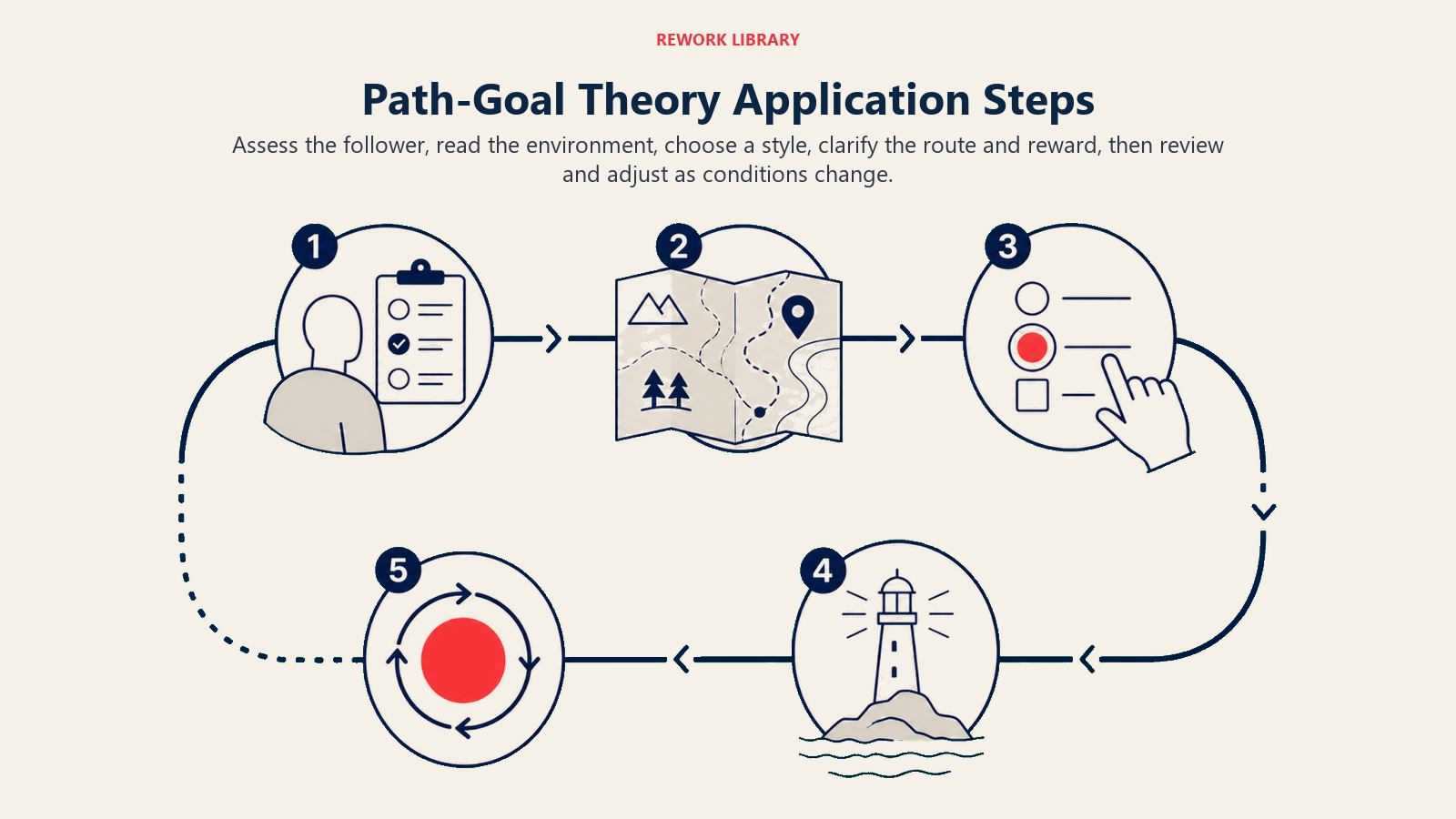
Langkah 1: Nilai Pengikut
Sebelum memilih gaya, kaji orang tersebut. Tanya diri anda: berapa lama mereka melakukan tugas spesifik ini (bukan hanya dalam kerjaya mereka)? Adakah mereka cenderung mengaitkan hasil dengan usaha sendiri atau dengan kuasa luar? Apa yang mereka katakan memotivasikan mereka? Apakah tahap tekanan mereka sekarang? Perbualan lima minit sekali seminggu menghasilkan data yang lebih berguna daripada ulasan prestasi suku tahunan.
Langkah 2: Baca Persekitaran
Lihat pada tugas itu sendiri. Adakah ia berstruktur dan jelas, atau kabur dan baharu? Seperti apa sistem formal di sekeliling kerja tersebut? Adakah pasukan mempunyai ikatan rakan sebaya yang kukuh, atau setiap orang beroperasi secara berasingan? Faktor persekitaran mengekang dan membolehkan apa yang boleh dilakukan oleh pemimpin.
Langkah 3: Pilih Gaya yang Sesuai
Rujuk silang penilaian pengikut dan pembacaan persekitaran. Gunakan matriks gaya-situasi di atas sebagai panduan. Apabila faktor-faktor menunjuk ke arah yang berbeza (pengikut berkemahiran tetapi tugas sangat kabur), dahulukan faktor yang paling segera menghalang prestasi.
Langkah 4: Sampaikan Laluan
Apa jua gaya yang anda pilih, pastikan pengikut mempunyai gambaran yang jelas tentang seperti apa kejayaan itu, apa ganjarannya, dan bahawa anda percaya mereka boleh mencapainya. Ini adalah gelung ekspektasi-instrumentaliti-valensi daripada teori Vroom dalam amalan. Gaya membentuk penyampaian; mesej mesti sentiasa menjelaskan laluan.
Langkah 5: Semak dan Sesuaikan
Seorang pengikut yang pada mulanya memerlukan gaya mengarah tidak akan kekal begitu. Apabila kompetensi meningkat, kurangkan tingkah laku mengarah dan beralih ke arah penyertaan atau berorientasi pencapaian. Jika pasukan yang berkebolehan menghadapi krisis yang tidak dijangka, tingkatkan tingkah laku menyokong buat sementara. Teori Path-Goal menganggap gaya kepimpinan sebagai dial yang bergerak, bukan label tetap.
Path-Goal berbanding Kepimpinan Situasi berbanding Kontingensi Fiedler
Teori Path-Goal berada bersama dua model kontingensi utama yang lain. Berikut adalah perbandingannya.
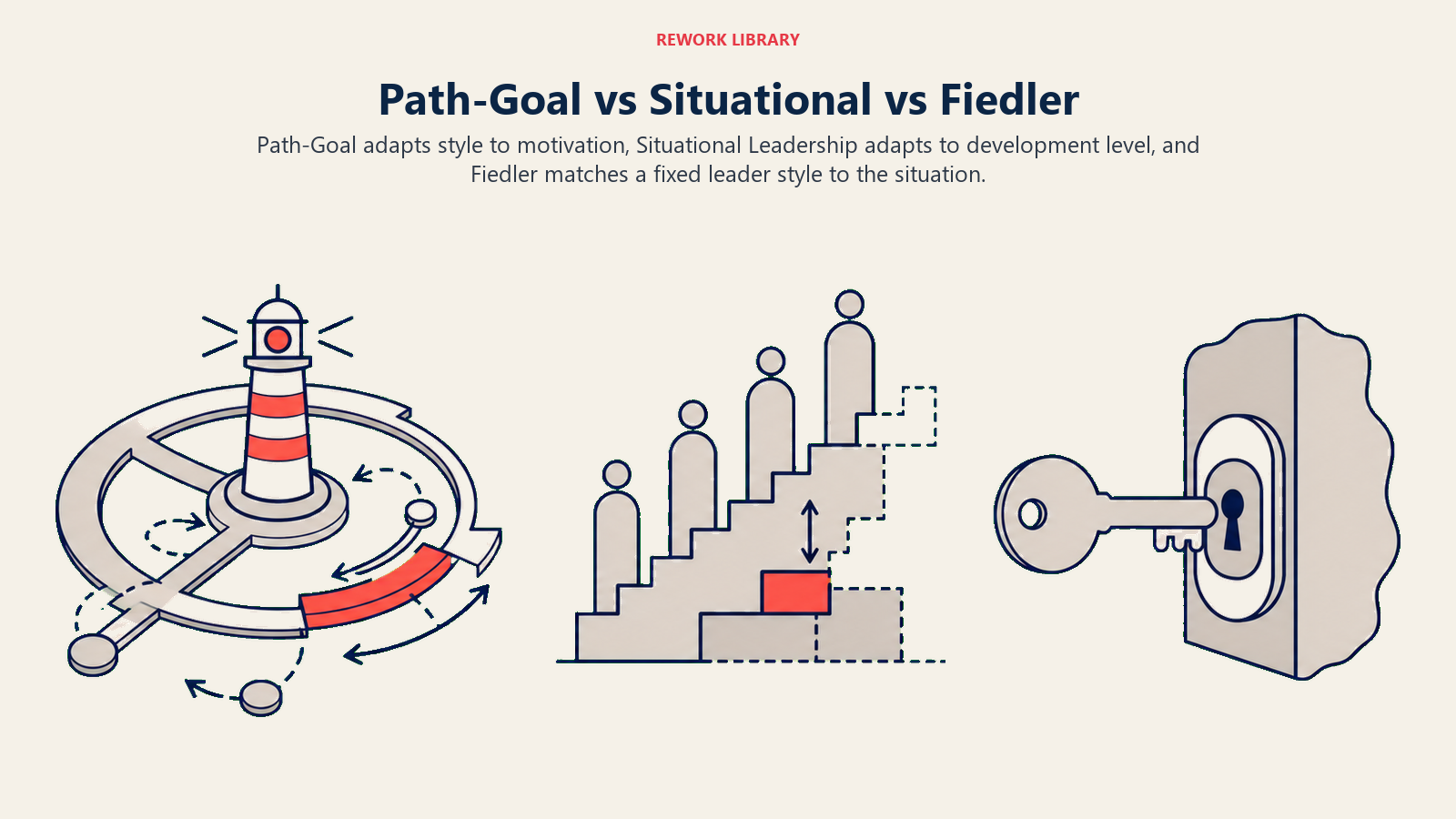
| Dimensi | Teori Path-Goal | Kepimpinan Situasi | Kontingensi Fiedler |
|---|---|---|---|
| Pencipta | Robert House (1971) | Hersey dan Blanchard (1969) | Fred Fiedler (1964) |
| Pemboleh ubah utama | Motivasi pengikut (ekspektasi) | Tahap perkembangan pengikut | Gaya tetap pemimpin berbanding kesesuaian situasi |
| Kebolehlenturan pemimpin | Tinggi: empat gaya yang fleksibel | Tinggi: empat gaya yang fleksibel | Rendah: gaya pemimpin adalah tetap; padankan situasi kepada pemimpin |
| Fokus | Mekanisme motivasi | Kesediaan/kematangan | Kawalan situasi |
| Kegunaan praktikal | Pertukaran gaya berterusan berdasarkan tugas dan orang | Model coaching yang dikaitkan dengan peringkat perkembangan | Memadankan pemimpin kepada peranan, bukan gaya kepada detik |
| Kelemahan teras | Kompleks untuk diterapkan dalam masa sebenar | Memudahkan peringkat kematangan | Menganggap gaya pemimpin tidak boleh berubah |
Path-Goal dan Kepimpinan Situasi berkongsi andaian bahawa pemimpin boleh dan seharusnya mengubah gaya mereka. Model Fiedler tidak. Path-Goal lebih mendalam dalam mekanisme motivasi; Kepimpinan Situasi lebih mudah diajar dan diterapkan dalam program latihan pengurus. Lihat perincian penuh dalam panduan kami tentang gaya kepimpinan situasi dan konteks teori kepimpinan tingkah laku yang mendasari ketiga-tiganya.
Kritikan dan Batasan
Tiada model yang selamat daripada cabaran realiti tanpa beberapa keretakan. Teori Path-Goal mempunyai beberapa yang didokumentasikan dengan baik.
- Kerumitan dalam amalan. Membaca ciri-ciri pengikut, faktor persekitaran, dan memilih gaya yang tepat merentas berbilang pekerja bawahan langsung dalam masa sebenar adalah sangat menuntut secara kognitif. Kebanyakan pemimpin menyederhanakan kepada satu atau dua gaya pilihan dan menggunakannya di mana-mana, yang sebahagiannya menewaskan tujuan model ini.
- Sokongan empirikal yang lemah untuk sesetengah gaya. Meta-analisis 1996 dalam Psychological Bulletin mendapati bukti yang kukuh untuk gaya mengarah dan menyokong tetapi sokongan yang terhad untuk gaya penyertaan dan berorientasi pencapaian. Struktur empat gaya penuh teori ini tidak disahkan secara sama rata.
- Mengandaikan pengikut yang rasional. Asas teori ekspektasi menganggap motivasi sebagai pengiraan yang sedar. Tetapi orang tidak selalu rasional tentang usaha dan ganjaran. Motivasi berasaskan emosi, sosial, dan identiti tidak sesuai dengan kemas dalam model VIE.
- Sukar untuk diuji. Teori 1996 yang dirumuskan semula memperkenalkan konstruk tambahan (kepimpinan bersama, pemboleh ubah unit kerja) yang menjadikannya lebih luas tetapi juga lebih sukar untuk diuji dalam kajian yang terkawal.
- Berpusatkan pemimpin. Path-Goal meletakkan semua beban adaptif pada pemimpin. Ia tidak menjelaskan dengan baik pasukan yang mengurus diri sendiri, rakan sebaya yang mengisi jurang kepimpinan, atau pengikut yang secara aktif membentuk keadaan kerja mereka sendiri.
Amalan Terbaik
Menerapkan Teori Path-Goal dengan baik sebahagian besarnya adalah tentang membina tabiat pemerhatian sebelum tindakan.
- Buat diagnostik sebelum mengarah. Tentang keinginan untuk menggunakan gaya semula jadi anda. Luangkan dua minit menilai pengikut dan tugas sebelum setiap interaksi kepimpinan yang penting.
- Gunakan gaya mengarah secara berhati-hati dengan orang yang berpengalaman. Terlalu mengarah pengikut yang berkebolehan menunjukkan ketidakpercayaan dan memusnahkan motivasi intrinsik. Simpankan ia untuk kekaburan yang tulen atau tugas baharu yang berisiko tinggi.
- Padankan tingkah laku menyokong dengan mana-mana gaya semasa tekanan. Pengikut yang tertekan dalam sprint yang sukar memerlukan pengiktirafan emosi walaupun tugas memerlukan kejelasan yang mengarah. Gaya-gaya boleh bertindih.
- Jadikan ganjaran kelihatan. Path-Goal hanya berkesan apabila pengikut tahu apa matlamatnya dan percaya ia boleh dicapai. Pastikan ganjaran kelihatan dalam komunikasi anda, jangan anggap ia sudah difahami.
- Ubah gaya apabila orang berkembang. Bina catatan mental tentang di mana setiap ahli pasukan berada dalam keluk pengalaman untuk setiap jenis tugas utama. Seseorang mungkin memerlukan gaya mengarah untuk projek baharu dan gaya berorientasi pencapaian untuk tugas yang telah mereka kuasai.
- Tanya, jangan andaikan, lokus kawalan. Anda tidak boleh melihat lokus kawalan seseorang secara langsung. Tanya soalan terbuka: "Bagaimana anda akan mendekati ini?" atau "Apa yang anda fikir menghalang?" Jawapan mendedahkan berapa banyak rasa pemilikan yang mereka rasai.
- Dokumenkan pilihan gaya anda. Dalam pasukan lebih daripada lima atau enam orang, anda akan kehilangan jejak siapa yang memerlukan apa. Satu medan nota mudah dalam dokumen 1:1 anda memastikan diagnostik anda tidak luput antara mesyuarat.
- Gabungkan Path-Goal dengan kepimpinan transformasi untuk pembangunan jangka panjang. Path-Goal mengoptimumkan untuk prestasi peringkat tugas sekarang; kepimpinan transformasi membina identiti dan visi pengikut dari masa ke masa. Digunakan bersama, mereka merangkumi ufuk masa yang berbeza.
Kepimpinan bersifat situasi, dan Teori Path-Goal memberi anda penjelasan mekanikal yang paling jelas tentang mengapa. Tidak cukup untuk mengetahui tahap kemahiran pasukan anda. Anda perlu memahami apa yang mereka percayai tentang usaha mereka sendiri, tentang ganjaran yang menanti, dan sama ada laluan itu langsung masuk akal. Setiap interaksi pengurusan adalah peluang untuk membersihkan satu lagi halangan. Pemimpin yang bertanya "apa yang menghalang kepercayaan orang ini bahawa mereka boleh berjaya?" secara konsisten mengatasi mereka yang sekadar menetapkan matlamat dan menunggu. Mulakan dengan motivasi pengikut dan bekerja ke belakang kepada gaya anda. Laluan akan menjadi jelas.

Senior Operations & Growth Strategist
On this page
- Apakah Teori Path-Goal?
- Logik Teras: Pemimpin Membersihkan Laluan
- 4 Gaya Kepimpinan
- Kepimpinan Mengarah
- Kepimpinan Menyokong
- Kepimpinan Penyertaan
- Kepimpinan Berorientasi Pencapaian
- Dua Faktor Kontingensi: Pengikut dan Persekitaran
- Ciri-ciri Pengikut
- Ciri-ciri Persekitaran
- Matriks Kesesuaian Gaya-Situasi
- Cara Menerapkan Teori Path-Goal: Langkah demi Langkah
- Langkah 1: Nilai Pengikut
- Langkah 2: Baca Persekitaran
- Langkah 3: Pilih Gaya yang Sesuai
- Langkah 4: Sampaikan Laluan
- Langkah 5: Semak dan Sesuaikan
- Path-Goal berbanding Kepimpinan Situasi berbanding Kontingensi Fiedler
- Kritikan dan Batasan
- Amalan Terbaik