Authentische Führung: Definition, Merkmale und Beispiele
Turn this article into takeaways for your work.


Each assistant summarizes the article only for you and suggests best practices for your work.
Authentische Führung ist die Praxis, aus dem heraus zu führen, was man wirklich ist: verankert in Selbstwahrnehmung, Transparenz und einem konsistenten Wertesystem, das sich nicht verändert, je nachdem wer im Raum ist.
Was ist authentische Führung?
Authentische Führung ist ein Führungsstil, der in Selbstwahrnehmung, relationaler Transparenz und dem Handeln im Einklang mit den eigenen Kernwerten wurzelt. Authentische Führungskräfte wissen, wofür sie stehen, teilen ihre Überlegungen offen mit und treffen Entscheidungen, die ihren erklärten Prinzipien entsprechen, auch wenn das unbequem ist.
Das Konzept wurde von Bill George, ehemaliger CEO von Medtronic, in seinem Buch Authentic Leadership: Rediscovering the Secrets to Creating Lasting Value (2003) popularisiert. George argumentierte, dass die Führungsversagen der frühen 2000er Jahre (Enron, WorldCom, Tyco) keine Strategieversagen waren. Es waren Charakterversagen. Führungskräfte hatten sich auf Leistungskennzahlen und externe Zustimmung optimiert, statt auf persönliche Integrität.
Georges Framework verlagerte die Aufmerksamkeit vom Führungsstil auf die Führungsidentität: Wer Sie sind, bestimmt, wie Sie führen, und wer Sie sind, lässt sich bewusst verstehen und entwickeln.
Wichtige Fakten
Forschungskontext: Bill George stellte das Framework der authentischen Führung in seinem Buch Authentic Leadership (2003) vor, das auf Gesprächen mit 125 führenden Unternehmensverantwortlichen basiert. Das akademische Vier-Faktoren-Modell wurde von Fred Walumbwa und Kollegen in einer 2008 im Journal of Management veröffentlichten Studie mit 819 Mitarbeitenden aus drei Ländern formell validiert. Eine Meta-Analyse von 2016 in The Leadership Quarterly stellte fest, dass authentische Führung in 99 Studien positiv mit Vertrauen der Mitarbeitenden (r = 0,53) und Mitarbeiterengagement assoziiert ist, mit stärkeren Effekten in westlichen Kulturkontexten.
Die 4 Komponenten authentischer Führung
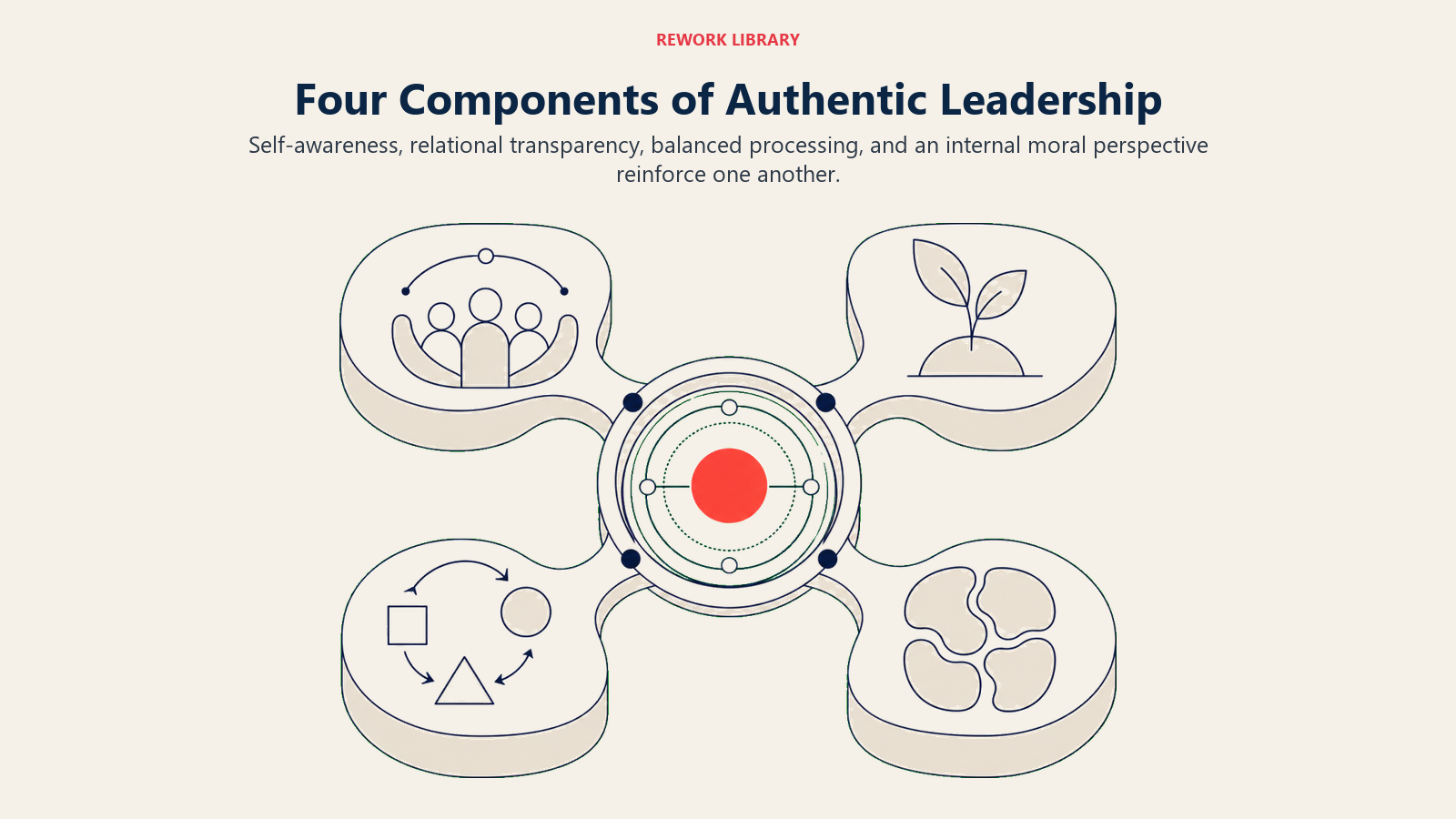
Walumbwa et al. (2008) identifizierten vier messbare Komponenten, die authentisches Führungsverhalten definieren. Dieses Modell ist heute das meistzitierte akademische Framework des Konzepts.
| Komponente | Bedeutung |
|---|---|
| Selbstwahrnehmung | Die eigenen Stärken, Schwächen, Werte verstehen und wissen, wie das eigene Verhalten andere beeinflusst |
| Relationale Transparenz | Gedanken, Gefühle und Überlegungen offen mit dem Team teilen |
| Ausgewogene Informationsverarbeitung | Aktiv nach Standpunkten suchen, die die eigenen herausfordern, bevor Entscheidungen getroffen werden |
| Verinnerlichte moralische Perspektive | Entscheidungen auf Basis eigener Werte treffen, nicht auf Grundlage externen Drucks oder sozialer Erwartungen |
Selbstwahrnehmung
Selbstbewusste Führungskräfte kennen ihre Auslöser, ihre blinden Flecken und die Lücken zwischen ihrem Selbstbild und dem, wie andere sie erleben. Das ist keine einmalige Erkenntnis. Es ist eine fortlaufende Praxis. Ein VP, der regelmäßig ehrliches Feedback von direkt unterstellten Mitarbeitenden einfordert und sein Verhalten auf Basis dieser Rückmeldungen tatsächlich anpasst, betreibt Selbstwahrnehmungsarbeit auf konkrete Weise.
Ohne Selbstwahrnehmung tragen die anderen drei Komponenten nicht. Sie können nicht transparent über Ihre Überlegungen sein, wenn Sie Ihre eigenen Überlegungen nicht verstehen. Sie können nicht in Ihren Werten verankert bleiben, wenn Sie nicht wissen, was diese Werte sind.
Relationale Transparenz
Relationale Transparenz bedeutet, dass Sie Ihr tatsächliches Denken teilen, nicht nur polierte Versionen davon. Das bedeutet nicht, zu viel preiszugeben oder Frustrationen in unangemessenen Situationen rauszulassen. Es bedeutet, dass Ihr Team Ihre Überlegungen, Bedenken und Unsicherheiten versteht, wenn diese für die Arbeit relevant sind.
Eine Führungskraft, die in ein schwieriges Gespräch geht und sagt: „Ich bin wirklich unsicher, wie ich damit umgehen soll, und das wäge ich ab", praktiziert relationale Transparenz. Ebenso ein CEO, der dem Team eine schwierige finanzielle Realität mitteilt, bevor sie zur Krise wird.
Ausgewogene Informationsverarbeitung
Authentische Führungskräfte suchen aktiv nach Belegen und Perspektiven, die ihre aktuelle Ansicht herausfordern. Vor einer folgenreichen Entscheidung bitten sie die Menschen, die am ehesten anderer Meinung sind, ihre Einwände zu äußern. Sie prüfen diesen Beitrag ernsthaft, bevor sie weitermachen.
Das ist schwieriger als es klingt. Die meisten Führungskräfte suchen nach Menschen, die ihre Intuition bestätigen. Ausgewogene Informationsverarbeitung erfordert die Gewohnheit echter Offenheit, sich zu irren, besonders bei Entscheidungen, bei denen Sie bereits stark in eine Richtung tendieren.
Verinnerlichte moralische Perspektive
Diese Komponente betrifft die Quelle Ihres ethischen Kompasses. Die Entscheidungen einer authentischen Führungskraft werden durch ihre eigenen Werte geleitet, nicht durch das, was vor Investoren gut aussieht, was Kritiker verstummen lässt oder was bei einem einflussreichen Vorstandsmitglied Zustimmung findet.
Als Yvon Chouinard 2022 das Eigentum von Patagonia an einen auf die Bekämpfung des Klimawandels ausgerichteten Trust übertrug, verwies er auf Werte, die er seit der Gründung des Unternehmens 1973 vertrat. Diese Konsistenz zwischen frühen Werten und späten Entscheidungen ist, wie verinnerlichte moralische Perspektive in der Praxis aussieht.
Authentische Führung vs. andere Führungsstile
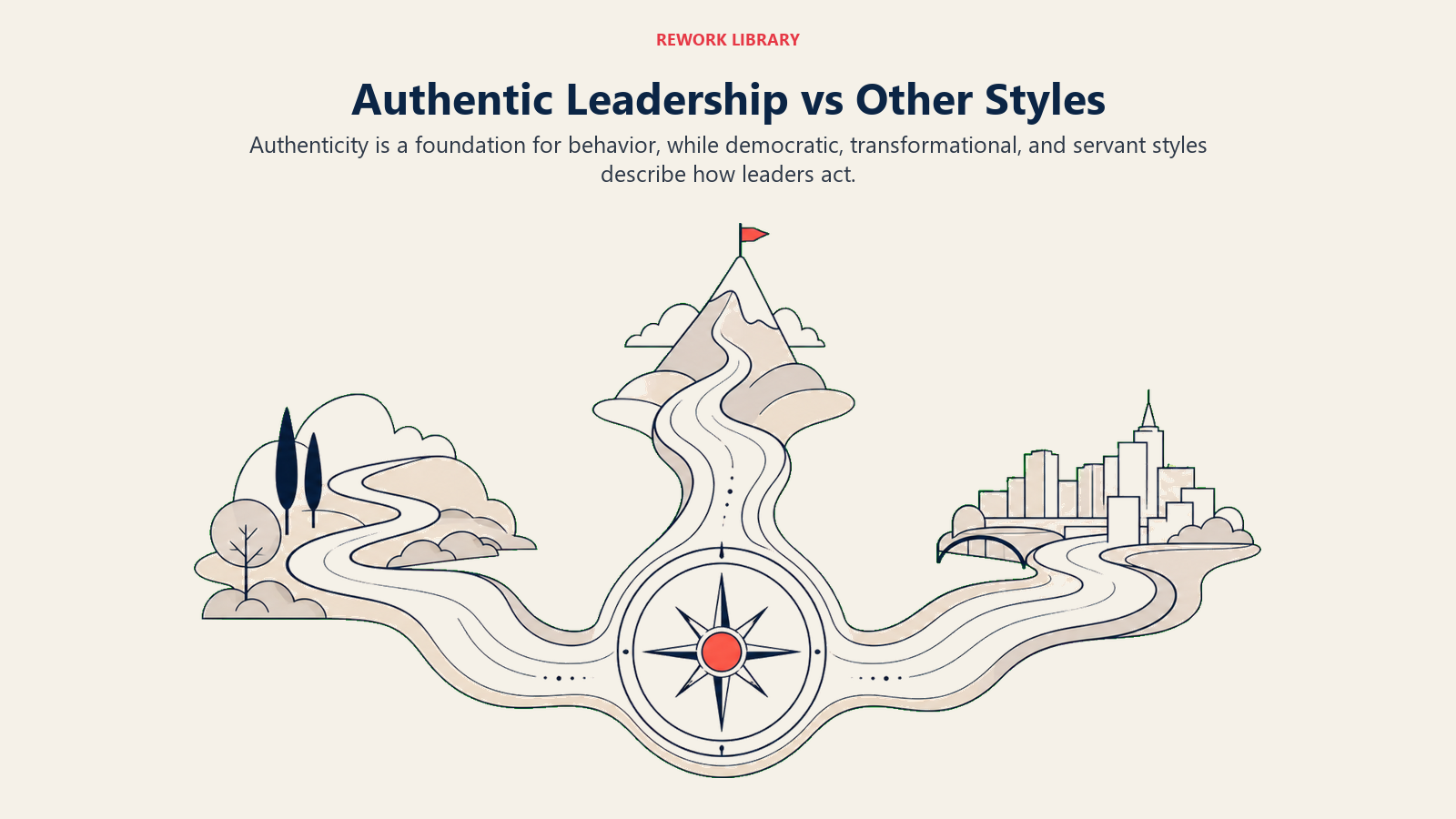
Authentische Führung überschneidet sich mit anderen menschenzentrierten Ansätzen, ist aber in einigen wichtigen Punkten verschieden.
| Dimension | Authentische Führung | Transformationale Führung | Dienende Führung |
|---|---|---|---|
| Kernfokus | Innerer Charakter und Werte der Führungskraft | Andere zu einer gemeinsamen Vision inspirieren | Bedürfnisse und Wachstum der Teammitglieder bedienen |
| Motivationsquelle | Persönliche Werte und Identität | Mission und kollektiver Zweck | Wohlbefinden anderer |
| Entscheidungstreiber | Innerer moralischer Kompass | Ziele des Organisationswandels | Bestes Interesse des Teams |
| Risiko | Kann selbstbezogen wirken, wenn nicht nach außen gerichtet | Abhängigkeit vom Charisma der Führungskraft | Langsam in sich schnell wandelnden Umgebungen |
| Am besten geeignet für | Vertrauensaufbau, Krisenerholung, Kulturwandel | Turnarounds, große strategische Neuausrichtungen | Stabile Teams, die Entwicklung brauchen |
Transformationale Führung und authentische Führung werden häufig gemeinsam praktiziert. Eine Führungskraft, die zutiefst authentisch ist, aber keine überzeugende Vision hat, wohin das Team gehen soll, kann psychologische Sicherheit ohne Richtung schaffen. Eine transformationale Führungskraft, die nicht in eigenen Werten verwurzelt ist, kann kurzfristige Bindung inspirieren, verliert aber an Glaubwürdigkeit, wenn ihr Verhalten nicht ihrer Rhetorik entspricht.
Dienende Führung teilt die Betonung von Integrität und Menschenorientierung der authentischen Führung, geht aber von einer anderen Frage aus. Dienende Führung fragt: „Wie kann ich dieser Person dienen?" Authentische Führung fragt: „Führe ich auf eine Weise, die meinem wahren Ich entspricht?" Beides koexistiert häufig in derselben Führungskraft. Einen breiteren Überblick bietet Führungstheorien.
Merkmale authentischer Führungskräfte
Diese Merkmale sind keine Checkliste. Es sind Muster, die bei Führungskräften mit hohen Werten für authentische Führung konsistent auftreten.
| Merkmal | Wie es in der Praxis aussieht |
|---|---|
| Selbstkenntnis | Kann die drei wichtigsten Werte benennen und ein aktuelles Beispiel für jeden in der Praxis nennen |
| Konsistenz | Verhält sich gleich, ob sie dem Vorstand präsentieren oder mit Praktikanten sprechen |
| Transparenz | Teilt die Überlegungen hinter Entscheidungen, einschließlich der unsicheren Aspekte |
| Überzeugung | Hält an Prinzipien fest, wenn sie unter Druck gesetzt werden, Kompromisse einzugehen |
| Empathie | Achtet darauf, wie Entscheidungen die Menschen betreffen, die sie umsetzen |
| Verantwortlichkeit | Übernimmt Verantwortung für Fehler, ohne abzulenken oder zu minimieren |
| Offenheit für Feedback | Fordert aktiv Standpunkte ein, die die eigenen herausfordern, und denkt ernsthaft darüber nach |
| Langzeitorientierung | Trifft Entscheidungen mit Bestandskraft im Sinn, nicht nur nach dem, was dieses Quartal am einfachsten ist |
Der Coaching-Führungsstil verstärkt diese Merkmale häufig. Führungskräfte, die ihre Teams coachen, entwickeln im Laufe der Zeit eine stärkere Selbstwahrnehmung, weil Coaching erfordert, die eigenen Muster zu verstehen, bevor man anderen helfen kann, ihre zu verstehen.
Vorteile und Kritik
Vorteile
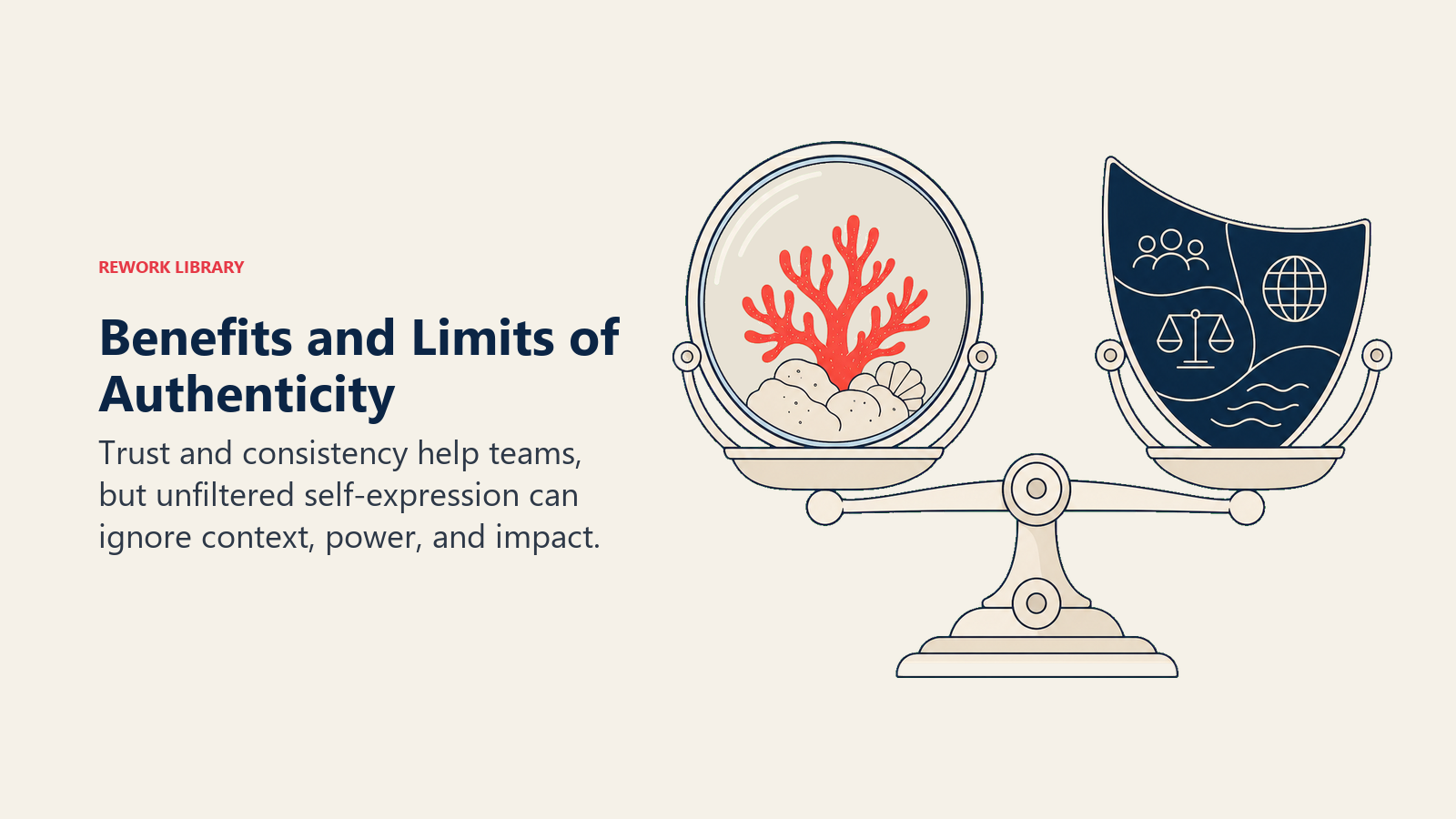
Vertrauen. Teams vertrauen authentischen Führungskräften, weil sie berechenbar sind. Sie wissen, wofür sie stehen, und ihr Verhalten verändert sich nicht je nachdem, wer zuschaut. Vertrauen wächst im Laufe der Zeit: Teams, die ihrer Führungskraft vertrauen, ergreifen mehr Initiative, bringen Probleme früher ans Licht und bleiben durch schwierige Phasen.
Psychologische Sicherheit. Wenn eine Führungskraft ehrlich über Unsicherheit ist und offen über eigene Fehler spricht, fühlen sich Teammitglieder sicher, dasselbe zu tun. Das reduziert die Versagensangst, die kreatives Denken und ehrliche Berichterstattung hemmt.
Ethische Kultur. Authentische Führungskräfte verkörpern das Verhalten, das sie erwarten. Wenn die Person an der Spitze eines Teams sichtbar aus Werten statt aus politischen Überlegungen handelt, hebt das die ethische Messlatte für alle.
Mitarbeiterbindung. Menschen verlassen keine Führungskräfte, denen sie vertrauen und die sie respektieren. Eine Führungskraft, die wirklich transparent und konsistent ist, muss nicht allein über Vergütungspakete konkurrieren. Die Beziehung selbst wird zum Grund zu bleiben.
Kritik
Es kann selbstbezogen werden. Authentizität ohne Selbstkorrektur wird zur Ausrede. „Ich bin nun einmal so" ist keine Führungsphilosophie. Authentische Führung erfordert echtes Wachstum, nicht nur echten Ausdruck.
Sie kann kulturell eingeschränkt sein. Die Forschungsbasis für authentische Führung ist stark westlich geprägt. In Kulturen mit anderen Normen für Hierarchie, Direktheit und emotionalen Ausdruck müssen einige Komponenten (insbesondere relationale Transparenz) möglicherweise erheblich angepasst werden, um wirksam oder angemessen zu sein.
Sie ist schwer zu simulieren, aber leicht zu behaupten. „Ich bin einfach authentisch" ist manchmal ein Deckmantel für Führungskräfte, die die Erlaubnis wollen, sich zu verhalten, wie sie wollen, ohne Verantwortlichkeit. Das eigentliche Framework erfordert Strenge, insbesondere bei den Komponenten ausgewogene Informationsverarbeitung und verinnerlichte moralische Perspektive. Die sind nicht weich.
Authentizität garantiert keine guten Werte. Eine Führungskraft kann völlig konsistent und transparent über Werte sein, die schädlich oder mit dem Zweck der Organisation nicht vereinbar sind. Authentizität beschreibt das Verhältnis zwischen der inneren Welt einer Führungskraft und ihrem Verhalten. Sie bewertet nicht, ob diese innere Welt tatsächlich gut ist.
Wie Sie authentische Führung entwickeln
Schritt 1: Kernwerte identifizieren
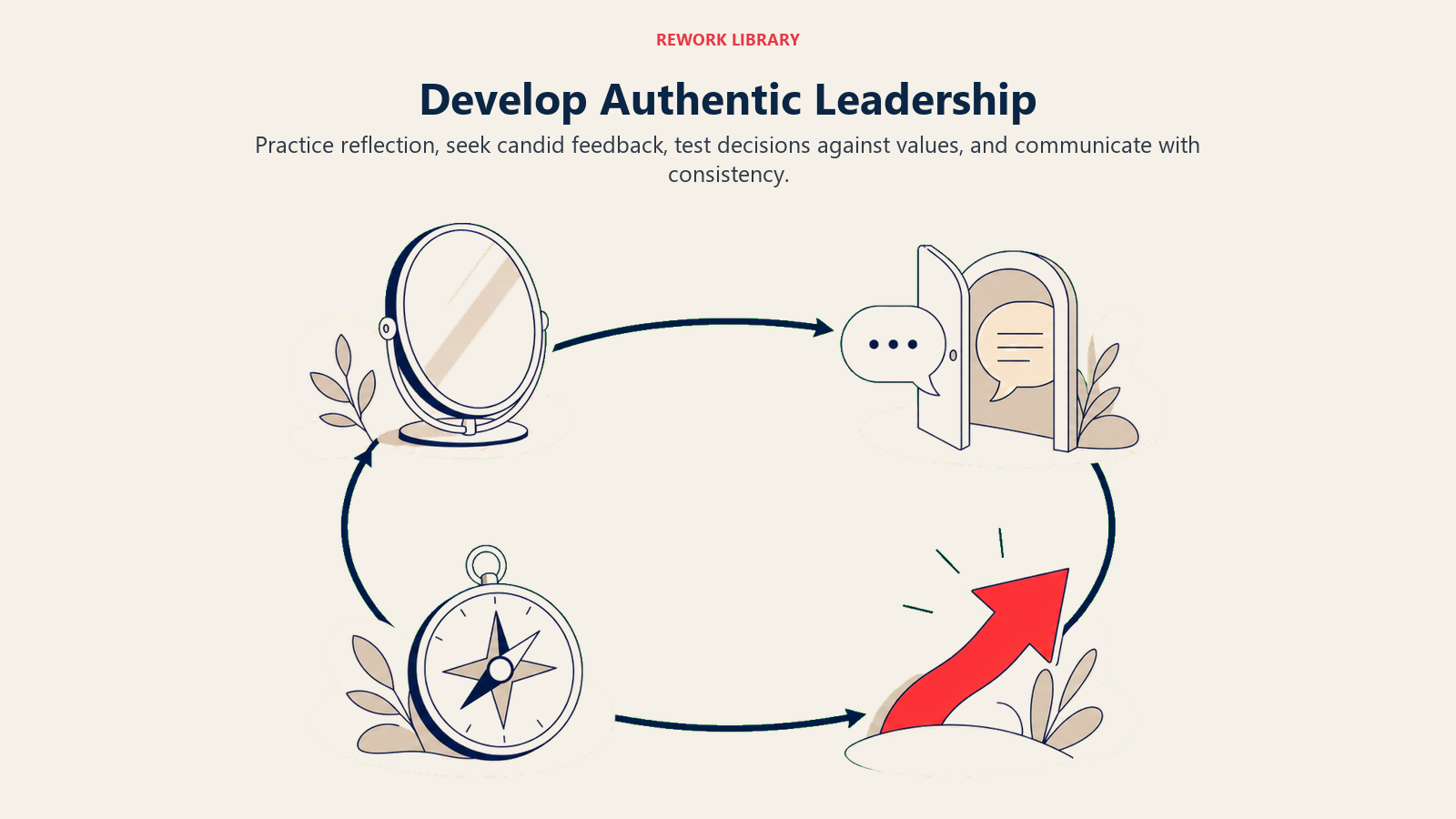
Notieren Sie drei bis fünf Werte, nach denen Sie tatsächlich Entscheidungen treffen, keine erstrebenswerten, die Sie gern hätten. Testen Sie jeden Wert an einer kürzlichen schwierigen Entscheidung: Haben Sie diesen Wert tatsächlich geehrt, als es etwas gekostet hat? Wenn nicht, ist es entweder kein tatsächlicher Kernwert, oder es gibt eine Lücke, die Aufmerksamkeit verdient.
Schritt 2: Auslöser und blinde Flecken kartieren
Fragen Sie Menschen, die ehrlich zu Ihnen sind: „Wann verhalte ich mich auf eine Weise, die nicht zu dem passt, was ich als Wert bezeichne?" Die meisten Führungskräfte haben Muster, die sie selbst nicht sehen können. Ein 360-Grad-Feedback-Prozess oder auch informelle Gespräche mit vertrauenswürdigen Kollegen bringen diese schneller ans Licht als Selbstreflexion allein.
Schritt 3: Transparenz in risikoarmen Situationen üben
Versuchen Sie vor einem Meeting, in dem Sie normalerweise Selbstvertrauen projizieren, das Sie nicht vollständig spüren, zunächst mit einer Person ehrlich über Ihre Unsicherheit zu sein. Beobachten Sie, was passiert. Transparenz baut Vertrauen direkt proportional dazu auf, wie konsequent Sie sie praktizieren. Klein zu beginnen lässt die Gewohnheit weniger riskant erscheinen.
Schritt 4: Ausgewogene Informationsverarbeitung vor wichtigen Entscheidungen einbauen
Bevor Sie einen wichtigen Beschluss abschließen, identifizieren Sie die Person, die am ehesten anderer Meinung ist, und bitten Sie um deren ehrliche Einschätzung. Setzen Sie sich dann wirklich mit dem Einwand auseinander. Der demokratische Führungsstil strukturiert dies in jede Entscheidung ein; bei authentischer Führung ist das Ziel, es als Gewohnheit zu verinnerlichen, auch wenn es nicht erforderlich ist.
Schritt 5: Verantwortlichkeitsmechanismen schaffen
Teilen Sie Ihrem Team mit, woran Sie arbeiten. „Ich habe Feedback erhalten, dass ich in Meetings über andere hinwegrede. Ich arbeite daran. Bitte weisen Sie mich darauf hin, wenn Sie es beobachten." Das verbindet Transparenz mit Verhaltensverantwortlichkeit und gibt Ihrem Team ein Echtzeitsignal, dass Ihre erklärte Entwicklung echt ist.
Schritt 6: Tägliche Entscheidungen mit Werten verknüpfen
Überprüfen Sie am Ende jeder Woche zwei oder drei Entscheidungen, die Sie getroffen haben. Fragen Sie sich: Spiegelten diese Entscheidungen die Werte wider, die ich für mich beanspruche? Wo nicht, was war im Weg? Wertebasierte Reflexion erfordert keine Stunden. Zehn Minuten ehrlicher Rückschau baut mehr Selbstwahrnehmung auf als die meisten formalen Programme.
Beispiele authentischer Führung
Echte authentische Führung zeigt sich in spezifischen Momenten, nicht nur in Führungserzählungen.
| Führungspersönlichkeit / Kontext | Was getan wurde | Warum es authentische Führung ist |
|---|---|---|
| Satya Nadella, Microsoft | Erkannte öffentlich an, dass Microsoft eine Kultur von „Alles-Wissern" hatte, und leitete beim Amtsantritt als CEO 2014 eine Neuausrichtung zu einem „Alles-Lerner"-Ethos ein | Transparent über das Organisationsversagen; handelte nach persönlichen Werten rund um ein Wachstumsmindset, das sich auch durch die Erfahrungen mit seinem Sohn und dessen Behinderung entwickelt hatte |
| Yvon Chouinard, Patagonia | Übergab das Unternehmen 2022 an einen Klimatrust statt es zu verkaufen oder an die Börse zu gehen | Im Einklang mit 50 Jahren erklärter Werte; gab persönlichen finanziellen Gewinn auf, um die verinnerlichte moralische Perspektive zu ehren |
| Jacinda Ardern, Neuseeland | Leitete die Reaktion auf die Anschläge auf die Moscheen in Christchurch 2019, indem sie die Trauer der muslimischen Gemeinschaft ins Zentrum stellte, nicht die Regierungsleistung | Selbstbewusst im Umgang mit institutioneller Macht; transparent über die Grenzen dessen, was die Regierung wiedergutmachen kann |
| Eine neu beförderte Führungskraft | Sagt ihrem Team: „Ich habe noch nie Menschen geführt und werde Fehler machen. Hier ist, was mir wichtig ist und woran ich arbeite." | Relationale Transparenz und Selbstwahrnehmung vom ersten Tag an bauen Vertrauen auf, bevor die Autorität es tut |
| Ein Vertriebsleiter in einem schwachen Quartal | Präsentiert dem Vorstand ehrliche Umsatzprognosen einschließlich der Risiken, statt eine optimistische Prognose zu liefern, um Unbehagen zu vermeiden | Verinnerlichte moralische Perspektive vor externer Zustimmung; baut Glaubwürdigkeit für künftige Prognosen auf |
Führungskräfte, die dauerhaftes Vertrauen aufbauen, wechseln nicht je nach Publikum die Persona. Sie haben genug innere Arbeit geleistet, um zu wissen, wofür sie stehen, und machen das in ihrer Kommunikation, ihren Entscheidungen und ihrer Reaktion auf Schwierigkeiten sichtbar. Authentische Führung ist es wert, entwickelt zu werden, nicht weil sie gerade im Trend liegt, sondern weil sie strukturell beständig ist: wertebasiertes Verhalten ist konsistentes Verhalten, und Konsistenz ist das, was Teams sicher genug fühlen lässt, ihre beste Arbeit zu leisten. Einen breiteren Überblick über die Beziehung dieses Stils zu anderen bieten Führungstheorien und McGregors Theorie X und Y, die nützliche Frameworks zum Verständnis bieten, wie Führungsannahmen die Organisationskultur prägen.

Senior Operations & Growth Strategist
On this page
- Was ist authentische Führung?
- Wichtige Fakten
- Die 4 Komponenten authentischer Führung
- Selbstwahrnehmung
- Relationale Transparenz
- Ausgewogene Informationsverarbeitung
- Verinnerlichte moralische Perspektive
- Authentische Führung vs. andere Führungsstile
- Merkmale authentischer Führungskräfte
- Vorteile und Kritik
- Vorteile
- Kritik
- Wie Sie authentische Führung entwickeln
- Schritt 1: Kernwerte identifizieren
- Schritt 2: Auslöser und blinde Flecken kartieren
- Schritt 3: Transparenz in risikoarmen Situationen üben
- Schritt 4: Ausgewogene Informationsverarbeitung vor wichtigen Entscheidungen einbauen
- Schritt 5: Verantwortlichkeitsmechanismen schaffen
- Schritt 6: Tägliche Entscheidungen mit Werten verknüpfen
- Beispiele authentischer Führung