Laissez-faire-Führung: Wann Hands-off funktioniert (und wann nicht)
Turn this article into takeaways for your work.


Each assistant summarizes the article only for you and suggests best practices for your work.
Laissez-faire-Führung ist Französisch für „lass es sein" oder „lass es machen", eine Übersetzung, die der Psychologe Kurt Lewin verwendete, als er den Stil in seiner wegweisenden Studie von 1939 benannte. Der Name sagt alles: Die Führungskraft setzt ein Ziel, übergibt die Schlüssel und hält sich heraus.
Was ist Laissez-faire-Führung?
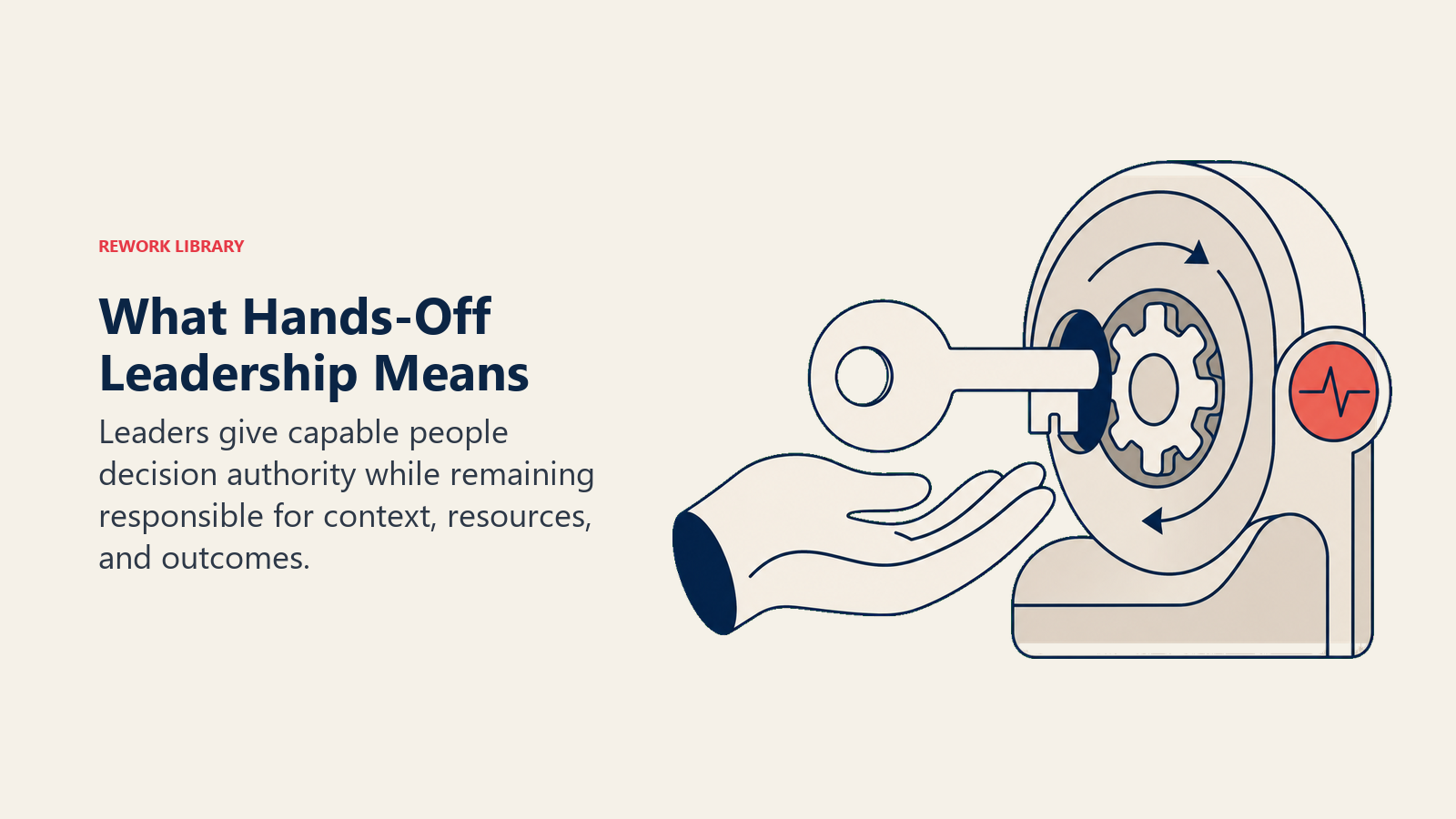
Laissez-faire-Führung ist ein Hands-off-Leadership-Stil, bei dem die Führungskraft Autorität an Einzelpersonen oder das Team delegiert, das Ziel definiert und den Menschen vertraut, selbst zu entscheiden, wie sie es erreichen. Es gibt minimale Aufsicht über den Prozess, minimale tägliche Orientierung und minimale Eingriffe, sobald die Arbeit läuft.
Der Stil wurde erstmals von Kurt Lewin, Ronald Lippitt und Ralph White in ihren Experimenten mit Jungengruppen an der Universität Iowa 1939 beschrieben, in denen auch autokratische und demokratische Stile identifiziert wurden. Lewin verwendete „Laissez-faire", um den Zustand zu bezeichnen, in dem Erwachsene kaum Richtung gaben, keine Struktur setzten und nur dann eingriffen, wenn sie direkt gefragt wurden.
Eine wichtige Unterscheidung: Laissez-faire-Führung ist nicht dasselbe wie abwesende Führung. Abwesende Führung ist Führung, die schlicht fehlt, durch Vernachlässigung, Vermeidung oder Desengagement. Laissez-faire-Führung ist eine bewusste Wahl, die auf dem Vertrauen in die Fähigkeiten des Teams basiert. Die Absicht trennt die beiden. Eine Laissez-faire-Führungskraft hat sich entschieden, einen Schritt zurückzutreten. Eine abwesende Führungskraft ist schlicht nicht mehr da, weder körperlich noch gedanklich.
Key Facts
Lewin, Lippitt und White (1939) stellten fest, dass Kinder in Laissez-faire-Gruppen weniger Arbeit leisteten und eine geringere Zufriedenheit berichteten als jene in demokratischen Gruppen, und ihre Arbeitsqualität war geringer als unter autokratischen oder demokratischen Bedingungen. Die Studie ist eines der meistzitierten Grundlagenwerke der Führungsforschung mit über 12.000 Google Scholar-Zitierungen.
Skogstad, Einarsen, Torsheim, Aasland und Hetland (2007), veröffentlicht im Journal of Occupational Health Psychology, stellten fest, dass Laissez-faire-Führung sowohl Mobbing am Arbeitsplatz als auch Rollenkonflikte in norwegischen Arbeitsumgebungen vorhersagte. Die Studie kam zu dem Schluss, dass passive Führungsformen reale Kosten in professionellen Umgebungen tragen und nicht als neutral behandelt werden sollten.
Gallups State of the Global Workplace 2024 berichtet, dass Mitarbeitende, die klar zustimmen, täglich das tun zu können, was sie am besten können, mit 57 % geringerer Wahrscheinlichkeit Burnout erleben, 6-mal wahrscheinlicher engagiert sind und 4-mal wahrscheinlicher ein hohes Wohlbefinden berichten. Strukturierte Autonomie, bei der Menschen klare Ziele und echte Freiheit über die Methode haben, ist durchgehend einer der stärksten Treiber von Engagement in Gallups Q12-Framework.
Laissez-faire vs. demokratische vs. autokratische Führung
Diese drei Stile befinden sich auf einem Spektrum, das davon bestimmt wird, wo die Entscheidungsautorität liegt. Ein Vergleich:
| Führungsstil | Gegebene Orientierung | Gegebene Autonomie | Am besten für | Risiko |
|---|---|---|---|---|
| Autokratisch | Hoch: Führungskraft entscheidet alles | Gering: Team führt wie angewiesen aus | Krisen, sicherheitskritische Arbeit, unerfahrenes Onboarding | Niedrige Moral, Innovationssuppression, Abhängigkeit |
| Demokratisch | Moderat: Führungskraft holt Input ein, entscheidet dann | Moderat: Teamstimmen formen das Ergebnis | Wissensarbeit, strategische Planung, erfahrene Teams | Analyselähmung, langsame Ausführung |
| Laissez-faire | Gering: Führungskraft setzt das Ziel und tritt zurück | Sehr hoch: Einzelpersonen besitzen Methode und Timing | Erfahrene Experten, autonome Forschende, kreative F&E | Drift, Inkonsistenz, Vernachlässigung bei schlechter Anwendung |
Die Wahl zwischen Stilen hängt nicht davon ab, welcher „am besten" ist. Es geht darum, welcher zum eigenen Team und zur geleisteten Arbeit passt. Unter klassische Führungsstile und Was sind Führungstheorien? findet sich der breitere Forschungskontext.
Wann Laissez-faire-Führung tatsächlich funktioniert
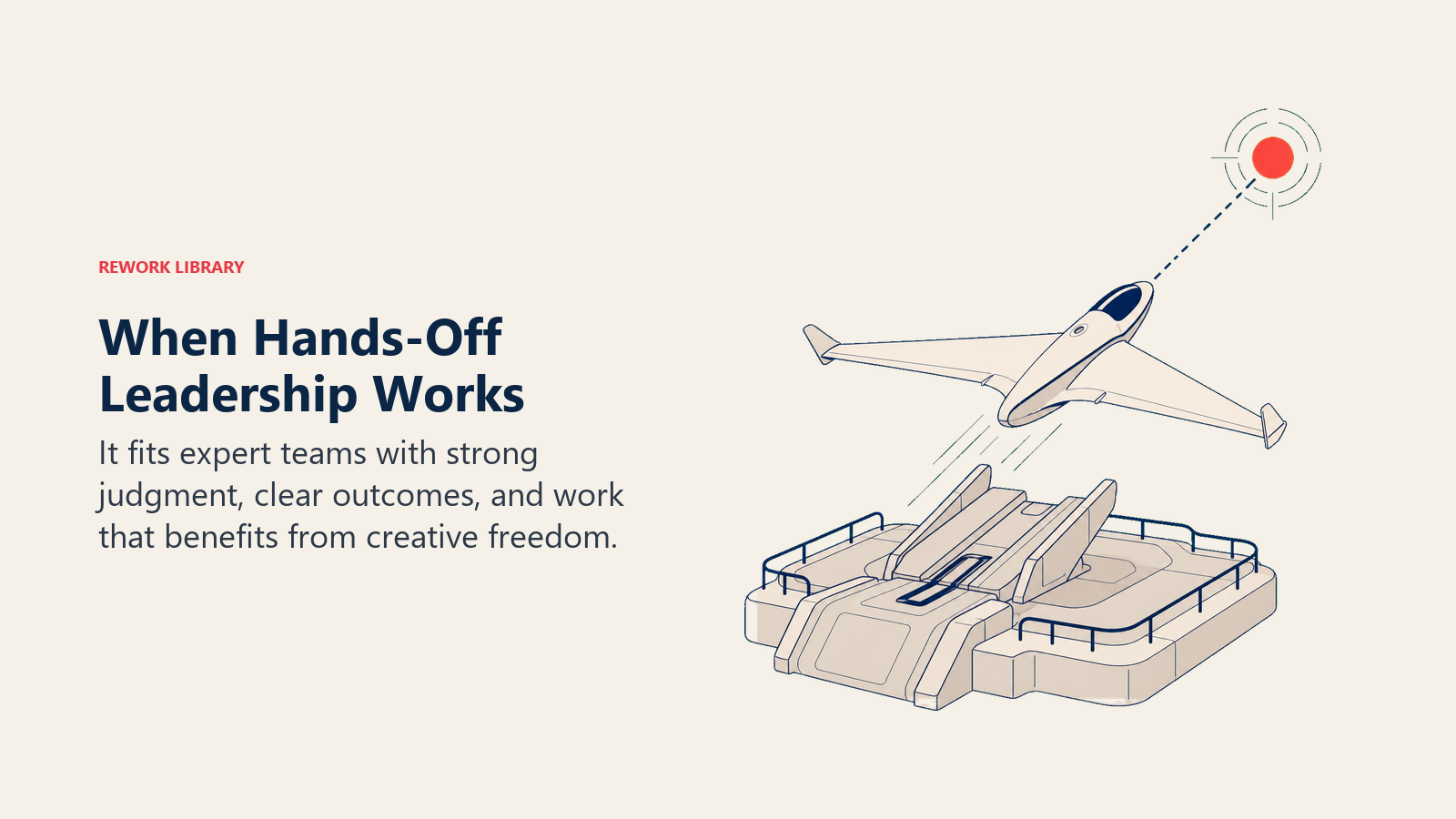
Laissez-faire-Führung erzeugt echte Ergebnisse unter bestimmten Bedingungen. Keine dieser Bedingungen umfasst unerfahrene Teams oder unklare Projekte.
1. Erfahrene Experten mit tiefem Fachwissen
Wenn Menschen ihr Handwerk besser beherrschen als ihre Führungskraft, fügt enge Aufsicht Reibung hinzu und signalisiert Misstrauen. Eine leitende Ingenieurin, ein erfahrener Texter oder eine Senior-Data-Scientistin braucht keine Führungskraft, die ihnen erklärt, wie sie ein Problem angehen sollen. Sie brauchen ein klares Ziel und die Freiheit, es auf ihre eigene Weise zu erreichen. Das ist der Bereich, in dem Laissez-faire-Führung ihren positiven Ruf verdient.
2. Kreative und forschungsorientierte Rollen
Kreativität und psychologische Sicherheit gehören zusammen. Forschende, Produktdesignerinnen und F&E-Teams leisten ihre beste Arbeit, wenn die Umgebung keine ständigen Statusupdates oder Prozesskonformität verlangt. Die besten wissenschaftlichen Erkenntnisse und die besten Produktideen entstehen oft aus Teams, die den Raum hatten, einem Gedankenfaden zu folgen, wohin er auch führte. Zu viel Steuerung kreativer Arbeit tötet den Output, bevor er beginnt.
3. Remote- und verteilte Teams erfahrener Fachkräfte
Verteilte Teams arbeiten mit inhärenter Autonomie. Zeitzonen, asynchrone Kommunikation und das Fehlen eines gemeinsamen physischen Arbeitsplatzes drängen alle zur Selbststeuerung. Makromanagement ist der natürliche Modus für eine Führungskraft mit einem global verteilten Team erfahrener Mitarbeitender. Die Laissez-faire-Führungskraft passt gut dazu, weil die Struktur der Remote-Arbeit bereits verlangt, dass Menschen ihre Ergebnisse selbst verantworten.
4. Vertrauensvolle Beziehungen mit einer Erfolgsbilanz
Laissez-faire funktioniert am besten zwischen Führungskräften und Einzelpersonen, die bereits eine gemeinsame Erfolgsbilanz aufgebaut haben. Man kann selbstsicher einen Schritt zurücktreten, wenn man jemanden bei einem Dutzend früherer Projekte hat liefern sehen. Das ist nicht sicher möglich bei jemand Neuem in der Rolle, neuem Mitglied der Organisation oder jemand, mit dem man noch keine Erfahrung hat. Vertrauen wird verdient, bevor es gewährt wird.
5. Intrinsisch motivierte Fachkräfte
Manche Menschen werden tief durch die Arbeit selbst angetrieben: Forschende, Künstlerinnen, Ingenieure, die sich intensiv für ihr Handwerk begeistern. Für diese Menschen kommt externe Führung oft einfach in die Quere. Eine Laissez-faire-Führungskraft, die intrinsische Motivation erkennt und die Bedingungen schützt, die sie aufrechterhalten, kann außergewöhnliche Leistungen freisetzen.
Hands-off vs. Hands-on: Wo Laissez-faire im Führungsspektrum steht
Führungsstile umspannen ein Spektrum von hochdirektiv bis hochpermissiv. Zu verstehen, wo Laissez-faire steht und warum, hilft zu erkennen, wann man darauf zurückgreifen sollte.
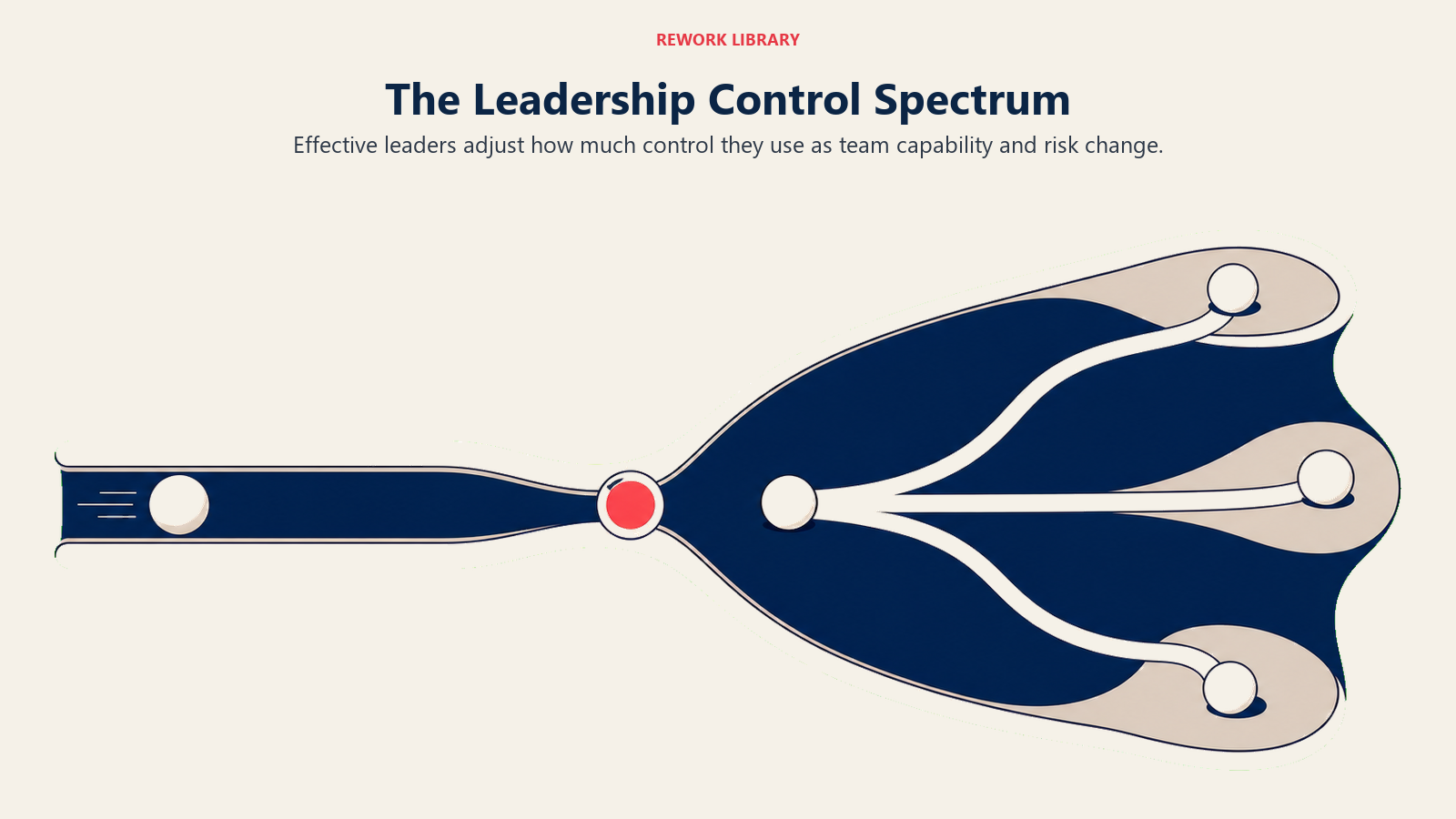
Am Hands-on-Ende konzentriert autokratische Führung die Entscheidungsautorität bei der Führungskraft. Das Team führt aus. Inputs werden durch einen einzigen Entscheidungspunkt gefiltert, und der Prozess wird eng kontrolliert. Dies maximiert Geschwindigkeit und Konsistenz, wenn die Führungskraft die Informationen hat und das Team klare Orientierung braucht.
In Richtung der Mitte hält transaktionale Führung die Führungskraft noch immer in der Kontrolle, aber der Mechanismus verlagert sich von Befehl zu Austausch: Erreich diese Ziele und du erhältst diese Belohnungen. Struktur und Verantwortlichkeit sind klar, aber die Beziehung ist transaktional statt relational. Weiter auf dem Spektrum öffnet demokratische Führung den Entscheidungsprozess. Das Team bringt Perspektiven ein, hinterfragt Annahmen und hilft, die endgültige Entscheidung zu gestalten. Die Führungskraft entscheidet noch immer, aber mit bedeutungsvollem Input.
Transformationale Führung geht weiter in Richtung Autonomie. Die Führungskraft schafft eine überzeugende Vision, investiert in die Entwicklung von Menschen und motiviert durch gemeinsamen Zweck statt direkter Kontrolle. Teams agieren mit mehr Entscheidungsspielraum, weil sie die Mission verinnerlicht haben.
Am Hands-off-Ende befindet sich Laissez-faire, wo die Rolle der Führungskraft darin besteht, das Ziel zu setzen und Hindernisse zu beseitigen, nicht die Ausführung zu steuern. Das Team besitzt die Methode. Das ist kein Versagen von Führung, sondern eine bewusste Wahl, die zu hochbefähigten, hochmotivierten Teams passt, die an komplexen Problemen ohne eine einzige richtige Antwort arbeiten.
Das Spektrum ist wichtig, weil kein Stil dauerhaft richtig ist. Die besten Führungskräfte, wie die Theorie der situativen Führung beschreibt, lesen die Situation und passen sich an.
Vor- und Nachteile der Laissez-faire-Führung
Vorteile:
| Vorteil | Warum es wichtig ist |
|---|---|
| Setzt Expertenkompetenz frei | Erfahrene Fachkräfte leisten ihre beste Arbeit, wenn sie frei von Mikromanagement sind. Aufsicht zu entfernen beseitigt Reibung. |
| Baut intrinsische Motivation auf | Autonomie ist einer der stärksten Prädiktoren für Engagement und Arbeitszufriedenheit in der Selbstbestimmungsforschung. |
| Fördert Innovation | Unkonstrinierte kreative und technische Arbeit erzeugt Ideen, die stark geführte Umgebungen unterdrücken. |
| Entwickelt Führungskapazität | Wenn Menschen Ergebnisse besitzen, entwickeln sie Urteilsvermögen, Initiative und Verantwortlichkeitsfähigkeiten schneller als unter direktiver Führung. |
| Skaliert gut in verteilten Teams | Remote- und Async-First-Umgebungen erfordern bereits Selbststeuerung; Laissez-faire-Führung passt zu dieser strukturellen Realität. |
Nachteile:
| Risiko | Wie es in der Praxis aussieht |
|---|---|
| Drift ohne klare Ziele | Ohne ein genaues Ziel ziehen Teams in verschiedene Richtungen, und individuelle Arbeit ergibt kein kohärentes Ergebnis. |
| Inkonsistente Qualität | Ohne Standards oder Überprüfungsprozesse variiert der Output stark zwischen Einzelpersonen und Projekten. |
| Laissez-faire gleitet in Vernachlässigung | Die Grenze zwischen absichtlicher Delegation und Aufgabe ist dünn. Teams können sich unsupportet und unsichtbar fühlen. |
| Unterperformance bleibt unangefochten | Ohne Feedback-Schleife gehen schwache Mitarbeitende auf Kosten der Starken durch, was Moral und Mitarbeiterbindung schadet. |
| Ineffektiv beim Onboarding | Neue Teammitglieder brauchen Orientierung, Kontext und frühe Erfolge. Sie in eine Laissez-faire-Umgebung ohne Struktur zu setzen, legt den Grundstein für ihr Scheitern. |
Reale Beispiele von Laissez-faire-Führungskräften
Die klarsten Laissez-faire-Beispiele verbinden hohe Autonomie mit sorgfältiger Auswahl, expliziten Standards und Führungskräften, die bei Bedarf ansprechbar bleiben.
Warren Buffett bei Berkshire Hathaway
Buffett ist das am häufigsten zitierte Beispiel für Laissez-faire-Führung, die im großen Maßstab gelingt. Berkshire Hathaway besitzt mehr als 60 Betriebsunternehmen, darunter BNSF Railway, GEICO und Dairy Queen, und Buffett führt sie bekanntermaßen mit extrem leichter Hand. Er stellt fähige CEOs ein, vertraut darauf, dass sie ihre Unternehmen führen, und greift selten ein. Seine Jahresbriefe enthalten oft explizite Aussagen darüber, dass er Manager das Managen lässt, ohne Einmischung aus Omaha. Das Modell funktioniert, weil Buffetts Auswahlkriterien streng sind: Er erwirbt nur Unternehmen, die von Personen geführt werden, denen er vertraut, eigenständig zu agieren, und behält nur CEOs, die dieses Vertrauen bereits verdient haben.
Steve Jobs mit dem ursprünglichen Macintosh-Team
Jobs wird normalerweise mit autokratischer Kontrolle assoziiert, und für einen Großteil seiner Karriere ist das zutreffend. Aber das ursprüngliche Mac-Projekt, von etwa 1981 bis 1984, war eine bemerkenswerte Ausnahme. Jobs schützte das Mac-Team vor Apples breiterer Bürokratie, gewährte ihnen ungewöhnlichen Spielraum bei Design- und Engineering-Entscheidungen und agierte mehr als Visionsgeber denn als täglicher Direktor. Das Team war klein, hochtalentiert und intensiv durch das Projekt motiviert. In diesem Kontext produzierte ein stärker Hands-off-Ansatz den Mac. Derselbe Jobs setzte direktive Autorität ein, wenn Teams größer waren, Timelines komprimiert wurden oder die Einsätze existenziell waren, was eine nützliche Illustration situativer Kalibrierung ist.
Phil Knight bei Nike
Knight baute Nike auf, indem er Fachexperten einstellte und ihnen weitgehend vertraute, eigenständig zu agieren. Seine Memoiren Shoe Dog beschreiben einen Führungsstil, der durch mutige Einstellungsentscheidungen, klare Ziele und dann das Aus-dem-Weg-Gehen definiert wird. Er mikromangte nicht Produktdesign, Vertriebsstrategie oder Marketing. Er brachte Menschen mit, die in ihren Bereichen mehr wussten als er, kommunizierte die Mission und ließ sie arbeiten. Das Ergebnis war eine Kultur intensiver Eigentümerschaft und unternehmerischer Energie. Knights Modell war nie Laissez-faire bei Standards oder Ergebnissen, nur beim Prozess.
Wann Laissez-faire-Führung NICHT einzusetzen ist
Nicht jedes Team, Projekt oder jede Situation erfordert einen Rückzug. Hier scheitert Laissez-faire konsequent:
| Situation | Warum Laissez-faire nach hinten losgeht | Besserer Ansatz |
|---|---|---|
| Unerfahrene oder neue Teammitglieder | Fehlender Kontext und fehlende Erfahrung machen Selbststeuerung überwältigend statt befreiend | Direktiv beginnen, Autonomie mit wachsender Kompetenz steigern |
| Krise oder dringende Wende | Geschwindigkeit erfordert klare Autorität und schnelle Entscheidungen, keine dezentralisierte Beratung | Für das Krisenfenster auf direktiv oder autokratisch wechseln |
| Regulierte oder compliance-intensive Workflows | Schritte müssen einer Reihenfolge folgen; individuelle Improvisation schafft rechtliche oder Sicherheitsrisiken | Nicht verhandelbare Kontrollpunkte definieren; Autonomie innerhalb dieser erlauben |
| Unklare Ziele | Ohne klares Ziel verfolgen autonome Teams unvereinbare Ziele | Ziele klären, bevor man zurücktritt |
| Desengagierte oder wenig motivierte Teams | Autonomie ohne Motivation erzeugt Drift, keine Ergebnisse | Engagement direkt ansprechen, bevor Freiheit ausgeweitet wird |
Unter Was ist Mikromanagement? findet sich das andere Ende dieses Versagensmodus: unangemessene Kontrollverschärfung hat ihre eigenen Kosten.
Wie man Laissez-faire-Führung praktiziert, ohne dass es zur Vernachlässigung wird
Der Unterschied zwischen hochleistender Autonomie und organisationaler Vernachlässigung hängt oft von einigen konsequenten Gewohnheiten ab.
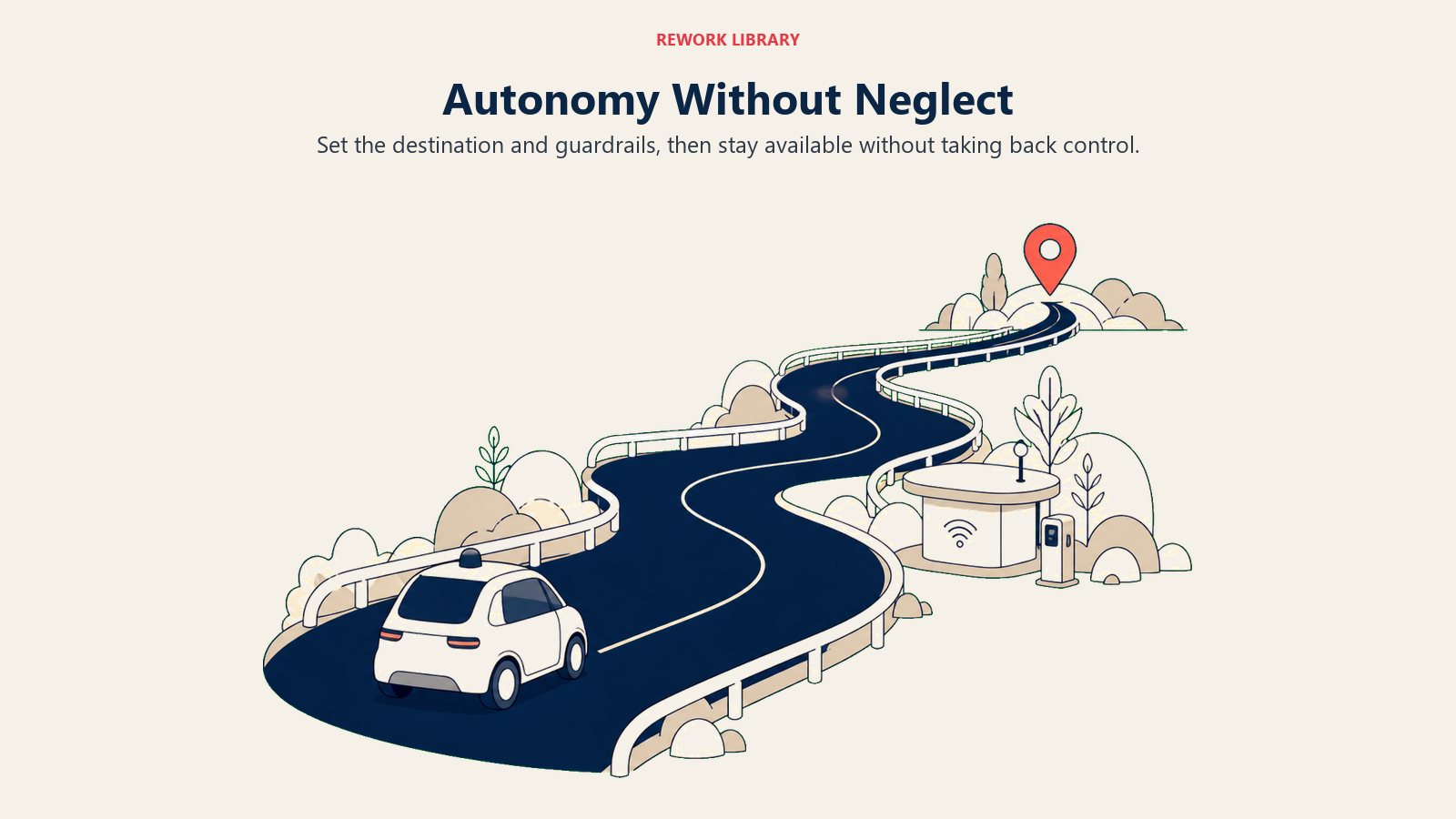
Ziele präzise setzen. Die wichtigste Aufgabe der Führungskraft in einem Laissez-faire-Modell ist es, Erfolg klar zu definieren, bevor sie einen Schritt zurücktritt. Ein vages Ziel wie „das Produkt verbessern" erzeugt Divergenz. Ein spezifisches Ziel wie „die Checkout-Abbruchrate bis Ende Q3 um 15 % reduzieren" gibt dem Team etwas Konkretes, auf das es hin optimieren kann, ohne zu sagen, wie es dorthin gelangt.
Einen leichtgewichtigen asynchronen Check-in-Rhythmus etablieren. Zurückzutreten bedeutet nicht, zu schweigen. Ein wöchentliches asynchrones Statusupdate (schriftlich, kein Meeting) hält die Führungskraft informiert, ohne Overhead zu erzeugen. Man überwacht nicht die Arbeit, sondern bleibt ausreichend verbunden, um bei Bedarf Blockaden zu beseitigen.
Ergebnisse messen, nicht den Prozess. Laissez-faire-Führung bedeutet, das „Was" zu besitzen, nicht das „Wie". Menschen nach Ergebnissen bewerten: Wurde das Ziel erreicht? Hat die Qualität gehalten? Ist das Projekt termingerecht geliefert worden? Die Methode statt des Ergebnisses zu beurteilen unterläuft den ganzen Sinn von Autonomie und ist ein kurzer Weg zum Mikromanagement.
Einen Vertraue-aber-verifiziere-Rhythmus aufrechterhalten. Regelmäßige Überprüfungen von Outputs, ohne Genehmigungssuche oder Prozessverhör, halten die Führungskraft informiert und signalisieren, dass Ergebnisse wichtig sind. Ein monatlicher Arbeitsrückblick, eine vierteljährliche Retrospektive oder eine strukturierte Präsentation von Ergebnissen gibt dem Team einen sichtbaren Moment der Verantwortlichkeit, ohne dem täglichen Arbeitsablauf supervisorische Reibung hinzuzufügen.
Erreichbar bleiben ohne zu hovern. Es dem Team leicht machen, die Führungskraft zu erreichen, wenn sie es möchten. Laissez-faire-Führungskräfte, die bei Problemen schwer erreichbar sind, delegieren nicht, sie verschwinden. Den Kalender sichtbar halten, reaktionsschnell sein, wenn jemand eine Blockade meldet, und eine Kultur schaffen, in der das Einholen von Input willkommen ist und kein Versagen signalisiert.
Das Verständnis des Unterschieds zwischen Makromanagement und Mikromanagement ist hier nützlich. Laissez-faire-Führung auf ihrem besten Niveau sieht aus wie Makromanagement mit klarer Absicht: weiter Spielraum bei der Ausführung, enge Klarheit bei den Ergebnissen.
Häufig gestellte Fragen
Ist Laissez-faire-Führung dasselbe wie keine Führung?
Nein. Laissez-faire-Führung ist eine bewusste Entscheidung, Menschen mit hoher Autonomie auszustatten, die bewiesen haben, damit umgehen zu können. Die Führungskraft setzt noch immer das Ziel, definiert, wie Erfolg aussieht, bleibt verfügbar, um Blockaden zu beseitigen, und hält Menschen für Ergebnisse verantwortlich. Was fehlt, ist die tägliche Orientierung, nicht Führung selbst. Die Verwechslung entsteht, weil Laissez-faire zu keiner Führung werden kann, wenn es in Vernachlässigung abgleitet, aber Absicht und Praxis sind verschiedene Dinge.
Wann scheitert Laissez-faire-Führung?
Sie scheitert zuverlässig in drei Bedingungen: wenn dem Team die Erfahrung fehlt, sich effektiv selbst zu steuern, wenn das Ziel unklar oder wechselnd ist, und wenn die Führungskraft wirklich abwesend statt absichtlich Hands-off ist. Skogstad et al. (2007) stellten fest, dass passive Führung in professionellen Umgebungen Rollenkonflikte und Mobbing am Arbeitsplatz vorhersagt, nicht weil Autonomie selbst schädlich ist, sondern weil Teams ohne Orientierung oder Support eigene Dynamiken entwickeln, manchmal destruktive.
Was ist der Unterschied zwischen Laissez-faire und demokratischer Führung?
Demokratische Führung beinhaltet, dass die Führungskraft aktiv Input einholt, an der Diskussion teilnimmt und Teamperspektiven in eine endgültige Entscheidung einarbeitet. Die Führungskraft ist präsent und engagiert, nur inklusiv. Laissez-faire-Führung beinhaltet, dass die Führungskraft das Ziel setzt und sich vollständig aus dem Entscheidungsprozess zurückzieht. Demokratische Führungskräfte moderieren; Laissez-faire-Führungskräfte delegieren. Der praktische Unterschied: Demokratische Führung gibt noch immer einen Koordinationspunkt und eine letzte Entscheidungsinstanz. Laissez-faire überträgt die vollständige Entscheidungsverantwortung an Einzelpersonen.
Kann Laissez-faire-Führung in einem Startup funktionieren?
Sie kann, aber nur in begrenzten Kontexten. Ein Gründerteam erfahrener technischer oder fachlicher Experten, bei dem jede Person unbestritten die Beste in ihrer Funktion ist, kann mit sehr wenig interner Steuerung auskommen. Aber Startups kombinieren typischerweise hohe Unsicherheit, sich schnell ändernde Ziele und Teammitglieder, die im Laufe der Zeit herausfinden, wie es geht, alles Bedingungen, bei denen etwas Richtungsorientierung mehr hilft als schadet. Die nützlichere Frage ist, ob bestimmte Personen oder Funktionen innerhalb des Startups hohe Autonomie bewältigen können. Eine technische Mitgründerin, die ein Produkt aufbaut, das sie tiefgreifend kennt, braucht möglicherweise minimale Orientierung. Eine erstmalig eingestellte Marketingkraft mit einem undefinierten Auftrag braucht wesentlich mehr. Führungsstil ist immer ein Passungsproblem. Laissez-faire ist ein mächtiges Werkzeug in den richtigen Händen und im richtigen Kontext. Die Führungskräfte, die es gut einsetzen, kennen die Fähigkeiten ihres Teams gründlich, definieren Ergebnisse mit Präzision, bevor sie zurücktreten, und bleiben wirklich verfügbar, ohne zu hovern. Sie verstehen den Unterschied zwischen Vertrauen und Abdankung und überprüfen diese Grenze konsequent.

Senior Operations & Growth Strategist
On this page
- Was ist Laissez-faire-Führung?
- Laissez-faire vs. demokratische vs. autokratische Führung
- Wann Laissez-faire-Führung tatsächlich funktioniert
- Hands-off vs. Hands-on: Wo Laissez-faire im Führungsspektrum steht
- Vor- und Nachteile der Laissez-faire-Führung
- Reale Beispiele von Laissez-faire-Führungskräften
- Wann Laissez-faire-Führung NICHT einzusetzen ist
- Wie man Laissez-faire-Führung praktiziert, ohne dass es zur Vernachlässigung wird