Kompetenzbasierte Führungstheorie: Katz' Drei-Kompetenzen-Modell
Turn this article into takeaways for your work.


Each assistant summarizes the article only for you and suggests best practices for your work.
Die kompetenzbasierte Führungstheorie stellt einen der hartnäckigsten Mythen im Management in Frage: dass große Führungskräfte geboren und nicht gemacht werden. Statt Wirksamkeit an Persönlichkeit oder Genetik zu knüpfen, sagt die Kompetenztheorie, dass jede Führungskraft, die bereit ist, die richtigen Fähigkeiten zu entwickeln, zu einer starken Führungspersönlichkeit heranwachsen kann. Das ist eine hoffnungsvolle, praktische Idee, und sie hat mehr als 70 Jahre lang die Gestaltung von Führungsentwicklungsprogrammen in Organisationen geprägt.
Dieser Artikel behandelt die Grundlagen der Kompetenztheorie, das Drei-Kompetenzen-Modell, das Robert Katz in der Harvard Business Review veröffentlichte, wie sich der erforderliche Mix verändert, wenn man durch eine Organisation aufsteigt, und konkrete Wege, jede Kompetenz bewusst zu entwickeln.
Was ist die kompetenzbasierte Führungstheorie?
Kompetenzbasierte Führungstheorie ist die Perspektive, dass wirksame Führung aus einem erlernbaren Kompetenzset resultiert und nicht aus festen Persönlichkeitsmerkmalen. Im Unterschied zur Trait-Theorie, die besagt, dass Führungskräfte aufgrund dessen erfolgreich sind, wer sie sind, besagt die Kompetenztheorie, dass Führungskräfte aufgrund dessen erfolgreich sind, was sie können, und dass "was sie können" durch Ausbildung, Übung und Feedback gelehrt, geübt und verbessert werden kann.
Das Modell stützt sich auf zwei grundlegende Annahmen. Erstens hängt Führungsleistung von den tatsächlichen Kompetenzen der Führungskraft ab. Zweitens sind diese Kompetenzen nicht bei der Geburt festgelegt; sie entwickeln sich durch Erfahrung, Bildung und Feedback. Das macht die Kompetenztheorie zu einer natürlichen Grundlage für Organisationen, die Führungskräfte intern entwickeln wollen, statt ausschließlich von außen zu rekrutieren.
Die Kompetenztheorie unterscheidet sich von verhaltensorientierten Theorien (die sich darauf konzentrieren, was Führungskräfte tun) dadurch, dass sie eine Schicht tiefer geht: Sie fragt, welche zugrundeliegenden Fähigkeiten diese Verhaltensweisen erst möglich machen. Man kann das Verhalten einer Führungskraft den ganzen Tag studieren, aber die Kompetenztheorie fragt, ob die Person die technische Tiefe, das Urteilsvermögen im Umgang mit Menschen und das strategische Denken hat, um dieses Verhalten über verschiedene Situationen aufrechtzuerhalten.
Wichtige Fakten
- Robert L. Katz stellte das Drei-Kompetenzen-Modell in "Skills of an Effective Administrator" vor, veröffentlicht in der Harvard Business Review 1955. Er identifizierte fachliche, soziale und konzeptuelle Kompetenzen als die drei Kernkompetenzen der Managementführung.
- 2000 veröffentlichten Michael D. Mumford und Kollegen eine groß angelegte empirische Studie, die Katz' Framework zu einem vollständigen kompetenzbasierten Führungsmodell erweiterte und individuelle Attribute, Kompetenzen und Umwelteinflüsse mit Führungsergebnissen verknüpfte (Leadership Quarterly, 2000).
- Das Führungsdoktrin der US-Armee (Army Doctrine Reference Publication 6-22) enthält formal eine kompetenzbasierte Sicht auf Führung, die Führerattribute und -kompetenzen in einem Framework gruppiert, das direkt von Katz und Mumford beeinflusst ist.
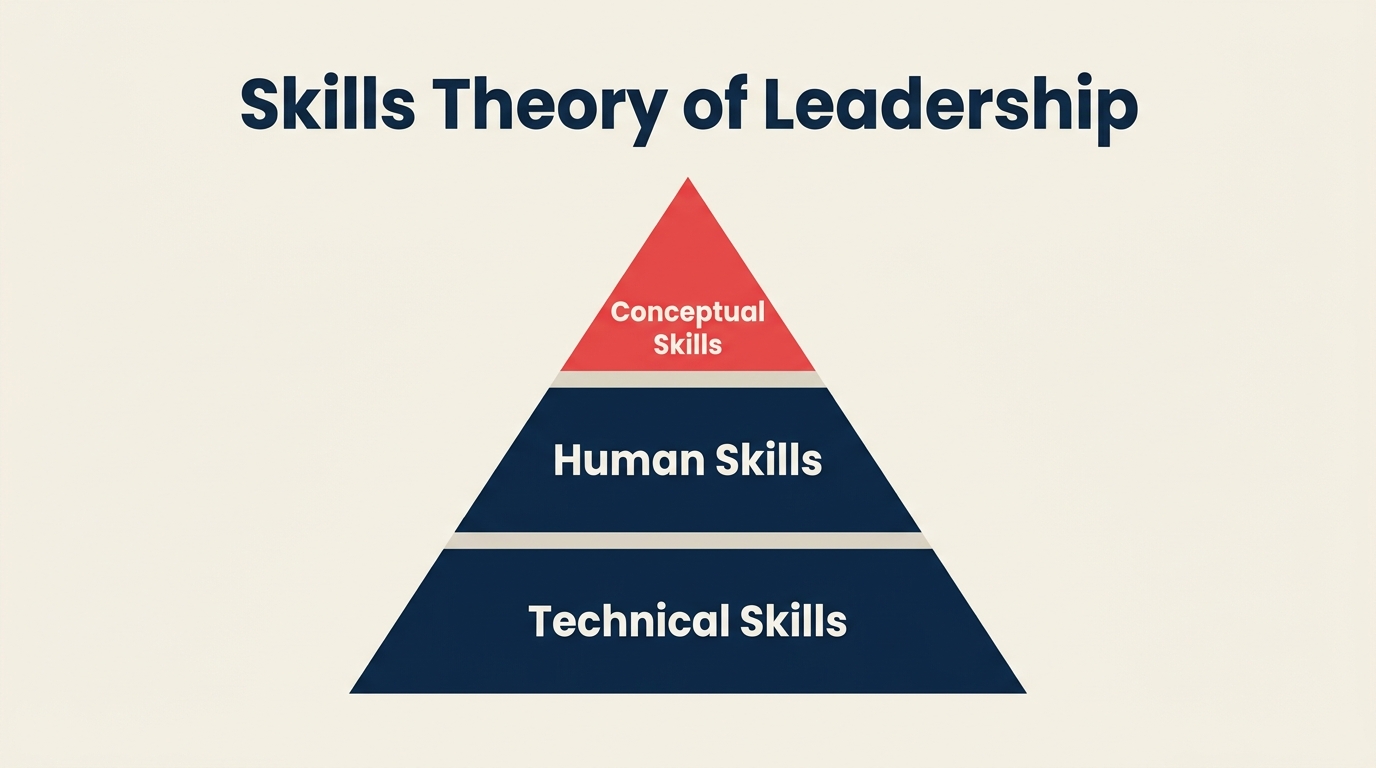
Katz' drei Kompetenzen
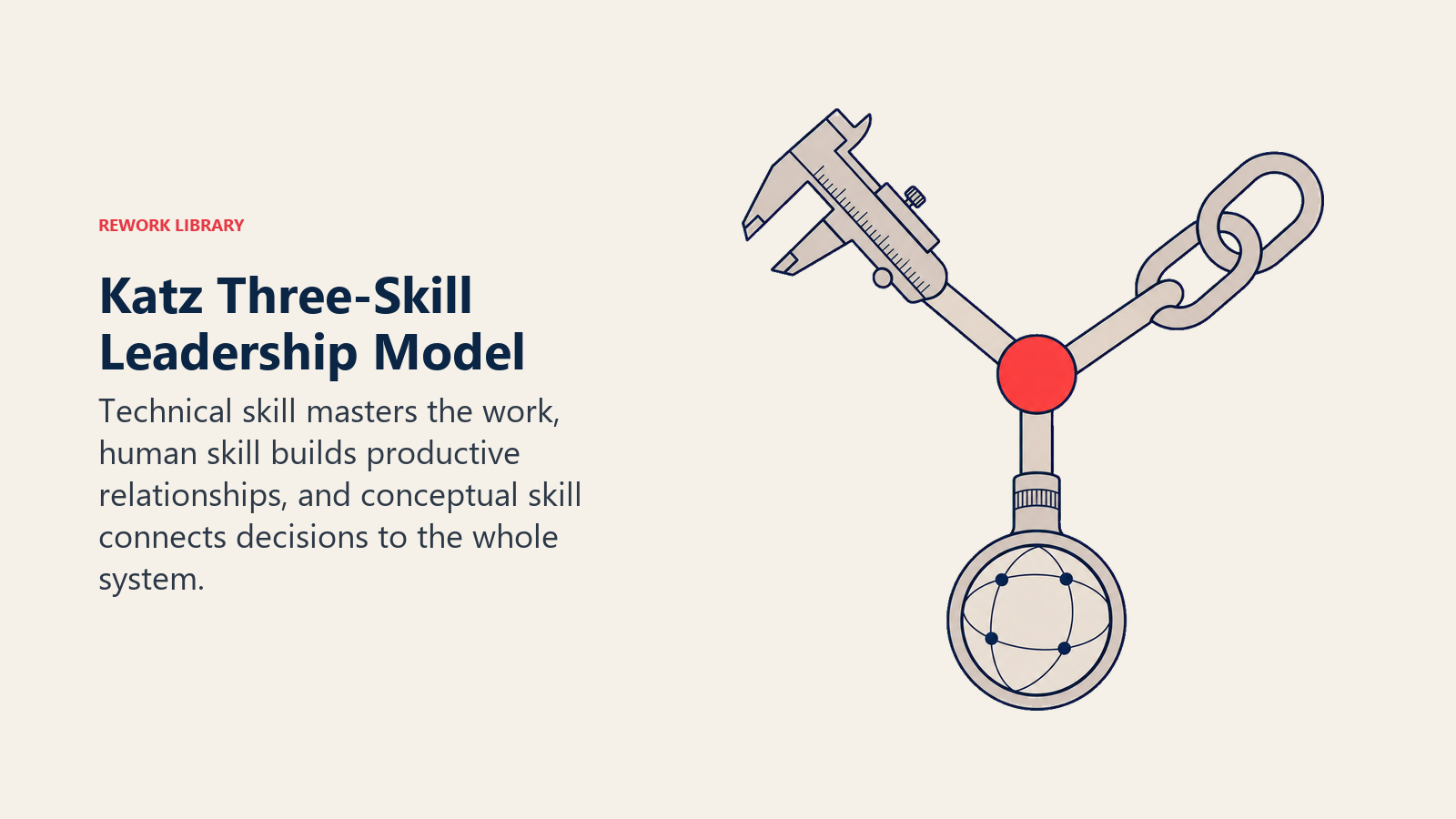
Robert Katz argumentierte, dass wirksame Administratoren drei Kernkompetenzen benötigen. Die richtige Balance ändert sich mit der Ebene, aber alle drei sind in der gesamten Karriere wichtig.
Fachliche Kompetenzen
Fachliche Kompetenzen sind das spezialisierte Wissen und die Beherrschung, die für die Ausführung spezifischer Aufgaben erforderlich sind. Ein Softwareteamleiter, der Code reviewen und Architekturprobleme erkennen kann, hat starke fachliche Kompetenzen. Ein Finanzmanager, der komplexe Modelle in Excel erstellen, Bilanzen lesen und eine Schuldenklausel strukturieren kann, hat starke fachliche Kompetenzen.
Fachliche Kompetenzen sind in der Regel domänenspezifisch. Die technische Tiefe eines erfahrenen Logistikmanagers überträgt sich nicht automatisch auf die Leitung eines Marketingteams. Diese Spezifität ist sowohl die Stärke als auch die Grenze fachlicher Kompetenz: Sie schafft echte Glaubwürdigkeit bei Frontline-Mitarbeitenden, lässt sich aber nicht leicht über Funktionen hinweg skalieren.
Zu Beginn einer Karriere ist fachliche Kompetenz die wichtigste Währung. Menschen werden befördert, weil sie gut in ihrem Handwerk sind. Der Fehler, den viele Organisationen machen, ist anzunehmen, dass jemand mit tiefer fachlicher Kompetenz die anderen beiden Kompetenzen von selbst entwickelt, ohne bewusste Unterstützung.
Soziale Kompetenzen
Soziale Kompetenzen sind die Fähigkeit, mit anderen Menschen zu arbeiten, sie zu verstehen und zu motivieren, sowohl individuell als auch in Gruppen. Katz beschrieb das nicht nur als Geschicklichkeit im Umgang mit Menschen, sondern als "Bewusstsein für die eigenen Einstellungen, Annahmen und Überzeugungen über andere Individuen und Gruppen" und die Fähigkeit, den echten Standpunkt anderer zu erkennen.
Eine Führungskraft mit starken sozialen Kompetenzen führt wirksame 1:1s, gibt Feedback, das Menschen tatsächlich umsetzen können, liest die Teammoral genau ab und löst interpersonelle Konflikte, bevor sie strukturell werden. Sie wissen, wann sie fordern und wann sie zuhören sollen.
Soziale Kompetenzen sind auf jeder Managementebene wichtig. Eine Frontline-Führungskraft, die kein Vertrauen zu ihrem Team aufbauen kann, wird scheitern. Genauso eine Führungskraft, die eine Seniorführungsgruppe nicht auf eine gemeinsame Richtung ausrichten kann. Die Anwendung sieht auf jeder Ebene anders aus, aber die zugrundeliegende Fähigkeit ist konstant.
Konzeptuelle Kompetenzen
Konzeptuelle Kompetenzen sind die Fähigkeit, die Organisation als Ganzes zu sehen, zu verstehen, wie ihre Teile miteinander zusammenhängen, und komplexe Probleme in Bezug auf Systeme und Strategie zu durchdenken. Eine Führungskraft mit starken konzeptuellen Kompetenzen kann bei einer Quartalsumsatzverfehlung schnell Symptome von Ursachen trennen, die Zweitordnungseffekte einer Preisänderung antizipieren und erkennen, wie eine Verschiebung in einer Abteilung in eine andere übergeht.
Katz beschrieb konzeptuelle Kompetenz als die Fähigkeit, "mit Ideen und Konzepten" zu arbeiten. Sie zeigt sich als strategisches Denken, Systemdenken und die Fähigkeit, mehrdeutige Situationen so zu rahmen, dass Handlungen möglich werden.
Das ist die Kompetenz, die am engsten mit großer Führung auf Führungsebene verknüpft ist, aber sie ist nicht für die C-Suite reserviert. Jede Führungskraft, die tägliche Entscheidungen mit langfristiger Ausrichtung verbinden muss, profitiert davon, konzeptuelle Kompetenz früh zu entwickeln.
Wie sich die drei Kompetenzen nach Managementebene verschieben
Einer der praktischsten Erkenntnisse von Katz ist, dass sich die relative Bedeutung der drei Kompetenzen verändert, wenn man in der Organisationshierarchie aufsteigt. Fachliche Kompetenz dominiert an der Front. Konzeptuelle Kompetenz dominiert an der Spitze. Soziale Kompetenz bleibt auf allen Ebenen wichtig, obwohl sich ihre Anwendung verschiebt.
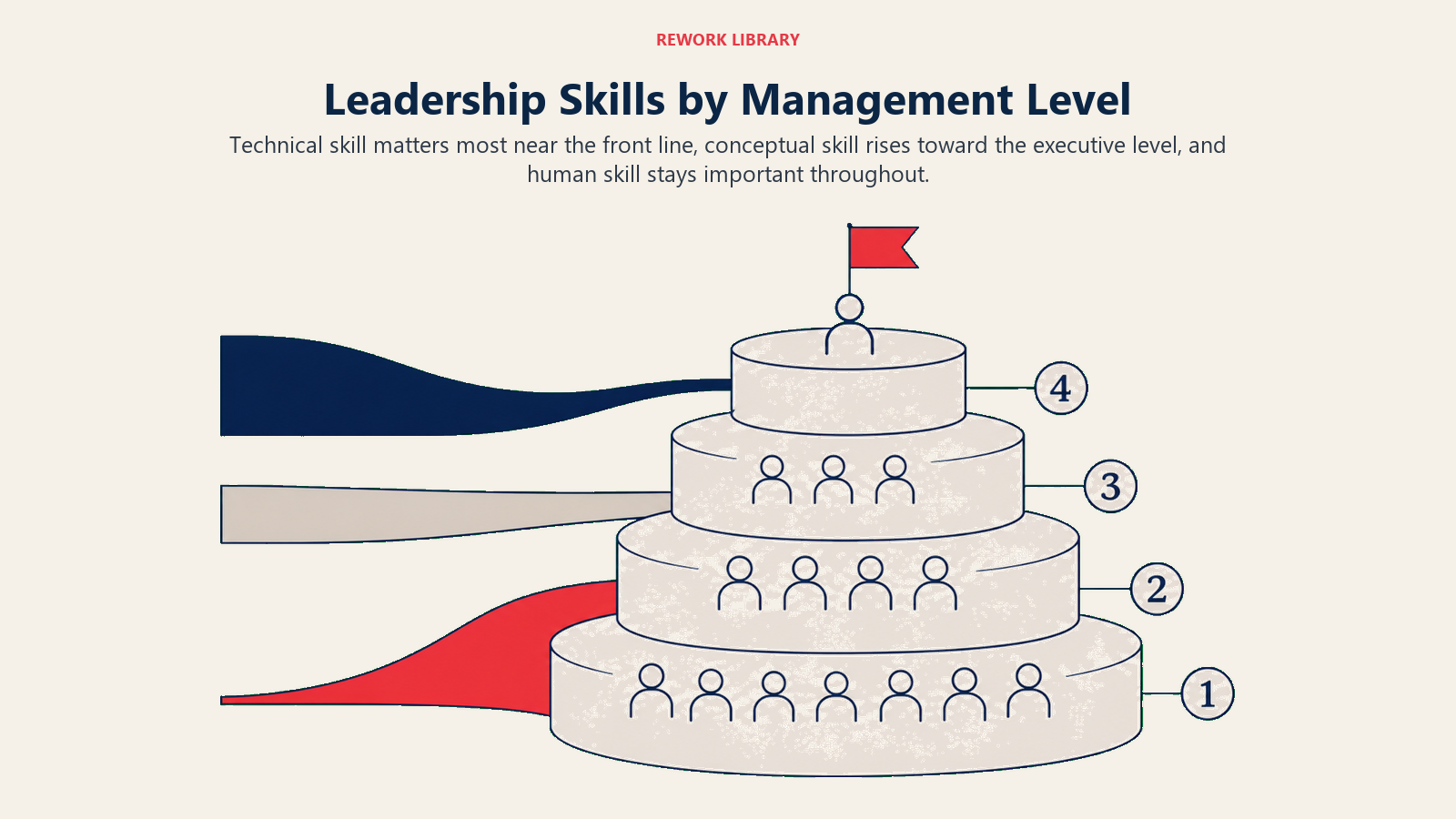
| Managementebene | Fachliche Kompetenzen | Soziale Kompetenzen | Konzeptuelle Kompetenzen |
|---|---|---|---|
| Vorgesetzte (Frontline) | Hoch | Hoch | Gering |
| Mittleres Management | Mittel | Hoch | Mittel |
| Senior / Director | Gering-Mittel | Hoch | Hoch |
| Führungsebene (C-Suite) | Gering | Hoch | Sehr hoch |
Eine erstklassige Aufsichtsperson, die ein Team von fünf Kundenservice-Mitarbeitenden leitet, muss das Produkt, das Ticketing-System und den Eskalationsprozess kennen. Diese fachliche Grundlage verleiht ihr Glaubwürdigkeit und ermöglicht wirksames Coaching. Aber sie muss noch nicht modellieren, wie eine Richtlinienänderung die Kundenakquisitionskosten drei Quartale später beeinflussen wird.
Ein VP of Operations braucht deutlich weniger praktische fachliche Tiefe und viel mehr Fähigkeit, funktionsübergreifend zu denken, Kompromisse zu antizipieren und Entscheidungen mit unvollständigen Informationen zu treffen. Seine fachliche Kompetenz ist hauptsächlich als Glaubwürdigkeitsanker und Signal dafür, welche Fragen zu stellen sind, relevant, nicht als Arbeitsinstrument.
Die Konsequenz für die Karriereplanung: Die Kompetenzen, die Sie früh befördert haben, sind nicht die Kompetenzen, die Sie auf der nächsten Ebene wirksam machen werden. Führungskräfte, die in ihrer fachlichen Komfortzone stecken bleiben, auch wenn sie größere Rollen übernehmen, kämpfen oft. Konzeptuelle Kompetenz zu entwickeln erfordert bewusste Anstrengung, in der Regel bevor Sie in einer Rolle sind, die es verlangt.
Kompetenztheorie versus Trait-Theorie versus Great-Man-Theorie
Die Kompetenztheorie entstand nicht im Vakuum. Sie entwickelte sich teilweise als Reaktion auf frühere Frameworks, die zu viel Gewicht auf feste individuelle Attribute legten.
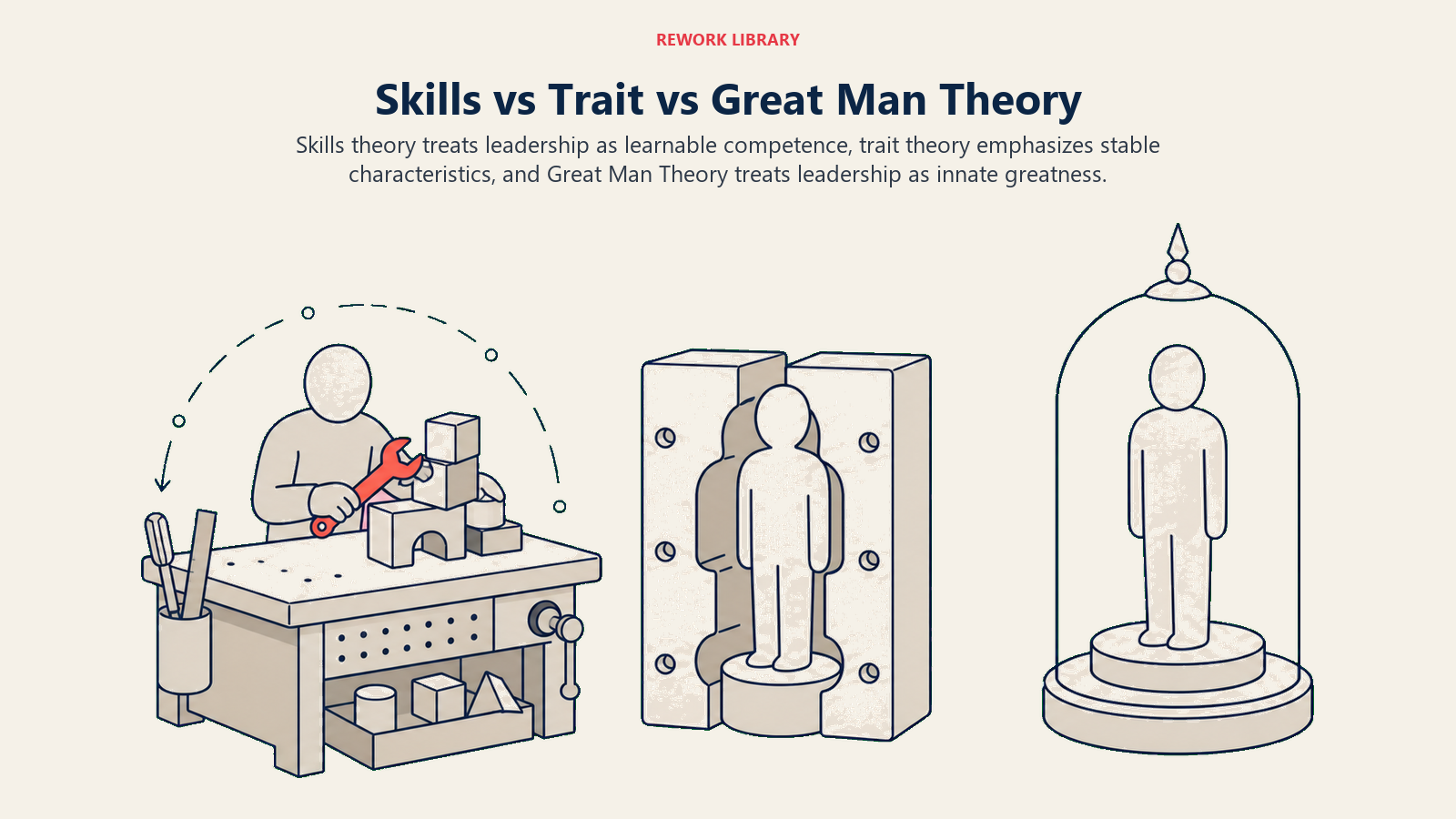
| Framework | Kernaussage | Führung erlernbar? | Primärer Fokus |
|---|---|---|---|
| Great-Man-Theorie | Führungskräfte werden geboren; Geschichte dreht sich um heroische Individuen | Nein | Angeborene Größe |
| Trait-Theorie | Stabile Persönlichkeitsmerkmale bestimmen Führungswirksamkeit | Teilweise | Wer die Führungskraft ist |
| Kompetenztheorie | Erlernbare Kompetenzen bestimmen Führungswirksamkeit | Ja | Was die Führungskraft kann |
| Verhaltenstheorie | Beobachtbares Verhalten bestimmt Wirksamkeit | Teilweise | Was die Führungskraft tut |
Die Great-Man-Theorie ist die älteste und deterministischste Sicht: Führung entsteht aus einer seltenen Kombination von Eigenschaften, die nicht gelehrt werden kann. Die Trait-Theorie aktualisierte diese Sicht mit Forschung und identifizierte spezifische Traits, die mit Wirksamkeit korrelieren, behandelte diese Traits aber immer noch als relativ stabil. Die Kompetenztheorie brach mit beiden, indem sie darauf bestand, dass Kompetenzen, im Gegensatz zu Traits, systematisch entwickelt werden können.
Das macht die Kompetenztheorie nützlicher für HR-Abteilungen und Führungsentwicklungsprogramme. Wenn Führung rein genetisch oder persönlichkeitsgetrieben wäre, würde eine Investition in Schulungen kaum etwas bewirken. Die Kompetenztheorie sagt, dass sich die Investition auszahlt.
Das Mumford-Kompetenzmodell
Katz' Drei-Kompetenzen-Modell war intuitiv, aber relativ übergeordnet. 2000 veröffentlichten Michael Mumford und seine Kollegen eine detailliertere empirische Erweiterung: das kompetenzbasierte Führungsmodell.
Mumfords Modell hat vier Schichten:
- Individuelle Attribute: allgemeine kognitive Fähigkeiten, Motivation, Persönlichkeit und Erfahrung. Das ist das Rohmaterial, das eine Führungskraft mitbringt.
- Kompetenzen: Problemlösungskompetenzen, soziale Urteilskompetenz und Wissen. Diese werden auf der Grundlage individueller Attribute durch Entwicklung aufgebaut.
- Führungsergebnisse: effektive Problemlösung und Leistung. Das sind die Ergebnisse, die wichtig sind.
- Umwelteinflüsse: wie situative Faktoren das Erforderliche moderieren.
Der wichtigste Beitrag von Mumfords Modell ist, den Mechanismus explizit zu machen. Individuelle Attribute sind wichtig, aber sie beeinflussen Ergebnisse primär dadurch, wie gut eine Person Kompetenzen entwickeln kann. Eine Person mit hoher kognitiver Fähigkeit lernt schneller, was ihr hilft, Problemlösungskompetenzen schneller aufzubauen. Aber kognitive Fähigkeit allein produziert keine wirksame Führung; die Kompetenzen müssen sich entwickeln. Das verstärkt den Kern-Optimismus der Kompetenztheorie: Entwicklung ist der Hebel.
Das Modell hebt auch soziale Urteilskompetenz hervor, die Fähigkeit, Menschen, Situationen und Organisationsdynamiken zu verstehen, als eigenständige Kompetenz neben Problemlösung und Wissen. Das deckt sich ungefähr mit Katz' sozialen Kompetenzen, ist aber spezifischer darin, was "mit Menschen arbeiten" tatsächlich kognitiv erfordert.
Wie man Führungskompetenzen entwickelt
Das praktische Versprechen der Kompetenztheorie ist, dass jede Kompetenz mit dem richtigen Ansatz entwickelt werden kann. So entwickeln Sie alle drei.
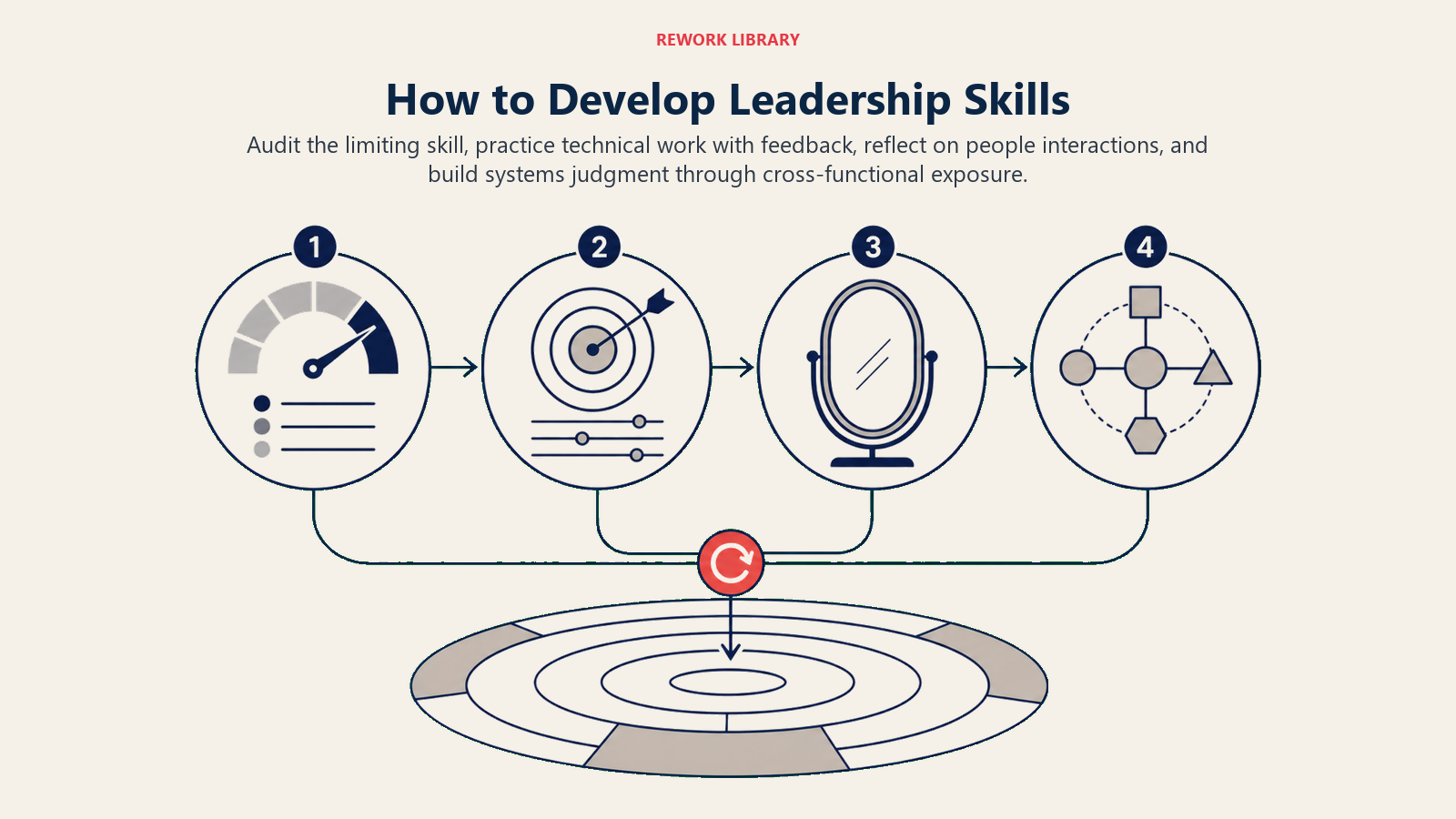
Schritt 1: Prüfen Sie, wo Sie nach Ebene stehen
Beginnen Sie damit, Ihren aktuellen Kompetenz-Mix gegen Ihren aktuellen Karrierestand und Ihren Zielstand abzubilden. Wenn Sie eine Führungskraft im mittleren Management mit starker fachlicher Tiefe sind, ist die wichtigste Kompetenz, in die Sie investieren sollten, wahrscheinlich konzeptuelle Kompetenz. Wenn Sie eine Frontline-Aufsichtsperson sind, die mit schwierigen Gesprächen kämpft, haben soziale Kompetenzen Priorität. Versuchen Sie nicht, alle drei gleichzeitig zu entwickeln; wählen Sie diejenige, die am meisten einschränkt.
Schritt 2: Fachliche Kompetenzen durch bewusste Übung und Feedback aufbauen
Fachliche Kompetenz wächst durch Ausüben der Arbeit, Feedback von Menschen zu bekommen, die sie besser kennen als Sie, und das Handwerk zu studieren. Suchen Sie nach herausfordernden Aufgaben, die Sie mit fachlichen Herausforderungen knapp über Ihrer aktuellen Fähigkeit in Kontakt bringen. Finden Sie Mentoren, die spezifisches, ehrliches Feedback geben können statt allgemeiner Ermutigung. Lesen Sie Primärquellen, nicht nur Zusammenfassungen.
Schritt 3: Soziale Kompetenzen durch strukturierte Reflexion aufbauen
Soziale Kompetenzen sind oft am schwierigsten zu entwickeln, weil sie die Veränderung von Gewohnheiten und mentalen Modellen erfordern, nicht nur den Erwerb von Wissen. Wirksame Ansätze umfassen Führungs-Coaching, 360-Grad-Feedback, das ernst genommen wird, und bewusste Übung in Situationen wie Verhandlung, Feedbackgeben und Konfliktmoderation. Der Schlüssel ist, jede Interaktion als Datenpunkt zu behandeln: Was haben Sie angenommen? Was hat die andere Person tatsächlich gebraucht? Wo haben Sie die Stimmung falsch gelesen?
Erwägen Sie, Frameworks wie die Leader-Member-Exchange-Theorie zu überprüfen, um Ihr Verständnis davon zu schärfen, wie die Beziehungsqualität zwischen Führungskraft und Teammitglied die Leistung beeinflusst.
Schritt 4: Konzeptuelle Kompetenzen durch Systemexposition aufbauen
Konzeptuelle Kompetenz wächst am schnellsten, wenn Sie sich bewusst strategischen Entscheidungen aussetzen und dann deren Konsequenzen nachverfolgen. Das bedeutet, sich für funktionsübergreifende Projekte anzubieten, breit außerhalb Ihrer Domäne zu lesen, falsch gelaufene Entscheidungen zu studieren und "Wenn wir X tun, was passiert dann mit Y und Z?"-Denken vor Meetings zu üben. Manche Führungskräfte entwickeln konzeptuelle Kompetenz durch MBA-Programme oder Executive Education; andere tun es, indem sie einen Senior-Mentor finden, der strategisch denkt, und dem, wie diese Person Probleme rahmt, genau Aufmerksamkeit schenkt.
Vorteile und Grenzen
Vorteile der Kompetenztheorie:
Die Kompetenztheorie ist demokratisch. Sie sagt, Führungspositionen sind nicht für Menschen reserviert, die mit der richtigen Persönlichkeit geboren wurden. Jeder, der bereit ist, die richtigen Kompetenzen zu entwickeln, hat einen echten Weg zur Wirksamkeit. Das macht sie zu einer starken Grundlage für Führungsentwicklungsprogramme, Nachfolgeplanung und Coaching.
Sie ist auch praktisch. Die drei Kompetenzen zu identifizieren gibt Organisationen eine konkrete Sprache, um Führungslücken zu diagnostizieren und Interventionen zu gestalten. Eine Führungskraft, die mit strategischem Denken kämpft, braucht andere Unterstützung als eine, die mit Teamdynamik kämpft.
Schließlich passt die Kompetenztheorie gut zu dem, was wir über das Lernen Erwachsener wissen. Kompetenzen entwickeln sich durch Erfahrung, Feedback und Reflexion, was direkt darauf abbildet, wie Organisationen Entwicklungserlebnisse strukturieren können.
Grenzen der Kompetenztheorie:
Die Kompetenztheorie gewichtet den Kontext zu wenig. Zwei Führungskräfte mit identischen Kompetenzen-Profilen könnten in verschiedenen Organisationskulturen, Branchen oder Krisensituationen sehr unterschiedlich leisten. Kontingenztheorien wie die situative Führungstheorie adressieren das direkter.
Das Modell behandelt die drei Kompetenzen auch als relativ unabhängig, aber in der Praxis interagieren sie. Eine Führungskraft mit hoher fachlicher Kompetenz und geringer sozialer Kompetenz nutzt ihre fachliche Tiefe oft als Weg, die härtere Arbeit des Beziehungsaufbaus zu vermeiden. Die Kompetenzen verstärken sich gegenseitig oder arbeiten gegeneinander auf Weisen, die das Drei-Kategorien-Modell nicht vollständig erfasst.
Und das Messen von Kompetenzentwicklung ist wirklich schwierig. Im Gegensatz zu fachlichen Kompetenzen, für die es oft klare Bewertungen gibt, sind soziale und konzeptuelle Kompetenzen objektiver schwerer zu messen. Das macht es schwierig zu wissen, ob ein Entwicklungsprogramm funktioniert, bis Ergebnisse bereits beobachtbar sind.
Die Kompetenztheorie gibt Führungskräften und Organisationen etwas Konkretes, mit dem sie arbeiten können. Statt zu fragen, ob jemand die natürliche Fähigkeit als Führungskraft "hat", können Sie fragen, welche Kompetenzen sie haben, welche unterentwickelt sind und wie die nächste Entwicklungserfahrung aussehen sollte. Diese Verschiebung vom Trait-Entdecken zum Kompetenz-Aufbauen ist noch immer einer der nützlichsten Neurahmen im Führungsdenken.
Für breiteren Kontext dazu, wie Führungstheorien sich entwickelt haben, siehe den Überblick über Führungstheorien. Wenn Sie sich speziell auf den Aufbau von Managementkompetenzen auf Teamebene konzentrieren, geht dieser Leitfaden tiefer in die praktische Seite der Entwicklungsplanung.

Senior Operations & Growth Strategist
On this page
- Was ist die kompetenzbasierte Führungstheorie?
- Katz' drei Kompetenzen
- Fachliche Kompetenzen
- Soziale Kompetenzen
- Konzeptuelle Kompetenzen
- Wie sich die drei Kompetenzen nach Managementebene verschieben
- Kompetenztheorie versus Trait-Theorie versus Great-Man-Theorie
- Das Mumford-Kompetenzmodell
- Wie man Führungskompetenzen entwickelt
- Schritt 1: Prüfen Sie, wo Sie nach Ebene stehen
- Schritt 2: Fachliche Kompetenzen durch bewusste Übung und Feedback aufbauen
- Schritt 3: Soziale Kompetenzen durch strukturierte Reflexion aufbauen
- Schritt 4: Konzeptuelle Kompetenzen durch Systemexposition aufbauen
- Vorteile und Grenzen