Stage Gate Criteria: パイプライン品質基準と出口要件
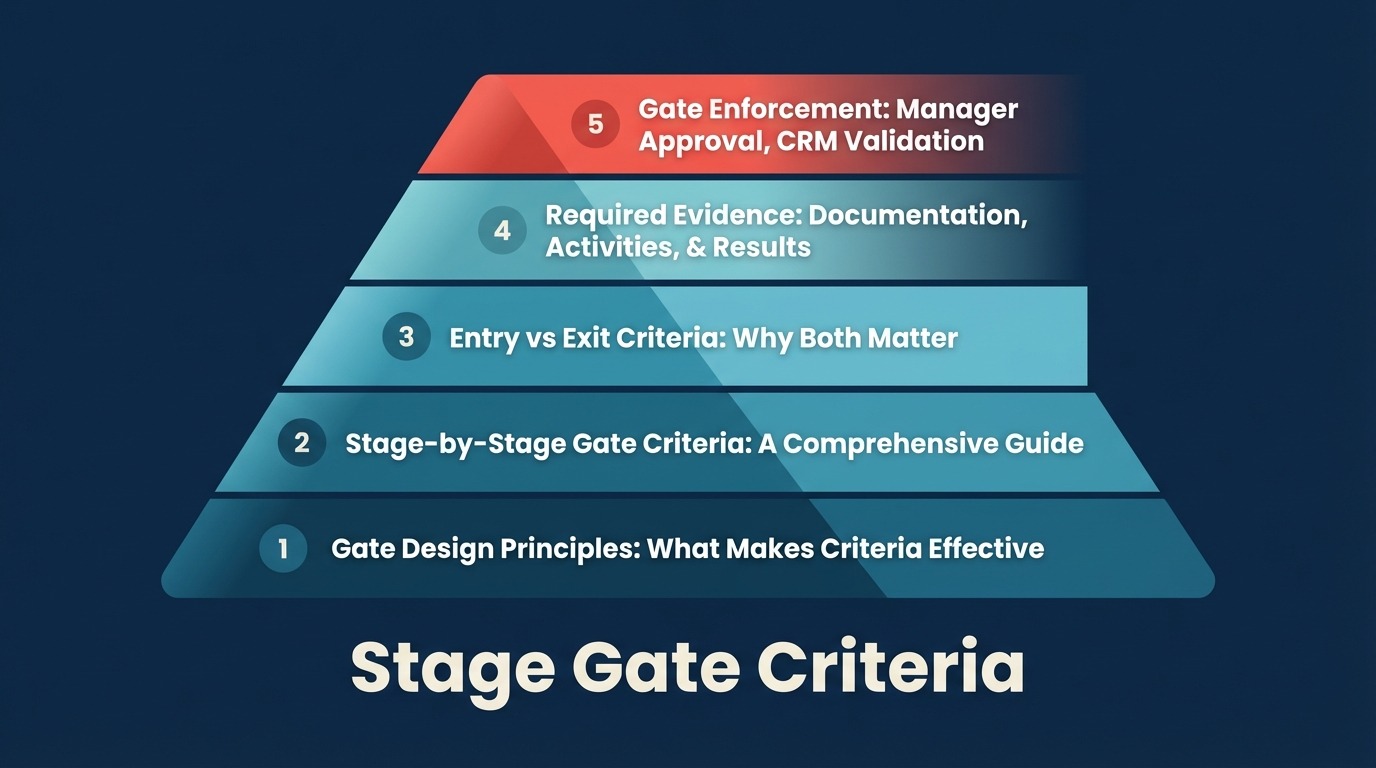
Turn this article into takeaways for your work.


Each assistant summarizes the article only for you and suggests best practices for your work.
あなたの営業チームがパイプラインに200万ドルを追加しました。CFOがいつ成約するのか尋ねます。forecastでは来四半期です。3か月後、それらの商談の半分は同じステージに留まったままで、残り半分は消えてしまいました。
心当たりはありませんか。
問題は、営業チームの楽観主義でもパイプラインステージの設計でもありません。stage gate criteria、つまりある商談が本当にそのステージに値するかどうかを判断する品質チェックポイントが欠けていることです。
ステージ進行に対する明確で徹底された基準がなければ、パイプラインは単なる願望リストになります。商談は勘、期限へのプレッシャー、あるいは単なる放置によって前に進んでいきます。結果はどうなるでしょうか。forecast精度が急落し、営業マネジメントは可視性を失い、取締役会は今四半期の「90%確実」だった商談がなぜ成約しなかったのかを気まずく説明する場と化します。
forecast精度とパイプラインの整合性が欲しいですか。それならstage gateを理解する必要があります。
Stage Gateとは何か
Stage gateとは、パイプラインステージの間に設けられた適格性判断のチェックポイントです。ある商談が1つのステージから次のステージへ進む前に満たすべき、具体的で客観的な基準を定義します。
製造業における品質管理ゲートのようなものだと考えてください。製品は、時間が経ったから、あるいは誰かが良いと感じたからという理由で組み立てから梱包へ移動するわけではありません。定義された基準に照らした検査を通過したから移動するのです。
同じ原則が商談にも当てはまります。案件は、営業担当者が「良い電話だった」からという理由でディスカバリーからクオリフィケーションへ進むべきではありません。意思決定者が特定された、予算が話し合われた、タイムラインが確認された、課題が検証された、といった具体的な基準が満たされたから進むのです。
Stage gateは3つの重要な問いに答えます。
- 次のステージに入る前に、この商談について何が真実でなければならないか
- それらが真実であることを証明する証拠は何か
- 基準が満たされたことを誰が検証するのか
これらの問いに明確な答えがなければ、ステージ進行は恣意的なものになります。答えがあれば、予測可能な収益を生み出す規律あるオペレーションを構築できます。
なぜStage GateがForecastの混乱を防ぐのか
stage gateの徹底が甘いと、3種類のforecastの破綻が生まれます。
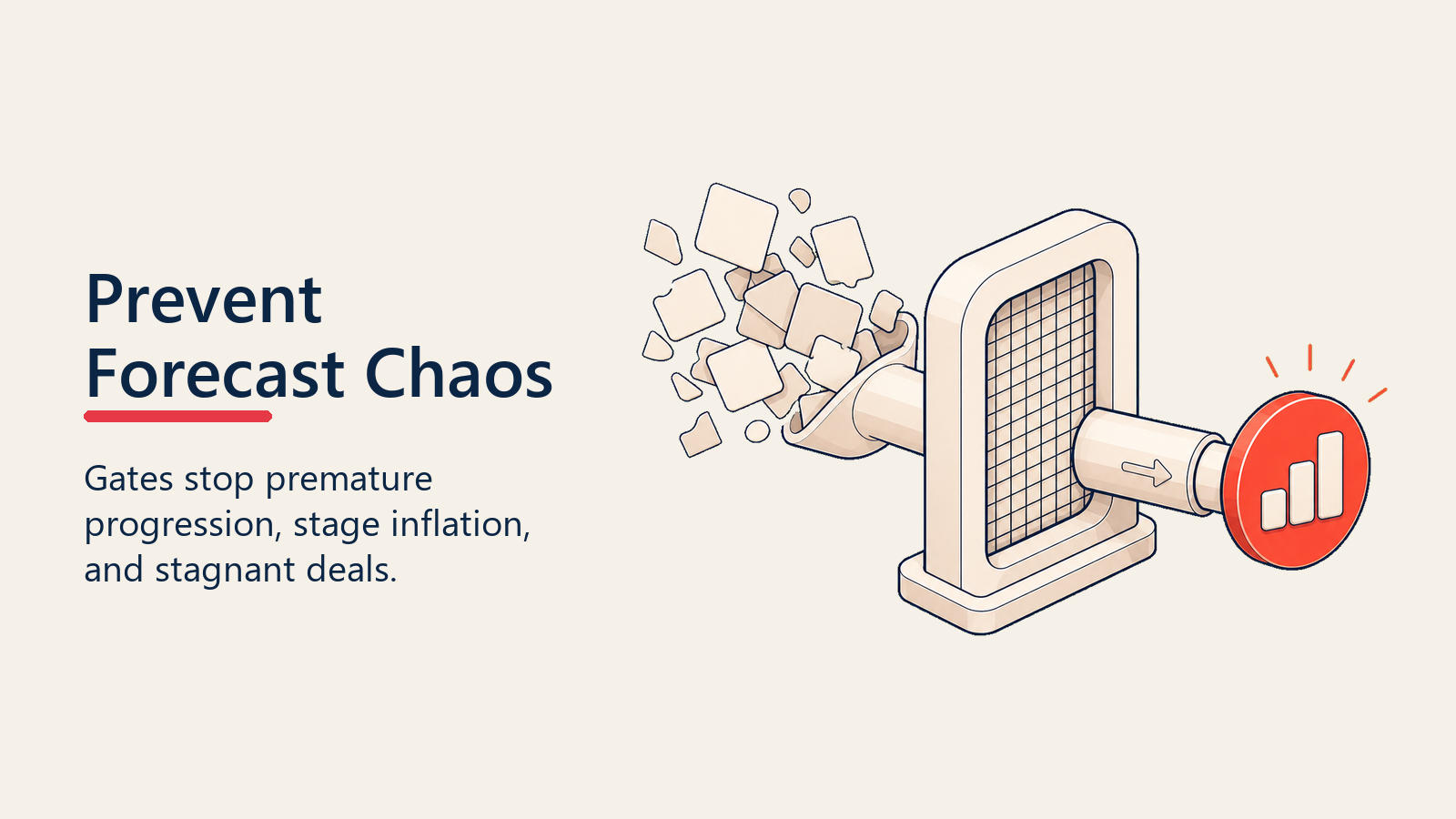
早すぎる進行は、基準を満たさないまま商談が進んでしまうときに起こります。営業担当者は予算や決裁権限を確認していないにもかかわらず、見込み客が見積もりを欲しがっていると「かなり確信している」という理由で商談をプロポーザルへ移してしまいます。その商談はプロポーザルに6週間留まった後、停滞します。forecastはそれをカウントしていましたが、現実はそれに応じてくれませんでした。
停滞した商談は、進行基準が明確でないときに起こります。営業担当者は前に進むために何を達成すべきか分からないため、商談が長引きます。50万ドルの案件が、誰もディスカバリーの出口がどういうものか定義していないために4か月もディスカバリーに留まります。本物の商談なのか、希望的観測なのか。ここでdeal aging管理が重要になります。
ステージの水増しは、最も抵抗の少ない道が前進であるときに起こります。徹底されていなければ、動くこと自体が進歩のように感じられるという理由だけで、商談は後のステージへと漂っていきます。終盤のパイプラインは健全に見えても、表面をこすってみれば、「交渉」中の商談の半分がまだ条件について話し合ってもいない、ということが分かります。
Stage gateは、進行を客観的、証拠に基づくもの、検証済みのものにすることでこれを解決します。
ゲート設計の原則: 何が基準を効果的にするか
ゲート基準は、客観的で、観察可能で、徹底可能で、実際の買い手の進展に結びついているときに機能します。

すべてのstage gate criteriaが機能するわけではありません。弱い基準は、チェック欄は埋まるものの質は向上しない、コンプライアンス劇場を生み出します。強い基準は規律と予測可能性を推し進めます。
1. 客観的で測定可能であること
良いゲート基準は主観性を排除します。「買い手との強い関係」は主観的です。「VP of Operationsを含む3回のエグゼクティブレベルのミーティングを完了」は客観的です。
悪い基準は解釈に依存します。
- 「見込み客が興味を示している」
- 「自社のソリューションに適合している」
- 「今四半期に成約する可能性が高い」
良い基準は二値的で、満たしているか満たしていないかがはっきりしています。
- 「予算が5万〜10万ドルの範囲で確認済み」
- 「6名以上が参加した技術検証デモを完了」
- 「文書化されたセキュリティ質問票が提出・承認済み」
テスト方法: 2人の異なる営業マネージャーが同じ商談をレビューして、基準が満たされているかどうか同じ結論に達するか、です。
2. 買い手中心の検証であること
Stage gateは、売り手の活動ではなく、買い手の行動とコミットメントを検証すべきです。
弱い基準は営業担当者が何をしたかに焦点を当てます。
- 「提案書を送付した」
- 「フォローアップの通話を設定した」
- 「連絡先をCRMに追加した」
強い基準は買い手が何をしたかに焦点を当てます。
- 「提案書が意思決定委員会によってレビューされた」
- 「買い手が社内調整ミーティングを設定した」
- 「推進者(社内の支持者)がセールスをCFOに紹介した」
なぜでしょうか。商談が進むかどうかは、売り手の努力ではなく買い手の準備状況に基づくからです。営業担当者は提案書を5通送ることができますが、買い手がそのどれもレビューしていなければ、その商談は実際には前進していません。
3. 証拠に基づく進行であること
すべてのゲートは、文書化された証拠を求めるべきです。これにより「信じてくれ、話したから」という進行を防ぎ、商談レビューのための監査証跡を作ります。
証拠には3つの形態があります。
活動の証拠: 記録されたミーティング、送信されたメール、完了した通話。これはエンゲージメントが実際に起きたことを検証します。
成果物の証拠: 共有された提案書、送付された契約書、提供された技術文書。これは成果物が実際に提供されたことを検証します。
コミットメントの証拠: 口頭コミットメントを記録したミーティングメモ、次のステップを確認するメールでの返信、サイン済みの文書。これは買い手の意図を検証します。
最も強固なゲートはこの3つすべてを求めます。ディスカバリーゲートであれば、5回の記録された通話(活動)、完成したステークホルダーマップ(成果物)、予算レンジを確認するメール(コミットメント)を求めるといった具合です。
4. 営業活動の検証
買い手の行動が最も重要ではあるものの、責任ある商談マネジメントのためには、一部の営業側の活動が最低限必要です。
すべてのゲートで、営業担当者が以下を行ったことを検証すべきです。
- CRMのフィールドを正確に更新した
- 主要な活動と結果を記録した
- 意思決定者の情報を文書化した
- 競合情報を記録した
- タイムラインと緊急性の要因を記録した
これにより、たとえ営業担当者が退職したり商談が再割り当てされたりしても、重要なコンテキストが失われないようにします。
ステージ別ゲート基準: 包括的なフレームワーク
標準的なB2Bパイプライン全体でゲート基準をどう構成するか、以下に示します。自社の営業サイクルと買い手のジャーニーに合わせて調整してください。
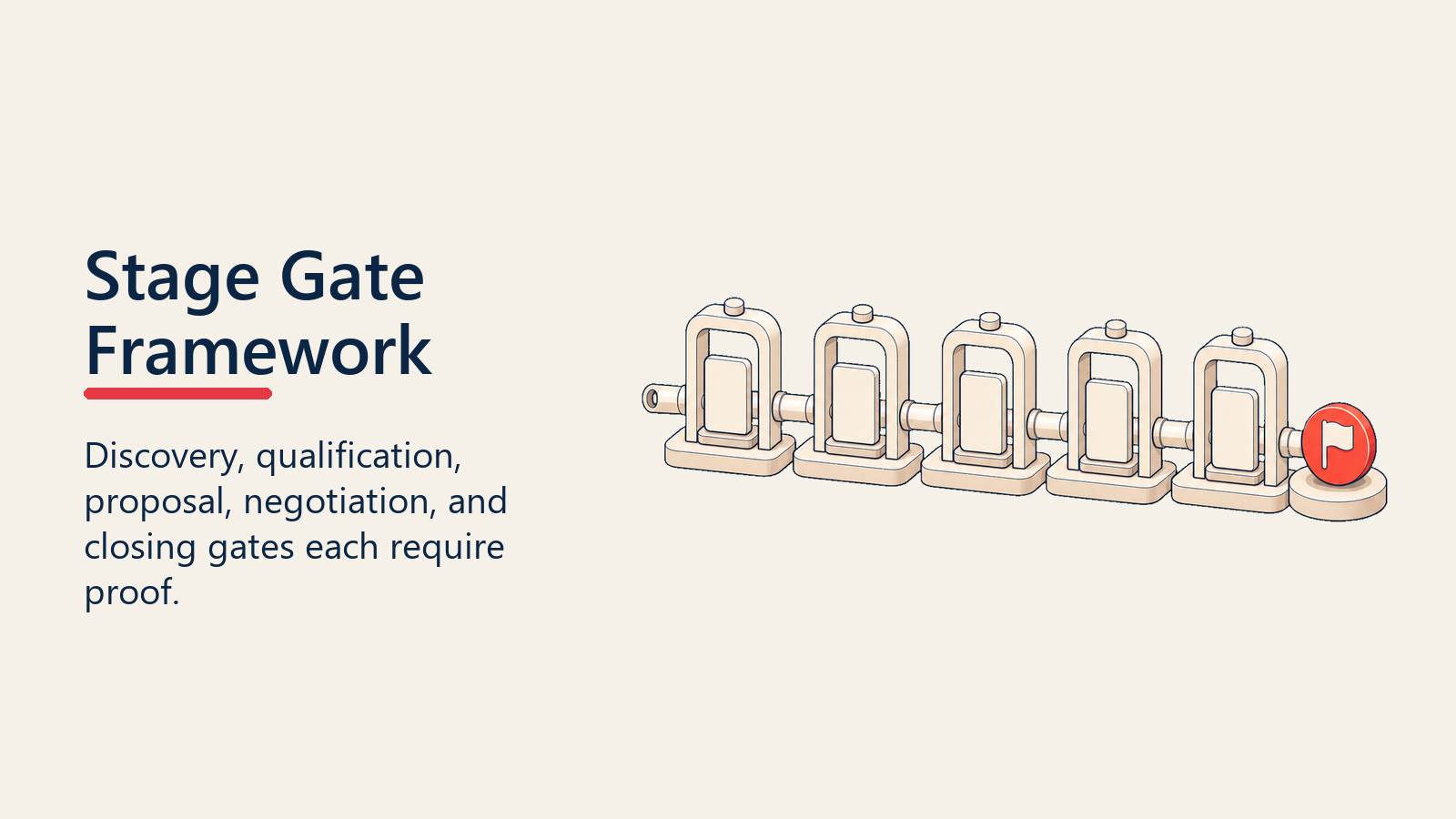
Discoveryゲート: Qualificationステージへの進行資格
エントリー基準(ディスカバリーに入るために必要なもの):
- 見込み客がideal customer profile(理想的な顧客像)に合致している(会社規模、業界、役職)
- 関連するステークホルダーとの初回接触が確立されている
- 基本フィールドがすべて入力された案件レコードがCRMに作成されている
エグジット基準(ディスカバリーを出るために必要なもの):
- 少なくとも3回の実質的な会話が完了している
- ビジネス課題やpain pointが買い手の確認を通じて検証されている
- 主要なステークホルダーが特定されている(最低限: 推進者と決裁者)
- 意思決定プロセスが話し合われている(誰が関わるか、どう決定されるか)
- タイムラインが話し合われている(暫定的であっても)
- 予算レンジが検証されている(必ずしもコミットされていなくても、現実的だと確認されている)
- 競合状況が理解されている(検討されている代替案)
- 次のステップが明確に定義され、カレンダー招待が送られている
これらの基準は、BANTフレームワークによる適格性判断のアプローチと密接に整合しています。
必要な証拠:
- 活動: 最低5回の記録されたタッチポイント(通話、ミーティング、メール)
- 成果物: CRMに入力されたステークホルダーマップ
- コミットメント: 予算確認を記録したメールまたはミーティングメモ
このゲートでよくある失格理由:
- この種のソリューションに対する予算がない
- タイムラインが12か月以上先
- 複数回試みても関連する意思決定者に到達できない
- 課題が自社のソリューション能力と合致しない
Qualificationゲート: Proposalステージへの進行
エントリー基準:
- 商談がDiscoveryゲートを通過している
- 推進者が積極的に関与し、反応が良い
エグジット基準:
- 完全なBANTまたはMEDDICの適格性判断が完了している
- Budget: 具体的なレンジ(X〜Yドル)が確認され、資金源が特定されている
- Authority: 決裁者が特定・関与しており、承認プロセスが把握されている
- Need: 買い手によってビジネスケースが言語化され、影響が定量化されている
- Timeline: 理由(会計年度末、プロジェクトローンチなど)とともに具体的な目標日が特定されている
- 推進者が検証され、複数の関係(3人以上のステークホルダーとの関係)を築いている
- 技術要件が収集・文書化されている
- 成功基準が定義されている(良い状態とは何か)
- 競合状況が理解されている(代替案を評価しているか)
- リスク要因が特定され、軽減策が計画されている
必要な証拠:
- 活動: 決裁者または意思決定委員会との最低2回のミーティング
- 成果物: CRM上で完成した適格性判断チェックリスト、要件文書
- コミットメント: スコープ、タイムライン、予算パラメータを確認するメール
このゲートでよくある失格理由:
- 複数回試みても決裁者にアクセスできない
- 予算が存在しない、または他に割り当てられている
- タイムラインが押され続けている(優先度が低いサイン)
- 要件が自社の能力と合わない
Proposalゲート: Negotiationステージへの移行
エントリー基準:
- 商談がQualificationゲートを通過している
- 買い手が正式な提案書または見積もりを要求している
エグジット基準:
- 買い手の求める形式で正式な提案書が提出されている
- 価格が提示され、話し合われている(送付しただけではない)
- 買い手が意思決定委員会とともに提案書をレビューしている
- 技術検証が完了している(POC、デモ、リファレンスコール)
- 導入計画が説明され、話し合われている
- ROIまたはビジネスケースが財務ステークホルダーとレビューされている
- 異議が表面化し、対応されている
- 口頭コミットメントへの明確な道筋が特定されている
必要な証拠:
- 活動: 意思決定者が同席した提案書レビューミーティングが完了している
- 成果物: CRMに添付された提案書、営業マネジメントによって承認された価格
- コミットメント: 提案書レビューと次のステップを確認するミーティングメモまたはメール
このゲートでよくある失格理由:
- 提案書は送付されたが、買い手がレビューミーティングを設定してくれない
- 価格が買い手の予算想定から大きく外れている
- 技術要件を満たせない
- 意思決定プロセスが停滞し、再開の目処が立たない
Negotiationゲート: Closingステージへの進行
エントリー基準:
- 商談がProposalゲートを通過している
- 買い手が進める意向を口頭で示している
エグジット基準:
- 契約条件が1行ずつ話し合われている
- 修正案(redline)と変更が文書化されている
- 価格交渉が完了している(必要であれば値引き承認を取得済み)
- 両者で法務レビューが開始されている
- 調達・購買部門が関与している
- 導入タイムラインが合意されている
- 成功基準とSLAが確定している
- 両者でエグゼクティブスポンサーが足並みを揃えている
必要な証拠:
- 活動: 契約レビューミーティングが完了し、法務担当者が関与している
- 成果物: 修正済みの契約文書、(該当する場合)値引き承認
- コミットメント: 法務レビューが進行中であることを確認する買い手からのメール
このゲートでよくある失格理由:
- 法務レビューで乗り越えられない条件が明らかになる
- 調達部門が実現不可能な要件を持ち出す
- 予算が再配分または凍結される
- エグゼクティブスポンサーが交代し、新しい担当者が評価をやり直したがる
Closingゲート: Closed-Won前の最終検証
エントリー基準:
- 商談がNegotiationゲートを通過している
- 買い手から口頭でのコミットメントを受け取っている
エグジット基準:
- 必要な当事者全員による契約書へのサインが完了している
- (該当する場合)発注書を受領している
- 支払い条件が確認され、請求プロセスが開始されている
- 導入キックオフが予定されている
- カスタマーサクセスへの引き継ぎが完了している
必要な証拠:
- 活動: 契約書が返送され、サインが確認されている
- 成果物: 完全に締結された契約書がCRMに添付されている
- コミットメント: 発注書または支払い確認を受領している
なぜClosingゲートが必要なのか。 口頭コミットメントからサインまでの間にも、商談は崩れることがあるからです。このゲートにより、実際に事務手続きが完了するまでClosed-Wonとしてマークされることがないようにします。
エントリー基準とエグジット基準: なぜ両方が重要なのか
エントリー基準とエグジット基準は、到達の証拠と進行の証拠の両方を定義することで、ステージが単なるラベルになってしまうことを防ぎます。
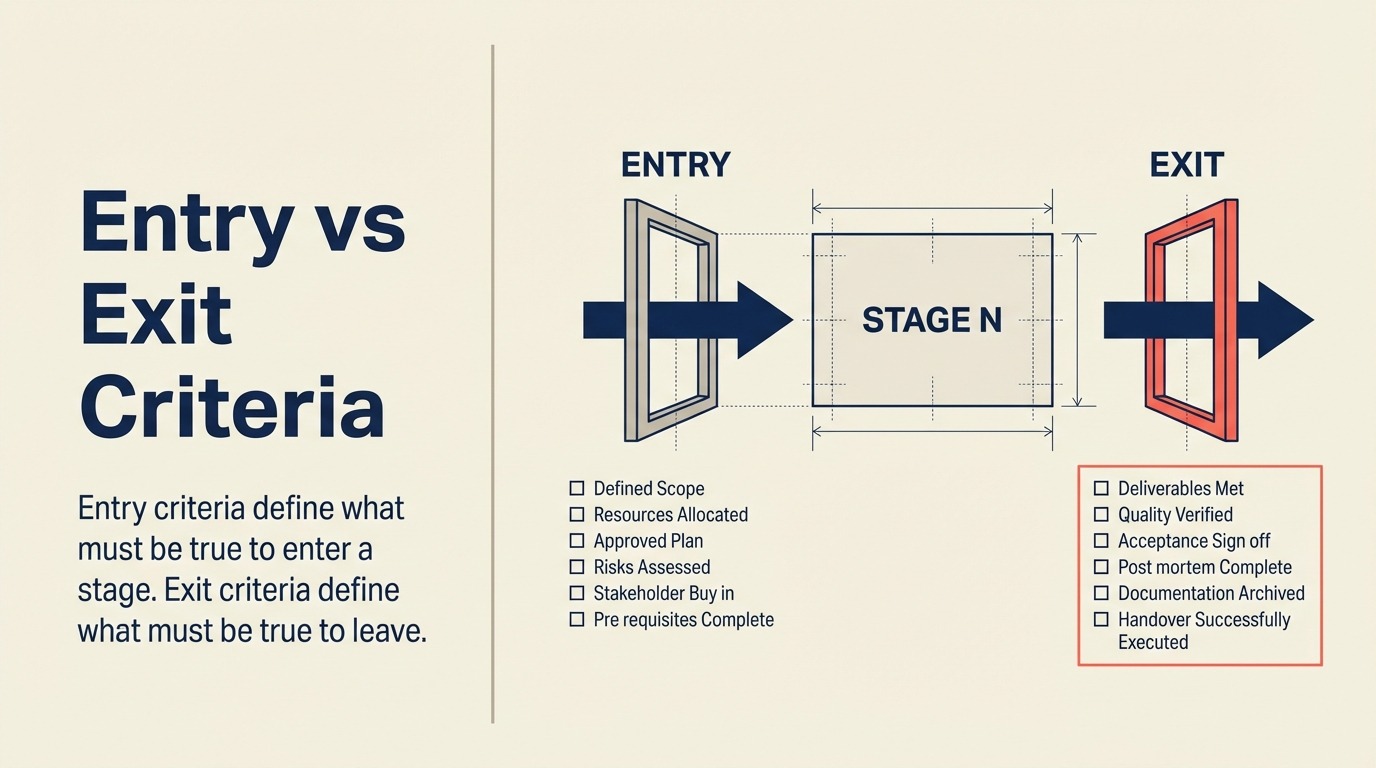
多くのパイプラインフレームワークは、あるステージを出るために必要なものであるエグジット基準にのみ焦点を当てています。これは必要ではありますが、それだけでは不十分です。
エントリー基準が重要なのは、早すぎる進行を防ぐからです。営業担当者は、見込み客が価格を尋ねたからという理由だけでDiscoveryを飛ばしていきなりProposalへ進むことはできません。エントリー基準が適切な進行を強制します。
エントリー基準は一貫性も生み出します。ある商談がQualificationに入るには特定の条件を満たす必要があると全員が知っていれば、そのステージに入る商談は似た特性を持つようになります。これによりforecastの信頼性が高まります。
エグジット基準が重要なのは、完了を定義するからです。あるステージは、時間が経ったから完了するのではありません。特定の成果が達成され検証されたから完了するのです。
エントリー基準とエグジット基準を組み合わせることで、各ステージの境界が明確に定義されます。Discoveryの商談とQualificationの商談を正確に区別できるようになり、これが正確なステージベースのforecastを可能にします。
必要な証拠: 文書化、活動、検証
証拠要件は「信じてくれ」という商談マネジメントを防ぎます。すべてのゲートは以下を明示すべきです。
CRMフィールドの入力完了: どのフィールドを入力すべきか(close date、金額、意思決定プロセス、ステークホルダー、競合状況)
活動の記録: タッチポイントは何回必要か、どんな種類か(通話、ミーティング、メール、デモ)
文書の添付: どんな成果物をアップロードすべきか(提案書、契約書、技術文書)
メモ記録の標準: 商談メモに何を文書化すべきか(ミーティングの結果、異議、コミットメント、次のステップ)
検証チェックポイント: 何がマネージャーレビューを必要とするか(値引き、特別条件、通常と異なる商談構造)
優れたオペレーションチームは、こうした要件をCRMのワークフローに組み込みます。営業担当者は、必須フィールドを入力し必要な文書を添付しない限り、商談をQualificationからProposalへ進めることができません。これはパイプラインの衛生管理の実践における中核的な要素です。
ゲートの徹底: マネージャー承認、CRM検証、自動化
基準は徹底されて初めて効果を発揮します。徹底には3つの形態があります。
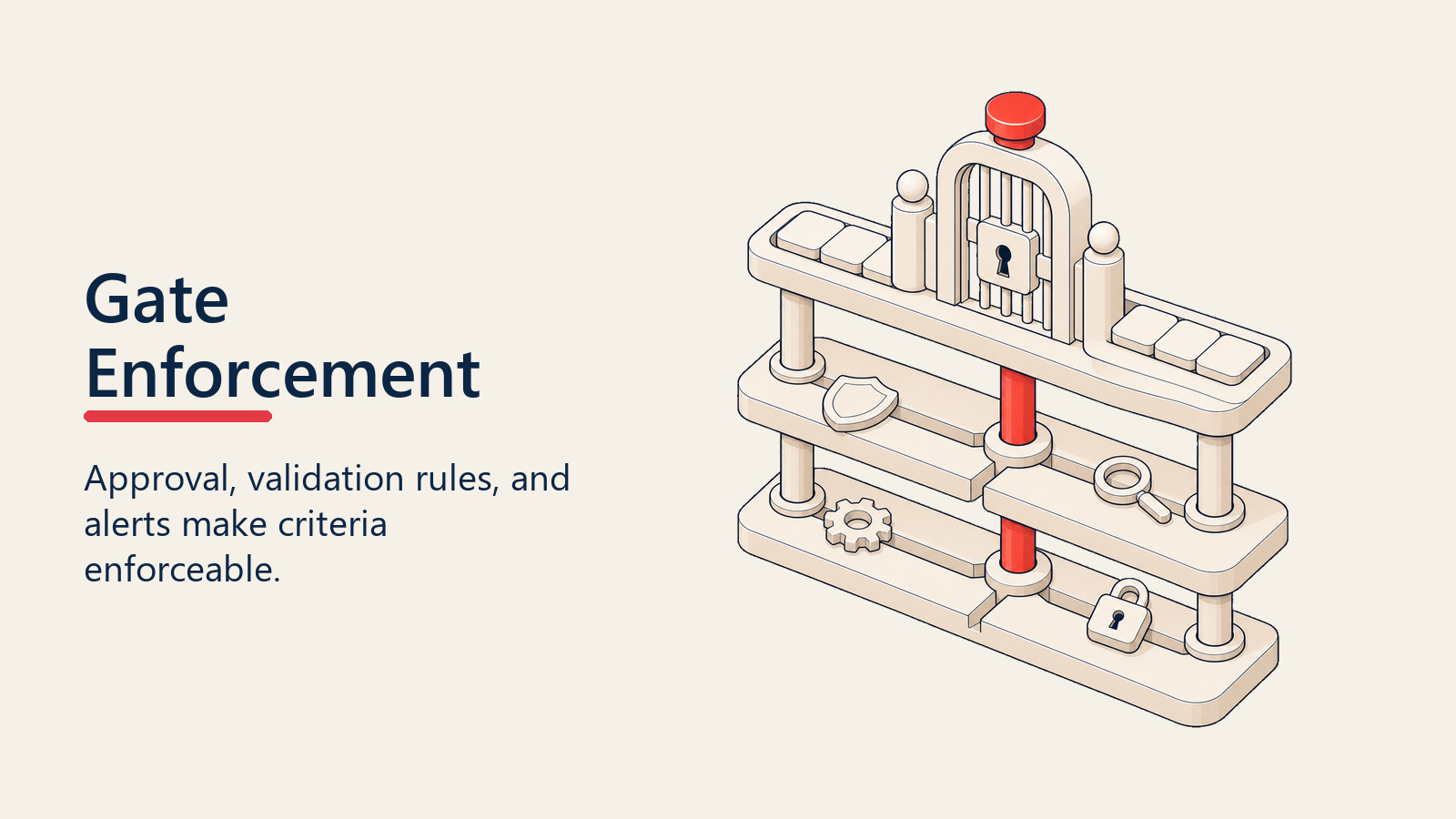
1. マネージャー承認ワークフロー
重要なゲート(通常はProposal → NegotiationとNegotiation → Closing)では、進行前にマネージャー承認を求めます。
営業担当者が商談を進めようとすると、マネージャーに通知が届きます。マネージャーは以下を確認します。
- 必須フィールドはすべて入力されているか
- 証拠は添付されているか
- 文書化された活動はこのステージ変更を裏付けているか
- 割り当てられたforecastカテゴリーに確信を持っているか
マネージャー承認は説明責任を生み出します。営業担当者は、マネージャーがレビューすると分かっていれば、不用意に商談を進めることができません。マネージャーは、各進行を明示的に承認している以上、商談状況を知らなかったとは言えません。これはまた、効果的なdeal inspectionプロセスの土台にもなります。
2. CRM検証ルール
CRMを設定し、ステージに応じた必須フィールドを徹底しましょう。Proposalステージの商談には以下が必要です。
- 金額(必須)
- close日(必須)
- 意思決定プロセス(必須)
- ステークホルダー(最低2名の連絡先)
- 競合状況(必須)
- 提案書(添付)
これらが完成していなければ、そのステージで商談を保存できません。営業担当者はそれらを完成させるか、商談を前のステージに戻す必要があります。
検証ルールは、怠惰な商談マネジメントを防ぎ、パイプラインデータの信頼性を保証します。
3. 自動化とアラート
ワークフロー自動化を使って以下を行いましょう。
- 商談がステージに長く留まりすぎている場合に営業担当者に警告する(Discoveryで7日、Qualificationで14日など)
- 高額な商談が終盤ステージに進行した際にマネージャーに通知する
- 現在のステージに必要な活動が欠けている商談にフラグを立てる
- 30日以上動きのない商談を自動的に失格とする
自動化は判断を置き換えるものではありませんが、例外を捉え、商談が見過ごされることを防ぎます。
例外管理: オーバーライドプロセスとエスカレーションパス
すべてのゲートシステムには逃げ道が必要です。通常とは異なる事情により、正当な商談でも標準基準に合わないことがあります。
例外を認めるべき場合:
- 評価サイクルが長い(12か月以上)エンタープライズ商談
- 標準的でない調達プロセスを持つ公共部門の商談
- 関係性が通常の購買プロセスに勝る戦略的な商談
- すでに適格性判断が済んでいる更新・拡張商談
例外の管理方法:
例外を文書化する: 標準基準が適用されない理由と、代わりにどのような検証が行われたかを説明するメモを求める。
適切にエスカレーションする: 終盤ゲート(Negotiation、Closing)の例外には、マネージャー承認だけでなくVP承認を求める。
例外率を追跡する: 商談の10〜15%を超えて例外になっている場合、基準自体が間違っている可能性がある。見直して調整する。
事後的に例外を検証する: 例外扱いの商談は期待通りの率で成約したか。そうでなければ、例外承認を厳格化する。
重要なのは、例外を可視化し、まれなものに留めることです。それが標準になってはいけません。
Forecast精度への影響: ゲートがどう予測可能性を高めるか
厳格なstage gateは、4つの方法でforecast精度を直接向上させます。
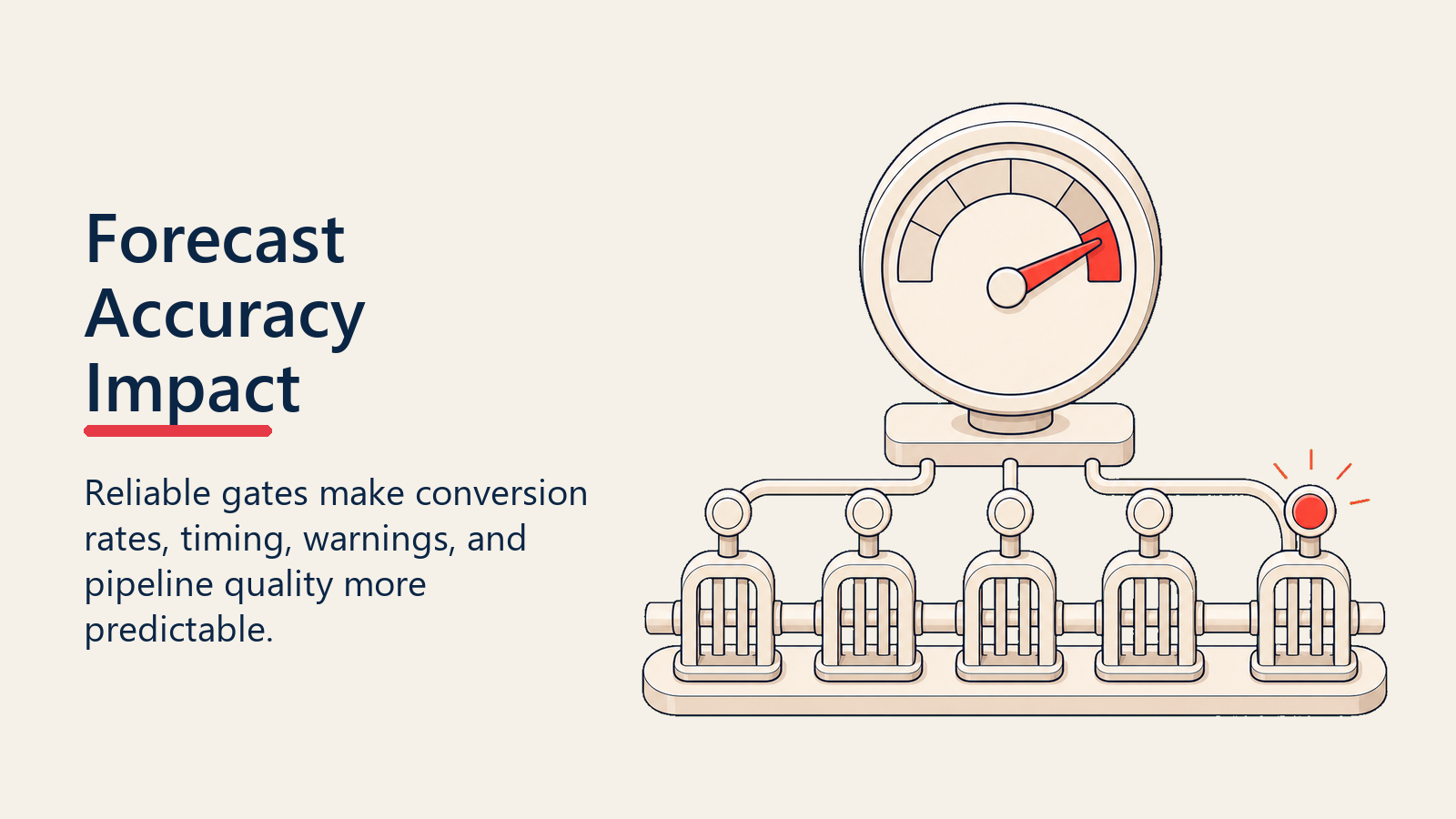
1. ステージ別forecast乗数が信頼できるようになる
Proposalステージのすべての商談が実際にProposal基準を満たしていれば、過去データに基づく「Proposalの転換率は35%」という数字を信頼できます。これは効果的なステージベースforecastingの土台です。徹底されていなければ、Proposalステージは本物の提案、初期の会話、希望的観測が入り混じったものになります。転換率には何の意味もありません。
2. 商談のタイミングが予測可能になる
ゲートはステージの所要期間に一貫性をもたらします。Discoveryは2〜3週間かかる。Qualificationは3〜4週間かかる。Proposalは2週間かかる。Negotiationは1〜2週間かかる。基準が明確であれば、現在のステージに基づいてclose日をはるかに高い精度でforecastできます。この一貫性はパイプラインvelocityの測定を直接改善します。
3. 早期警告シグナルが浮かび上がる
商談が典型的な期間を超えてステージに留まりながらエグジット基準を満たしていない場合、それは赤信号です。ゲートはこうしたフラグを可視化します。「この商談はQualificationに6週間留まっているが、いまだに決裁者とのミーティングがない」という状況は介入を促します。
4. パイプラインの質が時間とともに向上する
営業担当者は、基準を満たさないまま商談を進めると問題が生じる(マネージャーからの押し戻し、商談の遅延、停滞したforecast)ことを学びます。時間が経つにつれ、この規律を内面化していきます。予算が確認されるまで提案価格を求めなくなり、negotiationの基準が満たされるまで成約をforecastしなくなります。
この規律は複利のように積み重なります。より良いパイプラインの質はより正確なforecastにつながり、それがより信頼できる収益計画につながり、それがより賢いリソース配分につながります。ここはパイプラインコーチングが最も効果を発揮する場面でもあります。
継続的な改善: 勝敗分析と基準の更新
Stage gate criteriaは静的であるべきではありません。最も優れたオペレーションチームは、現実に基づいて継続的に基準を改善しています。
四半期ごとの勝敗分析で問うべきこと:
- closed-wonした商談は一貫してすべてのゲート基準を満たしていたか
- closed-lostした商談は、満たすべきでなかった特定のゲートを通過していたか
- どの基準が商談の結果を最もよく予測したか
- どの基準が価値を加えることなく摩擦だけを生んでいたか
- 勝ちと負けを分けた要素に基づいて追加すべき新しい基準はあるか
改善の例: 分析の結果、Discoveryステージでエグゼクティブスポンサーが関与していた商談は65%の確率で成約する一方、関与がない商談は28%しか成約しないことが分かった。Discoveryのエグジット基準を更新し、エグゼクティブスポンサーの特定を必須とする。
別の例: 6名以上が参加する技術検証コールを完了した商談は52%の確率で成約する一方、参加者の少ない検証コールを行った商談は19%しか成約しない。Proposalのエグジット基準に「6名以上のステークホルダーによる技術検証」を追加する。
目標は、基準が商談の結果をますます正確に予測できるようにすることです。この分析を失注分析と組み合わせることで、さらに深い洞察が得られます。
実装チェックリスト: Stage Gate Criteriaの展開
Stage gate criteriaを実装・改善する準備はできましたか。以下が展開プランです。
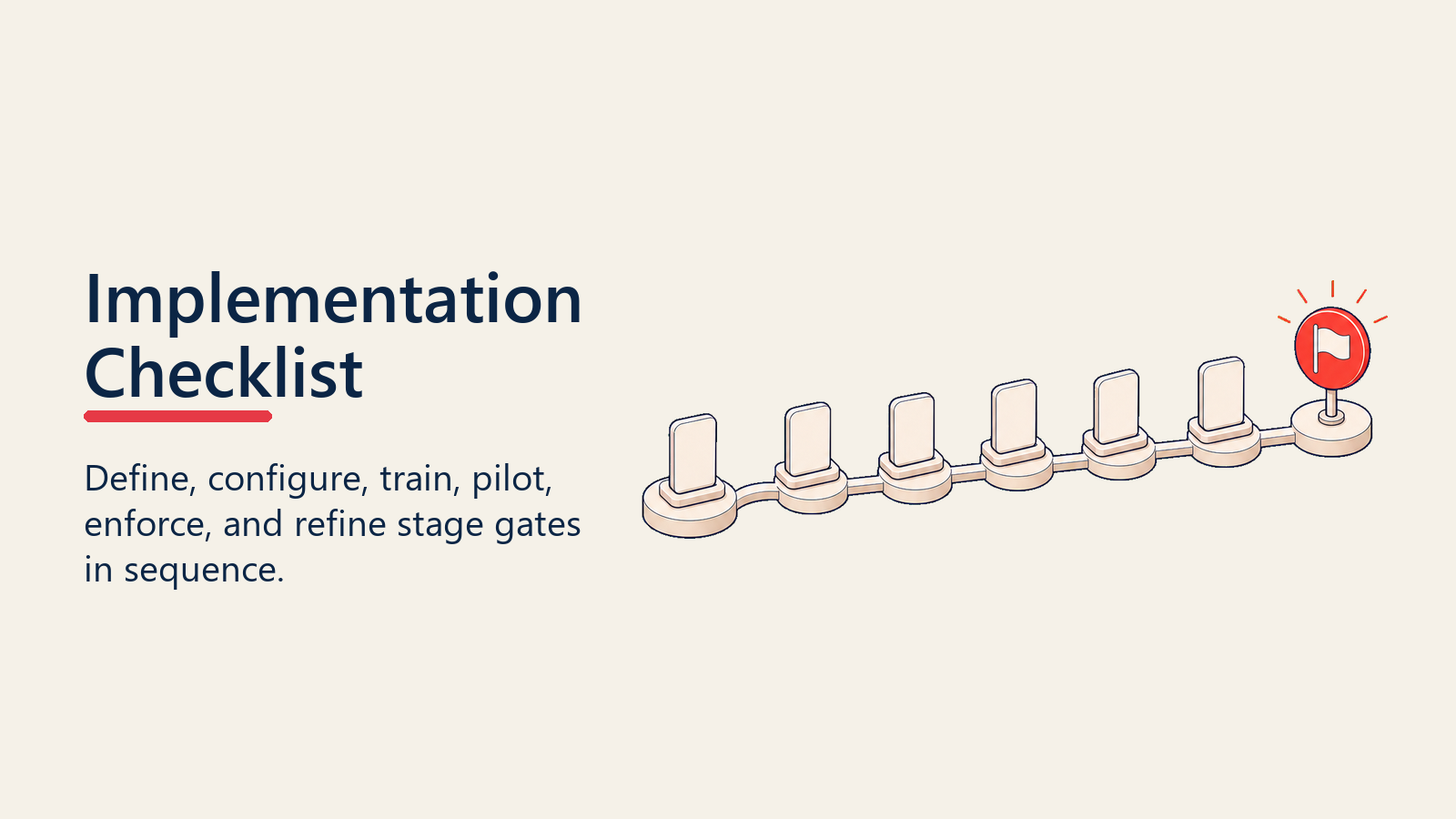
フェーズ1: 定義と文書化(1〜2週目)
- 現在のパイプラインステージを買い手のジャーニーにマッピングする
- 各ステージのエントリー基準とエグジット基準を文書化する
- 各ゲートに必要な証拠を明示する
- マネージャー承認要件を定義する
- 例外プロセスを作成する
フェーズ2: CRMの設定(3〜4週目)
- ステージ別に必須フィールドを設定する
- 必須データを徹底する検証ルールを作成する
- マネージャー承認ワークフローを構築する
- 停滞した商談へのアラートを設定する
- ゲート遵守状況を示すレポーティングダッシュボードを作成する
フェーズ3: 営業チームのトレーニング(5週目)
- 新しい基準とその理由を説明する
- 強い証拠の例を一緒に確認する
- マネージャー承認プロセスを明確にする
- 質問やエッジケースに対応する
- 遵守のタイムラインについて期待値を設定する
フェーズ4: パイロットと反復(6〜10週目)
- 遵守率をモニタリングする
- 営業チームとマネージャーからフィードバックを集める
- 摩擦のポイントを特定する
- 厳しすぎる、または緩すぎる基準を調整する
- 自動化とアラートを改善する
フェーズ5: 全面徹底(11週目以降)
- 全面徹底の開始日を発表する
- 例外を週次でレビューする
- forecast精度の改善を追跡する
- 成果を祝う(forecastの改善、クリーンなパイプライン)
- 四半期ごとの改善を継続する
結論: 品質ゲートがパイプラインの整合性を推し進める
Stage gate criteriaは官僚的な手続きではありません。希望的な会話の寄せ集めを予測可能な収益エンジンへと変える規律です。
ゲートがなければ、あなたのパイプラインは願望リストです。楽観、期限へのプレッシャー、放置によって商談が進んでいきます。ゲートがあれば、あなたのパイプラインは商談の現実を正確に反映するものになります。
最もクリーンなパイプラインと最も正確なforecastを持つ企業は、最高の営業担当者や最も人気の製品を持つ企業ではありません。最高のstage gateの規律を持つ企業です。
明確な基準を設定する。証拠を求める。進行を徹底する。結果に基づいて改善する。
それが、forecastの当てずっぽうをforecastの科学へと変える方法です。
パイプラインの規律を築く準備はできましたか。 パイプラインステージの設計とopportunityのエントリー基準が、効果的なstage gateの土台をどう作るかをご覧ください。
さらに詳しく

On this page
- Stage Gateとは何か
- なぜStage GateがForecastの混乱を防ぐのか
- ゲート設計の原則: 何が基準を効果的にするか
- 1. 客観的で測定可能であること
- 2. 買い手中心の検証であること
- 3. 証拠に基づく進行であること
- 4. 営業活動の検証
- ステージ別ゲート基準: 包括的なフレームワーク
- Discoveryゲート: Qualificationステージへの進行資格
- Qualificationゲート: Proposalステージへの進行
- Proposalゲート: Negotiationステージへの移行
- Negotiationゲート: Closingステージへの進行
- Closingゲート: Closed-Won前の最終検証
- エントリー基準とエグジット基準: なぜ両方が重要なのか
- 必要な証拠: 文書化、活動、検証
- ゲートの徹底: マネージャー承認、CRM検証、自動化
- 1. マネージャー承認ワークフロー
- 2. CRM検証ルール
- 3. 自動化とアラート
- 例外管理: オーバーライドプロセスとエスカレーションパス
- Forecast精度への影響: ゲートがどう予測可能性を高めるか
- 1. ステージ別forecast乗数が信頼できるようになる
- 2. 商談のタイミングが予測可能になる
- 3. 早期警告シグナルが浮かび上がる
- 4. パイプラインの質が時間とともに向上する
- 継続的な改善: 勝敗分析と基準の更新
- 実装チェックリスト: Stage Gate Criteriaの展開
- 結論: 品質ゲートがパイプラインの整合性を推し進める
- さらに詳しく