Pipelineステージ設計: 収益進行フレームワークの構築
Turn this article into takeaways for your work.


Each assistant summarizes the article only for you and suggests best practices for your work.
厳しい真実をお伝えします。ほとんどのPipelineステージは茶番です。
それらは買い手が実際に達成したことではなく、営業チームが何をしたかにちなんで名付けられています。「デモ実施済み」「提案書送付済み」「交渉中」といった具合です。だからこそforecastは常に30〜40%も外れ、セールスサイクルは予測不能で、revenue operationsは制御された混沌のように感じられるのです。
revenue operationsを担っている、あるいは予測可能な営業の仕組みを構築しようとしているなら、これだけは理解しておく必要があります。Pipelineステージは単なるCRM上のラベルではなく、forecastシステム全体を支える基盤です。正確なforecastを出せる企業と、常に目標未達に終わる企業との違いは何でしょうか。それは、ステージ設計にどれだけ厳密に取り組んでいるかです。
Pipelineステージはなぜ失敗するのか
優れたステージ設計について話す前に、なぜほとんどのpipelineが失敗するのかを診断していきましょう。
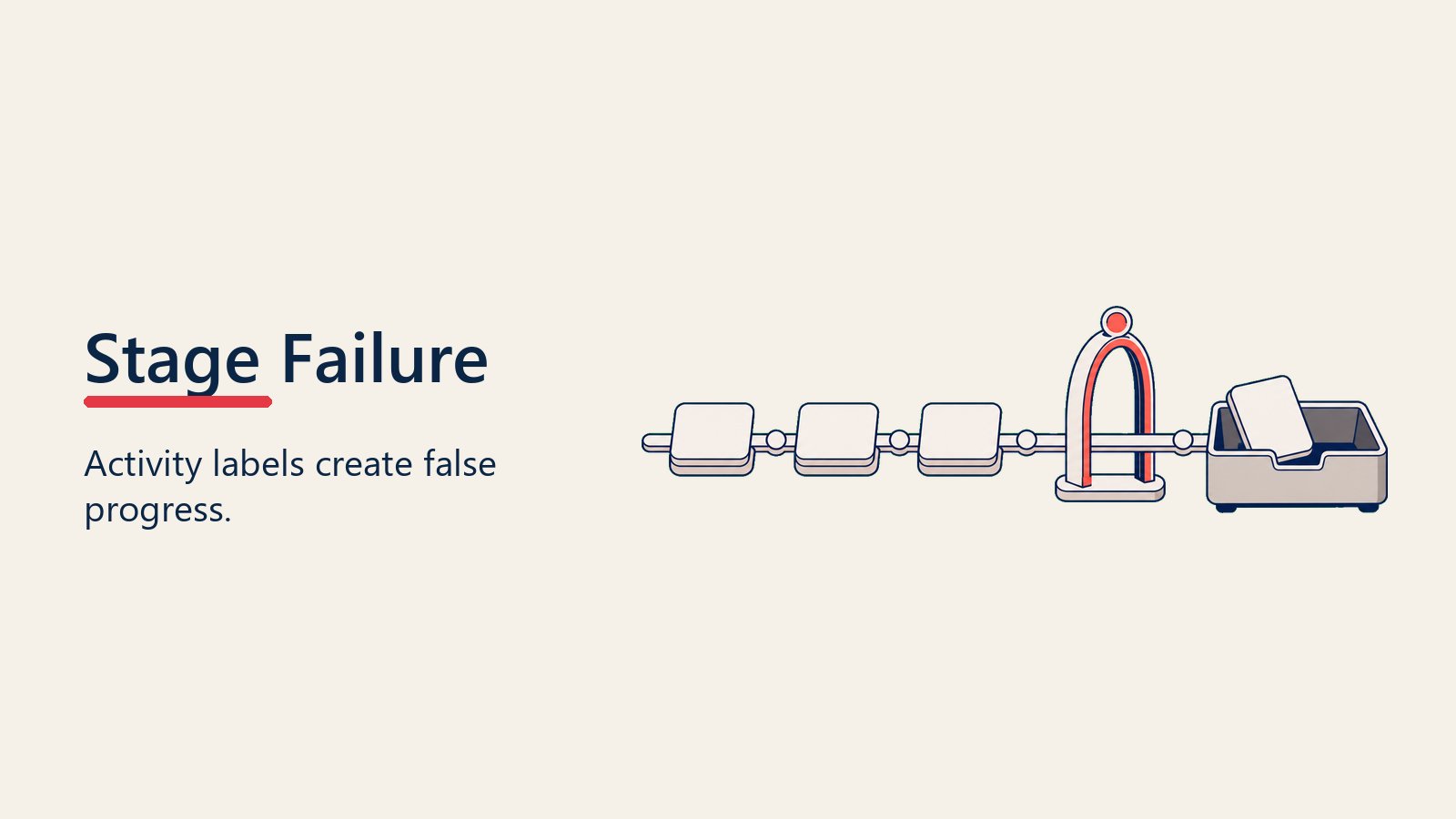
アクティビティの罠: 「デモ完了」や「提案書送付済み」といった名前のステージは、買い手のコミットメントではなく営業担当者の活動を追跡しているにすぎません。担当者が提案書を送った、それは結構です。しかし買い手はそれを読みましたか。意思決定者に共有しましたか。次のステップに合意しましたか。活動ベースのステージは、見せかけの進行を生み出します。
ブラックボックス問題: 60日間も続く「評価中」や「協議中」といったステージは、何も語ってくれません。そのブラックボックスの中で何が起きているのでしょうか。買い手は社内合意を形成しているのか、それとも商談は音信不通になっているのか。曖昧なステージは現実を覆い隠します。
確率のフィクション: 「ファネルの中間あたりに感じるから」という理由で「提案書送付済み」に50%の確率を割り当てると、体系的に誤ったforecastが生まれます。確率は、なんとなくしっくりくる恣意的なパーセンテージではなく、各ステージの過去のwin rateを反映すべきです。正確なforecastを出すには、確率モデリングを理解することが欠かせません。
退出基準なし問題: 明確な退出基準がなければ、商談はエビデンスではなく楽観に基づいて進んでしまいます。「いい感じの電話だった」が、確率を20%から60%に引き上げる根拠になってしまうのです。希望は戦略ではありません。
その結果は何でしょうか。水増しされたpipeline、外れるforecast、そして目にしている数字を信用できない経営陣です。
効果的なステージ設計の5つの原則
効果的なステージ設計は、買い手のエビデンス、明確な退出基準、一貫した定義を用いることで、pipelineの動きに意味を持たせます。
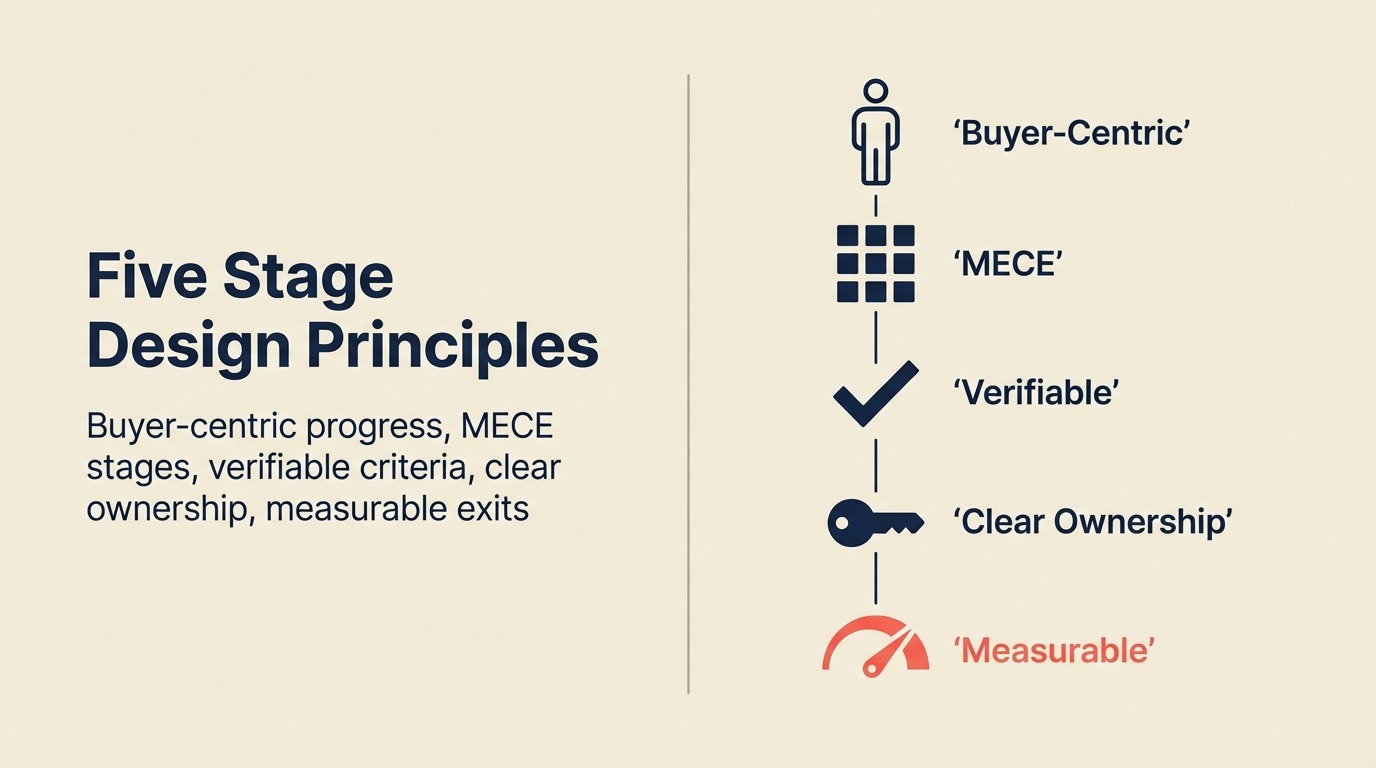
優れたpipelineステージには、5つの中核となる設計原則があります。
1. 買い手中心の進行(営業側の活動ではなく)
ステージは、あなたが何をしたかではなく、買い手が何を達成したかを反映すべきです。
悪い例: 「デモ実施済み」 良い例: 「ソリューション検証済み」(買い手がフィットを確認)
悪い例: 「提案書送付済み」 良い例: 「ビジネスケースレビュー済み」(買い手がstakeholderとROIを評価)
悪い例: 「契約書送付済み」 良い例: 「最終承認待ち」(買い手が調達プロセスへのコミットを表明)
この、活動から成果への転換が、すべてを変えます。チームは商談を先に進める前に買い手の確認を得なければなりません。見せかけの進行はなくなります。そしてforecastは、営業側の希望的観測ではなく買い手のコミットメントに基づくものになります。
2. MECE: 相互排他的かつ網羅的
どの商談も、ある時点では必ず1つのステージにのみ属するべきです。重複も抜け漏れもあってはなりません。
相互排他的とは、商談が「ニーズ分析」と「提案書レビュー」に同時に存在できないことを意味します。各ステージには、明確に異なる参入基準と退出基準があります。
網羅的とは、あらゆる商談の状態に対応するステージが必ず存在することを意味します。どこにも当てはまらない商談があってはいけません。
この原則によって、レポーティングはクリーンに保たれ、forecastは正確になり、ステージの進行は論理的なものになります。
3. 観測可能かつ検証可能であること
商談をレビューする誰もが、客観的なエビデンスに基づいて現在のステージを検証できるべきです。
検証不可: 「買い手は関心を持っている」 検証可能: 「買い手が技術要件文書を共有した」
検証不可: 「意思決定者が関与している」 検証可能: 「経済的決裁者がデモに参加し、評価基準を定義した」
検証不可: 「商談は進行中である」 検証可能: 「買い手が社内ビジネスケースレビューを[具体的な日付]に設定した」
観測可能なステージはアカウンタビリティを生み、サンドバッギングをなくします。マネージャーは勘ではなくエビデンスに基づいて商談の健全性を評価できます。
4. 測定可能な進行
各ステージには、次のステージへのコンバージョン率、平均滞在期間、そのステージからの受注確率という定量化可能な指標があるべきです。
運用開始から6〜12か月が経てば、次のことが分かっているはずです。
- 「ソリューション検証済み」の商談のうち40%が「ビジネスケースレビュー済み」に転換する
- 「ビジネスケースレビュー済み」での平均滞在期間は18日である
- 「最終承認」に到達した商談は85%の確率でクローズする
このデータによって正確なforecastが可能になり、pipelineのボトルネック分析を通じてボトルネックを発見でき、プロセスのどこを改善すべきかが見えてきます。
5. 実行可能な次のステップ
すべてのステージは、営業チームにとって明確な次のアクションを示唆するものであるべきです。
商談が「ニーズ分析」にある場合、担当者はstakeholderへのインタビューを設定し、ペインポイントを文書化し、意思決定プロセスをマッピングすべきだと分かります。
商談が「最終承認」に到達したら、担当者は法務と連携し、オンボーディング資料を準備し、キックオフコールを設定すべきだと分かります。
実行可能なステージは、pipelineを単なる追跡システムではなく、playbookへと変えます。
セールスモーションごとの一般的なステージパターン
トランザクション型、エンタープライズ型、チャネル型、エクスパンション型の商談はそれぞれ異なる動き方をするため、ステージパターンはセールスモーションに合わせる必要があります。
セールスモーションが異なれば、必要なステージ構成も異なります。ここでは、実際に機能するパターンを紹介します。
シンプルなB2B(4〜5ステージ)
最適なケース: 30〜90日のサイクルを持つ、単一の意思決定者または小規模な購買委員会による、シンプルなB2B営業。
ステージ:
- クオリファイド(20%): 買い手が予算・決裁権・ニーズ・導入時期(BANT)を確認済み
- ニーズ分析(40%): 買い手がペインポイントと成功基準を文書化済み
- 提案書レビュー(60%): 買い手がROIを評価し、選択肢を比較中
- 交渉(80%): 条件が確定に向かい、契約書は法務レビュー中
- クローズ(受注/失注)(100%/0%): 商談の結果
滞留日数: 21 / 14 / 14 / 10
このパターンは、意思決定プロセスが明確でstakeholderの複雑さが限定的な、ミッドマーケットの商談に適しています。
複雑なエンタープライズ(6〜8ステージ)
最適なケース: 90〜180日以上のサイクル、複数のstakeholder、技術検証、調達、セキュリティレビューを伴うエンタープライズ営業。
ステージ:
- 商談クオリファイド済み(10%): 経済的決裁者が関与し、予算が確認済み
- ディスカバリー完了(20%): 買い手が要件と成功指標を文書化済み
- 技術検証(30%): 買い手の技術チームがソリューションのフィットを検証済み
- ビジネスケース承認済み(50%): 経済的決裁者がROIを承認し、社内合意を確保済み
- 調達レビュー(70%): 買い手の調達部門が関与し、契約交渉が開始
- セキュリティ/法務レビュー(80%): セキュリティ質問票が承認され、法務が条件をレビュー中
- 最終承認(90%): すべての承認が確保され、署名待ち
- クローズ(受注/失注)(100%/0%)
滞留日数: 30 / 21 / 21 / 14 / 14 / 10 / 7
複雑なエンタープライズ商談では、マルチスレッドの検証プロセスを追跡し、停滞を早期に発見するために、きめ細かなステージが必要です。こうした商談には、MEDDICフレームワークがクオリフィケーションに一段と厳密さをもたらします。
Product-Led Growth(3〜4ステージ)
最適なケース: ユーザーがセルフサーブのtrialから始まり、有料プランへの転換やエンタープライズへのアップグレードへと進むPLGモーション。
ステージ:
- Trialアクティブ(20%): ユーザーが登録し、主要機能を有効化済み
- エクスパンション機会(50%): ユーザーが購入意欲を示した(利用量の閾値到達、営業へのコール依頼)
- 購入決定(75%): 買い手が価格と条件をレビュー中
- クローズ(受注/失注)(100%/0%)
滞留日数: 14 / 10 / 7
PLGのpipelineは、従来のディスカバリーやデモのプロセスよりも、プロダクトのエンゲージメントシグナルと購入意欲に重点を置きます。
トランザクション型/SMB(2〜3ステージ)
最適なケース: 短いサイクル(7〜30日)と迅速な意思決定プロセスを伴う、高速でロータッチな営業。
ステージ:
- クオリファイド(30%): 買い手がニーズと予算を確認済み
- 提案書送付済み(70%): 買い手が契約書をレビュー中
- クローズ(受注/失注)(100%/0%)
滞留日数: 7 / 5
トランザクション型のpipelineは、詳細な進行トラッキングよりもスピードを優先します。ステージ数が少ないほど、商談の流れは速くなり、事務負担も軽くなります。
ステージの構成要素: すべてのステージに必要なもの
すべてのステージには、参入基準、退出基準、必要なエビデンス、担当者への期待事項、forecastの扱い方が必要です。
pipeline内の各ステージには、次の7つの要素を含めるべきです。
1. ステージ名
活動ではなく進行を反映する、明確で買い手中心の名前。
例: 「ビジネスケース承認済み」(「提案書送付済み」ではなく)
2. 参入基準
商談がこのステージに入るためには、何が起きている必要があるでしょうか。具体的かつ検証可能であることが大切です。
「ビジネスケース承認済み」の例:
- 経済的決裁者がROI分析を承認した
- チャンピオンが社内のビジネスケースをstakeholderに共有した
- 買い手が調達部門または法務との次のステップを設定した
3. 退出基準
次のステージに進むためには、何が起きている必要があるでしょうか。これにより、見せかけの前進を防ぎます。
「ビジネスケース承認済み」の例:
- 買い手が調達プロセスを開始した
- 契約書が法務レビューに送付された
- 調達担当者がアサインされ、関与している
4. 主要なアクティビティ
商談がこのステージにある間、営業チームは何をすべきでしょうか。
「ビジネスケース承認済み」の例:
- 買い手の調達チームと連携する
- 契約書とセキュリティ質問票を準備する
- 法務レビューのキックオフを設定する
- stakeholderの承認を文書化する
5. 成功指標
このステージにおける、定量化可能なパフォーマンス指標。
「ビジネスケース承認済み」の例:
- 次のステージへのコンバージョン率: 65%
- 平均滞在期間: 12日
- このステージからのwin rate: 55%
6. 確率(%)
過去データに基づく、このステージからの受注確率。
例: 50%(過去のwin rateからキャリブレーション)
7. 滞留日数
停滞とフラグ付けされるまでに、商談がこのステージに留まっていられる最大期間。
例: 18日(平均+標準偏差1.5倍に基づく)
ステージをここまで完全に定義すれば、すべてが明確になります。担当者は商談を前進させるために何が必要かを理解できます。マネージャーは商談の健全性を客観的に評価できます。
ステージ確率の設定: キャリブレーションプロセス
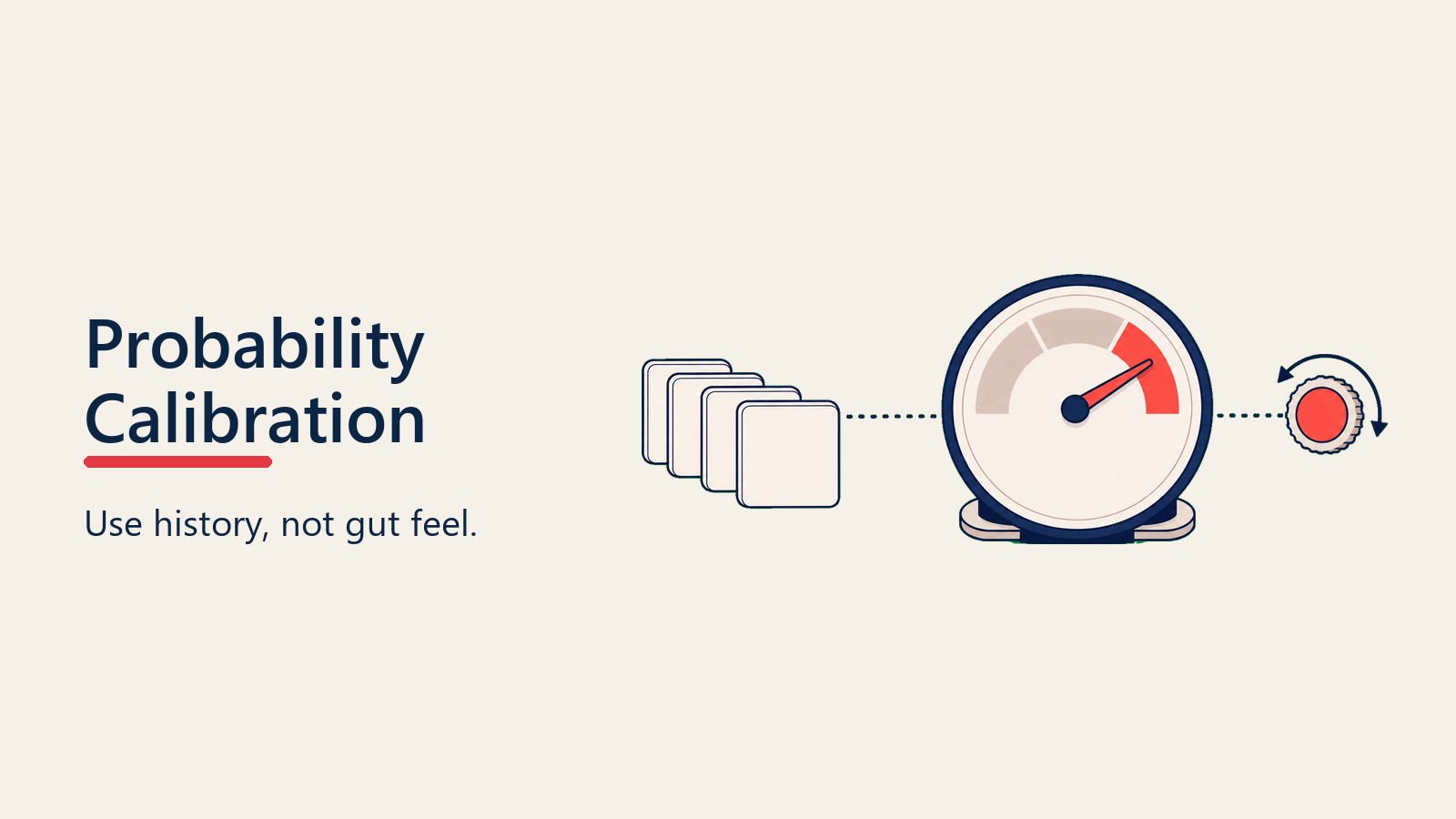
確率のパーセンテージを割り当てることは、恣意的な作業ではありません。データドリブンなキャリブレーションです。
ステップ1: 過去のWin Rate分析
過去6〜12か月にクローズした商談(受注・失注の両方)を抽出します。各ステージについて、次を計算します。
ステージwin rate = (そのステージからの受注商談数) / (そのステージに到達した商談の総数)
例:
- 100件の商談が「ビジネスケース承認済み」に到達した
- 50件が受注した
- ステージwin rate: 50%
これが、そのステージのベースライン確率になります。
ステップ2: Weighted Pipelineへの影響
確率は、weighted pipelineの金額を決定します。「ビジネスケース承認済み」に100万ドル(確率50%)ある場合、weighted pipelineは50万ドルになります。
このWeighted pipelineは、全ステージを集計したときに、実際のクローズ済み収益をおおむね予測できるはずです。もしweighted pipelineが常に実際のクローズより40%高い水準で推移しているなら、確率が水増しされています。
ステップ3: 時間をかけたキャリブレーション
四半期ごとに、次をレビューします。
- weighted pipelineと実際のクローズを比較する
- 体系的な乖離があれば確率を調整する
- ステージ間のコンバージョン率を追跡し、変化を特定する
ステップ4: よくある確率パターン
ほとんどのB2Bのpipelineは、次のような範囲に従います。
- アーリーステージ(クオリファイド、ディスカバリー): 10〜30%
- ミッドステージ(ニーズ分析、提案書): 40〜60%
- レイトステージ(交渉、最終承認): 70〜90%
- 受注: 100%
- 失注: 0%
これらを線形(各ステージ+20%)にしないでください。各ステージの実際のwin rateに基づいて設定します。検証のマイルストーンでは大きなジャンプが、長引く評価フェーズでは小さなジャンプが見られることがよくあります。
滞留日数: 停滞した商談にフラグを立てる
滞留日数は、停滞アラートが発動するまでに商談があるステージに留まっていられる期間を定義します。
目的
行き詰まっている、忘れられている、あるいは介入なしには進みそうにない商談を特定すること。
設定方法
各ステージでの平均滞在期間を計算し、そこに標準偏差の1〜1.5倍を加えて閾値を設定します。
例:
- 「提案書レビュー」での平均滞在期間: 12日
- 標準偏差: 4日
- 滞留日数: 12 + (1.5 × 4) = 18日
「提案書レビュー」に18日間留まると、その商談はレビュー対象としてフラグが立てられます。
ステージ別の典型的な範囲
アーリーステージ: 14〜30日(ディスカバリー、ニーズ分析) ミッドステージ: 10〜21日(提案書、ビジネスケース) レイトステージ: 5〜14日(交渉、最終承認)
後半のステージほど、勢いが重要になるため滞留日数は短く設定すべきです。「最終承認」に20日間も留まっている商談は、単に時間がかかっているのではなく、停滞している可能性が高いのです。
自動化トリガー
商談が滞留日数を超えた場合:
- 担当者とマネージャーに通知する
- 更新されたクローズ予定日または次のステップの提示を求める
- pipeline reviewでフラグを立てる
- 進行を示すエビデンスがなければ、必要に応じて商談を前のステージに差し戻す
滞留日数は、pipelineをクリーンに保ち、サンドバッギングされた商談がforecastを狂わせるのを防ぎます。これは、商談エイジング管理における重要な要素です。
避けるべきステージ設計のミス
経験豊富なオペレーションチームでさえ、次のようなミスを犯します。
ミス1: ステージが多すぎる
症状: 区別が曖昧な10以上のステージ コスト: 事務負担の増大、混乱、ステージの飛ばし 改善策: 意味のある買い手の進行マイルストーンを表す4〜7ステージに統合する
ミス2: ステージが少なすぎる
症状: 複雑な120日のセールスサイクルに対してわずか2〜3ステージ コスト: 商談の健全性が見えない、ボトルネックを特定できない 改善策: 主要な検証ポイント(技術承認、ビジネスケース、調達)にステージを追加する
ミス3: 活動ベースのステージ
症状: 「デモ予定」「提案書送付済み」「フォローアップコール」といったステージ コスト: 見せかけの進行、水増しされたforecast、買い手による検証の欠如 改善策: 「ソリューション検証済み」「ビジネスケースレビュー済み」のように、買い手の成果を軸に再構成する
ミス4: 一貫性のない確率
症状: 同じステージにある類似した2つの商談に、大きく異なる確率が設定されている コスト: 信頼できないweighted pipeline、一貫性のないforecast 改善策: ステージごとに確率を標準化し、過去のwin rateに合わせてキャリブレーションする
ミス5: 退出基準がない
症状: 商談が担当者の裁量や経過時間に基づいて進んでしまう コスト: 楽観バイアス、サンドバッギング、不正確なforecast 改善策: すべてのステージに客観的な退出基準を定義する
ミス6: 線形な確率の進行
症状: 各ステージがちょうど20%ずつ増加する(20%、40%、60%、80%) コスト: 実際のコンバージョンのダイナミクスを反映していない 改善策: ステージ固有の過去のwin rateに基づいて確率を設定する
テストと改善: 実際にどう導入するか
新しいステージを初日から全社展開してはいけません。まずテストし、その後で改善しましょう。
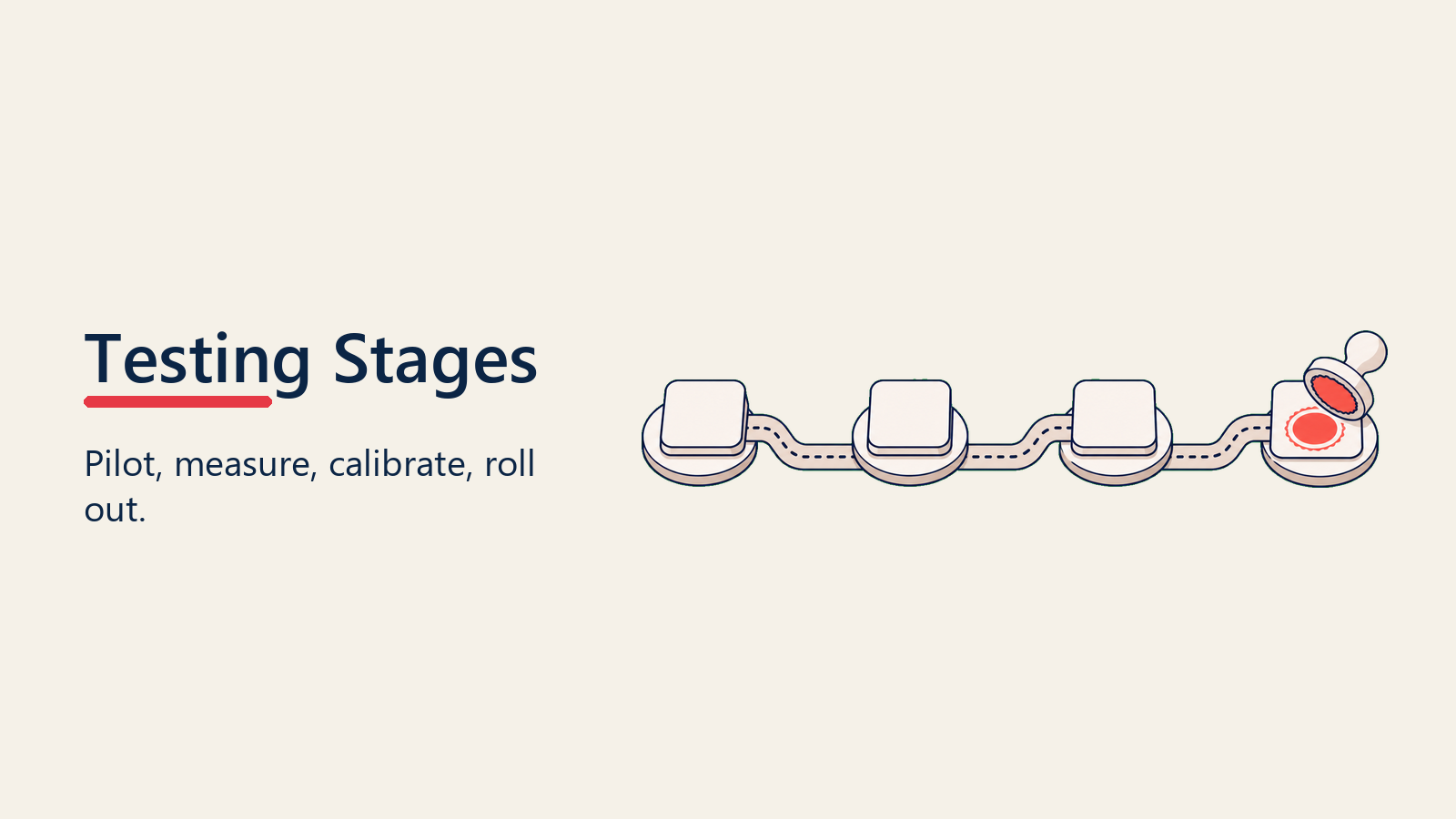
フェーズ1: パイロット期間(30日)
- 2〜3の営業チームまたはセグメントを選定する
- 新しいステージ定義を導入する
- 参入・退出基準についてトレーニングする
- 明確さと使いやすさについてフィードバックを収集する
フェーズ2: コンバージョン率分析(60日)
- ステージ間のコンバージョン率を追跡する
- 商談が停滞するボトルネックを特定する
- 各ステージの平均滞在期間を測定する
- 各ステージからのwin rateを計算する
フェーズ3: 確率のキャリブレーション(90日)
- weighted pipelineと実際のクローズを比較する
- win rateのデータに基づいて確率を調整する
- キャリブレーション済みモデルでforecastの精度をテストする
フェーズ4: 継続的な調整(継続中)
- ステージ指標の四半期レビュー
- チームのフィードバックに基づく参入・退出基準の改善
- セールスモーションの進化に合わせた確率の再キャリブレーション
フェーズ5: 全社展開
- ステージ定義に関する全社トレーニング
- レポーティングおよびforecastツールとの統合
- 明確なドキュメントとplaybook
この反復的なアプローチにより、問題を早期に発見でき、全社的な変革を強制する前にチームの賛同を得られます。
特殊ステージ: 線形なpipelineの先へ
ほとんどのpipelineには、非線形なステージが必要です。
受注(100%)
目的: 顧客に転換した商談 要件: 契約署名済み、支払条件確認済み、オンボーディング設定済み トラッキング項目: 収益額、クローズ日、セールスサイクルの長さ
失注(0%)
目的: 転換しなかった商談 必須要件: 失注理由の分類
- 予算制約
- タイミングが合わなかった
- 競合を選択した
- 意思決定がなされなかった
- ソリューションが合わなかった
適切な失注商談分析は、プロダクト、価格設定、競合ポジショニングの改善を後押しします。
保留/延期(可変%)
目的: 将来的な関心は確認できているが、現在は積極的に進行していない商談 用途例: 買い手がQ3でのフォローアップを希望した、次年度まで予算が凍結されている 確率: 不確実性を反映して10〜20%に設定 自動化: フォローアップタスクを設定し、定められた期間内に再検討する
アンクオリファイド(0%)
目的: クオリフィケーション基準を満たさないlead 用途例: ICPに合致しない、予算がない、学生によるリサーチ、競合による情報収集 メリット: pipelineをクリーンに保ち、lead品質のより良い分析を可能にする
これらの特殊ステージにより、すべての商談に居場所ができ、pipelineの雑然さを防げます。
ドキュメント要件: ステージを運用可能にする
ステージ定義は、opsチームだけが読むスプレッドシートに眠っているだけでは意味がありません。次の方法で運用に組み込みましょう。
1. ステージ定義ドキュメント
すべてのステージについて、7つの構成要素をすべて含む完全なリファレンス。共有ナレッジベースで公開します。
2. Sales Playbook
ステージごとのplaybookで、次を詳述します。
- 商談がこのステージに入ったときに何をすべきか
- 尋ねるべき重要な質問
- よくある反論とその対応
- 利用可能なリソースとツール
- 成功パターンと危険信号
3. Sales Enablementトレーニング
次を扱うオンボーディングモジュール。
- なぜステージが買い手中心であるべきか
- 各ステージの参入基準と退出基準
- 正確なforecastのためのステージの使い方
- 正しいステージの使い方と誤った使い方の例
4. CRM統合
- CRM内のステージのドロップダウンが定義と正確に一致している
- 必須項目によって退出基準が担保されている
- ステージ変更に基づく自動化トリガー
- ステージ別のレポートとdashboard
5. Pipeline Reviewテンプレート
ステージ別に構成された、マネージャーとの1on1テンプレート。
- 各ステージにある商談
- 現在のステージを裏付けるエビデンス
- 前進のための次のステップ
- リスクとblocker
これらのテンプレートは、効果的なPipeline Reviewの基盤を形成します。ドキュメント化によって、ステージ設計は理論から、チームが実際に毎日使うものへと変わります。
結論: 収益アーキテクチャとしてのステージ
Pipelineステージは、見た目だけのラベルではありません。それは、revenue operations全体の基盤です。
うまく設計されたステージ、すなわち買い手中心で、MECEで、観測可能で、測定可能で、実行可能なステージは、正確なforecast、効率的な商談進行、データドリブンな最適化をもたらします。
設計の甘いステージ、すなわち活動ベースで、曖昧で、恣意的なステージは、見せかけの自信、水増しされたpipeline、目標未達を生み出します。
収益目標を安定的に達成する企業と、常に未達に終わる企業との違いは何でしょうか。それは、ステージにどれだけ厳密であるかです。
これを正しく行えば、forecastは予測可能になります。誤れば、あなたは何も見えないまま飛んでいるようなものです。
厳密なステージフレームワークを構築する準備はできていますか。 ステージゲート基準がどのように客観的な進行を担保するか、そして商談進行管理がどのように商談を効率的に動かし続けるかをご覧ください。
関連記事

On this page
- Pipelineステージはなぜ失敗するのか
- 効果的なステージ設計の5つの原則
- 1. 買い手中心の進行(営業側の活動ではなく)
- 2. MECE: 相互排他的かつ網羅的
- 3. 観測可能かつ検証可能であること
- 4. 測定可能な進行
- 5. 実行可能な次のステップ
- セールスモーションごとの一般的なステージパターン
- シンプルなB2B(4〜5ステージ)
- 複雑なエンタープライズ(6〜8ステージ)
- Product-Led Growth(3〜4ステージ)
- トランザクション型/SMB(2〜3ステージ)
- ステージの構成要素: すべてのステージに必要なもの
- 1. ステージ名
- 2. 参入基準
- 3. 退出基準
- 4. 主要なアクティビティ
- 5. 成功指標
- 6. 確率(%)
- 7. 滞留日数
- ステージ確率の設定: キャリブレーションプロセス
- ステップ1: 過去のWin Rate分析
- ステップ2: Weighted Pipelineへの影響
- ステップ3: 時間をかけたキャリブレーション
- ステップ4: よくある確率パターン
- 滞留日数: 停滞した商談にフラグを立てる
- 目的
- 設定方法
- ステージ別の典型的な範囲
- 自動化トリガー
- 避けるべきステージ設計のミス
- ミス1: ステージが多すぎる
- ミス2: ステージが少なすぎる
- ミス3: 活動ベースのステージ
- ミス4: 一貫性のない確率
- ミス5: 退出基準がない
- ミス6: 線形な確率の進行
- テストと改善: 実際にどう導入するか
- フェーズ1: パイロット期間(30日)
- フェーズ2: コンバージョン率分析(60日)
- フェーズ3: 確率のキャリブレーション(90日)
- フェーズ4: 継続的な調整(継続中)
- フェーズ5: 全社展開
- 特殊ステージ: 線形なpipelineの先へ
- 受注(100%)
- 失注(0%)
- 保留/延期(可変%)
- アンクオリファイド(0%)
- ドキュメント要件: ステージを運用可能にする
- 1. ステージ定義ドキュメント
- 2. Sales Playbook
- 3. Sales Enablementトレーニング
- 4. CRM統合
- 5. Pipeline Reviewテンプレート
- 結論: 収益アーキテクチャとしてのステージ
- 関連記事