AIパターン別のBuy vs. Build判断

Turn this article into takeaways for your work.


Each assistant summarizes the article only for you and suggests best practices for your work.
BuildかBuyかという問いは表面上は単純に見えます。しかし「ベンダーが存在するか」という問いではありません。より具体的な問いがあります。そのベンダーのパターンの実装があなたのユースケースに十分に合致していて、カスタマイズが置き換えではなく追加になるかどうか。
あなたの要件の80%に合致する製品を持つ成熟したベンダーカテゴリはBuyです。あなたの要件の40%に合致し、使用するために完全なWorkflowの再設計が必要な成熟したベンダーカテゴリはBuildに近いです。なぜなら、製品と共に機能するよりも製品を回避する作業の方が多くなるからです。GartnerのAIのデプロイ: Buy、Build、またはブレンドの分析では、これを「ブレンド」モデルと説明し、支配的なエンタープライズパターンと呼んでいます。AI機能が追加された既存アプリケーション、新規AIソフトウェア、そしてビジネスロジックが真に独自の部分のターゲットを絞ったカスタムビルドコンポーネントの組み合わせです。
本記事では10のAIパターンそれぞれに具体的な推奨事項を提供します。推奨事項はパターンごとに評価された3つの要素に基づいています。これが営業ops(Sales Ops)のコンテキストで具体的にどのように展開するかについては、AI Sales OperationsのBuy vs. Buildが実際の営業ツールに対して同じフレームワークを適用しています。
3要素フレームワーク
要素1: ベンダーの成熟度。 このパターンに実証済みの製品カテゴリがありますか?「実証済み」とは、本番デプロイメントを持つ複数のベンダー、文書化された統合API、複数年のトラックレコードを意味します。成熟とは実証済みのソフトウェアを購入することです。新興とは1〜2年で成熟するソフトウェアを購入することです。希少とは主に構築することになることを意味します。
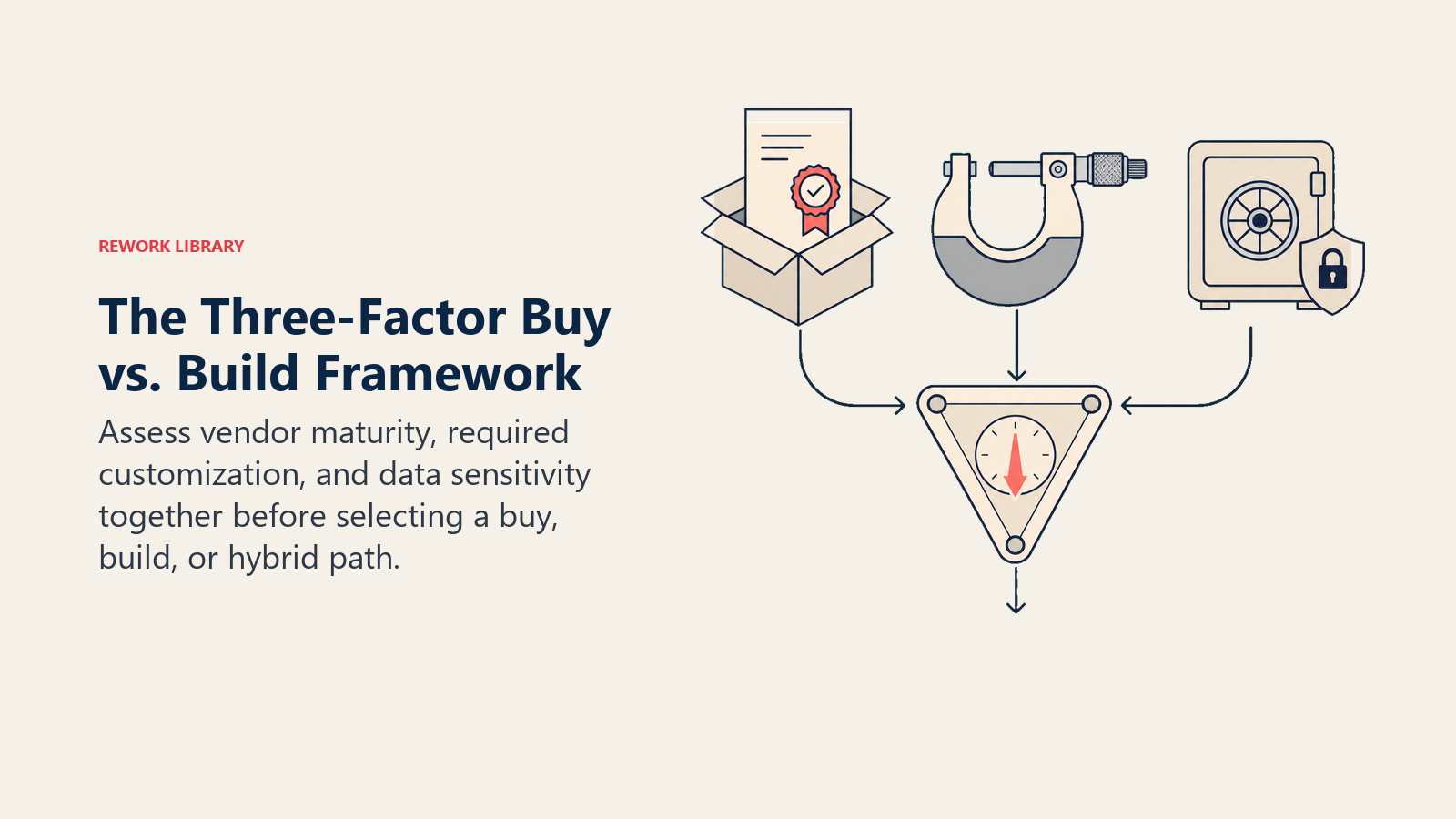
要素2: カスタマイズの深さ。 あなたのバージョンのパターンはベンダーが提供するものとどれだけ乖離していますか?一部のパターンには普遍的な実装があります(すべての企業のミーティングの文字起こしのニーズは類似しています)。他のパターンはデータモデル、Workflow、または競争上の差別化に対して高度に固有です。
要素3: データの機密性。 あなたのデータをベンダーシステムと共有できますか?公開製品ドキュメントに関するRAG Assistantの機密性は低いです。PII(個人識別情報)を含む内部のディール履歴でトレーニングされたScoring and Routingモデルの機密性は高いです。高い機密性が自動的にBuildを意味するわけではありませんが、実行可能なベンダーを絞り込み、Buyのパスにコンプライアンスのオーバーヘッドを追加します。
Key Facts: AI Buy vs. Buildの経済性
- Hyperion Consultingの2025年エンタープライズデプロイメントのBuy vs. Build分析によると、専門ベンダーからAIツールを購入することは約67%の確率で成功し、内部ビルドの成功率はその3分の1にすぎません。
- コンサルティング会社のTCO分析では、AI機能を持つエンタープライズ検索ソリューションの購入はカスタム開発よりも60%安く、12ヶ月対3ヶ月で結果を提供しました。
- 85%の組織がAIプロジェクトのコストを10%以上誤って見積もっており、ほとんどの分析は初期開発コストのみを比較することで総所有コスト(TCO)の60〜80%を見落としています。(Xenoss TCO Research, 2025)
パターン別分析
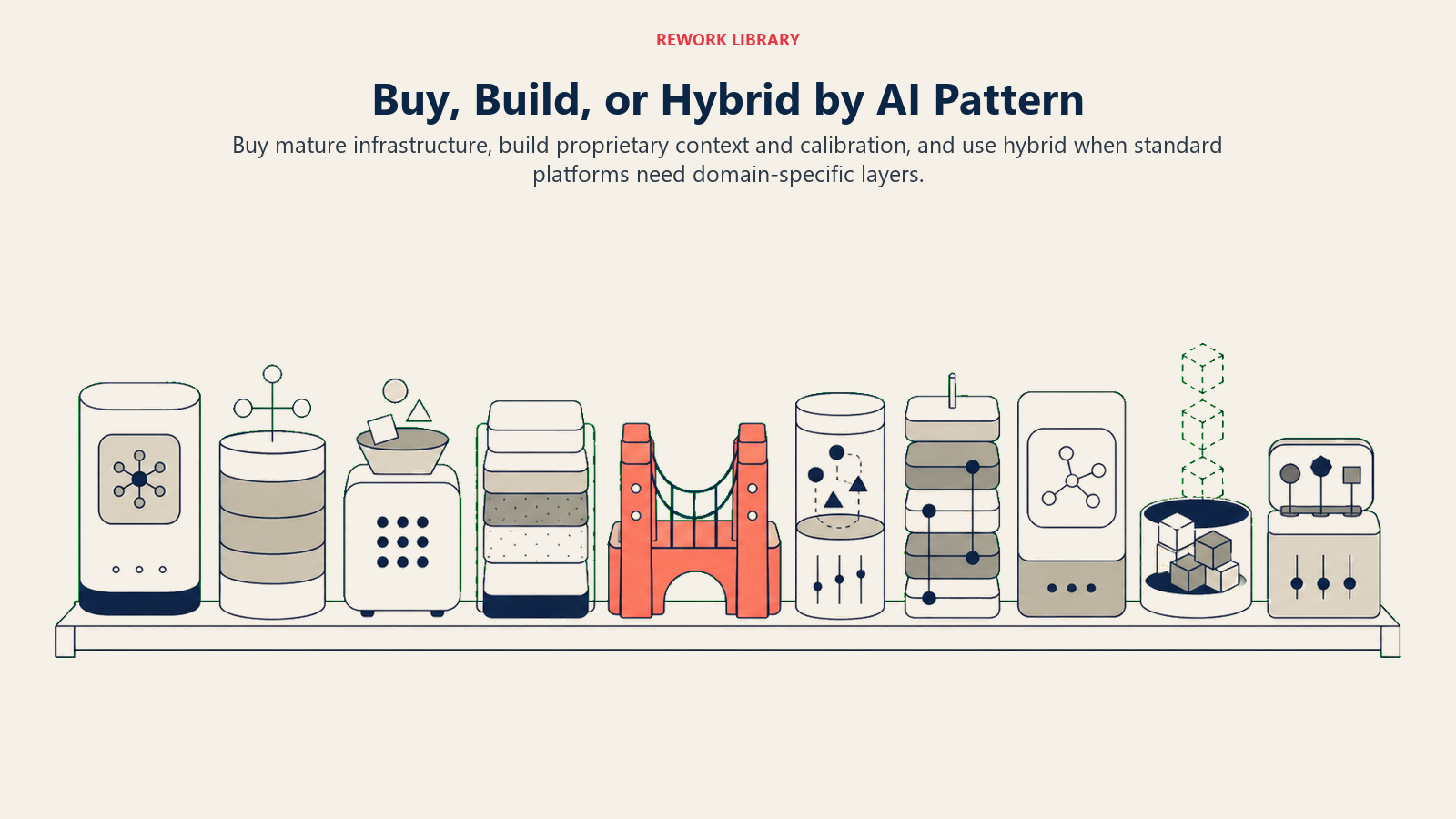
パターン別の視点は、3要素フレームワークを実用的なデフォルトに落とし込みます。成熟したインフラはBuyし、ワークフローやデータの機密性が求める場合にのみBuildします。
RAG Assistant: カスタムインデックスを付けてBuy
ベンダーの成熟度: 高。エンタープライズ検索ベンダー(Glean、Notion Q&A、内部ドキュメント向けMicrosoft Copilot)、カスタマーサポートプラットフォーム、専用のRAG製品はすべて本番デプロイメントを持っています。取得アーキテクチャはよく理解されています。RAG Assistantパターンは、ベンダーをパターンの要件に対して評価する必要がある場合の基本的なメカニズムをカバーしています。
カスタマイズの深さ: 低〜中。普遍的な部分は取得と生成です。カスタムな部分はナレッジベースのキュレーションです。インデックスするドキュメント、その構造化方法、矛盾または古いコンテンツの処理方法。このカスタマイズはモデルレイヤーではなくデータレイヤーで行われます。
データの機密性: 中。内部のナレッジベースには独自のポリシー、製品仕様、場合によってはクライアントデータが含まれています。デプロイする前にベンダーのデータ処理(トレーニング除外、データの居住地)を確認してください。
推奨: Buyし、その後ナレッジベース管理に投資。 パターンインフラ(取得、埋め込み、生成)はコモディティです。あなたの競争上の優位性は取得アルゴリズムにあるのではありません。競合他社よりも優れた、より最新の、より構造化されたナレッジを持つことにあります。カスタムRAGスタックを構築するのではなく、ドキュメント管理プロセスに投資してください。
Scoring + Routing: Buyし、その後自社データでチューニング
ベンダーの成熟度: 確立した業種では成熟(HubSpotとSalesforceのセールスリードスコアリング、ATSプラットフォームの履歴書スクリーニング、決済における不正スコアリング)。新しいアプリケーションでは新興(カスタマーサクセスヘルスのスコアリング、HRの離職リスク)。
カスタマイズの深さ: 中。デフォルトのモデルウェイトはベンダーの集約された顧客ベースを反映しています。あなたのICP、ディールサイクル、勝ちのパターンは異なります。スコアリングのしきい値とルーティングルールをファインチューニングするために12〜18ヶ月のラベル付きアウトカムデータが必要になることを見込んでください。
データの機密性: 高。自社のCRMデータでスコアリングモデルをトレーニングすることは、過去のディールレコード、コンタクト情報、勝/負のアウトカムをベンダーシステムと共有することを意味します。トレーニングデータのポリシーを明示的に確認してください。
推奨: Buyし、その後キャリブレーション。 ビジネスモデルが根本的に標準的でない限り、スコアリングモデルを最初からトレーニングしようとしないでください。しかし、ベンダーのデフォルトを本番対応と扱わないでください。Go-live後に90日間のキャリブレーション期間を計画し、最初の1年間は月次でスコア分布をレビューしてください。AIリードスコアリングの落とし穴の記事では、キャリブレーションをスキップした場合に何が失敗するかをカタログ化しています。
Vision Extract: 標準ドキュメントはBuy、独自フォーマットはBuild
ベンダーの成熟度: 標準ドキュメントタイプ(請求書、領収書、ID、名刺)では成熟。専用のAP自動化ベンダー(Klippa、Mindee、ABBYY)、経費プラットフォーム、KYCツールはすべて一般的なフォーマットの信頼性の高い本番デプロイメントを持っています。
カスタマイズの深さ: 標準ドキュメントでは低い。独自フォーマットでは高い。任意のベンダーからの標準請求書は十分に類似しており、トレーニング済みモデルがうまく処理します。自社固有のフィールドレイアウトを持つ独自の検査フォームや、非標準セクションを持つ専門的な医療フォームは、カスタムトレーニングデータとしばしばカスタムモデル開発が必要です。
データの機密性: 中〜高。ドキュメントには財務データ、個人データ、または業務上機密のデータが含まれています。ベンダーのOCRデータ保持とトレーニングの慣行を確認してください。
推奨: 一般的なケースはBuy、例外はBuild。 標準的な請求書と領収書を処理している場合はBuyします。業界やWorkflow固有の独自ドキュメントを処理している場合は、ベンダーのベースモデルの上にカスタムモデルトレーニングを計画してください。ハイブリッドはたいていこのようになります。ベンダーがベースOCRとフィールド抽出インフラを提供し、チームがカスタムフィールドのラベル付きトレーニングデータを提供します。
Meeting Intelligence: ほぼBuy
ベンダーの成熟度: 成熟。Gong、Clari、Fireflies、Chorus、Zoom、Teams、Google Meetの直接統合は、よくテストされたカテゴリを提供します。コアパイプライン(録音、文字起こし、トピック抽出、CRMプッシュ)は解決済みのベンダーソフトウェアです。
カスタマイズの深さ: コアパイプラインでは低い。アウトプットで何を行うかでは中程度。どのトピックがアラートをトリガーするか、どのコーチングシグナルを追跡するか、チームのWorkflowのためにサマリーをどのように構造化するか。これらは構成タスクであり、Buildタスクではありません。
データの機密性: 高。通話録音には顧客との会話が含まれています。ベンダーのデータ処理、管轄区域ごとの録音同意コンプライアンス、ベンダーシステムがモデルトレーニングに通話データを使用するかどうかを確認してください。
推奨: Buy。めったにBuildしない。 文字起こしと抽出パイプラインは、構築と保守に多大なエンジニアリングを必要とするインフラです。独自のASR + NLPスタックを構築するのではなく、設定とプロンプトチューニングでカスタマイズしてください。唯一の例外は、どのベンダーも満たせない厳格なデータ居住要件を持つ組織です。実用的な評価ガイドについては、会話インテリジェンスツールの選択で本番環境で重要な基準をカバーしています。
Anomaly Agent: 一般的なユースケースはBuy、ドメイン固有のベースラインはBuild
ベンダーの成熟度: 不正検出(Stripe Radar、Sift、Forter)、インフラ監視(Datadog、New Relic)、セキュリティ脅威検出(SIEMプラットフォーム)では成熟。ビジネスプロセスの異常検知(経費ポリシー、HRパターン、サプライチェーンの逸脱)では新興。
カスタマイズの深さ: 不正とインフラ監視では低い(ベンダーのベースラインモデルは業界全体のデータでトレーニングされており、そのまま使用して良好な結果を出します)。ドメイン固有の異常では高い(「異常な」HRパターンやサプライチェーンの逸脱が何を意味するかは、あなたの業務に高度に固有です)。
データの機密性: 不正と財務データでは高い。業務指標では中程度。
推奨: 不正、インフラ、セキュリティはBuy。ドメイン固有のビジネスプロセスの異常はBuild。 不正検出ベンダーは内部で再現できないデータ上の優位性を持っています(顧客全体の数百万件の取引でトレーニングされています)。ドメイン固有のビジネスプロセスでは、ベースラインはあなたのものであり、あなたの業務データに関するカスタムモデルは汎用的な異常検知器よりも通常優れたパフォーマンスを発揮します。
Generative Research: 大幅なプロンプトカスタマイズを行ってBuy
ベンダーの成熟度: 新興。Perplexity、You.com Pro、ChatGPT with Browseは汎用リサーチを提供します。専用の競合インテリジェンスと市場調査AIツールは増殖していますが、他のカテゴリほど成熟していません。
カスタマイズの深さ: 中。生成品質はプロンプトエンジニアリング、ソース選択、アウトプット形式に大きく依存します。これらは構成タスクであり、Buildタスクではありませんが、継続的な投資が必要です。
データの機密性: パブリックソースのリサーチでは低い。内部ドキュメントの統合では高い。
推奨: Buyし、その後プロンプトエンジニアリングとWorkflow設計に投資。 Generative Researchの難しい部分はパイプラインの構築ではありません。あなたのユースケースに対して「良い」とはどういうことかを定義することです(どのソースが権威があるか、アウトプットがどの形式に従うべきか、人間によるレビューゲートがどのように見えるか)。その作業はBuildするかBuyするかに関わらず同じです。インフラを購入し、リサーチWorkflowの設計に時間を費やしてください。
Document Review: 契約書はBuy、専門ドメインはBuild
ベンダーの成熟度: 標準的な契約レビュー(Spellbook、Harvey、Ironclad AI、LexCheck)では成熟。専門ドメイン(税務申告レビュー、保険ポリシー比較、非法律コンテキストでの規制コンプライアンス)では新興。
カスタマイズの深さ: 標準的な契約タイプでは低い(NDA、MSA、ベンダー契約は一貫したパターンに従います)。独自のドキュメントフォーマットや業界固有の規制要件では高い。
データの機密性: 高。契約書にはビジネス上機密の条件、顧客関係、財務義務が含まれています。ベンダーのデータ処理とクライアントの機密保護を慎重に確認してください。
推奨: 契約レビューはBuy。ドメイン固有のユースケースはBuild(または専門ツールのBuy)。 契約レビューはベンダーレイヤーで解決済みの問題です。ドメイン固有のドキュメントレビュー(セキュリティコンプライアンスのためのコードレビュー、臨床的精度のための医療チャートレビュー、規制適合のための製造仕様レビュー)には、ドメイン固有のトレーニングデータとしばしばドメイン固有のベンダーパートナーシップが必要です。
Workflow Copilot: 水平コンテキストはBuy、ドメイン固有はBuild
ベンダーの成熟度: 水平的なナレッジワーク(Microsoft 365 Copilot、GitHub Copilot、Notion AI)では成熟。ドメイン固有の作業(Sales CRMのCopilot、財務アナリストのCopilot、独自のWorkflowコンテキストを持つ業務Copilot)では新興。
カスタマイズの深さ: 水平的な作業では低い(ライティングの支援、コードの補完)。ドメイン固有の作業では高い(営業方法論、特定のCRMデータモデル、製品カタログ、顧客履歴を同時に理解する必要があるCopilot)。
データの機密性: ライブのビジネスデータを読む、ドメイン固有のデプロイメントでは高い。ライティングやコーディングの支援では中程度。
推奨: 水平的な作業はBuy、その上にドメイン固有のレイヤーをBuild。 GitHub CopilotはBuildするものではありません。Microsoft 365 CopilotはBuildするものではありません。しかし営業プロセス、製品、顧客関係に固有のCopilotはしばしばそうです。必要なコンテキスト注入はあなたのデータモデルに固有だからです。ハイブリッドはこうなります。生成インフラはBuyし、コンテキスト取得と注入レイヤーをBuildします。
Personalization Engine: Eコマースはbuy、複雑なB2BはBuild
ベンダーの成熟度: Eコマースでは成熟(Dynamic Yield、Bloomreach、Monetate)。B2BソフトウェアのパーソナライゼーションやLMS、プロフェッショナルサービスのコンテキストではあまり成熟していません。
カスタマイズの深さ: 標準的なEコマースのレコメンデーションでは低い。B2BのユースケースではHigh(「パーソナライゼーション」が異なる意味を持つ。複雑な権限構造を持つ個別ユーザーのパーソナライゼーションとアカウントレベルのパーソナライゼーション、またはin-productエクスペリエンスのパーソナライゼーション)。
データの機密性: 高。行動トラッキングデータはしばしばPIIに隣接しており、GDPR、CCPAなどの規制の対象です。
推奨: Eコマースと標準的なコンテンツパーソナライゼーションはBuy。複雑なB2BユースケースはBuild。 EコマースパーソナライゼーションベンダーはBuyを正当化するスケールの優位性を持っています(数百万のユーザーとアイテムのインタラクションでトレーニングされています)。アカウントレベルでのB2Bパーソナライゼーション、または複雑な権限と利用権構造を持つin-productパーソナライゼーションは、ベンダー製品が消費者規模の個別ユーザーデータを前提としているため、しばしばカスタム開発が必要です。
Autonomous Agent: ガバナンスの理由でほぼBuy、慎重にBuild
ベンダーの成熟度: 新興。フレームワーク(LangChain、CrewAI、AutoGen)とプラットフォーム(様々なエージェンティックプラットフォーム)は存在しますが、エンタープライズグレードの自律型Agentデプロイメントはまだ初期段階です。ツールは急速に成熟しています。
カスタマイズの深さ: 高。特定のビジネスWorkflow(営業開発、カスタマーサポートの解決、財務の照合)を処理するAutonomous Agentは、特定のツール、データモデル、承認Workflowとの深い統合が必要です。
データの機密性: 高。Autonomous AgentはExternalへの影響を持つアクションを実行します。呼び出せるすべてのツール、書き込めるすべてのシステムがデータの機密性の考慮事項です。
推奨: ほぼインフラはBuyが良いが、利便性だけでなくガバナンスの理由でBuyする。 カスタムの自律型Agentを最初から構築している組織は、独自のエラー処理、エスカレーションパス、監査証跡、リトライロジックも構築しています。ベンダープラットフォームはこれらのインフラ問題を解決しています。しかしさらに重要なのは、Autonomous Agentのガバナンスは複雑であり、これを専門とするベンダーは再現が難しい承認フレームワークと安全境界を開発しているということです。パターンごとの承認と監査インフラがどのように見えるかについては、AIパターン別のガバナンス要件をご覧ください。例外: Agentのコアな差別化要因がベンダーのツールインターフェースで表現できない独自のビジネスロジックである場合、Buildは意味があります。しかしあなたのコンテキストで「独自」が実際に何を意味するかについて正直に向き合ってください。
| パターン | デフォルトの推奨 | Buildが正当化される場合 | データの機密性 |
|---|---|---|---|
| RAG Assistant | Buy | 独自の取得ロジックが核心的な競争上の差別化要因 | 中 |
| Scoring + Routing | Buy + キャリブレーション | データモデルが市場に対して真に標準的でない | 高 |
| Vision Extract | Buy(標準ドキュメント) / ハイブリッド(独自) | ドキュメントフォーマットにベンダーのトレーニングデータなし | 中〜高 |
| Meeting Intelligence | Buy | 厳格なデータ居住要件をどのベンダーも満たさない | 高 |
| Anomaly Agent | Buy(不正/インフラ) / Build(ビジネスプロセス) | ドメイン固有のベースラインに独自データが必要 | 高 |
| Generative Research | Buy + プロンプトエンジニアリング | 内部ソースアクセスにカスタム統合が必要 | 低〜中 |
| Document Review | Buy(契約) / 専門(ドメイン) | ドメインが現在のベンダーにとって特殊すぎる | 高 |
| Workflow Copilot | Buy(水平) / コンテキストレイヤーをBuild | コンテキスト注入に独自データモデルが必要 | 高 |
| Personalization Engine | Buy(Eコマース) / Build(複雑なB2B) | アカウントレベルのB2Bパーソナライゼーション、複雑な権限 | 高 |
| Autonomous Agent | インフラはBuy | コア差別化要因が独自のWorkflowロジック | 高 |
「Build判断はTCOを体系的に過小評価します。見えるコストは初期開発です。見えないコストは、市場パターンが変化するにつれてのモデルの再トレーニング、基礎となるモデルが更新されるにつれてのプロンプトのメンテナンス、上流APIが変更されるにつれての統合のメンテナンス、Agentを構築したエンジニアが去るにつれての専門知識の維持です。真のTCOにはこれらすべてが3年間にわたって見込まれます。」(Rework AI Procurement Analysis, 2026)
ベンダーが存在する場合でもBuildが正当化されるとき
以下の場合にBuildが正当化されます。
- データモデルが真に非標準である場合。 ベンダー製品があなたのデータモデルを自社のものに変換する必要があり、その変換で情報が失われる場合、最初のシステムをサポートするための2番目のシステムを構築しています。
- Workflowが競争上の差別化要因になるほど独自の場合。 特定のパターンの処理方法があなたから購入する顧客の理由である場合、それをベンダー製品に入れることは差別化要因をベンダーが提供する他の人と共有することを意味します。
- ボリュームがBuildコストを正当化する場合。 高ボリュームのデプロイメントは、永遠に通話ごとまたはシートごとに支払うよりも一度構築する方が有利な経済性を持つ場合があります。TCO計算を正直に実行してください。
- 規制要件が現在のベンダーが解決できないほど固有な場合。 一部の業種には現在のベンダーが満たしていないデータ居住、説明可能性、または監査要件があります。Buildするか市場が成熟するまで待ちましょう。
Buildの方が安く見えても買うべき時
以下の場合はほぼ常にBuyが正しいです。
- Time-to-Valueが重要な場合。 ベンダーデプロイメントは数週間かかります。Buildは数ヶ月、時には1年かかります。待つことの機会コストは通常、長期的なコスト差よりも大きいです。
- チームにAIエンジニアリングキャパシティがない場合。 AIシステムの構築にはMLインフラ、プロンプトエンジニアリング、モデル監視の専門知識が必要です。エンジニアリングチームがこれを持っていない場合、Build選択肢は実際にはテーブルにありません。
- メンテナンスの負担が過小評価されている場合。 データが変化するにつれてモデルは再トレーニングが必要です。カスタムシステムが依存する基礎となるLLMは更新または廃止されます。モデルの動作が変化するとプロンプトエンジニアリングが壊れます。ベンダーはこのメンテナンスを吸収します。チームはそれを過小評価します。
- コンプライアンスが要因の場合。 AIシステムのSOC 2、HIPAA、GDPRコンプライアンスには多大な作業が必要です。成熟したベンダーはそれを既に完了しています。
Buildの真のコスト
Build判断はTCOを体系的に過小評価します。見えるコストは初期開発とインフラです。見えないコストには以下が含まれます。
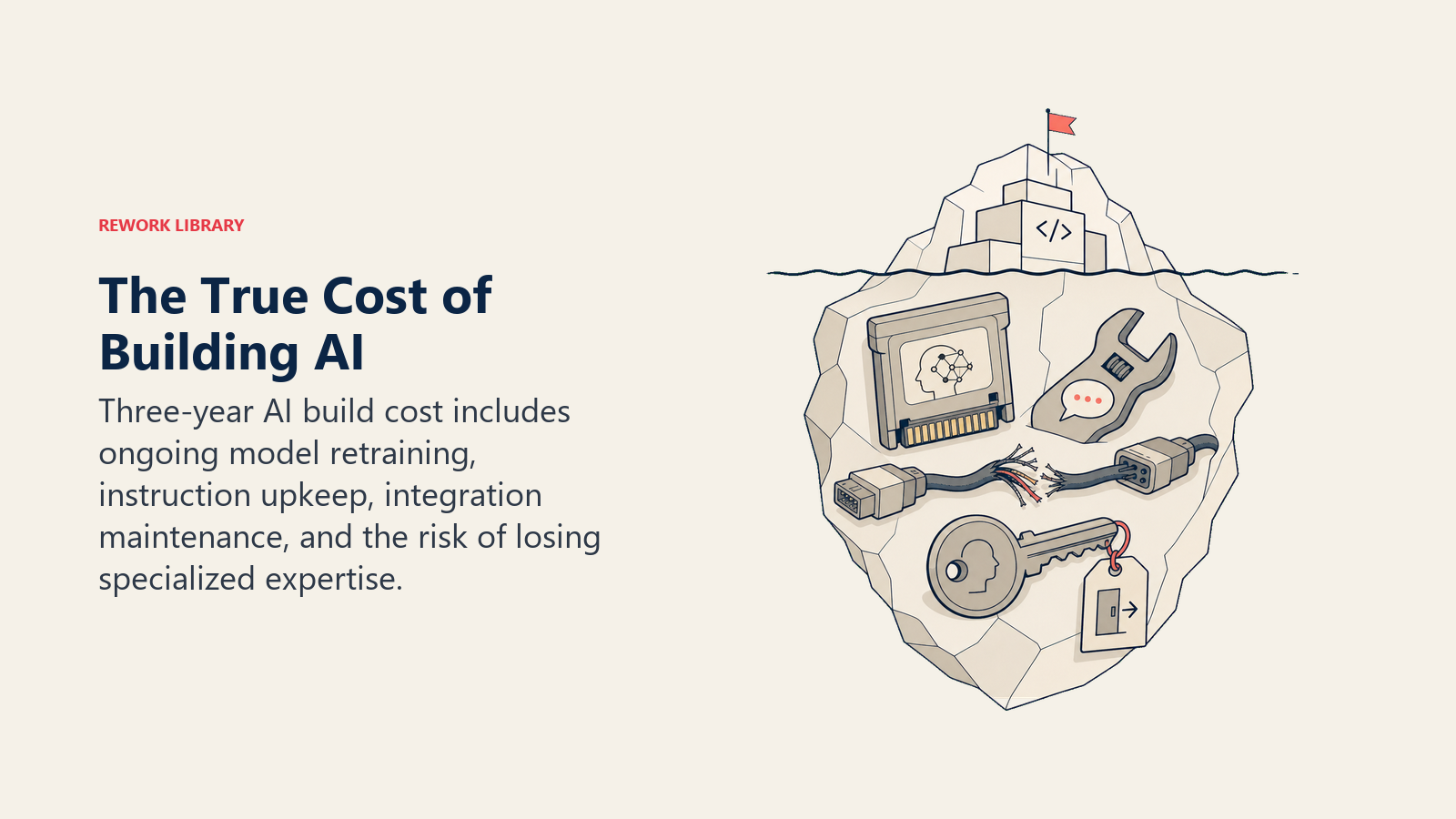
- モデルの再トレーニング: 市場とディールパターンが変化するにつれてスコアリングモデルは再トレーニングが必要です。これは一回限りのコストではありません。
- プロンプトのメンテナンス: 現在良いアウトプットを生成するプロンプトは、基礎となるモデルが更新されると劣化します。誰かがこれを監視して修正する必要があります。
- 統合のメンテナンス: CRM、コミュニケーションツール、WorkflowプラットフォームがそれぞれのAPIを更新するにつれて、カスタム統合が壊れます。これは継続的なメンテナンスです。
- 専門知識の維持: カスタムAIシステムを構築したエンジニアはその失敗モードを理解しています。彼らが去ると、知識も去ります。
真のBuild vs. Buy TCOにはこれらすべてが3年間にわたって含まれます。ほとんどのBuild判断は初期判断時よりも3年後の方が高く見えます。ForresterのAIの現状2025レポートは別の次元を追加しています。主要なエンタープライズソフトウェアベンダーは現在AIを積極的に収益化し、既存の契約にAI機能をバンドルして割引時代を終わらせています。そのコンテキストはBuild選択肢を一部の組織にとってより魅力的に見せますが、メンテナンスの負担が正直に価格設定されている場合に限ります。
Buy-Build-ハイブリッドの経験則
Buy-Build-ハイブリッドの経験則は、ベンダーの成熟度(実証済みの本番カテゴリがあるか?)、カスタマイズの深さ(ユースケースはベンダーが提供するものとどれだけ乖離しているか?)、データの機密性(ベンダーシステムとデータを共有できるか?)を組み合わせた各AIパターンの3要素意思決定フレームワークです。ベンダーの成熟度が高くカスタマイズの深さが低い場合はBuyです。独自のデータモデルのためにカスタマイズの深さが高い場合は、ベンダーインフラの上にドメイン固有のレイヤーをBuildします。2026年のほとんどのパターンはハイブリッドに属します。インフラはBuyし、コンテキスト注入とドメイン固有のキャリブレーションレイヤーをBuildします。
Rework分析: Hyperion Consultingの調査(ベンダーベースのAIデプロイメントは内部Buildの2倍の確率で成功する)と複数のTCO分析からの補完データ(Build判断はTCOの60〜80%を見落とす)に基づくと、Buy-Build-ハイブリッドの経験則はインフラについては一貫してBuyを、ドメイン固有のコンテキストレイヤーについてはBuildを支持します。Reworkの実装データでは、ベンダーのMeeting Intelligenceツールをデプロイするチームは平均3.2週間で本番稼働を達成し、カスタム文字起こしと抽出パイプラインを構築しようとするチームは14〜18週間かかります。Meeting Intelligenceだけのベンダー市場は2025年に30億ドルと評価されており、カスタムビルドをほとんどの組織にとって競争力がないものにするインフラ投資を反映しています。
次に読むべき記事
各パターンのベンダーランドスケープはAIパターンベンダーランドスケープマップにあります。ベンダー製品をデプロイできるかどうかに影響するデータ準備の前提条件はAIパターン別のデータ準備チェックにあります。BuyとBuildのどちらが実行可能かに影響するガバナンス要件はAIパターン別のガバナンス要件にあります。
マルチイヤーロードマップにわたってこれらの決定をシーケンスするについては、マルチイヤーロードマップにおけるAIパターンのシーケンシングをご覧ください。メンテナンスを考慮せずにBuy決定が行われたときにパターンが技術的負債になる方法については、AIパターンが技術的負債になるときをご覧ください。
ハイブリッドモデルが標準です。ほとんどの本番AIデプロイメントはパターンインフラをBuyし、ドメイン固有部分をBuildします。問いは通常、境界がどこに位置するかであり、境界が存在するかどうかではありません。
よくある質問
AIパターンに対してBuy vs. Buildで最も一般的な間違いは何ですか?
Build側のTCOの過小評価です。Build分析は通常、初期開発コストのみを比較し、実際のTCOの60〜80%を見落とします。市場パターンが変化するにつれてのモデルの再トレーニング、基礎となるLLMが更新されるにつれてのプロンプトのメンテナンス、上流APIが進化するにつれての統合のメンテナンス、システムを構築したエンジニアが去るときの専門知識の維持リスクです。正直な3年間のTCOは、ビジネスロジックが真に独自でない限り、ほぼ常にBuyを支持します。
Buy-Build-ハイブリッドの経験則とは何ですか?
Buy-Build-ハイブリッドの経験則は、ベンダーの成熟度、カスタマイズの深さ、データの機密性を組み合わせた3要素の意思決定フレームワークです。ベンダーの成熟度が高くカスタマイズの深さが低い場合はBuyです。独自のデータモデルによりカスタマイズの深さが高い場合はベンダーインフラの上にドメイン固有のレイヤーをBuildします。2026年のほとんどのパターンはハイブリッドに属します。インフラはBuyし、コンテキスト注入とドメイン固有のキャリブレーションレイヤーをBuildします。
どのAIパターンはほぼ常にBuildよりもBuyすべきですか?
Meeting Intelligence、標準的なナレッジベースのRAG Assistant、標準的なドキュメントタイプのVision ExtractはほぼBuyすべきです。ベンダーカテゴリは成熟しており、インフラ投資は大きく、BuyとBuildのTime-to-Valueのギャップ(Buy平均3.2週間対Build最低14〜18週間)は重大です。ベンダーベースのAIデプロイメントは内部Buildの約2倍の確率で成功します。
どのAIパターンがカスタムBuildをより必要とする可能性が高いですか?
Autonomous Agent(独自のWorkflowロジックの場合)、ドメイン固有のAnomaly Agent(どのベンダーもトレーニングしていないビジネスプロセスのベースラインの場合)、Workflow Copilotのコンテキスト注入レイヤー(特定のデータモデルを理解する必要がある営業、財務、または業務のCopilotの場合)が最もBuildの候補として可能性が高いです。ここでも推奨はパターンインフラをBuyし、ドメイン固有のレイヤーをその上にBuildすることです。
組織はAIベンダーのロックインリスクにどのように対処すべきですか?
AIパターンの主なロックインリスクはデータです。1つのベンダーのベクターデータベースに埋め込まれたRAGナレッジベース、または1つのベンダーのインフラを使用してトレーニングされたスコアリングモデルは、移行コストが高いです。ベンダーとは独立して生のデータを所有し、ベンダーがデータエクスポート機能を提供することを確認することで軽減します。2番目のロックインリスクはプロンプトエンジニアリングです。あるベンダーのモデルに対してチューニングされたプロンプトは別のモデルに直接転送できない場合があります。どちらのリスクも、標準的なデータ所有権契約とモデルに依存しない中間フォーマットで管理可能です。

Co-Founder, Rework.com
On this page
- 3要素フレームワーク
- パターン別分析
- RAG Assistant: カスタムインデックスを付けてBuy
- Scoring + Routing: Buyし、その後自社データでチューニング
- Vision Extract: 標準ドキュメントはBuy、独自フォーマットはBuild
- Meeting Intelligence: ほぼBuy
- Anomaly Agent: 一般的なユースケースはBuy、ドメイン固有のベースラインはBuild
- Generative Research: 大幅なプロンプトカスタマイズを行ってBuy
- Document Review: 契約書はBuy、専門ドメインはBuild
- Workflow Copilot: 水平コンテキストはBuy、ドメイン固有はBuild
- Personalization Engine: Eコマースはbuy、複雑なB2BはBuild
- Autonomous Agent: ガバナンスの理由でほぼBuy、慎重にBuild
- ベンダーが存在する場合でもBuildが正当化されるとき
- Buildの方が安く見えても買うべき時
- Buildの真のコスト
- Buy-Build-ハイブリッドの経験則
- 次に読むべき記事