Memberi Maklum Balas: Model dan Contoh
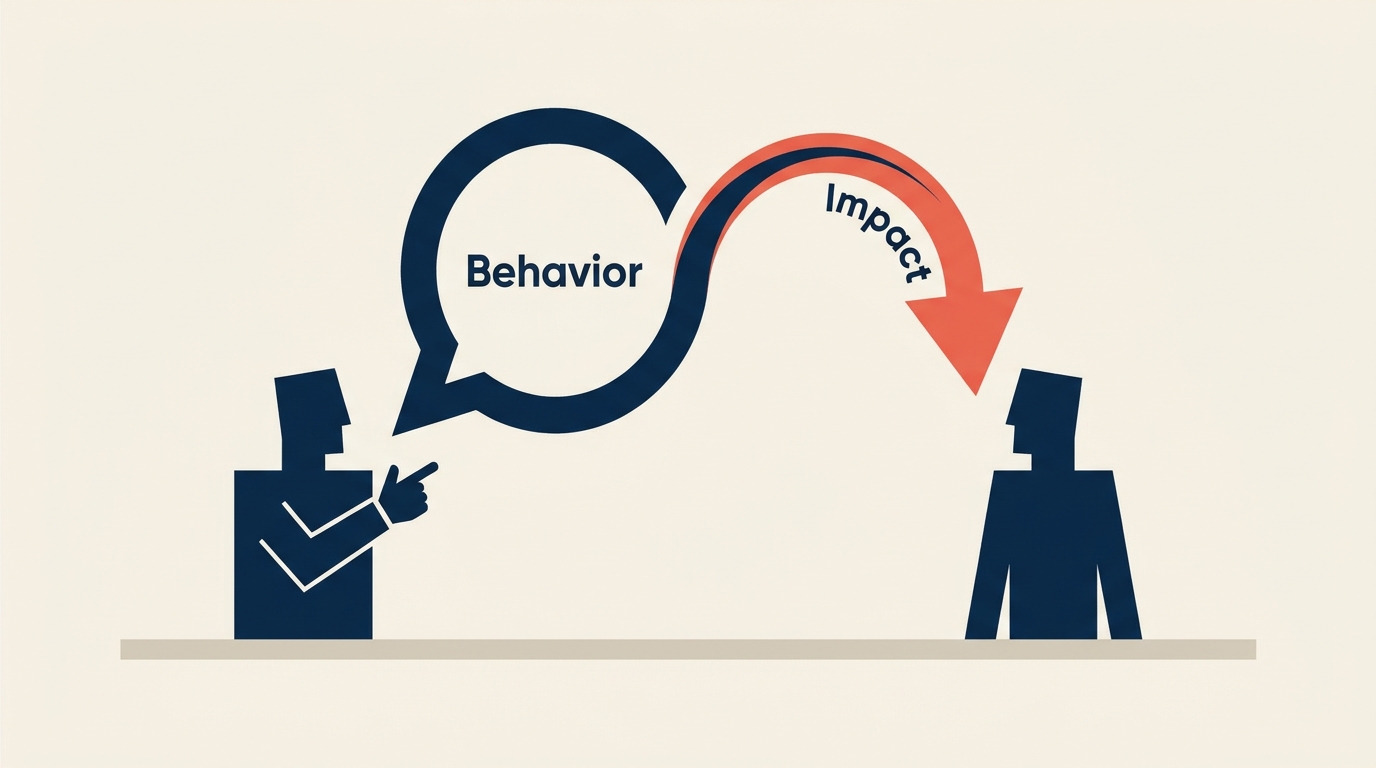
Turn this article into takeaways for your work.


Each assistant summarizes the article only for you and suggests best practices for your work.
Memberi maklum balas dengan berkesan adalah antara kemahiran paling bernilai yang boleh dikembangkan oleh sesiapa sahaja dalam persekitaran pasukan. Apabila dilakukan dengan baik, ia mempercepatkan pertumbuhan, membina kepercayaan, dan merapatkan jurang antara prestasi semasa dengan apa yang sebenarnya mungkin dicapai.
Apakah Memberi Maklum Balas?
Memberi maklum balas ialah amalan berkongsi maklumat yang spesifik dan boleh diperhatikan tentang tingkah laku atau kerja seseorang supaya mereka dapat memahami kesannya dan membuat penyesuaian yang sewajarnya. Maklum balas positif mengukuhkan apa yang berfungsi; maklum balas membina (kadang-kadang dipanggil maklum balas pembangunan atau pembetulan) mengenal pasti apa yang boleh diperbaiki dan menunjukkan caranya. Kedua-duanya penting. Pasukan yang hanya menerima pujian terlepas peluang pertumbuhan. Pasukan yang hanya mendengar kritikan cepat kehilangan motivasi.
Maklum balas berbeza daripada penilaian (penarafan formal) dan nasihat (penyelesaian yang dicadangkan). Ia adalah input yang berfokus dan masa nyata yang dikaitkan dengan situasi tertentu, disampaikan untuk membantu seseorang bergerak maju.
Fakta Utama: Memberi Maklum Balas
- Pekerja yang menerima maklum balas secara tetap 3.6 kali lebih berkemungkinan untuk terlibat di tempat kerja berbanding mereka yang menerima sedikit atau tiada langsung. (Gallup, 2022)
- Hanya 26% pekerja sangat bersetuju bahawa maklum balas yang mereka terima membantu mereka melakukan kerja yang lebih baik. (Gallup, 2022)
- 92% responden bersetuju bahawa maklum balas negatif yang disampaikan dengan sewajarnya berkesan dalam meningkatkan prestasi. (Zenger/Folkman, 2014)
Perbandingan Model Maklum Balas
Situasi yang berbeza memerlukan struktur yang berbeza. Berikut adalah perbandingan model yang paling lazim digunakan:
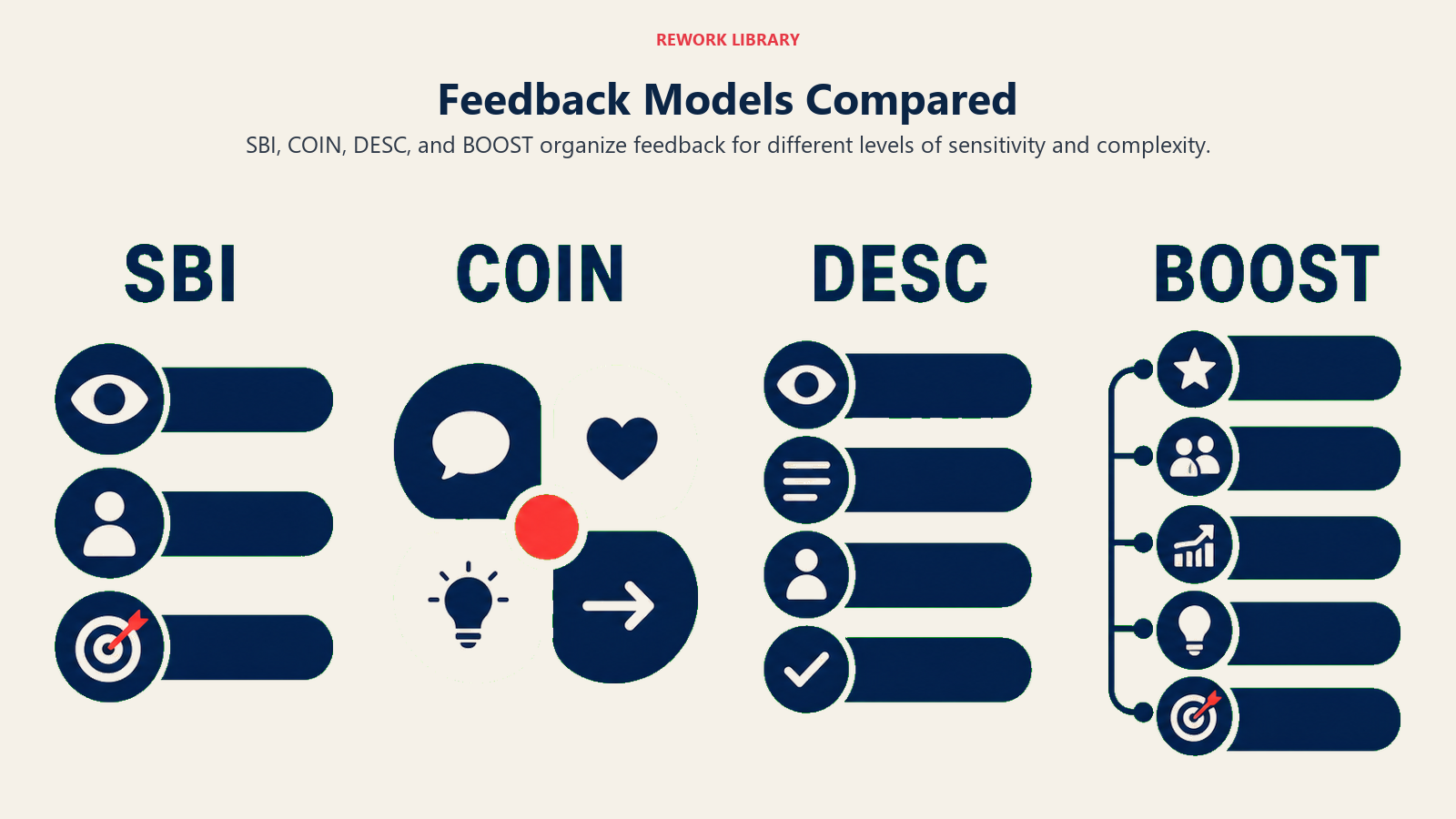
| Model | Maksudnya | Terbaik untuk | Perlu Diawasi |
|---|---|---|---|
| SBI | Situation (Situasi) - Behavior (Tingkah Laku) - Impact (Kesan) | Maklum balas harian, pembetulan pantas | Boleh terasa mekanikal jika terlalu kerap digunakan tanpa kehangatan |
| COIN | Context (Konteks) - Observation (Pemerhatian) - Impact (Kesan) - Next steps (Langkah Seterusnya) | Sesi maklum balas formal atau berisiko tinggi | Struktur lebih panjang; elak tergesa-gesa pada bahagian "Langkah Seterusnya" |
| STAR/AID | Situation/Task - Action - Result / Action - Impact - Do differently | Penilaian prestasi, temu duga tingkah laku | Langkah "Buat secara berbeza" memerlukan persediaan untuk berguna |
| Sandwic maklum balas | Positif - Kritikal - Positif | Hubungan yang kurang kepercayaan atau tidak dikenali | Mesej kritikal sering tersembunyi atau dicairkan |
| Radical candor | Ambil berat secara peribadi + Cabar secara langsung | Budaya coaching yang berterusan, pasukan yang dipercayai | Memerlukan keselamatan psikologi yang sudah sedia ada |
Tiada satu model pun yang terbaik secara universal. SBI sesuai untuk kebanyakan situasi harian. COIN menambah struktur apabila pertaruhannya lebih tinggi. Radical candor adalah budaya, bukan sekadar teknik.
Mengapa Kemahiran Maklum Balas Penting
Maklum balas bukan sekadar budi pekerti. Ia adalah pemacu operasi.
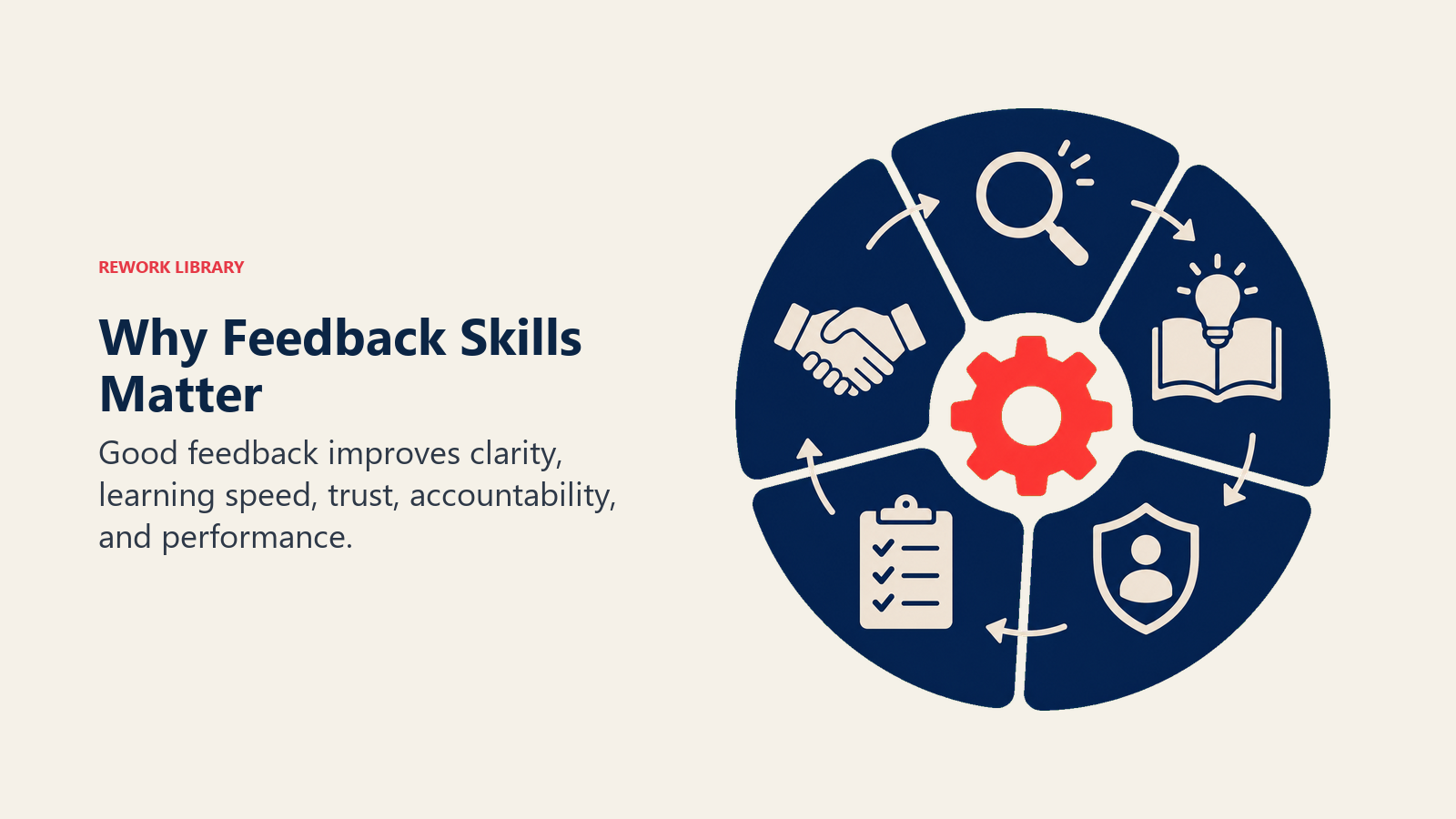
Apabila pengurus memberikan maklum balas yang konsisten dan spesifik, ahli pasukan tahu apa yang dijangkakan dan boleh membetulkan diri sendiri tanpa perlu menunggu penilaian prestasi. Itu bermaksud kurang beban pengurusan, pembangunan kemahiran yang lebih pantas, dan lebih sedikit kejutan pada waktu penilaian.
Maklum balas sesama rakan sekerja juga penting. Pasukan yang boleh saling memberi input yang jujur dan hormat tanpa perlu meningkatkan isu kepada pengurus cenderung menyelesaikan masalah dengan lebih cepat dan membina hubungan kerja yang lebih kukuh. Kemahiran interpersonal seperti empati dan kesedaran diri secara langsung membolehkan perkara ini.
Terdapat juga dimensi kecerdasan emosi. Memberi maklum balas memerlukan pembacaan keadaan orang lain, mengurus reaksi anda sendiri, dan memilih perkataan yang membuka perbualan berbanding menutupnya. Itu adalah kemahiran yang dipelajari, bukan sifat semula jadi.
Dan dari sudut pandangan komunikasi, maklum balas adalah antara ujian paling jelas sama ada seseorang boleh menterjemahkan pemerhatian menjadi mesej yang sampai dengan maksud yang utuh.
Kesilapan Maklum Balas yang Biasa
Maklum balas yang berniat baik pun gagal apabila ia jatuh ke dalam corak-corak ini:
Terlalu kabur. "Pembentangan anda boleh lebih baik" tidak memberikan seseorang apa-apa yang boleh diambil tindakan. Apa yang khususnya boleh diperbaiki? Slaid yang mana? Saat yang mana? Maklum balas yang kabur memberi isyarat kepada penerima bahawa anda tidak memikirkannya dengan teliti.
Melengah-lengahkan terlalu lama. Maklum balas cepat kehilangan relevannya. Menunggu sehingga semakan suku tahunan untuk menyebut sesuatu yang berlaku pada minggu kedua bermaksud orang itu tidak dapat menghubungkan maklum balas dengan tingkah laku sebenar mereka. Tepat pada masanya bermaksud dalam 24-48 jam selepas kejadian apabila mungkin.
Menyembunyikan mesej. Sandwic maklum balas (positif-kritikal-positif) kedengaran sopan tetapi sering membawa kesan yang sebaliknya. Orang mengingati pujian dan meremehkan kritikan, atau mereka mengesyaki mesej "sebenar" tersembunyi di situ dan mula tidak mempercayai perkara positif. Jika anda mempunyai input membina, sampaikannya dengan jelas.
Menjadikannya peribadi. "Anda tidak teratur" menyerang identiti. "Laporan yang anda hantar tidak mengandungi tiga bahagian yang ada dalam ringkasan tugas" menggambarkan tingkah laku. Satu menjemput defensif; yang lain membuka perbualan.
Melepaskan semuanya sekaligus. Menyenaraikan enam perkara sekaligus membebankan penerima. Pilih satu atau dua perkara utama bagi setiap perbualan.
Melangkau dialog. Maklum balas bukan monolog. Jika anda tidak menjemput orang lain untuk bertindak balas, anda terlepas perspektif mereka dan kehilangan peluang untuk mencapai pemahaman bersama.
Cara Memberi Maklum Balas yang Berkesan
Ikuti struktur ini untuk mana-mana perbualan maklum balas, formal atau tidak formal.
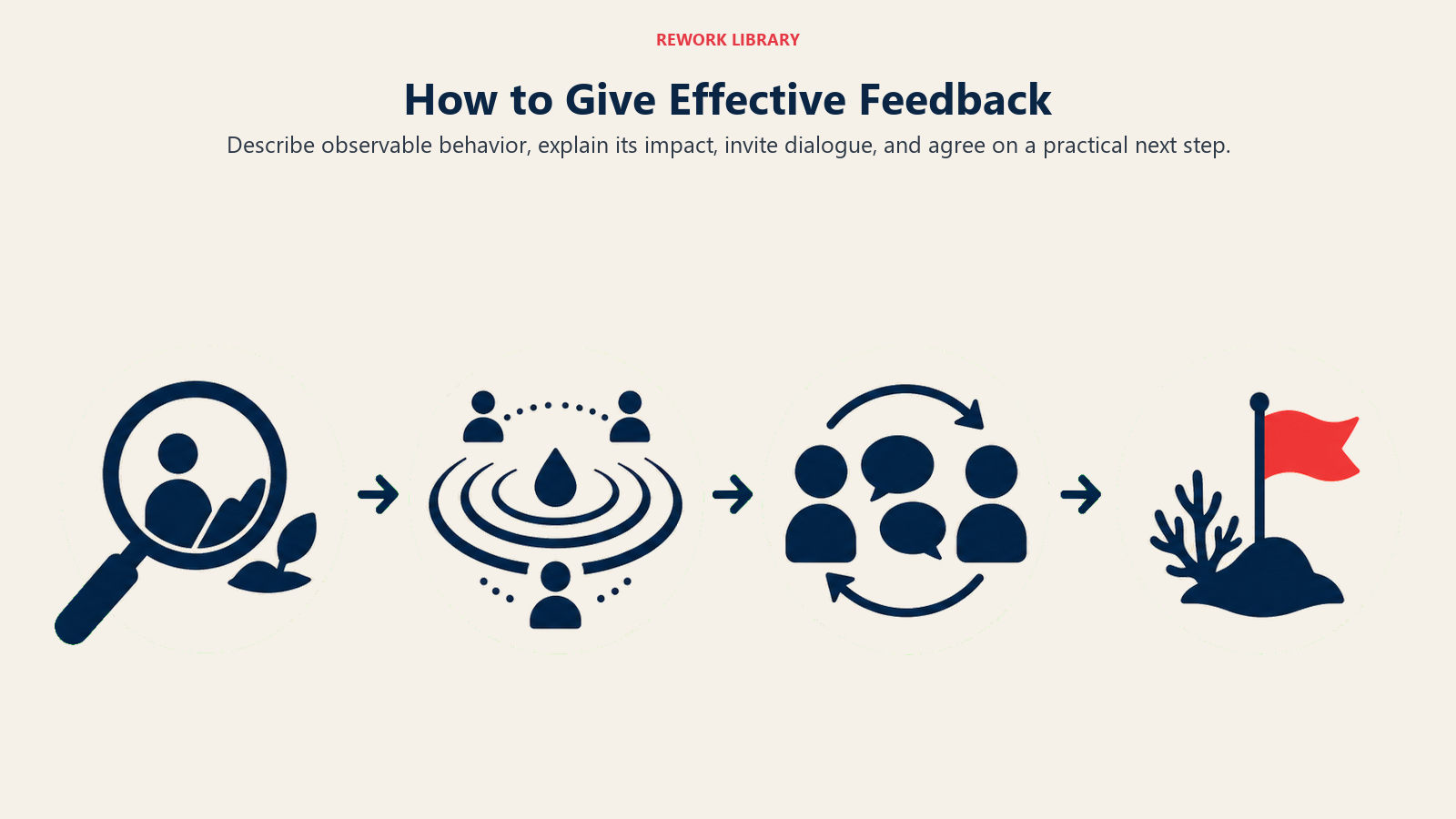
Langkah 1: Pilih Masa yang Tepat
Maklum balas paling berkesan apabila kedua-dua pihak tenang dan mempunyai beberapa minit perhatian yang berfokus. Elak memberi maklum balas kritikal sejurus sebelum pembentangan besar, dalam suasana awam, atau apabila mana-mana pihak kelihatan tertekan. Tarik seseorang ke tepi, buka sembang pantas, atau jadualkan sesi satu-satu yang ringkas.
Langkah 2: Gunakan Model untuk Menstrukturkan Mesej Anda
Pilih SBI untuk situasi pantas: nyatakan Situasi ("Dalam panggilan klien semalam"), huraikan Tingkah Laku ("anda menyampuk klien dua kali sebelum mereka selesai bertanya"), dan namakan Kesan ("mereka kelihatan menarik diri, dan kami kehilangan benang apa yang mereka tanya").
Untuk situasi yang lebih kompleks, gunakan COIN dan tambahkan perbincangan Langkah Seterusnya di akhir.
Langkah 3: Fokus pada Tingkah Laku, Bukan Keperibadian
Huraikan apa yang anda perhatikan, bukan apa yang anda simpulkan tentang siapa orang itu. "Anda terlepas tarikh akhir jam 9 pagi tiga kali bulan ini" adalah boleh diperhatikan. "Anda tidak mengambil berat tentang tarikh akhir" adalah penilaian. Yang pertama menjemput akauntabiliti; yang kedua menjemput penafian.
Kaitkan kemahiran mendengar secara aktif anda di sini juga. Selepas anda berkongsi pemerhatian, berhenti sebentar dan dengar respons mereka sebelum beralih kepada penyelesaian.
Langkah 4: Tepat pada Masanya
Sedekat mungkin dengan kejadian tersebut. Maklum balas masa nyata atau pada hari yang sama adalah yang paling boleh diambil tindakan. Jika ada corak sistematik yang perlu dibangkitkan, anda boleh menanganinya dalam sesi satu-satu dengan rujukan kepada beberapa contoh terkini, tetapi walaupun begitu, namakan insiden tertentu dan bukannya bercakap secara umum.
Langkah 5: Bersetuju tentang Langkah Seterusnya
Maklum balas yang berkesan berakhir dengan kejelasan tentang apa yang akan berubah. Ini tidak semestinya menjadi pelan tindakan formal. Ia boleh semudah "Adakah ini masuk akal? Apa yang akan anda lakukan secara berbeza kali depan?" Matlamatnya adalah pemahaman bersama dan komitmen, bukan sekadar penyampaian mesej anda.
Jika anda berada dalam hubungan mentoring atau coaching, langkah ini secara semula jadi berhubung dengan perbualan penetapan matlamat jangka panjang.
Contoh Maklum Balas
Berikut adalah contoh berbentuk skrip merentasi pelbagai senario maklum balas.
| Jenis | Situasi | Contoh skrip |
|---|---|---|
| Positif (pengurus kepada subordinat) | Selepas pembentangan klien yang kukuh | "Dalam mesyuarat klien pagi tadi, anda kekal tenang apabila mereka menolak harga dan mengalihkan perbualan kepada nilai. Itu mengekalkan momentum perjanjian. Saya perasan nada klien berubah menjadi lebih positif selepas itu." |
| Membina (pengurus kepada subordinat) | Terlepas tarikh akhir tanpa pemberitahuan awal | "Ringkasan tugas patut diserahkan hari Isnin tetapi saya menerimanya hari Rabu tanpa notis awal. Itu meletakkan pereka grafik dalam keadaan tertekan dan kami hampir terlepas tarikh akhir klien. Mulai sekarang, jika anda berisiko terlepas tarikh akhir, maklumkan kepada saya sebelum tamat waktu Jumaat sebelumnya." |
| Sesama rakan sekerja | Rakan sekerja mendominasi perbincangan pasukan | "Saya perasan dalam beberapa stand-up terakhir kita bahawa apabila anda selesai berkongsi kemaskini anda, kita tidak mempunyai masa untuk seluruh pasukan mendalami halangan mereka. Bolehkah kita cuba hadkan kemaskini individu kepada 2 minit supaya semua orang mendapat giliran?" |
| Ke atas (subordinat kepada pengurus) | Pengurus tidak memberikan keutamaan yang jelas | "Saya ingin membangkitkan sesuatu yang mempengaruhi cara saya bekerja. Apabila saya mendapat tiga permintaan mendesak pada hari yang sama tanpa tahu mana yang paling penting, saya terpaksa membuat keputusan itu sendiri dan kadang-kadang saya tersalah. Bolehkah kita adakan semakan pantas pada awal minggu untuk menyelaraskan keutamaan?" |
Perhatikan bahawa setiap contoh menamakan situasi tertentu, menggambarkan tingkah laku, dan sama ada menerangkan kesannya atau mencadangkan perubahan konkrit. Tiada satu pun yang menyerang watak seseorang.
Amalan Terbaik
Lakukan:
- Sediakan mesej utama anda sebelum perbualan
- Nyatakan situasi dan tingkah laku tertentu dahulu
- Namakan kesan dengan jelas, termasuk cara ia mempengaruhi anda atau pasukan
- Jemput orang lain untuk bertindak balas
- Kaitkan maklum balas dengan matlamat bersama apabila mungkin
- Buat susulan untuk mengakui apabila seseorang bertindak atas input anda
- Beri maklum balas positif secara terbuka apabila sesuai; beri maklum balas kritikal secara peribadi
Jangan:
- Buka dengan "Saya rasa anda selalu..." (generalisasi meluas)
- Sampaikan maklum balas melalui teks atau Slack apabila perbualan langsung adalah mungkin
- Timbun banyak kritikan dalam satu sesi
- Gunakan sandwic maklum balas untuk perkara penting
- Anggap orang itu tahu apakah tingkah laku yang dijangkakan
- Lupa untuk tutup dengan langkah seterusnya
Memberi maklum balas adalah kemahiran seperti mana-mana kemahiran lain, yang bermaksud ia bertambah baik dengan amalan yang disengajakan. Mulakan dengan model-model tersebut, tetapi jangan biarkan struktur menjadi tongkat. Matlamatnya adalah perbualan sebenar antara dua orang yang kedua-duanya mahu kerja menjadi lebih baik. Itulah yang sebenarnya dimaksudkan oleh maklum balas yang berkesan, pada tahap terbaiknya.
Bacaan Berkaitan

On this page
- Apakah Memberi Maklum Balas?
- Perbandingan Model Maklum Balas
- Mengapa Kemahiran Maklum Balas Penting
- Kesilapan Maklum Balas yang Biasa
- Cara Memberi Maklum Balas yang Berkesan
- Langkah 1: Pilih Masa yang Tepat
- Langkah 2: Gunakan Model untuk Menstrukturkan Mesej Anda
- Langkah 3: Fokus pada Tingkah Laku, Bukan Keperibadian
- Langkah 4: Tepat pada Masanya
- Langkah 5: Bersetuju tentang Langkah Seterusnya
- Contoh Maklum Balas
- Amalan Terbaik
- Bacaan Berkaitan