Arquiteto de Software: Modelo de Descrição de Cargo - Guia 2026
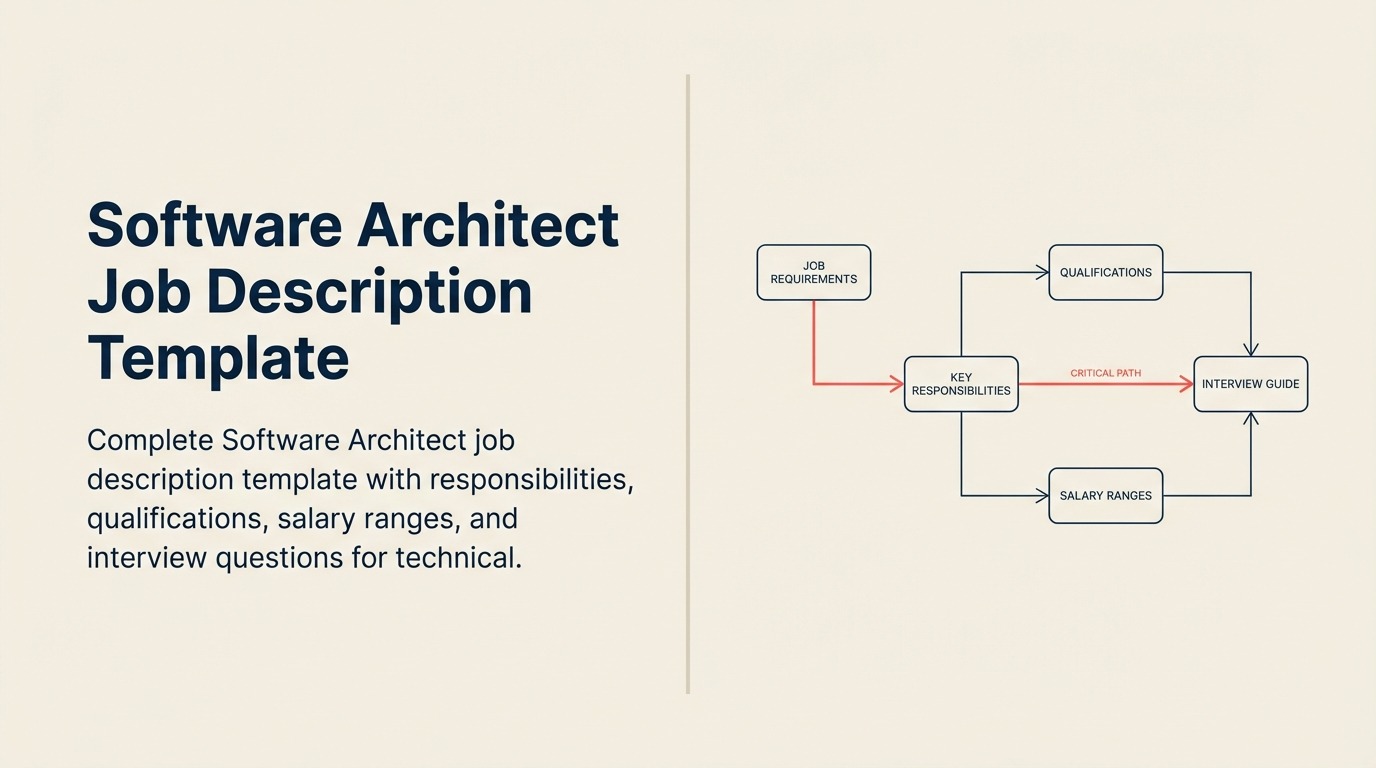
Turn this article into takeaways for your work.


Each assistant summarizes the article only for you and suggests best practices for your work.
O Que Você Vai Encontrar Neste Guia
- Modelo completo de descrição de cargo de arquiteto de software com foco em liderança técnica
- Responsabilidades de tomada de decisão arquitetural e design de sistemas
- Requisitos de sistemas em escala corporativa e critérios de avaliação de tecnologia
- Expectativas de mentoria e orientação de equipe para engenheiros sênior
- Oportunidades de planejamento técnico estratégico e influência na direção do produto
- Perguntas de entrevista abrangentes cobrindo padrões arquiteturais e sistemas distribuídos
Visão Geral do Cargo
Estamos em busca de um Arquiteto de Software experiente para projetar e supervisionar a arquitetura técnica dos nossos sistemas de software. Você vai liderar decisões arquiteturais, orientar equipes de desenvolvimento e garantir que nossa stack tecnológica escale de forma eficaz, mantendo segurança, performance e manutenibilidade. Esse cargo combina profunda expertise técnica com pensamento estratégico para impulsionar a excelência técnica da nossa organização de engenharia.
Por Que Esse Cargo É Importante
Os Arquitetos de Software são os visionários técnicos que conectam requisitos de negócio à implementação técnica. Você vai projetar os blueprints que orientam organizações de engenharia inteiras, tomando decisões críticas que impactam performance, escalabilidade e manutenibilidade por anos. Esse cargo oferece a oportunidade de moldar a cultura técnica, mentorar futuros arquitetos e resolver desafios complexos de sistemas distribuídos.
Sobre o Cargo
Como Arquiteto de Software, você será responsável por projetar a arquitetura de sistemas de alto nível, estabelecer padrões técnicos e orientar equipes de engenharia em decisões técnicas complexas. Você vai trabalhar em estreita colaboração com product managers, engineering leads e a liderança executiva para garantir que nossa arquitetura sustente os objetivos de negócio, mantendo a excelência técnica.
Esse cargo exige profunda expertise técnica em múltiplos domínios, forte capacidade analítica e habilidade para comunicar conceitos arquiteturais complexos tanto para stakeholders técnicos quanto não técnicos. Você será fundamental na avaliação de novas tecnologias, no estabelecimento de melhores práticas de desenvolvimento e na garantia de que nossos sistemas possam escalar com o crescimento do negócio.
Valorizamos arquitetos que equilibram inovação com pragmatismo, entendem o contexto de negócio das decisões técnicas e conseguem liderar pela influência, não pela autoridade. Você terá oportunidades de moldar nosso roadmap técnico, mentorar engenheiros sênior e impulsionar a evolução arquitetural em múltiplas linhas de produto.
Principais Responsabilidades
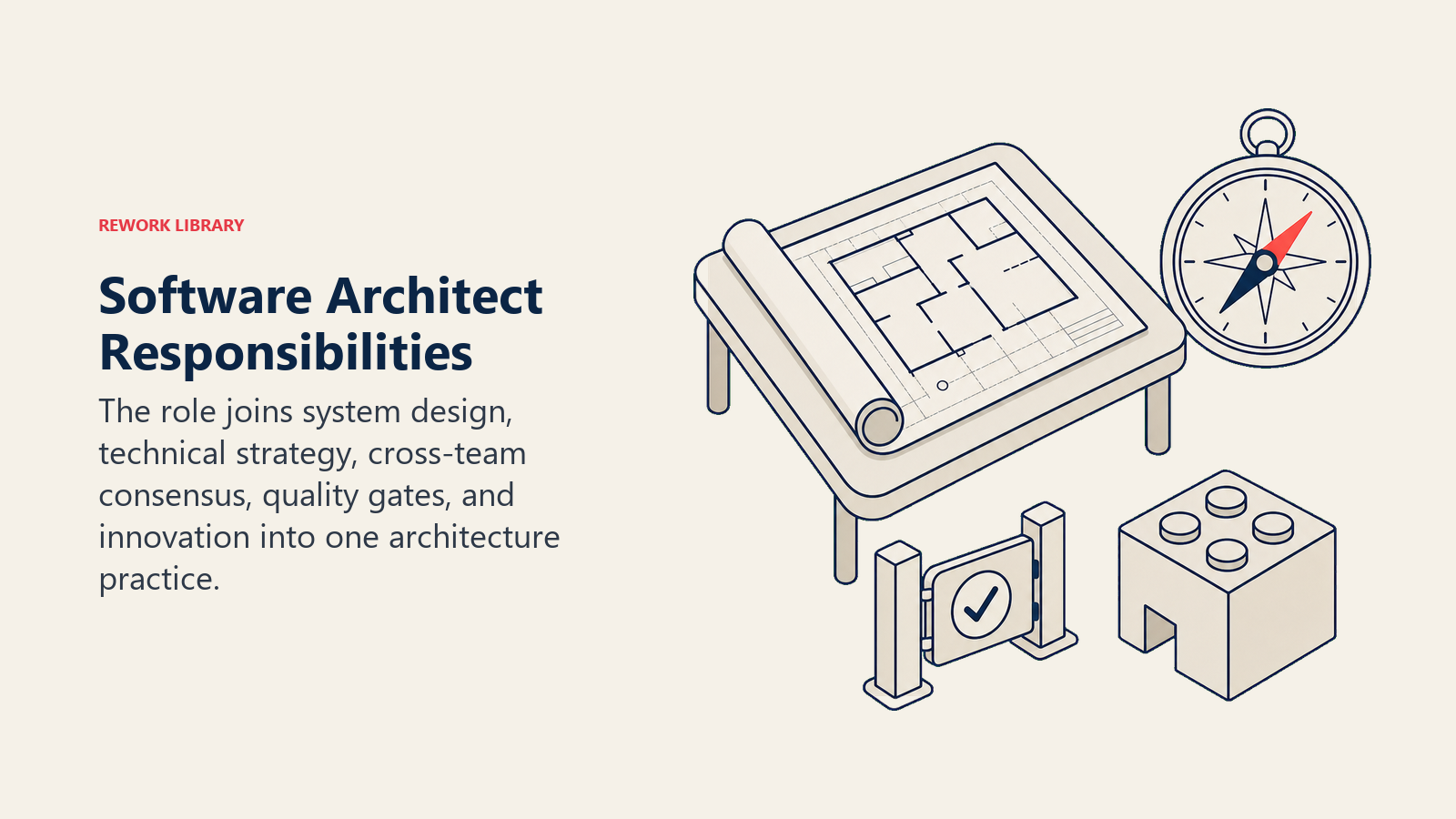
Esta seção abrange responsabilidades de design, liderança, colaboração, governança e pesquisa.
Arquitetura e Design
- Projetar e documentar a arquitetura de sistemas de alto nível para aplicações complexas e distribuídas
- Criar blueprints de arquitetura técnica, diagramas de sistema e especificações de interface
- Estabelecer princípios, padrões e normas arquiteturais entre as equipes de engenharia
- Avaliar e recomendar stacks tecnológicas, frameworks e soluções de terceiros
- Liderar processos de revisão de arquitetura e orientar sobre trade-offs técnicos
Liderança Técnica e Estratégia
- Atuar em parceria com a liderança de engenharia para alinhar a arquitetura à estratégia de negócio
- Conduzir a tomada de decisão técnica em múltiplas equipes de desenvolvimento
- Identificar e mitigar riscos arquiteturais e dívida técnica
- Defender as melhores práticas de engenharia, incluindo segurança, performance e manutenibilidade
- Liderar o desenvolvimento de provas de conceito para decisões arquiteturais críticas
Colaboração e Comunicação
- Trabalhar em estreita colaboração com product managers para traduzir requisitos de negócio em arquitetura técnica
- Colaborar com equipes de DevOps para garantir que os designs arquiteturais suportem deployment e operações
- Apresentar decisões e trade-offs arquiteturais à liderança executiva e aos stakeholders
- Facilitar discussões arquiteturais entre equipes e a construção de consenso
- Documentar decisões arquiteturais e manter as especificações técnicas
Qualidade e Inovação
- Estabelecer quality gates e mecanismos de conformidade arquitetural
- Pesquisar tecnologias emergentes e avaliar sua aplicabilidade aos nossos sistemas
- Impulsionar a adoção de melhores práticas do setor e padrões arquiteturais
- Monitorar a performance dos sistemas e identificar melhorias arquiteturais
- Mentorar engenheiros em pensamento arquitetural e princípios de design de sistemas
Qualificações Obrigatórias
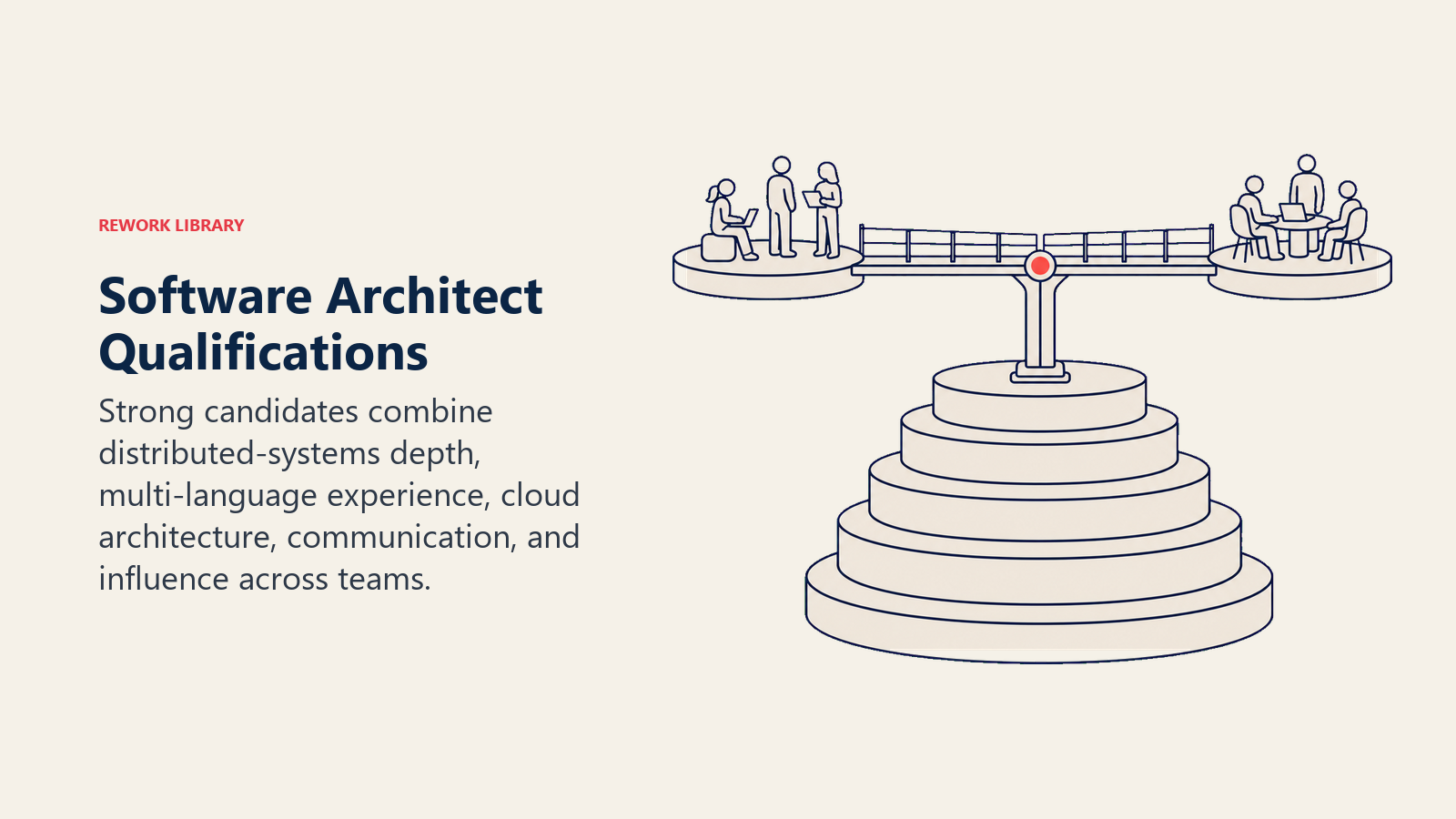
As qualificações combinam bases técnicas profundas com liderança entre equipes e comunicação executiva.
Formação e Experiência
- Graduação em Ciência da Computação, Engenharia de Software ou área técnica correlata
- 8 a 12 anos de experiência em desenvolvimento de software, sendo 3 a 5 anos em cargos de arquitetura
- Histórico comprovado de design e implementação de sistemas distribuídos em grande escala
- Experiência liderando iniciativas técnicas em múltiplas equipes de engenharia
Habilidades Técnicas
- Conhecimento avançado de padrões de arquitetura de software (microsserviços, orientado a eventos, em camadas, etc.)
- Sólida proficiência em múltiplas linguagens de programação (Java, C#, Python, Go ou similares)
- Profundo conhecimento de sistemas distribuídos, bancos de dados e plataformas de nuvem (AWS, Azure, GCP)
- Experiência com design de API, integração de sistemas e arquitetura de dados
- Conhecimento de práticas de DevOps, pipelines de CI/CD e infrastructure as code
Competências Essenciais
- Habilidades analíticas e de resolução de problemas excepcionais, com atenção aos detalhes
- Fortes habilidades de comunicação escrita e verbal para públicos técnicos e executivos
- Capacidade de influenciar decisões técnicas em múltiplas equipes sem autoridade direta
- Pensamento estratégico com capacidade de equilibrar visão de longo prazo e necessidades de entrega de curto prazo
- Experiência mentorando engenheiros sênior e construindo consenso técnico
Qualificações Desejáveis
Habilidades Técnicas Avançadas
- Experiência com orquestração de containers (Kubernetes, Docker Swarm)
- Conhecimento de plataformas de streaming de eventos (Kafka, Pulsar) e sistemas de filas de mensagens
- Familiaridade com domain-driven design (DDD) e modelagem de bounded context
- Experiência com otimização de performance e engenharia de escalabilidade
- Conhecimento de arquitetura de segurança e práticas de codificação segura
Experiência Adicional
- Mestrado em Ciência da Computação ou MBA com foco técnico
- Experiência em múltiplos domínios de setor (fintech, saúde, e-commerce, etc.)
- Contribuições open source ou thought leadership técnico (blog, palestras)
- Experiência com governança de arquitetura e frameworks de arquitetura corporativa
- Vivência em modernização de sistemas ou projetos de migração em grande escala
O Que Oferecemos
Remuneração e Benefícios
- Salário-base competitivo: US$ 140.000 - US$ 190.000 (de acordo com experiência e localização)
- Bônus por performance e participação em equity
- Plano de saúde completo (médico, odontológico, oftalmológico) com contribuição da empresa
- Plano de previdência com contrapartida da empresa
- Política flexível de PTO e feriados remunerados
Desenvolvimento Profissional
- Orçamento anual de aprendizado e desenvolvimento (US$ 3.000 por ano)
- Participação em conferências e oportunidades de treinamento em arquitetura
- Acesso a certificações de nuvem e recursos técnicos
- Participação em comunidades de arquitetura e compartilhamento de conhecimento
- Programas de mentoria e desenvolvimento de liderança técnica
Ambiente de Trabalho
- Modelo de trabalho híbrido flexível com opções remotas
- Ferramentas e equipamentos de desenvolvimento modernos fornecidos pela empresa
- Espaços de escritório colaborativos com estúdio de arquitetura dedicado
- Sessões regulares de revisão de arquitetura e discussões técnicas
- Cultura de apoio que valoriza a excelência técnica e a inovação
Variações de Contexto
Ambiente Corporativo
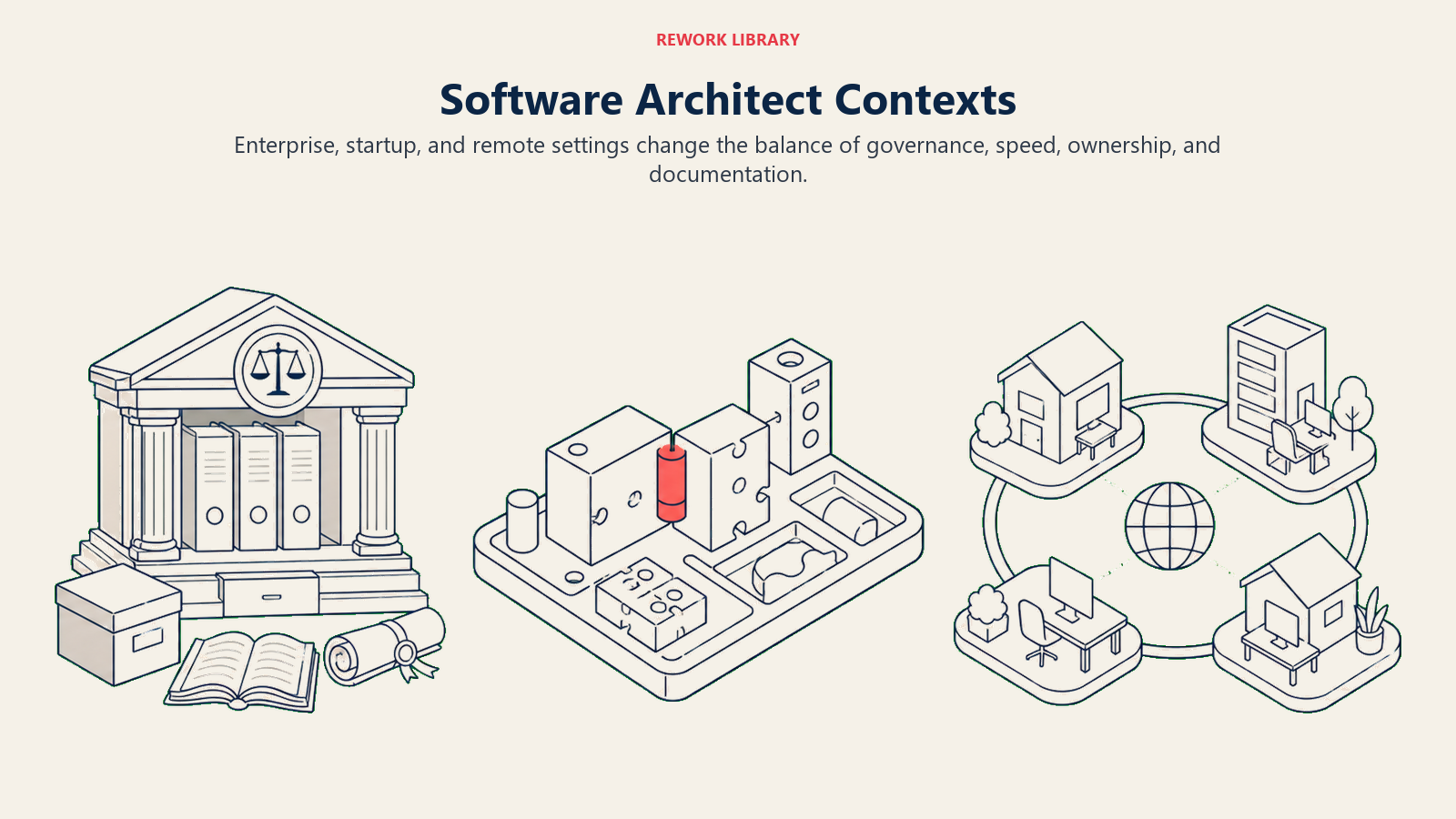
Em ambientes corporativos maiores, dê ênfase à experiência com frameworks de arquitetura corporativa (TOGAF, Zachman), requisitos de conformidade regulatória e processos de governança estabelecidos. Destaque as oportunidades de trabalhar em sistemas de missão crítica com bases de usuários significativas e requisitos de integração complexos entre múltiplas unidades de negócio.
Ambiente de Startup
Para cargos em startups, foque em versatilidade, capacidade de tomar decisões arquiteturais rápidas com recursos limitados e conforto com requisitos em constante evolução. Dê ênfase às oportunidades de ownership arquitetural significativo, impacto direto no sucesso do produto e experiência com decisões tecnológicas em estágio inicial que vão escalar com o crescimento da empresa.
Trabalho Remoto/Híbrido
Para posições remotas, dê ênfase a fortes habilidades de documentação, experiência com ferramentas de colaboração distribuída e capacidade de conduzir discussões de arquitetura virtualmente. Destaque as ferramentas e processos que dão suporte ao trabalho de arquitetura remoto e as oportunidades de mentoria e liderança técnica virtuais.
Considerações por Setor
Esta seção é uma comparação direta entre setores das restrições e prioridades técnicas.
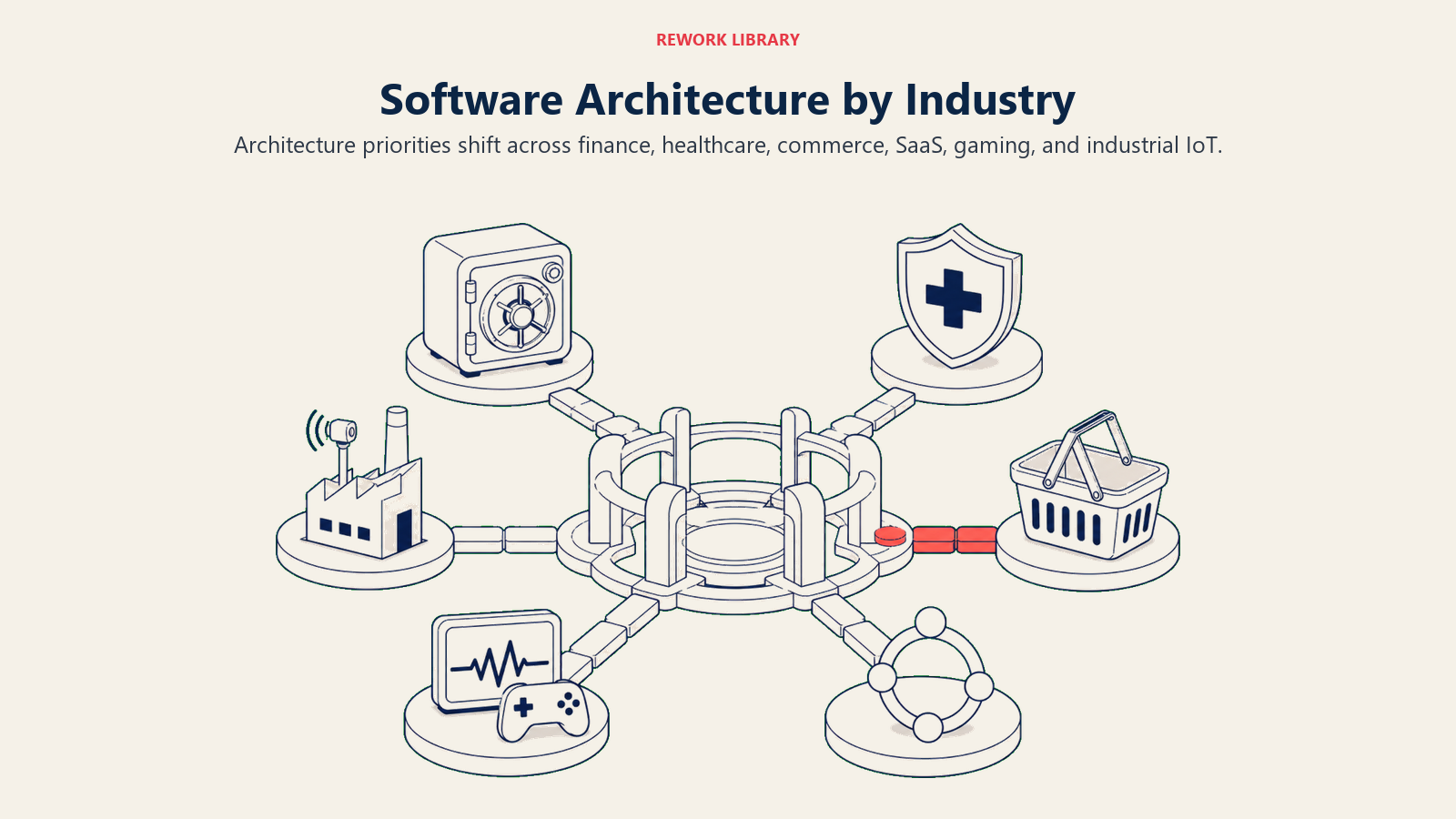
| Setor | Principais Requisitos | Aspectos Únicos |
|---|---|---|
| Serviços Financeiros | - Arquitetura de conformidade regulatória - Design de sistemas de alta disponibilidade - Processamento de transações em tempo real |
Forte ênfase em segurança, trilhas de auditoria e tolerância a falhas |
| Saúde | - Arquitetura em conformidade com a HIPAA - Padrões de interoperabilidade (HL7, FHIR) - Integração de fluxos de trabalho clínicos |
Foco em privacidade de dados, segurança do paciente e confiabilidade do sistema |
| E-commerce | - Arquitetura de sistemas de alto tráfego - Gestão de estoque em tempo real - Estratégias globais de CDN e cache |
Ênfase em performance, escalabilidade e experiência do usuário |
| SaaS/Nuvem | - Padrões de arquitetura multi-tenant - Princípios de design API-first - Integração de modelo de assinatura |
Foco em escalabilidade, confiabilidade e experiência do desenvolvedor |
| Games | - Arquitetura multiplayer em tempo real - Design de sistemas de baixa latência - Otimização de entrega de conteúdo |
Ênfase em performance, escala global e engajamento do usuário |
| Manufatura/IoT | - Arquitetura de edge computing - Integração de protocolos industriais - Processamento de dados em tempo real |
Foco em confiabilidade, segurança e tecnologia operacional |
Guia de Remuneração
Informações Salariais
Faixa Média Nacional: US$ 140.000 - US$ 190.000 anuais
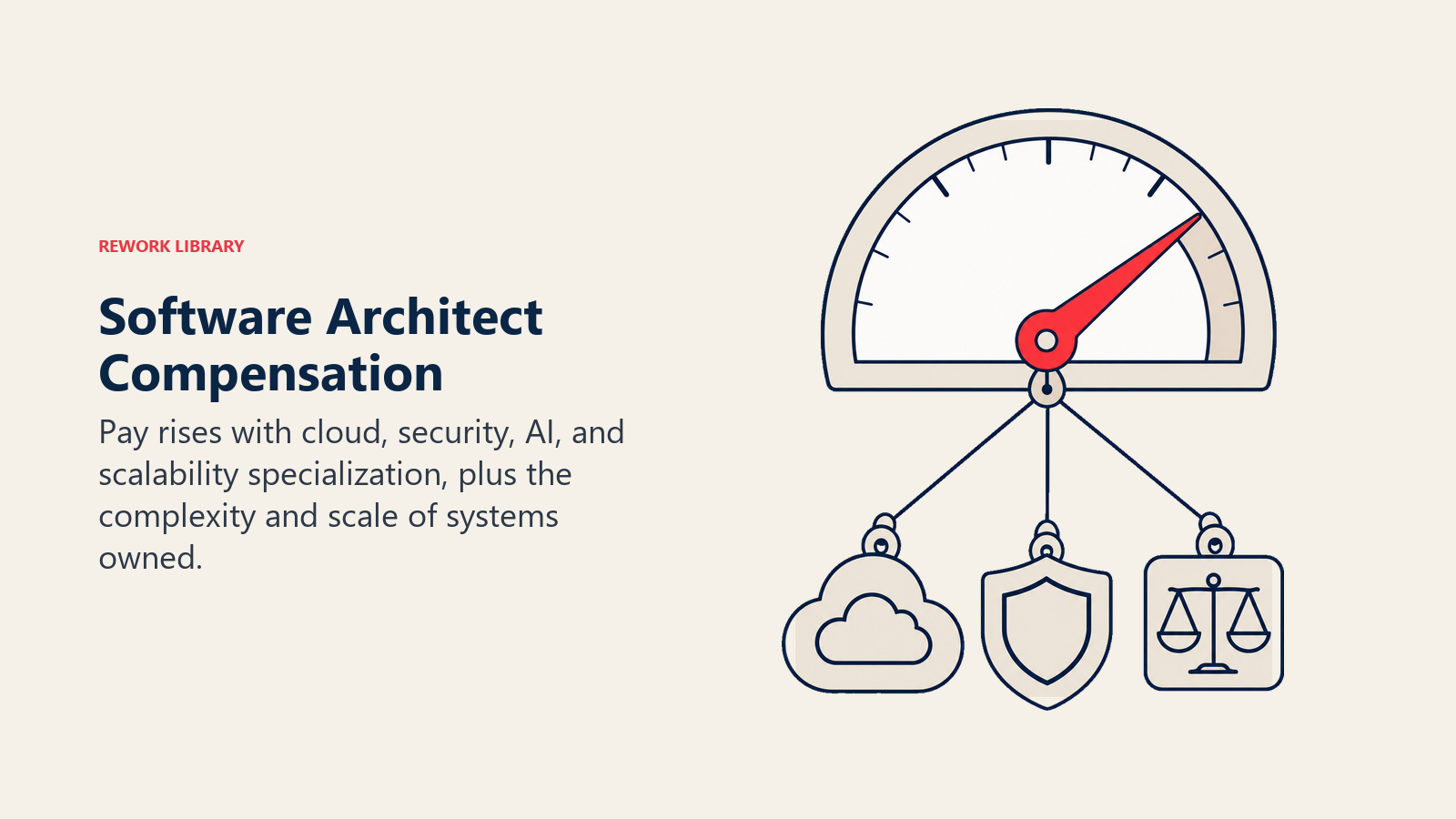
Principais Áreas Metropolitanas: | Localização | Faixa Salarial | Fator de Custo de Vida | |----------|-------------|---------------------| | San Francisco Bay Area | US$ 180.000 - US$ 240.000 | Alta demanda, concentração de tecnologia | | Nova York | US$ 170.000 - US$ 220.000 | Prêmio de serviços financeiros | | Seattle | US$ 160.000 - US$ 210.000 | Polo de plataformas de nuvem | | Austin | US$ 145.000 - US$ 185.000 | Ecossistema de tecnologia em crescimento | | Denver | US$ 140.000 - US$ 180.000 | Mercado de tecnologia emergente | | Chicago | US$ 135.000 - US$ 175.000 | Foco corporativo | | Atlanta | US$ 130.000 - US$ 170.000 | Menor custo de vida | | Remoto | US$ 130.000 - US$ 200.000 | Varia conforme a política da empresa |
Fatores que Afetam a Remuneração:
- Especialização arquitetural (cloud-native, AI/ML, segurança)
- Setor da indústria (fintech e saúde costumam pagar prêmios)
- Tamanho da empresa e complexidade técnica
- Anos de experiência em arquitetura e liderança de equipe
Dados salariais baseados em pesquisa de mercado de 2026 de múltiplas fontes do setor, incluindo Glassdoor, PayScale e consultorias especializadas em arquitetura.
Perguntas de Entrevista
Perguntas Técnicas/Funcionais
Design de Sistema: "Projete a arquitetura de uma plataforma de streaming de vídeo que atende 100 milhões de usuários globalmente. Explique sua abordagem para escalabilidade, entrega de conteúdo e tolerância a falhas."
Padrões de Arquitetura: "Compare microsserviços versus arquitetura monolítica para o nosso caso de uso. Quais fatores influenciariam sua recomendação e como você lidaria com a transição?"
Avaliação de Tecnologia: "Como você avaliaria e selecionaria uma nova tecnologia de banco de dados para nossa aplicação de alto tráfego? Quais critérios e processo você usaria?"
Arquitetura de Performance: "Descreva sua abordagem para projetar um sistema capaz de lidar com 1 milhão de requisições por segundo. Quais padrões arquiteturais e tecnologias você consideraria?"
Arquitetura de Segurança: "Como você incorpora segurança aos seus designs arquiteturais? Explique sua abordagem para projetar sistemas distribuídos seguros."
Arquitetura de Dados: "Projete uma arquitetura de dados para uma empresa em transição de processamento em lote para analytics em tempo real. Considere tanto as necessidades atuais quanto a escalabilidade futura."
Padrões de Integração: "Como você arquitetaria a integração entre mais de 20 microsserviços mantendo baixo acoplamento e tolerância a falhas?"
Arquitetura de Nuvem: "Compare os trade-offs arquiteturais entre estratégias multi-cloud, cloud híbrida e provedor de nuvem único. Quando você recomendaria cada abordagem?"
Perguntas Comportamentais
Liderança Técnica: "Fale sobre uma vez em que você precisou convencer uma equipe a adotar uma nova abordagem arquitetural à qual ela resistia. Como você lidou com isso?"
Decisão Arquitetural: "Descreva uma decisão arquitetural complexa que você tomou e que teve impacto significativo de longo prazo. Qual foi o seu processo e o que você aprendeu?"
Gestão de Stakeholders: "Dê um exemplo de quando você precisou explicar um conceito arquitetural complexo a stakeholders não técnicos. Como você abordou isso?"
Dívida Técnica: "Fale sobre uma vez em que você precisou equilibrar o desenvolvimento de novas funcionalidades com o tratamento da dívida técnica arquitetural. Como você priorizou?"
Gestão de Crise: "Descreva uma situação em que uma decisão arquitetural crítica que você tomou resultou em problemas em produção. Como você lidou com isso?"
Colaboração entre Equipes: "Compartilhe um exemplo de liderança em uma iniciativa arquitetural que exigiu coordenação entre múltiplas equipes de engenharia. Quais desafios você enfrentou?"
Perguntas de Aderência Cultural
Equilíbrio entre Inovação: "Como você equilibra a inovação arquitetural com a estabilidade do sistema e as necessidades do negócio?"
Aprendizado Contínuo: "Como você se mantém atualizado sobre tendências arquiteturais e tecnologias emergentes? Dê exemplos de aprendizados recentes."
Abordagem de Mentoria: "Descreva sua abordagem para mentorar engenheiros em pensamento arquitetural e design de sistemas."
Filosofia Técnica: "Qual é a sua filosofia sobre documentação arquitetural e como você garante que ela permaneça útil e atualizada?"
Dicas de Avaliação: Busque candidatos que demonstrem forte profundidade técnica, habilidades claras de comunicação e paixão genuína por design de sistemas. Preste atenção ao processo de raciocínio deles durante discussões arquiteturais e à capacidade de considerar o contexto de negócio junto com os requisitos técnicos.
Dicas de Contratação
Guia Rápido de Sourcing
Principais Plataformas para Arquitetos de Software:
- LinkedIn: Rede profissional com filtros de busca específicos para arquitetura
- Stack Overflow: Analise contribuições técnicas e envolvimento com a comunidade
- GitHub: Examine contribuições arquiteturais e projetos open source
- AngelList: Ótimo para arquitetos focados em startups
Comunidades Profissionais:
- Conferências de Software Architecture: O'Reilly Software Architecture, QCon
- Meetups locais de arquitetura: grupos de Software Architecture e design
- Comunidades online: grupos de Software Architecture no Slack, Reddit r/sofwarearchitecture
Dicas de Otimização do Anúncio:
- Use palavras-chave arquiteturais específicas (microsserviços, sistemas distribuídos, cloud-native)
- Inclua faixas salariais e informações sobre equity
- Destaque desafios técnicos complexos e decisões arquiteturais
- Mencione oportunidades de liderança técnica e mentoria
Sinais de Alerta a Evitar
Erros Comuns de Contratação:
- Foco excessivo em tecnologias específicas: deixar passar ótimos arquitetos capazes de aprender novas stacks tecnológicas
- Ignorar habilidades de comunicação: arquitetura exige excelente comunicação com stakeholders
- Requisitos de experiência irreais: exigir anos demais em áreas de rápida evolução
- Ignorar o contexto de negócio: contratar arquitetos puramente técnicos que ignoram as necessidades do negócio
- Abordagem genérica: não considerar as necessidades arquiteturais específicas da sua organização
- Pular a checagem de referências: decisões arquiteturais têm impacto de longo prazo, verifique o histórico de sucesso
Perguntas Frequentes sobre a Contratação de Arquiteto de Software
Como os Arquitetos de Software se diferenciam dos Engenheiros Sênior?
Os Arquitetos de Software focam no design de todo o sistema, em decisões técnicas entre equipes e na visão arquitetural de longo prazo. Os Engenheiros Sênior geralmente focam na excelência de implementação dentro de domínios específicos. Arquitetos precisam de conhecimento técnico mais amplo e habilidades de comunicação mais fortes para interagir com stakeholders.
Devemos exigir experiência prática em codificação para arquitetos?
Sim, arquitetos devem manter suas habilidades de codificação para se manterem atualizados com a realidade da implementação. No entanto, a proporção entre codificação e arquitetura varia conforme o tamanho da empresa e o foco do cargo. Startups precisam de arquitetos mais práticos, enquanto grandes empresas podem enfatizar design e habilidades de comunicação.
Qual é a diferença entre Arquiteto de Software e Solutions Architect?
Os Arquitetos de Software focam no design interno de sistemas e em decisões de engenharia. Os Solutions Architects geralmente trabalham com clientes e stakeholders externos para desenhar soluções usando produtos e plataformas existentes. Os cargos podem se sobrepor em organizações menores.
Qual é a importância da expertise de domínio em comparação com as habilidades arquiteturais?
Um forte pensamento arquitetural e conhecimento de padrões geralmente importam mais do que a expertise de domínio, que pode ser aprendida. No entanto, certos setores (saúde, finanças, games) têm requisitos arquiteturais específicos nos quais o conhecimento de domínio é valioso.
Quais certificações técnicas são valiosas para arquitetos?
Certificações de cloud architect (AWS, Azure, GCP) são altamente valiosas. Certificações de arquitetura corporativa (TOGAF) importam para grandes organizações. Certificações específicas de tecnologia dependem da sua stack, mas o conhecimento arquitetural amplo importa mais do que certificações específicas.
Como avaliamos o pensamento arquitetural em entrevistas?
Use perguntas de design de sistemas, discussões sobre trade-offs arquiteturais e análise de cenários reais. Pergunte sobre decisões arquiteturais passadas, o raciocínio por trás delas e os resultados. Checagens de referência com ex-colegas de engenharia são particularmente valiosas para arquitetos.
Os arquitetos devem gerenciar pessoas ou focar exclusivamente em liderança técnica?
Isso varia conforme a organização e a definição do cargo. Muitos arquitetos têm sucesso por meio da influência técnica, sem responsabilidades diretas de gestão. No entanto, algumas organizações combinam funções arquiteturais com gestão de pessoas. Esclareça as expectativas durante o processo de contratação.
Qual é a progressão de carreira típica até Arquiteto de Software?
Os caminhos comuns incluem Senior Engineer → Tech Lead → Senior Tech Lead → Arquiteto de Software, ou Senior Engineer → Principal Engineer → Arquiteto de Software. O prazo geralmente varia de 8 a 15 anos, dependendo da complexidade dos sistemas trabalhados e das oportunidades de liderança.
Como avaliamos o culture fit dos arquitetos?
Busque um estilo de comunicação colaborativo, capacidade de construir consenso, conforto com ambiguidade e equilíbrio entre inovação e pragmatismo. Os arquitetos precisam trabalhar de forma eficaz com stakeholders diversos, mantendo credibilidade técnica junto às equipes de engenharia.
Qual faixa salarial devemos esperar para Arquitetos de Software?
Os salários de Arquiteto de Software geralmente variam de US$ 140 mil a US$ 190 mil no âmbito nacional, com variação significativa conforme a localização e o setor. San Francisco e Nova York têm prêmios de 25-40%. Equity e bônus podem adicionar de 20-50% à remuneração total, especialmente em startups e empresas em crescimento.
Este modelo de descrição de cargo foi criado para atrair candidatos qualificados a Arquiteto de Software, comunicando claramente as expectativas do cargo e os requisitos técnicos. Personalize as qualificações específicas, a remuneração e as áreas de foco técnico para corresponder às necessidades de arquitetura e à stack tecnológica da sua organização.

Senior Customer Retention Strategist
On this page
- Visão Geral do Cargo
- Por Que Esse Cargo É Importante
- Sobre o Cargo
- Principais Responsabilidades
- Arquitetura e Design
- Liderança Técnica e Estratégia
- Colaboração e Comunicação
- Qualidade e Inovação
- Qualificações Obrigatórias
- Formação e Experiência
- Habilidades Técnicas
- Competências Essenciais
- Qualificações Desejáveis
- Habilidades Técnicas Avançadas
- Experiência Adicional
- O Que Oferecemos
- Remuneração e Benefícios
- Desenvolvimento Profissional
- Ambiente de Trabalho
- Variações de Contexto
- Ambiente Corporativo
- Ambiente de Startup
- Trabalho Remoto/Híbrido
- Considerações por Setor
- Guia de Remuneração
- Informações Salariais
- Perguntas de Entrevista
- Perguntas Técnicas/Funcionais
- Perguntas Comportamentais
- Perguntas de Aderência Cultural
- Dicas de Contratação
- Guia Rápido de Sourcing
- Sinais de Alerta a Evitar