Marketing-SourcedとInfluenced Pipeline:Attribution争いを終わらせる重要な区別
Turn this article into takeaways for your work.


Each assistant summarizes the article only for you and suggests best practices for your work.
Attributionのミーティングは毎四半期同じように進みます。マーケティングが数値を提示します:Pipelineの68%がMarketing-Influencedでした。セールスが別の数値を提示します、おそらくClosed-won取引の15%だけが実際にマーケティングから来たと。リーダーシップは両方を聞き、どちらも信頼せず、ミーティングは何も解決せずに終わり、予算の決定はどちらにも転びうる状況のままです。
どちらのチームもデータを作っているわけではありません。同じ基盤となるCRMのレコードを使用して、全く異なる答えに到達しているのは、異なるものを測定し、それらを同じ名前で呼んでいるからです。
**B2B組織のわずか28%**が、マーケティングとセールスの両方が信頼するAttributionモデルに合意しています(SiriusDecisions)。残りの72%は毎四半期同じAttributionの争いをしています、データが間違っているからではなく、レポートが構築される前に定義が共同で合意されていなかったからです。
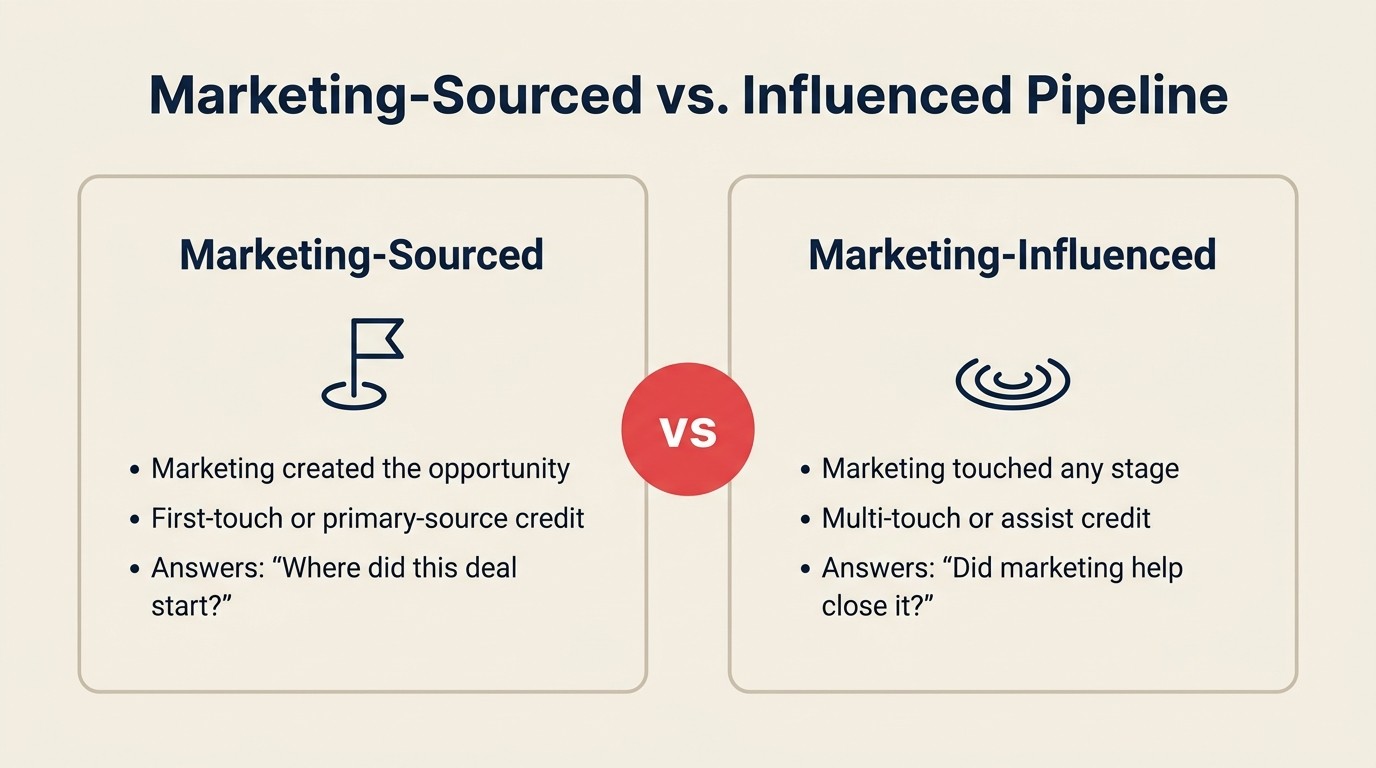
Sourced/Influenced Distinction(ソース/影響度の区別)は、Pipeline測定を2つの目的に特化した数値に分離する2指標のAttributionフレームワークです:Marketing-Sourced Pipeline(「どのチャネルが他に持っていなかった新規コンタクトを生み出すか?」という予算配分指標)とMarketing-Influenced Pipeline(「買い手のジャーニーのどこでマーケティング資産が違いを生み出しているか?」というコンテンツROI指標)。このフレームワークは、各指標に単一の合意された使用ケースを与えることでAttributionの衝突を終わらせ、どちらのチームも一方の数値を他方だけが答えられる質問に使用できないようにします。
Marketing-Sourced PipelineとMarketing-Influenced Pipelineは同じ指標ではありません。異なる質問に答えます。チームが同じ数値の競合バージョンとして扱うとき、争いは必然的です。それぞれが実際に何を測定するかを理解するとき、争いはほとんど消えます。Wikipediaのマーケティング Attributionの概要は有用な基盤となる点です:Attributionは転換に寄与したタッチポイントの特定であり、それぞれに価値を割り当てること、両チームがレポートを構築する前に合意すべき定義です。
主要データ:AttributionとPipeline精度
- **B2Bマーケターの43%**が、最大の測定課題はマーケティング活動を収益成果に結びつけることだと述べています(Demand Gen Report)。
- マルチタッチAttributionモデルを使用している企業は、シングルタッチAttributionと比較して同じ予算から15〜20%多いPipelineを生み出しています(Forrester)。
- マーケティングとセールスの両方が信頼するAttributionモデルに合意しているB2B組織はわずか**28%**です(Sirius Decisions)。
- インバウンド主導のGTMモデルは通常Pipelineの**40〜70%がMarketing-Sourcedであり、アウトバウンド主導のモデルは通常20〜40%**です(HubSpotのRevenue Report)。
- 平均的なB2B取引には購買決定前に6.8のタッチポイントがあり、シングルタッチAttributionをミッドFunnel投資の決定に対して体系的に誤解させます。
ネームドフレームワーク:Sourced/Influenced Distinction
Sourced/Influenced Distinctionは各指標に単一の重複しない仕事を与えます:
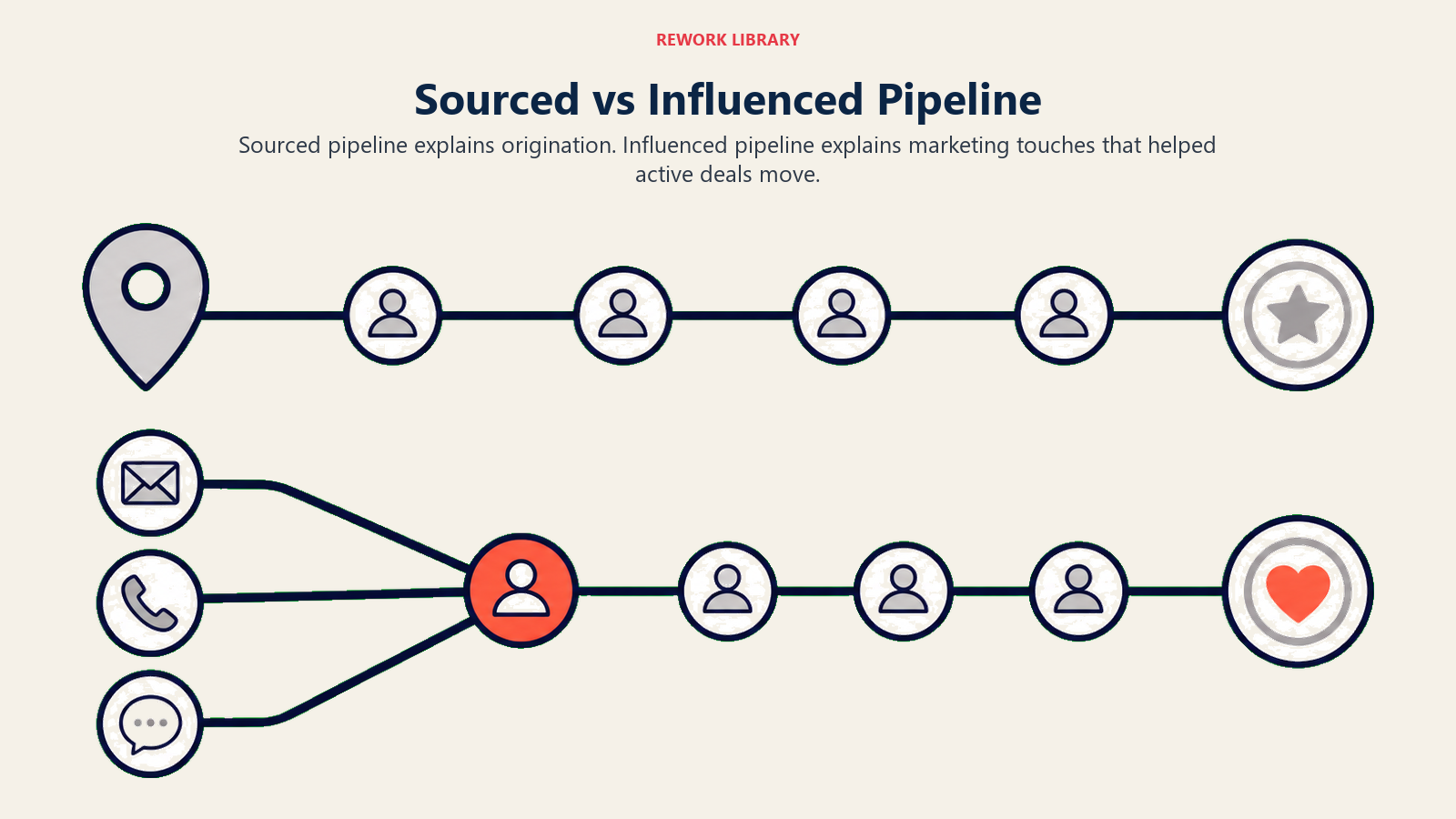
| 指標 | 答える質問 | 使用目的 | Attributionロジック |
|---|---|---|---|
| Marketing-Sourced Pipeline | 「どのチャネルが新規コンタクトをもたらすか?」 | 予算配分 | First-touch、Lead作成時に設定 |
| Marketing-Influenced Pipeline | 「マーケティング資産はアクティブな取引のどこで効果を発揮するか?」 | コンテンツROI | マルチタッチ、Opportunity作成前90日間 |
2つの数値は競合していません。補完的です。Sourced Pipelineを使用してミッドFunnelのコンテンツ効果を評価することは、Leadを生み出さないがクローズする取引に対してマーケティングを罰します。Influenced Pipelineを使用して獲得予算を正当化することは、セールスがマーケティングのタッチなしにクローズしていた取引を含めることで貢献を過大評価します。このフレームワークは、どちらのチームもメソドロジーに同意する前に目的に同意することを必要とします。
実際に重要な定義
ここから始めます。書き留めます。どちらのチームも単一のレポートを引き出す前に合意します。
Marketing-Sourced Pipeline: 新規コンタクトまたはアカウントをPipelineにもたらした最初の意味のあるタッチは、マーケティングが所有するチャネルでした。Leadはマーケティングを通じて発生しました:有料広告、コンテンツダウンロード、オーガニック検索クリック、Webinar登録、またはマーケティングシーケンスからのアウトバウンドメール経由で。その最初のマーケティングタッチがなければ、このコンタクトは今日CRMに存在しなかったでしょう。
Marketing-Influenced Pipeline: マーケティングのタッチポイントが、別の場所で発生した取引のいずれかのステージで生じました。コンタクトはAEのアウトバウンドコール、パートナーからの紹介、または既存顧客からの紹介によって導入されたかもしれません。しかし購買サイクルのある時点で、このコンタクトはマーケティング資産にインタラクションしたか、マーケティングイベントに参加したか、マーケティングキャンペーンの一部でした。
重複の問題:ほとんどの取引は両方を持ちます。見込み客がGoogle広告を通じて製品を発見し(Marketing-Sourced)、4か月間非アクティブになり、AEからのコールドコールを受け(アウトバウンドSourced)、署名前にWebinarに参加します(Marketing-Influenced)。どのAttributionが正しいですか?両方とも正しいですが、異なる決定に対して。
両方の数値が正当な理由
間違いは一方または他方を測定することではありません。間違いは一方を使用して、もう一方だけが答えられる質問に答えることです。

Marketing-Sourced Pipelineは予算配分指標です。 答える質問:どのチャネルが他に持っていなかった新規コンタクトを生み出しているか?ForresterのB2Bマーケティング測定に関する調査は、このフィールドが完全性について議論しているにもかかわらず、Sourcingの指標が予算配分決定のために最も実行可能な測定値として残っていることを確認しています。PipelineのSourcing率が40%なら、それはマーケティングが制御すべき予算量のデータポイントです。Sourced Pipelineが2四半期で40%から25%に低下すれば、マーケティングは新しいチャネルを見つけるか既存のものを修正する必要があります。この数値はToFu投資の決定を推進します。またLead Distribution戦略を固定します:どのソースが適格なPipelineを生み出すかを知ることで、どこでより速くルーティングするかがわかります。
Marketing-Influenced PipelineはコンテンツおよびメッセージングROI指標です。 答える質問:買い手のジャーニーのどこでマーケティング資産とキャンペーンが違いを生み出しているか?Influenced Pipelineが高くてもSourced Pipelineが横ばいなら、マーケティングはミッドFunnelには効果的だが新規獲得には効果的ではありません。両方が横ばいなら、問題は上流にあります。この数値はコンテンツ投資の決定を推進します:より多くのミッドFunnelのケーススタディを作るか、比較記事シリーズに投資するか、エグゼクティブイベントプログラムを構築するかどうか。
どちらの数値だけでも収益の全体像を伝えることはできません。Sourced Pipelineを使用してミッドFunnelのコンテンツ効果を評価することは、Leadを生み出さないがクローズする取引に対してマーケティングを罰します。Influenced Pipelineを使用してマーケティングの獲得予算を正当化することは、セールスがマーケティングのタッチなしにクローズしていた取引を含めることで貢献を過大評価します。
Marketing-Sourced Pipelineの計算方法
基盤はCRMのFirst-touch Attributionです。新しいコンタクトまたはLeadが作成されると、CRMはLeadソースフィールドに発生したチャネルを記録します。そのコンタクトから作成されたすべてのOpportunityはそのLeadソースを持ちます。
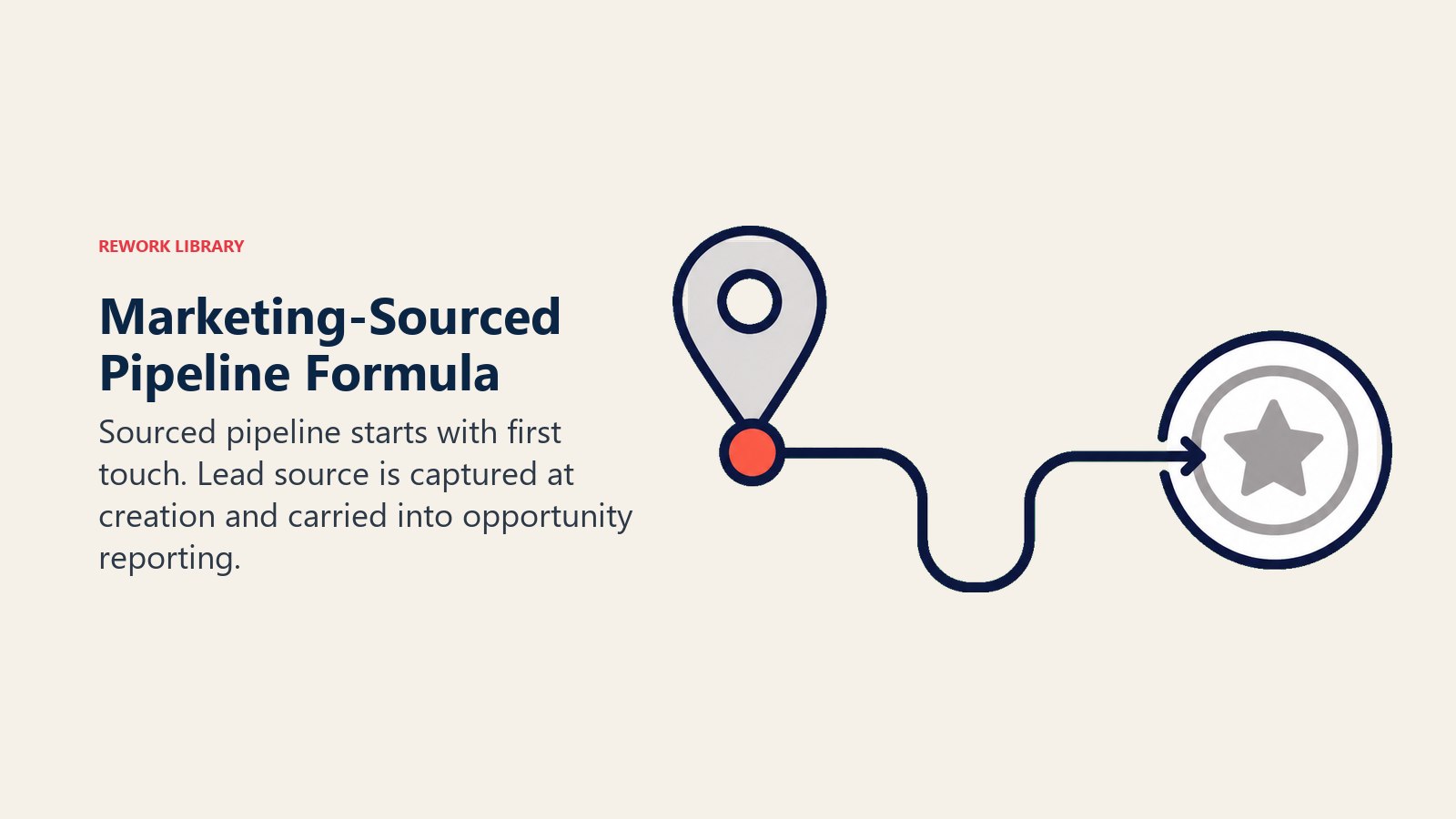
「First touch」が実際に意味するもの:
コンタクトのLeadソースは一度、作成時に設定され、変わりません。Acme CorpのSarahが1月にWhitepaperをダウンロードした場合、そのLeadソースは「コンテンツ」です。3月にAEがコールドコールして彼女とOpportunityを作成した場合、そのOpportunityはまだ「コンテンツ」をLeadソースとして持ちます。なぜならそれが彼女がシステムに入った方法だからです。AEは関係を開始しなかった;彼らはそれを発展させました。その最初のタッチからのLeadレスポンスタイムが、関係が発展するかどうかを決定します。
この区別は争いが始まる場所であることが多いです。セールスは取引をクローズするために全ての作業をしたと主張します。マーケティングはコンテンツが1月にSarahをFunnelにもたらしたと主張します。両方とも正しいです。しかしSourced Attributionは発生についてであり、クローズのクレジットではありません。
Sourced Pipelineデータを歪める一般的な要因:
SDRのアウトバウンドがインバウンドLeadを上書き。 インバウンドLeadが来て、SDRに割り当てられ、SDRが最初のアクティビティをアウトバウンドコールとして記録します。一部のCRM設定ではLeadソースを「SDRアウトバウンド」として再スタンプし、元のマーケティングソースを埋めてしまいます。修正:フィールドレベルのロックまたはWorkflowルールで作成時にLeadソースを保護します。
トレードショーのLeadが「その他」として記録される。 イベントのLeadは高品質であることが多いですが、ずさんなCRMデータ入力が「その他」または「不明」バケットに失われます。修正:特定の「イベント」または「トレードショー」ソースカテゴリを作成し、イベントLeadのインポートステップで必須にします。
同じアカウントの複数コンタクトが競合するLeadソースを持つ。 同じ企業の3人がCRMに異なるLeadソースで存在し、そのうちの1人がOpportunityに結びついた場合、どのソースが勝ちますか?修正:レポートする前にコンタクトレベルとアカウントレベルのAttributionを整合させ、ルールを文書化します。
LeadソースデータのAuditと修正方法:
- 過去2四半期のすべてのClosed-won取引をLeadソースとともにレポートとしてプルします。
- 空白、「不明」、または「その他」をソースとして持つものをカウントします。10%超はSourced Pipelineの分析を実行する前に修正する価値があるデータ品質の問題です。
- 汚れたレコードについては、CRMのアクティビティ履歴を通じて真の発生タッチを遡って特定します。
- Leadソースフィールドを設定後にロックし、将来のアクティビティがそれを上書きしないようにします。
Marketing-Influenced Pipelineの計算方法
Influenced PipelineにはマルチタッチのAttributionロジックと機能的なMAP-CRMの同期が必要です。基本的な質問:このOpportunityに関連するコンタクトは、取引がクローズする前にマーケティングキャンペーンとインタラクションしましたか?

メカニクス:
CRM内の各オープンまたはクローズOpportunityについて、それに関連するすべてのコンタクトをプルします。各コンタクトについて、Opportunityの周辺の定義された時間ウィンドウ中にマーケティングキャンペーン(メール、イベント、広告、コンテンツ)のメンバーだったかどうかを確認します。YESなら、そのOpportunityは「マーケティングにInfluenceされた」ということになります。
これにはキャンペーンメンバーシップがMAPからCRMにアカウントレベルではなくコンタクトレベルで渡される必要があります。HubSpotまたはMarketoの同期がデータを企業レベルでしか渡さない場合、適切なInfluence Attributionはできません。コンタクトレベルのキャンペーンメンバーシップが前提条件です。
Attributionウィンドウの問題:
Influenced Pipelineはウィンドウが広すぎると巨大に見えます。「過去365日間のいずれかのキャンペーンインタラクション」がInfluenceとしてカウントされる場合、ほとんどすべての取引が適格になります。なぜならCRM内のほぼすべてのコンタクトが過去1年間に少なくとも1通のマーケティングメールを受け取っているからです。その数値は技術的には正確ですが分析的には無意味です。
推奨される標準:Opportunity作成前90日間のウィンドウ。コンタクトが関連するOpportunityが作成された90日以内にマーケティングキャンペーンとインタラクションした場合、そのOpportunityはMarketing-Influencedです。このウィンドウは真のミッドFunnel貢献を表すのに十分に短く、現実的な購買ジャーニーを捕捉するのに十分に広いです。
Influenced Pipelineができることとできないこと:
できること:マーケティング資産とキャンペーンがアクティブな取引にいるコンタクトにタッチしているかどうか。クローズする取引に最も頻繁に現れるコンテンツカテゴリ(Webinarとケーススタディとホワイトペーパー)。
できないこと:マーケティングがそれらの取引のクローズを引き起こしたかどうか、またはそれらのコンタクトがマーケティングのタッチなしにクローズしていたかどうか。Influenced Attributionは相関であり、因果関係ではありません。コンテンツ投資の決定を導くために使用し、収益のクレジットを主張するためには使用しないでください。
まず行うべき会話
単一のレポートを引き出す前に、マーケティングとセールスのリーダーシップが3つのことに書面で合意する必要があります:
- 定義。 この記事からSourcedとInfluencedの定義をコピーするか、独自のものを書いてください。誰もCRMを開く前に両チームが承認します。
- Attributionウィンドウ。 Influenced Pipelineについて:90日が推奨されるデフォルトです。別のウィンドウを選択する場合は理由を文書化し、四半期の途中で変更しません。
- 各数値の使用目的。 Sourced → 予算配分。Influenced → コンテンツROI。どちらも → 他のチームが何も貢献しなかった証明ではない。
RevOpsはここで特定の役割を果たします:どちらの側にも立たずに定義セッションを実行し、次に両方の数値を一貫して生み出す技術的な実装を所有します。RevOpsはAttributionモデルを選択する人であるべきではありません。それはRevOpsがオプションとその影響を提供する中で、マーケティングとセールスのリーダーシップの共同決定です。
ファシリテーションモデルについてはRevOpsをAlignmentの接着剤としてを参照してください。
ベンチマークと良い状態の基準
これらは基準範囲であり、ターゲットではありません。適切な数値はGTMモデルに完全に依存します。
GTMモデル別のMarketing-Sourced Pipeline:
| GTMモデル | 典型的なSourced Pipeline範囲 |
|---|---|
| インバウンド主導(コンテンツ、SEO、有料) | 40〜70% |
| アウトバウンド主導(SDR重視) | 20〜40% |
| PLG(Product-Led Growth) | 25〜50%(PLGの転換はMarketing-Sourcedとしてカウント) |
| パートナー/チャネル主導 | 15〜30%(パートナーSourcedはMarketing Sourcedとは別) |
| ハイブリッド(ほとんどのミッドマーケット) | 30〜55% |
インバウンド主導モデルで動作していてSourced Pipelineが15%に位置している場合、Attributionデータ、チャネルパフォーマンス、またはLeadがCRMに入力される方法に問題があります。
Marketing-Influenced Pipelineのベンチマーク:
Influenced Pipelineのベンチマークは範囲が非常に広く、選択するAttributionウィンドウが数値に劇的に影響するため、比較ポイントとしての有用性が低いです。Influenced PipelineをIndustry平均と比較するのではなく、自社内のトレンドの方向性を追跡します。Influenced Pipelineは四半期ごとに増加または減少していますか?Influence率は60日以内にクローズする取引で高いですか低いですか?
Pipelineカバレッジ率
PipelineカバレッジQuantity(合計Pipelineを四半期クォータで割ったもの)は、単独のSourced Pipeline率よりも重要です。McKinseyのB2B成長調査は、マーケティングとセールスのデータを単一の商業ビューに統合している企業が、別々のチームスコアカードに依存する企業と比較して2倍の確率で持続的な市場シェア成長を見ることを示しています。Sourced Pipelineを60%生み出すCMOでも総カバレッジが1.5倍なら、Sourced Pipelineを40%生み出してもカバレッジが3倍のCMOほどビジネスに貢献していません。
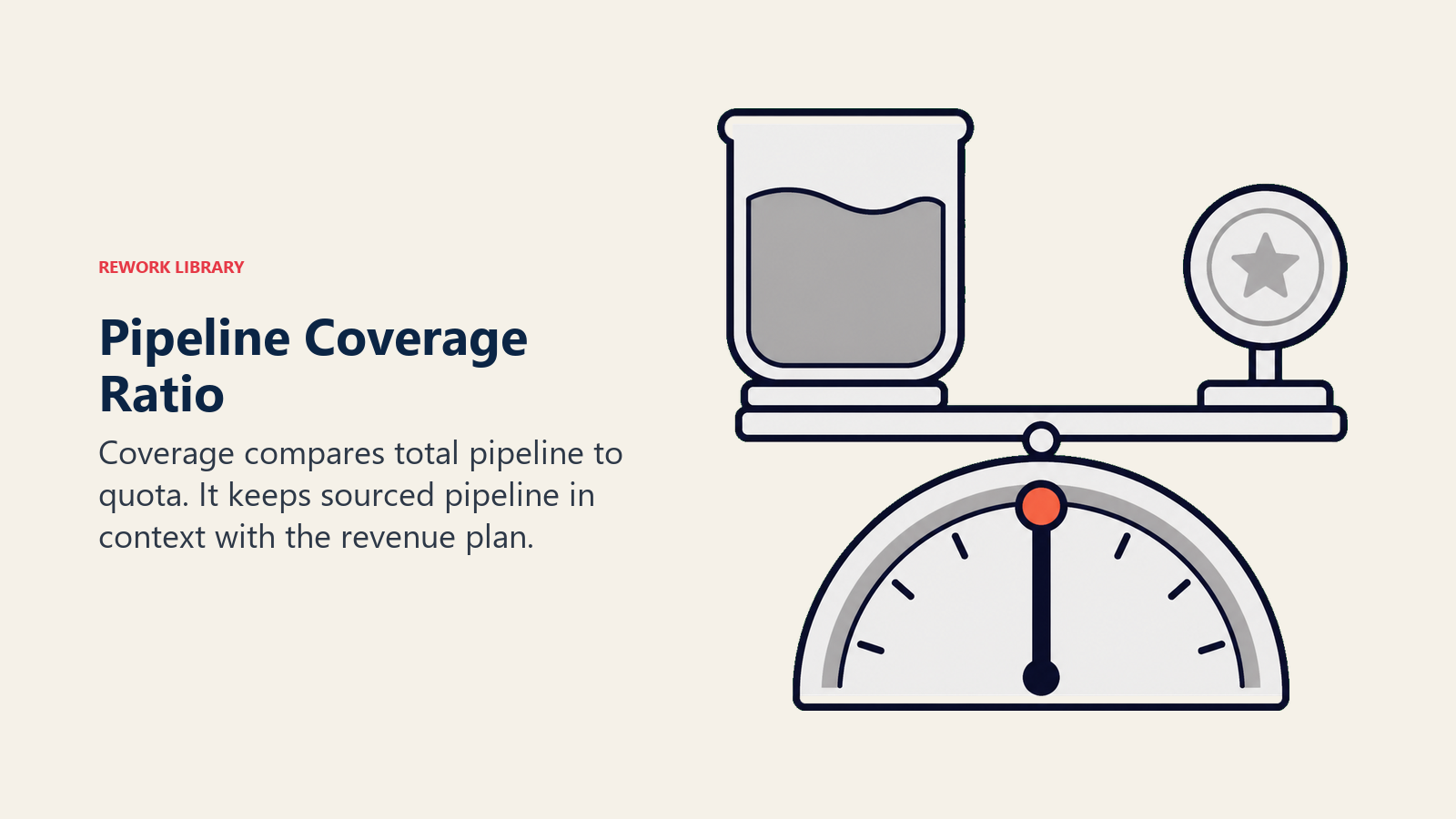
Marketing-Sourced PipelineはカバレッジForecastingを支えます。マーケティングがPipelineのどの割合を生み出すかがわかれば、予想されるWin率でクォータを達成するために必要なマーケティング量を予測できます。クォータが200万ドルでWin率が25%なら、800万ドルのPipelineが必要です。マーケティングがその40%をSourceするなら、マーケティングは320万ドルのPipelineを生み出す必要があります:MQLだけでなく、Pipelineとして適格なOpportunityです。
これはマーケティングをForecastingに結びつける会話であり、Forecastingの共同作業:マーケティングのInfluenceが引き継ぐ場所です。Pipelineカバレッジ分析は同じ計算式を使用します:合計Pipelineをクォータで割り、Sourced Pipelineはその分子のマーケティングが所有する部分です。
してはいけないこと
マーケティングの数値を膨らませるためにInfluenced PipelineをSourcedと主張しない。 SDRが最初にコンタクトした場合、それはアウトバウンドSourcedです。コンタクトが後でWebinarに参加した事実は発生を変えません。セールスはこれを知っており、2つを混同するとすべての数値への信頼が失われます。
マーケティングが生み出したインバウンドにAEがフォローアップするときにSourcedクレジットからマーケティングを除外しない。 見込み客がコンテンツダウンロードを通じて来てAEがクローズした場合、発生はまだマーケティングです。AEはクローズのクォータクレジットを得ます。マーケティングは発生のSourced Attributionを得ます。両方のことが同時に真です。
四半期の途中でAttributionモデルを変更しない。 現在のモデルが不完全だと気づいても、四半期中に変更するとすべての過去の比較が無意味になります。改善に合意し、文書化し、次の四半期の開始時に実装します。
Influenced Pipelineをマーケティングの予算の主要指標として使用しない。 Influenced PipelineはMarketing効果ではなく取引量に反応します。Volume quantity の高い四半期では自然に高くなります。予算決定はSourced Pipelineを追跡すべきであり、Influencedではありません。
Reworkの分析: 最も一般的なAttributionの間違いは間違ったモデルを選択することではありません、定義に合意する前にレポートを構築することです。実際には、Attribution争いは通常、数値からではなく誰がレポートを構築したかから始まります。マーケティングがセールスの構築を助けなかったAttribution数値を提示すると、デフォルトの反応は懐疑論です。構造的な修正は、VP MarketingとVP Salesが両方の「ソース」が何を意味するか、「Influenced」が何を意味するか、そして各数値が何に使用されるかについて書面で合意する90〜120分の共同ワーキングセッションです, RevOpsが単一のレポートを構築する前に。このセッションを最初に実施するチームは、数値が変わったからではなく、両チームがメソドロジーを所有しているために、1四半期以内にAttributionの争いが大幅に減少すると報告しています。
Attribution争いはクレジットについてではない
それが実際に議論を終わらせる再フレーミングです。両方の数値は異なる決定に対して正当です。争いはマーケティングがInfluenced PipelineをSourced Pipelineだけが答えられる質問に使用するとき、またはセールスがInfluenced Attributionを完全に却下してPipeline分析にマーケティングの貢献を含めることを拒否するときに起きます。
重要な合意:Sourced Pipelineは獲得指標。Influenced Pipelineはコンテンツとキャンペーンの効果指標。両方が毎週月曜日に収益チームがレビューする8つの共有Dashboardにあります。どちらのチームも四半期が始まる前に両チームがそれに合意したためにメソドロジーに異議を唱えません。
それは文化的な変革ではありません。3時間のワーキングセッションと共有のGoogleドキュメントです。そこから始めます。チームがまだ基本的な定義の確立段階にある場合、Alignmentの成熟度診断はAttributionが最初に解決すべき問題かどうか、またはMQL定義がより緊急のギャップかどうかを教えてくれます。
よくある質問
Marketing-SourcedとMarketing-Influenced Pipelineの違いは何ですか?
Marketing-Sourced Pipelineは、マーケティングが最初の意味のあるタッチを所有した取引をカウントします、コンタクトをCRMにもたらしたチャネルが最初に。Marketing-Influenced Pipelineは、誰が最初にコンタクトしたかに関係なく、購買サイクルのある時点でマーケティングのタッチポイントが発生した取引をカウントします。両方の数値は同じ取引に対して同時に真である可能性があります:コンタクトはコンテンツを通じてSourceされ、後のWebinarを通じてInfluenceされる可能性があります。
予算決定にどのAttributionの指標を使用すべきですか?
予算配分の決定にはMarketing-Sourced Pipelineを使用します。それはどのチャネルが他に持っていなかった新規コンタクトを生み出しているかを教え、獲得支出をどこに投資するかを直接判断します。Influenced Pipelineはマーケティング効果よりも取引Volume quantityに反応します, Volume quantityが高い四半期では自然に上昇します、したがって予算決定の基準として適切ではありません。コンテンツROI分析とミッドFunnel投資の決定にInfluenced Pipelineを留めておいてください。
AttributionレポートでのPipelineの二重カウントを避けるにはどうすればよいですか?
Sourced/Influenced Distinctionは設計によって二重カウントを防ぎます:SourcedとInfluencedは別々の決定に使用される別々の指標であり、同じ数値の2つのバージョンではありません。二重カウントのリスクは、チームが2つを単一の「マーケティングPipeline貢献」数値に組み合わせようとするときに生じます。組み合わせないでください。両方の数値を別々に提示し、それぞれに決定の使用ケースをラベルし、四半期が始まる前にどちらがどのDashboardに使われるかを合意します。
Influenced PipelineにどのようなAttributionウィンドウを使用すべきですか?
推奨されるデフォルトはOpportunity作成前90日間です。より長いウィンドウ(180日、365日)はほぼすべての取引が適格になるまでInfluenced Pipelineを膨らませます。なぜなら成熟したCRM内のほぼすべてのコンタクトが少なくとも1通のマーケティングメールを受け取っているからです。90日間のウィンドウは真のミッドFunnel貢献を表すのに十分に短く、現実的なエンタープライズ購買タイムラインを捕捉します。平均取引期間が30日未満の場合は、30日間のウィンドウを検討してください。
SDRがインバウンドLeadをフォローアップしてCRMがソースを「SDRアウトバウンド」として再スタンプする場合はどうすればよいですか?
作成時にフィールドレベルのロックまたは自動化ルールでLeadソースフィールドをロックします。発生するチャネルは、新規コンタクトがシステムに入る瞬間に一度設定され、後続のアクティビティに基づいて変わりません。SarahがコンテンツダウンロードでCRMに入った場合、AEが3回電話した後でも彼女のLeadソースは「コンテンツ」のままです。AEはクローズのクォータクレジットを得ます;マーケティングは発生のSourced Attributionを得ます。両方が真です。
現実的なMarketing-Sourced Pipelineのベンチマークはどのように見えますか?
インバウンド主導のモデルは通常Pipelineの40〜70%がMarketing-Sourcedであり;アウトバウンド主導(SDR重視)モデルは通常20〜40%;ハイブリッドのミッドマーケットモデルは通常30〜55%です(HubSpot Revenue Report)。インバウンド主導モデルで動作していてSourced Pipelineが20%以下の場合、まず3つの原因を調査します:CRMのLeadソースデータ品質、インバウンドソースフィールドを上書きするSDRアクティビティ、そして有料トラフィックのUTMパラメータが一貫してキャプチャされているかどうか。
関連記事

Principal Solution Architect
On this page
- ネームドフレームワーク:Sourced/Influenced Distinction
- 実際に重要な定義
- 両方の数値が正当な理由
- Marketing-Sourced Pipelineの計算方法
- Marketing-Influenced Pipelineの計算方法
- まず行うべき会話
- ベンチマークと良い状態の基準
- Pipelineカバレッジ率
- してはいけないこと
- Attribution争いはクレジットについてではない
- よくある質問
- Marketing-SourcedとMarketing-Influenced Pipelineの違いは何ですか?
- 予算決定にどのAttributionの指標を使用すべきですか?
- AttributionレポートでのPipelineの二重カウントを避けるにはどうすればよいですか?
- Influenced PipelineにどのようなAttributionウィンドウを使用すべきですか?
- SDRがインバウンドLeadをフォローアップしてCRMがソースを「SDRアウトバウンド」として再スタンプする場合はどうすればよいですか?
- 現実的なMarketing-Sourced Pipelineのベンチマークはどのように見えますか?
- 関連記事