システム管理者職務記述書テンプレート - 2026年ガイド
Turn this article into takeaways for your work.


Each assistant summarizes the article only for you and suggests best practices for your work.
このガイドで得られること
- 自社の環境に合わせて調整できる、そのまま掲載可能なシステム管理者の職務記述書
- この肩書きが実際に該当する唯一の連邦職業と、予測される減少が採用にとって本当に意味すること
- 2026年のこの職務の範囲:ID管理、サーバーと仮想化基盤、パッチ適用とバックアップ、エンドポイント、監視、自動化
- ネットワークエンジニア、ヘルプデスク、DevOpsとSRE、データベース管理者、ITマネージャーとの明確な境界線
- 各発行元で確認した認定資格の情報、経験レベル別マトリクス、18の面接質問、警戒すべき兆候のリスト
このライブラリの大半の肩書きは、連邦の賃金カテゴリに大まかに対応するか、2つに分割されるか、あるいは中央値を押し上げる経営層中心の区分に埋もれています。システム管理者は例外です。米国労働統計局(BLS)は、Network and Computer Systems Administrators(ネットワーク・コンピュータシステム管理者)という名称の職業を公表しており、「システム管理者」はこの名称に近いという程度の推測ではありません。名称そのものの半分です。これらに入る前に、応募者を適切に絞り込める求人票の書き方については、まず職務記述書のベストプラクティスガイドをご覧ください。
この明確な対応は良い知らせです。しかし、すぐ隣にはより厳しい知らせがあります。BLSはこの職業が今後10年で縮小すると予測しており、その理由もはっきりと述べているのです。
主なハイライト
- この肩書きには、明確に対応する独自の連邦職業があります:Network and Computer Systems Administrators(15-1244)、中央値は99,130ドル(時給47.66ドル)、雇用数は323,600人(2025年5月)。
- BLSは2025年から2035年にかけて4%の減少を予測しています。13,200人分の雇用が失われ、年間の求人は約13,400件ですが、そのすべてが新規の人員増ではなく、退職者の補充によるものです。
- BLSは原因を直接挙げています:DevOpsに注力するソフトウェア開発者への業務の移行、Networks-as-a-Serviceプロバイダーへの業務の外部委託、そして管理者自身による定型業務の自動化です。
- キャリアアップの道筋は反対方向に伸びています:コンピュータネットワークアーキテクトは中央値134,050ドルで、同じ10年間に8%の増加が見込まれています。
- 2026年の職務は6つの領域にまたがります:IDとディレクトリサービス、サーバーと仮想化基盤、パッチ適用とバックアップ、エンドポイントと構成管理、監視とオンコール、そして自動化です。最後の自動化が、候補者がこの職業のどちらの半分に属するかを決めます。
- 求人票で最も多い失敗:実はヘルプデスクの仕事なのに肩書きだけ良く見せたシステム管理者の求人、あるいはシステム管理者が欲しかった人が書いたDevOpsの求人です。
この職務が重要な理由
誰かが退職した後も使えるアカウント、パッチ適用後に立ち上がってくるサーバー、実際にリストアできるバックアップ。こうした成果の責任を負うのがこのポジションです。目立たない仕事ですが、失敗したその日には、社内の誰もがそのことだけを考えるようになります。
減少とその実際の意味
BLSのネットワーク・コンピュータシステム管理者に関する項目によると、年間賃金の中央値は2025年5月時点で99,130ドル(時給47.66ドル)、雇用数は323,600人です。雇用は2025年から2035年にかけて4%減少すると予測されており、13,200人分の雇用が失われ、年間の求人は約13,400件で、そのすべてが新規ポジションではなく退職者の補充によるものです。BLSは原因を明確に述べています。DevOpsに注力するソフトウェア開発者が担う業務の増加、Networks-as-a-Serviceを提供する企業への業務の外部委託、そして管理者自身による定型業務の自動化です。
これは現実のシグナルですが、採用を見送る理由ではありません。この職業に関するO*NETの記録は、減少という数字の下にある中核業務を挙げています。ネットワークセキュリティ対策の計画、バックアップと災害復旧の実施、ハードウェアとソフトウェアの問題の診断、ネットワークと関連環境の保守、そしてシステムの整合性と可用性を確認するための性能監視です。肩書きを取り除くと、このリストはID管理、サーバー、パッチ適用、バックアップ、エンドポイント、監視となり、2026年の求人票が網羅すべき6つの領域と同じです。
調査データは、各領域が1週間のうちどれだけを占めるかを裏づけています。PDQの2026 State of System Administrationレポートは、ベンダーが公表した調査で、2025年10月から12月にかけて1,034人のシステム管理者とIT専門家(PDQの顧客に限らない)を対象としています。それによると、タイムリーなパッチ適用、セキュリティ脅威への対応、デバイスのトラブルシューティングが、日々の最も時間のかかる業務として並び、それぞれ回答者の51%が挙げました。コンプライアンス対応とレガシーシステムが49%で続いています。同じレポートでは、57%が前年より強いストレスを感じており、73%がエンドポイント管理を大部分または完全に自動化したいと考えていますが、現実は依然として手作業が混在しています。このギャップこそ、BLSがこの職業の成長する半分と縮小する半分を分ける断層線です。
パッチ適用が、このリストの最上位に位置するのには、チケット件数以外の理由もあります。Verizonの2026 Data Breach Investigations Report(2024年11月1日から2025年10月31日までのインシデントを対象)は、情報漏えいの31%がソフトウェアの脆弱性から始まっており、攻撃者の侵入経路として盗まれたパスワードを上回って第1位になったと報告しています。パッチ適用の頻度は雑務ではなく、この職務で最もレバレッジの効く項目です。
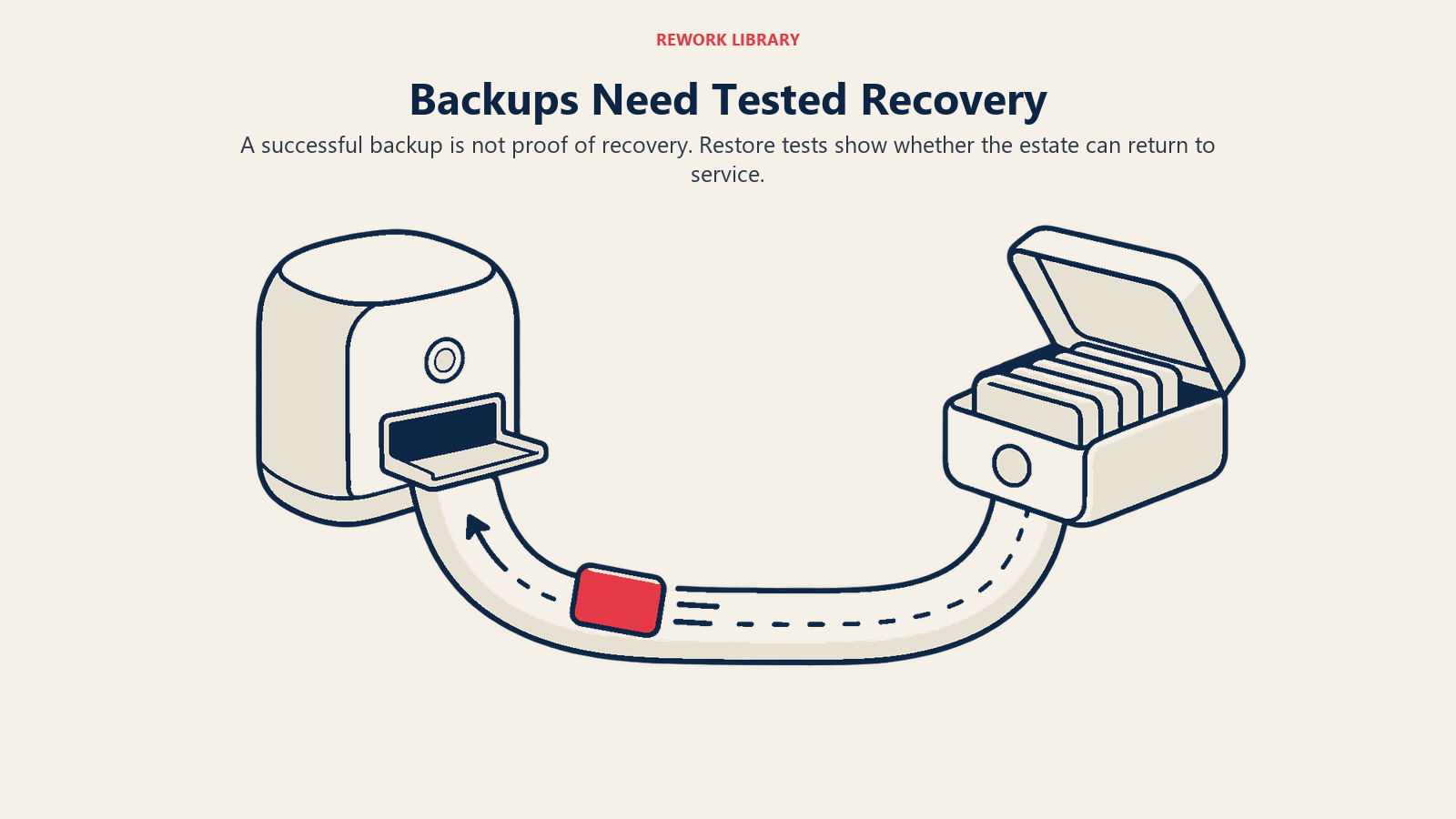
バックアップも同じ重みがありますが、正直な数字は、ほとんどの求人票が想定するよりも厳しいものです。Veeamの2026 Data Trust and Resilience Reportは、世界の900人超のシニアIT、セキュリティ、リスクリーダーから集計した結果、90%がサイバーインシデントから目標復旧時間内に復旧できると確信している一方、ランサムウェアの被害を受けた組織のうち、影響を受けたすべてのデータを完全に復旧できたのは28%にとどまると報告しています。エンドツーエンドでテストしたことのないバックアップは、統制ではなく思い込みです。
監視とオンコールがこの全体像を完成させますが、その影響は金銭面にも及びます。PagerDutyの2026 State of AI-First Operationsレポートは、7つの市場のビジネスリーダー、IT意思決定者、シニア開発者1,000人を対象とした調査で、8%の組織が計画外の障害で1時間あたり100万ドル超を失い、34%が少なくとも1時間あたり50万ドルを失うことを明らかにしました。社内基盤のポケベルを持つ人は、本物のお金を背負っているのです。
6つの領域を合わせて見ると、それらを分けるのは自動化です。キャリアのすべてがデバイスごとの設定作業である候補者は、BLSが述べる縮小する半分に属します。パッチ適用サイクルをスクリプト化し、アクセスレビューを自動化した候補者は、アーキテクチャやプラットフォームの職務へと成長し続ける半分に属します。何を設定してきたかを尋ねる前に、何を自動化したかを尋ねてください。
システム管理者と近接する職種の境界線
インフラ採用における混乱の半分は、似て聞こえるのに担当領域が異なる肩書きから生じます。
| 職種 | 担当領域 | 報告先 | 採用するタイミング |
|---|---|---|---|
| システム管理者 | ID管理、サーバーと仮想化基盤、パッチ適用、バックアップ、エンドポイント群 | ITマネージャーまたはDirector of IT | 社内のサーバー、ID、エンドポイントに、片手間ではなく専任の責任者が必要なとき |
| ネットワークエンジニア | 通信レイヤー:ルーティング、スイッチング、ファイアウォール、WAN、無線 | ITマネージャーまたはDirector of IT | ネットワークの複雑さがジェネラリストによる対応の限界を超えたとき |
| ヘルプデスク担当者 | ティア1のチケット、パスワードリセット、ハードウェアのセットアップ、トリアージ | システム管理者またはITマネージャー | チケット件数が、システム管理者の本来の業務を妨げているとき |
| DevOpsエンジニア | 製品のビルド、デプロイ、リリースのパイプライン | エンジニアリング部門のリーダー | 製品に必要なのが社内サーバーの管理ではなく、リリース速度であるとき |
| サイトリライアビリティエンジニア | 製品の実行時の信頼性とエラーバジェット | エンジニアリング部門のリーダー | 管理すべきリスクが社内基盤ではなく、顧客向けの稼働率であるとき |
| データベース管理者 | データベースエンジンの性能、クエリのチューニング、データベース固有のバックアップとリカバリ | システム管理者またはITマネージャー | データベースのワークロードが、汎用的なバックアップとリストアで対応できる範囲を超えたとき |
| クラウドエンジニア | クラウドインフラのプロビジョニングとInfrastructure as Code(通常は製品向け) | Platform EngineeringまたはEngineering部門のリーダー | クラウドのワークロードに、社内のSaaS基盤を超える専任の責任者が必要なとき |
最も大きな害を及ぼすミスマッチは、1行目と3行目、4行目の組み合わせです。チケットを処理するだけなのにシステム管理者という肩書きを付けた求人は、肩書きを良く見せたヘルプデスクの仕事であり、サーバーとIDの管理を期待する候補者を引き寄せて、1年以内に去られてしまいます。逆の場合もあります。実際に必要なのはオンボーディング、ノートPC、ファイルサーバーを担当する人なのに、流行りの肩書きだからという理由で創業者がDevOpsの職務記述書を書くのです。どちらのミスマッチも、オファーに署名した後では修正できません。
基本の職務記述書テンプレート
職務概要
当社では、[会社名]が稼働する社内システムを担うシステム管理者を募集しています。ID管理とディレクトリサービス、サーバーと仮想化基盤、エンドポイント群、そしてそれらすべてを復旧可能に保つパッチ適用とバックアップのサイクルが担当領域です。設定作業だけでなく、スクリプト作成と自動化にも実際に時間を割いていただきます。この職務で成長している部分は、テンプレート化できる部分だからです。
[ITマネージャー/Director of IT]に報告し、サーバールームの終わりとネットワーク回線の始まりの境界についてはネットワークエンジニアと、パッチ適用の頻度やアクセスレビューについてはセキュリティアナリストと緊密に連携していただきます。当社の規模によっては、バックアップ基盤についてデータベース管理者を支援する場合や、その業務も担当する場合があります。
理想的な候補者は、アカウントの初日から最終日までに何が起こるかをメモなしで説明でき、プレッシャーの中でバックアップを少なくとも一度は復元した経験があり、この1年で自動化した具体的な何かを挙げられる方です。
主な職責
- IDとディレクトリサービス:Active Directory、Entra ID、または同等のID基盤を担当し、グループポリシー、シングルサインオン、アクセスレビューを含めて管理する。
- サーバーと仮想化基盤:物理サーバーと仮想サーバーを構築、パッチ適用、保守し、基盤の拡大やハイブリッド化に伴うキャパシティプランニングを行う。
- パッチ管理:段階的な展開と、問題発生時のロールバック計画を備えた、明確なパッチ適用サイクルを運用する。
- バックアップと災害復旧:バックアップのスケジュールを管理し、監査で証明を求められたときだけでなく、実際のカレンダーに沿ってリストアをテストする。
- エンドポイントと構成管理:エンドポイント管理プラットフォームを通じてデバイス群を管理し、各マシンを手作業で設定する代わりに標準ビルドを展開する。
- 監視とオンコール:アラートを意味のあるものに保ち、ローテーションを公平に分担し、原因を文書化したうえでインシデントをクローズする。
- 自動化とスクリプト作成:繰り返しの管理業務をスクリプトやコードによる構成管理に移し、200台のサーバーへの変更が200回の手作業にならないようにする。
- セキュリティ衛生:ハードニングのベースライン、脆弱性の修正、インシデント対応について、セキュリティ担当と連携する。
- ドキュメント作成:実行手順書と構成図を、午前2時でも他の人が従えるほど最新の状態に保つ。
- ベンダーとプラットフォームの支援:サーバー上で動作するアプリケーションをサポートし、実際にはベンダー側の問題であるものをエスカレーションする。
要件
必須資格:
- 本番環境でのWindows Server、Linux、またはその両方の管理経験3~5年
- グループポリシーや同等のアクセス制御を含む、ID基盤の実践的な管理経験
- サーバー仮想化、およびパッチ適用とバックアップのサイクルの経験
- PowerShell、Bash、Pythonのいずれかによるスクリプト作成能力
- 定められた変更期間やメンテナンス期間内でインシデントを解決することへの抵抗のなさ
- オンコールのローテーションに参加する意欲
歓迎する資格:
- Ansible、Puppet、Chef、または類似ツールによる構成管理の経験
- オンプレミス基盤と並行したパブリッククラウドプラットフォームの経験
- ITプロジェクトマネージャーが主導する移行プロジェクトの実施または支援の経験
- ヘルプデスクの経験(基盤への立ち上がりが早くなる傾向がある)
知っておきたい認定資格
この職務の求人票は、認定資格をまったく載せないか、存在するあらゆるベンダーのバッジを列挙するかのどちらかになりがちです。どちらも役に立ちません。下の表は、実際によく見られるものを各発行元で確認したものです。
| 資格 | 発行元 | 発行元の説明 | 最適な用途 |
|---|---|---|---|
| CompTIA Server+ | CompTIA | サーバーの設置、管理、トラブルシューティングのスキルを証明し、仮想化、高可用性、災害復旧とバックアップ戦略を含む。推奨される前提条件:A+または同等の資格に加え、サーバーの実務経験2年 | オンプレミスまたはハイブリッドでの、ジェネラリスト的なサーバー管理 |
| CompTIA Linux+ | CompTIA | クラウドおよびハイブリッド環境におけるLinuxシステムの管理、保護、自動化、トラブルシューティングの能力を証明する。推奨:Linuxサーバーの実務経験12か月 | Linux中心の企業、特に自動化のレイヤー |
| CompTIA Security+ | CompTIA | ネットワーク、アプリケーション、デバイスにわたる中核的なセキュリティスキルを証明する。推奨される前提条件:Network+に加え、セキュリティまたはシステム管理者の職務で2年の経験 | 基盤の管理と併せたセキュリティ衛生の担当 |
| Microsoft Certified: Windows Server Hybrid Administrator Associate | Microsoft | オンプレミスおよびハイブリッド環境のWindows Serverについて、ID、セキュリティ、管理、コンピューティング、ネットワーク、ストレージ、監視、高可用性、災害復旧を網羅する | WindowsおよびハイブリッドのActive DirectoryまたはEntra ID環境 |
| Red Hat RHCSA | Red Hat | 認定は3年間有効で、技術的には失効しないが、更新しないと「非現行」となる。更新は試験の再受験、または上位のRHCEの取得によって行う。Red Hat自身の更新ポリシーによる | Linux管理の深い専門性 |
試験内容よりも、更新ルールのほうが人々を戸惑わせます。Microsoftのアソシエイト、エキスパート、スペシャリティの各認定は毎年、無料で更新されます。短い評価を受けるだけなので、1年前の日付の認定でも完全に有効な場合があります。CompTIAの認定は認定日から3年間有効です。失効した場合は、簡単な追加手続きではなく、現行の試験を再受験する必要があります。Red Hatのモデルはその中間です。技術的には何も失効しませんが、採用マネージャーの目には、非現行のRHCSAは失効したものと同じに映ります。
提供内容
- 競争力のある報酬:スコープ、プラットフォームの深さ、都市圏に応じた基本給(下記の報酬ガイドをご参照ください)
- オンコール手当:オンコール週間や時間外のパッチ適用枠に対する、明確な手当または代休
- 充実した福利厚生:医療、歯科、視力保険、退職金のマッチング、有給休暇
- 認定資格の支援:受験料、更新費用、学習時間を会社が負担
- 行き止まりにならない成長の道筋:シニアシステム管理者、ネットワークアーキテクチャ、または運用だけでなく自動化を構築する人向けのソリューションアーキテクトへの道
状況別バリエーション
大企業環境
大規模な組織では、職務はより狭く深くなります。1人が全事業部門のID管理を担当し、別の1人が仮想化基盤を担当し、専任のサイトリライアビリティエンジニアリングチームが顧客向けの側面を扱うこともあります。正式な変更諮問委員会、定められたパッチ適用期間、そしてメールの受信箱ではなくITサービス管理プラットフォームを通じた連携が想定されます。
スタートアップ環境
創業初期の企業では、システム管理者が社内インフラ機能のすべてを担うことがよくあり、それまで創業者やジェネラリストのエンジニアが片手間でIDとサーバーを運用してきた後に着任します。ヘルプデスク業務も兼ねながら、アクセスレビューのプロセス、バックアップのスケジュール、パッチ適用のサイクルを、ほぼゼロから構築することが想定されます。
リモート・ハイブリッド環境
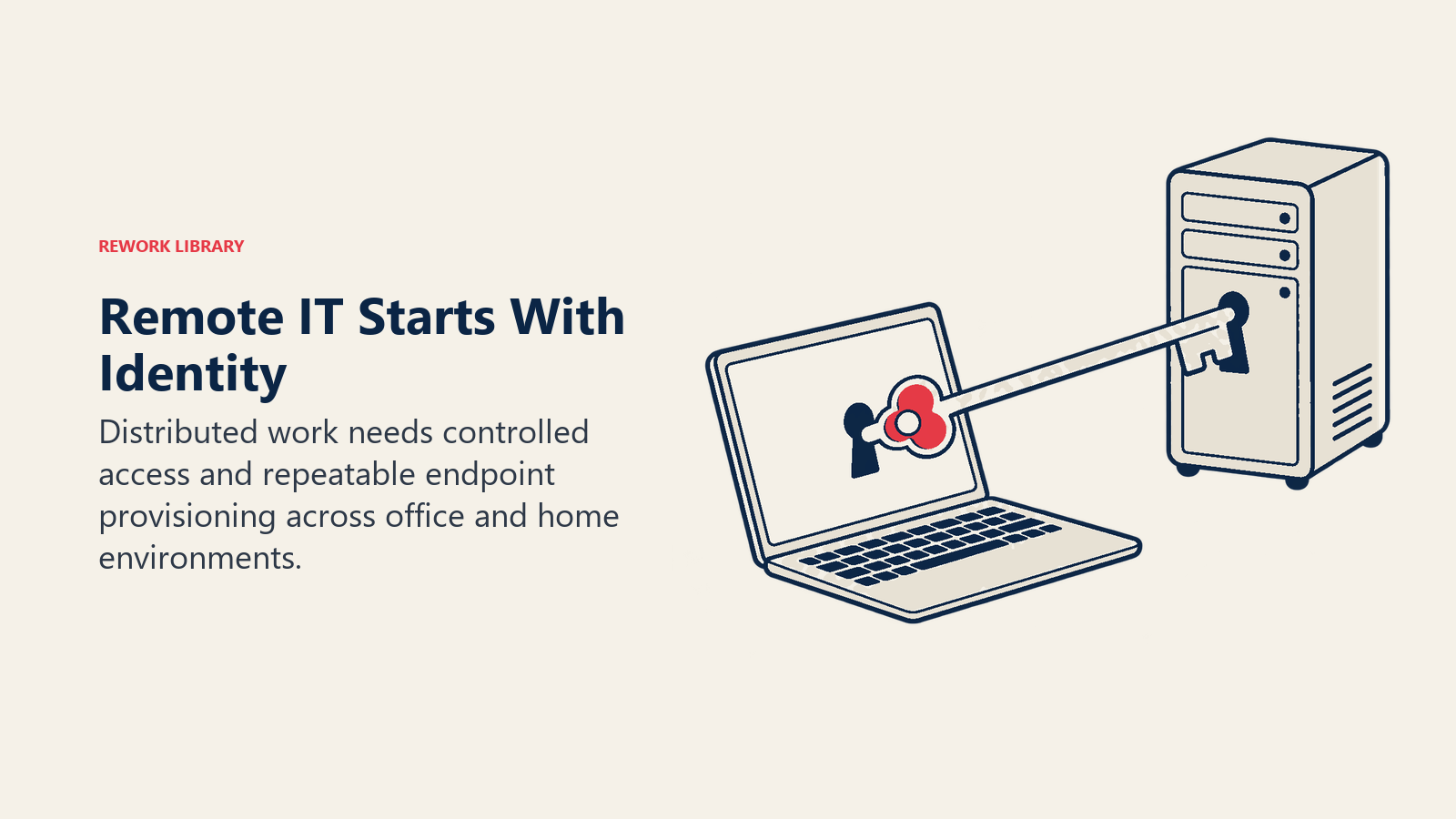
オフィスがなくなると、IDが境界になります。ゼロタッチのエンドポイントプロビジョニング、リモートファーストのID制御、ハードウェアの発送と回収が、対面のデスクに取って代わり、オンプレミスのディレクトリとクラウドIDにまたがるハイブリッド構成が標準になります。リモートの候補者で最も強いシグナルは、レガシーなディレクトリは存在しないと想定したクラウドのみの構成ではなく、エンドツーエンドで説明できるハイブリッドIDアーキテクチャです。
業界別の考慮事項
職務の6つの領域は、どの業界でも変わりません。変わるのは、コンプライアンスの負荷、ダウンタイムの許容度、そして報酬です。
| 業界 | BLS中央値(2025年5月) | 職務の何が変わるか |
|---|---|---|
| 企業および事業体の管理 | $103,810 | 複数の事業会社にまたがるマルチエンティティのIDとサーバー基盤 |
| コンピュータシステム設計および関連サービス | $101,560 | 社内の管理業務が、請求対象のクライアント業務に注意を奪われる |
| 情報(メディア、通信、出版) | $101,310 | 製品水準の稼働率への期待が、社内システムにも及ぶ |
| 金融・保険 | $101,110 | すべてのアクセスレビューに監査証跡と職務分掌が求められる |
| 教育サービス(州、地方、民間) | $86,180 | 予算が厳しく、保護すべきエンドポイント群はより広く多様 |
テクノロジー企業やSaaS企業はこの上位5業界には入りませんが、補足する価値があります。そこでは、この職務はクラウドアーキテクトやクラウドエンジニアと並んで働くことが多く、システム管理者の担当基盤は、マネージドサービスに移行できないものだけに縮小します。
報酬ガイド
連邦データとこの職名の対応関係
これは、このライブラリの中で、推測ではなく連邦の職業と直接対応する数少ない肩書きの1つです。ネットワーク・コンピュータシステム管理者(15-1244)の年間賃金の中央値は、2025年5月時点で99,130ドル(時給47.66ドル)、雇用数は323,600人です。入職時の標準的な学歴は学士号で、開始時に実務経験は必要ありません。下位10%は62,640ドル未満、上位10%は155,050ドル超でした。
減少も、この同じデータの中にあります。雇用は2025年から2035年にかけて4%減少すると予測されており、13,200人分の雇用が失われ、年間の求人は約13,400件で、そのすべてが成長ではなく補充によるものです。当社のネットワークエンジニアガイドは、O*NETの対応表がその肩書きもここに分類しているため、同じ職業を反対側から扱っています。違いは適合度です。「ネットワークエンジニア」は肩書きの対応表によってこのコードに入りますが、「システム管理者」はこの職業自身の名称です。
キャリアアップの道筋は反対方向に伸びています。コンピュータネットワークアーキテクトの中央値は134,050ドル、雇用数は181,800人で、2035年まで8%の増加が見込まれており、BLSは、アーキテクトは通常5年以上の経験を持ち、管理者出身であることが多いと述べています。管理者の中央値は、上限ではなく、キャリアの出発点として読んでください。
スコープ別の市場報酬
以下のレンジは、スコープとプラットフォームの深さに基づいて雇用主が設定した市場計画用のレンジであり、特定の給与データベースからの引用ではありません。これを使って予算を設定し、その後、上記のパーセンタイルの幅と照らし合わせてください。
| スコープ | 基本給レンジ | 備考 |
|---|---|---|
| ジェネラリスト、単一拠点、従業員100人未満 | $60,000 - $80,000 | この職業の10パーセンタイルを下回ることが多い。ヘルプデスクの溢れた業務も含め、すべてを担当する |
| システム管理者、従業員100-500人 | $75,000 - $100,000 | 中央値の下限付近。ID、サーバー、エンドポイントを1つの職務として担当する |
| シニアシステム管理者、従業員500-2,000人または複数拠点 | $95,000 - $125,000 | 中央値以上。運用に加えて、自動化とメンタリングが求められる |
| システム管理者、仮想化またはIDのスペシャリスト | $110,000 - $140,000 | アーキテクトの報酬帯に近づく。大規模でのプラットフォームの深い管理 |
| システム管理者、規制が厳しい、またはコンプライアンス負荷の高い環境 | $105,000 - $135,000 | 監査への対応や職務分掌の要件がプレミアムを生む |
都市圏別の調整ガイド
所在地によって、これらのレンジは変わります。リモートの職務では、会社の本社所在地ではなく、従業員自身の居住地の市場を基準に価格設定されるケースが増えています。
| 都市圏ティア | 市場の例 | 全国基本給との差 |
|---|---|---|
| ティア1(最高コスト) | SF Bay Area、NYC、Seattle | +20%~+30% |
| ティア2(高コスト) | Boston、DC、LA、San Diego | +10%~+18% |
| ティア3(中程度のコスト) | Austin、Denver、Chicago、Atlanta | ほぼ全国基本給並み |
| ティア4(低コスト)またはリモート | 小規模な都市圏、ほとんどのリモート採用 | -5%~-15%(方針により異なる) |
個別のオファーを左右する要素: IDと仮想化プラットフォームの深さ、オンコールの負荷、認定資格のレベル、そしてオンプレミスとクラウドにまたがるハイブリッドIDアーキテクチャが職務に含まれるかどうかです。
経験レベル別要件マトリクス
| レベル | 経験年数 | 一般的な業務範囲 | 一般的な職種名 |
|---|---|---|---|
| エントリー/ジュニア | 0-2年 | チケットのエスカレーション、監督下でのパッチ適用とエンドポイントの業務 | Junior Systems Administrator、Systems Support Specialist |
| ミッドレベル | 2-5年 | 1拠点または定められた範囲のID、パッチ適用、バックアップを担当する | Systems Administrator、Systems Engineer |
| シニア | 5-8年 | 複数のプラットフォーム、自動化の責任、ジュニアスタッフの指導 | Senior Systems Administrator、Lead Systems Engineer |
| スペシャリスト | 5-10年 | 1つの領域(ID、仮想化、またはバックアップとDR)の深い管理 | Identity Administrator、Virtualization Engineer |
| アーキテクトトラック | 8年以上 | 基盤を運用するのではなく設計する。通常は肩書きの変更を伴う | Network Architect、Infrastructure Architect |
| リーダーシップ | 10年以上 | 予算、人員、機能そのものを担当する | IT Manager、Director of IT Operations |
レベルを分けるのは、在籍年数よりも、その人が何を自動化したかです。パッチ適用サイクルをスクリプト化し、サーバーのビルドをテンプレート化した5年経験の管理者は、同じコンソールをクリックして進めてきただけの10年経験の管理者よりも、強力なシニアの採用候補です。
面接質問
技術・実務に関する質問
- アカウントのライフサイクル:「内定通知書から最終出社日までのアカウントについて、順を追って説明してください。」評価ポイント:記憶ではなく、文書化されたプロセス。
- パッチの失敗:「パッチのせいで本番サーバーが壊れました。ロールバックはどうしますか。」評価ポイント:段階的な展開とテスト済みのロールバック。「バックアップから復元して、うまくいくことを願う」ではない。
- バックアップの検証:「バックアップが実際にリストアできるかどうかを、どうやって確認していますか。」評価ポイント:コンソール上の緑のチェックマークではなく、スケジュールされたテストリストア。
- 仮想化のキャパシティ:「基盤にキャパシティの追加が必要になるタイミングを、どうやって把握しますか。」評価ポイント:ホストの容量が尽きるのを待つのではなく、傾向を監視すること。
- IDのトラブルシューティング:「ユーザーがメールにはログインできるのに、ファイルサーバーにはログインできません。最初にどこを確認しますか。」評価ポイント:グループメンバーシップと権限を順に確認する、階層的な手法。
- 自動化のスコープ:「これまでに何を自動化しましたか。また、スクリプトが無通知で失敗した場合、何が壊れますか。」評価ポイント:監視されていない単発のものではなく、エラー処理を備えた実例。
- エンドポイント群:「200台のエンドポイントに、200回の手作業なしで変更を展開するにはどうしますか。」評価ポイント:スプレッドシートではなく、構成管理。
- エスカレーションの判断:「何かが遅くなっています。サーバー、ネットワーク、アプリケーションのどれですか。」評価ポイント:手法があること、そしてネットワークエンジニアやデータベース管理者に引き継ぐタイミングを心得ていること。
行動面接質問
- 引き継いだ混乱:「着任してみると、文書化されたバックアップのスケジュールがなく、古いアカウントがあちこちに残っていました。最初の30日間はどうしますか。」評価ポイント:リスクに基づく優先順位づけ。
- 障害への責任:「自分が引き起こした障害について教えてください。その後、何が変わりましたか。」評価ポイント:当事者意識と、具体的なプロセスの変更。
- オンコールの現実:「これまでで最も大変だったオンコールの週について説明してください。」評価ポイント:ローテーションについて何を変えたいかを含めた、正直な説明。
- 断る力:「部門長が、チーム全員にローカル管理者権限を要求しました。どう対応しましたか。」評価ポイント:代替案を提示し、決定が貫かれたこと。
- 自動化の成果:「実際に大きな時間削減につながった自動化について教えてください。」評価ポイント:漠然とした主張ではなく、具体的な前後の比較。
- ドキュメントの習慣:「あなたが明日退職したら、何が立ち行かなくなりますか。」評価ポイント:正直な欠落リスト。
カルチャーフィットに関する質問
- サービスの哲学:「サーバーのことを一切考えない人にとって、信頼できる社内ITとはどのようなものでしょうか。」評価ポイント:稼働率の数字ではなく、相手の体験。
- セキュリティと利便性:「リスクを減らすために不便さを受け入れたのはどんなときで、そうしなかったのはどんなときですか。」評価ポイント:絶対主義ではなく、判断の基準。
- キャリアの方向性:「定型的な管理業務の多くが自動化や外部委託の対象になっています。あなたはどこに向かいますか。」評価ポイント:漠然とした熱意ではなく、具体的な答え。
- 隣接チームとの協働:「システム管理は、ネットワークチームやセキュリティチームとどう協働すべきでしょうか。」評価ポイント:縄張り意識のない、明確な境界線。
評価のヒント:優れた候補者は、「優れたトラブルシューティング力」といった言葉ではなく、特定の障害や移行について語ります。コンソールは変わっても基盤となる規律は変わらないため、1つのベンダーのコンソールを通じてしか自分の仕事を説明できない人には注意が必要です。
採用のヒント
最も多い失敗は、2週目に発覚するスコープのミスマッチです。候補者はサーバーとIDの管理を期待していたのにチケットの待ち行列を任された、あるいはその逆です。掲載前に、これがジェネラリストの職務なのか、より大きなチームの専門的な一部なのかを決め、肩書きにそれを明記してください。
クイックソーシングガイド
| チャネル | 最適な用途 | 備考 |
|---|---|---|
| 社内昇進 | ルート権限を扱う準備ができたヘルプデスク担当者 | 社内事情の習得は最も早い。経験していない可能性のあるバックアップとIDの経験を確認する |
| LinkedIn検索 | 直接的なソーシング | 同規模の企業のSystems AdministratorとSystems Engineerの肩書きを対象にする |
| マネージドサービスプロバイダー | 中堅企業向けの採用 | MSPの技術者は、多くの環境に触れており、パッチ適用とバックアップの実際の規律を身につけている |
| 認定資格コミュニティ | 転職活動中でない候補者 | Red HatとMicrosoftのコミュニティフォーラムから、仕事探しの外でも最新の知識を維持している人材が見つかる |
| 隣接する社内職務 | 小規模な企業 | すでに非公式にサーバーを扱っているテクニカルサポートスペシャリスト |
警戒すべき兆候
| 警戒すべき兆候 | 重要な理由 |
|---|---|
| バックアップのリストアをテストしたことがない | この職務で最も高くつく欠落であり、それが表面化する日まで見えないままである |
| コンソールをクリックして進める話しかしない | コンソールはベンダーが変われば変わるが、基盤となる規律こそが受け継がれる |
| 2026年なのに、自動化の経験が一切ない | BLSがこの職業の減少の原因として挙げている内容を踏まえると、直接掘り下げて確認する価値がある |
| アカウントのライフサイクルをエンドツーエンドで説明できない | IDの欠落は、元従業員が何か月もアクセス権を持ち続ける原因となる |
| これまで障害はゼロだったと主張する | 担当範囲が小さかったか、誠実さに欠けるかのどちらかである |
求職者向けのよくある質問
システム管理は衰退しつつあるキャリアですか。
いいえ。ただし、ネットワークエンジニアリングと同じように二分されつつあります。BLSは、定型的な管理業務が2035年にかけて4%減少する一方、コンピュータネットワークアーキテクトは同じ期間に8%増加すると予測しています。設定作業は、自動化と外部委託によって縮小しています。設計と自動化の業務は縮小していません。
最初に取得すべき認定資格はどれですか。
基礎となるベンダー中立の深い知識を築くなら、CompTIA Server+またはLinux+です。環境がLinux中心なら、Red HatのRHCSAです。WindowsまたはハイブリッドのActive DirectoryとEntra ID環境なら、Microsoft Windows Server Hybrid Administrator Associate認定です。
定型的な管理業務から、この分野の成長する側へ移るにはどうすればよいですか。
おもちゃのようなスクリプトではなく、本当に使えるものを自動化してください。サーバーのビルドをテンプレート化する、アクセスレビューをスクリプト化する、手作業のパッチ適用プロセスをコードによる構成管理に移すといったことです。BLSが、この職業の縮小する半分と成長する半分の間にあると指摘している具体的なギャップは、まさにそこです。
ネットワークアーキテクトやソリューションアーキテクトのトラックに進むには、実際に何が必要ですか。
BLSによると、コンピュータネットワークアーキテクトは通常5年以上の経験を持ち、管理者出身であることが多いとされています。両者を分けるのは、他の人が設計した基盤を運用することと、要件に照らして基盤を設計することの違いです。
システム管理者のオファーを受ける前に何を確認すべきですか。
バックアップが定期的にテストされるのか、監査のときだけなのか、オンコールにどのような手当が支払われるのか、そして自分が行う自動化が実際のものなのか、願望にすぎないのかです。これらの答えから、きちんと機能している部門を引き継ぐのか、機能しているように見えるだけの部門を引き継ぐのかが分かります。

Senior Customer Retention Strategist