フロントエンドデベロッパー職務記述書テンプレート-2026年版ガイド
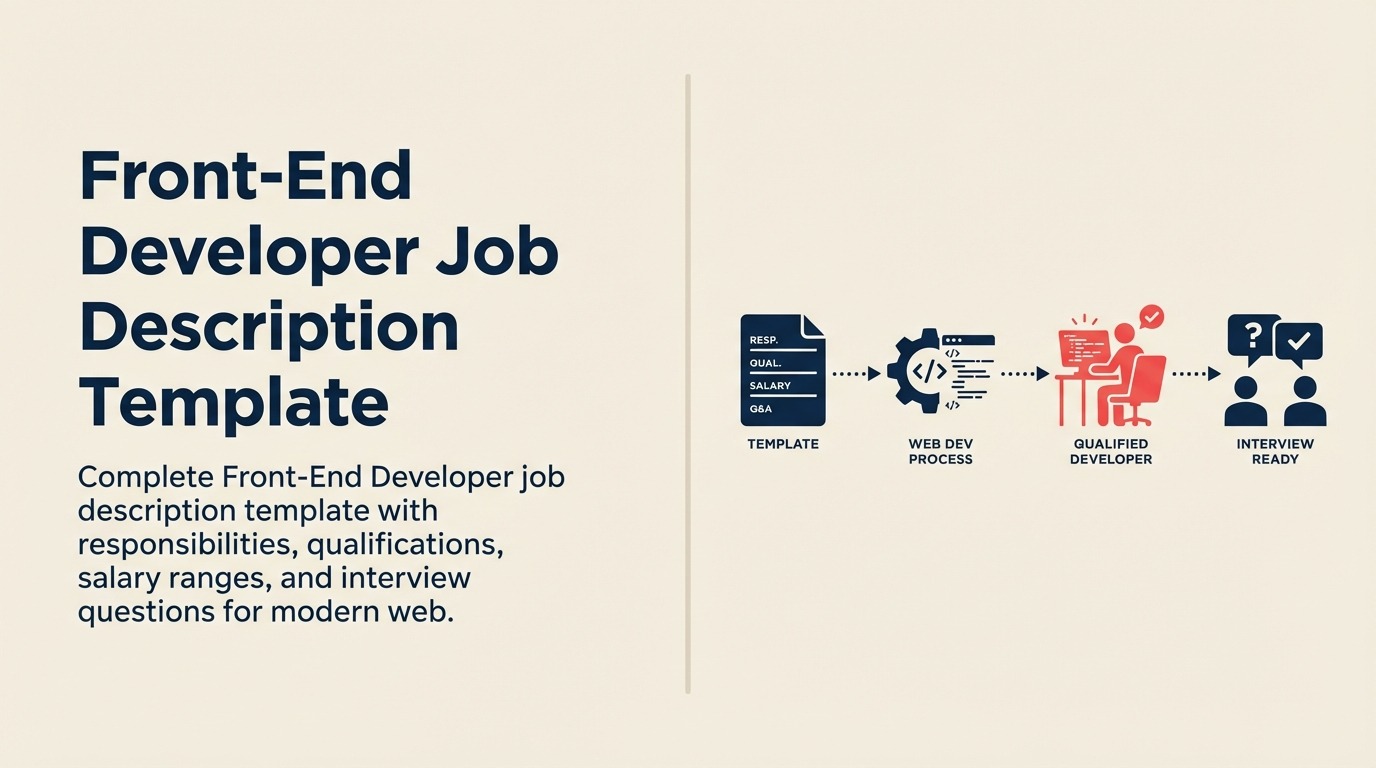
Turn this article into takeaways for your work.


Each assistant summarizes the article only for you and suggests best practices for your work.
このガイドで得られること
- モダンな要件を反映したフロントエンドデベロッパーの職務記述書テンプレート一式
- JavaScriptフレームワークとレスポンシブデザインのスキル要件
- ユーザーエクスペリエンスとアクセシビリティ実装のガイドライン
- フロントエンドデベロッパー向けの給与ベンチマークと報酬に関するインサイト
- 技術力とコーディング習熟度を評価するための面接質問
- クロスブラウザ互換性とパフォーマンス最適化の基準
- フロントエンドWeb開発におけるキャリアの進展パス
- デザイナーおよびバックエンド開発者との連携ガイドライン
ポジション概要
当社では、モダンなWeb技術を用いて卓越したユーザーエクスペリエンスを生み出せる、スキルの高いフロントエンドデベロッパーを募集しています。デザインをレスポンシブでインタラクティブなアプリケーションへと形にし、ユーザーを魅了しながらビジネス目標の達成に貢献していただきます。この職務では、最先端のフレームワークを扱い、優秀なデザイナーや開発者と協働しながら、日々何千人ものユーザーに影響を与えるプロダクトを構築する機会が得られます。
主なハイライト
- モダンなJavaScriptフレームワークとレスポンシブデザインの原則を活用した業務
- UX/UIデザイナーやバックエンド開発者との緊密な連携
- フロントエンドアーキテクチャや技術選定に影響を与える機会
- 業績インセンティブを伴う競争力のある報酬
- 柔軟な働き方と継続的な学習機会
- ユーザーエクスペリエンスとプロダクトの成功への直接的な貢献
この職務が重要な理由
フロントエンドデベロッパーは、デザインとテクノロジーをつなぐ架け橋として、デジタル体験に命を吹き込む存在です。ユーザーが日々操作するインターフェースを、直感的でアクセシブル、かつ高いパフォーマンスを備えたものにする責任を担います。このポジションでは、創造的な挑戦と技術的な成長機会に加え、ユーザーが当社のプロダクトをどう体験するかを形づくるチャンスが得られます。
職務について
フロントエンドデベロッパーとして、レスポンシブレイアウトから複雑なインタラクティブコンポーネントまで、Webアプリケーション全体のユーザー向け機能の実装を担当していただきます。デザイナーと緊密に連携してピクセルパーフェクトな実装を実現する一方、バックエンド開発者とも協力してAPIやサービスを効果的に統合します。
この職務には、モダンなJavaScript、CSS、フロントエンドフレームワークに関する高い習熟度に加え、デザインとユーザーエクスペリエンスに対する感覚が求められます。フロントエンドアーキテクチャの意思決定に貢献し、コードレビューに参加し、コードの品質と保守性を確保する開発基準の策定を支援していただきます。
当社では、クリーンなコード、アクセシビリティ、パフォーマンス最適化に情熱を持ち、進化し続けるWeb技術を常にキャッチアップし続ける開発者を高く評価しています。マーケティングサイトから複雑なWebアプリケーション、プログレッシブウェブアプリまで、多様なプロジェクトに携わる機会があります。
主な職責
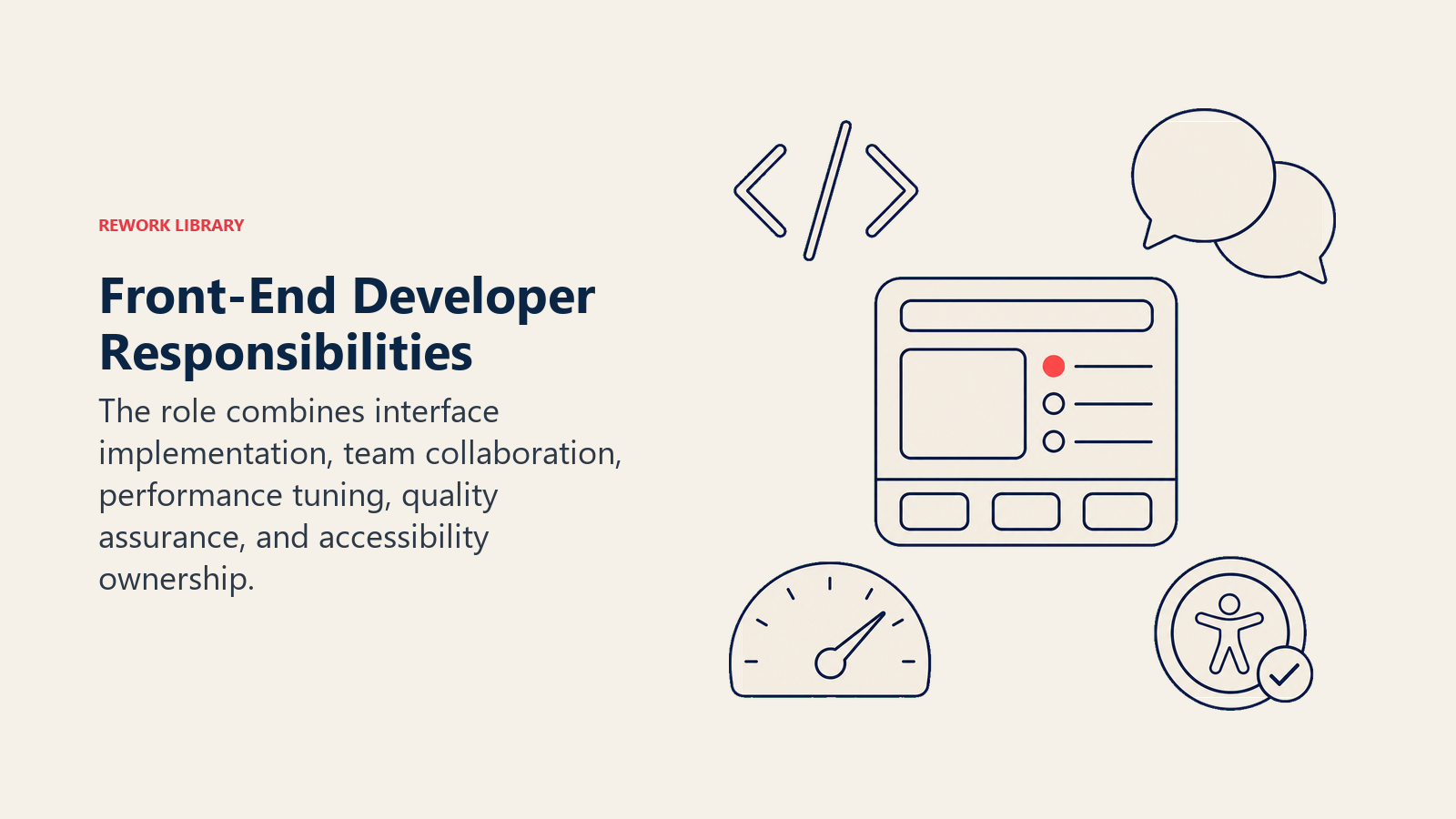
この職務では、インターフェース実装、チーム連携、パフォーマンスチューニング、品質保証、そしてアクセシビリティへのオーナーシップが求められます。
開発と実装
- モダンなHTML、CSS、JavaScriptを用いて、レスポンシブでクロスブラウザ対応のWebアプリケーションを開発する
- デザインモックアップから、細部まで配慮したピクセルパーフェクトなユーザーインターフェースを実装する
- スケーラブルな開発のために再利用可能なコンポーネントとフロントエンドライブラリを構築する
- RESTful APIおよびGraphQLエンドポイントと連携し、動的なユーザーエクスペリエンスを提供する
連携とコミュニケーション
- UX/UIデザイナーと緊密に連携し、ビジュアルデザインを機能的なインターフェースへと落とし込む
- バックエンド開発者と協力してAPI要件とデータ構造を定義する
- スプリント計画、デイリースタンドアップ、レトロスペクティブなど、アジャイル開発プロセスに参加する
- コードレビューを実施し、フロントエンド実装に対して建設的なフィードバックを提供する
パフォーマンスと最適化
- コード分割、遅延読み込み、効率的なレンダリング戦略を通じてアプリケーションのパフォーマンスを最適化する
- あらゆるデバイスサイズで最適な体験を実現するレスポンシブデザインの原則を実装する
- ページ読み込み時間、First Contentful Paint、インタラクティビティ指標などのWebバイタルを監視し改善する
- クロスブラウザ互換性を確保し、ブラウザ固有の問題を解決する
品質とアクセシビリティ
- フロントエンドコンポーネントとユーザー操作に対する自動テストを作成・保守する
- インクルーシブなユーザーエクスペリエンスを実現するため、アクセシビリティ基準(WCAG)を実装する
- ブラウザの開発者ツールとデバッグ手法を用いてフロントエンドの問題を調査・解決する
- リンティング、フォーマット、コーディング規約の遵守を通じてコード品質を維持する
必須資格
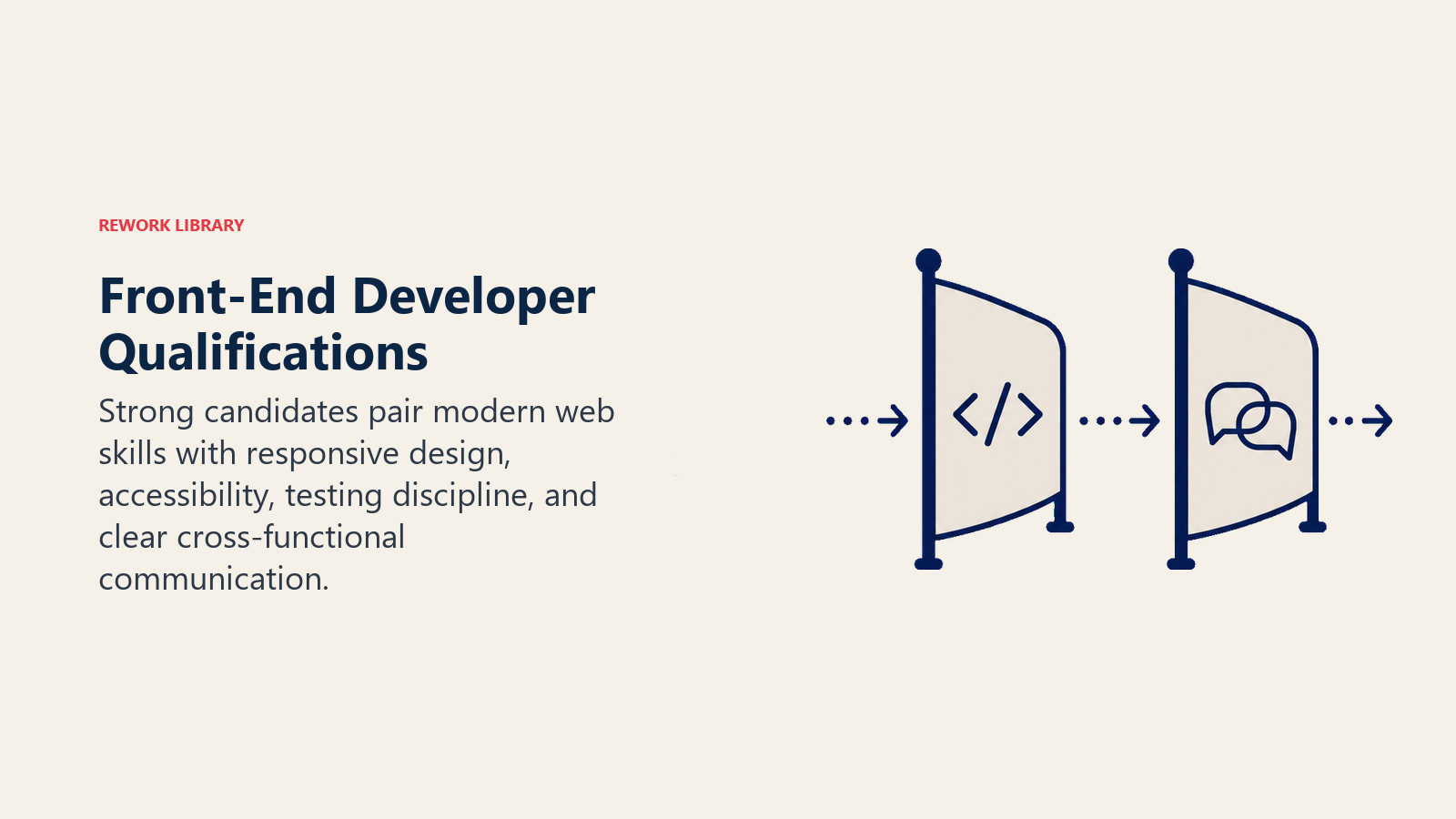
優れた候補者は、モダンなWebスキルとレスポンシブデザイン、アクセシビリティ、テストへの規律、そして部門横断的な明確なコミュニケーション力を兼ね備えています。
学歴と経験
- コンピュータサイエンス、Web開発、または関連分野の学士号(または同等の実務経験)
- フロントエンド開発における2〜4年の実務経験
- レスポンシブなWebアプリケーションとモダンな開発手法を示すポートフォリオ
- バージョン管理システム(Git)と協働開発ワークフローの経験
技術スキル
- HTML5、CSS3、モダンなJavaScript(ES6以降)における高い習熟度
- 少なくとも1つのモダンなJavaScriptフレームワーク(React、Vue.js、Angular、Svelteなど)の使用経験
- CSSプリプロセッサ(Sass、Less)およびCSS-in-JSソリューションに関する深い理解
- レスポンシブデザインの原則とモバイルファースト開発に関する知識
- ビルドツールおよびバンドラー(Webpack、Vite、Parcelなど)への習熟
コアコンピテンシー
- 細部への高い注意力とピクセルパーフェクトなデザインを実装する能力
- 優れた問題解決能力とデバッグ能力
- ユーザーエクスペリエンスの原則とアクセシビリティ基準に対する十分な理解
- 効果的なコミュニケーション能力と部門横断チームで働く力
歓迎する資格
高度な技術スキル
- 大規模アプリケーション開発におけるTypeScriptの使用経験
- 状態管理ライブラリ(Redux、Vuex、Pinia など)に関する知識
- テストフレームワーク(Jest、Cypress、Testing Library など)への習熟
- CSSフレームワーク(Tailwind CSS、Bootstrap、Material-UI など)の使用経験
- プログレッシブウェブアプリ(PWA)の概念と実装に関する理解
その他の経験
- 開発者へのハンドオフを目的としたデザインツール(Figma、Sketch、Adobe XD)の使用経験
- SEOのベストプラクティスとパフォーマンス最適化手法に関する知識
- コンテンツ管理システムおよびヘッドレスCMS連携への習熟
- CI/CDパイプラインとデプロイプロセスの経験
- Webセキュリティのベストプラクティスと一般的な脆弱性に関する理解
当社が提供するもの
報酬と福利厚生
- 競争力のある基本給:70,000〜110,000ドル(経験と勤務地に応じて変動)
- 業績連動ボーナスおよび株式報酬への参加機会
- 会社負担のある包括的な健康保険(医療・歯科・視力)
- 会社マッチング付きの退職貯蓄プラン
- 柔軟なPTO制度と有給休暇
専門能力開発
- 年間の学習・能力開発予算(年間2,000ドル)
- カンファレンス参加やワークショップの機会
- オンライン学習プラットフォームやデザインリソースへのアクセス
- 社内ナレッジシェアセッションとテックトーク
- メンターシッププログラムとキャリア成長プランニング
働く環境
- リモート選択肢を伴う柔軟なハイブリッド勤務モデル
- モダンな開発ツールと高解像度ディスプレイの支給
- デザインに配慮した協働型のワークスペース
- 定期的なチームビルディング活動とデザインレビュー
- イノベーションとユーザー中心の思考を重んじる、創造的でインクルーシブな文化
状況別バリエーション
企業環境
エンタープライズ環境では、大規模アプリケーションの経験、デザインシステムの実装、複雑なバックエンドシステムとの連携経験を重視してください。膨大なユーザーベースを持つプロダクトに携わり、確立されたデザインシステムやコンポーネントライブラリに貢献できる機会を強調しましょう。
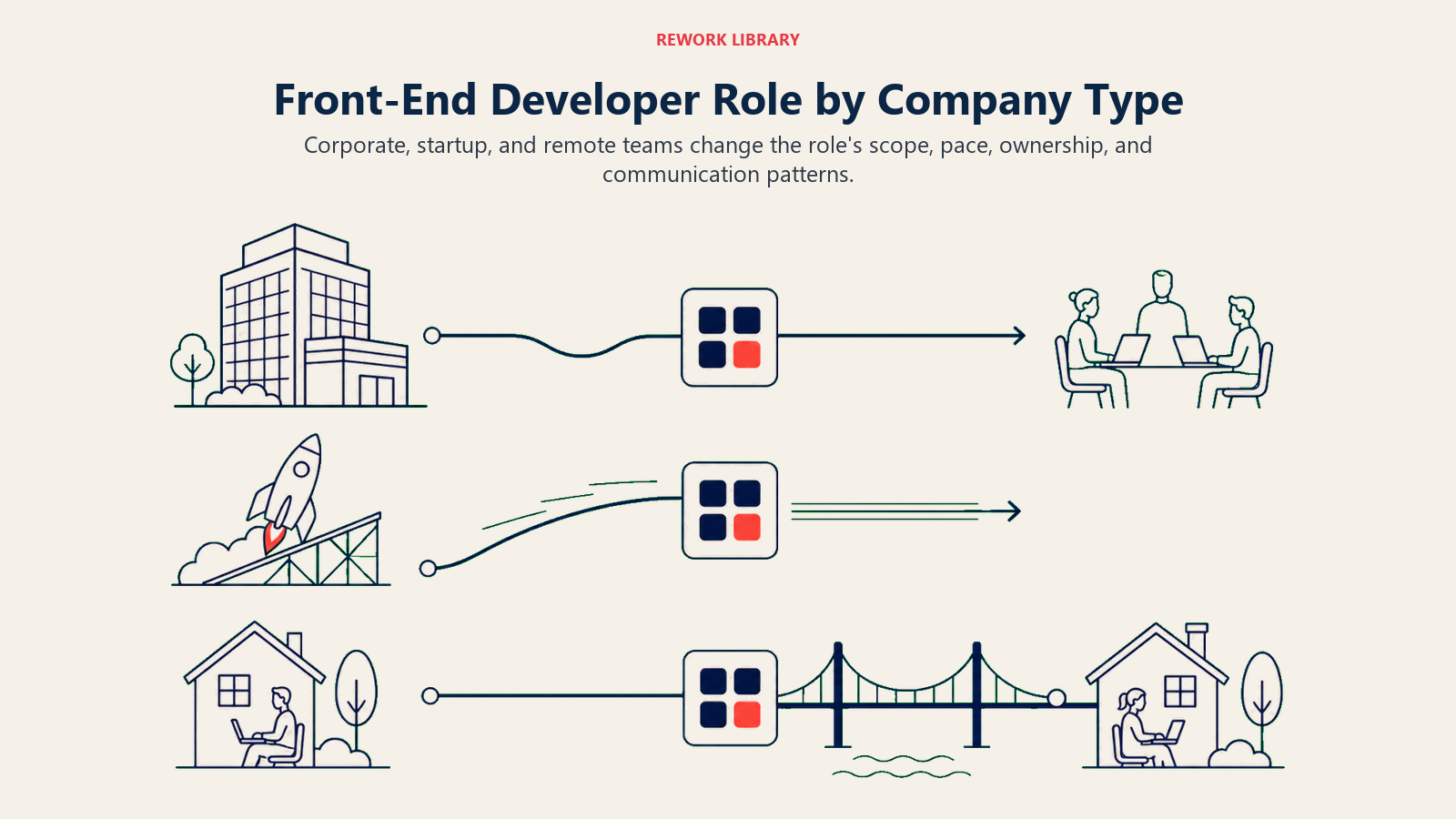
スタートアップ環境
スタートアップの職務では、汎用性、フロントエンドスタック全体を横断して働く力、そしてラピッドプロトタイピングへの適応力に焦点を当ててください。プロダクトの方向性に大きなオーナーシップを持てる機会、創業者との直接的な連携、そしてユーザーインターフェースをゼロから構築する経験を強調しましょう。
リモート/ハイブリッドワーク
リモート職務では、高いコミュニケーション能力、デザイン連携ツールの使用経験、フロントエンドプロジェクトを自律的にマネジメントする力を強調してください。リモートでのデザイン連携を支えるツールやプロセス、そしてバーチャルなペアプログラミングやコードレビューの機会についても触れましょう。
業界別の考慮事項
業界特性によって、セキュリティとコンプライアンスからコンバージョン、スケール、リアルタイム性能まで、インターフェースに求められる制約は変化します。
| 業界 | 主な要件 | 独自の側面 |
|---|---|---|
| Eコマース | - パフォーマンス最適化の専門知識 - A/Bテストの実装 - コンバージョン率の最適化 |
ユーザージャーニーの最適化とチェックアウト体験に重点を置く |
| 金融サービス | - セキュリティ重視の開発 - アクセシビリティ対応 - データ可視化スキル |
信頼性、セキュリティ指標、複雑なデータ表現を重視 |
| ヘルスケア | - HIPAA準拠の理解 - アクセシビリティの専門知識 - フォームバリデーションの熟練度 |
患者のプライバシーと医療ワークフローのインターフェースに重点を置く |
| SaaS | - ダッシュボード開発経験 - 複雑な状態管理 - マルチテナントUIへの配慮 |
ユーザーオンボーディングと機能採用を重視 |
| メディア・エンターテインメント | - 動画・音声の統合 - リッチメディアの処理 - 高負荷時のパフォーマンス |
コンテンツ配信と魅力的なユーザー体験に重点を置く |
| ゲーミング | - アニメーションとインタラクションの専門知識 - リアルタイムデータ処理 - Canvas/WebGLの知識 |
魅力的なインタラクションとパフォーマンス最適化を重視 |
報酬ガイド
給与情報
全国平均レンジ:年間70,000〜110,000ドル
主要都市圏: | 都市 | 給与レンジ | 生活費係数 | |----------|-------------|---------------------| | サンフランシスコ・ベイエリア | 110,000〜150,000ドル | 需要が高く、テック業界のプレミアムあり | | ニューヨーク市 | 100,000〜140,000ドル | 金融・メディア業界のプレミアムあり | | シアトル | 90,000〜130,000ドル | 強力なテック市場 | | オースティン | 80,000〜120,000ドル | 成長するスタートアップシーン | | デンバー | 75,000〜115,000ドル | 新興のテックハブ | | シカゴ | 70,000〜110,000ドル | 多様な産業基盤 | | アトランタ | 68,000〜105,000ドル | 生活費が比較的低い | | リモート | 70,000〜125,000ドル | 企業方針により異なる |
報酬に影響する要因:
- フレームワークの専門性(ReactやVue.jsの高い専門知識はプレミアムにつながる)
- 業界セクター(フィンテックやEコマースは一般的に高めの水準)
- デザインスキルとUX/UIへの理解
- 実務経験年数とポートフォリオの質
給与データは、Glassdoor、PayScale、Stack Overflow Developer Surveyを含む複数の業界情報源による2026年の市場調査に基づいています。
面接質問
技術・実務に関する質問
コンポーネントアーキテクチャ:「再利用可能なコンポーネントライブラリをどのように構成するか、説明してください。保守性、テーマ対応、ドキュメント化についても考慮してください。」
パフォーマンス最適化:「あるページの読み込みが遅い場合、デバッグの進め方と考えられる最適化戦略を説明してください。」
CSSの習熟度:「CSS GridとFlexboxの違いを説明してください。それぞれをどのような場面で使い分けるか、実例を交えて教えてください。」
JavaScriptの基礎:「イベントデリゲーションについて説明し、効率的なイベント処理を伴う動的なリストをどう実装するか示してください。」
状態管理:「React/Vueアプリケーションで複雑なアプリケーション状態をどのように管理しますか。異なるアプローチとそのトレードオフを比較してください。」
レスポンシブデザイン:「レスポンシブデザインへのアプローチを説明してください。異なる画面サイズにわたる複雑なレイアウトをどのように扱いますか。」
テスト戦略:「フロントエンドコンポーネントをどのようにテストしますか。使用するテストの種類やツールについて説明してください。」
アクセシビリティ:「Webアプリケーションを構築する際にどのようなアクセシビリティの配慮をしていますか。複雑なフォームをアクセシブルにする方法を示してください。」
行動面接質問
デザインでの連携:「デザインの意思決定に異論があった経験について教えてください。その状況にどう対応しましたか。」
問題解決:「これまでに遭遇した難しいフロントエンドのバグについて教えてください。デバッグの過程と解決策はどのようなものでしたか。」
学習の俊敏性:「新しいフレームワークやライブラリを短期間で習得する必要があった例を教えてください。どのように取り組みましたか。」
ユーザー志向:「より良いユーザーエクスペリエンスを主張した経験について教えてください。その結果どのような影響がありましたか。」
コード品質:「レガシーなフロントエンドコードをリファクタリングした状況について説明してください。どのようなアプローチを取りましたか。」
連携:「コードレビューでのフィードバックにどう対応していますか。自分が行った、または受け取った建設的なフィードバックの例を教えてください。」
カルチャーフィットに関する質問
継続的な学習:「急速に進化するフロントエンド技術やベストプラクティスに、どのように追随していますか。」
ユーザーへの共感:「技術的な制約とユーザーエクスペリエンスの要件をどのようにバランスさせていますか。」
細部への配慮:「実装が意図したデザインと一致していることをどのように確認していますか。」
イノベーション:「測定可能な効果をもたらしたフロントエンドの改善を提案または実装した経験について教えてください。」
評価のヒント:確かな技術的基礎、デザインへの感度、そしてユーザーエクスペリエンスへの本物の情熱を示す候補者を見極めましょう。技術的な議論における問題解決アプローチや、複雑な概念を明確に説明する能力にも注目してください。
採用のヒント
ソーシングのクイックガイド
フロントエンドデベロッパー向けの主要プラットフォーム:
- GitHub:フロントエンドプロジェクトのリポジトリとコントリビューションの質を確認する
- CodePen/CodeSandbox:デモを通じて創造性と技術力を評価する
- Dribbble/Behance:デザインセンスに優れた開発者を見つける
- LinkedIn:ポートフォリオを紹介できるプロフェッショナルネットワーク
プロフェッショナルコミュニティ:
- 地域のJavaScript・フロントエンド系ミートアップ:活発なコミュニティメンバーとつながる
- デザイン・開発系カンファレンス:情熱とスキルを兼ね備えたプロフェッショナルを見つける
- フロントエンド開発系のDiscord/Slackコミュニティ:現役の実践者と交流する
求人票の最適化のヒント:
- 使用している具体的なフレームワークや技術を明記する
- 構築することになるインターフェースの種類の例を含める
- デザインチームとの連携やユーザーエクスペリエンスへの影響に触れる
- 興味深い技術的チャレンジや創造的な機会を紹介する
警戒すべき兆候
よくある採用の失敗:
- フレームワークへの固執:自社の技術スタックを正確に把握していなくても、基礎力が確かな候補者を不採用にしてしまう
- デザインへの無関心:候補者のデザインセンスやビジュアルの細部への配慮を評価しない
- ポートフォリオの表面的な評価:技術的な実装を理解せず、見た目の魅力だけに注目してしまう
- アクセシビリティへの無理解:インクルーシブデザインの原則への理解度を評価しない
- パフォーマンスへの軽視:候補者のWebパフォーマンスと最適化への意識を見落としてしまう
- コミュニケーション力の過小評価:デザイナーやステークホルダーと連携する能力を適切に評価しない
採用担当者向け - フロントエンドデベロッパーの採用
フロントエンドデベロッパーとフルスタック開発者をどう区別すればよいですか。
フロントエンドデベロッパーは、ユーザーインターフェース、ブラウザ技術、ユーザーエクスペリエンスを専門としています。フルスタック開発者はフロントエンドとバックエンドの両方を扱いますが、フロントエンドの専門性という点では深さに欠ける場合があります。
フロントエンドデベロッパーにデザインスキルを必須とすべきですか。
オリジナルのデザインを作成する必要はありませんが、フロントエンドデベロッパーには優れたデザインセンス、デザイン原則への理解、そして細部に配慮して正確にデザインを実装する能力が求められます。
特定のフレームワークの経験はどれほど重要ですか。
特定のフレームワークの知識よりも、確かなJavaScriptの基礎力の方が重要です。優れた開発者は、根底にある概念を理解していれば、通常新しいフレームワークを素早く習得できます。
フロントエンドデベロッパーにとって理想的なポートフォリオとは何ですか。
レスポンシブデザイン、インタラクティブ性、クリーンなコード、細部への配慮を示す多様なプロジェクトを確認しましょう。スクリーンショットよりもライブデモの方が望ましく、コードリポジトリがあれば実装の質を評価できます。
フロントエンドのパフォーマンス最適化スキルをどのように評価すればよいですか。
これまでに解決した具体的なパフォーマンス課題、パフォーマンス監視に使用しているツール、そしてWebバイタルへの理解について尋ねましょう。最適化シナリオを扱う実践的な演習を取り入れることも検討してください。
求職者向け - フロントエンドデベロッパーのキャリア
2026年、フロントエンドデベロッパーに最も需要のあるスキルは何ですか。
TypeScript、React/Vue.jsの専門知識、パフォーマンス最適化、アクセシビリティ実装、レスポンシブデザインが高く評価されています。デザインとの連携スキルの重要性も高まっています。
複数のJavaScriptフレームワークを知っておく必要はありますか。
多くのフレームワークについて表面的な知識を持つより、1つのモダンなフレームワークを深く理解する方が価値があります。まずはReact、Vue.js、Angularのいずれかを極め、その後市場の需要に応じてツールキットを広げましょう。
フロントエンド開発においてコンピュータサイエンスの学位はどれほど重要ですか。
あれば役立ちますが、必須ではありません。優れたポートフォリオ、実務経験、実証可能なスキルの方が、正規の学歴よりも重視されることが多くあります。成功しているフロントエンドデベロッパーの多くは独学、またはブートキャンプ出身です。
フロントエンドデベロッパーのキャリアの進展はどのようなものですか。
一般的なパスとしては、シニアフロントエンドデベロッパー、フロントエンドアーキテクト、テックリード、フルスタック開発者への道や、UXエンジニアリングやプロダクト職への転向が挙げられます。
実務経験がない状態で、どのようにスキルを証明すればよいですか。
個人プロジェクトを構築し、オープンソースに貢献し、CodePenのデモを作成し、ハッカソンに参加し、クリーンでドキュメントの整ったコードを紹介する充実したGitHubプロフィールを育てましょう。
フロントエンドデベロッパーとして特定の業界に特化すべきですか。
Eコマース、フィンテック、ヘルスケアなど、独自の要件を持つ業界では特化が価値を持つ場合があります。ただし、幅広いスキルを維持することでより多くの機会に開かれた状態を保てます。
この職務記述書テンプレートは、資格を備えたフロントエンドデベロッパー候補者を惹きつけると同時に、職務への期待や企業文化を明確に伝えることを目的として設計されています。貴社のニーズや市場でのポジションに合わせて、具体的な要件、報酬、福利厚生をカスタマイズしてください。

Senior Customer Retention Strategist