Bahasa Indonesia
Apa itu Integrasi API? Menghubungkan Sistem Bisnis dengan AI
Turn this article into takeaways for your work.


Each assistant summarizes the article only for you and suggests best practices for your work.
Seorang sales rep memperbarui tahap deal di CRM. Dalam hitungan detik, ERP membuat rekod proyek baru, sistem penagihan menghasilkan kontrak, dan pelanggan menerima e-mail sambutan dengan account manager yang ditugaskan. Tidak ada yang mengetik sesuatu dua kali. Tidak ada yang harus ingat untuk mengirim e-mail. Sistem-sistem berkomunikasi satu sama lain secara otomatis, karena seseorang membangun integrasi API yang menghubungkan mereka.
Integrasi API adalah praktik teknis dan arsitektural dalam menghubungkan sistem perangkat lunak agar dapat berbagi data dan memicu tindakan melewati batas masing-masing. Inilah cara perusahaan modern mengubah kumpulan alat menjadi stack operasional yang bergerak dengan kecepatan mesin.
Apa yang Sebenarnya Dilakukan oleh API
API (Application Programming Interface) adalah kontrak yang terdefinisi tentang bagaimana satu perangkat lunak dapat berkomunikasi dengan yang lain. API menentukan permintaan apa yang valid, format data apa yang digunakan, cara otentikasi, dan respons apa yang diharapkan. API memungkinkan sistem perangkat lunak menjadi "terbuka" secara terkontrol: sistem lain dapat menggunakan kemampuan yang terdefinisi tanpa perlu memahami kode yang mendasarinya.
Ketika CRM menawarkan API, CRM menerbitkan serangkaian operasi yang dapat dipanggil oleh perangkat lunak lain. "Dapatkan semua deal dalam tahap Proposal terkirim." "Perbarui pemilik deal 4821." "Buat kontak baru dengan field ini." Sistem apa pun yang mengetahui API dapat melakukan operasi ini, dengan validasi dan izin bawaan CRM yang menerapkan apa yang diperbolehkan.
Integrasi API adalah pekerjaan membangun koneksi antara sistem yang saling memanggil API satu sama lain: kode, konfigurasi, dan orkestrasi yang membuat data mengalir antar alat dan mengoordinasikan tindakan di antaranya.
Mengapa Integrasi API Penting untuk AI
Sebelum AI, integrasi API penting karena entri data manual yang berulang itu lambat, rawan kesalahan, dan mahal. Dengan AI, taruhannya lebih tinggi dan lebih kompleks.
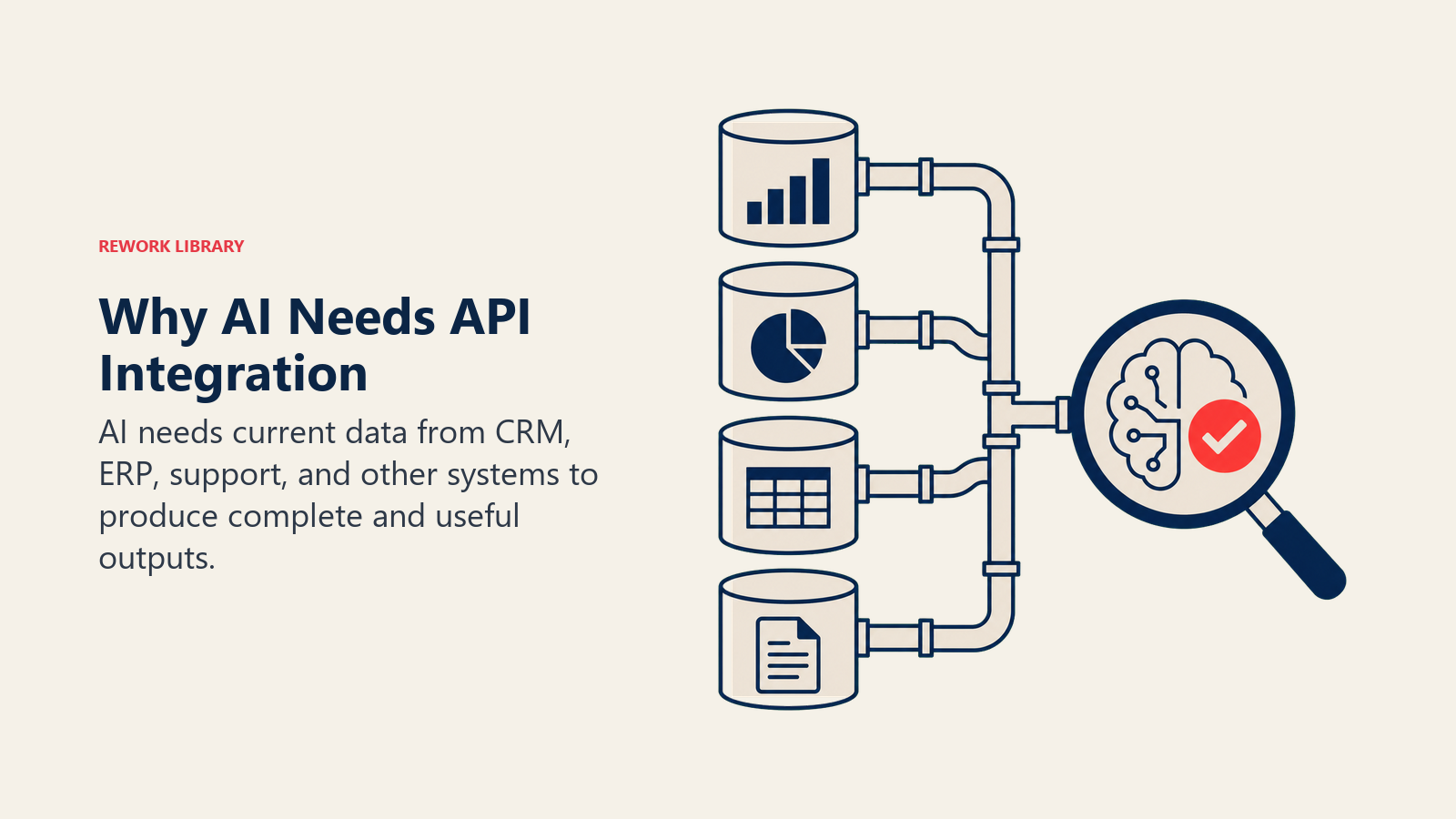
Sistem AI membutuhkan data yang bersih dan terkini dari seluruh bisnis untuk menghasilkan output yang berguna. Sistem AI untuk prakiraan penjualan yang hanya melihat data CRM, tanpa tingkat inventaris dari ERP dan tren tiket dukungan dari helpdesk, bekerja dengan gambaran yang tidak lengkap. Integrasi AI di seluruh sistem bisnis merupakan prasyarat agar AI menghasilkan output yang benar-benar berguna, bukan sekadar perkiraan yang diinformasikan.
Output AI perlu mengalir kembali ke sistem bisnis untuk menciptakan tindakan. Model lead scoring yang berjalan secara terisolasi dan menghasilkan spreadsheet yang diimpor secara manual ke CRM oleh manusia bukan merupakan workflow AI, melainkan laporan canggih. Ketika model scoring diintegrasikan melalui API untuk memperbarui skor lead secara real-time saat sinyal baru tiba, model tersebut menjadi sistem operasional langsung yang mengubah cara rep memprioritaskan hari mereka.
Agen AI yang mengambil tindakan otonom sepenuhnya bergantung pada integrasi API. Agen yang dapat memesan rapat, memperbarui rekod, mengirim notifikasi, dan mengeskalasimasalah hanya memiliki kemampuan tersebut karena seseorang membangun integrasi API yang menghubungkannya dengan setiap sistem. Kecerdasan agen dibatasi oleh integrasinya.
Jenis Pola Integrasi API
Integrasi point-to-point menghubungkan dua sistem tertentu secara langsung. Sistem A memanggil API Sistem B. Ini mudah dibangun tetapi menciptakan jaringan ketergantungan seiring bertambahnya jumlah sistem. Dengan 10 sistem yang masing-masing terintegrasi satu sama lain, ada hingga 45 integrasi terpisah yang perlu dirawat.
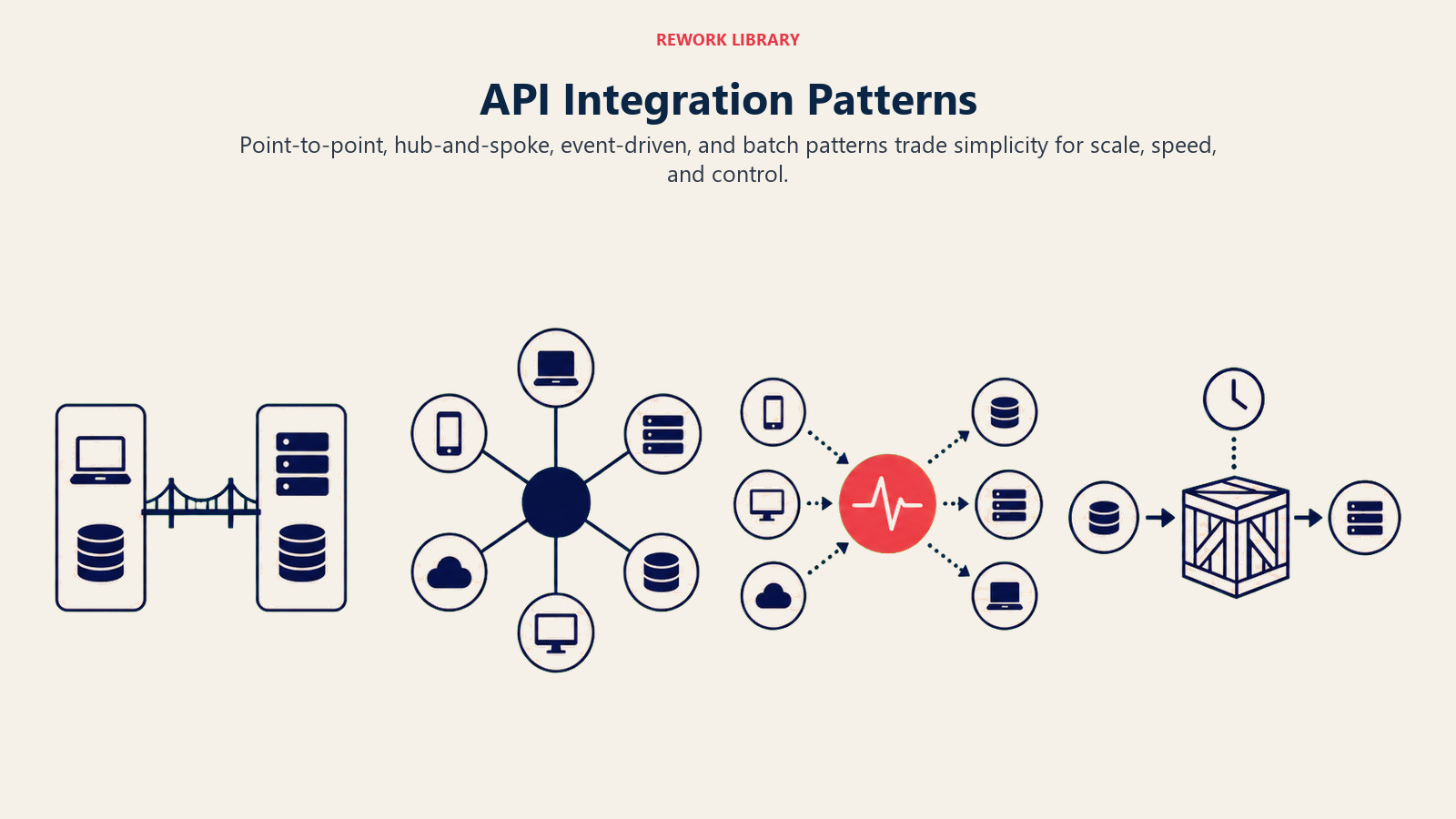
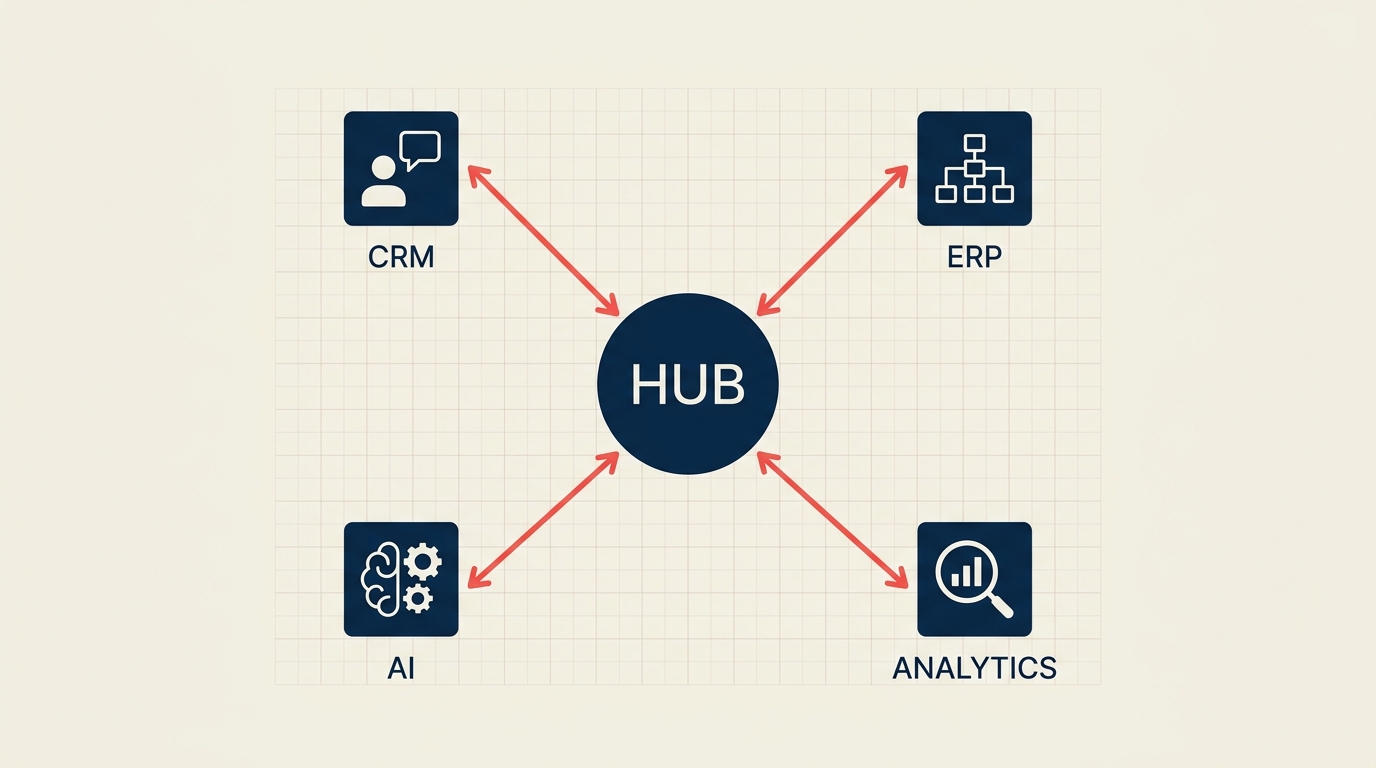
Integrasi hub-and-spoke menghubungkan semua sistem ke platform integrasi terpusat (middleware, iPaaS, ESB) yang menangani routing, transformasi, dan orkestrasi. Setiap sistem berintegrasi sekali dengan hub, bukan dengan setiap sistem lainnya. Ini lebih sulit disiapkan pada awalnya tetapi jauh lebih mudah dirawat seiring bertambahnya jumlah sistem.
Integrasi berbasis event membalik model: alih-alih sistem saling polling untuk perubahan, sistem menerbitkan event saat sesuatu terjadi ("tahap deal berubah", "faktur dibayar", "tiket dukungan dibuat") dan sistem yang berlangganan bereaksi. Ini lebih skalabel dan tangguh dibandingkan pola request-response sinkron, terutama untuk workflow bervolume tinggi.
Integrasi webhook adalah versi lebih sederhana dari integrasi berbasis event di mana Sistem A mengirimkan HTTP POST ke URL saat event terjadi. Sebagian besar alat SaaS mendukung webhook. Mudah diimplementasikan tetapi memerlukan setiap konsumen untuk mengekspos endpoint publik dan mengelola logika mereka sendiri untuk menangani event.
Apa yang Bisa Salah dalam Integrasi API
Integrasi API terlihat sederhana dari luar dan menciptakan beban pemeliharaan dari dalam. Pola kegagalan yang paling umum:
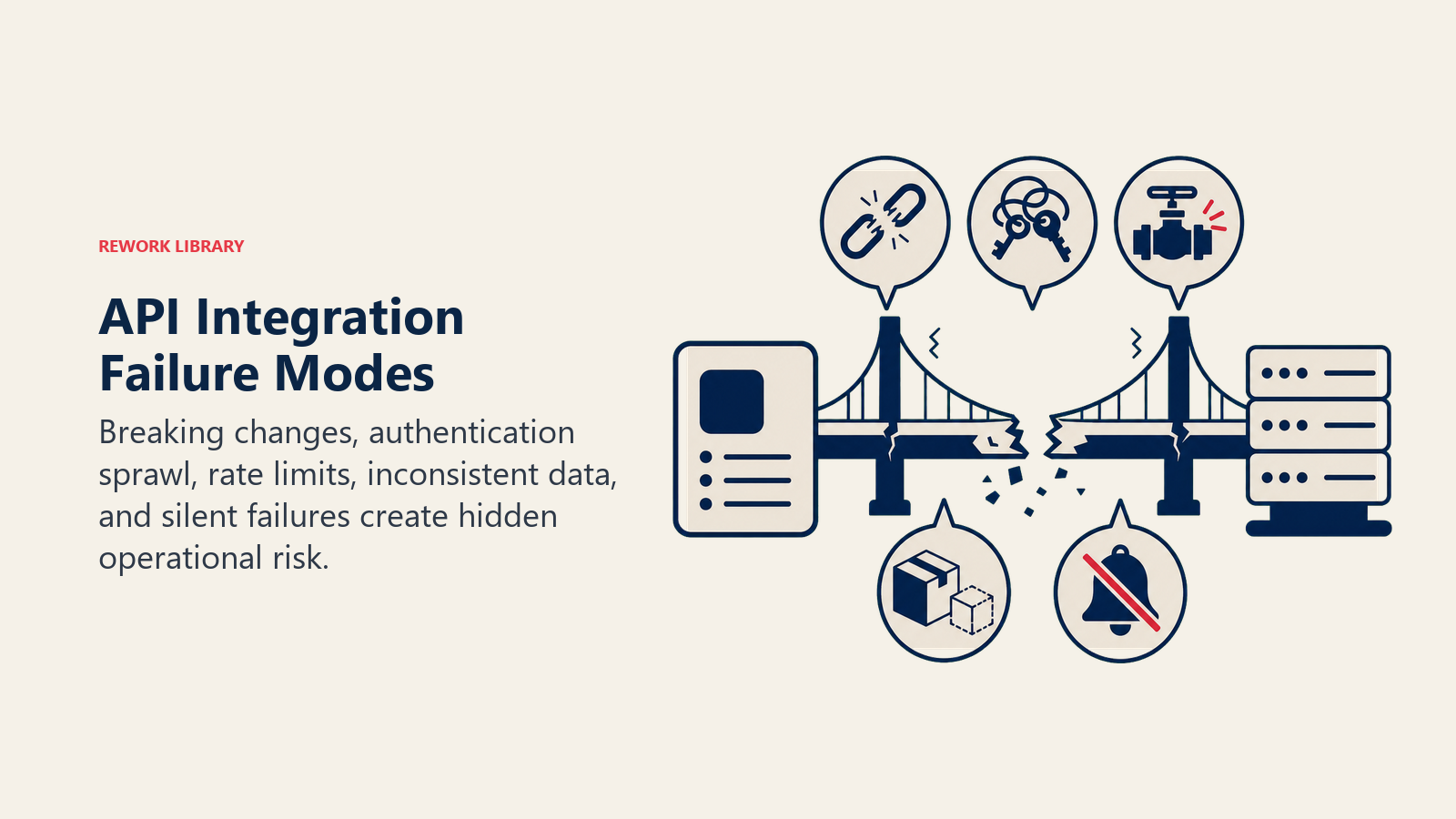
Breaking changes. Ketika vendor memperbarui API mereka, integrasi yang mengasumsikan perilaku lama akan rusak. Vendor yang mengikuti semantic versioning memberikan pemberitahuan dan mempertahankan versi lama. Vendor yang tidak melakukannya menyebabkan gangguan. Integrasi API yang tangguh memeriksa header versi, memvalidasi bentuk respons, dan menangani perubahan yang tidak terduga secara terkontrol, bukan langsung crash.
Proliferasi otentikasi. Setiap API memiliki mekanisme otentikasi sendiri: API key, token OAuth, service account. Mengelola ini di puluhan integrasi menjadi masalah keamanan dan operasional. Kredensial kedaluwarsa, dirotasi, atau dicabut. Pendekatan manajemen kredensial terpusat, baik melalui secrets manager atau platform integrasi yang menangani otentikasi secara terpusat, sepadan dengan investasi seiring bertambahnya jumlah integrasi.
Rate limiting. API memberlakukan batasan berapa banyak permintaan yang dapat dibuat per detik atau per hari. Integrasi yang tidak mengimplementasikan logika backoff dan retry akan gagal secara intermiten di bawah beban. Ini terutama berlaku untuk API terkait AI di mana penetapan harga per token dan rate limit adalah hal yang umum.
Ketidakcocokan pemetaan data. "Customer" di CRM adalah "Account" di ERP. Field status menggunakan nilai berbeda di setiap sistem. Tanggal dalam format berbeda. Lapisan transformasi yang memetakan antar skema sering kali menjadi tempat kompleksitas berada, dan semakin kompleks seiring waktu ketika kedua sistem berkembang.
Tanpa observabilitas. Kegagalan integrasi tidak terlihat hingga pengguna mengeluh. Membangun logging, alerting, dan monitoring ke dalam integrasi sejak awal jauh lebih murah daripada mendiagnosis ketidakcocokan data yang misterius berbulan-bulan kemudian.
Integrasi API dalam Konteks AI
Bangkitnya AI menambahkan dimensi baru pada desain integrasi API.
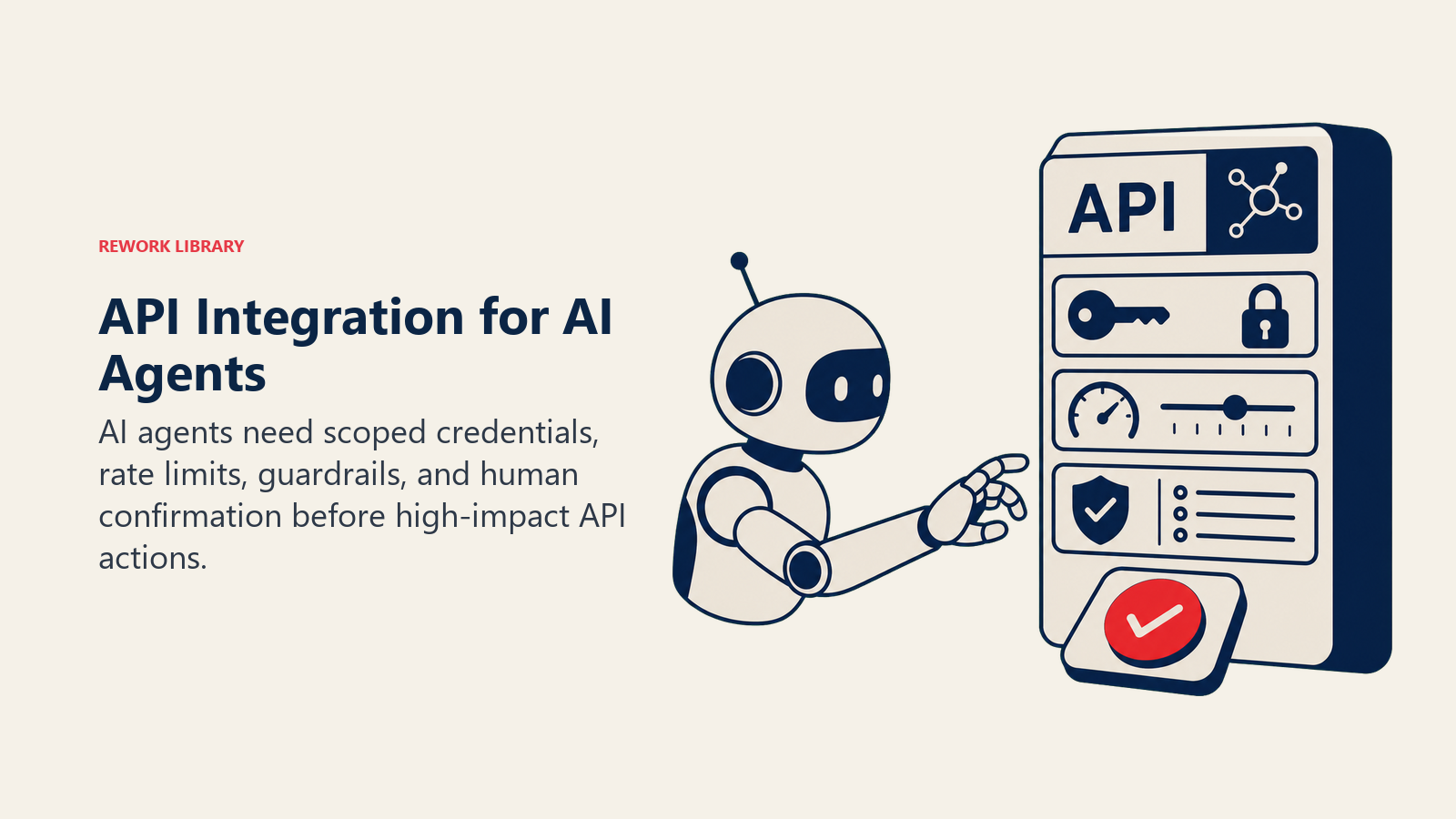
Agen AI yang memanggil API memerlukan pembatas tentang apa yang dapat mereka lakukan. Tidak seperti integrasi tetap yang melakukan satu hal spesifik, agen dapat memutuskan secara dinamis API mana yang dipanggil dan dengan parameter apa. Kontrol keamanan API, kredensial bercakupan terbatas, rate limit, dan konfirmasi human-in-the-loop untuk tindakan berdampak tinggi menjadi keputusan arsitektur yang esensial, bukan tambahan opsional.
Model Context Protocol (MCP) adalah standar yang muncul yang dirancang khusus agar model dan agen AI lebih mudah berinteraksi dengan API dan sumber data secara terstruktur. MCP secara efektif merupakan pola integrasi API yang terstandarisasi untuk sistem AI.
Keputusan arsitektur API yang dibuat bertahun-tahun lalu memengaruhi apa yang dapat dilakukan AI hari ini. Sistem dengan API yang dirancang dengan baik jauh lebih mudah dimasukkan ke dalam workflow AI dibandingkan sistem lama dengan permukaan integrasi yang buruk. Inilah salah satu alasan mengapa organisasi sering menemukan bahwa ambisi AI mereka memerlukan modernisasi sistem yang mendasari terlebih dahulu.
Membangun untuk Kemudahan Pemeliharaan
Pekerjaan teknis membangun integrasi API sering kali merupakan bagian yang paling mudah. Pekerjaan yang lebih sulit adalah membangun integrasi yang dapat dipelihara seiring perubahan sistem yang mendasari, persyaratan bisnis, dan tim.
Praktik yang membuat perbedaan: mendokumentasikan tujuan, aliran data, dan ketergantungan setiap integrasi; memusatkan otentikasi daripada menanamkan kredensial dalam integrasi individual; menulis pengujian yang menangkap breaking changes sebelum mencapai produksi; dan membangun dashboard yang menampilkan kesehatan integrasi tanpa memerlukan seseorang untuk menggali log.
Organisasi yang memperlakukan integrasi API sebagai infrastruktur, sesuatu yang harus dirancang, didokumentasikan, dan dipelihara, cenderung memiliki hasil yang jauh lebih baik dibandingkan yang memperlakukannya sebagai skrip satu kali. Terutama saat AI ditambahkan di atasnya.
Konsep AI Terkait
- API AI - Menggunakan kemampuan AI via API
- Arsitektur API - Merancang sistem API untuk skala dan keandalan
- Keamanan API - Melindungi API dari akses tidak sah dan penyalahgunaan
- Integrasi AI - Menanamkan AI ke dalam workflow bisnis yang sudah ada
- Agen AI - Sistem otonom yang beroperasi melalui integrasi API
- Model Context Protocol - Standar untuk integrasi AI-ke-API
- Workflow Agentik - Proses otomatis yang bergantung pada integrasi API
Sumber Eksternal
- MuleSoft API Integration Guide - Tinjauan praktis dari platform integrasi enterprise
- Zapier API Integration Basics - Penjelasan yang mudah dipahami dengan kasus penggunaan bisnis
- AWS API Integration Patterns - Referensi teknis untuk arsitektur integrasi API enterprise
Pertanyaan Umum tentang Integrasi API
Apa itu integrasi API?
Integrasi API adalah praktik menghubungkan sistem perangkat lunak agar dapat bertukar data dan memicu tindakan melalui antarmuka pemrograman aplikasi mereka. Ketika CRM Anda diperbarui secara otomatis saat deal ditutup di ERP Anda, atau saat tindakan pelanggan di produk Anda memicu workflow di platform marketing Anda, itulah integrasi API yang sedang bekerja.
Mengapa bisnis membutuhkan integrasi API untuk AI?
Sistem AI membutuhkan akses ke data dari berbagai sistem untuk menghasilkan output yang berguna, dan output AI perlu mengalir kembali ke sistem bisnis untuk menciptakan tindakan. Tanpa integrasi API, alat AI beroperasi pada data yang tidak lengkap dan menciptakan langkah transfer manual yang meniadakan sebagian besar nilainya. Agen AI yang mengambil tindakan otonom sepenuhnya bergantung pada integrasi yang memberi mereka akses ke alat.
Apa perbedaan antara integrasi API dan integrasi AI?
Integrasi API adalah praktik teknis menghubungkan sistem perangkat lunak melalui API mereka. Integrasi AI adalah proses yang lebih luas dalam menanamkan kemampuan AI ke dalam workflow bisnis, yang biasanya memerlukan integrasi API sebagai lapisan pemungkin. Integrasi API adalah prasyarat untuk sebagian besar pekerjaan integrasi AI yang bermakna.
Berapa banyak integrasi API yang terlalu banyak?
Tidak ada jawaban universal, tetapi kompleksitas tumbuh secara non-linear dengan jumlah integrasi saat menggunakan arsitektur point-to-point. Organisasi dengan lebih dari 15-20 integrasi langsung sistem-ke-sistem biasanya mendapat manfaat dari memusatkan pada platform integrasi atau lapisan middleware yang menangani routing, transformasi, dan monitoring di satu tempat.
