Bahasa Indonesia
KPI vs Metrik: Apa Bedanya? (Dengan Contoh)
Turn this article into takeaways for your work.


Each assistant summarizes the article only for you and suggests best practices for your work.
Pertanyaan KPI vs metrik membingungkan lebih banyak manajer dari yang seharusnya. Key performance indicator (KPI) dan metrik terdengar hampir identik, tetapi mengacaukan keduanya adalah alasan mengapa begitu banyak dashboard terisi angka yang terasa penting namun tidak pernah mengubah keputusan.
Apa itu metrik?
Metrik adalah pengukuran yang dapat dikuantifikasi yang Anda pantau dari waktu ke waktu. Ini memberi tahu Anda apa yang terjadi. Metrik dapat berasal dari bagian mana pun dari bisnis: jumlah tiket dukungan yang dibuka hari ini, durasi sesi rata-rata di situs web Anda, jumlah karyawan per departemen, tingkat churn bulanan. Mereka bersifat netral secara desain. Metrik tidak peduli apakah angkanya baik atau buruk; ia hanya melaporkan realitas.
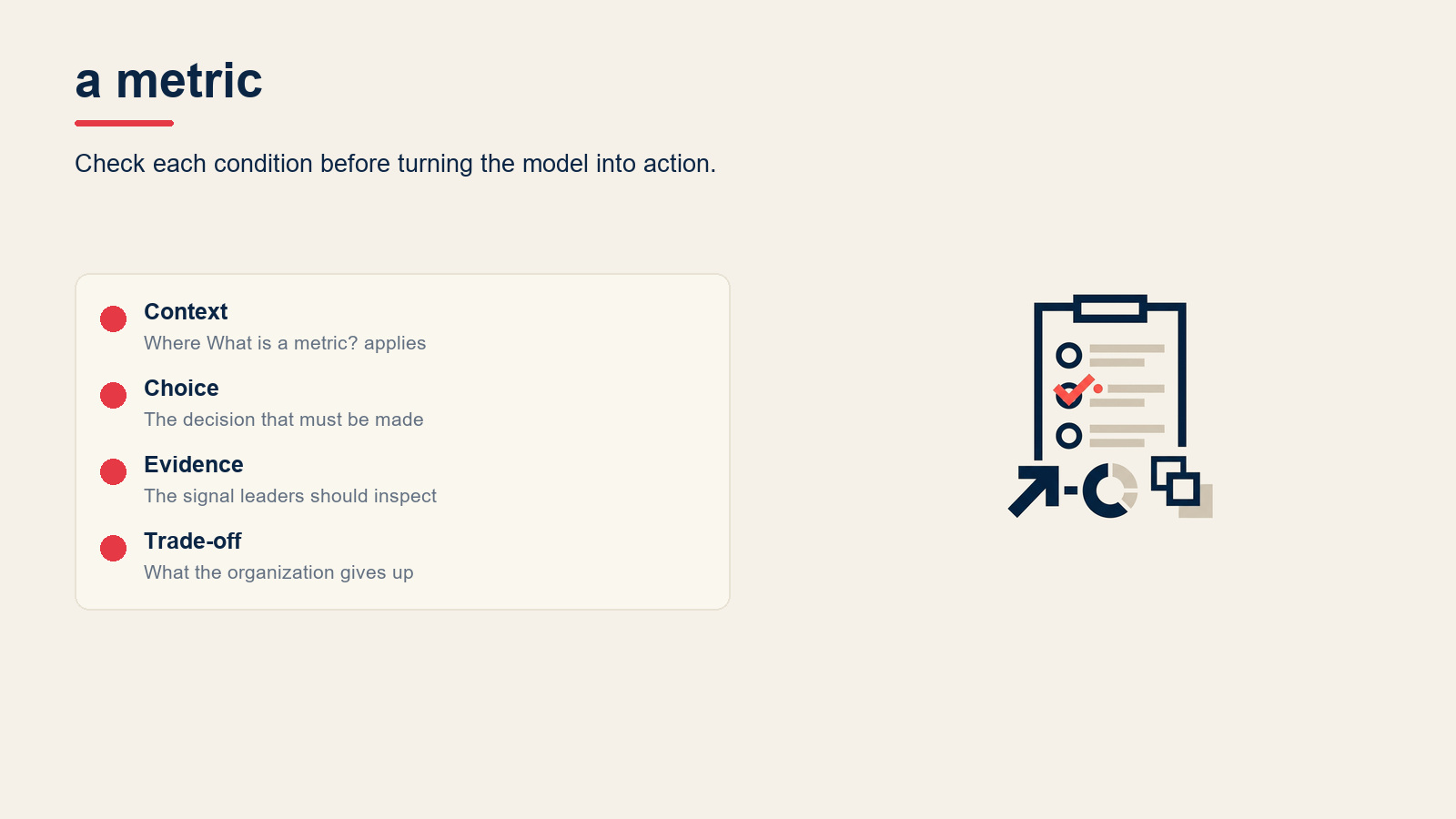
Anggap metrik sebagai lapisan data mentah. CRM Anda menyimpan ratusan di antaranya. Platform analitik Anda menyimpan ribuan. Sebagian besar berguna untuk mendiagnosis masalah setelah Anda sudah mengetahui ada yang salah. Namun dengan sendirinya, mereka tidak memberi tahu Anda apakah bisnis sedang on track.
Fakta Penting
- Tim yang mendefinisikan lebih sedikit ukuran kinerja yang lebih terfokus secara konsisten membuat keputusan lebih cepat daripada mereka yang melacak banyak metrik tanpa kepemilikan yang jelas (sumber: Harvard Business Review, "The Balanced Scorecard," Kaplan and Norton, 1992).
- Panduan praktisi umum adalah membatasi KPI strategis hingga lima hingga tujuh per tim atau fungsi; lebih dari itu, perhatian terpecah dan akuntabilitas menjadi kabur.
- Perbedaan intinya bersifat arah: metrik menggambarkan apa yang terjadi; KPI memberi tahu Anda apakah Anda menang atau kalah terhadap tujuan tertentu.
Apa itu KPI (key performance indicator)?
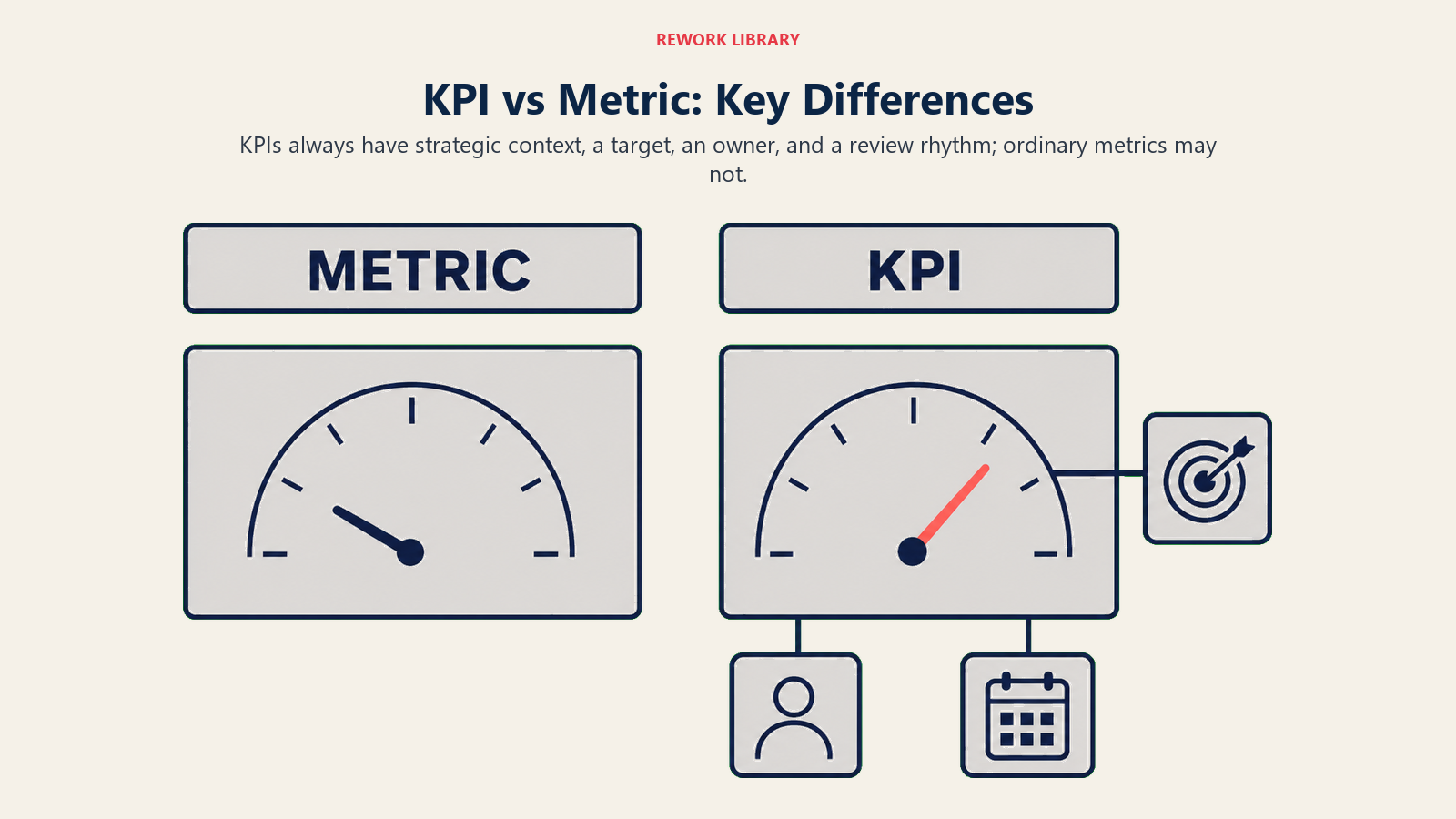
KPI (key performance indicator) adalah metrik yang telah dipromosikan ke relevansi strategis. Ia terikat pada tujuan bisnis tertentu, diberi target, diberikan horizon waktu, dan dilaporkan kepada orang-orang yang bertanggung jawab untuk mencapainya. Setiap KPI adalah metrik. Namun metrik hanya menjadi KPI ketika menjawab pertanyaan "Apakah kita on track untuk mencapai apa yang kita katakan akan kita capai?"
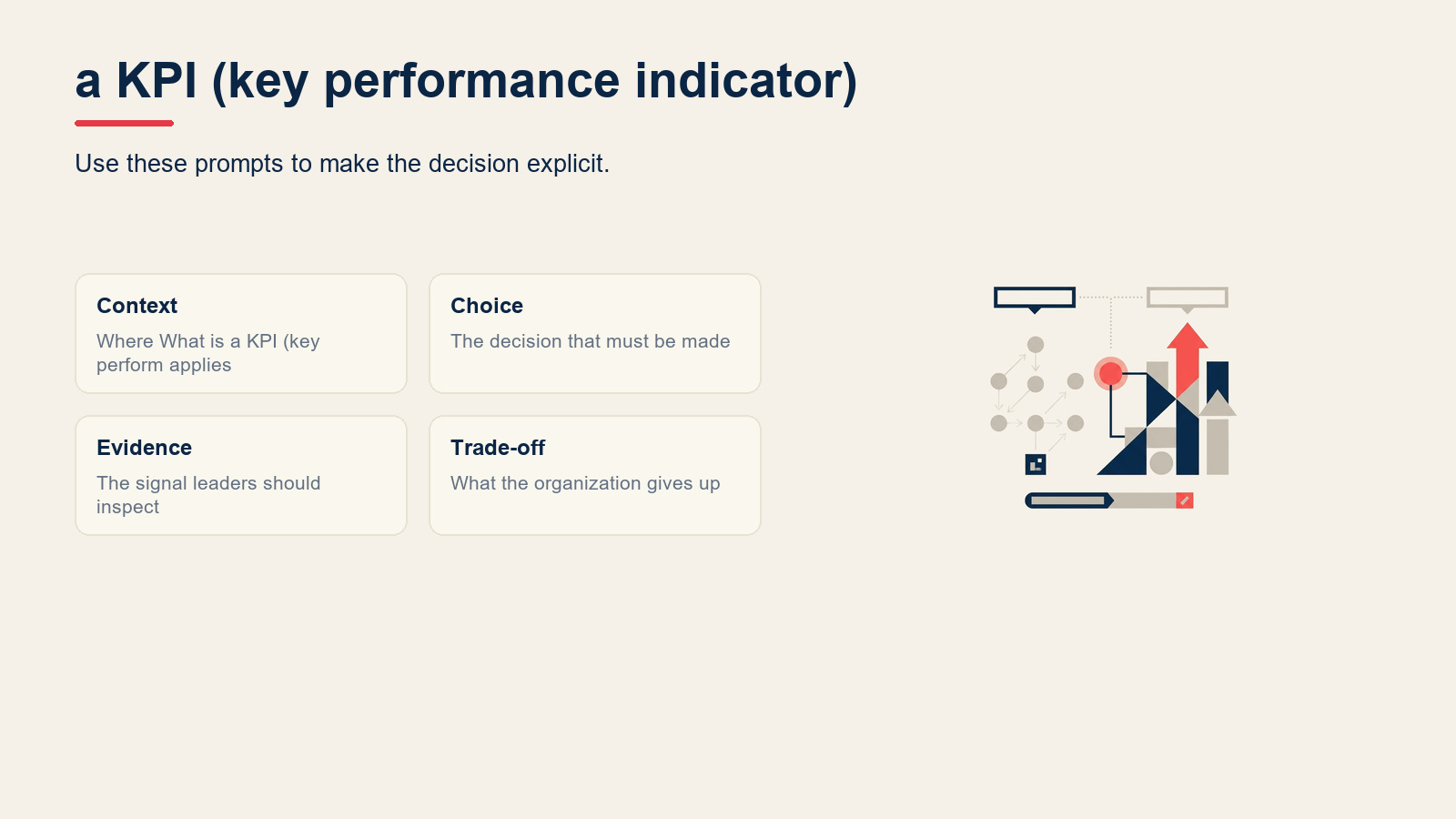
Formulanya sederhana: metrik + tujuan strategis + target = KPI.
Sebuah perusahaan perangkat lunak yang melacak "monthly active users" memiliki metrik. Ketika kepemimpinan berkata "kita perlu menumbuhkan monthly active users dari 40.000 menjadi 60.000 pada Q4 untuk memvalidasi product-market fit dan membuka pendanaan Seri B," angka yang sama menjadi KPI. Tujuannya ada. Targetnya ada. Akuntabilitasnya ada.
KPI vs metrik: perbedaan utama
Tabel di bawah ini menunjukkan di mana keduanya berbeda dalam praktik.
| Dimensi | Metrik | KPI |
|---|---|---|
| Definisi | Pengukuran yang dapat dikuantifikasi | Metrik yang terikat pada tujuan strategis |
| Memiliki target? | Tidak | Ya |
| Terikat pada tujuan? | Tidak selalu | Selalu |
| Dilaporkan ke kepemimpinan? | Kadang-kadang | Secara rutin |
| Mendorong keputusan? | Bisa, ketika diselidiki | Ya, secara desain |
| Volume | Banyak (ratusan mungkin) | Sedikit (5 hingga 7 per tim) |
| Contoh | Sesi website | Sesi website untuk mencapai 50.000/bulan pada Q3 |
Tes paling sederhana: tanya "apa yang terjadi jika angka ini turun?" Jika jawabannya adalah "kita selidiki dan cari tahu," itu adalah metrik. Jika jawabannya adalah "kita melewatkan tujuan kuartalan dan memicu rencana respons," itu adalah KPI.
Contoh KPI dan metrik berdasarkan fungsi
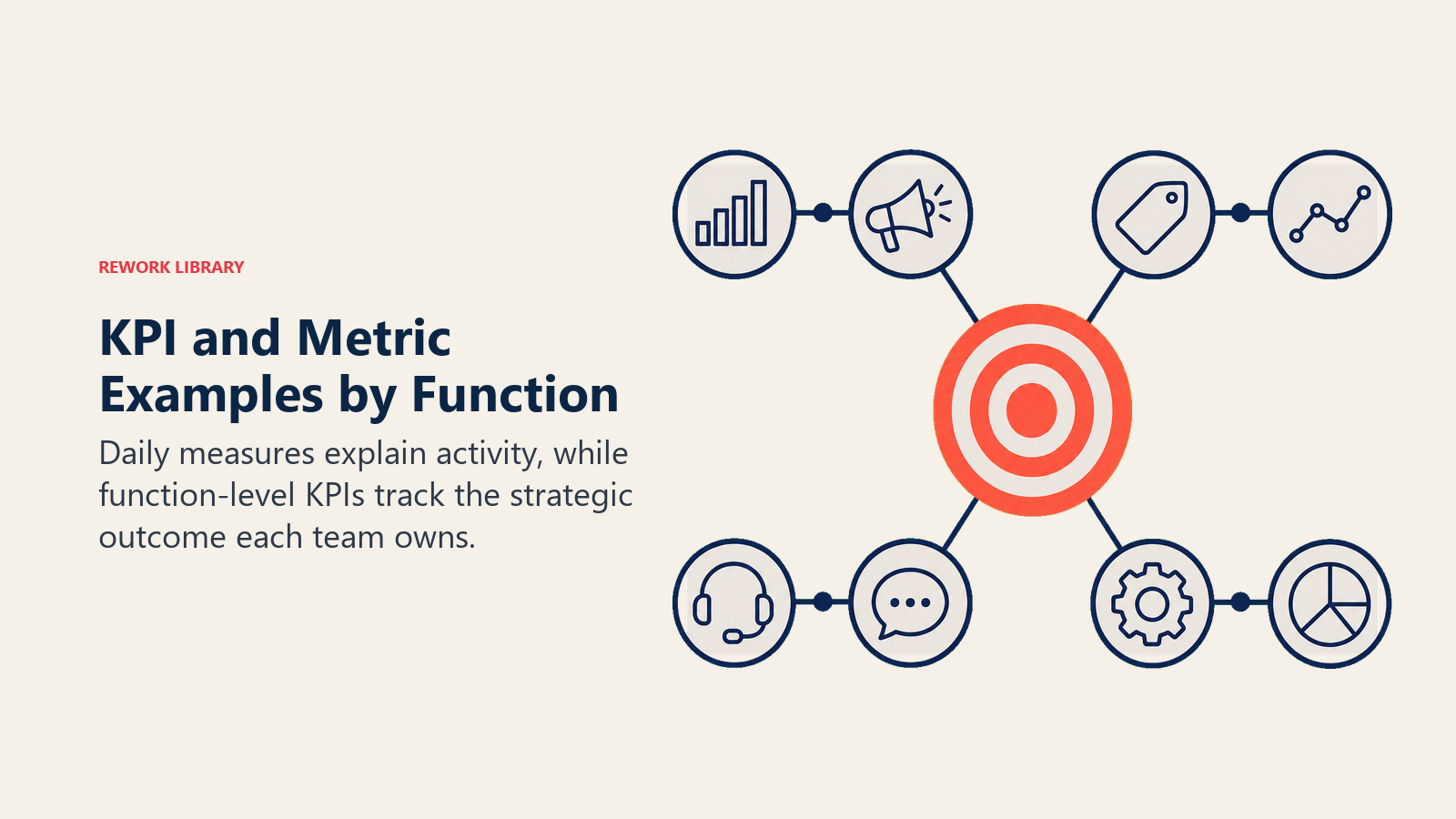
Tabel di bawah ini menunjukkan bagaimana metrik mentah berpasangan dengan KPI yang dimasukkan ke level strategis.
| Fungsi | Metrik | KPI |
|---|---|---|
| Sales | Panggilan yang dilakukan per hari | Pendapatan baru yang ditutup per kuartal vs target |
| Sales | Kesepakatan dalam pipeline | Rasio cakupan pipeline (minimal 3x kuota) |
| Marketing | Pengunjung website | Lead yang bersumber dari marketing vs target lead bulanan |
| Marketing | Tingkat pembukaan email | Pemesanan demo yang bersumber dari email per bulan |
| Dukungan pelanggan | Tiket yang diselesaikan hari ini | Skor kepuasan pelanggan (CSAT) vs target 90% |
| Dukungan pelanggan | Waktu penanganan rata-rata | Tingkat resolusi kontak pertama vs target 75% |
| Operasional | Unit yang diproduksi per shift | Tingkat pengiriman tepat waktu vs target 98% |
| Keuangan | Tingkat pembakaran bulanan | Runway dalam bulan vs minimum 18 bulan |
| Keuangan | Persentase gross margin | Gross margin vs target tahunan 65% |
Perhatikan polanya: kolom KPI selalu memiliki target dan konteks strategis. Kolom metrik bisa ada di dashboard mana pun dan berarti sangat sedikit tanpa konteks tersebut.
Cara mengubah metrik menjadi KPI
Memilih KPI yang salah adalah salah satu kegagalan eksekusi strategi yang paling umum. Berikut cara terstruktur untuk meningkatkan metrik yang tepat.
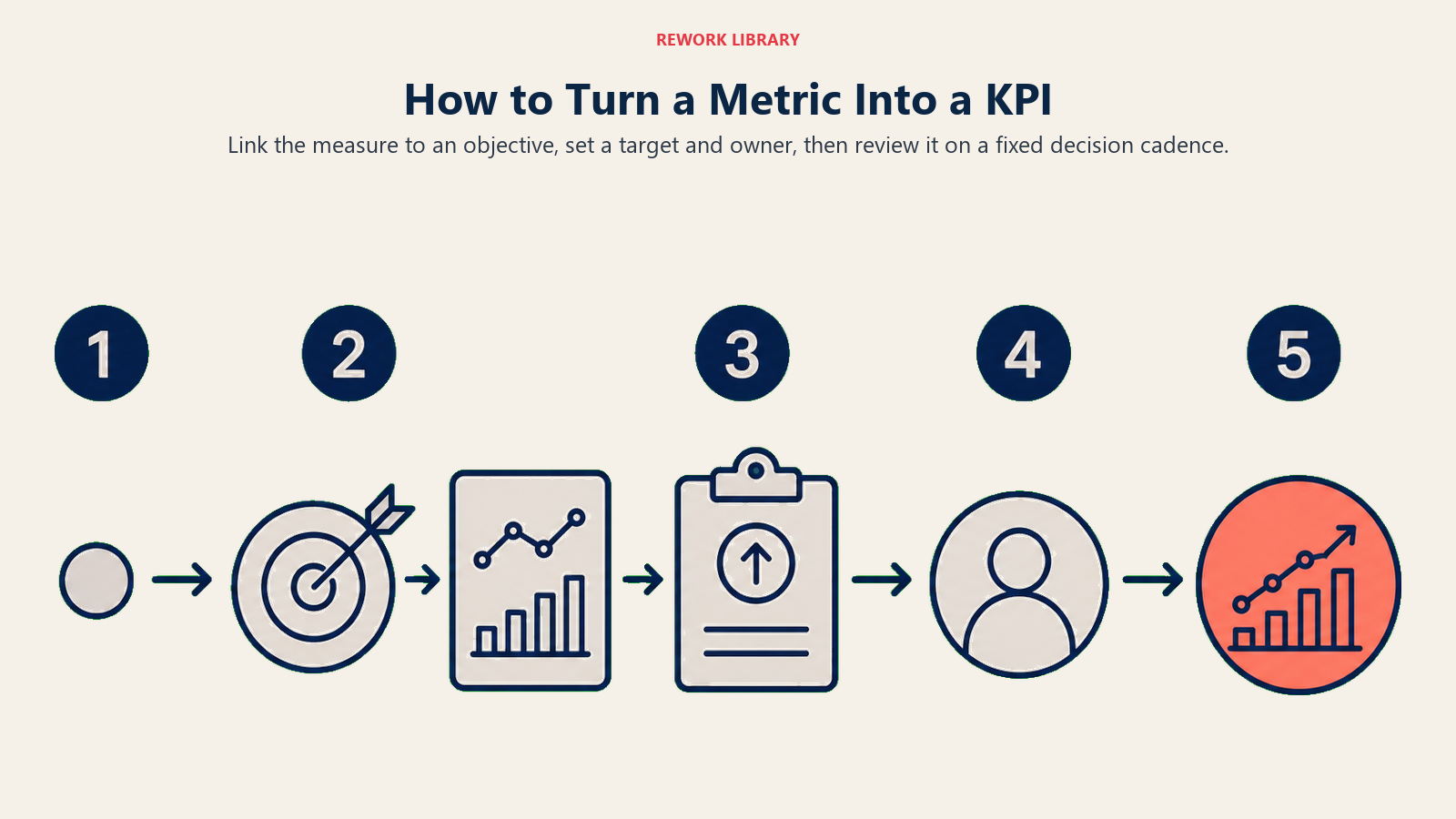
Langkah 1: Mulai dengan tujuan strategis
Setiap KPI harus dapat dilacak kembali ke tujuan yang benar-benar telah dikomitmenkan bisnis. Tarik tujuan strategis Anda untuk kuartal atau tahun. Jika Anda tidak dapat menyebutkan tujuan yang dilayani sebuah metrik, itu belum menjadi kandidat KPI.
Langkah 2: Pilih metrik yang bergerak seiring tujuan
Pilih metrik yang berubah ketika Anda membuat kemajuan pada tujuan tersebut. Pendapatan adalah yang paling jelas, tetapi indikator terdepan (hal-hal yang bergerak sebelum hasil muncul) sering kali lebih berguna. Jika tujuan Anda adalah memperluas ke segmen pasar baru, "permintaan demo dari segmen tersebut" adalah kandidat KPI yang lebih baik daripada "total pendapatan" karena memberi Anda sinyal lebih awal.
Langkah 3: Tetapkan target spesifik
Angka tanpa target hanyalah angka. Lampirkan nilai spesifik dan tenggat waktu. "Tumbuhkan permintaan demo dari 20 per bulan menjadi 50 per bulan pada akhir Q3" adalah KPI. "Lacak permintaan demo" adalah metrik. Kerangka kerja SMART business objectives (Specific, Measurable, Achievable, Relevant, Time-bound) berguna di sini.
Langkah 4: Tetapkan pemilik
KPI tanpa pemilik tidak akan tercapai. Setiap KPI memerlukan satu orang yang bertanggung jawab atas angka tersebut, memiliki akses ke tuas yang menggerakkannya, dan melaporkannya pada cadence yang teratur. Jika kepemilikan dibagi di antara tiga tim, akuntabilitas tidak dimiliki oleh siapa pun.
Langkah 5: Tinjau pada jadwal tetap
Metrik dapat diperiksa secara ad hoc. KPI ditinjau pada ritme tetap: standup mingguan, tinjauan bisnis bulanan, perencanaan kuartalan. Cadence tinjauan memaksa pertanyaan "apakah kita on track?" sebelum tenggat waktu berlalu.
OKR framework berpasangan dengan baik di sini: Objectives adalah tujuan, Key Results adalah KPI, dan check-in mingguan sudah terintegrasi dalam sistem.
Kesalahan umum
Melacak vanity metric sebagai KPI. Pengikut media sosial, page view, dan unduhan aplikasi terlihat mengesankan di slide tetapi jarang terikat pada pendapatan atau retensi. Tanya: "Jika angka ini berlipat ganda, apakah ini mengubah keputusan bisnis?" Jika tidak, itu adalah vanity metric, bukan KPI.
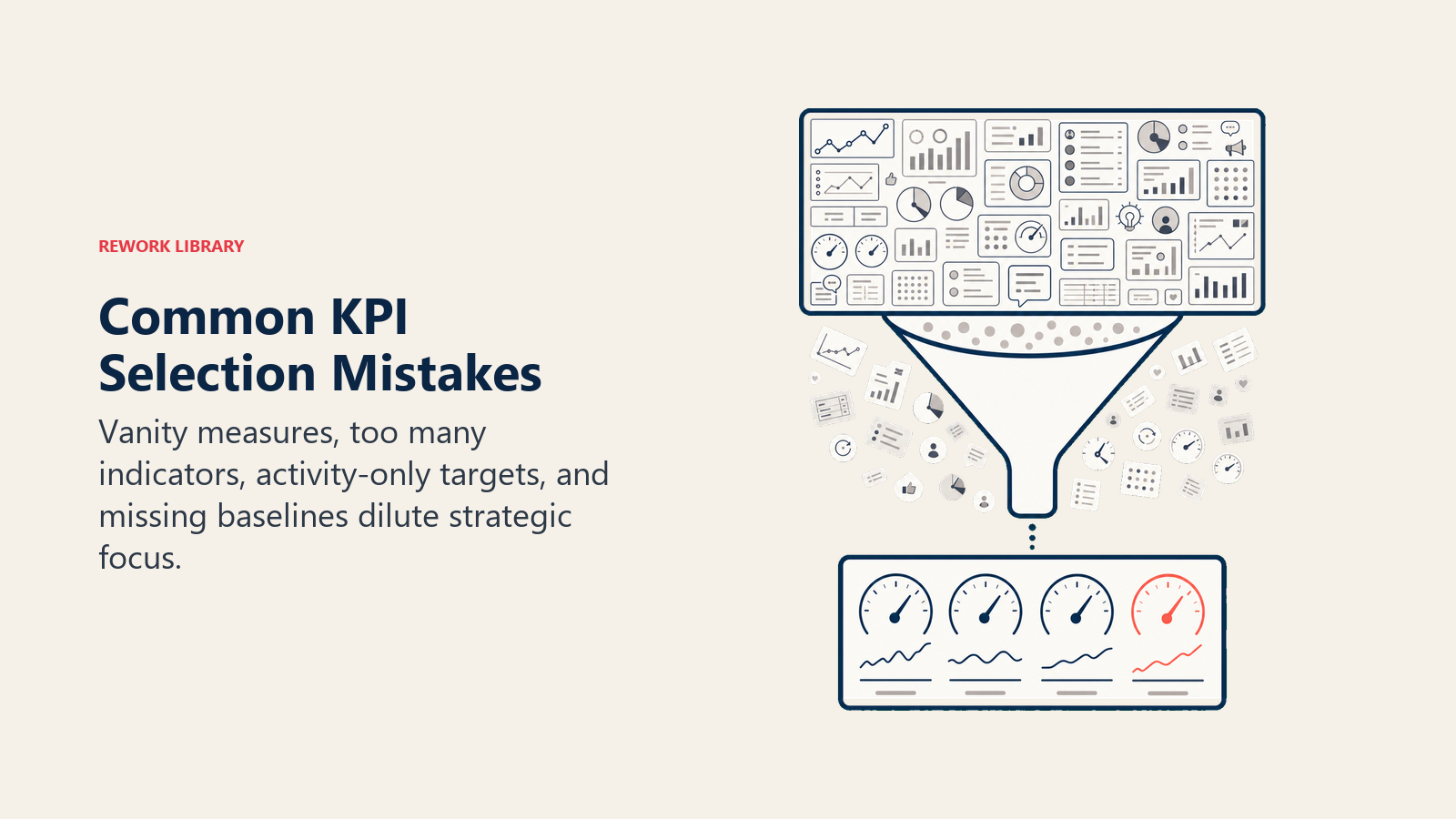
Terlalu banyak KPI. Ketika setiap tim melacak 15 KPI, tidak ada yang benar-benar menjadi kunci. Kata "key" memiliki bobot. Balanced scorecard merekomendasikan empat hingga enam ukuran per perspektif tepat karena alasan ini. Lebih dari tujuh KPI per tim adalah tanda bahwa tujuan strategis itu sendiri belum diprioritaskan.
Mengacaukan output KPI dengan input metrik. Pendapatan yang ditutup adalah output. Panggilan yang dilakukan, proposal yang dikirim, dan email tindak lanjut adalah input (aktivitas). Aktivitas penting untuk mendiagnosis kinerja yang buruk, tetapi seharusnya tidak menyamar sebagai KPI. Lacak aktivitas sebagai metrik; pertahankan tim bertanggung jawab atas output KPI.
Tanpa baseline. Menetapkan target tanpa mengetahui angka Anda saat ini menghasilkan tujuan yang sewenang-wenang. Sebelum mempromosikan metrik ke status KPI, tetapkan setidaknya empat hingga enam minggu data baseline sehingga target Anda didasarkan pada realitas.
Peta strategi dapat membantu di sini. Ini menunjukkan bagaimana KPI di satu area (pembelajaran dan pertumbuhan) mengarah ke KPI di area lain (proses internal), yang akhirnya mendorong hasil keuangan yang dipedulikan kepemimpinan. Ketika Anda melihat rantai kausal, lebih mudah untuk memilih indikator yang tepat.
Konsep north star metric mendorong ini lebih jauh: identifikasi satu metrik yang paling baik menangkap nilai yang diberikan produk Anda kepada pelanggan. Semua yang lain, termasuk KPI Anda, seharusnya secara teoritis menarik angka itu ke arah yang benar.
Pertanyaan yang sering diajukan
Apakah KPI sama dengan metrik?
Tidak. Semua KPI adalah metrik, tetapi sebagian besar metrik bukan KPI. Metrik adalah titik data yang dapat diukur. KPI adalah metrik yang dipromosikan ke kepentingan strategis dengan melampirkannya pada tujuan tertentu, target, dan horizon waktu. Perbedaannya adalah konteks dan maksud, bukan angka yang mendasarinya.
Bisakah metrik menjadi KPI?
Ya, dan itulah jalur normalnya. Organisasi biasanya mengumpulkan ratusan metrik secara otomatis melalui alat dan sistem mereka. Disiplin menetapkan KPI adalah proses memutuskan mana tiga hingga tujuh dari metrik tersebut yang benar-benar relevan untuk keputusan bagi tim dan periode tertentu. Metrik juga bisa kehilangan status KPI jika tujuan yang mendasarinya berubah.
Berapa banyak KPI yang harus Anda lacak?
Sebagian besar praktisi merekomendasikan lima hingga tujuh KPI per tim atau unit bisnis. Kurang dari tiga dan Anda mungkin mengabaikan dimensi kinerja yang penting. Lebih dari sepuluh dan Anda hampir pasti telah mengencerkan fokus. Di level perusahaan, banyak organisasi berkinerja tinggi melacak satu KPI utama (kadang disebut north star metric) ditambah serangkaian indikator pendukung yang kecil.
Apa perbedaan antara KPI terdepan dan tertinggal?
KPI tertinggal mengukur hasil yang sudah terjadi, seperti pendapatan kuartalan atau tingkat churn tahunan. KPI terdepan mengukur aktivitas atau sinyal awal yang memprediksi hasil masa depan, seperti pemesanan demo bulan ini atau kontak baru yang ditambahkan ke pipeline. Balanced scorecard dan OKR framework biasanya mencampur keduanya: KPI tertinggal mengkonfirmasi Anda telah menang; KPI terdepan memberi tahu Anda apakah Anda kemungkinan akan menang.
Apakah metrik dan KPI memerlukan alat yang berbeda?
Belum tentu. Sebagian besar platform business intelligence (BI), CRM, dan alat analitik dapat menampilkan keduanya. Perbedaannya ada pada tata kelola: KPI memerlukan pemilik yang terdefinisi, target yang ditetapkan dalam sistem, dan rapat tinjauan di kalender. Metrik dapat berada di dashboard dan diperiksa saat dibutuhkan. Alatnya sama; disiplin di sekitarnya berbeda. Menetapkan KPI yang tepat adalah salah satu hal pertama yang harus dilakukan tim kepemimpinan saat menerjemahkan strategi ke eksekusi. Jika tujuannya jelas, KPI mengikuti. Dan setelah KPI ditetapkan, metrik yang dilacak tim Anda setiap hari akhirnya memiliki tujuan: mereka adalah lapisan diagnostik yang menjelaskan mengapa KPI bergerak seperti yang terjadi.

Co-Founder & COO
On this page
- Apa itu metrik?
- Apa itu KPI (key performance indicator)?
- KPI vs metrik: perbedaan utama
- Contoh KPI dan metrik berdasarkan fungsi
- Cara mengubah metrik menjadi KPI
- Langkah 1: Mulai dengan tujuan strategis
- Langkah 2: Pilih metrik yang bergerak seiring tujuan
- Langkah 3: Tetapkan target spesifik
- Langkah 4: Tetapkan pemilik
- Langkah 5: Tinjau pada jadwal tetap
- Kesalahan umum