リテンションに関するセールスコミッション:コンペンセーションプランがNRRをひそかに破壊している理由
Turn this article into takeaways for your work.


Each assistant summarizes the article only for you and suggests best practices for your work.
AEがQ3最終週に商談をクローズします。割引は38%。ユースケースはコアではなく隣接しています。Championは熱心だが、初回購入を超えた予算権限を持っていません。AEはクォータを達成します。コミッションを受け取ります。そして次のPipelineへ進みます。
CSMがアカウントを引き継ぎます。11ヶ月間、常に近似値だったプロダクトフィットをナビゲートし、より深いAdoptionへの社内支持を得られないChampionを管理し、元の購入に参加しなかったエグゼクティブバイヤーとのRenewal会話のために戦います。11ヶ月目にアカウントがChurnします。
AEには財務的な影響がゼロです。CSMは部分的にしかコントロールできないメトリクスでChurnのヒットを受けます。会社はOnboardingコスト、CSの時間、失われた拡張機会、そして閉じるべきではなかった商談からのNRR(Net Revenue Retention。セールス-CS Alignmentグロッサリー参照)のダメージを吸収します。
これは悪いAEについての話ではありません。コンペンセーションプランが人々に何をするよう訓練するかについての話です。
なぜコンペンセーションが根本原因であり、カルチャーではないのか
標準的な異議がほぼすべてのCRO会話で出てくる:「私たちのAEは素晴らしい人々です。顧客を気にかけています。悪い商談をクローズしようとしているわけではありません。」
おそらく真実です。そして要点からずれています。
行動はインセンティブに従います。人々が強欲だからではなく、人間は、優秀なセールスパーソンも含めて、環境が送るシグナルに反応するからです。コンペンセーションプランが「商談をクローズすることで報酬が得られ、次に何が起きても関係ない」と言うなら、合理的な行動は可能な限り多くの商談をできるだけ少ない制約でクローズすることです。それは性格の欠陥ではありません。設計通りに機能しているシステムです。McKinseyのセールスインセンティブに関する調査は、コンペンセーションプランがセールスパーソンにより多く売らせるだけでなく、企業の進化する戦略を前進させる動機づけにもなりうることを確認しています。ただしそれが起きるのは、インセンティブ設計が戦略と意図的に整合しているときだけで、成長の前段階から引き継いだままのときではありません。セールスのコンテキストを加えたカスタマーヘルススコアリングのモデルは、リテンションのインセンティブを内面化したAEが、クローズ時に商談品質のデータを提供できることを示しており、これによりChurnの帰属を執行しやすくなります。
NRRの数学は厳しいです。10ヶ月目にChurnする$100K ACVの商談は、単にRenewalを失うだけではありません。考慮すべきは:
- Onboardingコスト(実装、PSの時間、CSのOnboardingの工数):$8〜15K
- 10ヶ月間のCSM管理コスト(完全に反映した場合):$12〜18K
- 失われた拡張収益(Churnしないアカウントは通常2年目に15〜25%拡張する):$15〜25K
- NRRのドラッグ(Churnした各ドルは次の資金調達ラウンドまたはエグジットでの倍率を抑制する):スケールで意味のある変動
Churnする$100Kの商談は、クローズ時の$15〜20Kのコミッション支払いに対して、$40〜60Kの正味実現損失をもたらす可能性があります。会社はAEにネガティブROIのイベントを生み出すために支払っています。
隠れた補助金:CSチームがこのコストをひそかに吸収しています。ChurnはログされCSチームのNRRがダメージを受け、その状況を作ったAEは自分のコミッションを持ってとっくに去っています。CSリーダーシップはChurnの上昇を見ます。より精緻なHealth Scoreモデルを構築します。より多くのCSMを採用します。しかし根本原因、つまり獲得品質に対する説明責任を作らないコンペンセーションプランは手つかずです。
主要データ:不整合なコンペンセーションのNRRコスト
- 10ヶ月目にChurnする不適合な商談は、Onboarding、CSの時間、失われた拡張、そして将来の資金調達または評価へのNRRのドラッグを考慮すると、会社に初期ACVの3〜4倍のコストをかける(BainのSaaSユニットエコノミクス分析より)。
- リテンションに結びついたAEクローバックまたはトレーリングコミッションを導入した企業は、OpenView Partnersの調査によると、2年以内に12ヶ月の顧客リテンション率が12〜18%改善します。
- CROの64%が、リテンションが会社の優先事項であるにもかかわらず、AEコンペンセーションプランはリテンション行動を適切にインセンティブ化していないと回答している(SBI GrowthによるCROサーベイ2024より)。
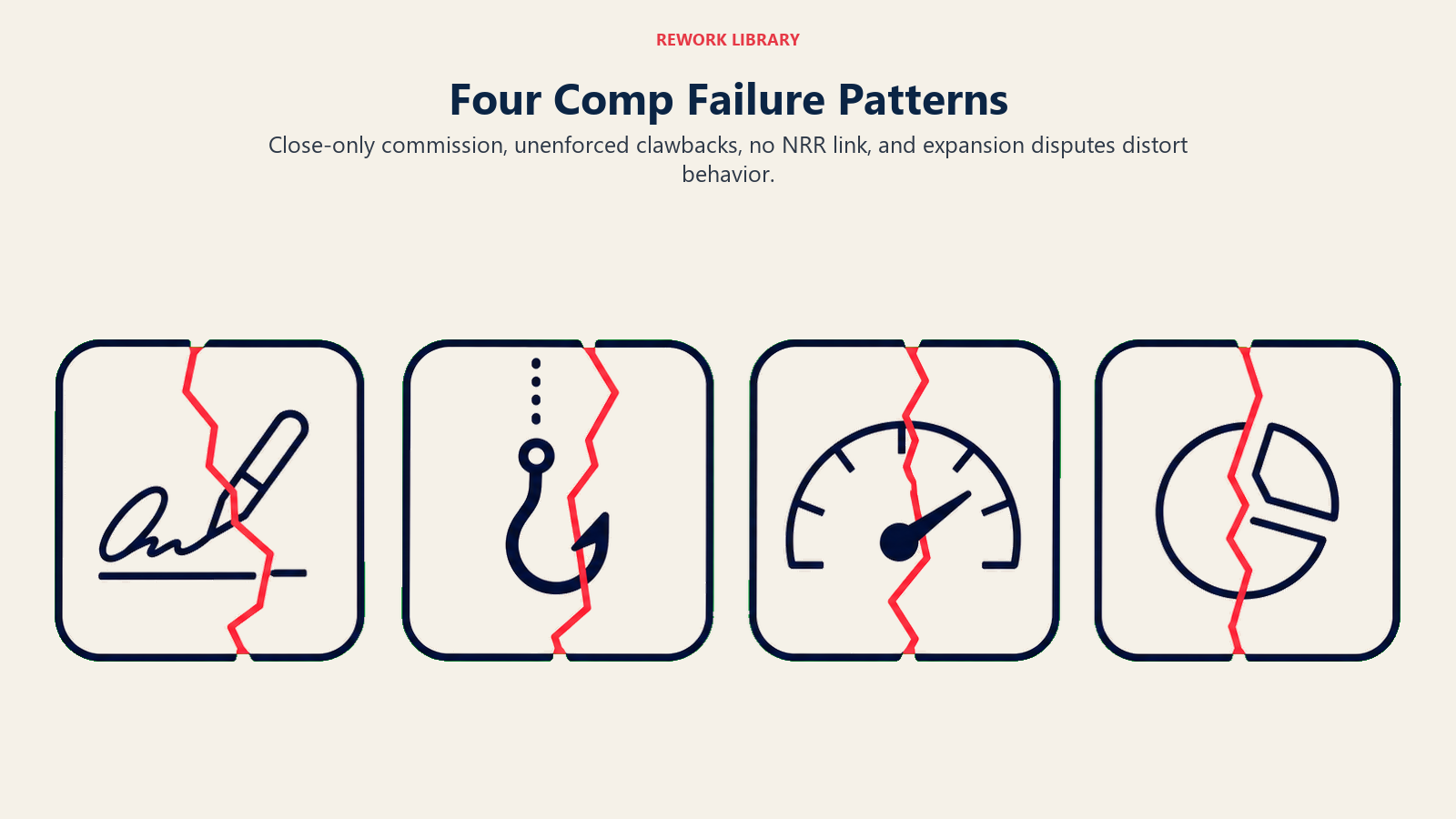
4つのコンペンセーション失敗パターン
パターン1:クローズ時のコミッション、リテンションに関しては何もない
最も一般的な構造。AEは契約署名時に全額コミッションを得ます。アカウントが1〜24ヶ月でどうなるかに関わらず。顧客が3ヶ月目にChurnしても、2年目に40%拡張した場合と同じです。
この構造は明確なシグナルを送る:商談の品質は署名日以降重要ではありません。そのシグナルを内面化したAEはそれに応じて最適化します。フィットのしきい値を低くしてより多くの小さな商談をクローズします。なぜなら経済が品質よりもボリュームに報酬を与えるからです。
パターン2:名ばかりのクローバック
会社には90日のクローバックポリシーがあります。コンペンセーションプランに書かれています。ほとんど執行されません。
なぜ失敗するか?3つの理由。第一に、90日は短すぎます。ほとんどのChurnは、典型的なOnboardingタイムラインでは6〜12ヶ月まで具体化しません。第二に、執行にはRevOpsとFinanceがクローバックイベントを追跡し、現在の給与計算から報酬を回収する必要があり、管理上不快です。第三に、AEのマネージャーはChurnがAEのせいではないと思うなら、自分のチームに対して執行したくありません。そして「AEのせい」はほぼ誰も下したくない判断です。
執行されないクローバックはノイズです。説明責任の外観を作るが、実質がありません。
パターン3:CSが拡張クォータを持つが権限がない
CSM(Customer Success Manager。グロッサリー参照)は拡張収益で測定されます。しかし価格ツールを持たず、契約変更を交渉できず、シグナルが表面化されてもAEがハンドオフリクエストに対応しません。拡張目標は存在します。それを達成するためのインフラが存在しません。拡張OwnershipとUpsellモーションのフレームワークは、CSのコンペンセーションを拡張収益に結びつける前に設定しておくべき権限の境界を定義しています。
これはコントロールできないアウトカムに対して責任を持たされるという特定のCSMの不満を生み、それが離職を促進します。そしてゲーミング行動を生む:CSMはシグナルを非常に遅くルーティングすることを学び、AEがその四半期にクローズできないようにしながら、試みたように見せかけて拡張の未達を回避します。
パターン4:名目上はAEコンペンセーションにRenewalがあるが、AEがRenewalモーションにいない
AEのコンペンセーションプランにはRenewalコンポーネントが含まれます。実際には、AEは10ヶ月間アカウントに話しかけていません。CSMがRenewalを実行します。クローズすれば、AEはCSMがした作業のRenewalコミッションを受け取ります。Churnすれば、AEはいずれにしても大して期待していなかった少額の収入を失います。
結果:AEはRenewalモーションに実際に参加するインセンティブを持たず、CSMは他者にクレジットされる商業的アウトカムの運用オーナーであることに憤慨します。両チームが負けます。
整合されたコンペンセーションの実際の姿
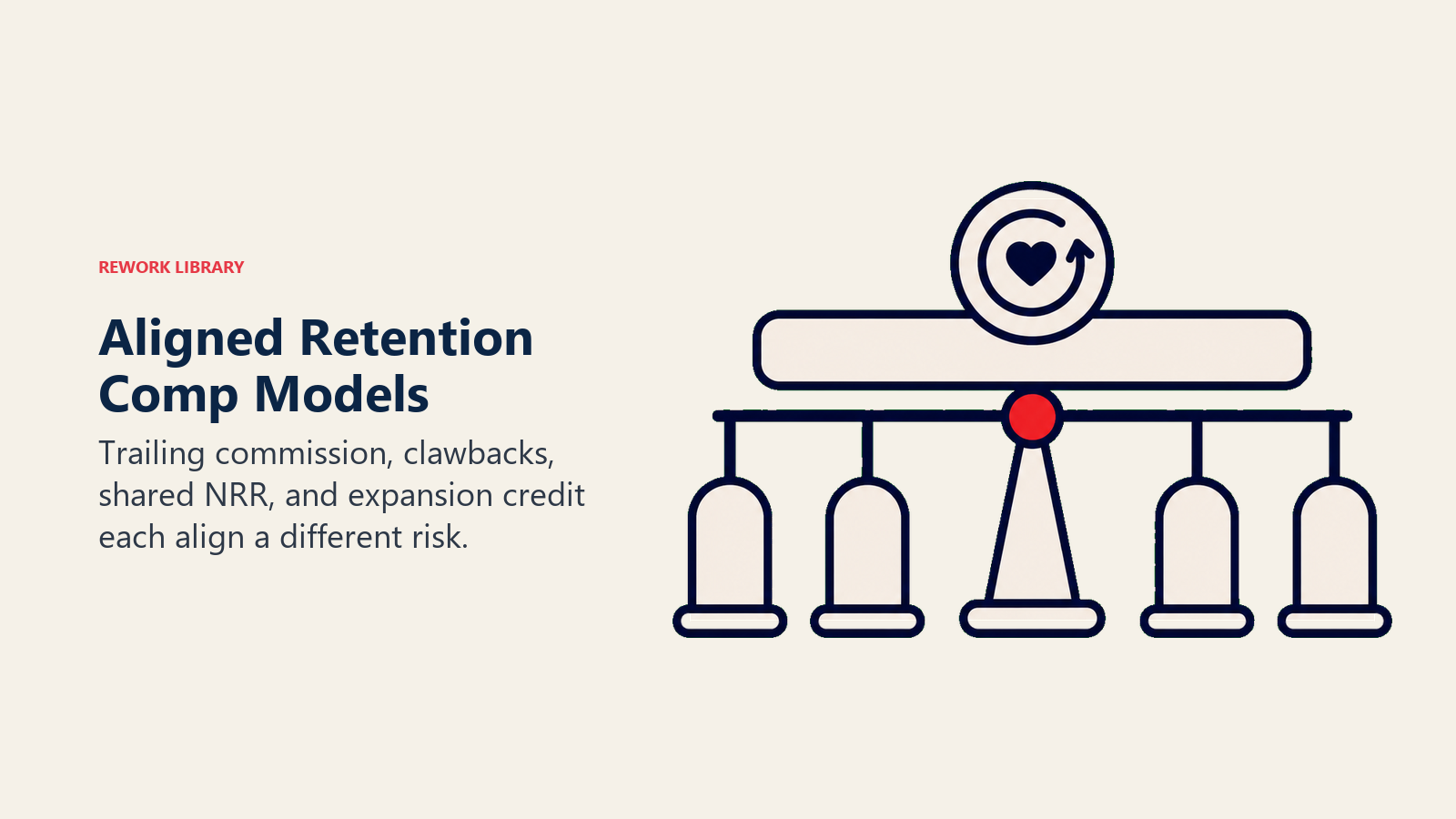
検討する価値のある4つのモデルがあります。それぞれ異なる実装コストと異なる影響の上限を持ちます。
オプションA:トレーリングコミッション
AEはトランシェでコミッションを得る:契約署名時に50〜60%、アカウントHealthを条件として6ヶ月目に20〜25%、アカウントHealthを条件として12ヶ月目に20〜25%。Healthは特定のしきい値で定義される(使用率X%以上、オープンなクリティカルな問題なし、Renewalが開始済み)。判断の余地は残しません。
トレードオフ:
- 最も簡単な構造的修正
- AEの財務インセンティブを12ヶ月のアカウント軌道に整合させる
- AEとCSの両方が信頼できる定義された測定可能な「アカウントHealth」メトリクスが必要
- 高ボリュームSMB bookのAEはキャッシュフロータイムラインが延長されるため抵抗するかもしれない
- RevOpsはトランシェを管理するためのクリーンなコミッション追跡インフラが必要
最適な場面: 12ヶ月の関係が意味があり、AEがアカウントHealthに実際に影響を与える能力を持つ、$30K以上のACVを持つミッドマーケット注力企業。
オプションB:初期Churnに関するクローバック
意味のあるクローバック(6〜12ヶ月)を一貫して執行し、定義されたトリガーを持ちます。単に完全なChurnだけでなく、重大なダウンセル(ACV削減30%以上)と契約期間内の早期退出も含みます。
トレードオフ:
- 執行へのコミットメントが必要:一貫した執行なしに、ポリシーは行動を変えることなく不満を生む
- 「AEに帰属するChurn」の定義は、事前に定義する必要のある判断(クォリティの失敗 vs. クローズ後の実行の失敗)だ
- イベントベースの控除であり継続的な計算ではないため、トレーリングコミッションよりも管理しやすい
- コミッション受領のタイミングを変えることなく、商談品質に関する適切なインセンティブを生む
最適な場面: AEの離職懸念からトレーリングコミッションが政治的に難しいが、リーダーシップがクローバックの執行にコミットできる企業。
オプションC:共有NRRターゲット
AEチームとCSチームがポートフォリオNRRターゲットを共有します。ボーナスとアクセラレーターが共有ターゲットに紐付けられます。両チームが同じゲームに参加しています。
トレードオフ:
- 最も強力な整合メカニズム:チームを真に相互依存させる
- 個々のAEのbookをNRRアウトカムに明確に帰属させられない大規模なSMBチームでは管理が複雑
- アカウントのbookが個々のターゲットが意味を持つほど明確なミッドマーケット以上で最もうまく機能する
- CSとセールスのリーダーシップがNRR計算に含まれるもの(標準的なグロスリテンション、拡張を含むネット収益など)に同意する必要がある
- セールスリーダーシップはプッシュバックするでしょう。自分の数字を独立して管理することに慣れているためです。
最適な場面: すでに強固な運用的整合を達成しており、共同商業モデルを強化する構造的なインセンティブが必要な収益チーム。
オプションD:拡張クレジットスプリット
CSがコンバートする特定・資格審査済みの拡張シグナルに対して部分的なクレジットを得ます。AEはクローズした拡張収益に対して全額クレジットを得ます。一般的なスプリット:CSがコンバートするシグナルに対して20〜30%の拡張コミッション;AEがクローズに対して70〜80%。
トレードオフ:
- 拡張に関して最も一般的なミッドマーケットコンペンセーション構造であり、一般的に最も持続可能
- CSがルーティングした「資格審査済みシグナル」の明確な定義が必要(AEがシグナルを自己生成と主張することと、CSがカジュアルな言及にクレジットを主張することを防ぐため)
- CSMにボリュームシグナルではなく品質シグナルを表面化するインセンティブを与える
- AEにCS経由の商談を迅速にクローズするモチベーションを維持させる
最適な場面: CS-AEクローズのModel B拡張ownership(CSがシグナルを出し、AEがクローズ)でハンドオフプロトコルをサポートするインセンティブ構造を運用化したい企業。
トレードオフの正直なサマリー:
| オプション | 実装の容易さ | 行動変容の影響 | 最適なステージ |
|---|---|---|---|
| A:トレーリングコミッション | 中 | 高 | ミッドマーケット、Series B以降 |
| B:クローバック(執行あり) | 中 | 中 | 既存クローバックがあるあらゆるステージ |
| C:共有NRRターゲット | 難 | 非常に高 | Series B以降、整合されたチーム |
| D:拡張クレジットスプリット | 容易 | 中〜高 | ミッドマーケット、Model B拡張 |
問題のCSMコンペンセーションの半分
この記事はAEコンペンセーション設計に焦点を当てています。しかしCSコンペンセーション構造にも独自の不整合の失敗があります。
グロスリテンション(ロゴChurn率)のみを測定するCSコンペンセーションプランは、拡張を完全に見逃します。グロスリテンションに最適化されたCSMチームは、悪いRenewalを受け入れ、拡張会話を後回しにし、顧客の不満をエスカレーションせずに吸収するなど、アカウントを維持するために何でもします。メトリクスは成長ではなく維持に報酬を与えます。
CSMのメトリクスとしてのNRRは両方の側面をカバーする:グロスリテンションと拡張。CSMのインセンティブを、そのサブセットだけでなく、会社の収益の数学に整合させます。
リスク:NRRターゲットはCSチームが何らかの商業的モーションまたはAEサポート構造を持つことを必要とします。拡張ツールまたはそれに対応するコンペンセーションスプリットなしにCSをNRRに縛ることは、予算のないターゲットです。それは上記のパターン3と同じ不満を生む:権限なしの説明責任。
CSコンペンセーションの全アーキテクチャ(NRRターゲットをどう構造化するか、異なる複雑さのアカウントbookをどう扱うか、ゲーミングを防ぐガードレールは何か)はNRRに連動したコンペンセーションでカバーしています。
セールスチームを壊さずに変更を段階的に進める方法
コンペンセーションの変更はCROが行える最もリスクの高いアクションの一つです。実行を失敗すると、最優秀なAEが競合からの電話を受け始めます。混乱を最小化する段階的なアプローチを以下に示します。
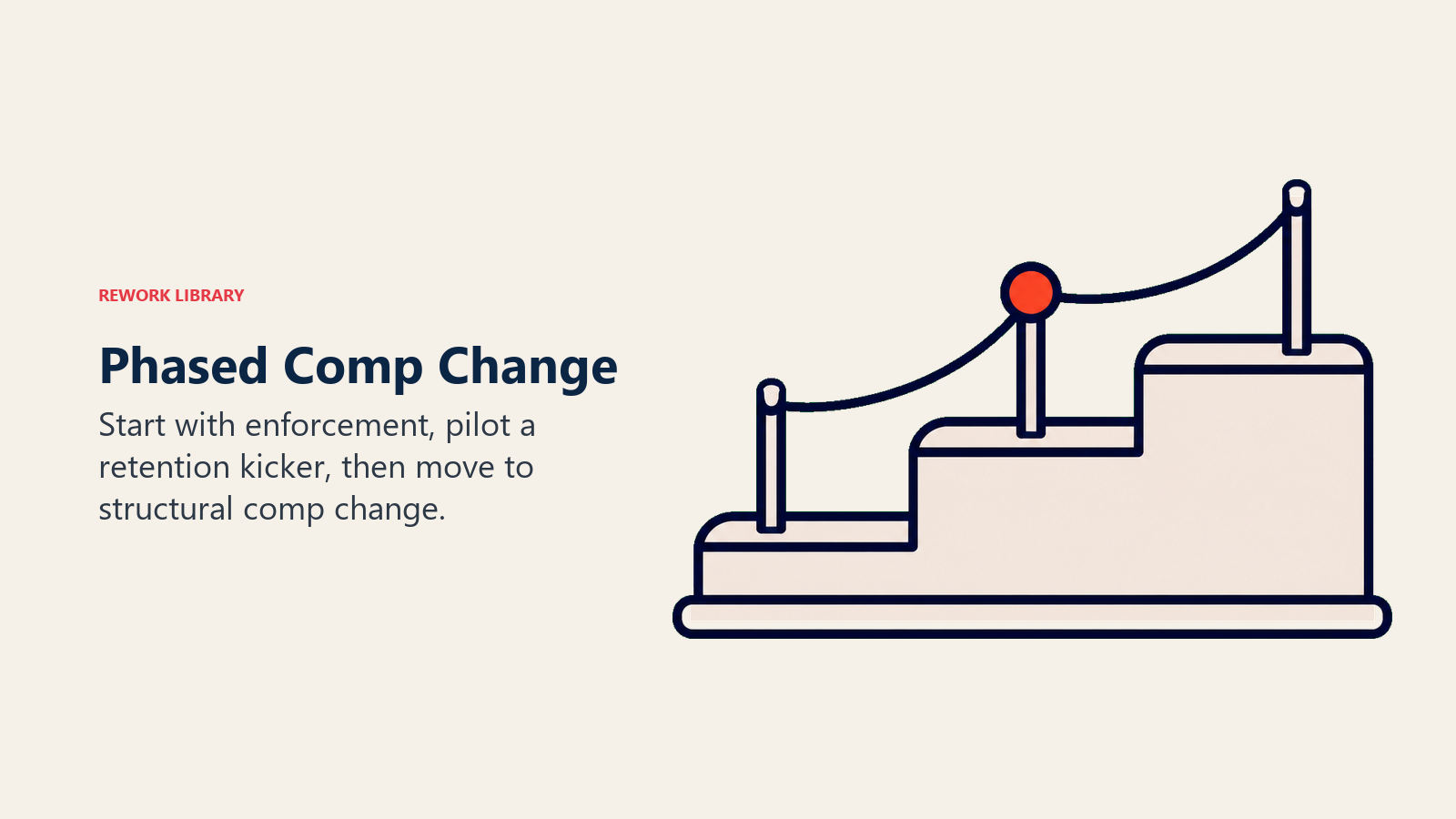
ステップ1:既存ポリシーのクローバック執行から始めます。 ほとんどの企業には既にクローバック条項があります。ただし執行していません。そこから始めます。過去12ヶ月から、AEがポリシー期間内にChurnした商談をクローズした2〜3の明確なケースを選んでクローバックを執行します。チームに見える形で行います。懲罰的ではなく、当然のこととして。「これがポリシーです。適用しています。」これは新しいメカニズムを追加する前に既存のポリシーに実効性があることを示します。
ステップ2:次の会計年度からの新規商談にトレーリングコミッションを導入、既存のbookは現状維持。 会計年度開始日以降にクローズした商談のトレーリングコミッション構造を発表します。既存のbookにあるすべてを現在の条件でグランドファザーします。これにより、AEは現在のPipelineに対して確実性を持ち、将来の商談についての明確なシグナルを得ます。すでにクローズした商談のコンペンセーションを遡及的に変更しません。それは構造的な不整合より速く信頼を破壊します。
ステップ3:指名されたストラテジックアカウントのティアに拡張クレジットスプリットをパイロットします。 AEとCSMの両方が強力でジョイント拡張モーションのパイロットに意欲的な15〜20のアカウントを特定します。1四半期そのティアにオプションD(拡張クレジットスプリット)を実行します。シグナルの品質、クローズ率、両チームのフィードバックを測定します。次に結果に基づいて拡張します。それらのアカウントに割り当てたRenewal ownershipモデルは、拡張コンペンセーション構造と一致させるべきです。ownershipとコンペンセーションが食い違うと、パイロットが解決しようとしているまさにその混乱が生まれます。
してはいけないこと:
- 明示的な調整支払いや保証なしに年度途中でコンペンセーションを変更する
- 「健全なアカウント」が測定可能な観点から何を意味するかを定義せずにリテンションのためにコンペンセーションを変更する(AEは何に縛られているか知る必要がある)
- メールで変更を発表する;AEが質問できる全体ミーティングを開催する
- RevOpsインフラなしにトレーリングコミッションを実装する:コンペンセーション計算エラーはそれを担当した人のキャリアを脅かす
NRR Comp Plan Framework
NRR Comp Plan Frameworkは、AEのコンペンセーションをリテンションの成果と整合させるために、この記事が定義する4つのオプションからなるモデルです。オプションA(トレーリングコミッション)は、支払いを6ヶ月目と12ヶ月目のアカウントHealthのしきい値に紐づけたトランシェに分割します。オプションB(執行されるクローバック)は、定義された帰属基準のもとで一貫して執行される6〜12ヶ月の回収期間を早期Churnに適用します。オプションC(共有NRRターゲット)は、AEチームとCSチームを同じポートフォリオメトリクスで相互依存させます。オプションD(拡張クレジットスプリット)は、コンバートした拡張商談についてCSに20〜30%のシグナルクレジットを与え、AEはクローズのクレジットを全額保持します。
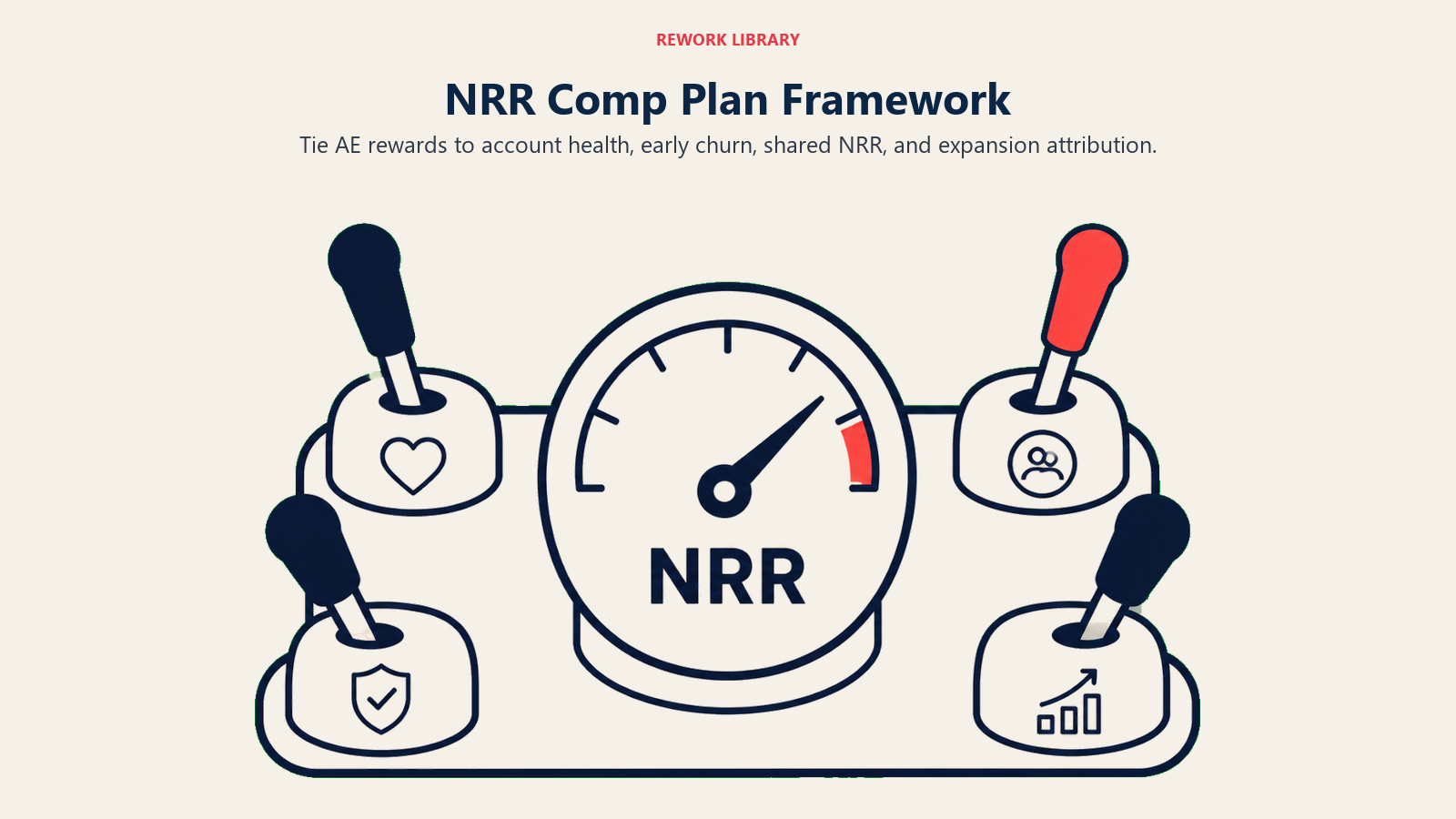
各オプションは、それぞれ異なる実装コストと影響のカーブ上にあります。オプションAとCは、長期的に最も大きな行動変容をもたらします。オプションDは最も早く導入でき、既存のほとんどのコミッション構造の中で機能します。オプションBは、コミッションのタイミングを再構築せずに説明責任を求めたい場合の適切な入り口です。
Rework Analysis: コンペンセーション再構築のROIの根拠は明快です。NRRが110%ではなく95%で推移している$10M ARRの企業は、その15ポイントのギャップにより年間$1.5Mを失います。十分に周知され、適切にグランドファザーされたトレーリングコミッションの変更に伴うAEの離職リスクは、管理可能な一回限りのコストです。不整合なインセンティブによって複利的に積み上がるNRRの抑制は、恒久的な年間のドラッグです。$5M ARRを超えるミッドマーケットSaaS企業にとって、リテンションとコンペンセーションの整合という問いは任意ではありません。エンタープライズセールスの複雑さが支配的になるARRのしきい値より下では、NRRに対して最も直接的に手を打てるレバーです。
引用可能な知見:
「10ヶ月目にChurnする不適合な商談は、Onboarding、CSの時間、失われた拡張、NRRのドラッグを考慮すると、会社に初期ACVの3〜4倍のコストをかけます。会社はAEにネガティブROIのイベントを生み出すために支払っていたのです。」(BainのSaaSユニットエコノミクス分析)
「リテンションに結びついたAEクローバックまたはトレーリングコミッションを導入した企業は、2年以内に12ヶ月の顧客リテンション率が12〜18%改善します。行動の変化は、執行だけでなく、コンペンセーションプランが送るシグナルから生まれます。」(OpenView Partnersの調査)
「CROの64%が、リテンションが会社の優先事項であるにもかかわらず、AEコンペンセーションプランはリテンション行動を適切にインセンティブ化していないと回答しています。掲げた戦略とコンペンセーション設計のこのギャップこそが、NRRがひそかに侵食される場所です。」(SBI GrowthによるCROサーベイ2024)
CROの会話:社内でケースを作る
すべてのCROが同じ異議を持っています。会話は通常このように進みます。HBRの2024年のセールスコンペンセーションに関する記事は、中核の問題を的確に捉えています。多くの企業は依然として、一部のレップに過大に支払い、他のレップに過小に支払う形でクォータとコミッションを割り当てており、ビジネス環境がまったく変わったにもかかわらず、この構造は進化していません。
異議:「リテンションをAEコンペンセーションに追加すれば、リスクの高い商談を避けるようになります。」 リフレーム:あなたはそれを望むべきです。目標はリスクを排除することではありません。獲得決定において不適合リスクを見えるようにすることです。AEが6ヶ月目のトランシェがアカウントHealthに依存することを知っていれば、ICPフィット、ユースケースの明確さ、Championの安定性について、よりしっかりと資格審査するインセンティブを持ちます。それがあなたが望む行動です。資格審査から外れた商談は失われた収益ではありません。上流でキャッチされたChurnです。
異議:「コンペンセーションを変更すればAEが去ります。」 データで反論する:コンペンセーション変更によるAE離職のコストと、不整合なインセンティブによる継続的なNRR抑制のコストはどちらが高いか?NRRが95%で110%ではなく動いている$10M ARRの企業では、その15ポイントのNRRギャップは年間$1.5Mのコストです。うまくコミュニケーションされたトレーリングコミッション変更からのリテンションリスクは管理可能です。複利化するNRRコストはそうではありません。
RevOpsの視点: トレーリングコミッションとクローバックは管理上複雑です。ポリシーを発表する前にツールとプロセスに予算を確保します。CRMとコミッション追跡ソフトウェアがアカウントHealthトリガーに紐付いたマルチトランシェ支払いをサポートできない場合は、まずそのインフラを実装します。トレーリングコミッション構造を発表してから、不正確なコミッションステートメントを発行することは、ポリシーがないよりも悪いです。
機能しているかを測定する
先行指標(0〜6ヶ月): 商談資格審査でのAEの行動。AEはICPフィット、ユースケースの明確さ、Championの安定性についてよりしっかりと資格審査しているか?割引リクエストに対してより一貫して押し返しているか?ICP周辺の商談をより頻繁に断るようになっているか?これはNRRに現れる前に、PipelineとDealレビューの会話で観察できます。
遅行指標(12〜24ヶ月): 新しいコンペンセーションプランの下でクローズされたコホートと以前のプランの12ヶ月NRR。これが重要な数字だが、積み上がるのに時間がかかります。最初の2四半期でNRRの改善が見えないからといってプログラムを廃棄しません。
CSシグナル(6〜12ヶ月): CSMは「この商談はクローズすべきでなかった」というアカウントの報告を減らしているか?コンペンセーション変更後にクローズされたコホートの不適合タグ(ICPリファインメントループ:CSからセールスへのフィードバックのICPタギングシステムから)のボリュームを変更前と比較して追跡します。90日マークでの不適合タグの減少は、AEの獲得品質が改善したことの最も明確な行動シグナルの一つです。
クロージングフレーム
コンペンセーションは最初のレバーではありません。最後のレバーです。HBRのコンペンセーション設計に関する調査は、コンペンセーションはすでに合意された戦略目標を反映すべきだと明確に述べています。つまり、ICPの定義、ヘルススコアリングモデル、Renewal ownershipのフレームワークがすべて整った後で、それらを軸にコンペンセーションプランを再設計する必要があるということです。
最初のレバー(共有ICP定義、商談コンテキストのハンドオフ、セールスコンテキストを含むHealth Scoring、Renewal ownershipの明確さ)はすべてコンペンセーションに触れることなく実装できます。多くの企業は構造とプロセスの変更だけで意味のある整合の改善を見ます。
しかしコンペンセーションは、すべての個々のAEがリテンションを個人的に気にすることを必要とせずに、スケールで行動を変える唯一のレバーです。CSMが一日中より良い商談のケースを作ることができます。クローバックは自動的にそれを行います。
まずプロセスを修正します。その後インセンティブを修正します。しかしプロセスを修正することをインセンティブを修正することの代替と勘違いしません。この二つは一緒に機能します。コンペンセーションの変更が結びつくべき商談品質のプロセスについては、CSへの商談コンテキストの転送と受注商談レビューの記事が、トレーリングコミッションとクローバックのポリシーが正しく機能するために依存する構造的なインプットを解説しています。
セールスコミッションとリテンションに関するよくある質問
リテンション連動型のセールスコミッションとは何ですか?
リテンション連動型のセールスコミッションとは、AEコミッションの一部を、クローズ後のアカウントの成果に結びつけるものです。具体的には、6ヶ月目のアカウントHealth、12ヶ月目のRenewal、または早期Churnの回避などです。最も一般的な実装はトレーリングコミッション(クローズ時に50〜60%、Healthを条件として6ヶ月目に20〜25%、Renewalを条件として12ヶ月目に20〜25%)ですが、実装コストとチームの成熟度に応じて、クローバック、共有NRRターゲット、拡張クレジットスプリットも有効です。
リテンション連動型コンペンセーションに対するAEの異議にどう対応しますか?
AEの最も一般的な異議は「アカウントを引き継いだ後に何が起きるかは自分ではコントロールできない」というものです。3つのポイントでリフレームします。第一に、コンペンセーションの変更が対象とするのは、クローズ時の商談品質(割引の深さ、ICPフィット、Championの安定性)であり、これはAEが完全にコントロールできます。第二に、トレーリング構造は、良い商談をクローズするAEが12ヶ月にわたって同等以上を得られるように設計されており、コミッションが減るのはChurnする商談だけです。第三に、代替案(ライフサイクル全体でACVの3〜4倍の損失を会社に与える商談への無制限のコミッション)は、ビジネスがスケールで維持できない構造的な補助金です。
リテンションコンペンセーションの変更を現実的に段階導入するには?
6〜9ヶ月にわたる3つのステップです。ステップ1:過去1年の明確な2〜3のケースで、既存のクローバック条項を執行します。新しいメカニズムはなく、ポリシーに実効性があることを示す執行だけです。ステップ2:来会計年度から始まる新規商談にトレーリングコミッションを発表し、既存のbookは現在の条件でグランドファザーします。AEは現在のPipelineについての確実性と、将来の構造についての明確さを得られます。ステップ3:意欲のあるAEとCSMのペアがいる15〜20の指名されたストラテジックアカウントで拡張クレジットスプリット(オプションD)をパイロットし、1四半期測定してから結果に基づいて拡大します。
リテンションのためにAEコンペンセーションを変更するときに避けるべきアンチパターンは何ですか?
4つのパターンが、コンペンセーション変更の取り組みを効果が出る前に台無しにします。調整支払いや保証なしに年度途中でコンペンセーションを変更すると、即座に信頼が損なわれます。トレーリングコミッションのトリガーとなる「アカウントHealth」を曖昧に定義すると、AEは測定可能な基準ではなく判断に頼ることになります。変更をメールで発表し、AEが質問できる全体ミーティングを開かないこと。そして、RevOpsが管理できるインフラを整える前にトレーリングコミッションを実装すること。新しいコンペンセーション構造でのコミッション計算ミスは、AEのシステムへの信頼を失う最も早い道です。
大規模な再構築に抵抗のあるチームのための最小限のコンペンセーション変更は何か?
既存ポリシーのクローバック執行(新しいメカニズムではなく、ただ執行)とストラテジックアカウントへの拡張クレジットスプリットから始めます。この2つの変更を組み合わせることで、最小限の管理オーバーヘッドと既存のコミッション期待への最小限の混乱で、獲得品質に対する説明責任とCS-セールス拡張コラボレーションのインセンティブを生みます。
トレーリングコミッションのトリガーの「アカウントHealth」をどう定義するか?
主観的な評価ではなく、測定可能なプロダクトと関係シグナルの観点で定義します。実行可能な定義:「アカウントHealthのしきい値が満たされた場合:(1) 座席利用率60%以上、(2) トリガーDateにオープンなクリティカルなサポート問題なし、(3) CSMが期間中に少なくとも1回のビジネスレビューを完了した場合。」3つすべてが検証可能です。判断の余地が必要ありません。
適切なクローバック期間は?
B2B SaaSで意味のある期間は6〜12ヶ月です。90日ではほとんど何もキャッチできません。Onboardingは通常60〜90日かかるため、ほとんどのChurnは標準的なクローバック期間が過ぎた後に現れます。6ヶ月の期間は最初のChurnの波をキャッチします。12ヶ月の期間は第2の波をキャッチします。OnboardingされてプラトーになってRenewal最初の機会にChurnしたアカウントです。
リテンションコンポーネントを追加するときにセールスのOTEは同じに保つべきか?
はい、構造が適切に段階的に導入された場合。トレーリングコミッション構造は、良い商談をクローズするAEが現在の構造と同等またはそれ以上の合計コンペンセーションを得るように設計されるべきです。トランシェのタイミングが変わるだけです。OTEが実質的に減少すれば、AEを失います。目標は良い商談のAEの収益を削減することではない;不適合な商談のAEの収益をなくすことです。
関連記事

Principal Solution Architect