AI Sales Opsの購買ペルソナ: 誰が最初に導入するのか

Turn this article into takeaways for your work.


Each assistant summarizes the article only for you and suggests best practices for your work.
AI Sales Opsの導入は取締役会のマンデートから始まりません。個人的に限界を感じ、それに対処できる十分な技術的素養を持つ一人のOpsリーダーから始まります。
彼らはAIの研究論文を読んでいません。ベンダーのコールドメールに反応しているわけでもありません。月曜のフォーキャストコールで、CROが3日前のデータのPipelineレポートを眺めながら「なぜDealが動かないのか」と問う場面を目の当たりにしています。そして心の中でこう思っています。今月このレポートを4回手動で作ったのに、まだ間違っている。
その人物こそが最初にAI Sales Opsを購入します。彼らが何者で、何がトリガーになり、何が成功と失敗を分けるかを理解することは、彼らに売ろうとしている立場でも、自分がその立場で市場の状況と自分を比較しようとしている立場でも価値があります。
主要な購買者プロファイル
以下の参照テーブルで、このセクションの全体像を把握してから詳細をご覧ください。
| 属性 | プロファイル |
|---|---|
| 役職 | VP of Sales Operations、Director of Revenue Operations (RevOps)、または予算影響力のあるシニアSales Ops Manager |
| 会社の種類 | ミッドマーケットB2B SaaS、通常Series AからSeries C |
| チームサイズ | 25〜150名の担当者 |
| Deal構成 | ACV $15K〜$150K、営業サイクル30〜90日 |
| CRM | Salesforce(最も一般的)またはHubSpot、少なくとも12ヶ月のDeal履歴 |
| トリガーとなる瞬間 | フォーキャスト未達、管理作業負担による担当者離職、CROからのPipeline可視化要求 |
| 上位3つのObjection | 「データが十分にCleanでない」「担当者が信頼しない」「導入する余裕がない」 |
| 意思決定タイムライン | トリガーからベンダー選定まで30〜90日 |
この人物の日常はこういうものです。Sales OpsまたはRevOps機能に1〜3名のチームの一員として、CRMを管理し、週次のPipelineレポーティングを実行し、Routingロジックを維持し、同じデータシステムから異なるものを求める営業、マーケティング、財務からのリクエストに対応しています。
技術的な能力があります。Salesforceのフォーミュラフィールドを書け、レポートを構築でき、API接続が何を意味するかも理解しています。エンジニアではありませんが、ツールを恐れません。
そして限界に達しています。リクエスト、レポート、手動タスクの量が少人数チームで対応できる範囲を超えています。アナリストとして採用した人材がデータ管理者の役割になり、仕事が面白くないため18ヶ月で優秀なアナリストが離職するという繰り返しが起きています。
Key Facts: AI Sales Ops Adoptionプロファイル
- 販売担当者の50%がすでに自社のスタック内のテクノロジー数に圧倒されており、統合されたAI Sales Operatorアーキテクチャが個別ソリューションより強いPitchになっています (Gartner, 2024)
- シニアAEの交代コストは採用とOnboardingで$30,000〜$50,000です。AIツールが管理負担を軽減することが、Exit Interviewでの慰留要因として挙げられています
- 典型的なAI Sales Opsの評価はトリガーイベントからベンダー選定まで30〜90日かかり、RevOpsチャンピオンがプロセスを推進し、CROまたはCFOが予算を承認します
RevOps Adoption Profile
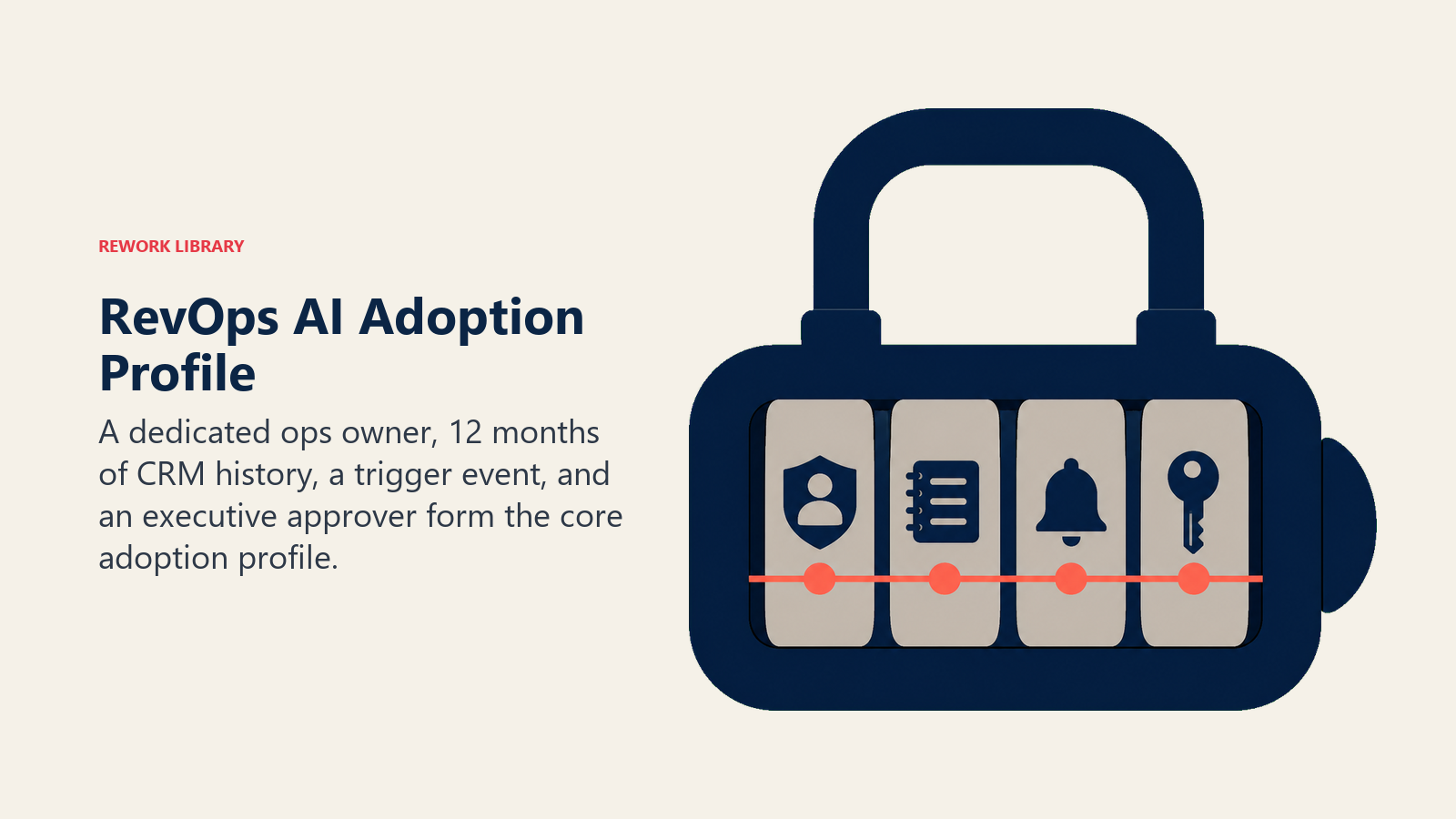
RevOps Adoption Profileは、AI Sales Opsの導入成功を予測する組織的および個人的な条件を定義します。4つの必要なコンポーネントがあります。専任のRevOpsまたはSales Ops Owner(CRMを兼務している営業マネージャーではなく)、一貫したWin/LostラベルがついたCRM履歴が少なくとも12ヶ月分、緊急性を生み出した特定のトリガーイベント、そして年間$20K〜$200Kの予算ラインを承認できるCROまたはCFO。これらのコンポーネントのいずれか一つが欠けている組織は、評価プロセス中ではなく評価前にそのギャップを解消するべきです。
トリガーとなる瞬間
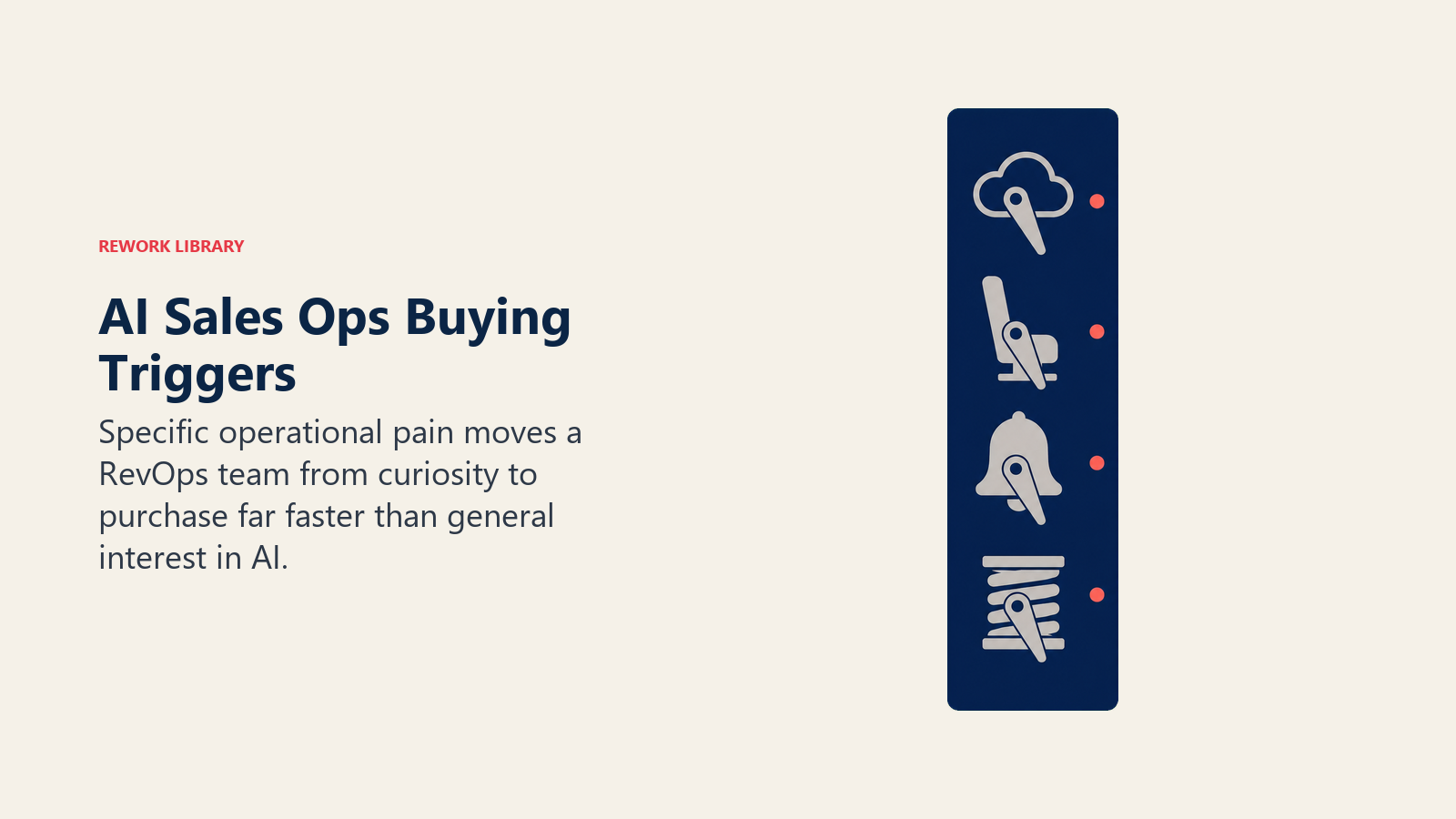
AIへの「興味」と「購買者」であることは別です。好奇心と行動のギャップを埋めるのは常に特定のイベントです。AI Sales Opsには4つの共通トリガーがあります。
フォーキャスト未達。 チームが四半期$4.2Mを予測しました。結果は$3.1Mでした。事後分析により、HubSpotのAIが低確率にフラグを立てた3件のDealが、担当者の楽観主義とマネージャーのOverrideによってフォーキャストに残っていたことが判明しました。そのうち2件がSlipしました。RevOpsリードはこの状況を目の当たりにし、気づきました。CRMのScoringは正しい答えを持っていた。私たちはそれを無視した。二度とそうはしない。ルールベースモデルを超えたAI Lead Scoringの理解から研究を始めることが多いです。
担当者の離職シグナル。 優秀なAEとのExit Interviewで具体的な不満が出てきます。「毎日2時間Salesforceの更新、フォローアップメールの作成、事前リサーチに費やしています。営業をするために入社したのです。」その担当者は「より良いツール」がある競合他社に移りました。RevOpsリードは今、採用問題、Onboardingコスト(シニアAEの交代に$30〜50K)、そしてAIツールがRetentionへの投資であり効率化だけでない理由についてCROに説明できる具体的な話を持っています。
CROの要求。 CROがカンファレンスや取締役会から戻り、そこで他社がPipeline AIについて話していたことを受けて、「なぜ私たちはリアルタイムのPipeline Scoringを持っていないのか?」と問います。RevOpsリードには今、エグゼクティブのAir Coverがあります。RevOpsリードはすでに考えていたことであり、今動くためのマンデートを持っています。
スケーリングの壁。 PipelineのボリュームがYoYで倍増しています。OpsチームはThreeです。今後6ヶ月で4名のアナリストを採用するか、チームが対応できないボリュームを処理するツールを展開するかです。計算は明快です。最初にどのトリガーがチームを直撃するかという問いです。
チャンピオンと承認者
ミッドマーケットB2Bでは、AI Sales Opsの購買決定にはほぼ常に2つの明確な役割があります。チャンピオンが評価を実施します。承認者が署名します。
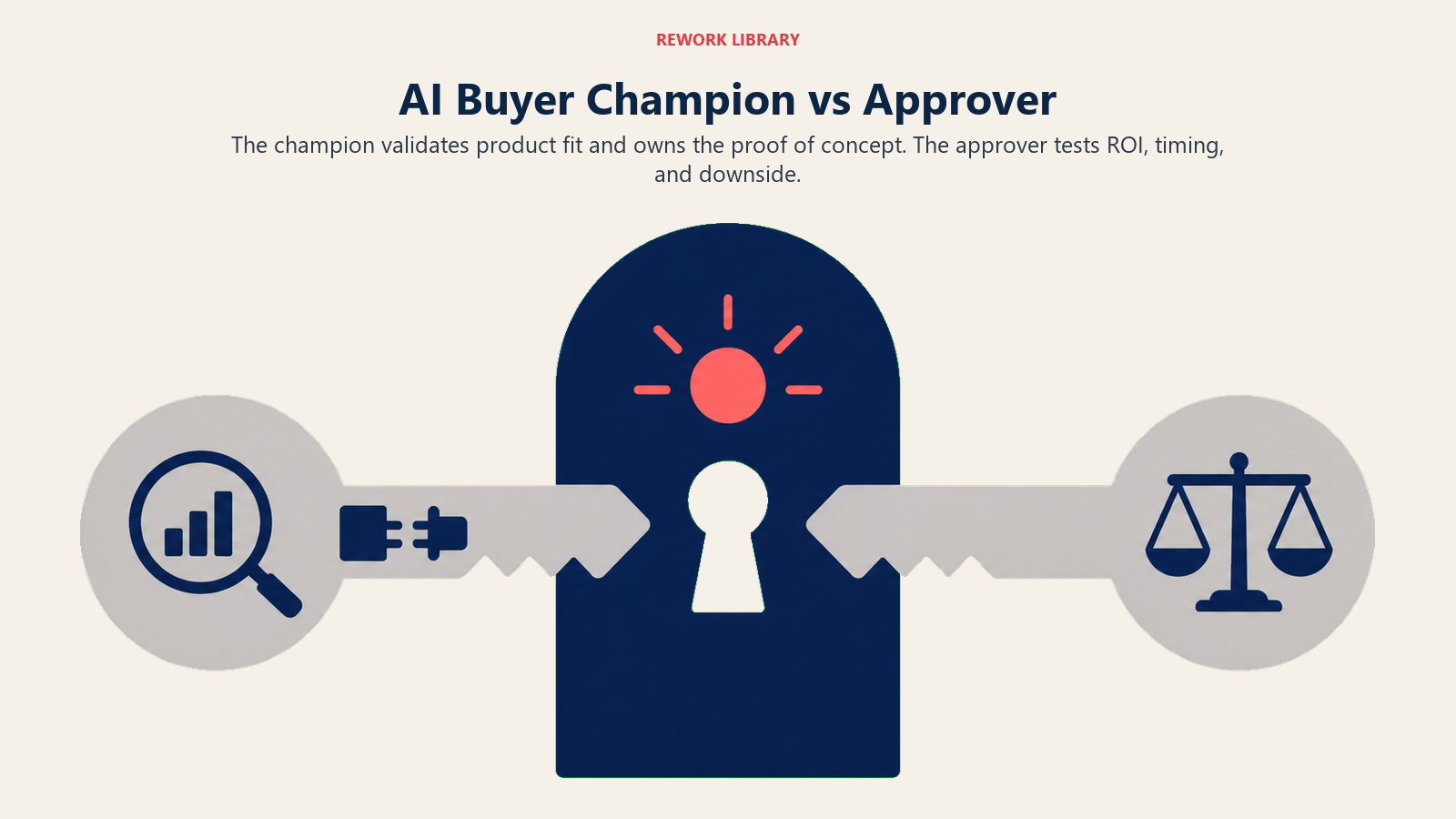
チャンピオンはRevOpsリードまたはSales Ops Directorです。ベンダードキュメントを読み、製品デモに参加し、POCを実施し、内部ビジネスケースを構築する人物です。彼らが気にすること: 自社のデータで機能するか、6ヶ月の実装プロジェクトなしに既存のスタックと統合できるか、継続的にベンダーのプロフェッショナルサービスに依存せず自分でOwn・調整できるか?
ベンダーのROIクレームに対して深く懐疑的です。「300%生産性改善」のCase Studyを十分見てきて、その数字がすでにCleanなデータを持つ企業での最良ケースのデプロイから来ることを知っています。中央値のOutcomeがどのようなものかを知りたいのです。
承認者はCROまたはCFO、小規模企業ではCEOのこともあります。年間$20K〜$200Kの範囲の予算ラインを承認します。彼らが気にすること: これは収益に何をするか、どのくらいで見えるか、機能しなかった場合のDownsideは何か?
チャンピオンは技術的な話を収益の話に変換する必要があります。「担当者の管理作業時間を15〜20パーセントポイント削減する」はCFOに伝わりません。「担当者1人あたり週12〜15時間を解放します。現在の平均担当者生産性で、これはQ3までに$420Kの追加Pipeline Capacityを意味します」の方が伝わります。
AIベンダーへの実際的な意味: 製品品質と統合のシンプルさでチャンピオンをCloseします。チャンピオンが構築したCredibleなROIモデルで承認者をCloseします。チャンピオンのBuy-inなしに承認者に直接アプローチしても、このセグメントではほとんど機能しません。
次に来る人たち
First Wave Adopter(おおよそ2023〜2025年)は主に、専任のRevOps機能を持ち、手動プロセスにすでに不満を感じていた技術的に強いOpsリーダーがいる、高成長SaaSの50〜250名チームでした。Gartnerは販売担当者の50%がすでにスタックのテクノロジー数に圧倒されていることを確認しており、これが統合されたAI Sales Operatorのコンソリデーションの話がこの購買者に強く響く理由の一部です。
Second Wave Adopter(現在2025〜2026年)には以下が含まれます。
Series B/C Expansion段階の企業:直近で資金調達し、ヘッドカウントの比例的増加なしにPipelineをスケールする必要がある企業です。CEOと2名のSDRがスプレッドシートですべてを管理していたSeed段階から抜け出して、初めて本格的なOps機能を構築しています。
複雑なDeal構造を持つプロフェッショナルサービスとコンサルティング会社:AI Lead Scoringはここでは異なります(より長いサイクル、より関係重視)が、Meeting IntelligenceとWorkflow Copilotは90分のDiscovery Callがある環境で強いROIを持ちます。
非SaaS B2B垂直市場: 製造、流通、ヘルスケアテクノロジー。これらの企業はデータが乱雑な古いSalesforceインスタンスを持っていることが多く、実装に時間がかかりますが、Pain Pointは同じです。
Enterprise企業(1,000名以上の担当者チーム)は異なる購買者です。9〜18ヶ月かかるProcyclementサイクルを通じて動いており、専任のSalesforce Adminチームを持ち、ミッドマーケット企業には存在しないITとセキュリティのレビューレイヤーを持ちます。この記事はそれらについてではありません。しかし彼らの最終的な導入が、現在の動きが示す以上にこの市場がはるかに大きい理由を説明しています。
待つべき企業
これはベンダーのSalesデッキが省くところです。すべての企業が今日AI Sales Opsを展開すべきではありません。
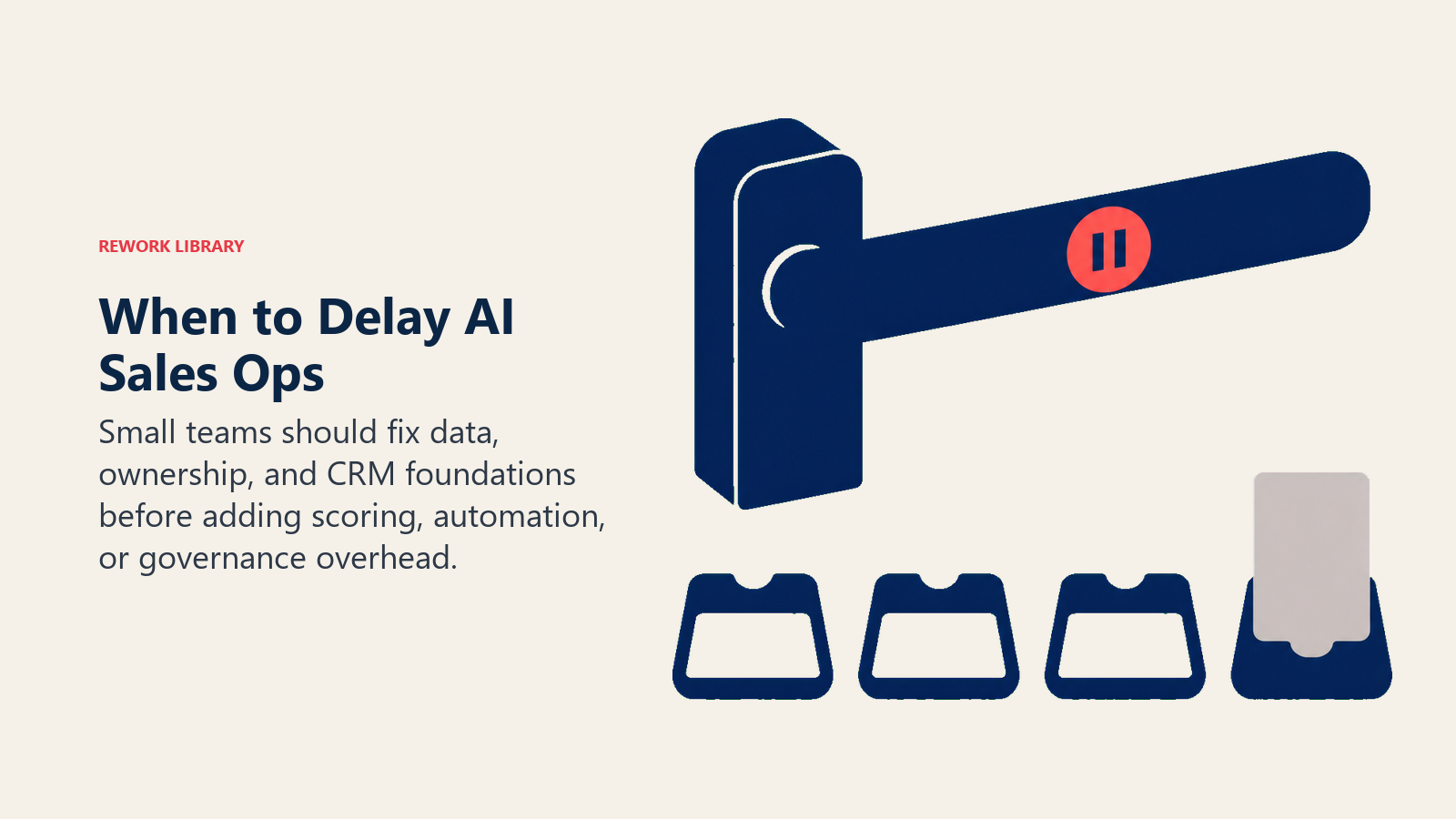
専任担当者が10名未満の企業。 AI Sales Opsスタックの設定、調整、ガバナンスのOverheadは、このサイズでは回収できません。ROIの計算は一定のDealボリューム以上でのみ成立します。10名未満では、OpsリードはSales DirectorやVP of Sales自身であることがよくあります。システムを運用するBandwidthがありません。
CleanなCRM Deal履歴が90日未満の企業。 AI Lead ScoringにはTrainingするためのWin/Lost Outcomeが必要です。CRMにInconsistentなステージ名、空白のOutcomeフィールド、ログなしでCloseしたDealがある場合、モデルはノイズの多いスコアを生成します。まずデータをCleaningするのに4〜6週間かかります。Scoring Toolを購入する前に実施してください。
専任のRevOpsまたはSales Ops機能がない企業。 AI Sales OpsにはOwnerが必要です。現在のRoutingロジックを知り、CRMのデータ構造を理解し、AI OutputのQualityレビューに時間を持てる人材です。「RevOps機能」が2つのアカウントも管理しているSales Directorである場合、システムは一度設定されても維持されません。それがよくある失敗パターンにつながります。Recalibrateされないため担当者が無視するようになるAIスコアです。
PipelineがSpreadsheetで管理されている企業。 主要なDealトラッキングシステムがGoogle Sheetであれば、AI Sales Opsの準備ができていません。まずCRMが必要です。Spreadsheetベースのプロセスの上にAIをStackしようとすると、根本的なデータ整理問題を解決せずに複雑さが増すだけです。
成功する導入者と失敗する導入者を分けるもの
3つの要因が一貫してROIを出すAI Sales Ops実装とそうでないものを区別しています。
購入前のデータ準備の監査。 成功した導入者は最初のデモ前にCRMを監査します。Win/Lost率を知り、担当者が主要フィールドをどれだけ一貫して入力しているかを知り、コンタクトデータのClean度を知っています。失敗した導入者は実装の6週間後にデータの問題を発見します。スコアが出ておかしい時点で。
Calibration時間を持つRevOps Owner。 購入を推進したOpsリードは、Postlaunch後のシステム所有に週4〜6時間が必要です。Outputのレビュー、閾値の再調整、Edge Caseの監視。この所有権が存在しないデプロイでは、AIのOutputが徐々にズレ、担当者がそれを信頼しなくなり、ツールがShelfwareになります。ACE FrameworkはこのOwnerにシステムの各部分が実際に何をしているかの語彙を与え、問題が発生したときに役立ちます。
担当者とのChange Management。 技術はしばしば正常に機能します。失敗するのは担当者のAdoptionです。直感で生計を立ててきた担当者には、Lead Score 73は意味をなしません。成功した導入者はマネージャーがScoringロジックを平易な言葉で説明し、AIが正しかった3つの例を示し、担当者にスコアをOverrideではなくTie-breakerとして使うよう明示的に依頼する2週間のトレーニングサイクルを実施します。このフレーミングは抵抗を大幅に軽減します。
AI Sales Opsの一般的な失敗パターンの詳細はこちら。
| 導入準備要因 | 「まだ準備できていない」シグナル | 「評価の準備ができている」シグナル |
|---|---|---|
| CRMデータ品質 | 一貫したWin/LostラベルがDays 90未満 | 12ヶ月以上のCleanなステージとOutcomeデータ |
| Ops所有権 | RevOpsの役割がPartTimeまたは営業リーダーと共有 | 週4〜6時間の余裕がある専任RevOps/Sales Ops担当者 |
| 担当者チームサイズ | 専任担当者が10名未満 | 一定のDealボリュームがある25〜150名 |
| トリガーイベント | 一般的なAIへの好奇心 | 具体的なPain: フォーキャスト未達、担当者離職、CROの要求 |
| 予算経路 | 明確な承認者や予算ラインがない | 裁量範囲$20K〜$200Kを持つ特定のCRO/CFO |
Rework Analysis: 最もよく見る失敗パターンは、データ監査をする前にAIツールを購入した技術的に強いRevOpsチャンピオンです。CROを興奮させ、ベンダー契約をクローズし、その後実装の6週間後にWin/Lostフィールドが一貫していなかったこと、ステージ定義が過去1年で3回変更されていたことを発見しました。スコアはノイズが多く、担当者はそれを無視し、4ヶ月目にはツールがShelfwareになりました。最初のデモ前の2週間のデータ準備監査は、AI Sales Opsを評価しているすべてのRevOpsリーダーにとって単一で最も高いレバレッジのある活動です。
ペルソナは販売だけでなく実装においても重要
この購買ペルソナを理解することは、Dealをクローズしようとしているベンダーにとって有用なだけではありません。内部のサポートを構築しようとしているOpsリーダーにとっても有用です。
RevOpsの役割にいてAIツールの承認を得たい場合は、知っておく必要があります。CROはPipeline品質とフォーキャスト精度を気にしており、CFOはROI計算とPayback Periodを気にしており、担当者はこれが生活を楽にするのか、それともただやることが増えるだけなのかを気にしています。
成功するRevOpsリードはAIへの熱意が最も高い人ではありません。先にデータ監査を行い、CFOが吟味できるCredibleなROIモデルを構築し、担当者を驚かせるのではなく巻き込むChange Managementプロセスを実施した人です。
そのプロファイルが予算を獲得し、実装を実行し、90日のCheck-inで結果を示します。
よくある質問
AI Sales Operationsツールの典型的な購買者は誰ですか?
典型的な最初の購買者は、担当者25〜150名でSeries AからSeries Cの資金調達を受けたミッドマーケットB2B SaaS企業のVP of Sales Operations、Director of Revenue Operations、またはシニアSales Ops Managerです。技術的な素養があり(Salesforceに慣れており、APIを理解している)、CRM管理、週次Pipelineレポート、営業・マーケティング・財務からのリクエスト対応を1〜3名のチームで同時にこなしています。
AI Sales Opsの購買決定を何がトリガーしますか?
好奇心と購買の間のギャップを常に埋める4つのイベントがあります。(1) AIスコアが正しい答えを持っていたがOverrideされたフォーキャスト未達、(2) 管理負担を離職理由とした優秀担当者のExit Interview、(3) CROまたはCEOが別会社のPipeline AI言及を聞いたカンファレンスや取締役会から戻ること、(4) 現在のヘッドカウントで手動対応できなくなるPipeline Volume倍増。一般的なAI興味は購買につながりません。具体的な限界点がつながります。
AI Sales Opsの予算を承認するのは誰で、推進するのは誰ですか?
チャンピオンは通常、評価を実施し、ビジネスケースを構築し、POCを管理するRevOpsまたはSales Opsリードです。承認者はCROまたはCFO、小規模企業ではCEOのこともあり、年間$20K〜$200Kの予算ラインをレビューします。チャンピオンは製品品質と統合のシンプルさでCloseします。承認者はCredibleなROIモデルでCloseします。ベンダーベンチマークではなく会社自身のデータからチャンピオンが構築したモデルが理想的です。
AI Sales Opsの購買プロセスはどのくらいかかりますか?
トリガーイベントからベンダー選定まで、ミッドマーケットB2Bでは通常30〜90日です。RevOpsチャンピオンは選択肢のリサーチに2〜4週間、製品デモとPOC設定に2〜3週間、承認者サインオフ用の内部ビジネスケース構築に1〜2週間費やします。AIにすでに関心を持っているCROがいる企業はより速く動き、3〜4週間でCloseすることもあります。
AI Sales Opsの実装が成功するものと失敗するものを分けるのは何ですか?
3つの要因が成功した実装を一貫して区別します。購入前のデータ準備監査、Postlaunch後のCalibrationに週4〜6時間が割り当てられた特定のRevOps Owner、構造化された担当者Change Managementプロセス。失敗する実装はほぼ常に3つの失敗パターンのいずれかを持っています。実装途中で発見されるデータの問題、システムをRecalibrateするOwnerの不在、スコアの意味を教えられなかったため担当者がAI Outputを無視する状況です。
AI Sales Opsには小さすぎる企業はどれくらいですか?
専任担当者が10名未満の企業は通常、完全なAI Sales Opsスタックを正当化するDealボリュームやOps Bandwidthがありません。設定、調整、ガバナンスのOverheadはそのスケールでは回収できません。CleanなCRM履歴が90日未満の企業も、Scoring Modelには信頼できる予測を生成するために過去のOutcomeパターンが必要なため、AIスコアリングツールを評価する前にデータをCleaningする必要があります。
AI Sales OpsのSecond Wave購買者はFirst Waveとどう違いますか?
First Wave購買者(2023〜2025年)は主に専任のRevOps機能を持ち、手動プロセスにすでに不満を感じていた技術的に強いOpsリーダーがいる高成長SaaSの50〜250名チームでした。Second Wave購買者(2025〜2026年)には、初めて本格的なOps機能を構築しているSeries B/C Expansion段階の企業、複雑なDeal構造を持つプロフェッショナルサービス会社、古いCRMインスタンスで実装が遅いが同じPain Pointを持つ製造業やヘルスケアテクノロジーなどの非SaaS B2B垂直市場が含まれます。
関連記事

Co-Founder, Rework.com