Bahasa Indonesia

Turn this article into takeaways for your work.


Each assistant summarizes the article only for you and suggests best practices for your work.
Model harga Maya bekerja dengan sangat baik untuk satu jenis pelanggan. Keluarga beranggotakan empat orang, itinerari dua minggu, anggaran menengah. Perhitungan yang menjadi dasar agennya mengasumsikan pelanggan seperti itu. Lalu seorang petugas pengadaan korporat memintanya membuat penawaran untuk retret 60 orang dengan anggaran tetap per kepala, dan ia mencoba menerapkan logika wisata pada penawaran itu. Penawarannya ternyata 22% di atas anggaran. Lead itu tidak pernah kembali.
Inilah playbook yang kini menjalankan tiga model harga di agennya, apa yang dilakukan berbeda oleh masing-masing, dan bagaimana timnya belajar kapan harus menggunakan model yang mana.
Penawaran yang Bahkan Tidak Mendekati
Retret korporat itu meminta akomodasi, transportasi, dua hari kegiatan, dan makan malam penutupan. Maya mengukurnya seperti mengukur perjalanan wisata, temukan komponennya, tambahkan markup dengan persentase biasanya, tambahkan buffer, kirim penawarannya. Angkanya 22% di atas anggaran yang dinyatakan petugas pengadaan.

Yang terlewat olehnya adalah bahwa pengadaan korporat tidak sensitif terhadap harga dengan cara yang sama seperti pelanggan wisata. Sifatnya terikat anggaran. Ada angka yang disetujui oleh petugas pengadaan untuk ditandatangani, dan penawaran di luar batas itu tidak dinegosiasikan, melainkan langsung ditolak. Harga wisata dioptimalkan untuk margin. Harga korporat dioptimalkan untuk masuk ke dalam batas anggaran. Permainan yang berbeda.
Model Satu: Paket Wisata
Harga paket wisata adalah model yang menjadi dasar tumbuhnya sebagian besar agen independen. Bangun itinerari multi-hari, tambahkan markup pada setiap komponen pemasok dengan persentase yang konsisten, sajikan pelanggan satu harga serba termasuk, sembunyikan rincian komponennya.

Perhitungannya sederhana. Keahliannya terletak pada pemilihan komponen, memilih pemasok yang tarif publikasinya menyisakan ruang untuk markup, dan memilih pengalaman yang nilai persepsinya membenarkan angka serba termasuk itu. Diskon, jika terjadi, diambil dari markup, bukan dari biaya pemasok.
Model ini rusak karena dua alasan di agen skala menengah. Pelanggan semakin sering membandingkan komponen demi komponen (terutama penerbangan, yang transparansinya tinggi) dan bertanya mengapa paket itu lebih mahal dari jumlah komponennya. Dan model ini mengasumsikan pelanggan ingin agen membuat semua pilihan, yang semakin jarang terjadi seiring pelanggan semakin sering mencari sendiri lewat Google.
Model Dua: Kustomisasi
Harga kustomisasi adalah model yang digunakan agen-agen bespoke. Pelanggan ikut membangun itinerari; harga adalah komponen-plus-biaya. Komponen dijual pada tarif pemasok (atau mendekatinya). Pendapatan agen adalah kombinasi biaya perencanaan tetap dan "biaya pemesanan" berbasis persentase dari total nilai perjalanan.

Model ini unggul dalam transparansi dan pada pelanggan yang ingin mengendalikan pilihan mereka sendiri. Model ini kalah pada komponen komoditas (pelanggan bisa mencari penerbangan lebih murah secara langsung) dan pada segmen sensitif harga (biaya perencanaan muncul secara eksplisit dalam penawaran dan dipertanyakan).
Agen-agen yang berkembang dengan model ini biasanya melayani perjalanan wisata kelas atas atau perjalanan berbasis pengalaman di mana pelanggan menghargai kurasi lebih dari sekadar mendapatkan tarif hotel termurah. Agen Maya memindahkan 30% buku wisatanya ke harga kustomisasi pada tahun setelah kegagalan penawaran korporat itu, sebagian besar untuk bulan madu dan perjalanan keluarga bernilai tinggi.
Model Tiga: Korporat dan Grup
Harga korporat dan grup adalah permainan berbeda dengan seperangkat aturan yang berbeda pula.

Petugas pengadaan memiliki batas anggaran. Tugas agen adalah masuk ke dalam batas itu sambil mempertahankan margin, bukan memaksimalkan nilai penawaran. Penawaran di luar batas anggaran ditolak tanpa tawaran balik.
Harga komponen berada pada tarif pemasok atau di bawahnya. Margin hidup dalam rabat volume, dalam override pemasok pada rantai hotel pilihan pihak korporat, dan dalam biaya manajemen per penumpang yang dinegosiasikan setiap tahun, bukan ditetapkan per perjalanan.
Keahlian di sini bukan soal membuat penawaran. Melainkan menyusun perjanjian induk. Setelah agen memiliki kontrak setahun penuh, setiap perjalanan individual yang dipesan di bawah kontrak itu bersifat administratif. Penetapan harga terjadi sekali per tahun, bukan per perjalanan.
Tarif Grup: Langkah Pengali
Tarif grup berada di antara korporat dan wisata. Grup adalah siapa pun yang memesan satu itinerari untuk 8 atau lebih wisatawan, rombongan pernikahan, tim korporat kecil, liburan multi-keluarga.
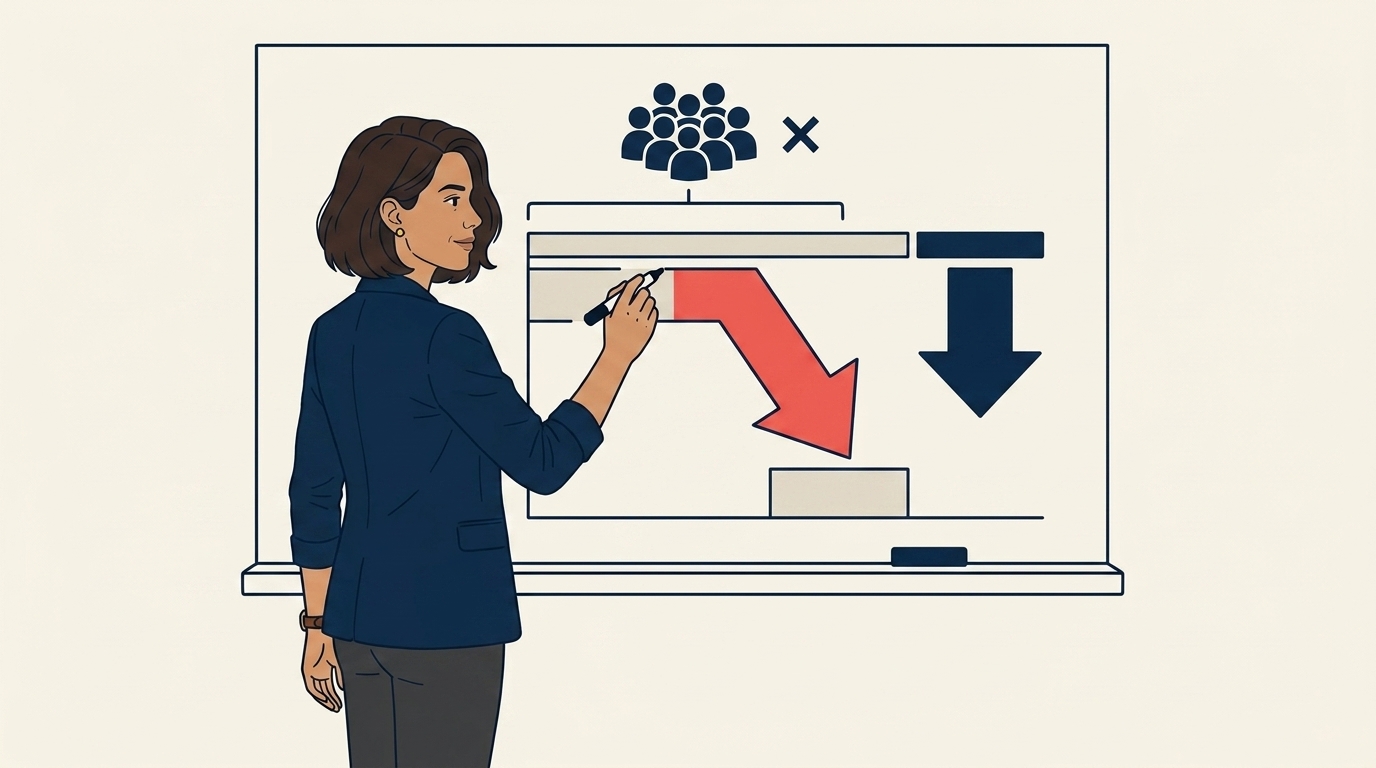
Perhitungannya memiliki dua bagian yang bergerak. Volume grup membuka diskon pemasok (tarif grup di hotel bisa 15-30% di bawah tarif normal). Dan biaya operasional agen per wisatawan menurun, satu panggilan telepon, satu itinerari, satu set dokumen mencakup seluruh grup.
Kedua efek ini menguntungkan pelanggan. Agen menangkap sebagian diskon pemasok sebagai margin dan meneruskan sisanya sebagai keuntungan harga yang membuat pemesanan grup layak diusahakan pelanggan. Margin gabungan pada grup sering kali lebih tinggi daripada perjalanan wisata tunggal, meskipun harga per wisatawan lebih rendah. Volume menutupi biaya overhead.
Aturan Penyerahan yang Kini Digunakan Tim Maya
Tim ini tidak bertanya "model harga yang mana?" pada setiap penawaran. Percakapannya sudah mendahulukan triase:

Jika pertanyaannya untuk 1-7 wisatawan dan pelanggan ingin agen membuat sebagian besar pilihan, gunakan paket wisata. Jika pertanyaannya untuk 1-7 wisatawan dan pelanggan ikut membangun itinerari, gunakan kustomisasi. Jika 8 atau lebih wisatawan di bawah satu pengambil keputusan, gunakan grup. Jika pembelinya adalah fungsi pengadaan atau ada batas anggaran yang dinyatakan, gunakan korporat.
Ini bukan taksonomi yang sempurna. Kasus-kasus khusus muncul setiap minggu. Tetapi ini membawa agen ke percakapan harga yang tepat dalam tiga puluh detik pertama, alih-alih menetapkan harga retret korporat sebagai paket wisata dua puluh hari ke dalam proposal.
Isi Lembar Contekan
Lembar contekan di dinding memiliki empat baris per model. Apa yang dioptimalkannya, untuk siapa model itu, seperti apa model marginnya, dan satu tanda peringatan bahwa Anda telah memilih model yang salah dan harus mengalihkannya.
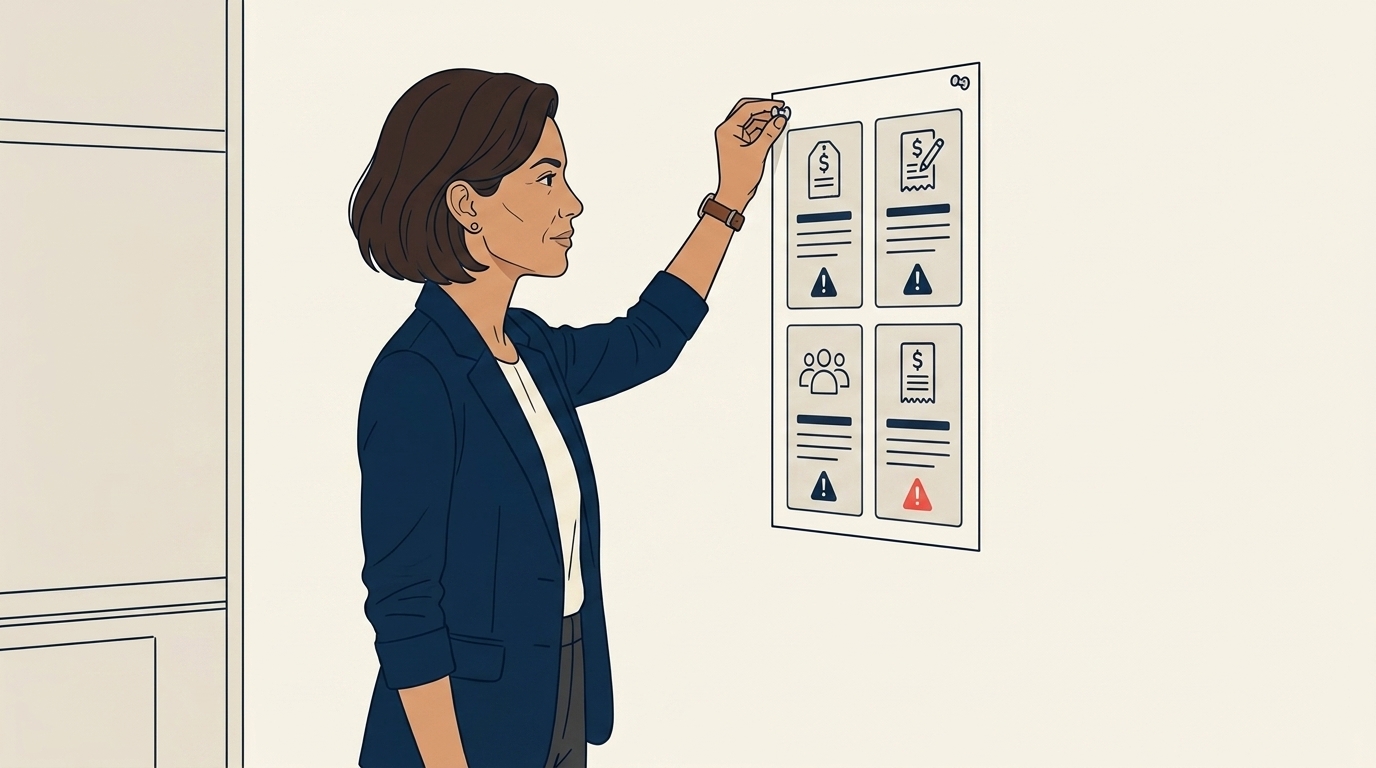
Tanda-tanda peringatan itulah yang menangkap kesalahan. "Pelanggan terus meminta rincian komponen", model yang salah, alihkan ke kustomisasi. "Pelanggan menyebutkan anggaran per kepala", alihkan ke korporat. "Rombongan pemesanan lebih besar dari perkiraan", alihkan ke tarif grup. Tim belajar mendengarkan sinyal-sinyal itu selama kualifikasi, bukan pada tahap proposal.
Perhitungan Margin di Balik Layar
Model yang berbeda menghasilkan profil margin yang berbeda, dan agen mid-market yang sehat menjalankan portofolio di keempat model tersebut. Komposisi Maya, delapan belas bulan setelah kegagalan korporat itu: 45% paket wisata, 25% kustomisasi, 20% korporat, 10% grup. Rata-rata margin gabungan per pemesanan sebenarnya naik 4 poin persentase dari era paket-wisata-semuanya karena pemesanan kustomisasi dan grup menghasilkan pekerjaan bermargin lebih tinggi meskipun label harganya lebih rendah.

Agen-agen yang menentang ini, yang mencoba menetapkan harga setiap pemesanan sebagai paket wisata karena itu yang mereka kenal, kehilangan uang pada pemesanan yang sebenarnya bisa mereka menangkan, dan kehilangan pemesanan yang sebenarnya bisa mereka tetapkan harganya dengan benar.
Bacaan Lanjutan
- Menambahkan Divisi Korporat pada Agen Perjalanan Wisata. Pertanyaan strategis di balik pembangunan ulang harga.
- Penyerahan Lintas Departemen: Penjualan, Pemenuhan, Layanan. Penyerahan yang semakin sulit ketika model harga bertambah banyak.
- Membangun Peran Sales Ops di Agen Perjalanan Skala Menengah. Peran yang menjaga perhitungan margin.