Turn this article into takeaways for your work.


Each assistant summarizes the article only for you and suggests best practices for your work.
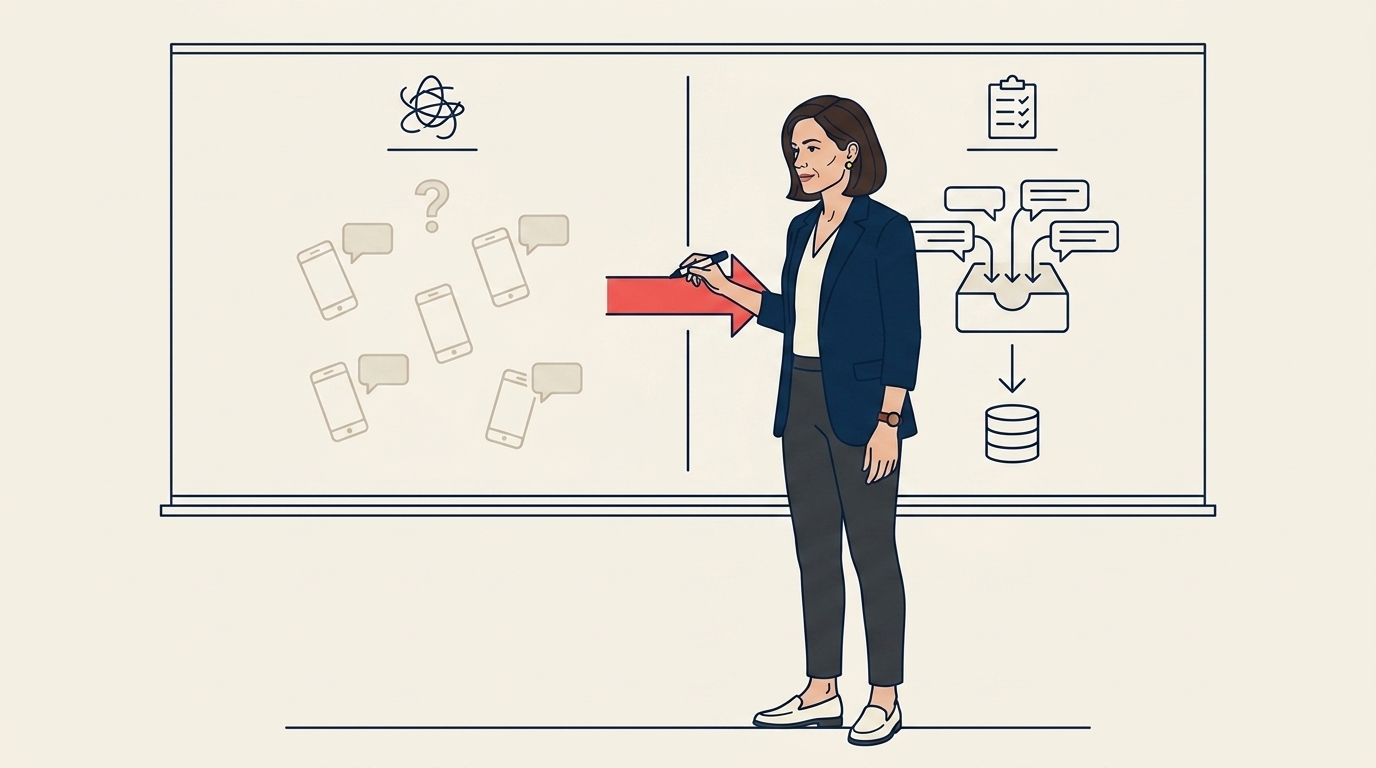
When her agency hit thirty agents, Maya already sensed something was off about how customer conversations were running. She didn't know yet that her best producer had been quietly building his book on his personal WhatsApp for two years.
When he left, his book left with him.
The Friday James Handed in His Notice
James gave two weeks. Polite, professional. By the following Thursday, Maya understood it wasn't going to be a clean handoff.

The agency tracked customers in a shared spreadsheet. The spreadsheet had names, phone numbers, and last-trip dates. It did not have eighteen months of conversation history.
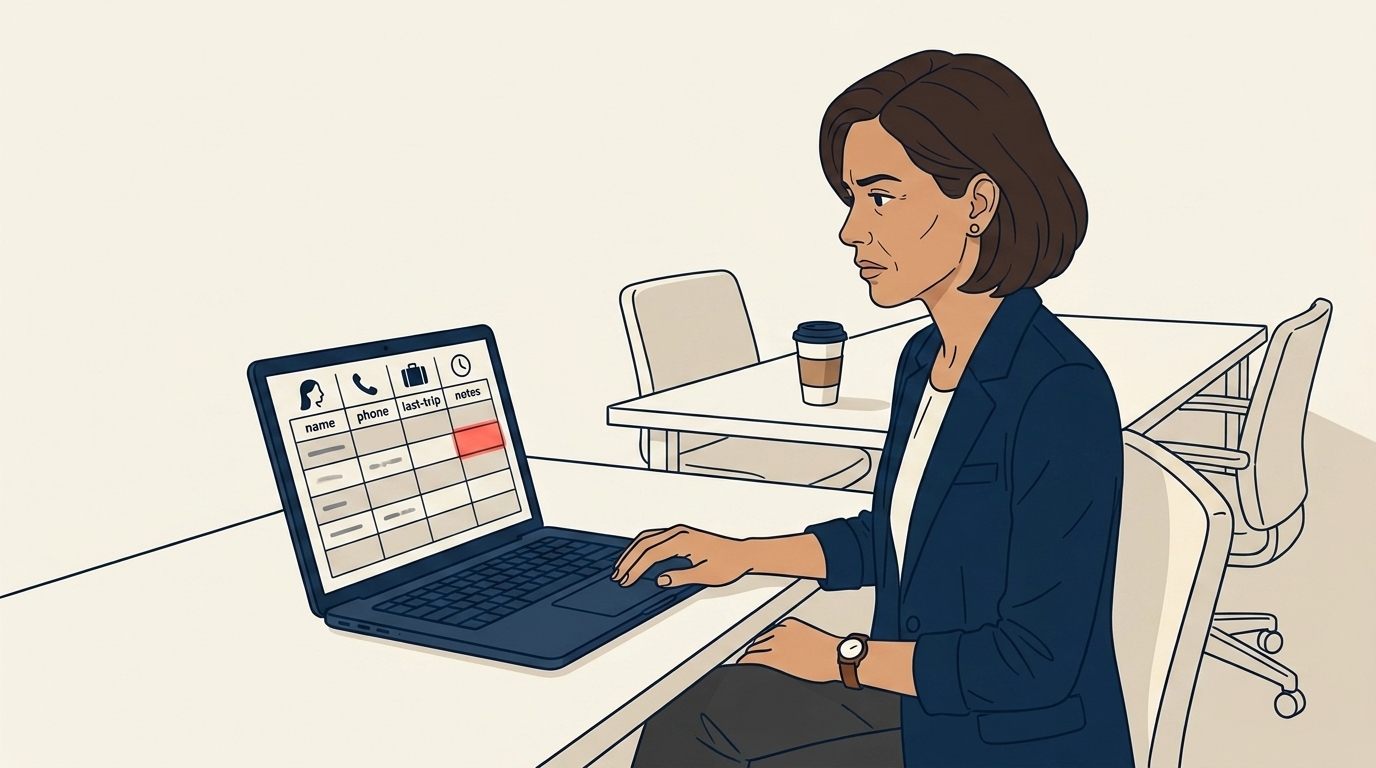
The numbers, when she added them up, came to about $480,000 in pipeline. Most of it would not come back. The agency had no way of even knowing what was on his phone.
What "Just Use My Phone" Actually Hides
The single-agent personal-phone setup is what every agency starts with. It's also what most agencies quietly continue doing as they scale.
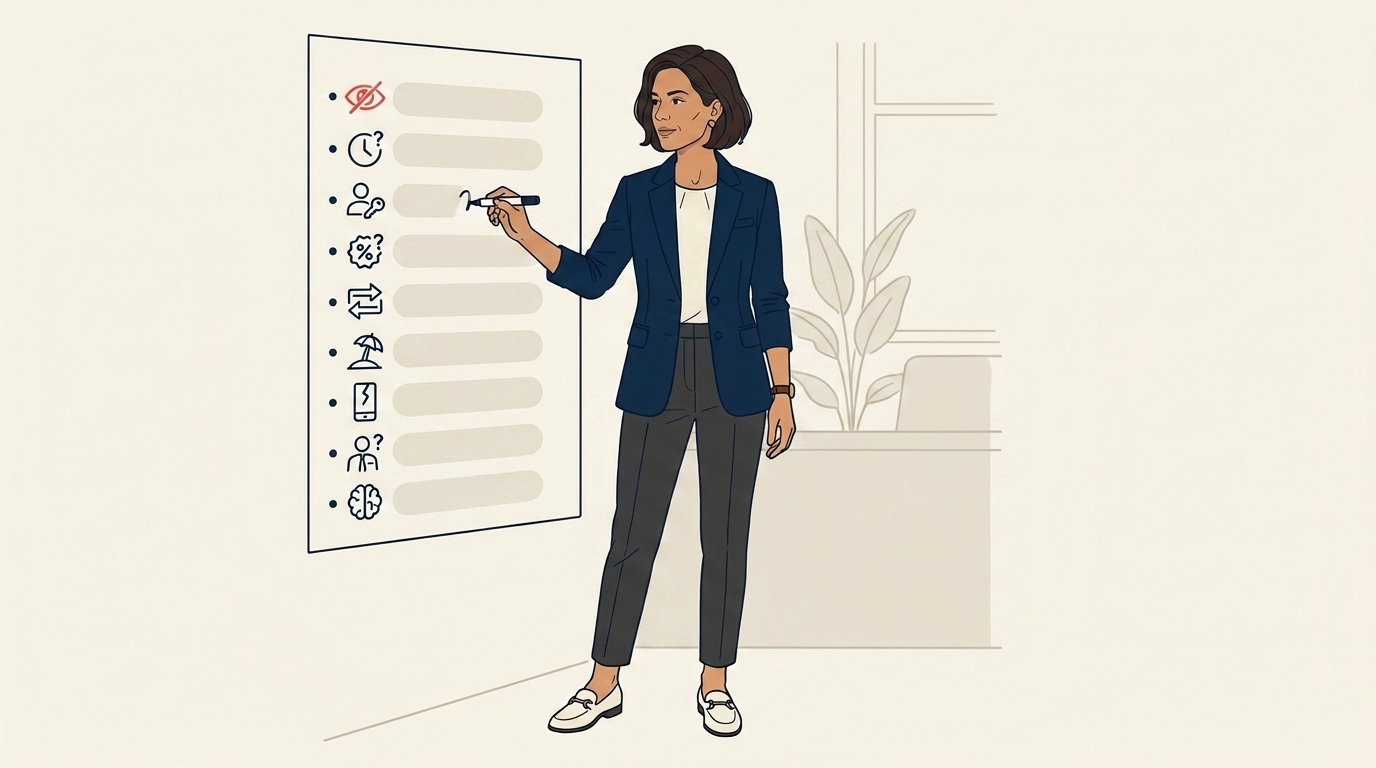
It looks fine from the outside. From the inside, almost everything that matters operationally sits invisibly inside individual phones: commitments made to customers, SLAs missed and never measured, who owns which relationship, what got promised in a quiet message, and the institutional memory that walks out the door whenever an agent does.
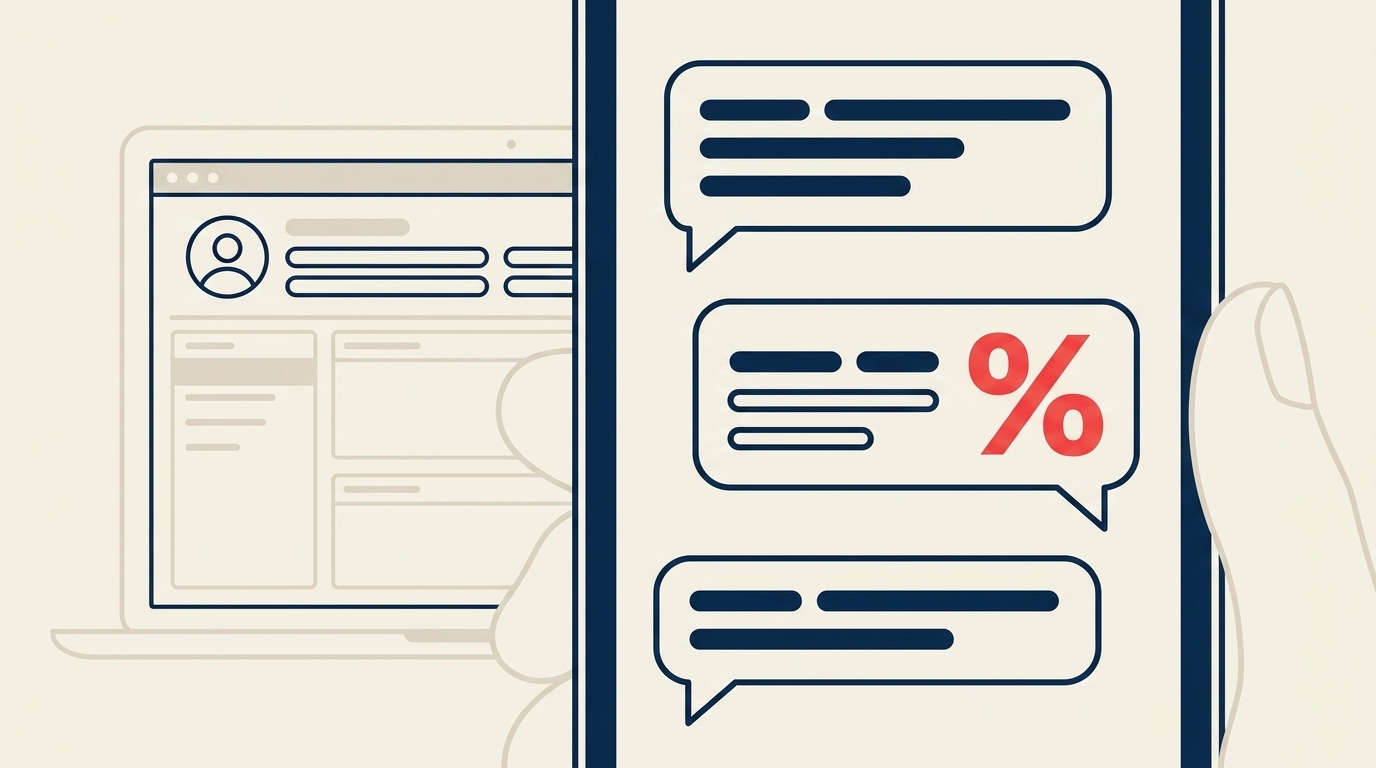
The biggest one Maya found later was the off-channel commitments. An agent would offer a returning customer a 10% discount in a quick message. The discount was real. It was nowhere outside the agent's phone.
The customer remembered. The next agent didn't.
What She Tried First
A more disciplined version of the existing spreadsheet, where agents would log a conversation summary every Friday. Within three weeks it was being filled in maybe 30% of the time, mostly the day before quarterly reviews.

The forms cost the agents real time without giving them anything back.
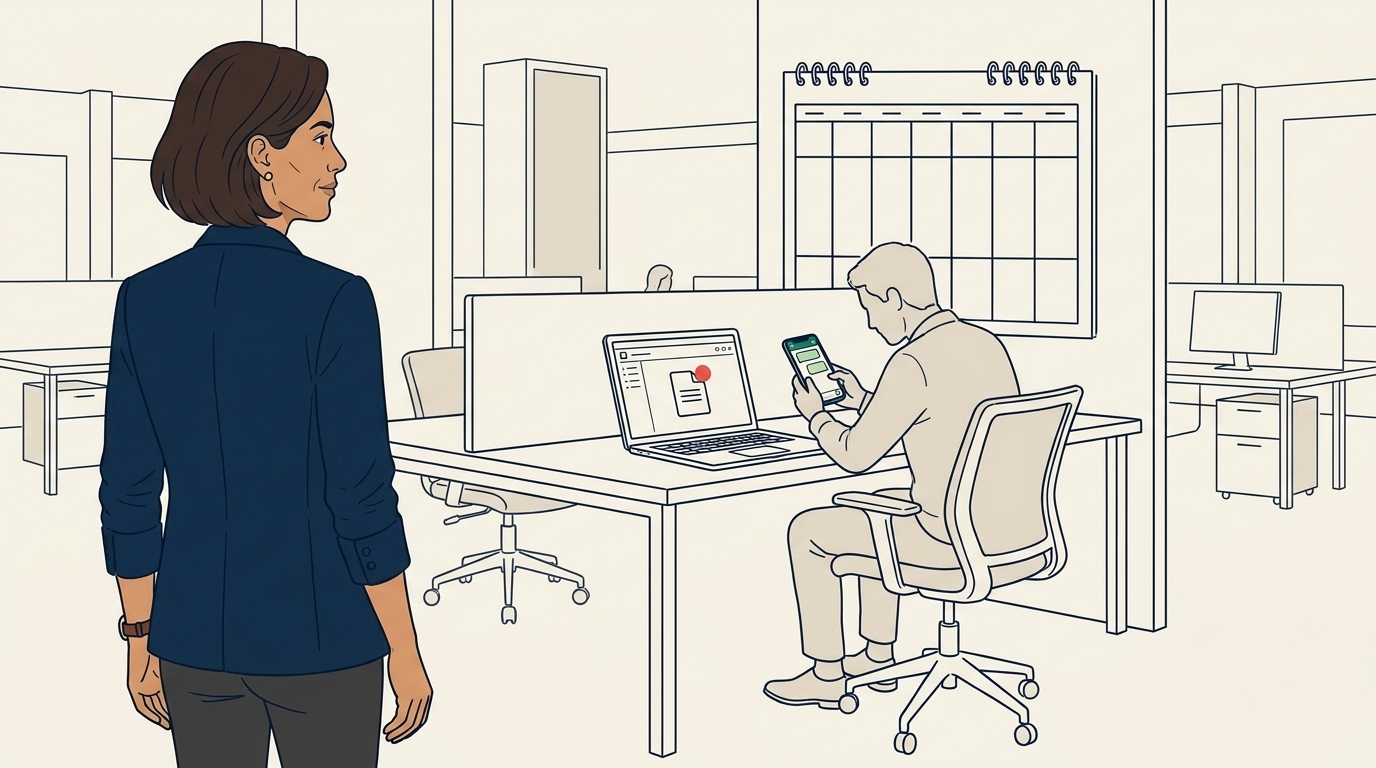
Her second attempt was a shared document where agents would copy-paste the messages that mattered. That worked for the deals everyone knew were important. It failed for everything else.
By the time the agent decided whether the message was worth logging, the context was gone.
The Real Question: How Should the Numbers Be Organized?
After-the-fact capture would always leak. Maya had spent enough nights on it to know.
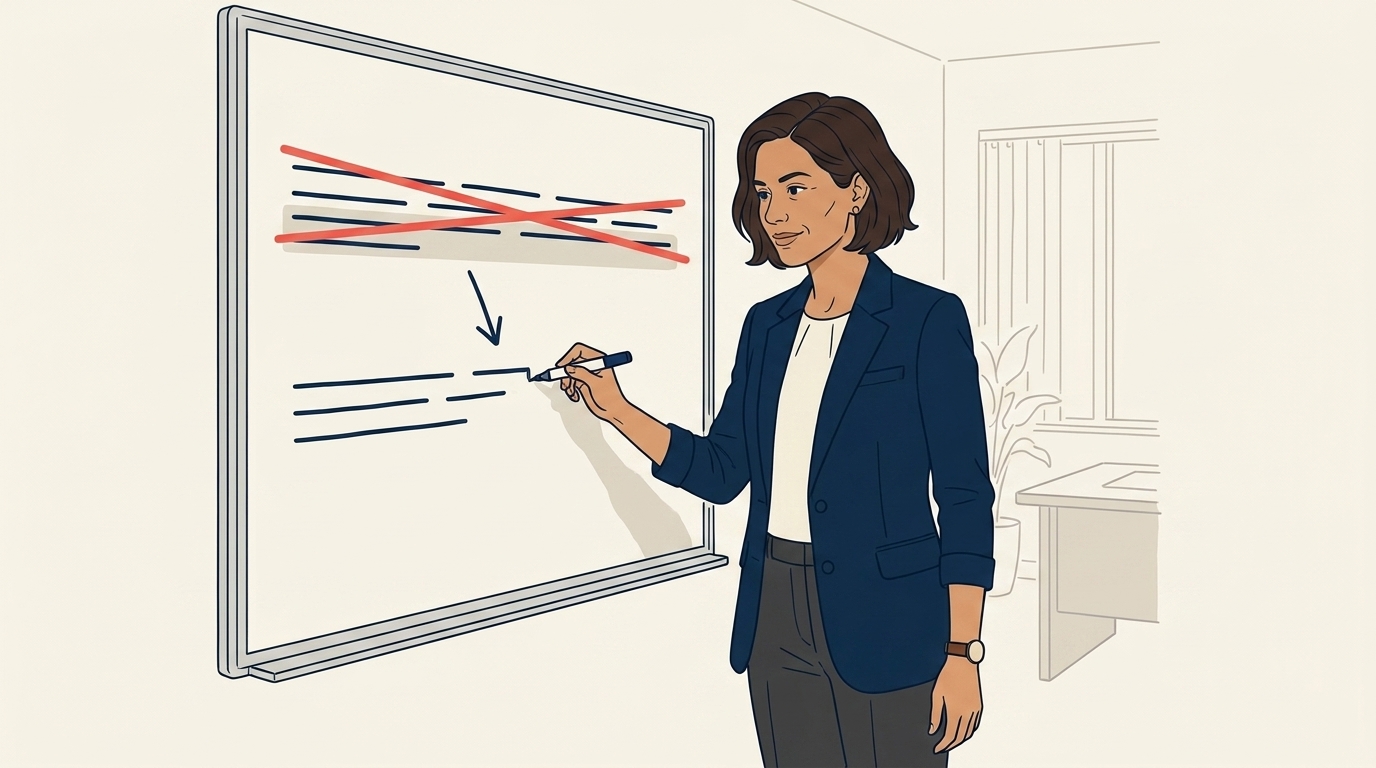
She went home and stopped thinking about software. She started thinking about the numbers themselves. Who owns them. How they're organized. How customers route to the right agent. The capture problem was a downstream symptom of an ownership problem upstream.
There were three ways to organize the numbers.
Three Models, Each With Trade-offs
Maya narrowed the ownership question to three practical number architectures, each with a different trade-off between simplicity, specialization, and agency control.
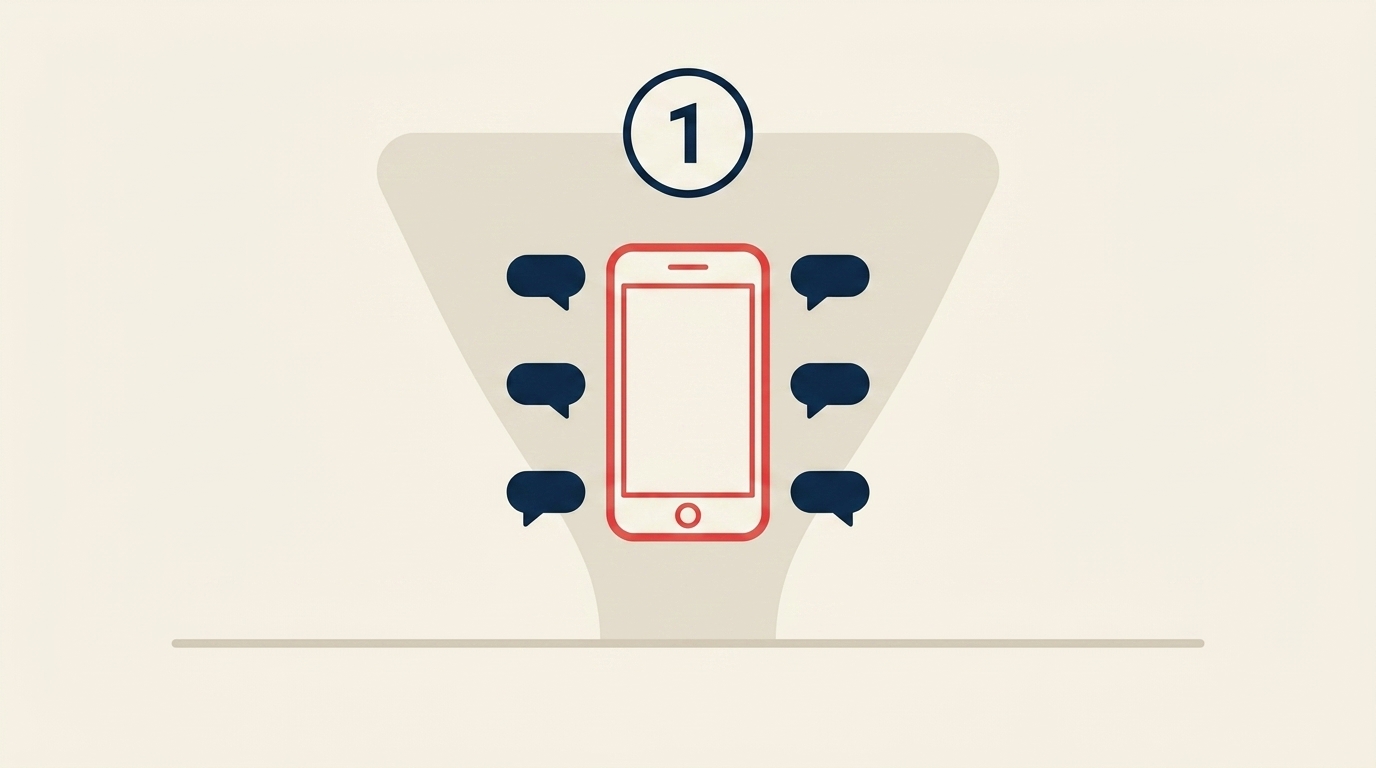
Single agency line. One company-owned WhatsApp Business number. Every customer messages it. Internal routing decides who handles each conversation.
Pros: simple to brand and advertise, easy to manage, the agency owns 100% of the relationship. Cons: every conversation queues at one front door, no specialization signal to the customer, and agents lose their individual identities in the relationship.
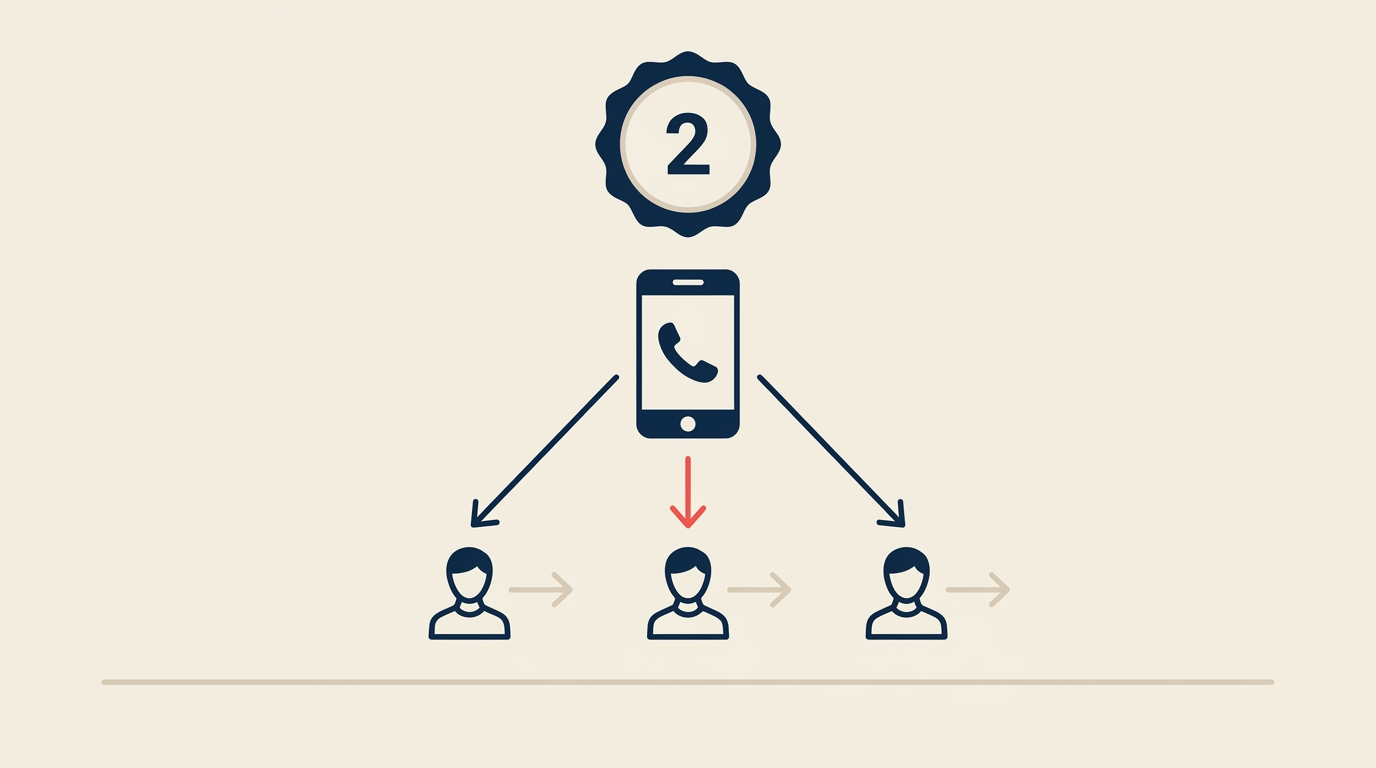
Main number with hand-off. One company main line for first contact. After the customer is qualified, the conversation moves to the assigned agent's direct work line.
Pros: one front door for advertising, internal routing flexibility, agents specialize once handed off. Cons: two-step relationship feels like cold-transfer, customers often want a direct line back, and the second-touch friction loses some warm leads.
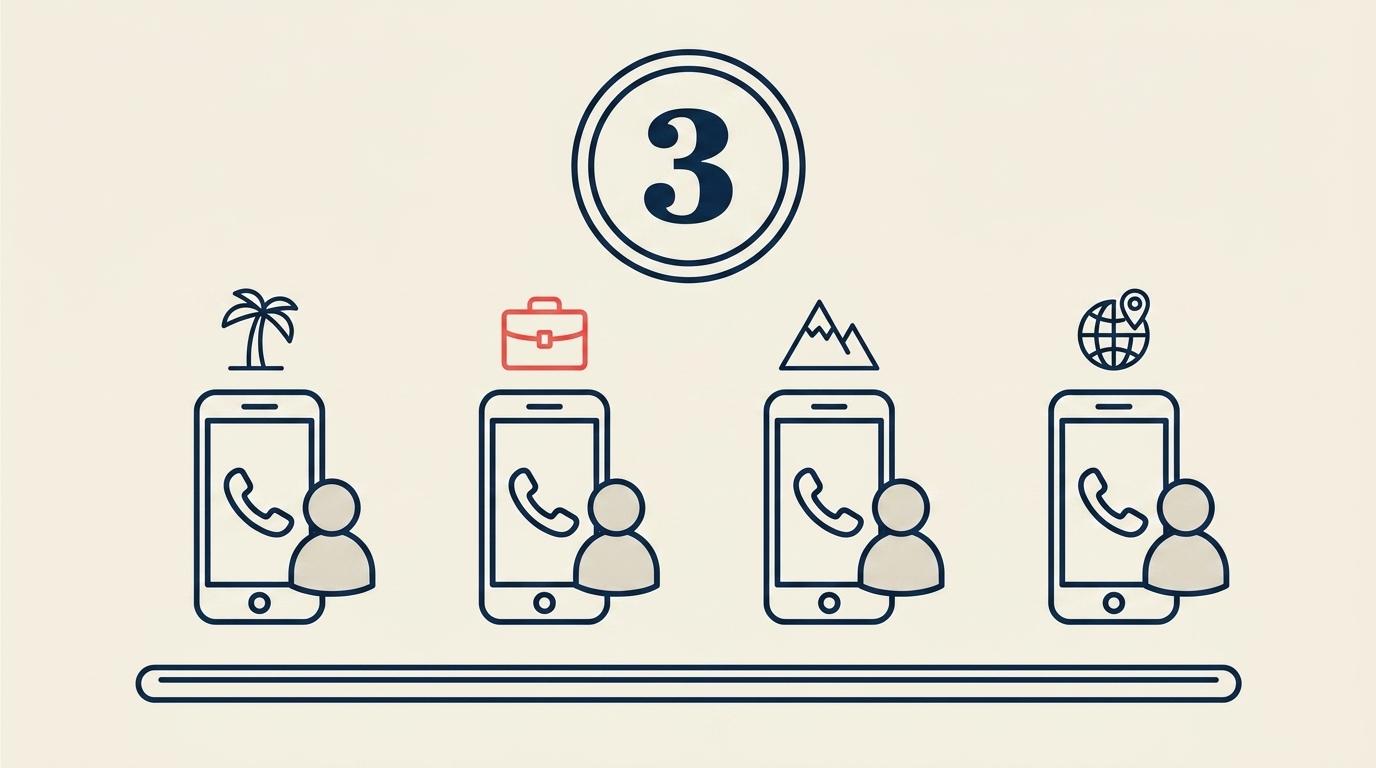
Per product or location. A different agency-owned number for each product line (leisure, corporate, private tours, international), or for each branch office. Customers self-route by which number they call.
Pros: instant specialization signal, smaller queues per number, agents become recognized product experts. Cons: customer has to know which number to call, more numbers to publish and maintain, harder to switch a customer between product lines mid-relationship.
What Maya Picked: One Main + Per-Product
The right answer for thirty agents wasn't a pure version of any of the three. It was a hybrid.
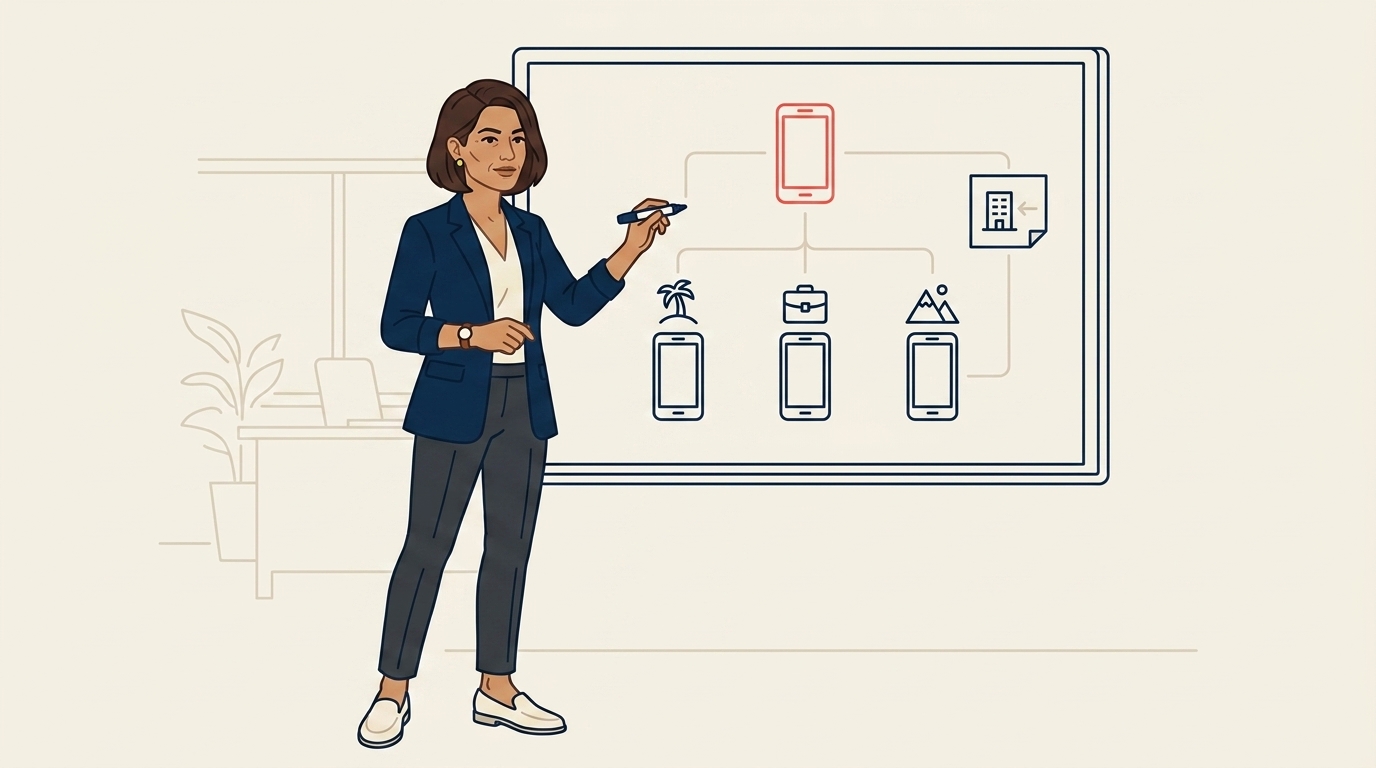
One main agency number for inquiries that didn't yet know what they wanted. Three additional product-line numbers (leisure, corporate, private tours) for customers who self-routed by intent. All four numbers were owned by the agency. None were owned by individual agents.
This was the structural shift. The customer's relationship was now with a company number, not a personal one. The agent operating that number was a person, but the number outlived any specific agent. When an agent left, the number stayed with the agency and got reassigned to whoever picked up that book.
That single change is what made everything downstream possible.
Picking the Right Tool
With the architecture decided, the tool requirements were specific. Support multiple WhatsApp Business numbers under one agency account. Let agents operate company numbers from their personal phones (without giving up their personal WhatsApp). Sync every conversation to a central inbox the agency could audit. Handle contact records natively, since the agency didn't have a CRM yet.
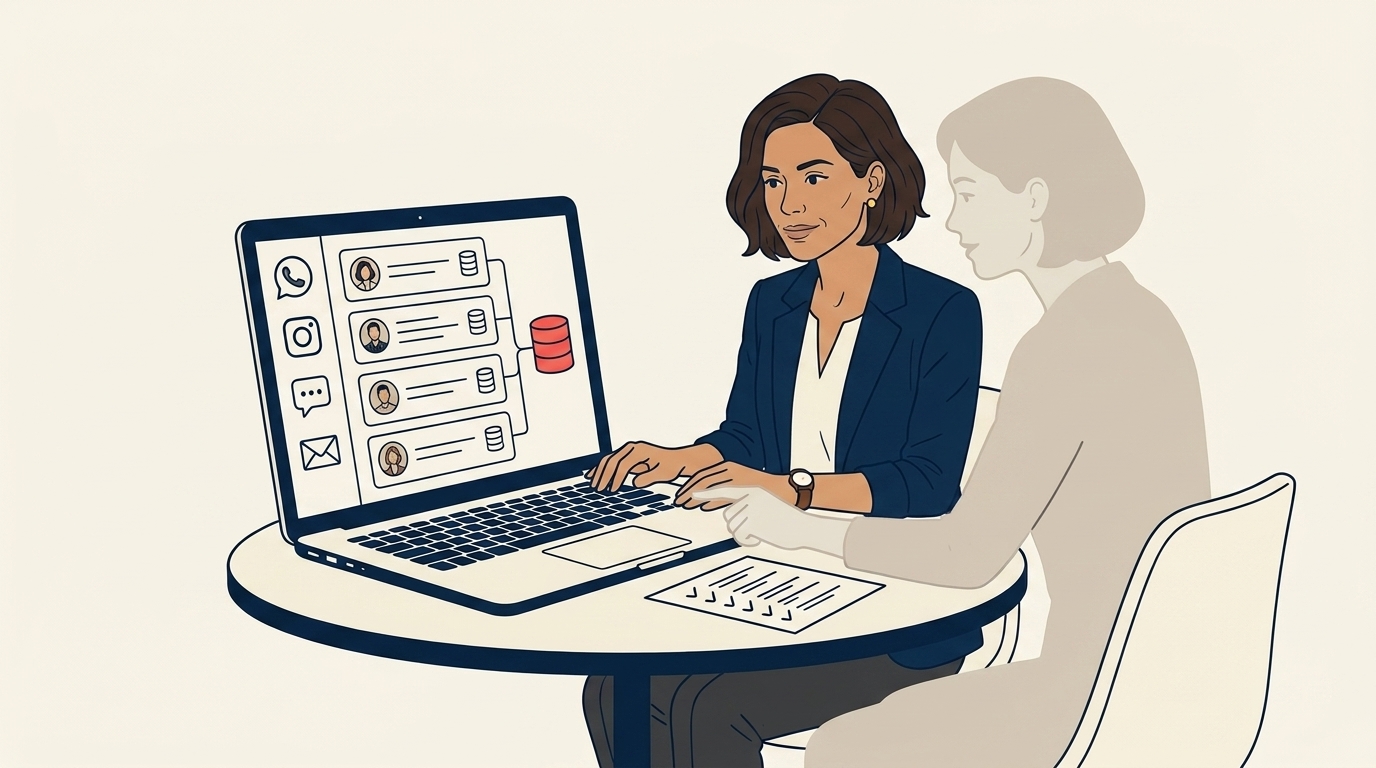
She picked Rework's omnichannel messaging for sales teams. It supported the WhatsApp Business API for multi-number setups, merged in Instagram, web chat, and email, and could act as the agency's contact system at this scale, with the option to integrate a fuller CRM later.
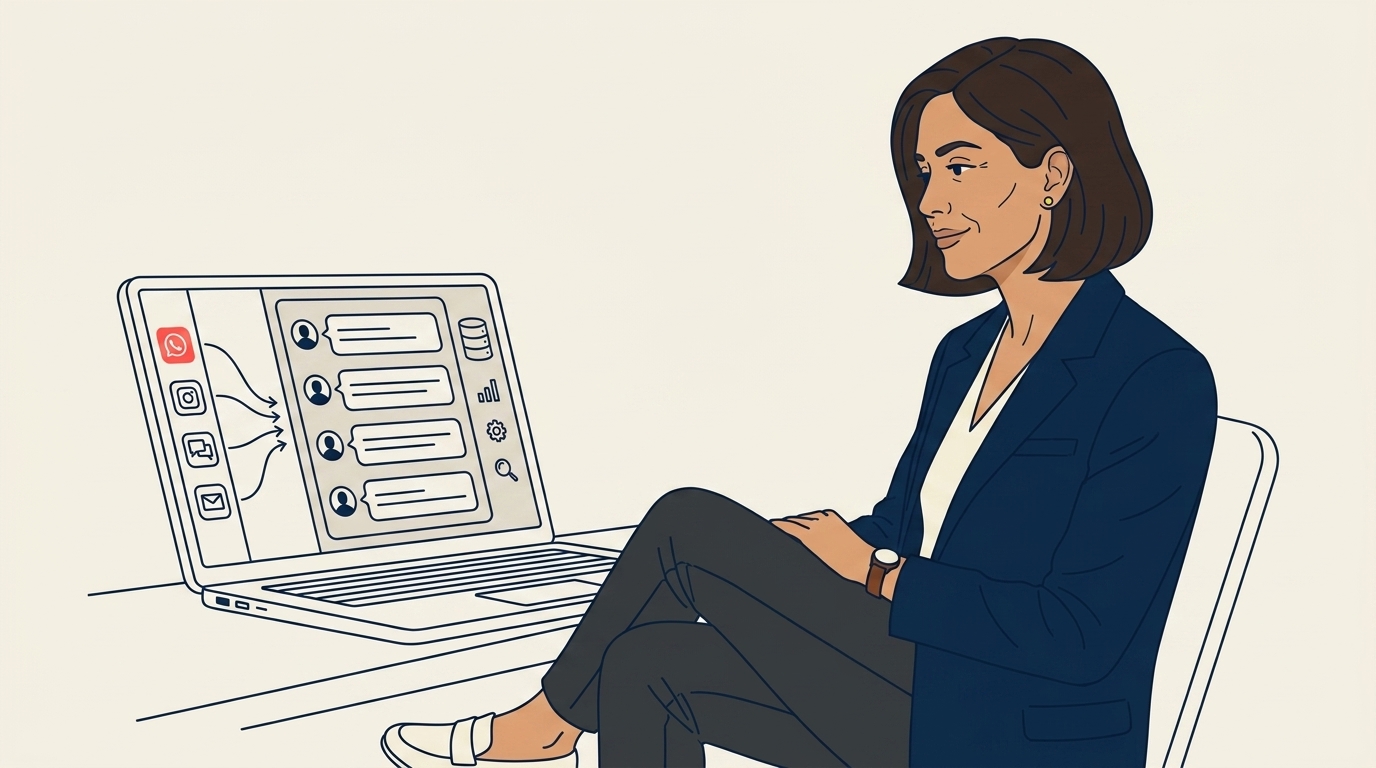
How Company Numbers Land on the Agent's Phone
The technical part was simpler than Maya expected. Each agent installed WhatsApp Business on their phone and signed in to the company-owned number assigned to them. Personal WhatsApp stayed for personal use. The company-owned Business number sat alongside it on the same device.
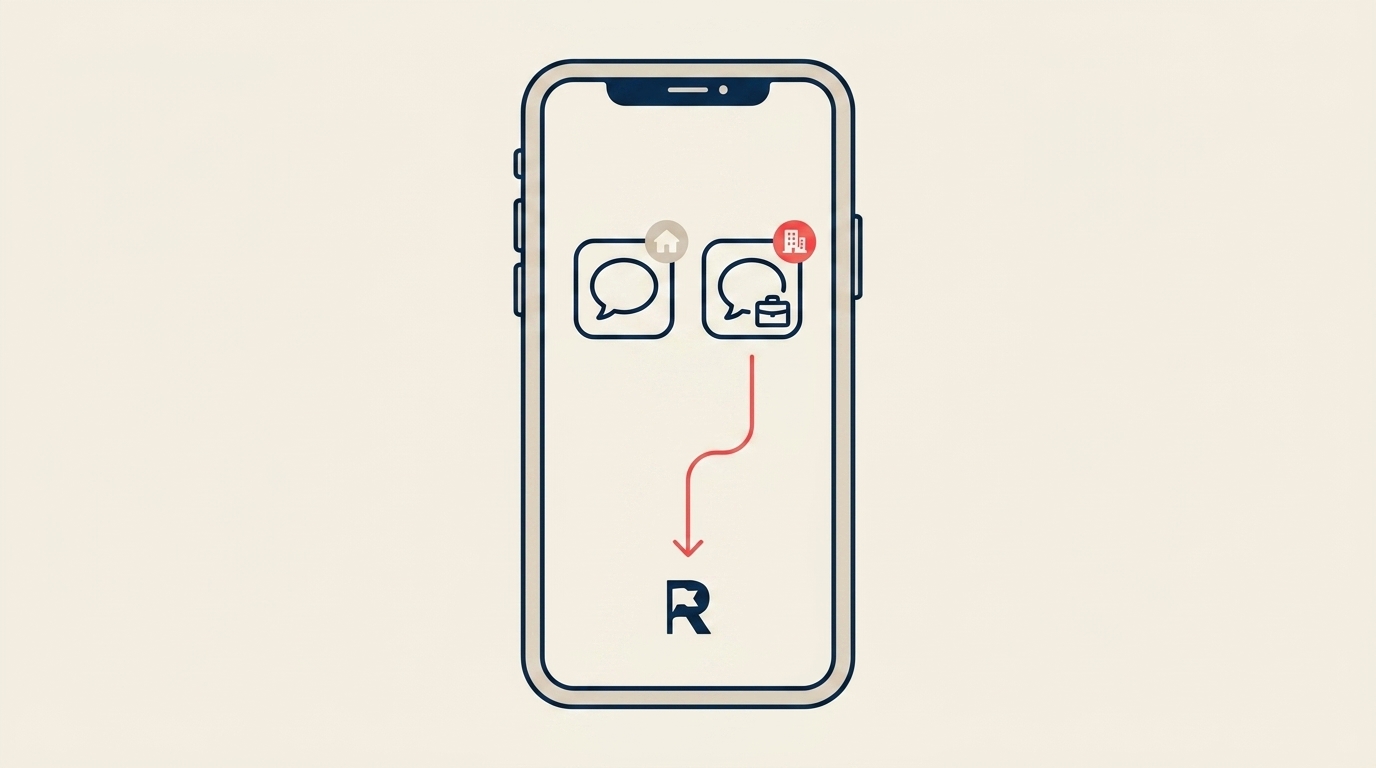
Both apps run on the same phone. The agent works the company number. The customer sees the company number. Personal stays personal.
When that agent leaves, they take their phone and their personal WhatsApp. The company number gets unassigned from their phone and reassigned to whoever picks up the book. The customer relationship continues from the same number it always lived at.
Day One
Rollout was a two-hour training. Each agent installed WhatsApp Business on their phone and signed in to the company number assigned to them. Their personal WhatsApp stayed exactly where it was.
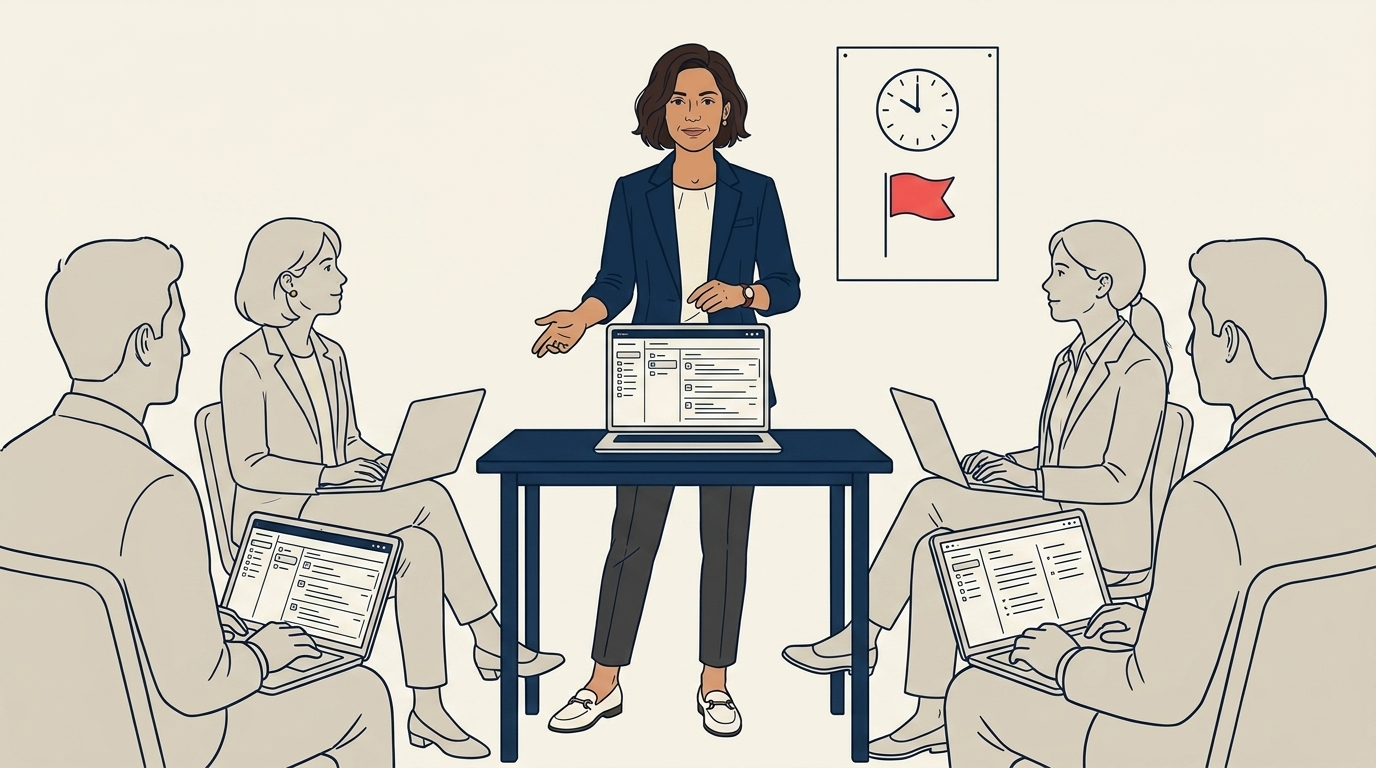
The four company numbers (one main, three product lines) had been provisioned the week before. By end of day, every agent was operating their assigned company number from their phone, and every conversation was syncing to the central inbox.
There was no customer migration step because there were no agents' personal numbers being abandoned. The new company numbers went out with each new outbound contact and got published on the website and the agency's listings.
When Agents Asked "Is This Surveillance?"
The training took two hours. The harder part started the moment agents realized leadership could now read every conversation they had with a customer.

By the end of the first week, the question reached Maya from three different agents in the same form: "Is this surveillance?" They were not wrong to ask. With the new platform, every message they typed was visible to her.
Maya answered the same way every time. The platform exists for three reasons. So a customer doesn't disappear when an agent is sick or on vacation. So a new agent can read prior context and pick up cleanly when someone leaves. So leadership can coach against real conversations, not from a sales report.
Then she said the part that mattered most. "I am not reading every message you send. I cannot, and I won't." Three audit triggers fire automatically: any deal over $20K, any conversation that crosses 24 hours without response, any customer mentioning a competitor. Everything else is sampled, not read.
She also paired the rollout with a small commission change. Agents who handed off a customer cleanly (with full conversation history visible to the next agent) earned the same incentive as agents who landed a brand-new customer. Clean handoffs were now valuable to the agency, and the agency was willing to pay for them.
The trust didn't appear overnight. By month two, the question stopped being asked.
Setting Audit Triggers Before Drowning in Audit Volume
Two years of operating with no visibility, then suddenly complete visibility, was a problem of its own.
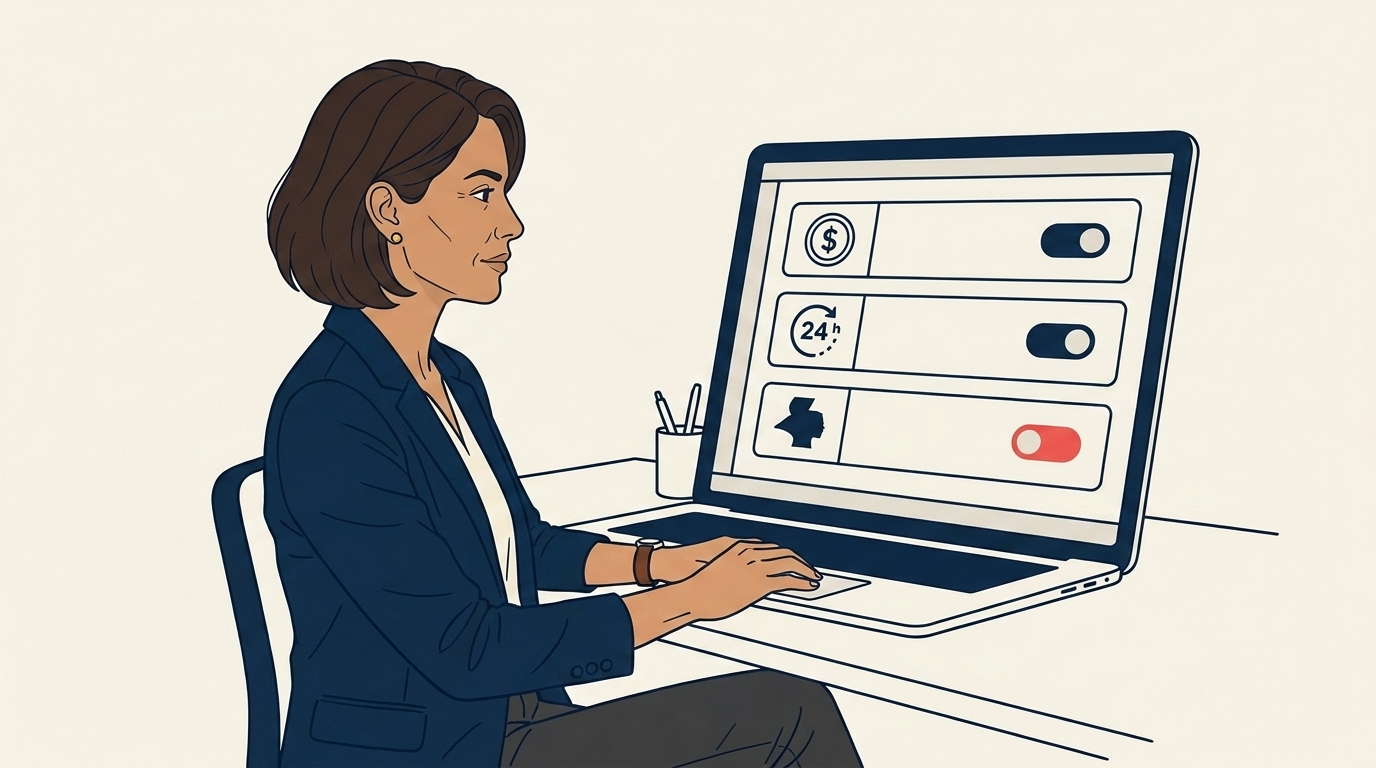
She set three audit triggers. Any deal over $20K. Any conversation that crossed 24 hours without response. Any customer mentioning a competitor.
That was enough. The rest could be sampled.
What Got Better, And By How Much
Six months in, the numbers that moved were specific.
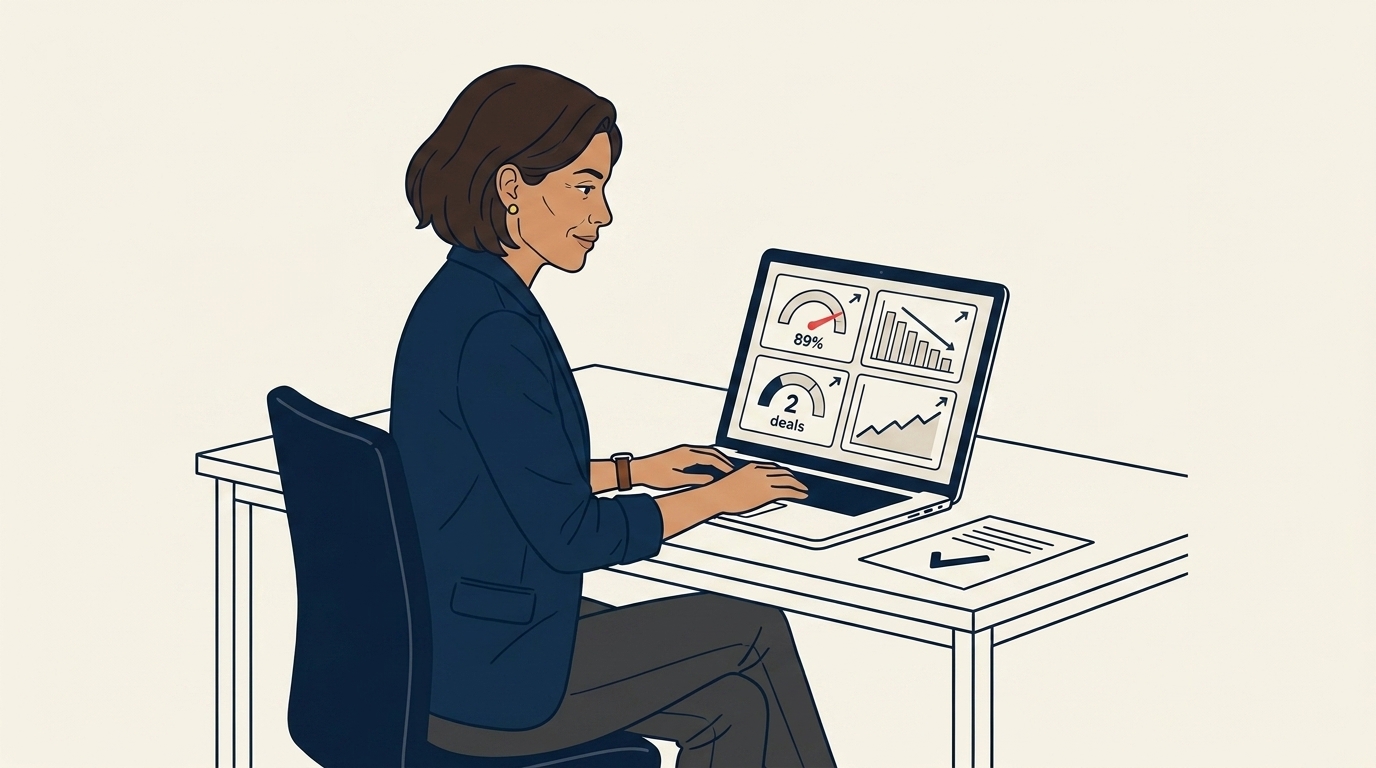
SLA compliance climbed from "unknown" to 89%. New-hire ramp time dropped from twelve weeks to seven, because new agents could read existing customer threads as their training material. Two deals were directly recovered from the system surfacing customer messages that would have otherwise been missed during agent transitions.
Conversational volume the agency could handle rose roughly 30% without a hiring increase.
The platform paid for itself in the first quarter.
What Software Still Doesn't Fix
The biggest mistake at this stage is assuming the platform fixes everything that was broken. It doesn't.
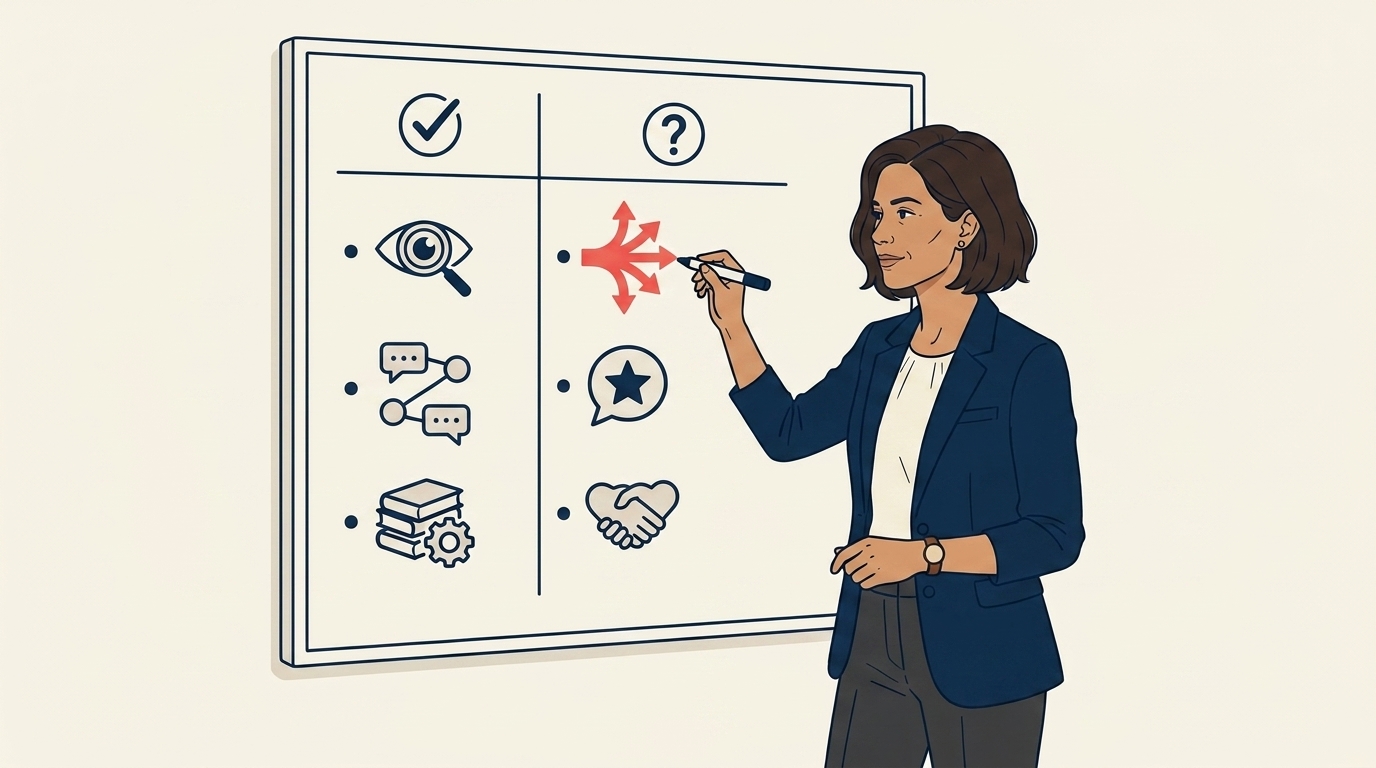
Lead distribution decisions. The platform routes leads. It doesn't tell you what the right routing rule is. That's a policy question. Maya's agency went through three iterations before finding a rule that survived. The thinking is in dividing leads fairly across 3-5 agents and the cross-industry view in lead distribution strategy.
Quality of agent responses. A shared inbox means Maya can read every conversation. It doesn't make the conversations better. The peer-coaching motion in building a sales floor culture is what actually shifted response quality.
Customer-relationship ownership culture. The company-number architecture means agents are operators of relationships the agency owns. That structural shift is the easy part. The cultural shift, the muscle memory of treating customers as personal property rather than agency assets, takes months of weekly conversations to retrain.
The platform was necessary. The platform was not sufficient.
The Signal It's Working
The clearest signal isn't the dashboard. It's what happens when an agent leaves now.
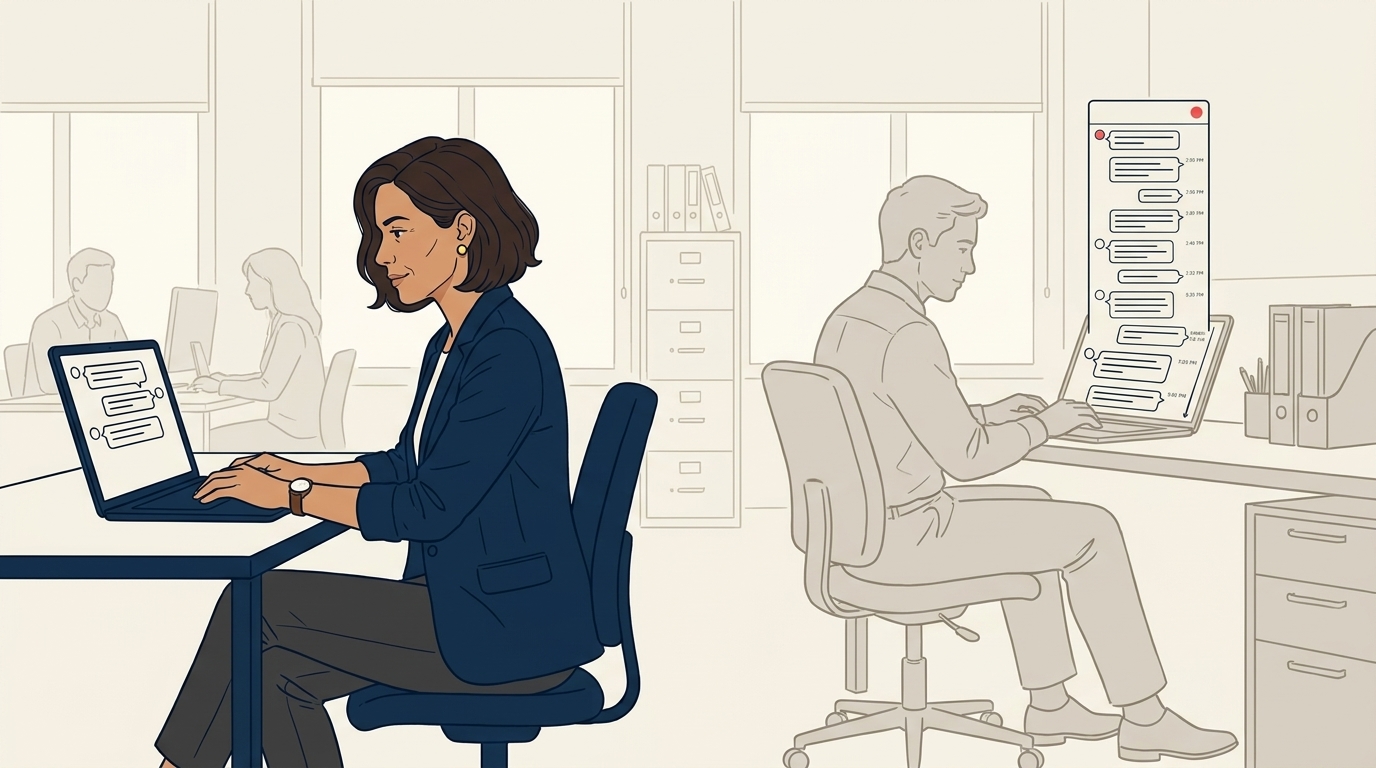
The agent takes their phone and their personal WhatsApp. They do not take the company number. The number is unassigned, the conversation history stays in Prospectors, and within a day the next agent is signed in to the same number from their phone, picking up the same threads. The customer messages the same number they always did and gets a reply from a different person.
When that happened the first time after the rebuild, Maya knew the architecture had landed. The agent who left took her notice and her last paycheck. The agency kept its number, its history, and its customers.
Further Reading
- Dividing leads fairly across 3-5 agents. The routing-policy decision the omnichannel inbox cleanly executes but doesn't author.
- Lead distribution strategy. The four canonical models, compared side by side.
- Building a Sales Floor Culture for 20-50 Agents. The culture work that has to run alongside the platform.
- Building a Sales Ops Role in a Mid-Size Travel Agency. The role that owns the omnichannel rollout end to end.
- Multi-Department Handoffs: Sales, Fulfilment, Service. The handoff problem the omnichannel inbox surfaces but doesn't solve.

Growth Partner
On this page
- The Friday James Handed in His Notice
- What "Just Use My Phone" Actually Hides
- What She Tried First
- The Real Question: How Should the Numbers Be Organized?
- Three Models, Each With Trade-offs
- What Maya Picked: One Main + Per-Product
- Picking the Right Tool
- How Company Numbers Land on the Agent's Phone
- Day One
- When Agents Asked "Is This Surveillance?"
- Setting Audit Triggers Before Drowning in Audit Volume
- What Got Better, And By How Much
- What Software Still Doesn't Fix
- The Signal It's Working
- Further Reading