Turn this article into takeaways for your work.


Each assistant summarizes the article only for you and suggests best practices for your work.
The deal Maya almost lost wasn't lost in sales. It was already won. The thing that nearly killed it was the nine days between "the contract is signed" and "the itinerary is being built." This is the handoff playbook her agency runs on now, written after that nine-day silence cost them an apology call and very nearly a customer.
The $60K Booking That Sat in a Queue
A corporate retreat closed on a Tuesday. Sales high-fived. The signed contract hit a shared drive. Then nothing happened for nine days. The fulfilment lead assumed sales would forward the brief. Sales assumed fulfilment had been copied. The customer, hearing nothing, called on day ten asking whether they'd actually booked anything. By the time Maya found out, she had to spend an hour explaining what had been happening for nine days, which was nothing.

The strangest part wasn't the gap. It was that nobody felt responsible for closing it. The deal had been declared "won" in one system, and there was no system that said "won and then handed off." The shared drive was a passive object. Nobody opened it on a schedule.
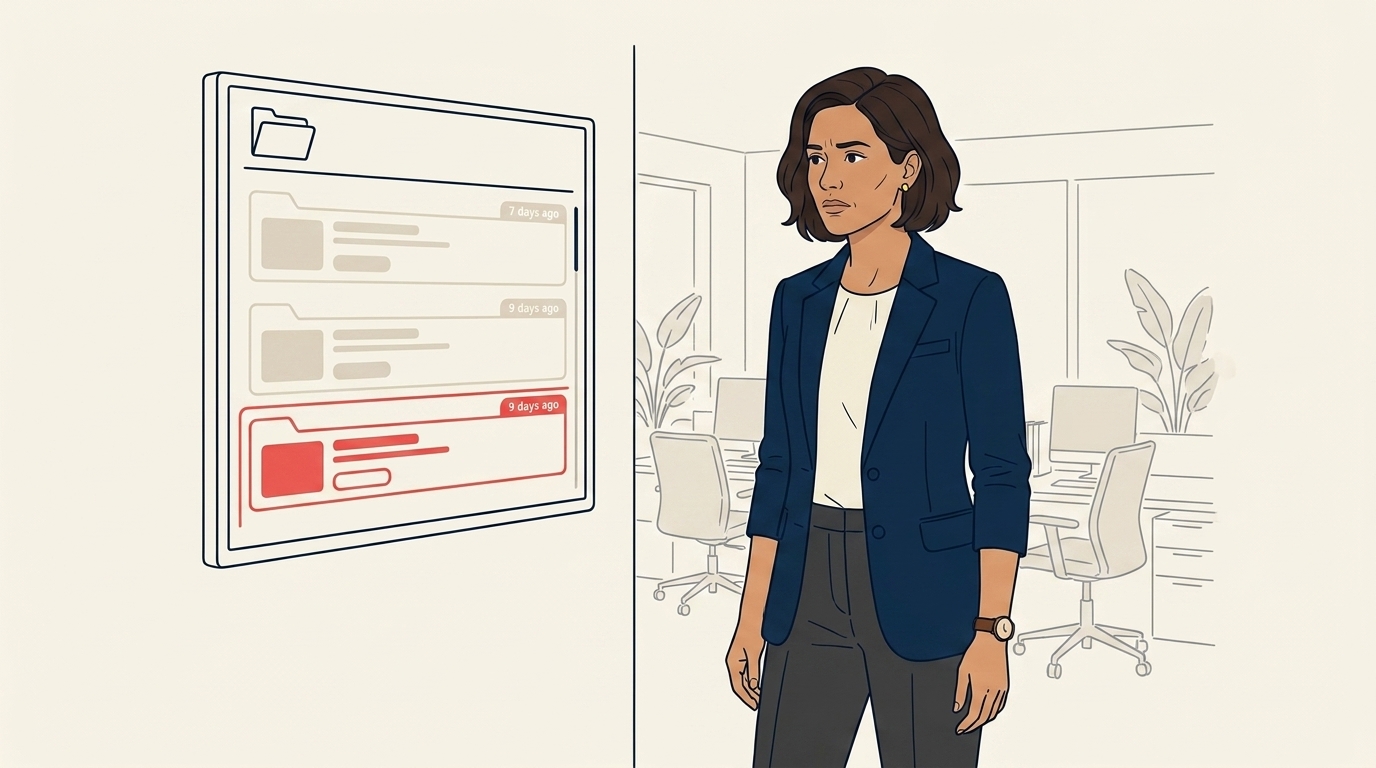
The cost wasn't the booking. The booking went through. The cost was the trust, and the realization that this had probably been happening on smaller deals for months without anyone calling.
The Three Handoffs That Actually Exist
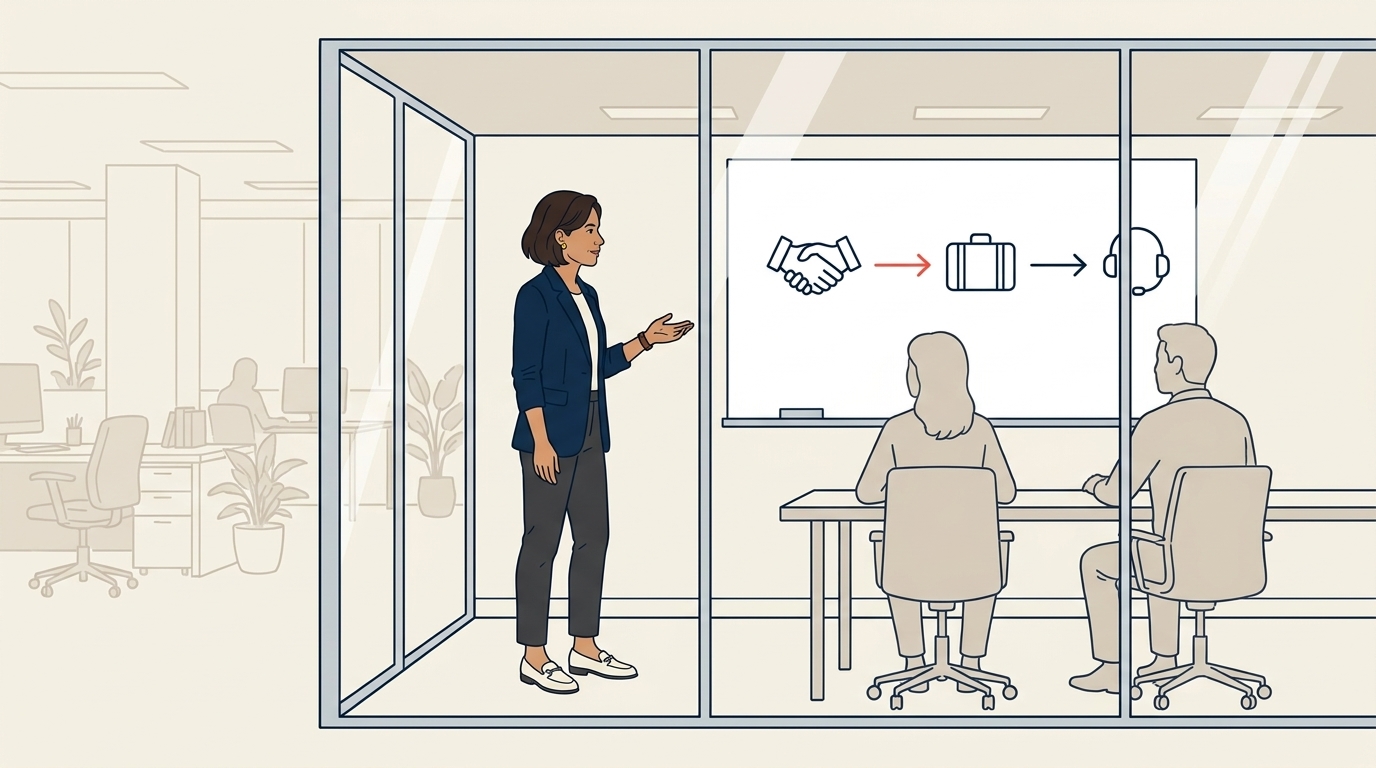
There are three handoffs in a travel agency once it grows past one team. Sales-to-Fulfilment is the loudest one, it's where contracts turn into itineraries. Fulfilment-to-Service is quieter but matters at delivery, the moment the traveler is on the trip and questions are coming in. Service-to-Sales is the one nobody designs but every healthy agency runs, feedback from the trip turning into a renewal or a referral months later.
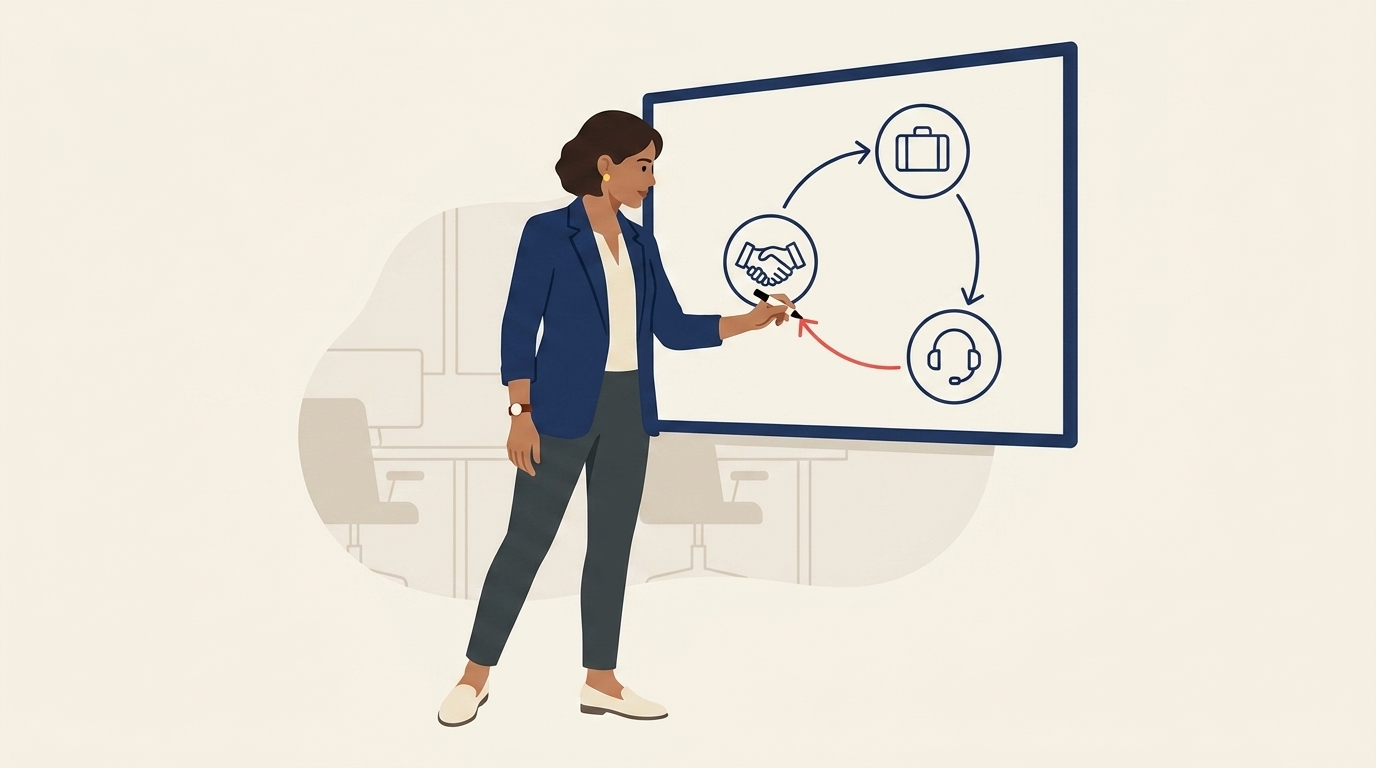
Each handoff has its own failure mode. Sales-to-Fulfilment fails by silence (nobody picks it up). Fulfilment-to-Service fails by mistranslation (the on-trip team doesn't know what was promised in the brief). Service-to-Sales fails by amnesia (great customer, never followed up).
What Was Wrong With Maya's First Attempt
Her first instinct was a form. A "deal handoff" template in the CRM with twelve fields. Within a month it was three fields filled in and the rest left blank or copy-pasted from the proposal.
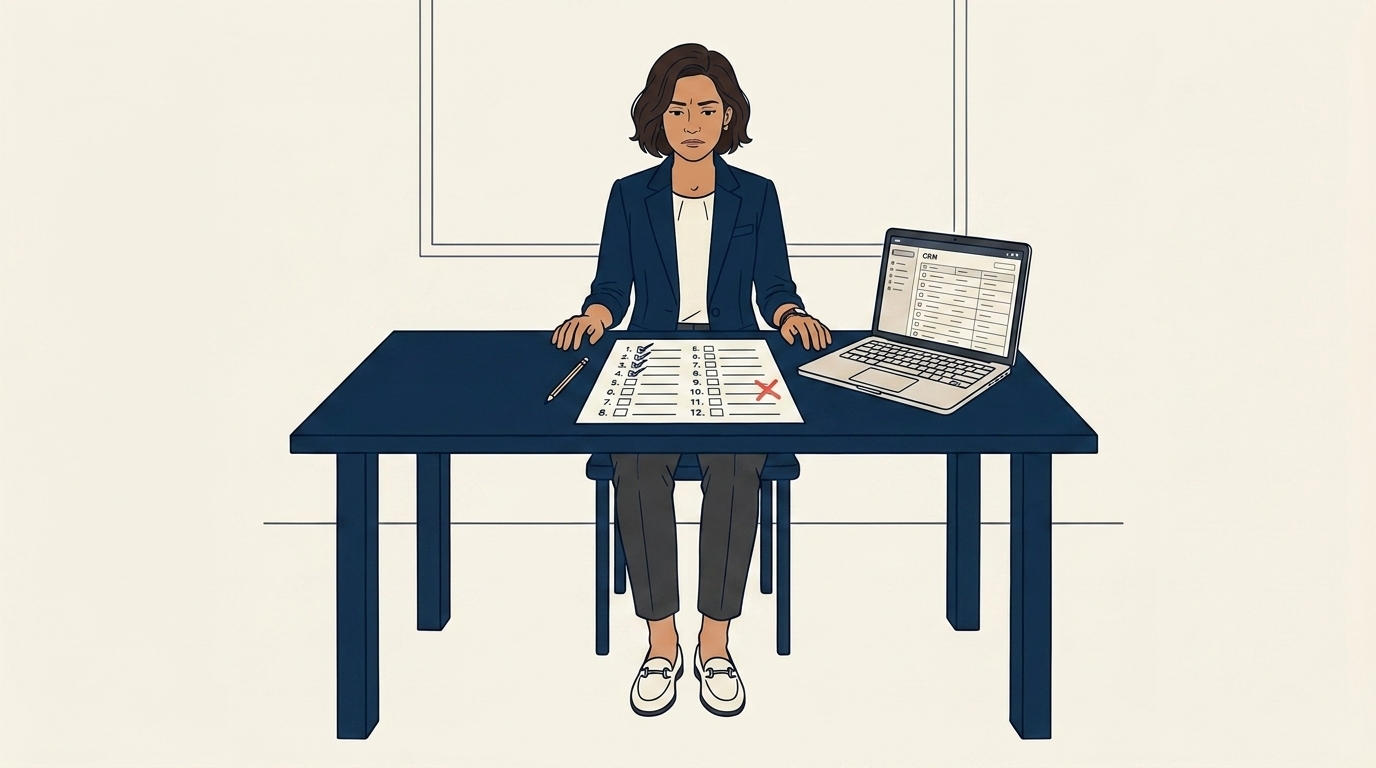
The form wasn't the problem. The form was solving for documentation when the actual problem was ownership, there was no named human responsible for the handoff at the moment it happened. A form sitting in a queue is identical to no form at all.
The Handoff Contract
What replaced the form was a four-line contract that the Sales lead and the Fulfilment lead agreed to in a 30-minute meeting. The lines were:

- The Sales-to-Fulfilment handoff is a 15-minute live meeting on the same day the deal closes. No queue, no async.
- The output of that meeting is a one-page brief, written by Sales during the meeting, signed off by Fulfilment before the meeting ends.
- If Fulfilment is unavailable that day, the deal goes to a named backup. Never to a queue.
- The first task in the itinerary build is "confirm dates with customer," due within 24 hours. The customer hears something within one business day.
That was it. No software change. No new tool. The contract just said: nobody's deal lives in a queue.
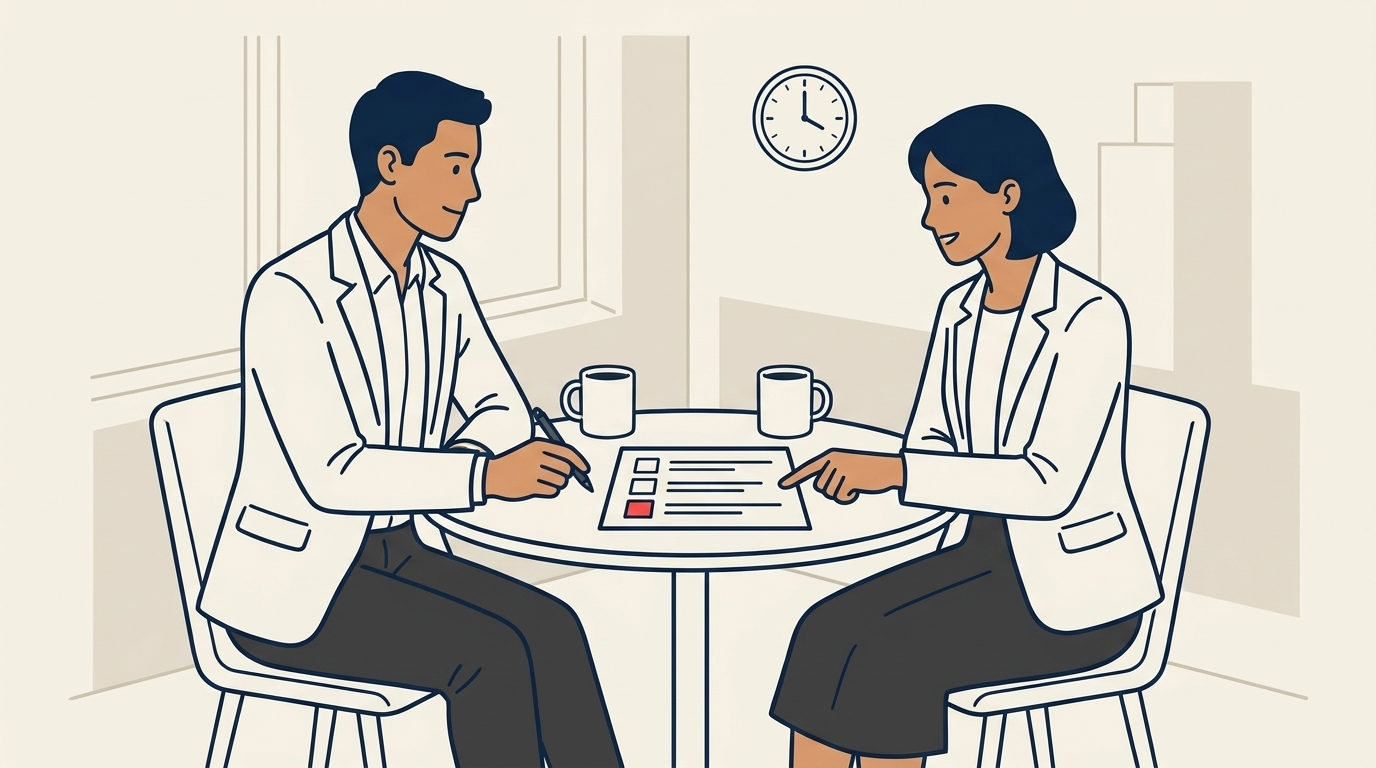
The first month of the new contract, Maya sat in on three of the live handoff meetings to feel the texture. Each one took 12-18 minutes. Each one ended with both leads visibly aligned on the deal, a one-page brief signed, and a clear first task with a 24-hour deadline. The deals that used to disappear into a queue now had two named humans who had spoken to each other about them.
What CRM Actually Does Here
The CRM stopped being asked to solve the handoff. Its job became smaller and more useful: record the timestamp when the live handoff happened. That single field, handoff time minus close time, became the only handoff metric the agency tracked.

The week before the contract, average dwell time was 38 hours, with one outlier at 9 days. Three weeks after, average was 4 hours and the worst case was 11 hours, both inside one business day. Same CRM, same staff. The thing that changed was that someone owned the moment.
The Fulfilment-to-Service Handoff
The second handoff got a similar treatment but a different mechanism. Itineraries built by Fulfilment landed in Service's queue 72 hours before the trip start, with a 15-minute handoff call to walk through any non-obvious preferences (dietary, mobility, family dynamics that affect rooming).
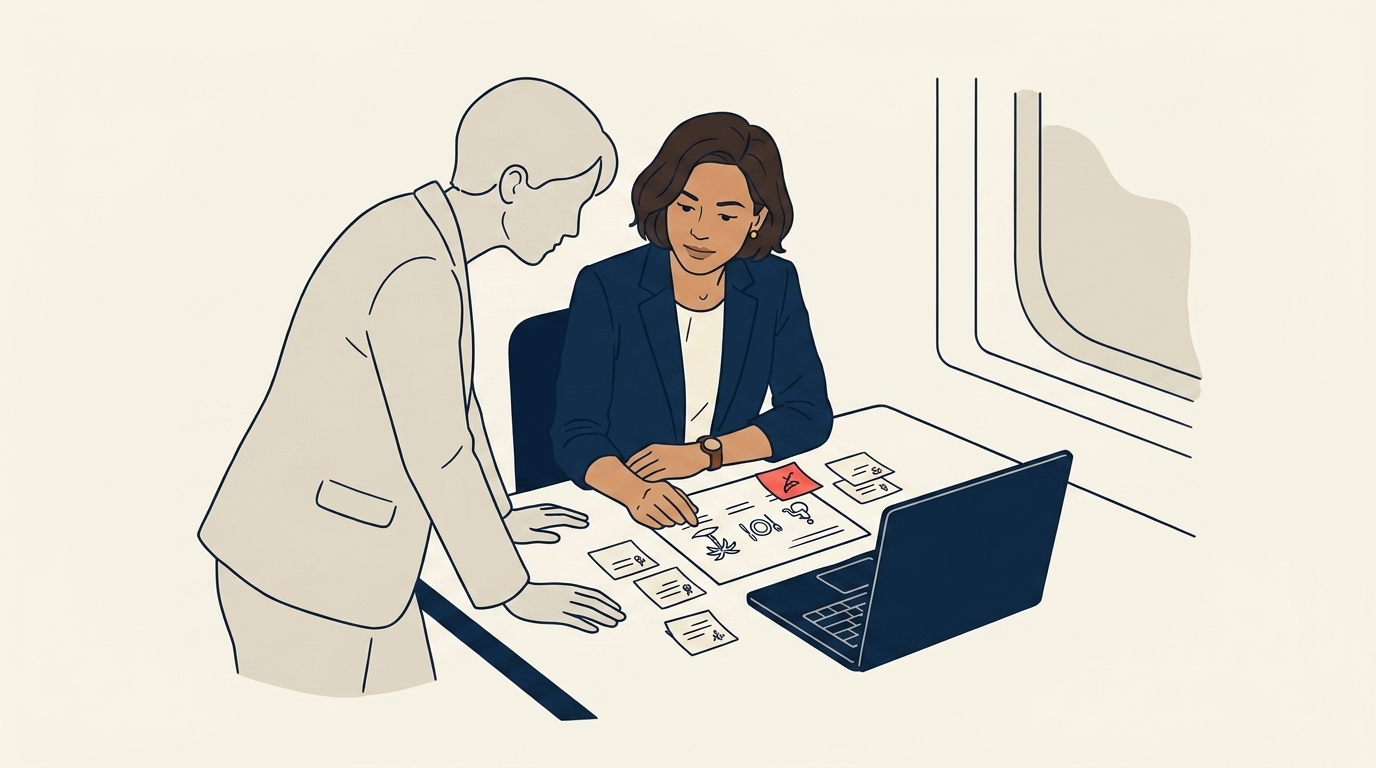
The metric here was different: how often the on-trip team had to ask the traveler something the brief should have covered. They started at three asks per trip on average and got it under one within a quarter.
The Service-to-Sales Loop That Pays for Itself
The third handoff was the one Maya almost forgot. Travelers come back from a trip in a window where they're either thrilled or angry, and the agency was great at servicing the angry ones and forgetting the thrilled ones. She set up a 30-minute Tuesday review where Service walked the Sales lead through every traveler who'd come back in the last week. The Sales lead picked the three with the strongest signal and made personal follow-up calls within ten days of the trip end.
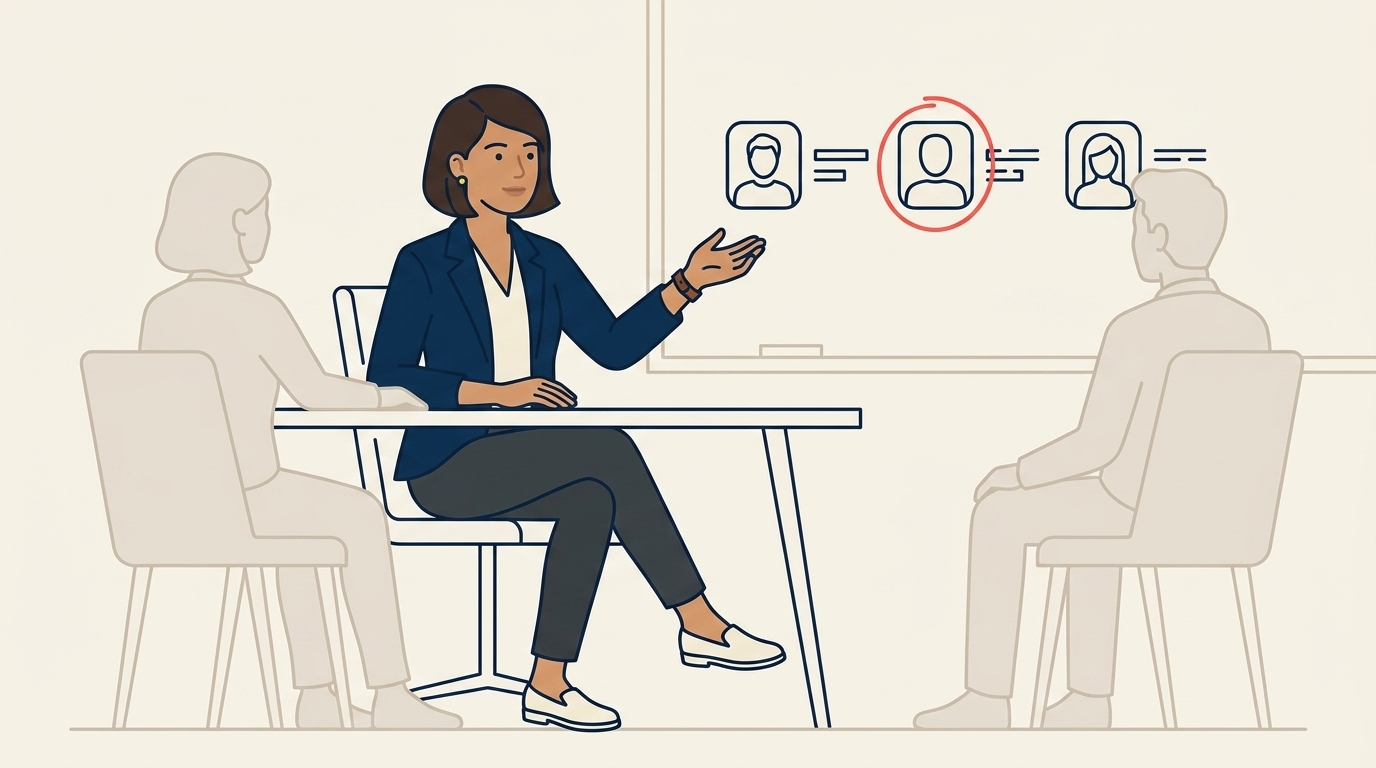
The renewal rate on those three calls per week ran 40% higher than on cold-list outreach. It was the highest-ROI hour on Maya's calendar.
The Signal Handoffs Are Working
The clearest test isn't a metric. It's that customers stop calling Maya. When the agency has a clean handoff system, the founder-level escalations dry up because the moments where things used to drop now have a named owner. Maya's inbox went from a handoff escalation a week to roughly one a quarter.

The metric version of the same signal is dwell time. If the time between Sales-close and Fulfilment-start stays inside one business day, the rest of the system tends to be in shape. If it drifts past 24 hours, something has slipped, usually a backup not stepping in when the primary owner was out.
Further Reading
- Building a Sales Ops Role in a Mid-Size Travel Agency. The role that catches handoff drift before it costs deals.
- Tiered Commissions That Retain Your Top Producers. The other thing Sales Ops rebuilds first.
- Closed-won to onboarded handoff process. A deeper look at the mechanics of a Sales-to-CS handoff.
- Lead response time. The same physics applies before the deal as after it.

Growth Partner