Pipeline-Review-Vorbereitung mit einem KI-Copilot

Turn this article into takeaways for your work.


Each assistant summarizes the article only for you and suggests best practices for your work.
Das wöchentliche Pipeline-Review ist eines der teuersten Meetings im Vertrieb. Drei Reps, ein Manager, zwei Stunden. Machen Sie die Rechnung: Bei einem durchschnittlichen Rep-Gehalt von 80.000 Dollar entspricht das bei jeder Sitzung ungefähr 200 Dollar Menschenzeit, jede Woche, 50 Wochen im Jahr. Das macht 10.000 Dollar pro Jahr allein für Pipeline-Reviews bei einem kleinen Team.
Der Großteil dieser Zeit wird nicht für Entscheidungen verwendet. Er wird mit Scrollen verbracht. "Lass mich diesen Deal aufrufen." "In welcher Phase ist der?" "Wann haben wir zuletzt mit denen gesprochen?" Das CRM wird während des Meetings zur Live-Suchmaschine, und der Manager erledigt den Großteil des Klickens.
Das ist das Problem, das KI-Vorbereitung löst. Nicht das Gespräch. Nicht die Urteilsaufgaben. Nur das Scrollen, die Suche und die "lass mich das kurz prüfen"-Momente, die die erste Hälfte jedes Reviews fressen.
Was KI vor dem Meeting vorbereitet
Key Facts: Pipeline-Review und KI-Forecast-Genauigkeit
- Vertriebsteams mit KI-gestützter Forecasting-Prognose erzielen 20 % bessere Forecast-Genauigkeit als solche mit manuellen Ansätzen, wobei einige Implementierungen 98 % Genauigkeit erreichen. (MarketsandMarkets, 2025)
- Organisationen mit KI-gestützten Pipeline-Reviews gewinnen durchschnittlich 1 Tag pro Woche an Manager-Zeit zurück und verzeichnen 15-23 % kürzere Verkaufszyklen. (Landbase, 2025)
- Durchschnittliche Vertriebsmitarbeiter verbringen 40 % ihrer Zeit tatsächlich mit Verkaufen, der Rest entfällt auf administrative Aufgaben inklusive manueller Pipeline-Datensuche und Meeting-Vorbereitung. (Salesforce, State of Sales, Februar 2026)
Das Workflow Copilot-Muster funktioniert so vor einem Pipeline-Review: Es nimmt Deal-Status-Snapshots und Woche-für-Woche-Änderungen aus dem CRM auf, holt relevante Gesprächsprotokolle der vergangenen Woche und generiert ein Pipeline-Review-Briefing für das Portfolio jedes Reps. Das Briefing landet in der Inbox des Managers oder in der Kalendereinladung eine Stunde vor Meeting-Beginn.
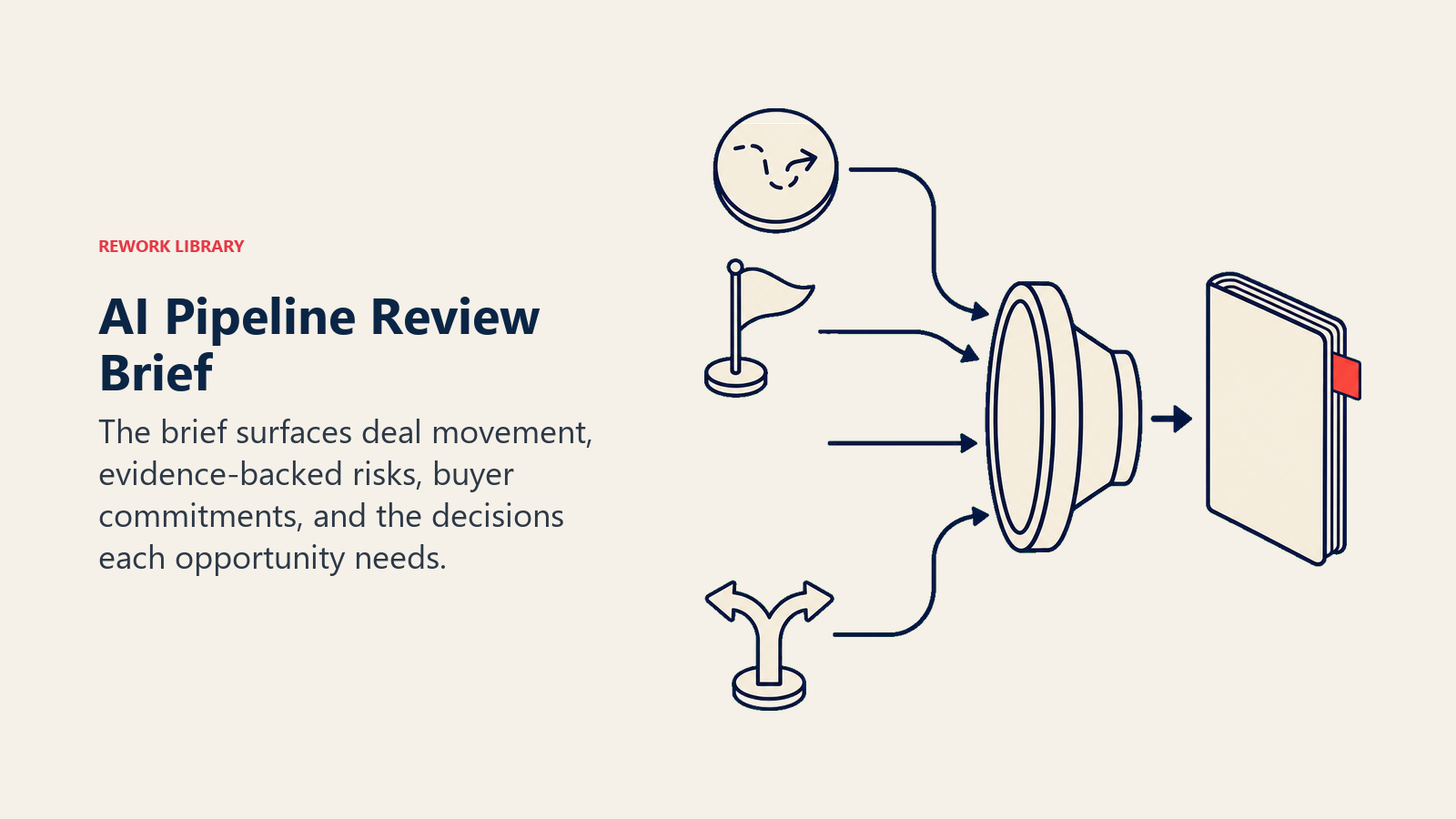
Ein gut gestaltetes KI-Vorbereitungsdokument deckt vier Bereiche ab:
Deal-für-Deal-Änderungen seit dem letzten Review. Kein vollständiges Deal-Profil. Nur: Was hat sich bewegt? Welche Deals haben Phase gewechselt, Kontakte hinzugefügt, eine Proposal gesendet oder ein Meeting gebucht seit dem letzten Review? Wenn sich bei einem Deal in 14 Tagen nichts bewegt hat, erscheint das als Flag, nicht als Beschreibung.
Risikosignale. Hier fügt KI etwas hinzu, was ein menschlicher Manager nicht einfach manuell tun kann. Das System scannt nach: Single-threaded-Accounts (nur ein Kontakt, kein Zugang zum wirtschaftlichen Käufer), Deals ohne gebuchtes nächstes Meeting, Deals bei denen der Rep in den letzten 14-plus Tagen keine Aktivität protokolliert hat, Deals bei denen Wettbewerber in Gesprächsprotokollen erwähnt wurden, und Deals bei denen das Abschlussdatum innerhalb von 30 Tagen liegt, aber noch keine Proposal gesendet wurde.
Commit vs. Best-Case-Aufschlüsselung. Eine strukturierte Forecast-Ansicht pro Rep, aufgeschlüsselt nach Deal, mit der KI-Bewertung des Konfidenzlevels basierend auf Aktivitäts-Aktualität, Engagement-Breite und Phase-Fortschrittsrate. Clari, Salesforce Einstein Forecasting und Gong Forecast bieten alle eine Version davon; die zugrundeliegende Logik ist ähnlich.
Deals, die eingetreten sind oder weggefallen sind. Pipeline-Velocity-Snapshot. Was ist diese Woche in den Funnel eingetreten, und was ist weggefallen oder hat die Phase verloren. Das lässt sich in dreißig Sekunden lesen, braucht aber zehn Minuten zur manuellen Rekonstruktion.
Der Workflow Copilot in ACE-Begriffen
Das ist eine saubere Workflow Copilot-Implementierung mit drei ACE-Fähigkeiten:
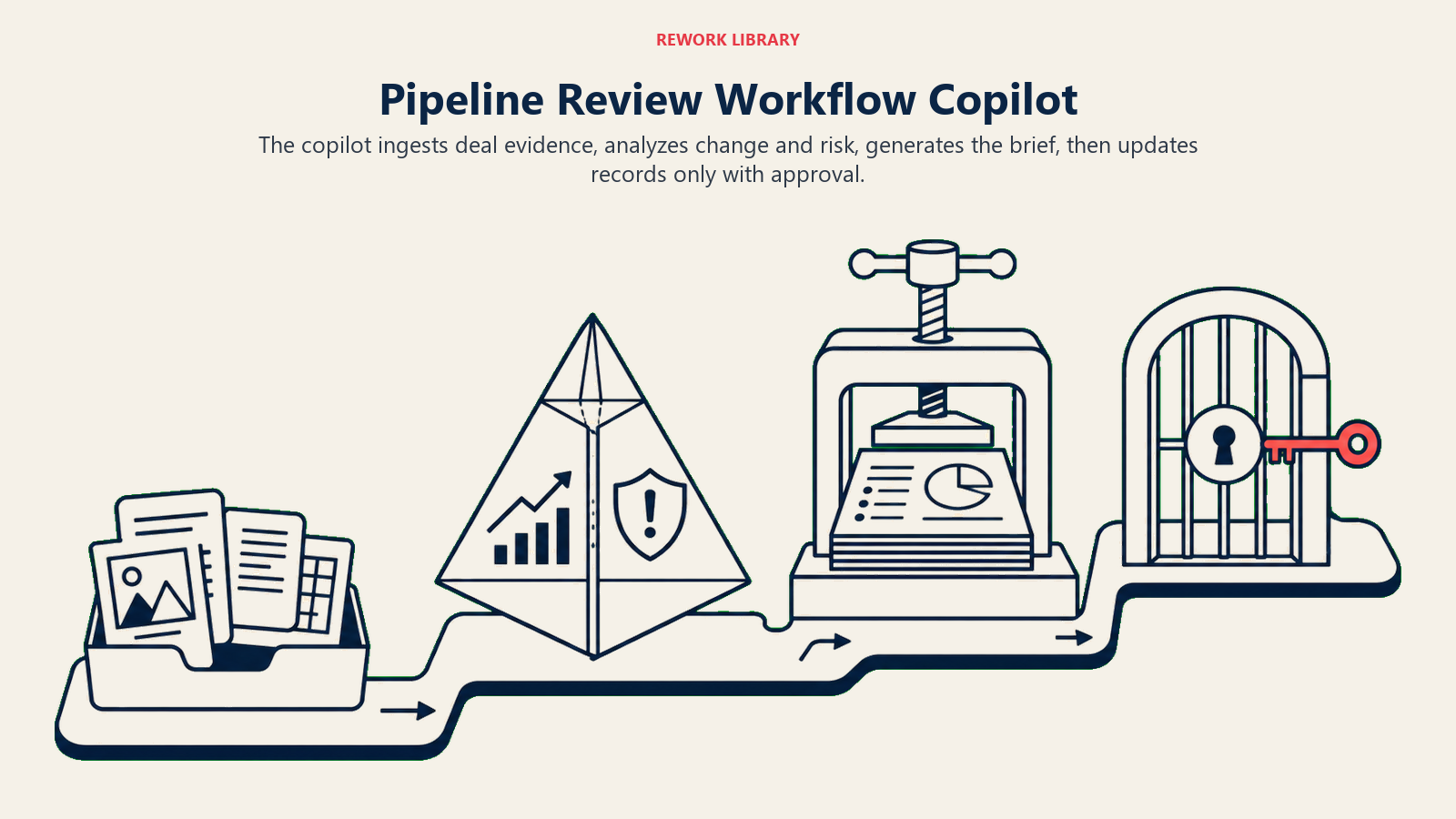
Ingest übernimmt die Datenerfassung: Deal-Status aus dem CRM abrufen, Gesprächsprotokolle aus der Meeting-Intelligence-Schicht holen, Kalenderdaten für gebuchte nächste Meetings lesen und alle E-Mail- oder Slack-Aktivitätslogs aufnehmen, auf die das System Zugriff hat.
Analyze macht das Muster-Matching: Identifiziert, welche Deals Risikokriterien entsprechen, erkennt Woche-für-Woche-Phasenänderungen, extrahiert Wettbewerber-Erwähnungen aus Protokollen und berechnet Aktivitäts-Aktualität über Kommunikationskanäle hinweg.
Generate erstellt die Ausgabe: ein formatiertes Briefing, organisiert nach Rep, mit Deal-Zusammenfassungen, Risiko-Flags und empfohlenen Diskussionspunkten. Das Briefing macht keine Empfehlungen in der Form "schließ diesen Deal" oder "wirf diesen weg." Es bringt Informationen an die Oberfläche. Das Urteilsvermögen bleibt menschlich.
Nichts in diesem Workflow ist Execute ohne menschliche Beteiligung. Das Dokument ist ein Lese-Artefakt. Es werden keine CRM-Updates automatisch durchgeführt, keine E-Mails gesendet, keine Deals ändern den Status. Das ist beabsichtigt: Pipeline-Review-Vorbereitung ist eine Generate-Ausgabe, keine Execute-Aktion.
Die Manager-Ansicht vs. die Rep-Ansicht
Ein Pipeline-Review mit KI-Vorbereitung benötigt zwei verschiedene Dokumente, nicht eines.
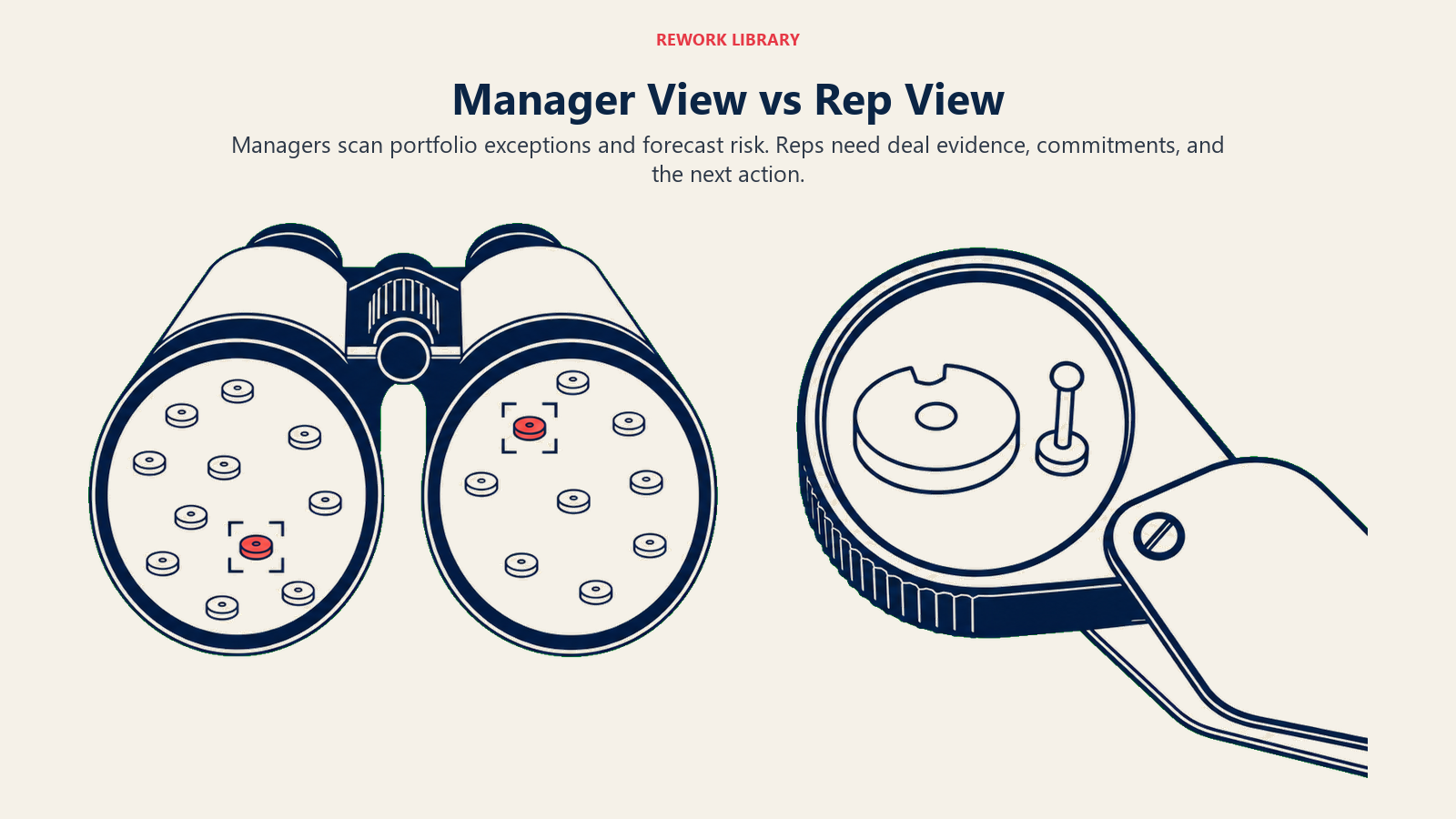
Die Manager-Ansicht ist eine Portfolio-Risiko-Ansicht. Sie schaut auf die Verteilung: Wie viele Deals sind diese Woche Single-threaded, wie hoch ist die Commit-Zahl und wie groß ist die Varianz im Team, welche Reps haben Deals im 30-Tage-Fenster ohne nächsten Schritt. Das Manager-Briefing ist nach Risikokategorie organisiert, nicht nach Rep.
Die Rep-Ansicht ist eine Aktionsliste. Er schaut auf seine eigenen Deals: welche blockiert sind und warum, welche bereits eine klare nächste Aktion geplant haben, welche die KI für die Diskussion markiert hat. Das Rep-Briefing ist Deal-für-Deal organisiert, mit den KI-Notizen dazu, was sich verändert hat und was blockiert aussieht.
Wenn alle zum Meeting kommen, nachdem sie ihre Version des Briefings gelesen haben, ändert sich das Gespräch komplett. Der Manager fragt nicht "Was ist der Status des Acme-Deals?" Sie kennt den Status bereits. Sie fragt: "Acme tauchte in Ihrem letzten Anruf als Wettbewerber-Bedenken auf. Was ist Ihre Einschätzung dazu?"
Das ist eine andere Frage. Eine Urteilsfrage, keine Statusfrage. Und genau das ist die Art von Fragen, auf die Pipeline-Reviews Zeit verwenden sollten.
Das Monday Brief Format
Das Monday Brief Format ist das strukturierte Ausgabe-Design für KI-Pipeline-Review-Vorbereitung, das maximale Manager-Bereitschaft mit minimaler Lesezeit vor dem Meeting liefert. Es enthält vier Abschnitte, die vor Meeting-Beginn zugestellt werden: Deal-für-Deal-Änderungen seit dem letzten Review (was bewegt hat, was blockiert ist, was neu ist), Risiko-Flags nach Kategorie (Single-threaded-Accounts, kein nächstes Meeting, Wettbewerber-Erwähnungen, Abschlussdatum innerhalb von 30 Tagen ohne Proposal), Commit vs. Best-Case-Aufschlüsselung pro Rep mit KI-Konfidenz-Bewertung und Pipeline-Velocity-Snapshot (was eingetreten ist und was weggefallen ist). Das Format produziert ein Dokument, das in 8-10 Minuten lesbar ist und die ersten 45 Minuten CRM-Scrollen ersetzt. Teams, die ein strukturiertes wöchentliches Briefing-Format verwenden, berichten, 1 Tag pro Woche an kombinierter Manager-Rep-Meeting-Zeit zurückzugewinnen.
KI-Pipeline-Reviews mit standardisiertem Monday Brief Format reduzieren die Scroll-Zeit pro Meeting von 45 Minuten auf unter 5 Minuten, weil jede Statusfrage bereits beantwortet ist, bevor jemand das CRM öffnet.
Wie Protokoll-Daten die Risikobewertung verbessern
Hier ist der konkrete Unterschied zwischen einem Pipeline-Review-Briefing, das nur auf CRM-Daten aufbaut, und einem, das auch Meeting-Intelligence-Daten hat.
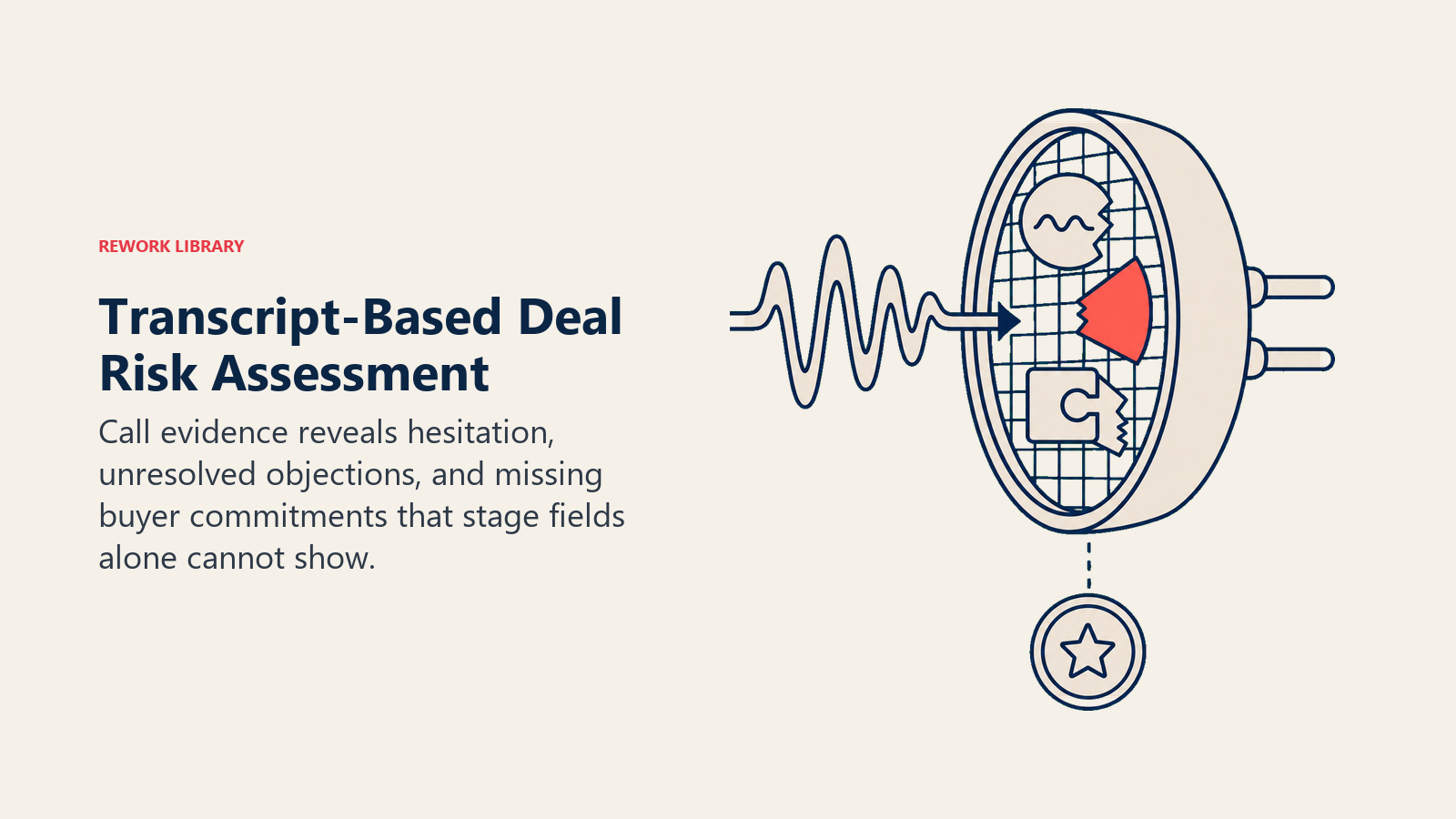
Ohne Protokolle kann das System Ihnen nur sagen: "Deal X hatte in den letzten 14 Tagen keine Rep-Aktivität." Das ist nützlich, aber dünn. Sie wissen nicht, ob die Stille ein abkühlender Interessent oder ein Rep ist, der einfach nichts protokolliert hat.
Mit Protokollen von Gong, Clari Copilot oder einem ähnlichen Meeting-Intelligence-Layer kann das System Ihnen sagen: "Deal X, letzter Anruf vor 8 Tagen, Käufer erwähnte 'wir schauen uns auch Wettbewerber Y an' und äußerte Bedenken bezüglich des Implementierungszeitplans. Keine Follow-up-E-Mail nach dem Anruf gesendet, und kein nächstes Meeting gebucht." Das ist ein spezifisches Risiko, kein bloßes Stagnations-Flag.
Deals, für die die KI Protokoll-Kontext hat, bekommen ein bedeutend reichhaltigeres Briefing. Deals ohne Protokolldaten bekommen eine schwächere Bewertung. Das ist ein gutes Argument dafür, Meeting Intelligence einzusetzen, bevor man versucht, Pipeline-Review-Vorbereitung zu optimieren. Die KI-Sales-Ops-Implementierungs-Roadmap sequenziert sie aus genau diesem Grund so.
Das 30-Minuten-Review-Format
Wenn alle das KI-Briefing vor dem Meeting gelesen haben, ändert sich das Format. Hier ist eine Agenda, die funktioniert:
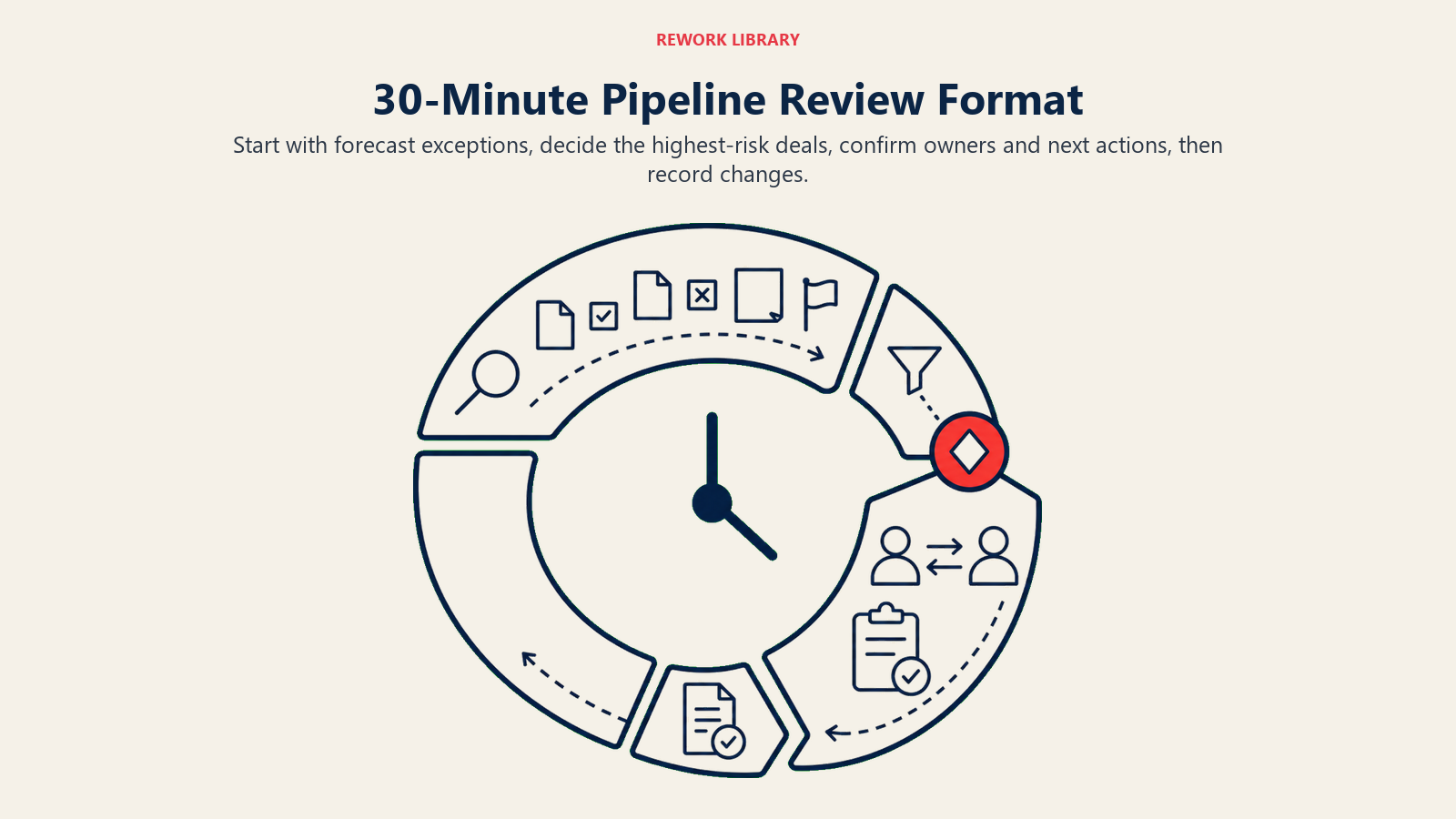
Minuten 0-5: Forecast-Kalibrierung. Der Manager teilt seine Einschätzung der Commit-Zahl aus dem Briefing. Jeder Rep bestätigt oder passt an. Kein Scrollen. Die Zahlen sind bereits im Briefing. Abweichungen von der KI-Schätzung des Briefings werden zur Diskussion flaggt.
Minuten 5-20: Deal-für-Deal bei geflagten Punkten nur. Der Manager arbeitet die KI-geflagten Deals durch, einen pro Rep. Das ist keine Tour durch jeden offenen Deal. Es ist ein fokussiertes Gespräch über die 3-5 Deals pro Rep, bei denen diese Woche etwas passieren muss. Das KI-Briefing identifiziert welche. Das Gespräch bestimmt was.
Minuten 20-25: Neue Deals, die in die Pipeline eingetreten sind. Kurze Updates dazu, was diese Woche hereingekommen ist. Sind sie real? Was ist das erste Signal?
Minuten 25-30: Zusagen. Jeder Rep nennt eine spezifische nächste Aktion pro geflagtem Deal. Der Manager oder ein System protokolliert sie. Diese werden zu den Eingaben für das KI-Briefing der folgenden Woche.
Das war's. Das Meeting ist nicht kürzer, weil weniger geredet wurde. Es ist kürzer, weil aufgehört wurde, über Dinge zu reden, die die KI bereits zusammengefasst hat, und die 30 Minuten auf Dinge verwendet wurden, die nur Menschen ansprechen können.
Forecast-Genauigkeit als Nebenprodukt
Pipeline-Reviews, die KI-Vorbereitung verwenden, produzieren tendenziell genauere Commit-Zahlen. Der Mechanismus ist nicht mysteriös.
Ohne Vorbereitung akzeptieren Manager Rep-genannte Zahlen unter leichtem Hinterfragen. Der Rep nennt 150.000 Dollar Commit für den Monat; der Manager, der unter Zeitdruck steht, gräbt nicht tief genug, um den Acme-Deal in Frage zu stellen, der sich seit drei Wochen nicht bewegt hat. Die 150.000 Dollar gehen in die Prognose.
Mit KI-Vorbereitung ist das Acme-Stocken sichtbar, bevor der Rep seinen Mund öffnet. Der Manager fragt spezifisch danach. Der Rep erklärt entweder glaubhaft (Käufer war im Urlaub, Meeting für nächste Woche gebucht) oder offenbart, dass es weicher ist als der genannte Commit. Die Prognose wird angepasst.
Gong Forecast zitiert eine 15-prozentige Verbesserung der Forecast-Genauigkeit für Teams, die KI-unterstützte Pipeline-Reviews gegenüber manuellen Prozessen nutzen. Clari berichtet ähnliche Zahlen in seiner veröffentlichten Forschung. Der Treiber ist in beiden Fällen derselbe: KI-Vorbereitung bringt die Signale an die Oberfläche, die Manager abfangen würden, wenn sie Zeit hätten, jeden Deal vor jedem Meeting eingehend zu prüfen. Diese Zeit haben sie nicht. Die KI schon. Gartners Forschung zur Verwendung von Vertriebsanalysen zur Verbesserung der Prognose empfiehlt genau diesen Ansatz: die qualitative Pipeline-Inspektion mit KI-gesteuerten Aktivitäts- und Engagement-Signalen zu kombinieren, um die Commit-Konfidenz zu verbessern.
Wie das Briefing zugestellt wird
Es gibt drei gängige Zustellungsmuster:
CRM-nativ. Salesforce Einstein und HubSpots KI-Pipeline-Tools generieren das Briefing innerhalb des CRM-Dashboards. Der Manager loggt sich vor dem Meeting ein und das Briefing ist da. Sauber, keine Integrationsarbeit, erfordert aber auch, dass die Meeting-Intelligence-Schicht in Salesforce/HubSpot lebt, was die Anbieteroptionen einschränkt.
Kalender-Anhang. Das Briefing wird automatisch als PDF oder Dokument generiert und bis Montagmorgen an die Kalendereinladung angehängt. Funktioniert unabhängig vom CRM. Erfordert eine Workflow-Automatisierung, die das KI-Tool mit dem Kalendersystem verbindet.
Slack- oder Teams-Nachricht. Ein Slack-Bot postet das Briefing in die DM des Managers oder einen privaten Kanal vor dem Meeting. Reps erhalten ihre individuelle Version in einer separaten Nachricht. Dieses Format hat den Vorteil, dass Team-Mitglieder bestätigen können, dass sie es gelesen haben, was ein einfaches Verantwortlichkeits-Signal schafft.
CRM-Datenhygiene mit einem KI-Copilot ist hier relevant: Die Qualität des KI-Briefings ist nur so gut wie die Datenqualität im CRM. Wenn Deal-Phasen veraltet sind, Kontakte unvollständig sind oder Abschlussdaten nicht gepflegt wurden, wird das Briefing Lärm statt Signal zeigen. Das ist keine KI-Einschränkung. Es ist eine Dateneinschränkung.
Was KI-Vorbereitung nicht behebt
Ein paar Dinge, über die es sich lohnt, ehrlich zu sein.
KI-Vorbereitung verbessert die Effizienz eines Pipeline-Reviews. Sie verbessert nicht die Qualität der Deals in der Pipeline. Wenn der Funnel dünn ist, wird das KI-Briefing Ihnen sagen, dass er dünn ist, und zwar detaillierter und schneller. Das ist nützlich, aber die Lösung ist immer noch Pipeline-Generierung, nicht bessere Meeting-Vorbereitung.
KI-Vorbereitung verbessert auch nicht das Urteilsvermögen oder die Coaching-Fähigkeit eines Reps. Der Workflow Copilot bringt Informationen an die Oberfläche. Das darauf folgende Gespräch ist immer noch vollständig menschlich. Wenn der Manager nicht weiß, wie er durch einen blockierten Deal coachen soll, hilft es nicht, früher im Meeting zu wissen, dass er blockiert ist.
Und KI-Vorbereitung erfordert konsistente Dateneingaben. Wenn Reps Anrufe nicht protokollieren, Phasen nicht aktualisieren oder Meetings nicht im CRM buchen, wird das Briefing diese Lücke auf eine Weise widerspiegeln, die Reibung erzeugt. "Die KI zeigt, dass Sie fünf Deals keine Aktivität protokolliert haben" ist ein Gespräch, das manche Manager führen möchten und andere nicht. Das Next-Best-Action-Framework für offene Deals adressiert Rep-Compliance tiefer.
Die wichtige Verhaltensänderung
Die technische Implementierung der KI-Pipeline-Review-Vorbereitung ist nicht komplex. Sie benötigen ein Meeting-Intelligence-Tool, das Protokolle ins CRM schreibt, ein Workflow Copilot-Tool, das CRM-Status liest und Briefings generiert, und einen Zustellmechanismus. Die meisten ausgereiften KI-Sales-Ops-Stacks haben alle drei.
Die wichtige Verhaltensänderung ist, alle dazu zu bringen, das Briefing zu lesen, bevor sie ins Meeting gehen. Das klingt trivial. Ist es nicht. Reps und Manager, die jahrelang das Pipeline-Review als Live-Diskussion behandelt haben, bei der man Dinge in Echtzeit nachschlägt, werden zu diesem Muster zurückfallen, wenn das Briefing optional ist.
Machen Sie es verpflichtend. Nicht strafend, aber strukturell. Beginnen Sie das Meeting mit einer Frage, die das Gelesen-haben-des-Briefings voraussetzt. "Ihr KI-Briefing hat drei Deals geflaggt. Welchen möchten Sie zuerst besprechen?" Wer es nicht gelesen hat, wird auffällig unvorbereitet sein. Eine Woche davon, und das Lesen wird zur Norm.
Das Pipeline-Review ist kein Status-Meeting. Es ist ein Urteils-Meeting. KI-Anruf-zu-CRM-Automatisierung übernimmt die Status-Updates automatisch, noch bevor das Briefing generiert wird. Das Meeting ist für das Gespräch, das nur Menschen führen können. KI-Vorbereitung räumt die Landebahn frei für dieses Gespräch, das in Minute eins statt Minute fünfundvierzig beginnt.
Rework-Analyse: Pipeline-Review-Meetings bei Unternehmen, die KI-Vorbereitung nutzen, dauern durchschnittlich 32 Minuten gegenüber 82 Minuten bei Teams ohne sie. Aber die bedeutendere Veränderung liegt in der Entscheidungsqualität. Teams mit KI-Vorbereitung führen 3-5 spezifische, datengestützte Coaching-Gespräche pro Meeting. Teams ohne sie verbringen 80 % der Zeit mit Deal-Status-Berichten und treffen in den letzten Minuten ein oder zwei echte Entscheidungen. Die 50-Minuten-Differenz wird größtenteils aus Status-Zusammenfassungen zurückgewonnen, die das Briefing bereits beantwortet hatte.
Häufig gestellte Fragen
Was generiert die KI-Pipeline-Review-Vorbereitung eigentlich?
KI-Pipeline-Review-Vorbereitung generiert ein strukturiertes Briefing, das vier Bereiche abdeckt: Deal-für-Deal-Änderungen seit dem letzten Review (was sich bewegt hat, was blockiert ist), Risiko-Flags (Single-threaded-Accounts, kein nächstes Meeting, Wettbewerber-Erwähnungen, Abschlussdaten innerhalb von 30 Tagen ohne Proposals), eine Commit vs. Best-Case-Forecast-Aufschlüsselung pro Rep mit KI-Konfidenz-Bewertungen und einen Pipeline-Velocity-Snapshot (was eingetreten und was weggefallen ist). Das Monday Brief Format produziert ein Dokument, das in 8-10 Minuten lesbar ist und 45+ Minuten CRM-Scrollen ersetzt.
Wie sehr verbessert KI-Pipeline-Review-Vorbereitung die Forecast-Genauigkeit?
Vertriebsteams mit KI-gestützter Forecasting-Prognose erzielen 20 % bessere Forecast-Genauigkeit als solche mit manuellen Ansätzen. Einige Implementierungen erreichen 98 % Genauigkeit durch die Kombination von CRM-Daten mit Aktivitätssignalen und Protokollanalyse. Der Mechanismus ist einfach: KI-Vorbereitung bringt blockierte Deals und fragwürdige Commits vor Meeting-Beginn an die Oberfläche, damit Manager überhöhte Prognosen mit spezifischen Daten statt allgemeinen Fragen hinterfragen können.
Wie lange sollte ein Pipeline-Review mit KI-Vorbereitung dauern?
30 Minuten, nach einem strukturierten Format: 5 Minuten für Forecast-Kalibrierung (Zahlen bereits im Briefing, nur Abweichungen werden diskutiert), 15 Minuten für geflagte Deals nur (KI identifiziert, welche Deals Gespräch brauchen, Manager facilitiert), 5 Minuten für neue Pipeline, 5 Minuten für Zusagen. Teams, die das Monday Brief Format nutzen und vorab-Lesen vorschreiben, führen konsistent 30-35-minütige Reviews durch, gegenüber 75-90 Minuten für Teams ohne vorab gelesene Briefings.
Welche CRM-Daten sind für eine gute KI-Pipeline-Review-Vorbereitung erforderlich?
KI-Pipeline-Review-Vorbereitung erfordert: aktuelle Deal-Phasen und Abschlussdaten, letzte Aktivitätszeitstempel pro Deal (Anruf, E-Mail, Meeting), Gesprächsprotokolle der Meetings der vergangenen Woche, Kontaktabdeckungsdaten (wer war in Anrufen vs. wer ist noch unbekannt) und gebuchte nächste-Meeting-Daten. Fehlende Aktivitätszeitstempel sind die größte Datenlücke: Ohne sie kann das System einen blockierten Deal nicht von einem unterscheiden, bei dem der Rep aktiv ist, aber nichts protokolliert. CRM-Datenhygiene ist die Voraussetzung für zuverlässige Pipeline-Briefings.
Was ist der Unterschied zwischen dem Pipeline-Briefing für den Manager und dem für den Rep?
Das Manager-Briefing ist eine Portfolio-Risiko-Ansicht, nach Risikokategorie organisiert: wie viele Deals Single-threaded sind, wie die Commit-Verteilung ist, welche Reps diese Woche Abschlussdatum-Risiko haben. Es zeigt Muster über das Team hinweg. Das Rep-Briefing ist eine Aktionsliste, Deal-für-Deal organisiert: was sich verändert hat, was blockiert ist, was die KI zur Diskussion geflaggt hat. Wenn beide Parteien ihre Version vor dem Meeting lesen, wechselt das Gespräch von Status-Berichten zu Urteilsfragen über spezifische geflagte Deals.
Warum erfordert Pipeline-Review-Vorbereitung, dass alle das Briefing vor dem Meeting lesen?
Pipeline-Reviews verfallen zum CRM-Scrollen, wenn Teilnehmer das Briefing nicht gelesen haben, weil der Weg des geringsten Widerstands für das Abrufen von Deal-Status das Live-Nachschlagen ist. Das Vorab-Lesen verpflichtend zu machen durchbricht dieses Muster. Eine einfache strukturelle Durchsetzung: Beginnen Sie das Meeting mit einer Frage, die das Gelesen-haben-des-Briefings voraussetzt ("Ihr Briefing hat drei Deals geflaggt, welchen möchten Sie zuerst besprechen?"). Wer es nicht gelesen hat, wird auffällig unvorbereitet sein. Eine Sitzung davon und das Lesen wird zum Standard-Verhalten.
Was als nächstes lesen
- Workflow Copilot: KI als gleichrangiger Assistent: das ACE-Muster hinter Pipeline-Review-Vorbereitung und allen Rep-Assist-Workflows
- Next Best Action für jeden offenen Deal: wie KI-geflagte Deals mit Deal-spezifischen Aktionsempfehlungen verbunden werden
- CRM-Datenhygiene mit einem KI-Copilot: die Datenqualitätsgrundlage, von der Pipeline-Briefings abhängen
- KI-Sales-Ops-Implementierungs-Roadmap: Meeting Intelligence und Pipeline-Review-Vorbereitung in Ihrem Rollout sequenzieren

Co-Founder, Rework.com
On this page
- Was KI vor dem Meeting vorbereitet
- Der Workflow Copilot in ACE-Begriffen
- Die Manager-Ansicht vs. die Rep-Ansicht
- Das Monday Brief Format
- Wie Protokoll-Daten die Risikobewertung verbessern
- Das 30-Minuten-Review-Format
- Forecast-Genauigkeit als Nebenprodukt
- Wie das Briefing zugestellt wird
- Was KI-Vorbereitung nicht behebt
- Die wichtige Verhaltensänderung
- Was als nächstes lesen