Transformational Theory: How do leaders drive extraordinary results?
Turn this article into takeaways for your work.


Each assistant summarizes the article only for you and suggests best practices for your work.
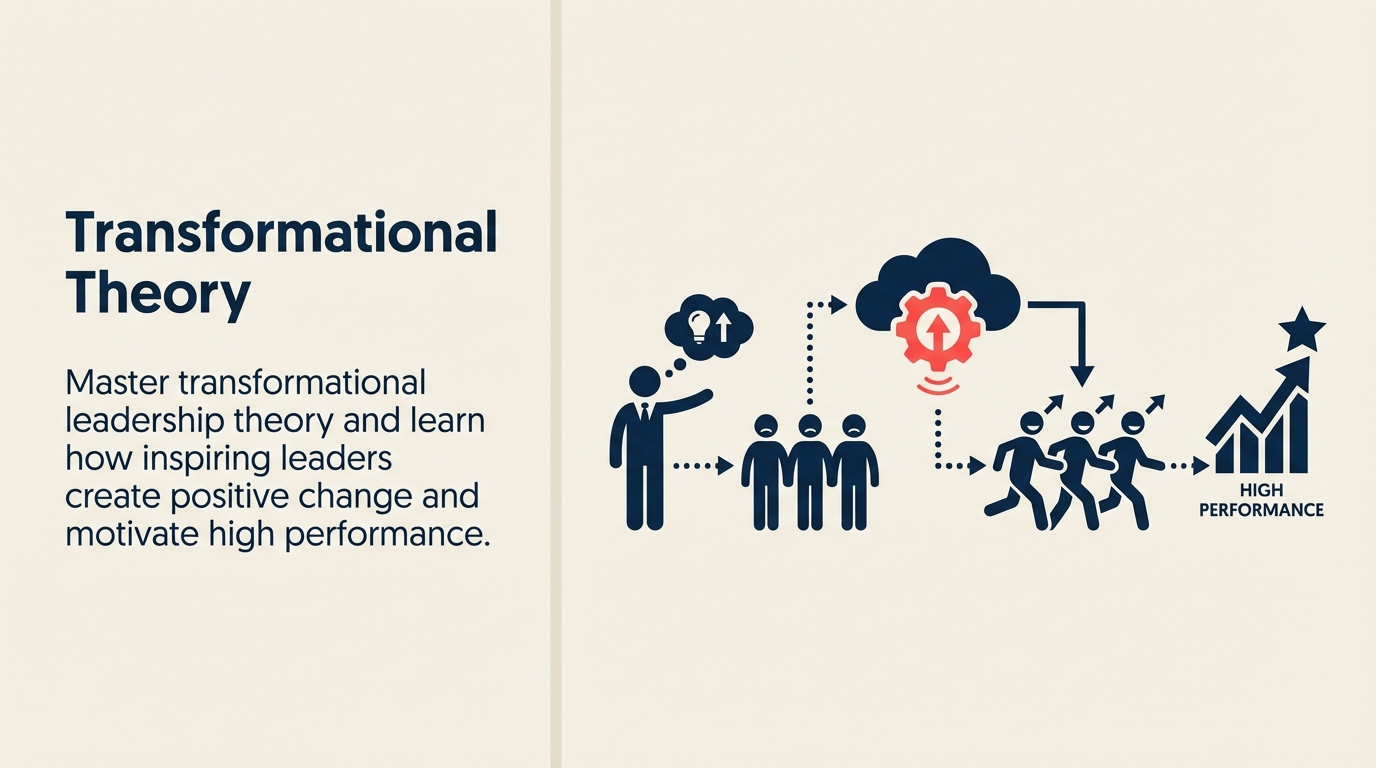
Some leaders just give instructions. Others do something more. They make people feel excited, important, and ready to do their best. That is what Transformational Theory is all about. It focuses on how leaders inspire people, build trust, and help teams achieve more than they thought possible. Understanding what leadership truly means helps explain why this approach is so powerful.
What the Theory Says
Transformational leadership is not just about managing tasks. It is about lifting people up. These leaders help others grow, feel motivated, and believe in a bigger purpose. Unlike transactional leadership, they do not lead by fear or reward alone. They lead by example, vision, and care.
The theory became popular through James MacGregor Burns and Bernard Bass in the 1970s and 1980s, becoming one of the most influential leadership theories. They said great leaders do four key things:
- Idealized Influence – They lead by example. Others look up to them and want to follow.
- Inspirational Motivation – They share a clear, exciting vision. People feel inspired.
- Intellectual Stimulation – They encourage new ideas and creative thinking.
- Individualized Consideration – They care about each person’s growth and listen to their needs.
What Makes These Leaders Different
Transformational leaders help people feel like their work matters. They are good at:
- Making people believe in a shared goal
- Encouraging new ways of doing things
- Helping others improve their skills
- Leading with empathy, not ego
They do not just give orders. They build strong teams where everyone wants to do their best.
Real-World Example
One of the best examples is Satya Nadella, CEO of Microsoft. When he became CEO, Microsoft needed a change. Nadella brought a new message of learning, empathy, and teamwork. He focused on building a culture where people listened, learned, and worked together. Under his leadership, Microsoft grew fast and became more innovative.
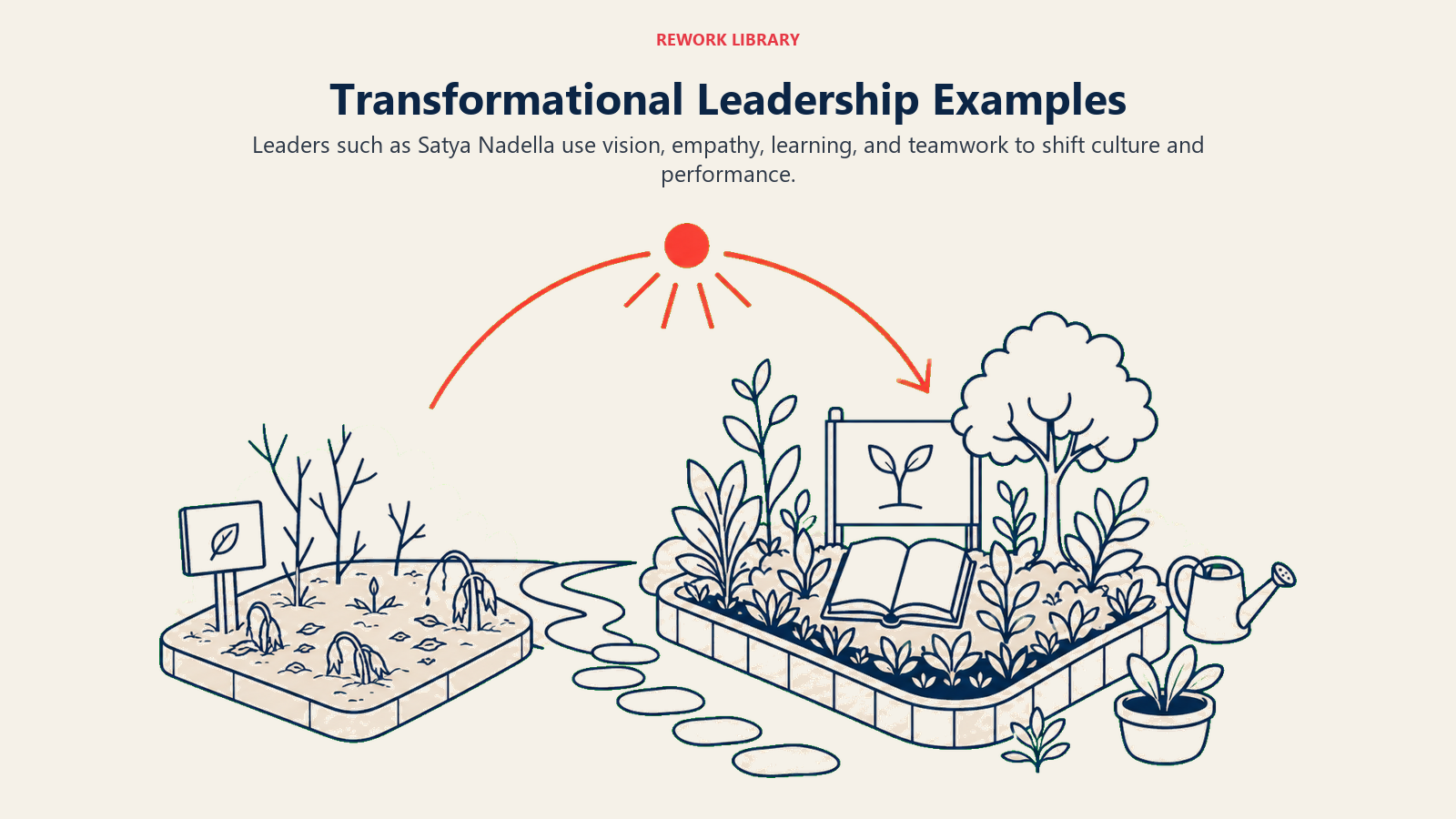
Another example is Elon Musk. People join Tesla and SpaceX not just for a job, but to be part of something bold and exciting. Musk talks about big goals like going to Mars or helping the planet. His passion makes others want to be part of that journey. You can see similar patterns in how Bill Gates developed his leadership approach at Microsoft.
These leaders show how a clear vision and strong values can drive big results.
When This Style Works Best
- When you need to inspire a team
- During times of change or growth
- When creativity and new thinking are important
- When people need meaning in their work
This style is a big game-changer, and many leaders, founders take a gamble with it. It's fancy and can do extraordinary things, but it does not always succeed. You don't see many Elon Musks or Satyas out there. If you only talk about big ideas without action, people may stop believing you. Learning to read situations and adapt your approach through situational leadership can complement your transformational skills.
Transformational leadership is about people. When you help your team grow, believe in a purpose, and feel proud of their work, amazing things can happen. You do not need to be perfect. You just need to care, be clear, and show up every day with the goal of helping others do their best. That is how leaders unlock potential and drive real change.
Quick Questions to Ask Yourself
- Do I help my team see the bigger picture?
- Do I support their personal growth?
- Do I ask for their ideas and listen well?
- Do I lead by example?
If you said yes to most of these, you may already be using parts of transformational leadership.

Frequently Asked Questions about Transformational Leadership Theory
What is transformational leadership theory?
Transformational leadership theory focuses on how leaders inspire people, build trust, and help teams achieve more than they thought possible. It emphasizes lifting people up through example, vision, and care rather than leading by fear or reward alone.
What are the four key components of transformational leadership?
The four components are Idealized Influence (leading by example), Inspirational Motivation (sharing a clear, exciting vision), Intellectual Stimulation (encouraging new ideas and creative thinking), and Individualized Consideration (caring about each person's growth).
What's the difference between transformational and transactional leadership?
Transformational leadership focuses on inspiring people and helping them grow through vision and empathy. Transactional leadership relies on clear agreements, rewards, and consequences to manage performance.
When does transformational leadership work best?
This style works best when you need to inspire a team, during times of change or growth, when creativity and new thinking are important, and when people need meaning in their work.
What makes transformational leaders different from other leaders?
Transformational leaders help people feel like their work matters by making them believe in a shared goal, encouraging new ways of doing things, helping others improve their skills, and leading with empathy rather than ego.
Who developed the transformational leadership theory?
The theory became popular through James MacGregor Burns and Bernard Bass in the 1970s and 1980s, who identified the four key components that make transformational leaders effective.

Senior Operations & Growth Strategist