日本語

Getting Your First 20 Clients as a Solo Travel Agent Without a Referral Network

Maya sitting at her kitchen table on day one of her agency, laptop open, phone showing zero unread messages, a fresh notebook beside her

Maya opened her travel agency with zero clients. No referral list. No LinkedIn network of wealthy friends. Just a kitchen table, a laptop, and 90 days of runway before she had to decide if this was going to work.


The Cousin Phone Call That Didn't Help

Maya on the phone with an awkward expression, her cousin on the other end, a visible friction between friendship and business

Her first move was the classic one. She asked friends if they knew anyone planning a trip. Her cousin referred a coworker who wanted a family-friend discount, asked for endless revisions, then booked through Expedia. Maya learned the hard way that clients who pay well and refer others are almost always people who found her because of something specific she did, not people who knew her before she started.


Picking a Niche Changed Everything

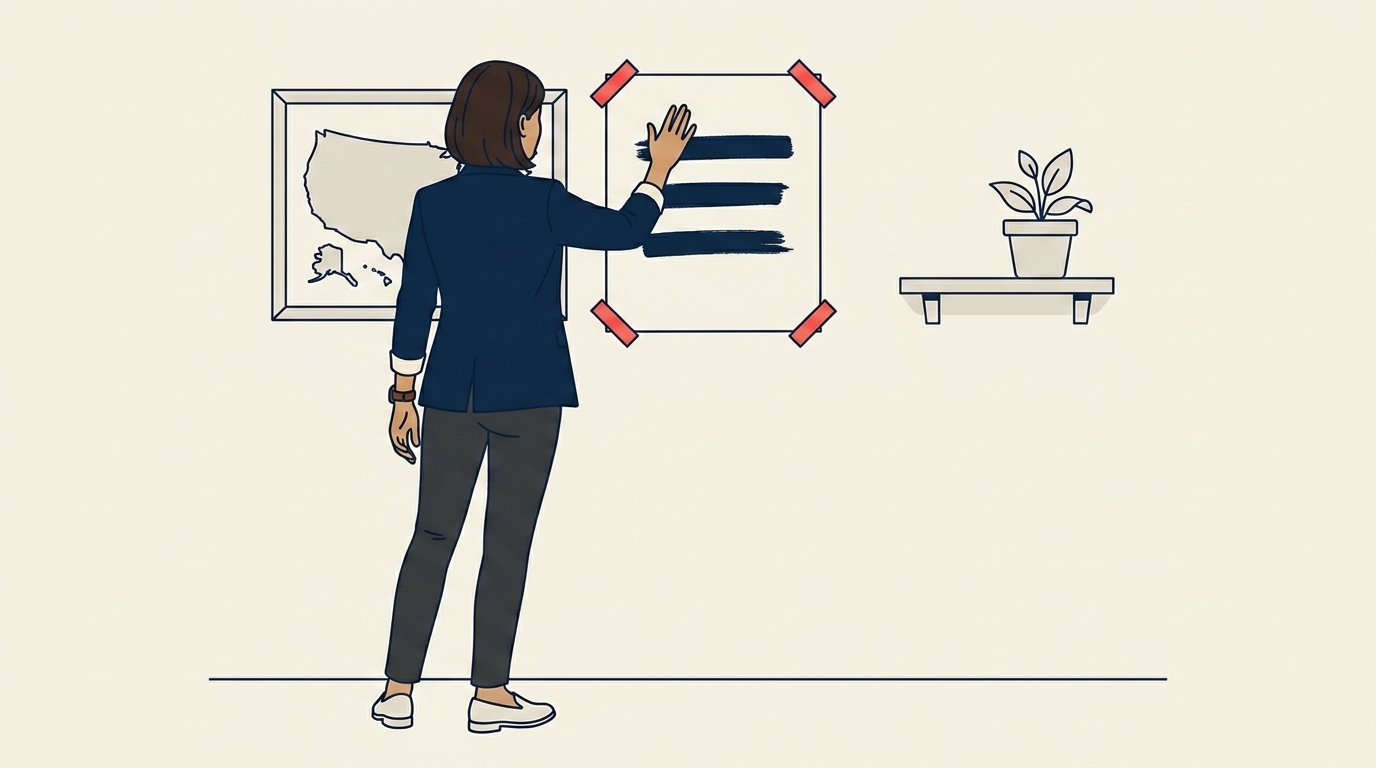
Maya at her kitchen wall with a handwritten sign that says "Honeymoons for couples who want adventure, not resorts", taped up as a daily reminder

Maya spent two days narrowing her focus, not to "leisure travel" but to "honeymoon planning for couples who want adventure, not resorts." It felt small and limiting. It was also the single decision that made the next four moves ten times easier. Every outreach had a clear subject, every piece of content had a clear reader, every partner knew who to send her way.


Move 1: Answering Questions in Niche Communities

Maya at her laptop late at night, on Reddit, typing a long helpful answer to someone's question about Patagonia honeymoons

Maya joined five communities where her niche clients hung out. Two Facebook groups, two subreddits, one small Slack for women planning milestone trips. She committed to one rule before she pitched anything: answer twenty questions helpfully before mentioning she was an agent. Most of her first five clients came from people who'd read those answers for weeks before DMing her.


Move 2: Local Partners Who Shared Her Customer

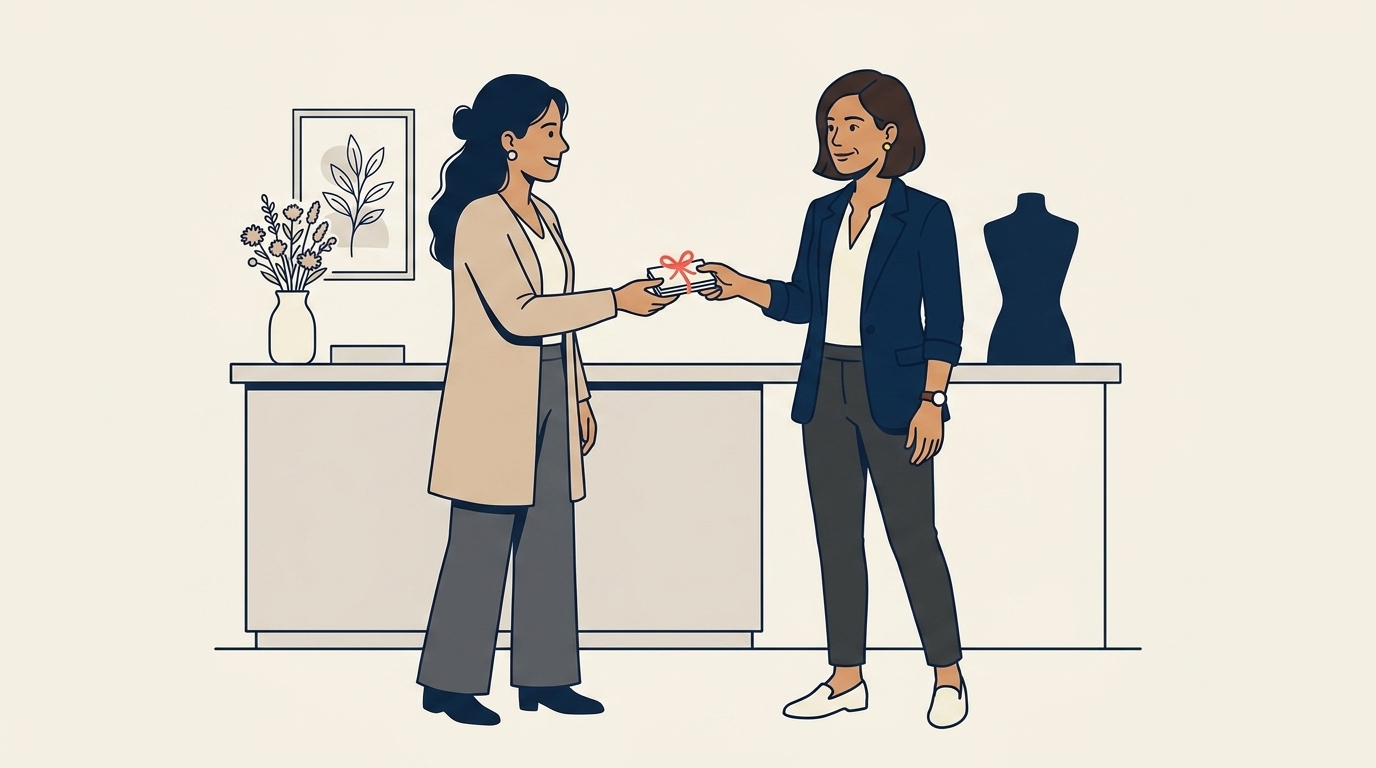
Maya handing a stack of business cards to a wedding planner in her shop, the two of them in conversation, warm rapport visible

This move surprised her because it wasn't digital. Maya listed ten local businesses whose clients matched her niche, then walked into all ten with the same pitch. "I plan adventure honeymoons. Most of your clients fit that. If I give you business cards and a 10% referral fee, would you hand them out?" Eight said yes. One sent her three bookings in the first two months.


Move 3: Specific Content, Not Generic Advice

Maya at her laptop writing a long-form article, a document open showing a day-by-day itinerary with real prices and a real destination, her coffee mug nearby

Not "best travel destinations 2026." Maya wrote five pieces in her first 60 days, each targeting a very specific long-tail search like "10-day Patagonia honeymoon for couples in their 30s." Each was 1,500 to 2,000 words, included an actual day-by-day itinerary, and quoted real hotel and flight costs.

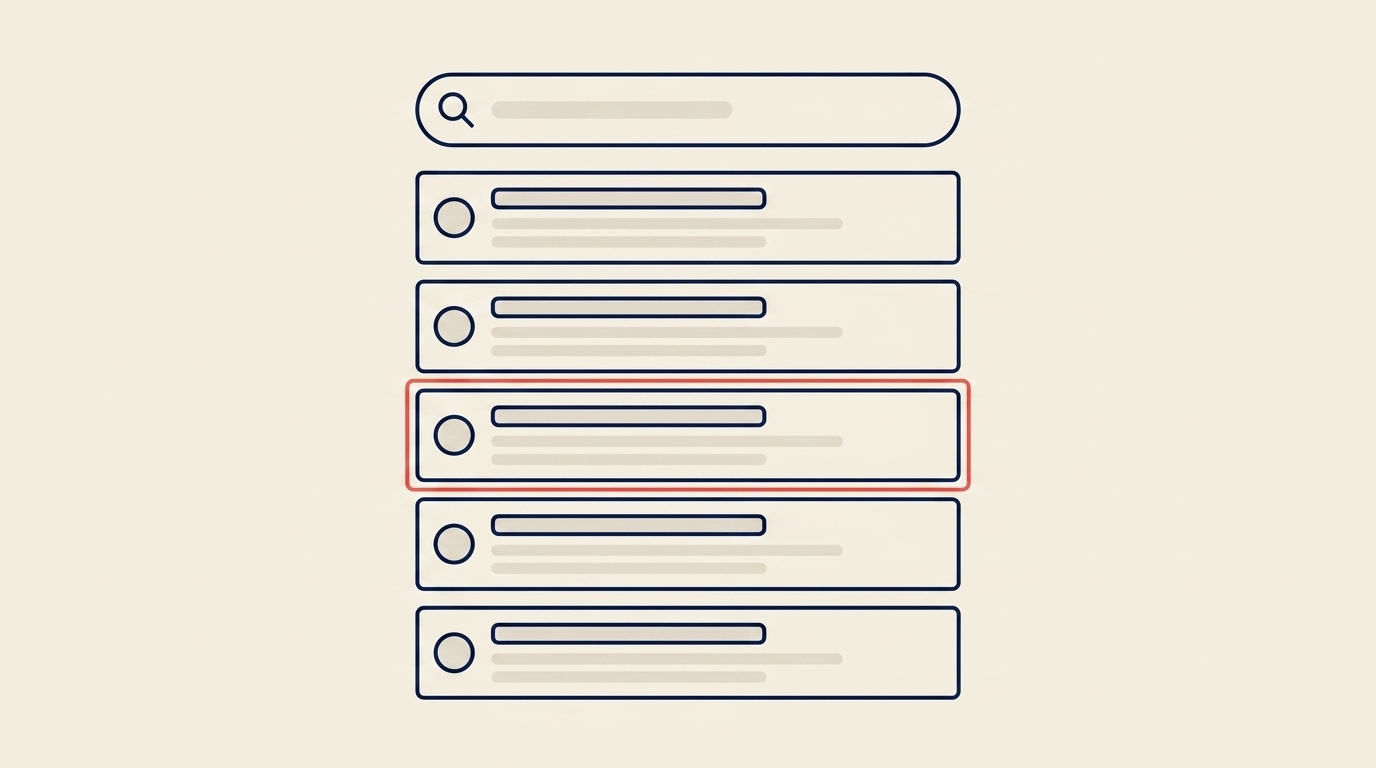
Google search results page showing Maya's article in position 3 for a specific long-tail query, a subtle coral highlight on her link

By day 75, three of her five pieces ranked in the top five for their queries. Prospects who landed on them were already qualified. They weren't shopping for travel ideas. They were searching for exactly what Maya planned.


Move 4: Direct Outreach, Sparingly

Maya at her laptop composing a personalized LinkedIn message, an HR leader's profile visible, the message draft specific and research-based

This was the move Maya resisted longest. Personal messages to people she could see needed what she sold. Her rules were strict: every message had to prove she'd read their public content, offer something specific that would take 15 minutes to produce, and ask for nothing on the first touch. Forty LinkedIn DMs got her six replies and two eventual bookings. A 5% cold-to-booking rate is plenty when you start at zero.


The 90-Day Shape

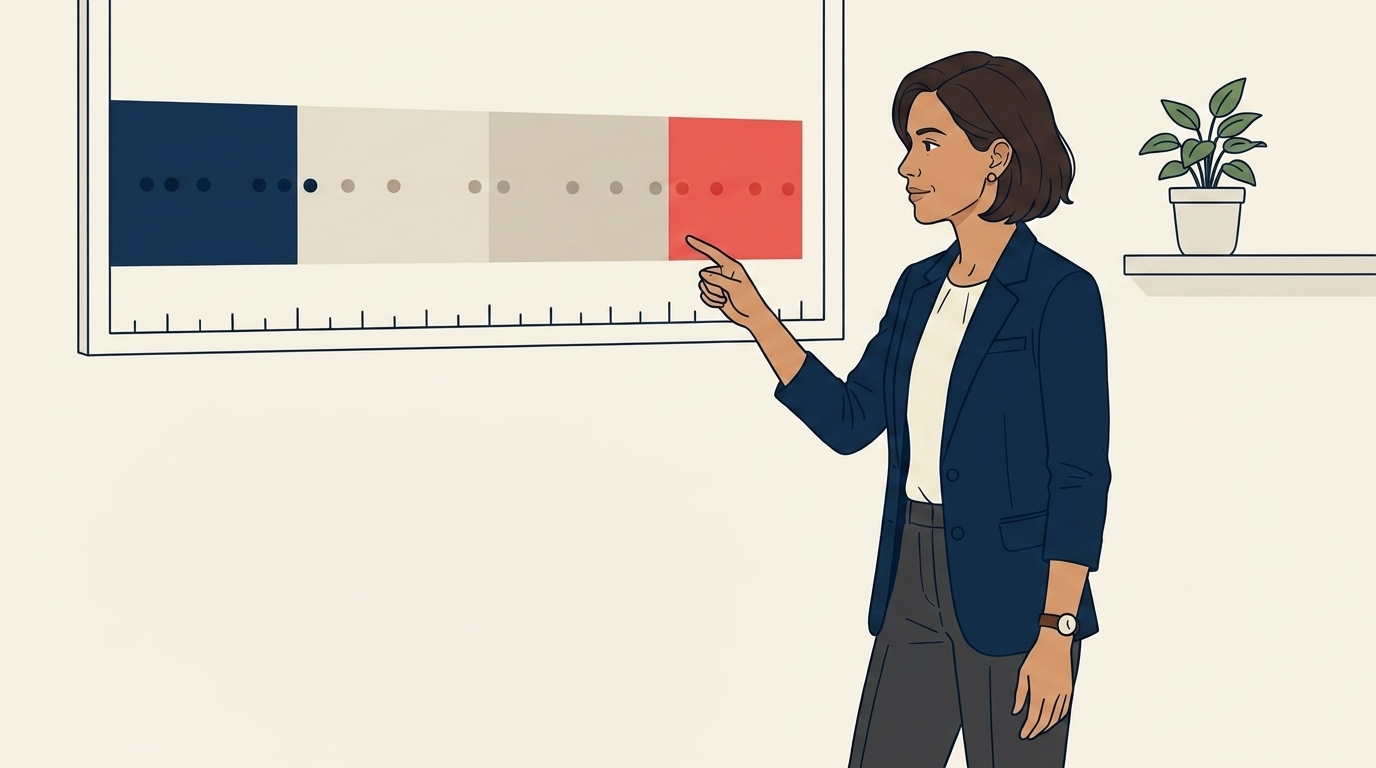
Maya at her wall calendar with four colored phases marked out: Setup, Seeding, Harvest, Flywheel, each with specific days and goals

Maya's 90 days had four phases. The first two weeks were setup: picking the niche, building the lead stack, joining communities, identifying partners. The next month was seeding, where she put in the unpaid work, answering questions and pitching partners. By day 45 the first inbound started arriving. By day 75 her content was ranking and partners were referring. The last two weeks turned into a slow flywheel that she never had to push again.


What She Actually Said in the First Pitches

Maya on a video call with her first real inquiry, relaxed and conversational, her screen showing a clean pitch structure beside the call window

Her first instinct was to pitch the whole itinerary in message one. It didn't work. What converted was a conversation that stayed short and curious at the start. Acknowledge what they said specifically, ask one qualifying question about dates and travelers, share a relevant example briefly, and offer a low-commitment next step like a rough free outline. Once Maya had invested real work for them, the relationship shifted from vendor to collaborator, which is where bookings close.


Client Twenty

Maya at her laptop with a dashboard showing 20 confirmed bookings across her pipeline, a small celebratory mug of coffee, a calm satisfied expression

Day 87. A 14-day Iceland honeymoon. The clients had found her through a Reddit thread she'd answered two months earlier. She didn't celebrate loudly. She closed her laptop, went for a walk, and on the way home she started drafting the plan for clients 21 through 50. The first twenty took 90 days. The next twenty took 30.


Maya's First-Week Action List

  • Pick your niche in one sentence: "I plan ___ trips for ___ travelers."
  • List 10 online communities where your niche hangs out. Join 5.
  • Identify 5 local businesses whose clients match your niche.
  • Write your first 1,500-word piece of specific long-tail content.
  • Set up your solo lead capture stack if you haven't already.

Further Reading