Die besten Twilio-Alternativen 2026: 9 Communication-API- und Messaging-Plattformen
Turn this article into takeaways for your work.


Each assistant summarizes the article only for you and suggests best practices for your work.
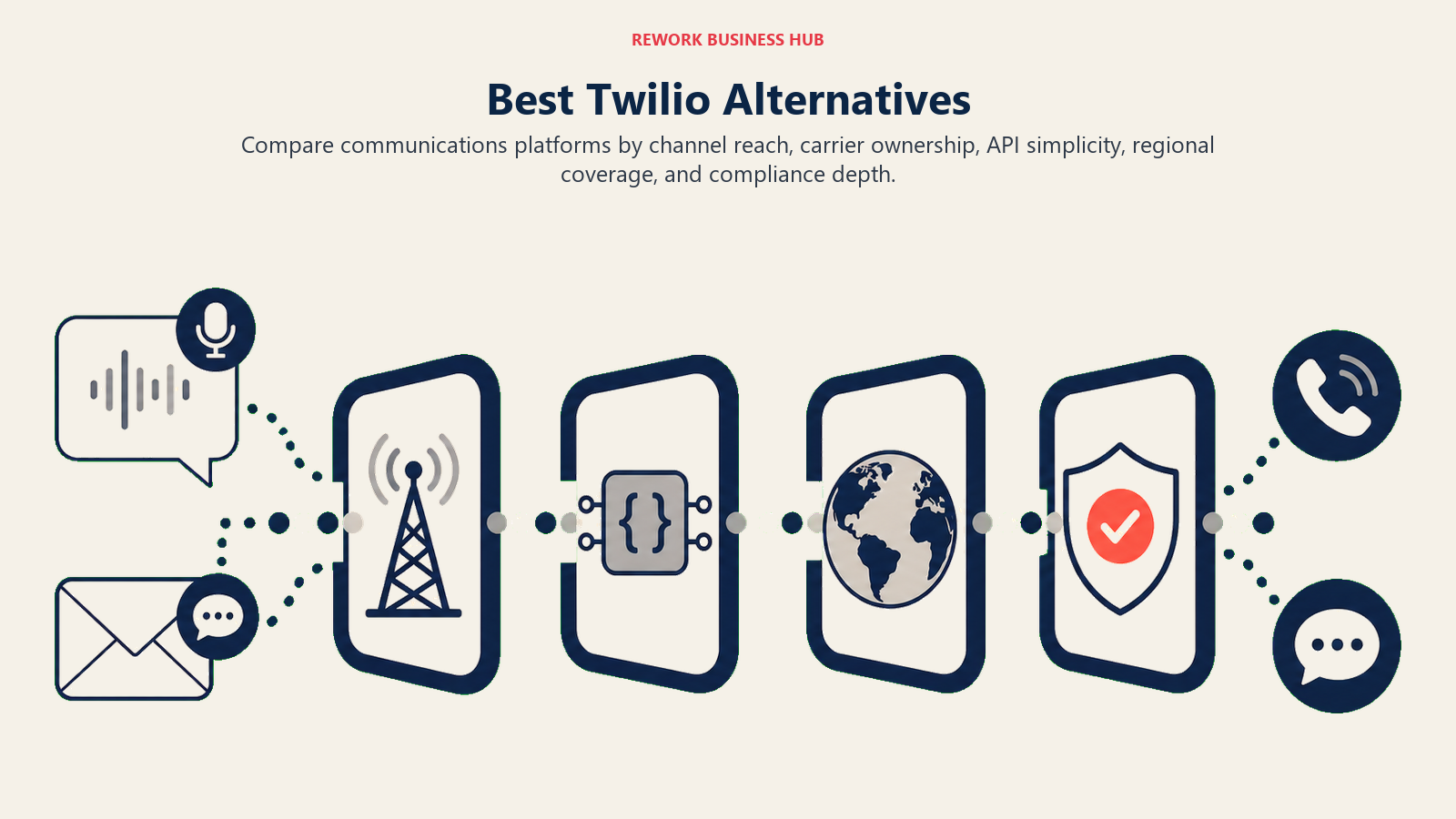
Die besten Twilio-Alternativen 2026 sind Plivo und Telnyx für günstigere SMS-APIs, Bird für Omnichannel-Marketing, Bandwidth für Enterprise-Sprache in den USA sowie Sinch oder Infobip für globale Enterprise-Reichweite. Die richtige Wahl hängt von Ihrem tatsächlichen Engpass ab: Kosten bei hohem Volumen, Sprache und Compliance, globale Reichweite oder WhatsApp-first-Kundenansprache.
Twilio hat vorgegeben, wie Cloud-Kommunikation funktioniert. 2012 war das ein echter Durchbruch: eine saubere API, mit der jeder Entwickler an einem Nachmittag SMS oder Sprache in eine App einbauen konnte. Für eine bestimmte Art von Team ist Twilio nach wie vor hervorragend.
Doch die Unternehmen, die Twilio heute evaluieren, stoßen auf ganz andere Probleme. Die Preise, die bei 1.000 Nachrichten noch vertretbar wirkten, werden bei 500.000 schmerzhaft. Neue Funktionen erfordern einen dedizierten Entwickler, der die API-Integrationen pflegt. Der Support hat sich zunehmend in Richtung Self-Service verlagert. Und nach mehreren Entlassungsrunden und einer strategischen Neuausrichtung auf Enterprise-Kunden stellen mittelständische Teams, die Twilio früher gefördert hat, fest, dass sie nicht mehr priorisiert werden. Wenn Sie ein Vertriebs- oder Operations-Team sind und Multi-Channel-Messaging brauchen, das funktioniert, ohne dass Sie eine Entwickler-Warteschlange besitzen, ist Twilio 2026 eine schlechte Wahl.
Dieser Leitfaden stellt 9 Alternativen vor. Jede wird nach Ansatz, Zielgruppe, passender Unternehmensgröße und ehrlichen Kompromissen bewertet.
Messaging-Plattformen überschneiden sich häufig mit Live-Chat- und Customer-Support-Tools. Wenn Ihre Evaluierung auch eingehende Kundengespräche umfasst (nicht nur ausgehende Nachrichten), zeigt Ihnen die Anleitung zur Multi-Channel-Inbox-Konfiguration, wie Sie eine einheitliche Inbox über mehrere Kanäle einrichten. Für Teams, die außerdem verstehen möchten, was die Übernahme von Segment durch Twilio für die Datenstrategie bedeutet, behandeln die besten Segment-Alternativen diese angrenzende Kategorie.
Schnellvergleichstabelle
| Tool | Am besten geeignet für | Einstiegspreis | Wichtigste Stärke | Wichtigste Einschränkung |
|---|---|---|---|---|
| Vonage (Ericsson) | Enterprise-Sprache und -Video mit globaler Carrier-Reichweite | Individuelle Preise | Carrier-Zuverlässigkeit, Unified Communications | Teuer für kleine Teams; Enterprise-first-UX |
| Sinch | Netzbetreiber und Telekommunikationsfirmen, die Carrier-Direct-Messaging brauchen | Individuelle Preise | Direkte Carrier-Verbindungen, globale Reichweite | Komplexes Onboarding; für Entwickler gebaut |
| Plivo | Kostensensible Entwicklerteams | Ab $0,0045/SMS | Günstiger als Twilio, saubere API | Weniger Kanäle jenseits von SMS; kleineres Ökosystem |
| Bird (MessageBird) | Omnichannel-Marketing und Support | Ab $45/mo | WhatsApp, SMS, E-Mail in einem Flow | Für einfache Anwendungsfälle oft aufwendig zu konfigurieren |
| Bandwidth | US-Enterprise-Sprache, 911/E911-Compliance | Individuelle Preise | Eigenes Netzwerk, SIP-Trunking | Fokus nur auf die USA; keine Messaging-first-Plattform |
| Telnyx | Entwicklerteams, die elastisches SIP und SMS zum Selbstkostenpreis wollen | Ab $0,004/SMS | Carrier-eigenes Netzwerk, starke SMS-Preise | Kleineres Ökosystem als Twilio |
| Infobip | Globale Unternehmen mit komplexen Compliance-Anforderungen | Individuelle Preise | 190+ Länder, Omnichannel, umfangreiche Analytics | Schwergewichtig für kleine und mittelgroße Teams |
| Kaleyra | Mittelständische Unternehmen in Fintech und Handel | Individuelle Preise | Starke WhatsApp Business API, BFSI-Fokus | Geringe Markenbekanntheit außerhalb von Indien/EU |
| Africa's Talking | Startups und Unternehmen mit Geschäft in Afrika | Ab $0,015/SMS | Tiefe Abdeckung afrikanischer Carrier | Außerhalb afrikanischer Märkte eingeschränkt |
Matrix zur Eignung nach Unternehmensphase
| Tool | Startup (1–20) | Wachstum (20–100) | Mittelstand (100–500) | Enterprise (500+) |
|---|---|---|---|---|
| Vonage | Eingeschränkt | Möglich | Gut | Exzellent |
| Sinch | Möglich | Gut | Gut | Exzellent |
| Plivo | Exzellent | Exzellent | Gut | Möglich |
| Bird | Gut | Exzellent | Exzellent | Gut |
| Bandwidth | Schwach | Möglich | Gut | Exzellent |
| Telnyx | Exzellent | Exzellent | Gut | Möglich |
| Infobip | Schwach | Möglich | Gut | Exzellent |
| Kaleyra | Schwach | Möglich | Gut | Exzellent |
| Africa's Talking | Exzellent | Exzellent | Gut | Gut |
Tabelle zu Teamgröße und Zielpersonen
| Tool | Ideale Teamgröße | Primärer Entscheider | Sekundärer Entscheider |
|---|---|---|---|
| Vonage | 200–5.000 | CIO, IT Director | CCaaS-Einkäufer, Einkauf |
| Sinch | 50–unbegrenzt | Platform Engineer, CTO | Enterprise Sales VP |
| Plivo | 5–500 | Entwickler, CTO | Product Manager |
| Bird | 20–2.000 | Head of Marketing, CX Director | Growth Lead |
| Bandwidth | 100–unbegrenzt | CTO, Telekommunikationsingenieur | Enterprise IT |
| Telnyx | 5–500 | Entwickler, CTO | Infrastructure Lead |
| Infobip | 200–unbegrenzt | Enterprise CX Director | IT, Compliance |
| Kaleyra | 50–2.000 | Head of Digital, IT Manager | Marketing Director |
| Africa's Talking | 1–unbegrenzt | Entwickler, Tech Lead | Country Manager |
1. Vonage (Ericsson): Enterprise Unified Communications auf Carrier-Niveau
Vonage wurde 2022 von Ericsson übernommen, was verrät, wohin sich das Produkt entwickelt: tief in die Infrastruktur der Enterprise-Telekommunikation. Die Vonage Communications Platform (VCP) deckt Sprache, Video, SMS und Messaging-APIs in einem einheitlichen Stack ab, mit einer Developer Experience, die gut dokumentiert und von großen Organisationen erprobt ist.
Der Ansatz lautet „Carrier-Zuverlässigkeit plus Entwicklerflexibilität“. Vonage besitzt und betreibt in wichtigen Regionen eigene Netzwerkinfrastruktur, was bessere SLA-Garantien bedeutet als bei reinen Aggregatoren. Für Enterprise-Einkäufer, denen Verfügbarkeits-SLAs, regulatorische Compliance und globale Carrier-Vereinbarungen wichtig sind, ist das ein bedeutender Unterschied.
Das Produkt ist durch Zukäufe gewachsen: Vonage hat TokBox (Video), Nexmo (Messaging-API) und NewVoiceMedia (CCaaS) übernommen. Diese Breite ist eine Stärke für Enterprise-IT-Einkäufer, die ihre Anbieter konsolidieren, führt aber bei kleineren Teams, die einfach nur SMS zum Laufen bringen wollen, zu Komplexität. Werfen Sie einen Blick in die Entwicklerdokumentation von Vonage, um zu verstehen, wie die API-Konfiguration in der Umsetzungsphase tatsächlich aussieht.
| Was Sie bekommen | Was Sie nicht bekommen |
|---|---|
| Sprache, SMS und Video auf Carrier-Niveau in einer Plattform | Einfache Preise für Anwendungsfälle mit geringem Volumen |
| Globales Netzwerk mit SLA-Garantien | Schnelle Self-Service-Einrichtung |
| Einheitlicher UCaaS- und CPaaS-Stack | Schlankes Produkt für kleine Teams |
| Starke Compliance-Werkzeuge (GDPR, HIPAA) | Moderne Oberfläche im Vergleich zu neueren Wettbewerbern |
Preisgestaltung: Individuelle Enterprise-Preise. Nicht öffentlich gelistet; für sinnvolle Nutzung ist mit mindestens $500+/Monat zu rechnen.
Am besten geeignet für: Enterprise-IT- und Telekommunikationseinkäufer in Unternehmen mit mehr als 200 Mitarbeitenden, die Carrier-Zuverlässigkeit und einen vollständigen Unified-Communications-Stack brauchen.
Nicht ideal für: Startups, Teams in der Wachstumsphase oder alle, die vor einem Vertriebsgespräch Preistransparenz brauchen.
2. Sinch: Carrier-Direct-Messaging weltweit für Plattformentwickler
Sinch betreibt eines der größten unabhängigen Messaging-Netzwerke der Welt, mit direkten Carrier-Verbindungen in mehr als 160 Ländern und Milliarden verarbeiteter Nachrichten pro Monat. Das Produkt wurde für zwei Zielgruppen gebaut: Unternehmen mit hohem Volumen an transaktionalem Messaging (OTPs, Alerts, Benachrichtigungen) und Telekommunikationsbetreiber, die einen Partner für ihre Messaging-Infrastruktur suchen.
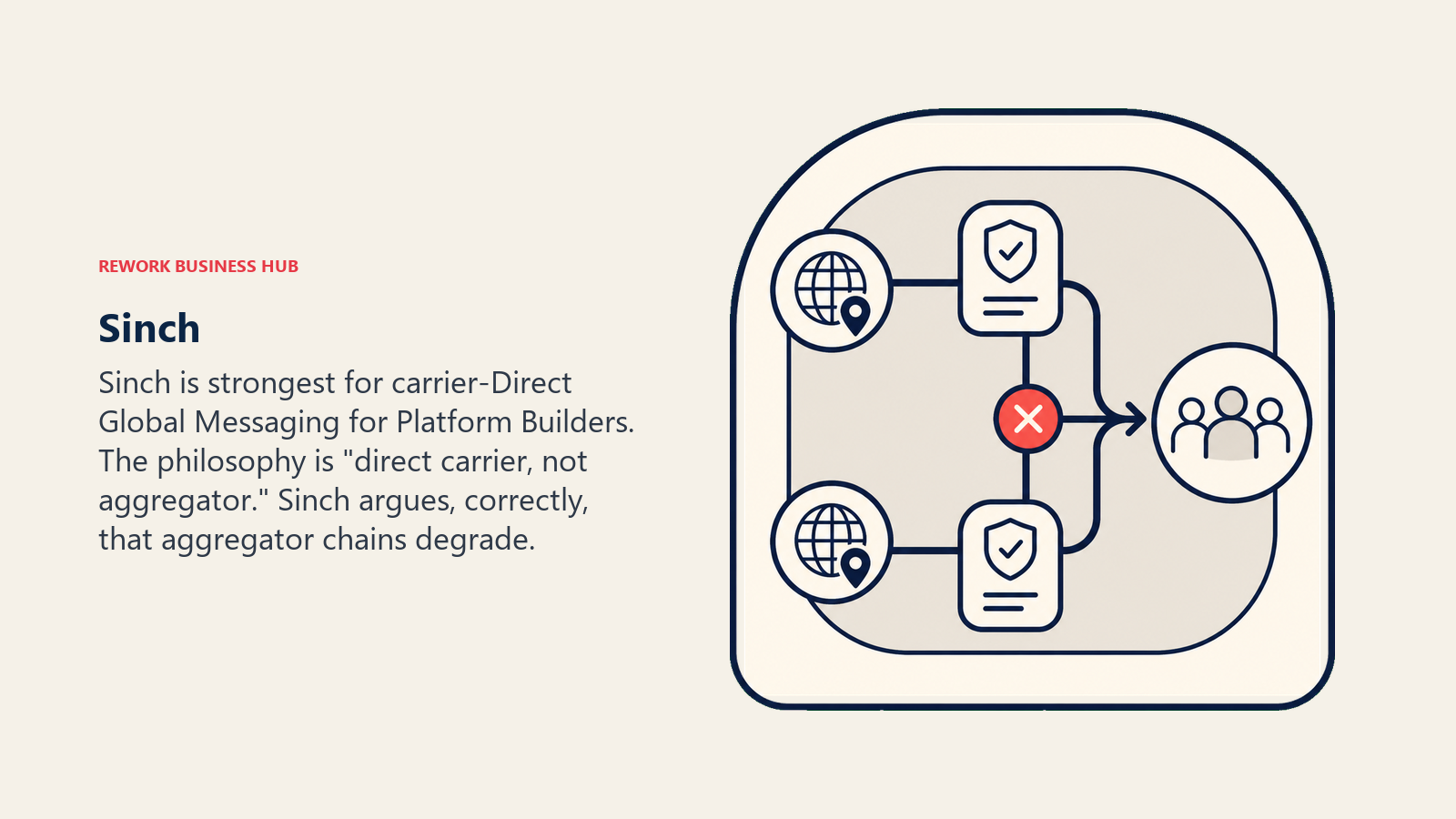
Die Philosophie lautet „direkter Carrier, kein Aggregator“. Sinch argumentiert zu Recht, dass Aggregator-Ketten die Zustellrate verschlechtern. Weil Sinch die Carrier-Beziehung selbst hält, kann es bei OTP- und Transaktionsflüssen, in denen jede Sekunde Latenz Conversion kostet, eine bessere Zustellbarkeit bieten.
Jüngste Zukäufe (SAP Digital Interconnect, Inxmail, MessageMedia) haben Sinch in Richtung einer vollständigen Customer-Engagement-Plattform mit E-Mail und Sprache geschoben. Doch die Kernidentität bleibt Infrastruktur: Hier landen Entwickler, wenn sie zuverlässiges, programmierbares Messaging in großem Maßstab brauchen. Prüfen Sie vor der Evaluierung die Produktübersicht von Sinch, um Kanäle und Regionen zu vergleichen.
| Was Sie bekommen | Was Sie nicht bekommen |
|---|---|
| Direkte Carrier-Verbindungen in 160+ Ländern | Einfache No-Code-Oberfläche |
| OTP- und Transaktions-Messaging in großem Maßstab | Transparente Self-Serve-Preise |
| Vollständige Omnichannel-API (SMS, RCS, WhatsApp, Voice) | Schnelles Onboarding für kleine Teams |
| Starke Zustellbestätigungen und Analytics | Anwenderfreundliche UX |
Preisgestaltung: Individuell; abhängig von Volumen, Kanälen und Regionen. Typisch sind Enterprise-Verträge.
Am besten geeignet für: Platform-Engineering-Teams und Unternehmen, die globale Messaging-Infrastruktur mit direkten Carrier-Beziehungen brauchen.
Nicht ideal für: Teams, die ohne Vertriebsprozess oder Engineering-Ressourcen schnell loslegen wollen.
3. Plivo: Saubere SMS-API zu niedrigeren Kosten als Twilio
Plivos gesamte Positionierung lautet „Twilio, nur günstiger“. Das Unternehmen sagt das ganz offen. Die API ist strukturell ähnlich, die Dokumentation vergleichbar, und für Teams, die bereits Twilio-Integrationen betreiben, dauert die Migration oft Tage statt Wochen. Der eigentliche Unterschied ist der Preis: Plivos SMS-Tarife liegen für den US-Inlandsverkehr 20–40 % unter denen von Twilio, und der Abstand wächst mit dem Volumen.
Der Ansatz ist entwicklerorientierte Einfachheit zu fairen Kosten. Plivo versucht nicht, eine Omnichannel-Plattform oder eine Customer-Engagement-Suite zu bauen. Es ist ein API-Anbieter, der SMS und Sprache gut, zu wettbewerbsfähigen Preisen und mit ordentlicher Zuverlässigkeit abdeckt. Nutzen Sie den Preisrechner von Plivo, um die Kosten bei Ihrem tatsächlichen Nachrichtenvolumen zu modellieren, bevor Sie sich festlegen.
Dieser Fokus ist Stärke und Einschränkung zugleich. Wenn Ihr Anwendungsfall SMS und Sprache in mittlerem bis hohem Volumen ist und Sie Engineering-Ressourcen für den Betrieb haben, ist Plivo eine kluge Wahl. Wenn Sie WhatsApp, RCS oder fortgeschrittene Routing-Logik brauchen, stößt das Produkt an seine Grenzen.
| Was Sie bekommen | Was Sie nicht bekommen |
|---|---|
| SMS- und Sprach-API zu wettbewerbsfähigen Preisen | Omnichannel (WhatsApp, RCS, E-Mail) |
| Klare Dokumentation, Twilio-ähnliche Struktur | Enterprise-CCaaS-Funktionen |
| Abdeckung in 190+ Ländern | Fortgeschrittene No-Code-Workflows |
| HIPAA-fähige Konfiguration | Großes Partner-Ökosystem |
Preisgestaltung: Ab $0,0045/SMS ausgehend (USA). Sprache ab $0,0050/Min. Kein monatliches Minimum zum Start.
Am besten geeignet für: Entwicklerteams in Unternehmen mit 5–500 Mitarbeitenden, die einen kosteneffizienten Twilio-Ersatz für SMS- und Sprach-Workloads suchen.
Nicht ideal für: Teams, die Omnichannel jenseits von SMS/Sprache brauchen oder keine Engineering-Ressourcen haben, um API-Integrationen zu pflegen.
4. Bird (MessageBird): Omnichannel-Marketing und CX in einem Flow
Bird (2023 von MessageBird umbenannt) hat sich bewusst von einer „Messaging-API“ zu einer „Plattform für Kundenmarketing und CX“ gewandelt. Das aktuelle Produkt deckt E-Mail, SMS, WhatsApp, Instagram-DMs und Push-Benachrichtigungen in einem einzigen Workflow-Builder ab, ergänzt um eine CRM-Schicht für Kontaktsegmentierung und Journey-Orchestrierung.
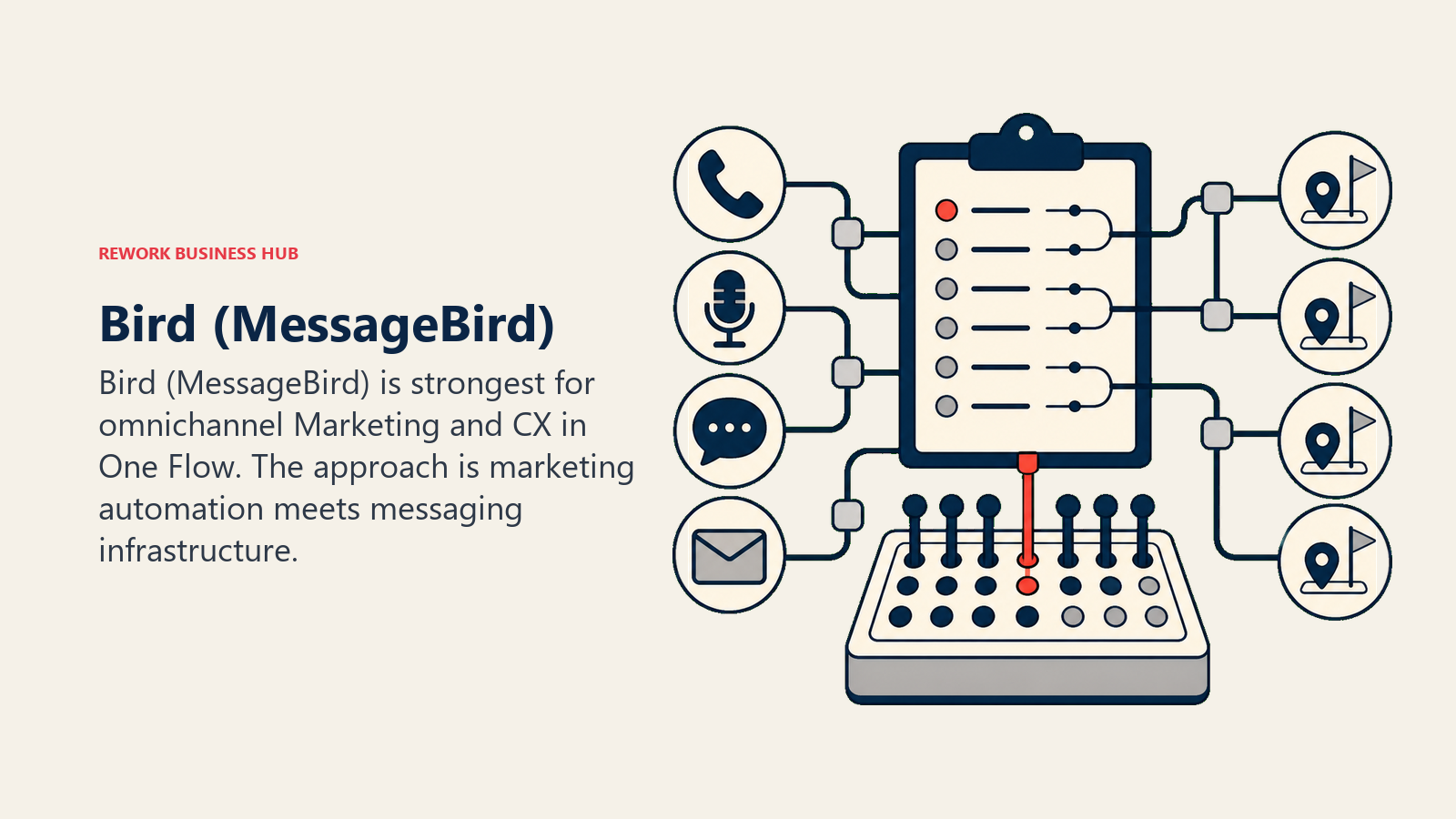
Der Ansatz ist Marketing-Automation trifft Messaging-Infrastruktur. Bird will die gesamte Customer Journey besitzen (von der Akquisekampagne über die Support-Konversation bis zur Verlängerungserinnerung), alles auf einer Plattform. Damit ist Bird eher mit Braze oder Iterable vergleichbar als mit reinen API-Anbietern wie Plivo oder Telnyx. Sehen Sie sich die Preisseite von Bird an; der Starter-Tarif für $45/Monat ist niedrig genug für einen Pilotversuch vor der Festlegung.
Der Kompromiss ist die Komplexität. Bird hat in kurzer Zeit viel Produkt hinzugefügt, und die Konfigurationsoberfläche ist umfangreich. Teams, die nur SMS wollen, werden es überdimensioniert finden. Teams, die Multi-Channel-Kampagnen an große Kontaktbestände fahren, finden es wirklich leistungsstark.
| Was Sie bekommen | Was Sie nicht bekommen |
|---|---|
| WhatsApp Business API, SMS, E-Mail in einer Plattform | Einfache reine API-Preise |
| Visueller Journey-Builder über mehrere Kanäle | Schlanke Einrichtung für kleine Kampagnen |
| Kontaktsegmentierung und CRM-Integration | Zuverlässigkeitsgarantien auf Carrier-Niveau |
| Starke WhatsApp-Commerce-Werkzeuge | Konsistente Preise bei hohem Volumen |
Preisgestaltung: Ab $45/Monat für Starter-Tarife. Skaliert mit Kontaktvolumen und Nachrichtenversand.
Am besten geeignet für: Marketing- und CX-Teams in Unternehmen mit 20–2.000 Mitarbeitenden, die koordinierte Multi-Channel-Kampagnen über WhatsApp, SMS und E-Mail brauchen.
Nicht ideal für: Reine API-Nutzer oder Teams, die eine einfache, kostenoptimierte SMS-Pipeline suchen.
5. Bandwidth: Eigenes Netzwerk für US-Enterprise-Sprache
Bandwidth unterscheidet sich von jedem anderen Anbieter auf dieser Liste: Das Unternehmen besitzt sein Netzwerk. Bandwidth ist ein lizenzierter US-Carrier und kontrolliert damit die Infrastruktur durchgängig, statt Kapazitäten anderer Betreiber weiterzuverkaufen. Das zeigt sich in den Produktentscheidungen. Der Fokus liegt eng auf US-Sprache, Notrufdiensten (911/E911-Compliance) und SIP-Trunking, statt eine globale Omnichannel-Plattform aufzubauen.
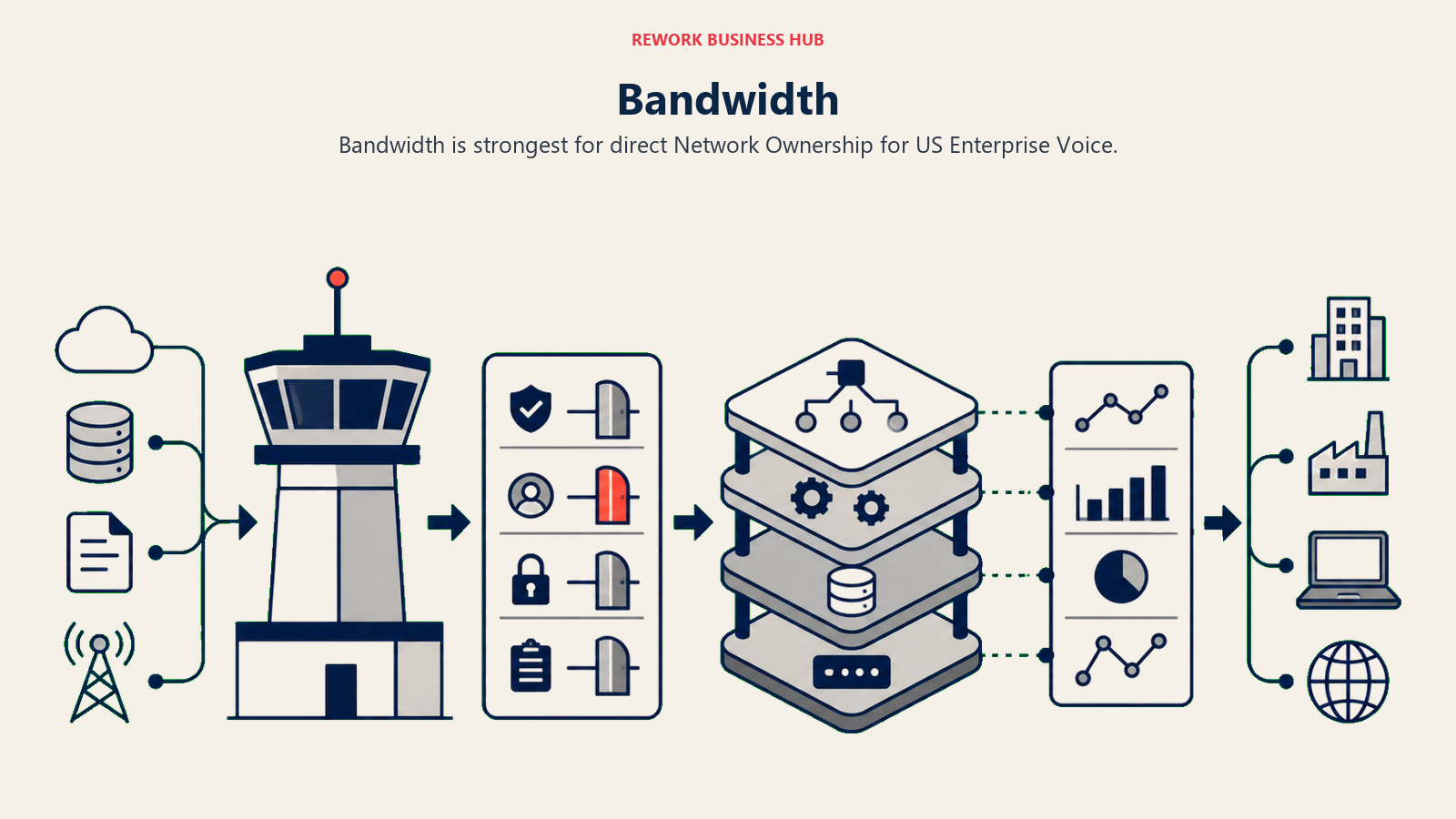
Der Ansatz ist Carrier-Infrastruktur, keine Cloud-Aggregation. Für regulierte Branchen (Gesundheitswesen, öffentliche Hand, Finanzdienstleistungen), in denen E911 und Compliance unverhandelbar sind, ist Bandwidths Eigentümermodell eine harte Anforderung und kein Nice-to-have.
Die Einschränkung ist der Umfang. Bandwidth ist für das, was es tut (US-Sprachinfrastruktur), wirklich ausgezeichnet, aber keine Messaging-first-Plattform, deckt weder WhatsApp noch RCS ab und hat außerhalb von Enterprise-Partnerschaften nur begrenzte internationale Reichweite.
| Was Sie bekommen | Was Sie nicht bekommen |
|---|---|
| Direktes Carrier-Eigentum (kein Wiederverkauf) | Internationale Messaging-Abdeckung |
| E911- und Notrufdienst-Compliance | WhatsApp, RCS oder Chat-Kanäle |
| SIP-Trunking in großem Maßstab | Self-Serve-Einrichtung |
| Zuverlässige Sprachdienste mit hohem SLA-Niveau | Moderne No-Code-Oberfläche |
Preisgestaltung: Individuelle Enterprise-Preise. Der minimale sinnvolle Einstieg liegt typischerweise bei $1.000+/Monat.
Am besten geeignet für: US-Unternehmen in regulierten Branchen (Gesundheitswesen, öffentliche Hand, Finanzwesen), die konforme Sprachinfrastruktur mit E911 brauchen.
Nicht ideal für: Internationale Teams, Messaging-first-Anwendungsfälle oder Unternehmen unterhalb der Enterprise-Größe.
6. Telnyx: Entwicklerorientiertes elastisches SIP und Messaging zu wettbewerbsfähigen Kosten
Telnyx hat sein eigenes globales IP-Netzwerk aufgebaut (das Unternehmen nennt es Elastic SIP Trunk). Das verschafft ähnliche Kosten- und Zuverlässigkeitsvorteile wie Bandwidths Eigentümermodell, jedoch mit einer entwicklerfreundlichen API und wettbewerbsfähigen Preisen pro Nachricht statt reiner Enterprise-Verträge.
Die Philosophie lautet „die Infrastruktur besitzen und die Ersparnis an Entwickler weitergeben“. Telnyx' Preise für SMS und Sprache liegen durchgehend unter denen von Twilio, und durch das eigene Netzwerk gibt es weniger Zwischenstationen zwischen API-Aufruf und Carrier. Das bedeutet schnellere Zustellung und bessere Latenz bei zeitkritischen Nachrichten. Sehen Sie sich die Preise von Telnyx an; ohne monatliche Mindestbeträge lässt sich vor dem Skalieren leicht testen.
Die Developer Experience ist stark, mit gründlicher Dokumentation, Webhooks und Echtzeit-Event-Streaming. Das Produkt wurde um KI-Inferenz, Fax und globales Rufnummernmanagement erweitert. Die UX bleibt jedoch engineeringorientiert, und es gibt keine echte No-Code-Oberfläche für nicht technische Teams.
| Was Sie bekommen | Was Sie nicht bekommen |
|---|---|
| Wettbewerbsfähige SMS-/Sprachpreise dank eigenem Netzwerk | No-Code-Oberfläche für Fachanwender |
| Echtzeit-Streaming und Analytics | Enterprise-CCaaS- oder CX-Plattform |
| Globales Rufnummernmanagement | Großes Partner-Ökosystem |
| Wachsende KI- und Inferenz-Funktionen | Bekanntheit auf Twilio-Niveau |
Preisgestaltung: Ab $0,004/SMS (USA). Sprache ab $0,0020/Min. Kein monatliches Minimum.
Am besten geeignet für: Entwicklerteams in Unternehmen mit 5–500 Mitarbeitenden, die eine Twilio-vergleichbare Infrastruktur zu einem deutlich niedrigeren Preis wollen.
Nicht ideal für: Teams ohne Engineering-Ressourcen oder Käufer, die eine Enterprise-Support-Beziehung brauchen.
7. Infobip: Globales Enterprise-Omnichannel mit tiefer Compliance-Abdeckung
Infobip ist die Enterprise-Wahl, wenn Reichweite, Compliance und Kanalvielfalt zusammenkommen müssen. Die Plattform deckt SMS, E-Mail, Sprache, WhatsApp, Viber, RCS und Live-Chat ab, mit Präsenz in 190+ Ländern, direkten Carrier-Verbindungen in den meisten großen Märkten und eigens entwickelten Compliance-Werkzeugen für GDPR, HIPAA und regionale Finanzregulierung.
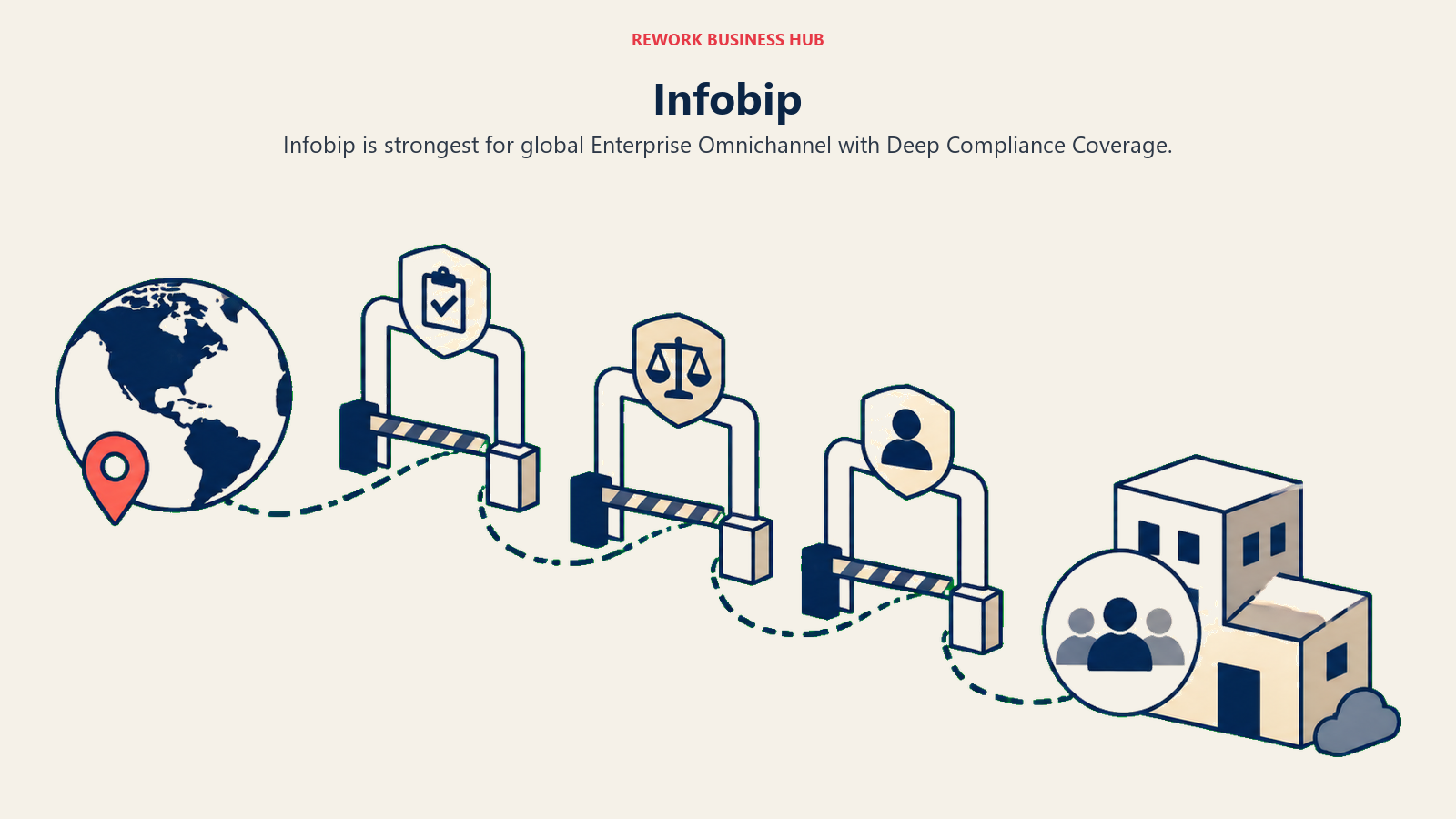
Der Ansatz ist Enterprise-Orchestrierung im globalen Maßstab. Infobip konkurriert nicht mit Plivo oder Telnyx über den Preis. Das Unternehmen konkurriert mit Salesforce Marketing Cloud und Oracle CX um Budgets für unternehmensweite Customer-Engagement-Plattformen.
Dieser Anspruch bringt Komplexität mit sich. Infobips Plattform ist leistungsstark, aber schwergewichtig. Implementierungen erfordern in der Regel Professional Services, und der Produktumfang ist so groß, dass kleinere Teams für Funktionen zahlen, die sie nie nutzen.
| Was Sie bekommen | Was Sie nicht bekommen |
|---|---|
| Abdeckung in 190+ Ländern mit direkten Carrier-Verbindungen | Erschwingliche Preise für kleine Teams |
| Vollständiges Omnichannel (SMS, WhatsApp, Viber, RCS, E-Mail) | Schnelle Self-Serve-Einrichtung |
| Compliance auf Enterprise-Niveau (GDPR, HIPAA, PCI DSS) | Schlankes Produkt für einfache Anwendungsfälle |
| Starke Analytics und Attribution | Wettbewerbsfähige Preise im Vergleich zu Enterprise-Alternativen |
Preisgestaltung: Individuelle Enterprise-Preise. Professional Services sind in der Regel erforderlich.
Am besten geeignet für: Unternehmen mit mehr als 200 Mitarbeitenden und globalem Kundenstamm, die kanalübergreifende Orchestrierung mit Compliance-Dokumentation brauchen.
Nicht ideal für: Teams mit weniger als 100 Mitarbeitenden oder alle, die ohne Beschaffungsprozess schnell starten wollen.
8. Kaleyra: Messaging für den Enterprise-Mittelstand mit BFSI- und Handelsfokus
Kaleyra (seit der Übernahme 2024 Teil von Tata Communications) hat sich eine spezifische Nische bei mittelständischen Unternehmen in Finanzdienstleistungen, Handel und E-Commerce aufgebaut, insbesondere in Indien, der EU und den USA. Die Umsetzung der WhatsApp Business API gehört zu den stärkeren am Markt, und das Unternehmen hat stark in Rich-Messaging-Formate investiert (interaktive Buttons, Kataloge, Zahlungsflüsse), die die meisten Wettbewerber als Add-ons behandeln.
Der Ansatz lautet „vertikale Tiefe statt horizontaler Breite“. Kaleyra versteht, wie BFSI-Unternehmen (Banken, Finanzdienstleister, Versicherungen) und Händler Messaging anders nutzen als eine generische B2B-Plattform. Die Compliance-Werkzeuge spiegeln die indischen RBI-Richtlinien, EU-Vorschriften und die US-amerikanischen TCPA-Anforderungen von Haus aus wider.
Die Übernahme durch Tata Communications bringt Netzwerkgröße und Enterprise-Glaubwürdigkeit, aber auch einen Teil der organisatorischen Trägheit, die ein großer Konzern mit sich bringt. Die Vertriebszyklen sind länger als früher.
| Was Sie bekommen | Was Sie nicht bekommen |
|---|---|
| Starke WhatsApp Business API mit Rich-Message-Typen | Bekanntheit außerhalb der Zielbranchen |
| BFSI- und handelsspezifische Compliance integriert | Schnelles Self-Serve-Onboarding |
| Multi-Region-Unterstützung (Indien, EU, USA) | Große Entwickler-Community |
| Interaktive Messaging-Flows (Buttons, Kataloge, Zahlungen) | Breite Markenbekanntheit |
Preisgestaltung: Individuell. Typisch sind Enterprise-Verträge für den Mittelstand.
Am besten geeignet für: Mittelständische Unternehmen in Finanzdienstleistungen, Handel oder E-Commerce (insbesondere mit Geschäft in Indien oder der EU), die konformes, reichhaltiges WhatsApp- und SMS-Messaging brauchen.
Nicht ideal für: Tech-Startups, Entwicklerteams oder Unternehmen außerhalb der unterstützten Branchen.
9. Africa's Talking: Die Infrastrukturschicht für afrikanische Märkte
Africa's Talking ist der klarste Spezialist auf dieser Liste. Das Unternehmen löst ein spezifisches, unterversorgtes Problem: zuverlässige SMS-, USSD-, Sprach- und Datenkonnektivität für Unternehmen in afrikanischen Märkten, wo klassische CPaaS-Anbieter entweder keine Abdeckung haben oder für lokale Unternehmen unerschwinglich sind.

Der Ansatz sind tiefe lokale Carrier-Beziehungen statt einer globalen Marke. Africa's Talking hat direkte Integrationen mit Betreibern in mehr als 18 afrikanischen Ländern aufgebaut, darunter Märkte, in denen USSD nach wie vor der wichtigste Kanal ist, um Kunden ohne Smartphone zu erreichen. Diese Abdeckung ist nur schwer zu replizieren. Im Entwicklerportal von Africa's Talking gibt es Sandbox-Zugang; er ist kostenlos und eignet sich gut, um die Abdeckung vor der Festlegung zu testen.
Für Unternehmen, die in Afrika aufbauen (Fintech, Agritech, Logistik, Gesundheit), ist Africa's Talking oft die einzige praktikable Option. Für global tätige Unternehmen, die zufällig auch afrikanische Abdeckung brauchen, ist es die empfohlene Ergänzung zu ihrem primären CPaaS.
| Was Sie bekommen | Was Sie nicht bekommen |
|---|---|
| Direkte Betreiberabdeckung in mehr als 18 afrikanischen Märkten | Globale Abdeckung außerhalb Afrikas |
| USSD-Unterstützung für Nutzer von Basishandys | Enterprise-CCaaS- oder CX-Plattform |
| SMS, Sprache, Daten und mobile Zahlungen in einer API | Großes Engineering-Team oder Ökosystem |
| Entwicklerfreundliche Preise für afrikanische Größenordnungen | Markenbekanntheit außerhalb der Zielregion |
Preisgestaltung: Ab $0,015/SMS (variiert je nach Land erheblich). Die Entwickler-Sandbox ist kostenlos.
Am besten geeignet für: Startups, Unternehmen und NGOs in afrikanischen Märkten, die zuverlässige lokale Carrier-Konnektivität brauchen, die globale Anbieter nicht bieten können.
Nicht ideal für: Unternehmen ohne Geschäft in Afrika oder Teams, die ein primäres globales CPaaS suchen.
Entscheidungsrahmen
| Wenn Sie brauchen... | Wählen Sie |
|---|---|
| Enterprise-Sprache mit E911 und US-Compliance | Bandwidth |
| SMS zu den niedrigsten Kosten pro Nachricht | Plivo oder Telnyx |
| Globales Enterprise-Omnichannel + Compliance | Infobip |
| WhatsApp-first-Marketing- und CX-Flows | Bird oder Kaleyra |
| Carrier-Zuverlässigkeit und globale Reichweite im Enterprise-Maßstab | Vonage oder Sinch |
| Entwicklerorientierte API mit wettbewerbsfähigen Preisen | Telnyx oder Plivo |
| Messaging in afrikanischen Märkten | Africa's Talking |
| Vollständiges Omnichannel mit eigenem Carrier-Netzwerk | Bandwidth (US-Sprache) oder Sinch (global) |
Preisvergleich auf einen Blick
| Tool | SMS (US ausgehend) | Sprache (pro Min.) | Monatliches Minimum | Kostenlose Stufe |
|---|---|---|---|---|
| Twilio | $0,0079 | $0,0140 | Keines | Ja (Guthaben) |
| Vonage | Individuell | Individuell | $500+ geschätzt | Nein |
| Sinch | Individuell | Individuell | Individuell | Begrenzt |
| Plivo | $0,0045 | $0,0050 | Keines | Ja (Guthaben) |
| Bird | Inklusive | N/A | $45 | Testversion verfügbar |
| Bandwidth | Individuell | Individuell | $1.000+ geschätzt | Nein |
| Telnyx | $0,0040 | $0,0020 | Keines | Ja (Guthaben) |
| Infobip | Individuell | Individuell | Individuell | Nein |
| Kaleyra | Individuell | Individuell | Individuell | Nein |
| Africa's Talking | $0,015+ | $0,010+ | Keines | Ja (Sandbox) |
Kanalabdeckung nach Tool
| Tool | SMS | Sprache | RCS | USSD | ||
|---|---|---|---|---|---|---|
| Vonage | Ja | Ja | Ja | Nein | Ja | Nein |
| Sinch | Ja | Ja | Ja | Ja | Ja | Nein |
| Plivo | Ja | Ja | Nein | Nein | Nein | Nein |
| Bird | Ja | Nein | Ja | Ja | Ja | Nein |
| Bandwidth | Ja | Ja | Nein | Nein | Nein | Nein |
| Telnyx | Ja | Ja | Nein | Nein | Ja | Nein |
| Infobip | Ja | Ja | Ja | Ja | Ja | Eingeschränkt |
| Kaleyra | Ja | Ja | Ja | Nein | Nein | Nein |
| Africa's Talking | Ja | Ja | Nein | Nein | Nein | Ja |
Warum Teams Twilio verlassen
Es lohnt sich, die tatsächlichen Gründe zu benennen, denn sie sind konkret.
| Schmerzpunkt | Was tatsächlich passiert |
|---|---|
| Abhängigkeit von Entwicklern | Jede Messaging-Änderung erfordert einen Engineering-Sprint |
| Preise bei hohem Volumen | Die Kosten pro Nachricht summieren sich oberhalb von 100.000 Nachrichten/Monat schnell |
| Reibung bei der SendGrid-Integration | Die Übernahme von 2019 hat keine nahtlose, einheitliche Erfahrung hervorgebracht |
| Nachlassende Support-Qualität | Premium-Support erfordert inzwischen Verträge höherer Stufen |
| Strategische Zurückstufung | Nach den Entlassungen bekommen Mittelstandskunden weniger Aufmerksamkeit |
| Preiskomplexität | Über 40 separate Preisseiten; die realen Kosten sind schwer zu modellieren |
Teams verlassen Twilio nicht, weil es aufgehört hat zu funktionieren. Sie gehen, weil der organisatorische Aufwand für den Betrieb von Twilio (an Engineering-Zeit, an Budgetplanbarkeit, an Support-Verfügbarkeit) höher wurde als die Wechselkosten.
Die Kostenrechnung unterschätzen die meisten Teams. Bei 100.000 SMS pro Monat beträgt der Unterschied pro Nachricht zwischen Twilio ($0,0079) und Telnyx ($0,0040) etwa $390 im Monat oder rund $4.700 im Jahr, noch bevor Sie Streitgebühren, Währungsumrechnung oder die Carrier-Zuschläge einrechnen, die obendrauf kommen. Rechnen Sie die vollen Kosten eines Entwicklers hinzu, der die Integration pflegt (selbst nur wenige Stunden im Monat), und ein No-Code- oder günstigerer Anbieter amortisiert sich oft schon im ersten Quartal. Deshalb beginnt der Wechsel meist bei derjenigen Person, die das Budget verantwortet, nicht beim Code.
Nächste Schritte
Evaluieren Sie nicht alle 9 gleichzeitig. Grenzen Sie auf zwei ein, je nach Ihrem tatsächlichen Engpass:
- Wenn Ihr Engpass die Kosten bei hohem Volumen sind, rechnen Sie ein Preismodell mit Plivo und Telnyx durch.
- Wenn Ihr Engpass globale Reichweite oder Compliance ist, vereinbaren Sie Gespräche mit Sinch und Infobip.
- Wenn Ihr Engpass WhatsApp-first-Kundenansprache ist, evaluieren Sie Bird und Kaleyra nebeneinander.
Führen Sie einen zweiwöchigen Pilot mit echtem Traffic durch, nicht mit einer Sandbox-Demo. Die meisten dieser Anbieter bieten Gratis-Guthaben oder Testtarife an. Die operativen Unterschiede (Zustellraten, Latenz, Reaktionsgeschwindigkeit des Supports) zeigen sich erst unter realer Last.
Wählen Sie den Anbieter, der den Engpass beseitigt, an den Sie tatsächlich stoßen, nicht den mit der längsten Funktionsliste. Für Teams, die diesen Schritt gehen, lohnt auch die Frage, ob Ihr Lead-Routing über Meta Lead Ads Gespräche erzeugt, die nun eine ordentliche Inbox brauchen; Messaging und Lead-Erfassung hängen eng zusammen. Die wahren Kosten des Software-Wildwuchses beziffern, was der Betrieb eines entwicklerabhängigen Kommunikations-Stacks über die Zeit an Engineering-Stunden tatsächlich kostet.
Häufig gestellte Fragen
Was ist die beste Twilio-Alternative?
Es gibt keine einzelne beste Alternative; es hängt von Ihrem Engpass ab. Bei den niedrigsten SMS-Kosten pro Nachricht gewinnen Plivo und Telnyx. Für Omnichannel-Marketing über WhatsApp, SMS und E-Mail passt Bird besser. Für globale Enterprise-Reichweite mit Compliance sollten Sie Sinch oder Infobip prüfen.
Gibt es eine günstigere Alternative zu Twilio?
Ja. Plivo (ab $0,0045 pro SMS) und Telnyx (ab $0,0040 pro SMS) liegen beide 20-40 % unter Twilios US-Inlandstarif, und beide besitzen Netzwerkinfrastruktur, die die Zustellung verbessert. Die Ersparnis wächst bei höherem Volumen, wo sich Twilios Kosten pro Nachricht und Zuschläge am stärksten summieren.
Was ist die beste Twilio-Alternative für Nicht-Entwickler?
Bird ist von den neun am einfachsten zugänglich. Der visuelle Journey Builder steuert WhatsApp, SMS, E-Mail und Instagram DMs aus einem Workflow, sodass Marketing- und CX-Teams Flows ohne Entwickler aufbauen und ändern können. Der Kompromiss ist eine große Konfigurationsoberfläche: Bird passt besser zu Teams mit Multi-Channel-Kampagnen als zu Teams, die nur eine einfache SMS-Pipeline wollen.
Kann ich von Twilio wechseln, ohne meinen Code neu zu schreiben?
Bei API-basierten Anbietern teilweise. Plivo ist bewusst wie Twilios API aufgebaut, daher dauern Migrationen oft Tage statt Wochen. Auch Telnyx und Vonage bieten vergleichbare Developer Experiences.
Welche Twilio-Alternative ist am besten für WhatsApp-Messaging?
Bird und Kaleyra haben beide eine starke Unterstützung der WhatsApp Business API, einschließlich Rich-Message-Typen wie interaktive Buttons und Kataloge. Kaleyra ist besonders stark in regulierten Branchen wie Finanzdienstleistungen und Handel, während Bird zu Marketing- und CX-Teams passt, die Multi-Channel-Kampagnen fahren.

Principal Product Marketing Strategist
On this page
- Schnellvergleichstabelle
- Matrix zur Eignung nach Unternehmensphase
- Tabelle zu Teamgröße und Zielpersonen
- 1. Vonage (Ericsson): Enterprise Unified Communications auf Carrier-Niveau
- 2. Sinch: Carrier-Direct-Messaging weltweit für Plattformentwickler
- 3. Plivo: Saubere SMS-API zu niedrigeren Kosten als Twilio
- 4. Bird (MessageBird): Omnichannel-Marketing und CX in einem Flow
- 5. Bandwidth: Eigenes Netzwerk für US-Enterprise-Sprache
- 6. Telnyx: Entwicklerorientiertes elastisches SIP und Messaging zu wettbewerbsfähigen Kosten
- 7. Infobip: Globales Enterprise-Omnichannel mit tiefer Compliance-Abdeckung
- 8. Kaleyra: Messaging für den Enterprise-Mittelstand mit BFSI- und Handelsfokus
- 9. Africa's Talking: Die Infrastrukturschicht für afrikanische Märkte
- Entscheidungsrahmen
- Preisvergleich auf einen Blick
- Kanalabdeckung nach Tool
- Warum Teams Twilio verlassen
- Nächste Schritte
- Häufig gestellte Fragen