Kelsey Hightower Führungsstil: Der Developer Advocate, der Kubernetes menschlich machte
Turn this article into takeaways for your work.


Each assistant summarizes the article only for you and suggests best practices for your work.
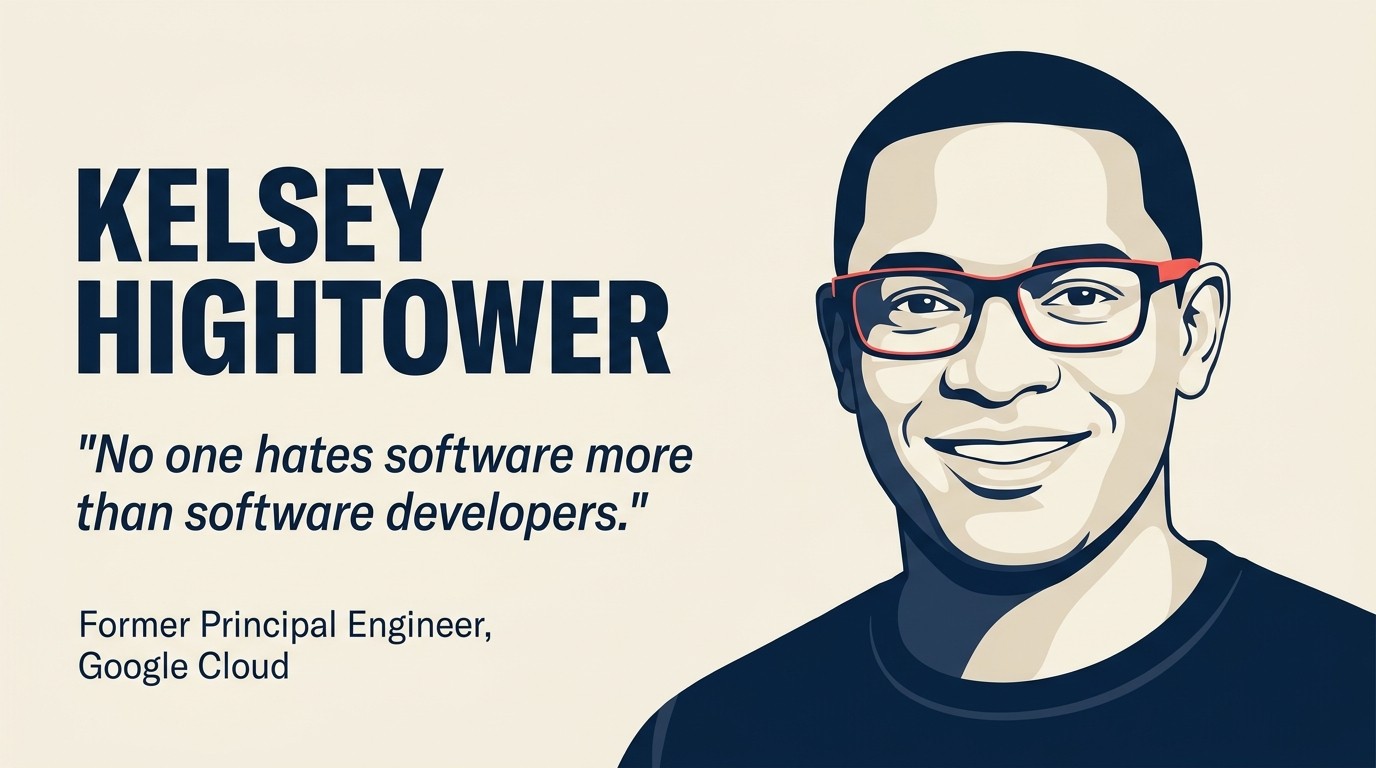
Kelsey Hightower hatte nie „VP Engineering" oder „CTO" in seinem Titel. Er hatte während seiner Karriere die Rollen Principal Engineer und Staff Developer Advocate inne. Und dennoch wird er weithin als der einflussreichste Developer Advocate in der Geschichte der Cloud-Infrastruktur bezeichnet.
„Kubernetes the Hard Way", ein kostenloses GitHub-Tutorial, das er verfasste, hat mehr realen Lerneinfluss als die meisten 50.000-USD-Unternehmensschulungsprogramme. Sein KubeCon-Live-Demo von 2016, bei dem er Kubernetes ohne YAML bereitstellte und verwaltete, wurde zur Konferenz-Legende. Bei Google Cloud von 2016 bis 2023 prägte er, wie eine ganze Generation von Platform-Engineers über ihre Arbeit nachdenkt.
Als er Google im Juli 2023 im Alter von 42 Jahren in den Ruhestand trat, sahen die Würdigungen eher wie der Abschied eines Gründers aus als die Abreise eines Mitarbeiters. Ingenieure, die ihn nie getroffen hatten, schrieben darüber, wie seine Tutorials ihre Karrieren verändert hatten. Das sagt etwas darüber aus, was Educator-First-Leadership tatsächlich mit einer Organisation — und einer Industrie — macht.
Kurzprofil: Kelsey Hightower
- Rolle: Principal Developer Advocate, Google Cloud (2016–2023)
- Ruhestand: Juli 2023, im Alter von 41 Jahren, nach 25 Jahren in der Tech-Branche
- Signifikanter Beitrag: Kubernetes-Adoption durch Bildung, nicht Marketing, pioniert
- Flaggschiffwerk: „Kubernetes The Hard Way" — ein kostenloses GitHub-Tutorial, das Ingenieure durch das manuelle Bootstrapping von Kubernetes führt, Komponente für Komponente
- Bekannt für: Klare technische Kommunikation und „Human-First"-Engineering-Evangelismus
- Frühere Rollen: CoreOS, Puppet Labs — immer Praktiker-Advocate, nie Führungskraft
Das Hightower-Klarheitsprinzip
Das Hightower-Klarheitsprinzip besagt, dass technischer Einfluss sich dadurch zusammensetzt, Systeme an ihrem unreduzierlichen Kern zu erklären, nicht durch den Besitz der darauf aufgebauten Abstraktionen. Die Aufgabe eines Leaders ist es, ein komplexes System für den Ingenieur verständlich zu machen, der es um 3 Uhr morgens betreiben muss, und diese Klarheit wird durch öffentliches Bauen, Scheitern und Lehren verdient — nicht durch Titel oder Amtszeit.
Leadership-Stil auf einen Blick
| Stil | Gewichtung | Wie er sich zeigte |
|---|---|---|
| Educator-First | 65% | Hightowers primärer Betriebsmodus ist immer: „Wie mache ich das verständlich?" Bei Puppet, CoreOS und Google Cloud war sein Instinkt, vor dem Verkaufen zu lehren. „Kubernetes the Hard Way" existiert, weil er glaubte, dass Ingenieure, die Kubernetes manuell aufbauten, verstehen würden, was sie auf einem Niveau betrieben, das keine Abstraktionsschicht bieten könnte. Diese Geduld mit Grundlagen, selbst wenn Abstraktionen verfügbar sind, ist der Educator-Instinkt. Er ist langsam. Er ist nicht für Marketing-Metriken optimiert. Aber er baut das Verständnis auf, das skaliert. |
| Demutgetriebener Advocate | 35% | Hightowers Glaubwürdigkeit kommt aus einer spezifischen Kombination: echter technischer Tiefe und einem Fehlen von Ego beim Demonstrieren davon. Er ist genauso bereit zuzugeben, was er nicht weiß, wie zu demonstrieren, was er weiß. Der berühmte „No-Code Kubernetes"-Tweet war selbstironisch; er erkannte im Wesentlichen an, dass seine eigene Community sein Tooling überkompliziert hatte. Die meisten Advocates nutzen ihre Plattform, um das Produkt ihres Arbeitgebers zu verstärken. Hightower nutzte seine Plattform, um die Wahrheit so zu sagen, wie er sie sah. |
Wesentliche Führungseigenschaften
| Eigenschaft | Bewertung | Was das in der Praxis bedeutet |
|---|---|---|
| Radikale Vereinfachung komplexer Themen | Außergewöhnlich | Kubernetes ist eines der komplexesten Teile der verteilten Systemsinfrastruktur in der modernen Software. Hightowers Gabe ist die Fähigkeit, den unreduzierlichen Kern zu identifizieren — was man verstehen muss, um es zu betreiben — und diesen Kern ohne die Komplexität zu präsentieren, die durch Tooling und Abstraktionen hinzugefügt wurde. „Kubernetes the Hard Way" erklärt Kubernetes nicht so, wie es Googles Dokumentation tut. Es erklärt Kubernetes so, wie ein erfahrener Ingenieur es einem jüngeren Kollegen erklären würde. |
| Community-Glaubwürdigkeit über korporative Autorität | Außergewöhnlich | Hightowers Einfluss war nie organisatorisch. Er konnte Ingenieuren nicht sagen, Kubernetes zu adoptieren, weil Google es ihnen befahl. Er musste sie überzeugen, dass es ihre Zeit wert war. Die Überzeugung kam durch Demonstration: Live-Demos, bei denen Dinge schiefgingen und er sie in Echtzeit behob, kostenlose Tutorials, die nichts im Gegenzug verlangten. |
| Live-Demonstration als Lehrwerkzeug | Sehr hoch | Seine Konferenz-Demos wurden legendär, weil sie absichtlich gefährlich waren. Er betrieb Live-Systeme auf der Bühne ohne das Sicherheitsnetz vorgebackener Ergebnisse. Als Dinge kaputtgingen, debuggte er sie öffentlich. Diese Wahl kommuniziert etwas Spezifisches: Ich verstehe das gut genug, dass ich keine Angst habe, dass es vor Ihnen scheitert. |
| Öffentliche Großzügigkeit mit Wissen | Hoch | „Kubernetes the Hard Way" war kostenlos, auf GitHub veröffentlicht und bewusst nicht monetarisiert. Hightower hat auf Hunderten von Veranstaltungen Konferenzvorträge gehalten. Diese Großzügigkeit ist eine bewusste Führungsentscheidung. Die Gegenleistung ist Vertrauen und Einfluss in einem Maßstab, den bezahlte Inhalte nicht erreichen können. |
Die 3 Entscheidungen, die Kelsey Hightower definierten
„Kubernetes the Hard Way" kostenlos auf GitHub veröffentlichen
Als Hightower „Kubernetes the Hard Way" 2016 veröffentlichte, war Kubernetes neu, komplex und einschüchternd. Die vorhandene Dokumentation setzte Kontext voraus, den die meisten Ingenieure nicht hatten. Die meisten Unternehmen in seiner Position hätten ein bezahltes Schulungsprogramm aufgebaut oder das tiefe technische Wissen im Unternehmen behalten.
Hightower veröffentlichte es öffentlich auf GitHub, kostenlos, ohne Paywalls und ohne E-Mail-Erfassung. Das Tutorial führte Ingenieure durch das vollständig manuelle Bootstrapping von Kubernetes — jede Komponente von Hand konfiguriert — damit sie das System verstanden, bevor sie mit den Werkzeugen arbeiteten, die es abstrahieren.
Der langfristige Effekt war erheblich. Ingenieure, die sich durch „Kubernetes the Hard Way" arbeiteten, wurden zu Praktikern, die verstanden, was sie betrieben. Sie wurden zu den Personen, die Kubernetes ihren Teams empfahlen. Hightower brauchte ihr Geld nicht. Er bekam etwas Wertvolleres: ihr Vertrauen und den zusammensetzenden Netzwerkeffekt, der sich durch jede Organisation verbreitete, in der sie arbeiteten. Linus Torvalds machte Jahrzehnte früher dieselbe Kalkulation mit dem Linux-Kernel.
Für Operatoren, die über Wissensverteilung nachdenken, ist die Lektion über den Return auf Großzügigkeit. Die meisten Unternehmen behandeln technisches Wissen als zu schützendes Wettbewerbsasset. Hightowers Wette war, dass das freie Verteilen von Wissen mehr Einfluss und Adoption zurückbringt als das Knapphalten.
Der „No-Code Kubernetes"-Tweet
2018 veröffentlichte Hightower einen Tweet, der weit über seine Follower-Zahl hinaus verbreitet wurde: eine Demo von Kubernetes, die mit effektiv keiner YAML-Konfiguration lief, und sarkatisch hervorhob, wie viel Boilerplate die Community rund um ein System angehäuft hatte, das einfach zu betreiben sein sollte.
Der Tweet war technisch, aber die Botschaft war organisatorisch: Die Werkzeuge, die wir rund um ein System bauen, können komplexer werden als das System selbst. Jede YAML-Abstraktion, jedes Helm-Chart, jedes Operator-Pattern war hinzugefügt worden, um ein echtes Problem zu lösen. Aber die kumulative Komplexität hatte Kubernetes schwieriger zu betreiben gemacht, nicht einfacher.
Was den Tweet erfolgreich machte, war, dass er selbstkritisch war. Hightower hatte geholfen, das Kubernetes-Ökosystem aufzubauen. Er kritisierte etwas, an dessen Schaffung er mitgewirkt hatte. Diese Art öffentlicher Selbstkritik ist von jemandem im Zentrum einer Community selten, und es war genau das, was ihn glaubwürdig machte. Für Leader, die über öffentliche Kommunikation nachdenken, ist der Tweet eine Fallstudie über den Unterschied zwischen Marketing und Ehrlichkeit.
Mit 42 Jahren von Google in den Ruhestand treten
Im Juli 2023 trat Hightower im Alter von 42 Jahren von Google in den Ruhestand. Er wurde nicht herausgedrängt. Er wechselte nicht zu einem anderen Unternehmen. Er verließ freiwillig, in einem Moment, als seine Plattform wohl auf ihrem Höhepunkt war, um Vortragstätigkeit, Podcasting und selektive Beratung zu verfolgen.
Die Entscheidung verdient Analyse, weil sie genuinely ungewöhnlich ist. Die meisten Menschen mit Hightowers Einflussebene treten nicht mit 42 Jahren in den Ruhestand. Sie nehmen Führungsrollen an, treten Vorständen bei oder sammeln Gelder. Die Anreizstrukturen zeigen alle in Richtung Akkumulation: mehr Titel, mehr Autorität, mehr Kapital.
Hightower wählte andere Einschränkungen. Seine öffentliche Erklärung drehte sich um Integrität und Absicht: Er wollte an Dingen arbeiten, die ihm wichtig waren, nach seinem eigenen Zeitplan, ohne die Verpflichtungen, die mit dem korporativen Angestelltsein auf diesem Niveau einhergehen. Es ist eine andere Kalkulation als die, die Jeff Dean traf — Jahrzehnte tief innerhalb von Google zu bleiben, um grundlegende Forschung zu liefern — aber beide Entscheidungen spiegeln ein ähnliches zugrunde liegendes Prinzip wider: Die Arbeit ist wichtiger als der Titel.
Was Kelsey Hightower in Ihrer Rolle tun würde
Als CEO ist Hightowers Community-Glaubwürdigkeitsmodell anwendbar darauf, wie Sie über den Unternehmens-Brand in technischen Märkten nachdenken. Developer-Communities vertrauen keinen Unternehmen. Sie vertrauen Menschen, die technische Glaubwürdigkeit über Zeit demonstriert haben. Wenn Sie möchten, dass Ihr Unternehmen in einer technischen Community Glaubwürdigkeit hat, liegt die Investition in Ingenieuren, die Tiefe öffentlich demonstrieren können, nicht in Marketing-Inhalten, die Funktionen ankündigen.
Als COO ist die radikale Vereinfachungseigenschaft direkt nützlich dafür, wie Sie über internes Tooling und Prozessdesign nachdenken. Jedes komplexe interne System, das Ihre Organisation aufgebaut hat, war einfach, als es startete. Komplexität akkumulierte sich schrittweise, bis das System schwieriger zu betreiben wurde als die zugrunde liegende Arbeit, die es unterstützen sollte. Hightowers Instinkt — periodisch zu den Grundprinzipien zurückzukehren und zu fragen, was der unreduzierliche Kern tatsächlich ist — ist eine nützliche Praxis für jeden Operations-Leader.
Als Produktleiter wird Hightowers Educator-Modell auf das Produkt-Onboarding abgebildet. Die meisten Produkte sind für Personen dokumentiert, die sie bereits versuchen zu nutzen. Hightowers Tutorials sind für Personen konzipiert, die noch nicht verstehen, warum sie das Produkt überhaupt nutzen sollten. Das ist ein anderes Inhaltsziel: Sie bauen Verständnis auf, bevor Sie Verlangen aufbauen.
In Vertrieb oder Marketing geht es bei der „Kubernetes the Hard Way"-Lektion um den Unterschied zwischen geschlossenen und offenen Inhalten. Geschlossene Inhalte generieren Leads. Offene Inhalte bauen Vertrauen auf und verbreiten sich weiter. Der virale Koeffizient kostenloser Bildungsinhalte ist viel höher als der von Lead-Capture-Inhalten, und das aufgebaute Vertrauen zusammensetzt sich anders über Zeit.
Hightowers Klarheitsprinzip mit Rework anwenden
Klare technische Führung bricht in dem Moment zusammen, wenn Ops-Komplexität die Fähigkeit des Teams übertrifft, sie zu lesen. Die meisten Operations-Stacks driften in Richtung des „angehäuften YAML"-Fehlers, den Hightower ansprach: ein CRM an Lead-Routing angedockt, ein Chat-Tool an Projektaufgaben angedockt, ein Finanzsystem an Vertriebsgenehmigungen angedockt, jedes ein echtes Problem lösend, aber zusammen schwieriger zu betreiben als die Arbeit, die sie unterstützen.
Rework ist für diesen Übersetzungsjob gebaut — ein verbundener Arbeitsbereich, in dem CRM, Lead-Management, Chat und teamübergreifende Ops gegen ein gemeinsames Datenmodell leben, sodass das Betriebsbild, das ein Director sieht, dasselbe ist, das ein Manager und ein Individual Contributor sehen. Ab 12 USD/Benutzer/Monat für CRM und Sales Ops und 6 USD/Benutzer/Monat für Work Ops.
Bemerkenswerte Zitate und Lektionen jenseits des Boardrooms
Hightower hat in verschiedenen Interviews gesagt, dass Developer Advocates scheitern, wenn sie zu Marketern werden — wenn sich ihre Arbeit von Verständnis und Erklärung der Technologie zu Generierung von Inhalten verschiebt, die einer Demand-Generation-Funktion dienen. Der Fehlermodus ist vorhersehbar: Sobald ein Advocate an Leads und Erwähnungen statt an Community-Vertrauen gemessen wird, beginnt er, Inhalte zu produzieren, die die Community sofort als werblich statt bildend erkennt.
Zur Beziehung zwischen Demut und technischer Glaubwürdigkeit war er konsequent: Die Ingenieure, die in technischen Communities den meisten Respekt genießen, sind fast nie diejenigen, die die selbstbewusstesten Behauptungen aufstellen. Sie sind diejenigen, die Dinge klar erklären, zugeben, was sie nicht wissen, und durch ihre Arbeit statt durch ihre Aussagen demonstrieren. Die Live-Demo-Praxis ist die physische Manifestation dieses Glaubens.
Er war auch direkt über die Grenzen des Educator-Pfads: Er skaliert nicht so wie exekutive Autorität skaliert. Hightower konnte Millionen von Ingenieuren beeinflussen, aber er konnte bei Google keine einzige Produktentscheidung treffen. Sein Einfluss war vollständig in der Community, nicht in der Organisation. Community-Glaubwürdigkeit und organisatorische Autorität sind verschiedene Dinge. Sie werden unterschiedlich aufgebaut, verfallen unterschiedlich und geben Ihnen unterschiedliche Arten von Leverage.
Wo dieser Stil scheitert
Hightowers Educator-Modell erfordert echte Tiefe. Es funktioniert nicht, wenn die Person, die für die Interessensvertretung zuständig ist, kein Praktiker ist. Unternehmen, die versuchen, sein Modell mit weniger technisch tiefen Advocates zu replizieren, produzieren Inhalte, die Ingenieure sofort als oberflächlich erkennen, was das Vertrauen zerstört, auf das das Modell angewiesen ist. Die Voraussetzung ist authentische Expertise, nicht nur Kommunikationskompetenz.
Sein Stil setzt auch Community-Geduld voraus — die Bereitschaft eines Publikums, langsam zu lernen und darauf zu vertrauen, dass die Tiefe die Zeit wert ist. In einem schnellen Produkt-Launch-Zyklus konkurriert „langsam lehren und Vertrauen aufbauen" direkt mit „schnell liefern und Aufmerksamkeit erfassen". Organisationen, die sofortige Marktauswirkungen benötigen, werden Hightowers Modell frustrierend finden.
Verwandte Lektüre zu technischem Community-Building und Engineering-Führung: Linus Torvalds Führungsstil, Werner Vogels Führungsstil, Camille Fournier Führungsstil, Jeff Dean Führungsstil, Martin Fowler Führungsstil und Will Larson Führungsstil.

On this page
- Kurzprofil: Kelsey Hightower
- Das Hightower-Klarheitsprinzip
- Leadership-Stil auf einen Blick
- Wesentliche Führungseigenschaften
- Die 3 Entscheidungen, die Kelsey Hightower definierten
- „Kubernetes the Hard Way" kostenlos auf GitHub veröffentlichen
- Der „No-Code Kubernetes"-Tweet
- Mit 42 Jahren von Google in den Ruhestand treten
- Was Kelsey Hightower in Ihrer Rolle tun würde
- Hightowers Klarheitsprinzip mit Rework anwenden
- Bemerkenswerte Zitate und Lektionen jenseits des Boardrooms
- Wo dieser Stil scheitert