Carl Icahn Führungsstil: Der Aktivist, der Rechenschaft erzwingt
Turn this article into takeaways for your work.


Each assistant summarizes the article only for you and suggests best practices for your work.
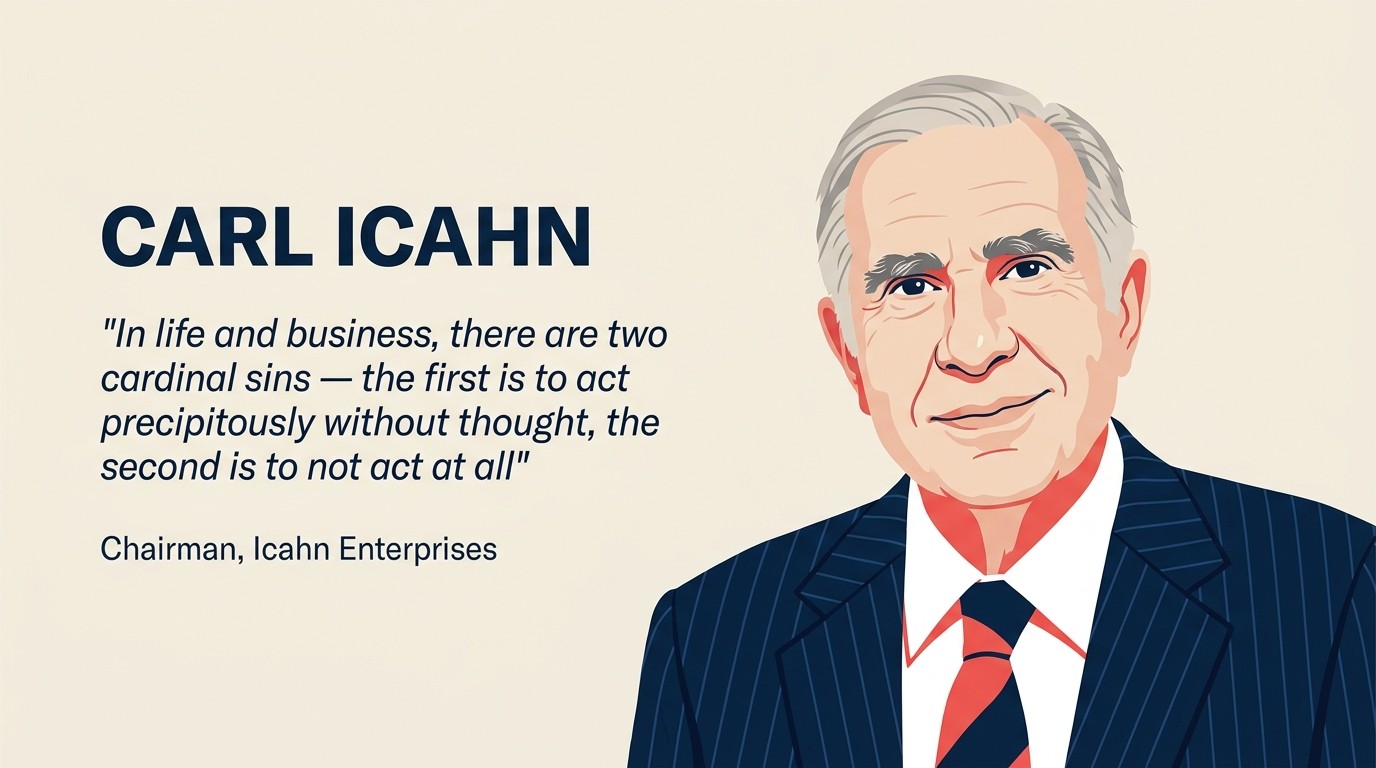
Carl Icahn akquiriert Unternehmen, erzwingt Vorstandssitze und fordert operative Änderungen, seit die meisten heutigen CEOs noch nicht geboren waren. Sein erster großer feindseliger Vorstoß war 1985, als er TWA übernahm – ein Schachzug, der mit TWA in der Insolvenz und Icahn reicher endete. Er ist 88 Jahre alt und noch immer aktiv.
Ob man ihn als Wertschöpfer oder Wertextrahierer betrachtet – Icahns fünf Jahrzehnte dauernde Bilanz als Aktivist-Investor stellt das nachhaltigste Echtzeit-Experiment dar, das es gibt: Was passiert, wenn ein Außenseiter einen selbstgefälligen Vorstand zur Rechenschaft zwingt? Der relevanteste Peer-Vergleich: Warren Buffett verfolgt ähnliche Unterbewertungsthesen, aber durch Vorstandskooperation statt Konfrontation; George Soros wendet dieselbe Unabhängigkeit vom Konsens auf Makropositionen statt auf Corporate Governance an. Die Methode unterscheidet sich. Die Bereitschaft, recht zu haben und allein zu stehen, nicht. Er brach das NYU Medical School Studium ab, wurde 1961 Börsenmakler, gründete Icahn Enterprises 1968 und baute eine Karriere auf der einfachen und brutalen These auf, dass die meisten börsennotierten Unternehmens-Management-Teams relativ zu dem, was die von ihnen kontrollierten Assets produzieren könnten, unterperformen.
Die Lektionen, die er demonstriert – über Governance, über Free-Cash-Flow-Disziplin, über Management-Selbstgefälligkeit –, sind genauso relevant wie in der Leveraged-Buyout-Ära. Sie sind auch Lektionen, die man verstehen muss, ob man einem Aktivisten gegenübersteht oder aktivistisch über die eigene Organisation denkt.
Steckbrief zu Carl Icahn
- Geboren: 16. Februar 1936 (New York City); Alter 88 per 2026
- Ausbildung: Princeton University (Philosophie, 1957); NYU School of Medicine (abgebrochen)
- Gründer: Icahn Enterprises (gegründet 1968; börsennotiert als IEP)
- Rolle: Aktivist-Investor, Chairman von Icahn Enterprises
- Geschätztes Nettovermögen: ca. 6 Mrd. Dollar (Forbes, 2024)
- Bekannte Kampagnen: TWA-Übernahme (1985), Texaco (1988), RJR Nabisco (1990er), Apple (2013-2016 – trieb das 150-Mrd.-Dollar-Buyback-Programm voran), Netflix (2012-2015, ca. 2 Mrd. Dollar Gewinn), Herbalife (2013-2020, Long-Seite vs. Ackman), eBay/PayPal-Split (2014-2015), Forest Laboratories, Motorola, Clorox, Dell
- Berüchtigtes Konzept: Die „Kardinalsünden" des Corporate Managements – eingebettete Vorstände, Empire-Building-Akquisitionen und die Weigerung, Kapital an Aktionäre zurückzuführen
- Größte Herausforderung: Hindenburg Research Short-Report (Mai 2023) mit Anschuldigungen überbewerteter NAVs bei IEP; Aktie fiel in Wochen um ca. 60 %
Die Aktivisten-Doktrin
Die Aktivisten-Doktrin (auch Icahn-Prinzip der Rechenschaftspflicht): Management-Teams börsennotierter Unternehmen, die durch eingebettete Vorstände und defensive Governance-Strukturen vor Aktionärs-Rechenschaft geschützt sind, performen systematisch unter dem inneren Wert der von ihnen kontrollierten Assets. Externer Druck – konzentrierte Eigentümerschaft, öffentliche Konfrontation und eine glaubwürdige Proxy-Drohung – ist der einzige zuverlässige Mechanismus, um diesen Governance-Abschlag zu schließen und Kapital dazu zu zwingen, im Interesse seiner Eigentümer eingesetzt zu werden.
Analyse des Führungsstils
| Stil | Gewichtung | Wie er sich zeigte |
|---|---|---|
| Aktivistischer Konfrontationalist | 55 % | Icahns primäres Werkzeug ist Druck. Er akkumuliert eine bedeutende Beteiligung an einem Zielunternehmen, reicht beim SEC eine öffentliche 13D-Meldung ein, die seine Position und Absichten offenlegt, fordert Vorstandsrepräsentation und nutzt dann seinen Vorstandssitz (oder die Drohung eines Proxy-Kampfes, um einen zu bekommen), um das Management zu zwingen, auf seine Agenda zu reagieren. Diese Agenda umfasst typischerweise Buybacks, Asset-Verkäufe, Management-Ersatz oder einen Verkauf des Unternehmens. Der Druck ist öffentlich, nachhaltig und durch die Glaubwürdigkeit einer 50-jährigen Erfolgsbilanz gestützt, nicht wegzugehen. |
| Wertextraktions-Stratege | 45 % | Die zugrundeliegende Logik von Icahns Aktivismus ist finanzieller Natur: Unternehmen mit unterbewerteten Assets, überschüssigem Kapital, das in niedrigrendite Projekte recycelt wird, oder Management-Teams, die durch klassifizierte Vorstände und Poison Pills vor Rechenschaft geschützt sind, handeln mit einem Abschlag zum inneren Wert. Der Abschlag schließt sich, wenn sich die Governance ändert. Seine Rolle ist es, diesen Abschlag zu schließen – manchmal durch Erzwingen operativer Verbesserungen, manchmal durch Erzwingen eines Verkaufs, manchmal einfach durch Erzeugen genug externen Drucks, dass das Management Maßnahmen ergreift, die es freiwillig hätte ergreifen sollen. |
Die 55/45-Aufteilung ist wichtig, weil Icahns konfrontativer Stil nicht rein strategisch ist. Er ist auch temperamentvoll. Er glaubt aufrichtig, dass die meisten Corporate Boards vom Management gekapert sind und dass Aktionärsrenditen durch Governance-Strukturen, die Manager vor Rechenschaft schützen, systematisch unterdrückt wurden. Sein konfrontativer Ansatz ist sowohl eine Technik als auch eine echte Überzeugung.
Zentrale Führungseigenschaften
| Eigenschaft | Bewertung | Was das in der Praxis bedeutet |
|---|---|---|
| Bereitschaft, öffentlich adversarial gegenüber Management-Teams zu sein | Außergewöhnlich | Icahn schreibt offene Briefe an Management-Teams, gibt Interviews, in denen er CEOs namentlich kritisiert, und betreibt öffentliche Proxy-Kampagnen gegen Vorstände, die er für eingebettet hält. Die meisten institutionellen Investoren stimmen privat gegen das Management, während sie öffentlich herzliche Beziehungen aufrechterhalten. Icahn macht die feindseligen Beziehung explizit und öffentlich, was Mediendruck erzeugt, der das Governance-Signal über seine Eigentümersbeteiligung hinaus verstärkt. Ein 5%-Aktionär, der schweigt, hat begrenzte Hebelkraft. Ein 5%-Aktionär, der offene Briefe schreibt und auf CNBC erscheint, hat erheblich mehr. |
| Forensischer Fokus auf Bilanzqualität und Free Cash Flow | Außergewöhnlich | Icahns Investitionsanalyse beginnt und endet mit der Bilanz. Er sucht nach Unternehmen mit unterbewerteten Assets relativ zu ihrer Marktkapitalisierung, überschüssigem Cash, das in niedrig-ROIC-Akquisitionen recycelt wird, und Management-Teams, die Imperien auf Kosten der Aktionärskapitalrenditen aufbauen. Er liest 10-Ks und Proxy Statements mit der Aufmerksamkeit eines Gläubigers, der einen notleidenden Kreditnehmer bewertet – nicht eines Wachstumsinvestors, der eine Gelegenheit bewertet. Die forensische Disziplin identifiziert den Abschlag; der Aktivismus schließt ihn. |
| Geduld, Positionen jahrelang zu halten, während man Veränderungen erzwingt | Sehr hoch | Aktivistenkampagnen können Jahre dauern, bis sie sich lösen. Management-Teams haben Verteidiger – Anwälte, Banker, PR-Firmen, institutionelle Aktionäre mit langen Beziehungen – und sie können Abwehrmechanismen wie Staggered Boards, Poison Pills und Aktienstrukturen nutzen, um den Aktivisten-Fortschritt zu verlangsamen. Icahn hat über Jahrzehnte demonstriert, dass er bereit ist, Positionen durch ausgedehnte Kämpfe zu halten. Seine Netflix-Investition (2012-2015) dauerte drei Jahre zur Auflösung; er kaufte bei 58 Dollar und verkaufte den Großteil seiner Position bei 341 Dollar, was etwa 2 Milliarden Dollar Gewinn aus einer Investition generierte, die Geduld durch erhebliche Volatilität erforderte. |
| Unabhängigkeit vom Konsens – braucht keine Wall-Street-Zustimmung | Hoch | Icahn nahm seine TWA-Position ein, als sie als rücksichtslos galt. Seine Netflix-Investition wurde getätigt, als Reed Hastings unter schwerem Analysten-Druck für den Preis-Erhöhungs-Missgeschick 2011-2012 stand. Sein Apple-Push für ein 150-Mrd.-Dollar-Buyback 2013 wurde öffentlich von Analysten verspottet, die dachten, Apple sollte sein Cash investieren statt es zurückgeben. Er hatte bei allen dreien Recht. Unabhängigkeit vom Konsens ist nicht dasselbe wie Kontrariertheit um ihrer selbst willen – es ist die Bereitschaft, eine analytische Sicht zu halten, die von der herrschenden Meinung abweicht, und ohne externe Validierung darauf zu handeln. |
Die 3 Frameworks, die Carl Icahn definierten
1. Das Aktivisten-Playbook
Icahns Kernbetriebsverfahren ist über fünf Jahrzehnte konsistent geblieben. Er akkumuliert eine Beteiligung an einem Zielunternehmen, typischerweise beginnend unterhalb der 5%-SEC-Offenlegungsschwelle, die eine Schedule-13D-Einreichungspflicht auslöst, und baut seine Position auf, während der Preis noch relativ unbeeinflusst von seinem Kauf ist.
Sobald er eine 13D-Meldung einreicht (die Offenlegung, die Aktivisten-Absicht signalisiert), enthält er typischerweise einen Brief an das Management, in dem er seine Bedenken und Forderungen darlegt. Diese Einreichung ist der Eröffnungszug in einer öffentlichen Kampagne. Die Aktie bewegt sich oft auf die Ankündigung hin, sowohl wegen Icahns Erfolgsbilanz als auch weil die 13D signalisiert, dass Veränderungen kommen.
Er engagiert dann das Management entweder durch Verhandlung oder Konfrontation, abhängig von der Empfänglichkeit des Managements. Wenn das Management bereit ist, sich zu engagieren, verhandelt er typischerweise für Vorstandsrepräsentation und eine Reihe operativer Verpflichtungen: Buybacks, Asset-Verkäufe, Kostensenkungsprogramme. Wenn das Management widersteht, eskaliert er zu Proxy-Kämpfen: Er führt seine eigene Direktorenkandidatenliste gegen die Amtsinhaber und bittet andere Aktionäre um ihre Stimmen.
Die Hebelkraft im Playbook kommt aus mehreren Quellen. Seine Erfolgsbilanz bedeutet, dass andere institutionelle Aktionäre seine Analyse ernst nehmen. Seine Bereitschaft, öffentlich und konfrontativ zu bleiben, schafft Reputationsdruck auf das Management, den die meisten Vorstände lieber vermeiden. Und seine finanziellen Ressourcen ermöglichen es ihm, ausgedehnte Proxy-Kampagnen zu finanzieren, die Management-Teams teuer und ablenkend finden.
Das Playbook erzeugt nicht immer das Ergebnis, das Icahn zu seinem Zeitplan haben will. Aber es erzwingt fast immer eine Reaktion. Das ist der Punkt. Selbstgefällige Vorstände reagieren auf externen Druck, wenn sie nicht auf interne Governance-Prozesse reagieren.
2. Corporate Governance als Alpha-Quelle
Icahns tiefste Investitionsthese handelt vom Governance-Abschlag. Unternehmen mit eingebetteten Management-Teams, Vorstände, die keine Aktionärsinteressen vertreten, und Governance-Strukturen, die Führungskräfte vor Rechenschaft schützen, handeln unter ihrem inneren Wert. Dieser Abschlag ist die Rendite-Quelle.
Der Governance-Abschlag existiert aus strukturellen Gründen. Wenn ein CEO weiß, dass er von Aktionären nicht entfernt werden kann – weil der Vorstand gekapert ist, weil eine Poison Pill ihn schützt, weil ein Staggered Board einen Proxy-Kampf teuer und langsam macht –, gibt es keinen Marktmechanismus, der ihn zwingt, für Aktionärsrenditen zu optimieren. Er kann Imperien mit Akquisitionen aufbauen, die strategisch interessant und finanziell destruktiv sind. Er kann sich gut bezahlen lassen, während die Aktie hinter Peers zurückbleibt. Er kann Fusionsangebote ablehnen, die 40%-Prämien produziert hätten, weil er es vorzieht, ein unabhängiges Unternehmen zu führen.
Icahns Intervention bricht dieses Gleichgewicht. Wenn er seine 13D-Meldung einreicht, kann das Management die Lücke zwischen innerem Wert und Marktwert nicht mehr ignorieren – weil Icahn jetzt öffentlich die Lücke artikuliert und fordert, dass sie geschlossen wird. Der Governance-Abschlag schließt sich durch einen von mehreren Mechanismen: Das Unternehmen gibt Kapital durch Buybacks zurück, verkauft Assets zu guten Preisen, akzeptiert eine Fusion oder ersetzt das Management und verbessert die Leistung. Ray Dalio nähert sich demselben Problem anders: Sein systematisches Makro-Framework identifiziert Fehlbewertungen durch wirtschaftliche Zyklen statt durch Governance-Versagen, und sein Engagement mit Unternehmen erfolgt durch Märkte statt durch Proxy-Kämpfe.
Der eBay-PayPal-Split ist das klarste moderne Beispiel. Icahn übernahm 2014 eine Position in eBay und argumentierte öffentlich, dass PayPal als unabhängiges Unternehmen mehr wert sei als als eBay-Division. Der eBay-Vorstand widerstand anfangs. Aber Icahns Druck, kombiniert mit unabhängiger Analyse, die seine Bewertungsthese unterstützte, veranlasste eBay schließlich, PayPal 2015 abzuspalten. PayPals Marktkapitalisierung hat eBays in den Jahren seitdem erheblich überstiegen. Die Governance-Intervention entsperrte Wert, den die incumbente Struktur unterdrückte.
3. Icahns Free-Cash-Flow-Disziplin
Die operative These hinter den meisten Icahn-Aktivismuskampagnen ist eine spezifische Kritik an der Kapitalallokation. Management-Teams neigen dazu, Free Cash Flow in Akquisitionen zu recyceln, die ihre Imperien erweitern und ihre CEO-Vergütung erhöhen (die mit dem Umsatz skaliert), statt ihn durch Buybacks oder Dividenden an Aktionäre zurückzugeben.
Icahns Standardintervention ist es, Kapitalrückgabeprogramme zu fordern: große Buybacks, die Cash in die Hände der Aktionäre statt in Akquisitions-Kriegskassen legen, oder Dividenden, die eine wiederkehrende Verpflichtung zur Kapitalrückgabe schaffen, die das Management nicht leicht rückgängig machen kann. Seine Apple-Kampagne ist das bekannteste Beispiel: 2013-2016 drängte er Apple, seinen 150-Mrd.-Dollar-Cash-Vorrat für Buybacks zu verwenden. Apples Vorstand genehmigte letztendlich das zu diesem Zeitpunkt größte Corporate-Buyback-Programm der Geschichte. Icahns Rendite auf seine Apple-Investition war erheblich.
Die Free-Cash-Flow-Disziplin-These ist für jeden Operator wertvoll – nicht weil man eine Aktivistenkampagne gegen den eigenen Vorstand betreiben sollte, sondern weil die zugrundeliegende Logik auf interne Kapitalallokationsentscheidungen anwendbar ist. Wenn Sie bewerten, ob Sie in eine neue Produktlinie investieren, ein Unternehmen erwerben oder interne Fähigkeit aufbauen, stellt Icahns Framework eine einfache Frage: Was ist die Rendite auf dieses Kapital relativ zur Rückgabe an Aktionäre oder Investoren? Die meisten Operatoren wenden diese Disziplin nicht rigoros auf interne Investitionsentscheidungen an. Sie sollten es.
Was Carl Icahn in Ihrer Rolle tun würde
Als CEO fragt Icahns Framework, die eigene Bilanz so zu betrachten, wie ein Aktivist es täte. Welche Assets besitzen Sie, die relativ zu dem, was sie produzieren könnten, ungenutzt oder unterbewertet sind? Welches Kapital halten Sie, das weniger als Ihre Eigenkapitalkosten verdient? Welche Akquisitionen oder Investitionen verbrauchen Cash ohne Renditen zu produzieren, die die Allokation rechtfertigen? Die meisten CEOs sind besser darin, Kapital einzusetzen, als ehrlich darüber zu sein, welche Einsätze gescheitert sind. Icahns Disziplin ist es, die Fehler explizit anzuerkennen und Kapital zurückzugeben, statt weiterhin unterperformende Assets aus der Logik versunkener Kosten zu finanzieren.
Als COO übersetzt die Governance-Disziplin in operative Rechenschaftsstrukturen. Icahns Kernthese ist, dass Management-Teams ohne externe Rechenschaftspflicht relativ zu dem, was möglich wäre, unterperformen. Das interne Äquivalent ist zu fragen, ob Ihre operativen Funktionen echte Rechenschaftspflicht haben – ob die Personen, die große Kostenzentren und Umsatzfunktionen betreiben, echte Konsequenzen für Unterleistung erfahren, oder ob sie durch organisatorische Trägheit geschützt sind. Der Test ist nicht, ob Sie Performance-Management-Prozesse haben. Der Test ist, ob sie Veränderungen produzieren, wenn die Leistung unzureichend ist.
Als Product Lead sieht die Free-Cash-Flow-Disziplin, auf Ihre Roadmap angewendet, so aus: Für jede große Produktinvestition, die Sie dieses Quartal tätigen, können Sie die erwartete Rendite auf diese Investition in Bezug auf Umsatz, Bindung oder Margeverbesserung artikulieren, und übersteigt diese erwartete Rendite das, was Sie produzieren könnten, indem Sie dieselbe Engineering-Kapazität in die Verbesserung Ihres Kernprodukts investieren? Die meisten Roadmaps sind Kapitalallokationsentscheidungen, die ohne explizite Renditenanalyse getroffen werden. Icahn würde dieselbe Disziplin auf Produktinvestitionen anwenden, die er auf Akquisitionen anwendet: Wenn die Rendite nicht da ist, machen Sie die Investition nicht.
In Sales oder Marketing gilt die Governance-Abschlag-Perspektive für Ihr Kundenportfolio. Welche Kunden verbrauchen erhebliche Service-Ressourcen und produzieren marginale Renditen? Die meisten Vertriebsorganisationen machen keine rigorose Cost-to-Serve-Analyse ihrer Kundenbasis und enden mit einem Long Tail von Niedrig-Marge-Accounts, die unverhältnismäßige Support-Kapazität verbrauchen. Ein Aktivist, der Ihr Kundenportfolio betrachtet, würde verlangen, die Niedrig-Rendite-Accounts zu verlassen und Ressourcen auf die mit hoher Marge und hohem Expansionspotenzial zu konzentrieren. Das ist unbequem. Es ist auch richtig.
Wie Rework aufdeckt, was Aktivisten anvisieren
Icahns Vorsprung ist keine Ideologie – es ist Sichtbarkeit. Er liest 10-Ks forensisch, weil öffentliche Einreichungen Unternehmen zwingen, offenzulegen, was interne Stakeholder oft nicht klar sehen können: ungenutzte Assets, niedrig-ROIC-Kapitalrecycling, Rechenschaftslücken rund um Kostenzentren. Die meisten Betriebsteams haben kein internes Äquivalent. Performancedaten sitzen in CRM-Tools, Projekt-Trackern, Finanzsystemen und gemeinsamen Docs, die niemand zu einer kohärenten Kapitalallokationsansicht zusammenfasst.
Rework schließt diese interne Sichtbarkeitslücke. Die einheitliche Work-Ops-Schicht (CRM, Projektmanagement und teamübergreifende Ausführung in einem System, Work Ops ab 6 $/Nutzer/Monat und CRM/Sales Ops ab 12 $/Nutzer/Monat) legt dieselben Signale frei, nach denen ein Aktivist suchen würde: Deals, die gegen benannte Eigentümer stagnieren, Initiativen, die Engineering-Kapazität ohne Umsatzzurechnung verbrauchen, Kundensegmente, die Support-Bandbreite über ihren Margenbeitrag hinaus absorbieren. Wenn jede Funktion in ein operatives Gefüge berichtet, werden die Ineffizienzen, die Aktivisten in 10-Ks finden, für Ihr eigenes Führungsteam sichtbar, bevor ein Außenstehender sie aufzeigen muss. Das ist die vertretbare Version von Icahns Disziplin: selbst auferlegte Rechenschaftspflicht, ermöglicht durch operative Transparenz.
Bemerkenswerte Zitate und Lektionen jenseits des Boardrooms
„Ich genieße die Jagd viel mehr als die Trophäe." Icahn hat Variationen davon in mehreren Interviews gesagt, und es ist eine aufschlussreiche Selbsteinschätzung. Die Befriedigung liegt nicht im Besitz des Unternehmens. Es liegt am Wettbewerb: die forensische Analyse, die öffentliche Kampagne, die Verhandlung, das Ergebnis. Diese Orientierung erklärt, warum er das noch mit 88 Jahren tut. Es geht letztendlich nicht primär um das Geld. Es geht um eine sehr spezifische Art intellektuellen und kompetitiven Engagements, das er seit 60 Jahren betreibt.
„Die Kardinalregel des Investierens ist, niemals einen großen Betrag zu verlieren." Er sagte das auf CNBC im Zusammenhang mit Positionsgröße, und es ist eine praktische Risikomanagement-Philosophie, zu der die meisten Investoren Lippenbekenntnisse ablegen und wenige tatsächlich folgen. Icahn hat Positionen gehabt, die gegen ihn liefen – Herbalife und Teile seiner Energiebeteiligungen –, aber die Struktur von Icahn Enterprises, das Unternehmen in mehreren Branchen besitzt statt rein finanzieller Positionen, begrenzt die Exposition gegenüber einem einzelnen Wett, der katastrophal schiefläuft.
Die ehrliche Bilanz von Icahns fünf Jahrzehnten umfasst die extraktive Seite. TWA ist das am häufigsten zitierte Beispiel: Er übernahm die Kontrolle 1985, strippte Assets, belastete die Airline mit 540 Mio. Dollar Schulden aus dem Leveraged Buyout, extrahierte über 450 Mio. Dollar für sich selbst in Asset-Verkäufen und Leasingarrangements und ließ TWA 1992 Insolvenz anmelden – was dreimal geschah, bevor der Betrieb eingestellt wurde. Tausende Mitarbeiter verloren Jobs und Rentenleistungen. Icahn bestreitet Aspekte dieser Erzählung und weist auf breitere Branchenherausforderungen hin, vor denen TWA stand. Aber das Muster – einsteigen, extrahieren, aussteigen – wurde in genug Icahn-Kampagnen wiederholt, um eine legitime Kritik am Modell zu sein.
Der Hindenburg-Research Short-Report vom Mai 2023 ist die ernsthafteste Herausforderung für sein Erbe. Hindenburg behauptete, dass Icahn Enterprises Nettovermögenswerte übertrieben und eine nicht nachhaltige Dividendenrendite betrieb. IEP-Aktie fiel in Wochen um etwa 60 %. Icahn bestritt die Ergebnisse öffentlich, aber der Reputationsschaden war erheblich, und die Hebel- und Nachfolge-Fragen, die er aufwarf, bleiben offen.
Wo dieser Stil scheitert
Icahns Modell hat eine grundlegende strukturelle Spannung: Aktivistendruck kann kurzfristige Aktionärsrenditen durch Buybacks oder Asset-Verkäufe auf Kosten langfristiger Investitionen in F&E, Mitarbeiter oder Infrastruktur erzwingen. TWA ist der Warnfall. Sein Ansatz erfordert konzentrierte Positionen in einzelnen Unternehmen, was bedeutet, dass katastrophale Ergebnisse möglich sind, wenn die These falsch ist oder sich das Makroumfeld gegen sie verschiebt. IEPs Leistung 2023 und anhaltende Hebelexposition sind echte Risiken in seinem aktuellen Maßstab. Sein Modell ist auch in kleinerem Maßstab unmöglich zu replizieren: Eine Aktivistenposition in einem Mid-Cap-Unternehmen bewegt den Aktienkurs nicht oder erzeugt keinen Mediendruck auf das Management, es sei denn, man hat bereits Icahns Erfolgsbilanz und Namensbekanntheit. Und mit 88 Jahren, mit ungelösten Nachfolge-Management-Fragen, ist die Nachhaltigkeit des Modells über seine eigene Amtszeit hinaus eine legitime Frage, die niemand in seiner Organisation klar beantwortet hat.
Zur weiteren Lektüre empfehlen sich Warren Buffett Führungsstil, George Soros Führungsstil, Ray Dalio Führungsstil, Larry Fink Führungsstil und Jamie Dimon Führungsstil.

On this page
- Steckbrief zu Carl Icahn
- Die Aktivisten-Doktrin
- Analyse des Führungsstils
- Zentrale Führungseigenschaften
- Die 3 Frameworks, die Carl Icahn definierten
- 1. Das Aktivisten-Playbook
- 2. Corporate Governance als Alpha-Quelle
- 3. Icahns Free-Cash-Flow-Disziplin
- Was Carl Icahn in Ihrer Rolle tun würde
- Wie Rework aufdeckt, was Aktivisten anvisieren
- Bemerkenswerte Zitate und Lektionen jenseits des Boardrooms
- Wo dieser Stil scheitert