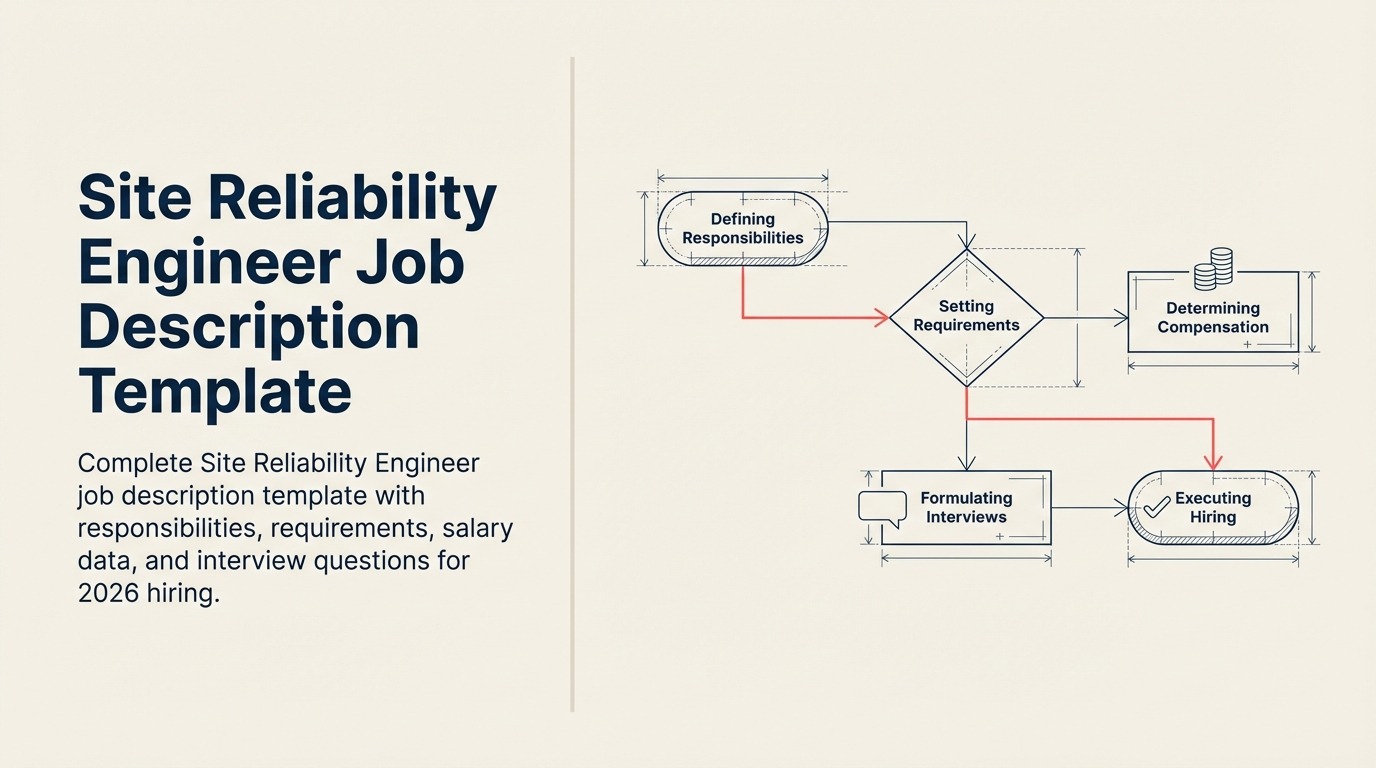
Templat Penerangan Jawatan Site Reliability Engineer - Panduan 2026
Turn this article into takeaways for your work.


Each assistant summarizes the article only for you and suggests best practices for your work.
Apa Yang Anda Akan Perolehi Daripada Panduan Ini
- Templat lengkap penerangan jawatan Site Reliability Engineer
- Keperluan hibrid kejuruteraan perisian dan pentadbiran sistem
- Tanggungjawab automasi, pemantauan, dan tindak balas insiden
- Pengurusan bajet ralat dan amalan kejuruteraan kebolehpercayaan
- Tugas on-call dan jangkaan perancangan kapasiti
- Penilaian kemahiran teknikal merangkumi Infrastructure as Code dan kebolehskalaan
Ringkasan Ringkas
Site Reliability Engineer (SRE) ialah profesional khusus yang menerapkan prinsip kejuruteraan perisian kepada masalah infrastruktur dan operasi. Mereka merapatkan jurang antara pembangunan dan operasi, memastikan sistem kekal boleh dipercayai, boleh diskala, dan diselenggara dengan cekap melalui automasi serta amalan kejuruteraan.
Mengapa Peranan Ini Penting
Site Reliability Engineer amat penting bagi organisasi teknologi moden kerana mereka memastikan perkhidmatan digital kekal tersedia, berprestasi tinggi, dan boleh diskala seiring pertumbuhan perniagaan. Apabila syarikat semakin bergantung kepada sistem teragih yang kompleks dan infrastruktur awan, SRE menyediakan kepakaran yang diperlukan untuk mengekalkan kualiti perkhidmatan sambil membolehkan pembangunan ciri yang pantas. Mereka bertindak sebagai penjaga kebolehpercayaan sistem, melaksanakan amalan yang mencegah gangguan perkhidmatan, mengurangkan masa henti, dan mewujudkan proses operasi yang mampan serta berkembang seiring pertumbuhan organisasi.
Templat Penerangan Jawatan Utama
Tentang Peranan Ini
Kami sedang mencari Site Reliability Engineer yang mahir untuk menyertai pasukan kejuruteraan kami dan mengambil alih tanggungjawab terhadap kebolehpercayaan, kebolehskalaan, dan prestasi sistem produksi kami. Dalam peranan ini, anda akan bekerja di persimpangan antara kejuruteraan perisian dan operasi sistem, menerapkan prinsip kejuruteraan untuk menyelesaikan cabaran infrastruktur dan menghapuskan kerja rutin operasi melalui automasi.
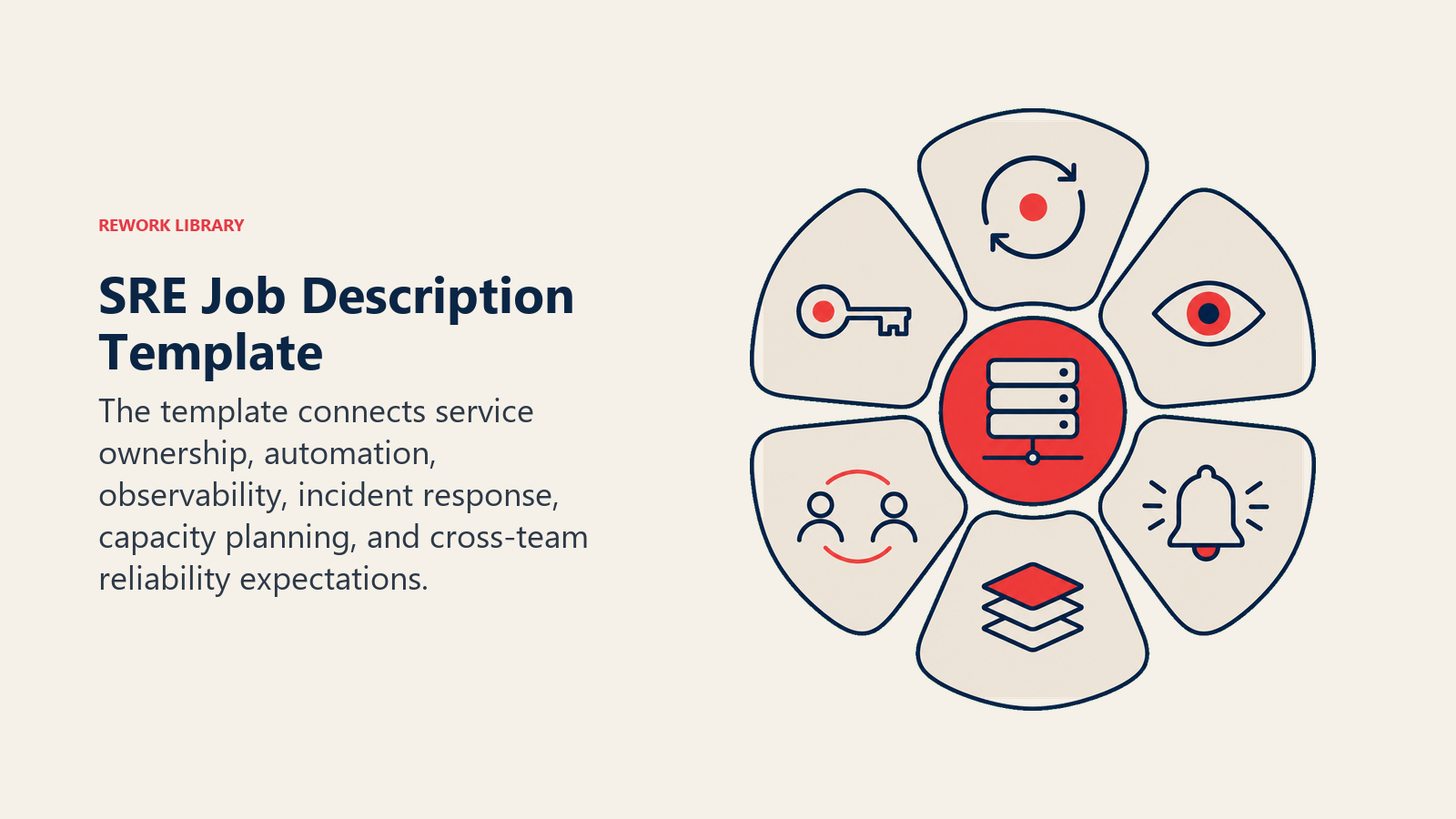
Sebagai SRE, anda akan bekerjasama rapat dengan pasukan pembangunan untuk memastikan perkhidmatan kami mencapai sasaran kebolehpercayaan sambil mengekalkan kelajuan penggunaan (deployment) yang pantas. Anda akan mereka bentuk dan melaksanakan penyelesaian pemantauan, bertindak balas terhadap insiden produksi, serta membina alat yang membolehkan jurutera lain menggunakan (deploy) dan mengendalikan perkhidmatan dengan selamat dan cekap. Jawatan ini memerlukan kedalaman teknikal dalam sistem teragih serta keupayaan berfikir secara strategik tentang kebolehpercayaan perkhidmatan dan kecemerlangan operasi.
Anda akan melapor kepada Pengurus Kejuruteraan atau Ketua SRE dan bekerja rapat dengan pasukan pembangunan, jurutera platform, dan pasukan keselamatan untuk mengekalkan objektif tahap perkhidmatan (SLO) kami sambil menyokong pertumbuhan perniagaan dan inovasi.
Tanggungjawab Utama
Pengurusan Kebolehpercayaan Sistem: Memantau sistem produksi, mewujudkan rangka kerja SLI/SLO, dan mengekalkan sasaran ketersediaan perkhidmatan melalui sistem pemantauan dan amaran yang proaktif
Tindak Balas dan Pengurusan Insiden: Mengetuai usaha tindak balas insiden, menjalankan semakan pasca-insiden, dan melaksanakan langkah pencegahan untuk mengurangkan MTTR serta mencegah isu berulang
Automasi dan Pembangunan Alat: Membina dan menyelenggara alat automasi, saluran penggunaan (deployment pipelines), dan platform layan diri yang mengurangkan kerja operasi manual serta meningkatkan produktiviti pembangun
Perancangan Kapasiti dan Pengoptimuman Prestasi: Menganalisis metrik prestasi sistem, meramalkan keperluan kapasiti, dan mengoptimumkan penggunaan sumber untuk memastikan penskalaan yang kos efektif
Pelaksanaan Infrastructure as Code: Mereka bentuk dan menyelenggara infrastruktur menggunakan pendekatan berasaskan kod, memastikan pengurusan persekitaran yang konsisten, boleh dihasilkan semula, dan terkawal versi
Keterlihatan Sistem dan Pemantauan: Melaksanakan penyelesaian pemantauan, pengelogan, dan penjejakan yang menyeluruh bagi memberikan keterlihatan terhadap tingkah laku dan prestasi sistem
Kerjasama dengan Pasukan Pembangunan: Bekerja dengan pasukan kejuruteraan untuk meningkatkan kebolehpercayaan perkhidmatan, menyemak reka bentuk seni bina, dan mewujudkan amalan terbaik operasi
Sokongan On-Call: Mengambil bahagian dalam giliran on-call untuk memastikan ketersediaan sistem 24/7 dan tindak balas pantas terhadap isu produksi
Dokumentasi dan Perkongsian Pengetahuan: Mencipta dan menyelenggara runbook operasi, dokumentasi sistem, serta berkongsi pengetahuan melalui aktiviti latihan dan bimbingan
Penambahbaikan Berterusan: Mengenal pasti peluang untuk meningkatkan kebolehpercayaan sistem, kecekapan operasi, dan produktiviti pasukan melalui penambahbaikan proses dan penerimaan teknologi
Keperluan
Kelayakan Wajib:
- Ijazah Sarjana Muda dalam Sains Komputer, Kejuruteraan, atau pengalaman praktikal yang setara dengan 3-5 tahun dalam pembangunan perisian atau kejuruteraan sistem
- Kemahiran pengaturcaraan yang kukuh dalam bahasa seperti Python, Go, Java, atau yang setara, dengan pengalaman membina perisian bermutu produksi
- Pengalaman praktikal dengan platform awan (AWS, GCP, Azure) dan sistem orkestrasi kontena seperti Kubernetes
- Kecekapan dengan alat Infrastructure as Code (Terraform, Ansible, CloudFormation) dan pelaksanaan saluran CI/CD
- Pengalaman dengan alat pemantauan dan keterlihatan sistem (Prometheus, Grafana, ELK stack, Datadog, atau platform yang setara)
- Pemahaman tentang prinsip sistem teragih, seni bina microservices, dan teknologi pangkalan data
- Pengetahuan tentang konsep rangkaian, amalan keselamatan, dan asas pentadbiran sistem
- Pengalaman dengan proses pengurusan insiden dan analisis post-mortem
Kelayakan Tambahan yang Diingini:
- Pensijilan SRE atau DevOps daripada penyedia awan utama atau vendor teknologi berkaitan
- Pengalaman dengan teknologi service mesh (Istio, Linkerd) dan ciri Kubernetes lanjutan
- Latar belakang dalam sistem teragih berskala besar atau aplikasi web bertrafik tinggi
- Pengalaman dengan amalan chaos engineering dan metodologi ujian kebolehpercayaan
- Pengetahuan tentang alat dan metodologi ujian prestasi
Apa Yang Kami Tawarkan
- Pampasan Kompetitif: Julat gaji asas $130,000 - $200,000 ditambah ekuiti dan bonus prestasi
- Pembangunan Profesional: Kehadiran persidangan, tuntutan semula kos pensijilan, dan masa pembelajaran khusus
- Persekitaran Kerja Fleksibel: Budaya remote-first dengan akses pejabat pilihan dan penjadualan fleksibel
- Faedah Menyeluruh: Insurans kesihatan, pergigian, penglihatan, padanan 401(k), dan dasar PTO yang menjana
- Pertumbuhan Teknikal: Akses kepada teknologi terkini, cabaran teknikal yang kompleks, dan peluang bimbingan
- Impak: Pengaruh langsung terhadap kebolehpercayaan sistem dan pengalaman pengguna bagi berjuta-juta pelanggan
Variasi Konteks
Persekitaran Korporat
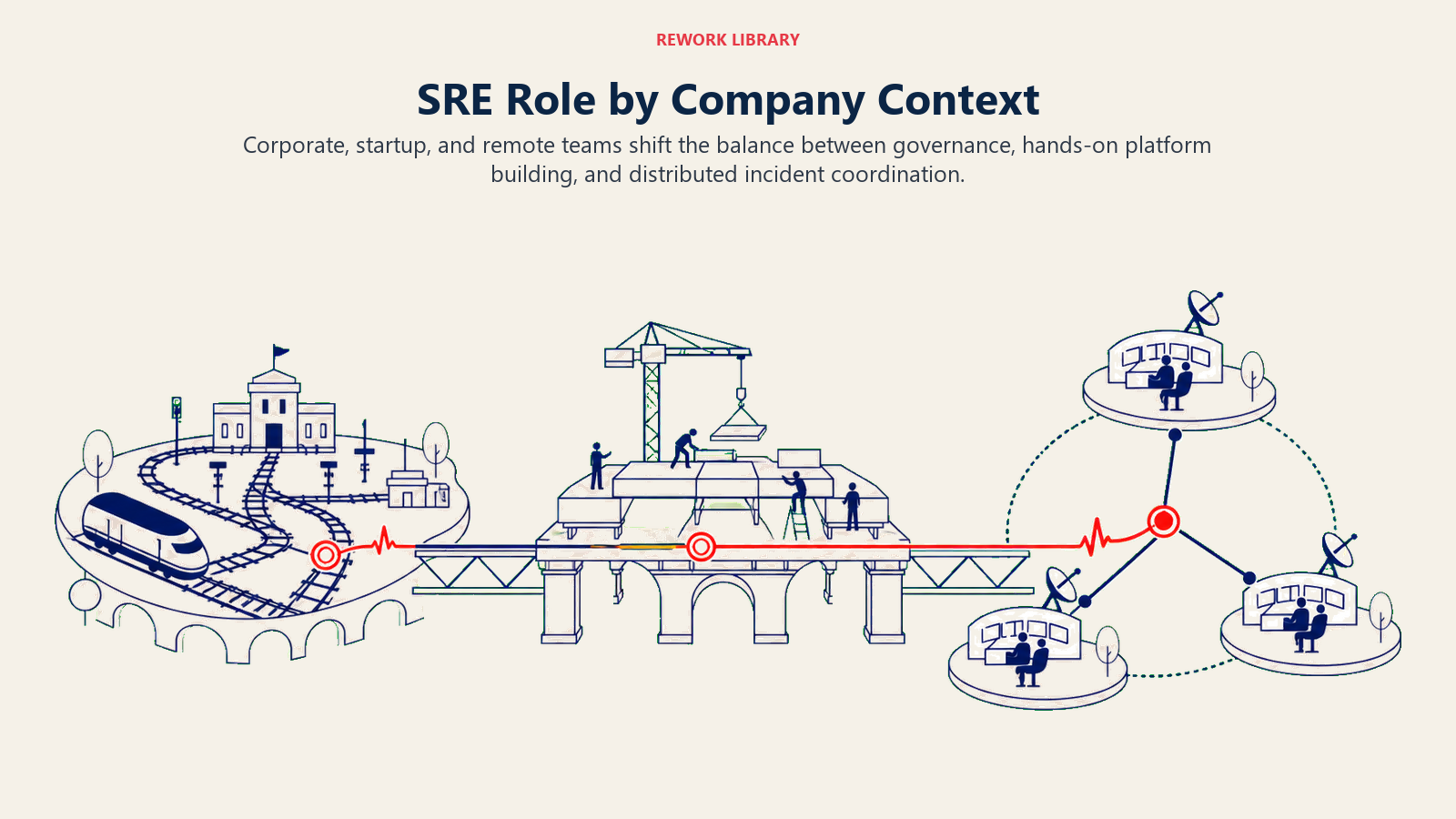
Organisasi perusahaan besar biasanya memerlukan SRE bekerja dalam rangka kerja tadbir urus dan keperluan pematuhan yang telah ditetapkan. Jangkakan proses pengurusan perubahan yang lebih formal, keperluan dokumentasi yang meluas, dan integrasi dengan alat perusahaan serta dasar keselamatan. Peranan ini sering melibatkan penyokongan sistem warisan bersama infrastruktur awan moden.
Persekitaran Startup
Startup yang berkembang pesat memerlukan SRE yang mampu membina amalan kebolehpercayaan dari asas sambil menyokong pembangunan produk yang pantas. Anda akan memikul tanggungjawab yang lebih luas, bekerja dengan pasukan yang lebih kecil, dan perlu membuat keputusan seni bina dengan sumber yang terhad. Tumpuan diberikan kepada pembinaan asas yang boleh diskala bagi menyokong pertumbuhan masa depan.
Persekitaran Jarak Jauh/Hibrid
Peranan SRE jarak jauh memerlukan kemahiran komunikasi yang kukuh untuk menyelaraskan tindak balas insiden merentas zon waktu dan mendokumentasikan pengetahuan sistem bagi pasukan teragih. Anda perlu mahir menggunakan alat kolaborasi serta berkeupayaan menyediakan bimbingan dan perkongsian pengetahuan melalui saluran digital.
Pertimbangan Industri
| Industri | Keperluan Utama | Aspek Unik |
|---|---|---|
| Perkhidmatan Kewangan | Pematuhan kawal selia, tumpuan keselamatan, keperluan kependaman rendah | Pematuhan PCI DSS, sistem dagangan masa nyata, pemulihan bencana |
| E-dagang | Ketersediaan tinggi semasa tempoh puncak, skala global | Kesediaan Black Friday, pemprosesan pembayaran, sistem inventori |
| Penjagaan Kesihatan | Pematuhan HIPAA, privasi data, kebolehpercayaan sistem | Perlindungan data pesakit, integrasi peranti perubatan, kepentingan kritikal uptime |
| Permainan | Kependaman rendah, pengagihan global, lonjakan trafik | Multiplayer masa nyata, penghantaran kandungan, acara bermusim |
| Media/Penstriman | Penghantaran kandungan, CDN global, pengoptimuman lebar jalur | Pemprosesan video, penstriman langsung, pengedaran kandungan |
| SaaS | Multi-penyewaan, kebolehpercayaan API, pengasingan pelanggan | Pemisahan data penyewa, had kadar API, SLA pelanggan |
Panduan Pampasan
Maklumat Gaji
Julat Purata Kebangsaan: $130,000 - $200,000 setahun
| Lokasi | Peringkat Permulaan | Peringkat Pertengahan | Peringkat Kanan |
|---|---|---|---|
| San Francisco, CA | $150,000 - $180,000 | $180,000 - $220,000 | $220,000 - $280,000 |
| New York, NY | $140,000 - $170,000 | $170,000 - $210,000 | $210,000 - $270,000 |
| Seattle, WA | $135,000 - $165,000 | $165,000 - $200,000 | $200,000 - $250,000 |
| Austin, TX | $120,000 - $145,000 | $145,000 - $180,000 | $180,000 - $230,000 |
| Denver, CO | $115,000 - $140,000 | $140,000 - $175,000 | $175,000 - $220,000 |
| Jarak Jauh | $125,000 - $155,000 | $155,000 - $190,000 | $190,000 - $240,000 |
Faktor yang Mempengaruhi Pampasan:
- Kepakaran awan dan pensijilan boleh menambah premium 10-20%
- Tanggungjawab on-call biasanya disertai pampasan tambahan
- Pakej ekuiti berbeza secara ketara mengikut peringkat dan saiz syarikat
Data gaji berdasarkan penyelidikan pasaran 2024 daripada Glassdoor, Levels.fyi, dan tinjauan industri.
Soalan Temu Duga
Soalan Teknikal/Fungsian
Reka Bentuk Sistem dan Seni Bina:
- Terangkan bagaimana anda akan mereka bentuk sistem pemantauan untuk seni bina microservices dengan 50+ perkhidmatan.
- Terangkan pendekatan anda untuk melaksanakan circuit breaker dan logik cuba semula (retry) dalam sistem teragih.
- Bagaimanakah anda akan mereka bentuk sistem penskalaan automatik yang mengendalikan corak trafik yang boleh diramal dan tidak boleh diramal?
- Terangkan bagaimana anda akan melaksanakan penggunaan blue-green untuk perkhidmatan produksi yang kritikal.
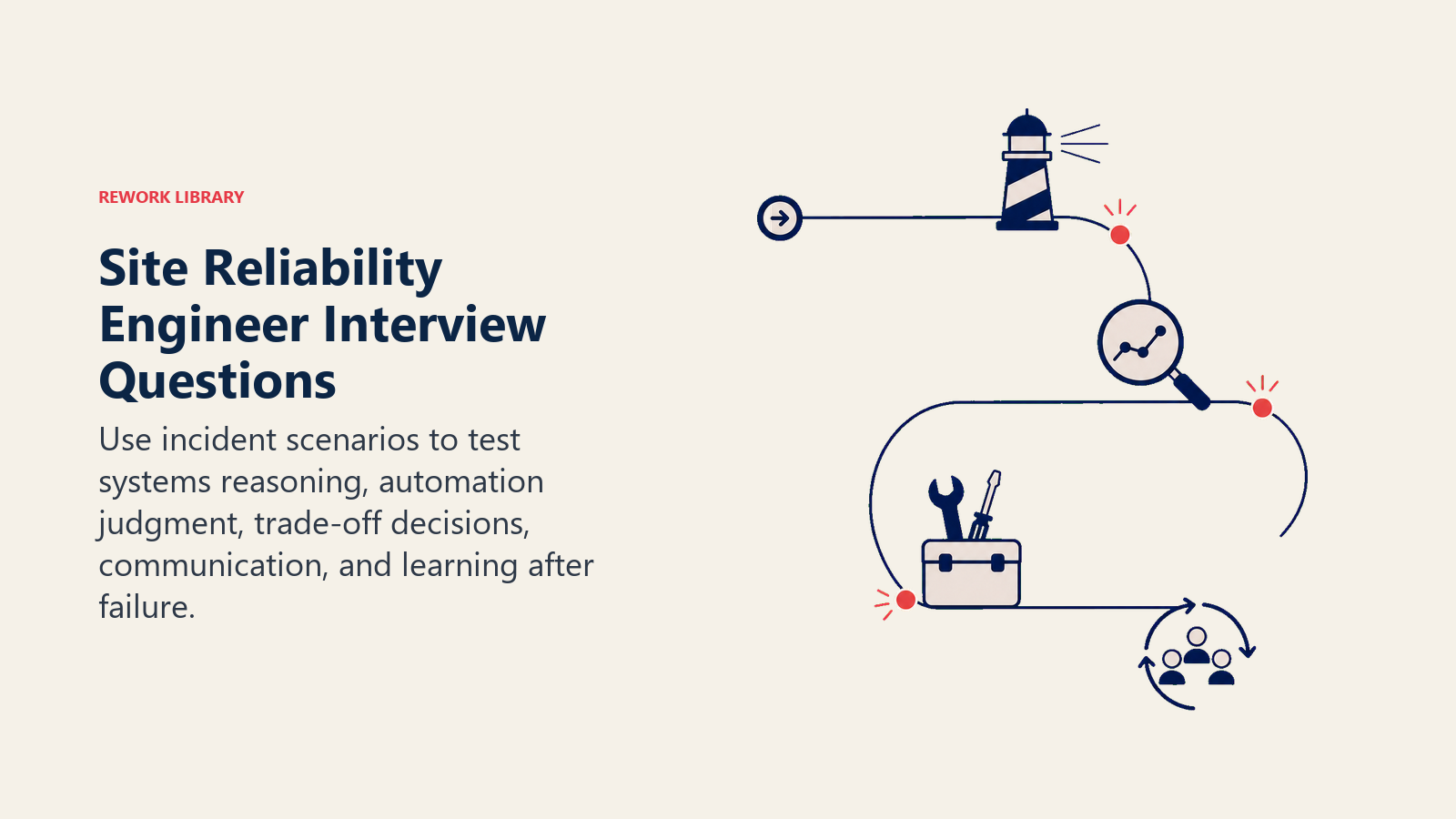
Tindak Balas Insiden dan Penyelesaian Masalah:
- Terangkan proses anda untuk bertindak balas terhadap gangguan produksi yang menjejaskan 20% pengguna.
- Bagaimanakah anda akan menyelesaikan masalah perkhidmatan yang mengalami peningkatan kependaman tetapi tiada perubahan kadar ralat?
- Terangkan bagaimana anda akan menyiasat dan menyelesaikan kebocoran memori dalam aplikasi berkontena.
- Terangkan pendekatan anda untuk menjalankan semakan pasca-insiden yang berkesan.
Automasi dan Infrastruktur:
- Bagaimanakah anda akan mengautomasikan penyediaan tindanan (stack) aplikasi lengkap menggunakan Infrastructure as Code?
- Terangkan strategi anda untuk melaksanakan migrasi pangkalan data tanpa masa henti (zero-downtime).
Soalan Tingkah Laku
Penyelesaian Masalah dan Membuat Keputusan:
- Ceritakan tentang satu ketika anda perlu membuat keputusan kritikal semasa insiden produksi dengan maklumat yang tidak lengkap.
- Terangkan situasi di mana anda mengenal pasti dan menghapuskan punca utama kerja rutin operasi.
- Kongsikan contoh apabila anda perlu mengimbangi tekanan penghantaran ciri dengan kebimbangan kebolehpercayaan sistem.
Kerjasama dan Komunikasi:
- Ceritakan tentang satu ketika anda perlu meyakinkan pembangun untuk mengubah amalan penggunaan (deployment) mereka atas sebab kebolehpercayaan.
- Terangkan bagaimana anda telah membantu menambah baik pengalaman on-call bagi pasukan anda.
Pembelajaran dan Penyesuaian:
- Kongsikan contoh apabila anda perlu mempelajari teknologi baharu dengan cepat untuk menyelesaikan masalah produksi.
Soalan Kesesuaian Budaya
- Bagaimanakah anda mendekati keseimbangan antara inovasi dan kestabilan dalam sistem produksi?
- Apakah falsafah anda tentang bajet ralat dan bagaimana ia sepatutnya mempengaruhi keutamaan pembangunan?
- Bagaimanakah anda kekal terkini dengan amalan dan teknologi SRE yang sentiasa berkembang?
Petua Penilaian:
- Cari calon yang menunjukkan kedalaman teknikal serta kemahiran kolaboratif
- Nilai pengalaman mereka dalam tindak balas insiden dan keupayaan bekerja di bawah tekanan
- Nilai pemahaman mereka tentang prinsip dan amalan kejuruteraan kebolehpercayaan
Petua Pengambilan Pekerja
Panduan Sumber Calon Ringkas
Platform Teratas untuk Pengambilan SRE:
- LinkedIn: Carian lanjutan untuk jawatan SRE, DevOps, dan Infrastructure Engineer
- Stack Overflow Jobs: Komuniti teknikal dengan kehadiran SRE yang kukuh
- AngelList: Sesuai untuk jawatan SRE di startup
- Dice: Papan kerja yang tertumpu pada teknologi
Komuniti Profesional:
- Peserta dan penceramah persidangan SRECon
- Kumpulan pengguna dan meetup penyedia awan
- Ahli komuniti CNCF dan Kubernetes
- Meetup DevOps dan infrastruktur tempatan
Petua Pengoptimuman Siaran Jawatan:
- Ketengahkan teknologi dan alat khusus yang digunakan dalam tindanan (stack) anda
- Nyatakan jangkaan on-call dan proses tindak balas insiden dari awal
- Tekankan peluang pembelajaran dan cabaran teknikal
- Sertakan butiran tentang projek automasi dan infrastruktur
Tanda Amaran untuk Dielakkan
- Latar Belakang Ops Sahaja: Calon tanpa pengalaman pembangunan perisian mungkin bergelut dengan tumpuan kejuruteraan SRE
- Tiada Pengalaman Insiden: Kekurangan pengalaman tindak balas insiden produksi menunjukkan pengetahuan praktikal yang tidak mencukupi
- Pemikiran Bertumpu pada Alat: Calon yang hanya menumpukan pada alat tanpa memahami prinsip asas
- Komunikasi Lemah: SRE mesti berkomunikasi dengan berkesan semasa insiden dan dengan pasukan pembangunan
- Tiada Pemikiran Automasi: Calon yang tidak secara semula jadi memikirkan cara menghapuskan kerja manual melalui kod
- Pendekatan Bertumpu pada Menyalahkan: Calon yang menumpukan pada menyalahkan berbanding penambahbaikan sistemik semasa perbincangan insiden
Soalan Lazim Pengambilan Site Reliability Engineer untuk Majikan
Apakah perbezaan antara SRE dan DevOps Engineer?
SRE menumpukan khusus kepada kebolehpercayaan, menerapkan prinsip kejuruteraan perisian kepada masalah operasi. DevOps Engineer biasanya mempunyai tanggungjawab yang lebih luas merentasi keseluruhan kitaran hayat penghantaran perisian, manakala SRE mengkhusus dalam kebolehpercayaan sistem produksi.
Sejauh manakah pentingnya pengalaman on-call bagi calon SRE?
Pengalaman on-call amat penting kerana ia menunjukkan kemahiran tindak balas insiden secara praktikal dan pemahaman tentang tingkah laku sistem produksi. Calon tanpa pengalaman ini mungkin memerlukan latihan dan bimbingan tambahan.
Perlukah kami mewajibkan pensijilan awan untuk jawatan SRE?
Walaupun pensijilan boleh menunjukkan pengetahuan, pengalaman praktikal secara langsung adalah lebih bernilai. Carilah calon yang dapat menunjukkan pengalaman sebenar dalam pengurusan infrastruktur awan, bukan sekadar kelayakan pensijilan.
Bagaimanakah kami menilai kemahiran automasi calon SRE?
Minta contoh khusus projek automasi yang telah mereka bina, termasuk masalah yang diselesaikan dan alat yang digunakan. Minta sampel kod atau repositori GitHub yang menunjukkan keupayaan pengaturcaraan mereka.
Struktur pasukan yang manakah paling sesuai untuk SRE?
SRE boleh disepadukan dalam pasukan produk atau disusun dalam pasukan platform berpusat. Struktur terbaik bergantung pada saiz dan keperluan organisasi anda, tetapi pastikan saluran komunikasi yang jelas antara SRE dan pasukan pembangunan.
Soalan Lazim Pencari Kerja Site Reliability Engineer
Bahasa pengaturcaraan apakah yang perlu saya pelajari untuk peranan SRE?
Python dan Go adalah yang paling biasa digunakan, tetapi tumpukan satu bahasa secara mendalam berbanding mempelajari banyak bahasa secara cetek. Penskripan shell dan bahasa infrastructure-as-code seperti HCL (Terraform) turut bernilai.
Bagaimanakah saya boleh mendapatkan pengalaman SRE tanpa memegang jawatan SRE?
Tumpukan pada projek automasi, pelaksanaan pemantauan, dan tindak balas insiden dalam peranan anda sekarang. Sumbangkan kepada projek infrastruktur sumber terbuka dan bina projek peribadi yang menunjukkan kemahiran SRE.
Adakah ijazah sains komputer diperlukan untuk jawatan SRE?
Walaupun digemari, pengalaman yang setara boleh menggantikan pendidikan formal. Tumpukan pada membina kemahiran yang boleh dibuktikan dalam pengaturcaraan, pentadbiran sistem, dan pengurusan infrastruktur.
Sejauh manakah tekanan tanggungjawab on-call bagi SRE?
Tekanan on-call berbeza mengikut organisasi dan kematangan sistem. Pasukan SRE yang diuruskan dengan baik mempunyai giliran on-call yang munasabah, dokumentasi yang baik, dan tumpuan kepada pengurangan kekerapan insiden melalui pencegahan.
Apakah laluan kemajuan kerjaya bagi SRE?
SRE boleh meningkat ke jawatan Senior SRE, Staff SRE, atau peranan kepimpinan SRE. Sesetengah beralih kepada kejuruteraan platform, peranan seni bina, atau jawatan pengurusan kejuruteraan.

Senior Customer Retention Strategist
On this page
- Ringkasan Ringkas
- Mengapa Peranan Ini Penting
- Templat Penerangan Jawatan Utama
- Tentang Peranan Ini
- Tanggungjawab Utama
- Keperluan
- Apa Yang Kami Tawarkan
- Variasi Konteks
- Persekitaran Korporat
- Persekitaran Startup
- Persekitaran Jarak Jauh/Hibrid
- Pertimbangan Industri
- Panduan Pampasan
- Maklumat Gaji
- Soalan Temu Duga
- Soalan Teknikal/Fungsian
- Soalan Tingkah Laku
- Soalan Kesesuaian Budaya
- Petua Pengambilan Pekerja
- Panduan Sumber Calon Ringkas
- Tanda Amaran untuk Dielakkan