ベータプログラムテンプレート: 顧客の採用・運営・卒業を正しい方法で行う
Turn this article into takeaways for your work.


Each assistant summarizes the article only for you and suggests best practices for your work.
ベータプログラムと無構造な早期アクセスの違いは何か。それはドキュメントです。顧客との契約書も重要ですが、そこだけではありません。プログラムが何であるか、誰が参加できるか、何を測定するか、「完了」とはどのような状態かを定義する内部ドキュメントが鍵です。
ほとんどのチームは、多くの社内施策を始める時と同じ方法でベータプログラムを開始します。善意はあるが、アーティファクトがない状態です。Account Executive (AE)が提案した3社にメールが送られます。誰かがSlackチャンネルを作ります。フィードバックは自由形式のメッセージとして届きます。Product Manager (PM)が時々確認に来ます。3ヶ月後、プログラムは静かに終了するか、永続的な「ソフトローンチ」状態に滑り込みます。
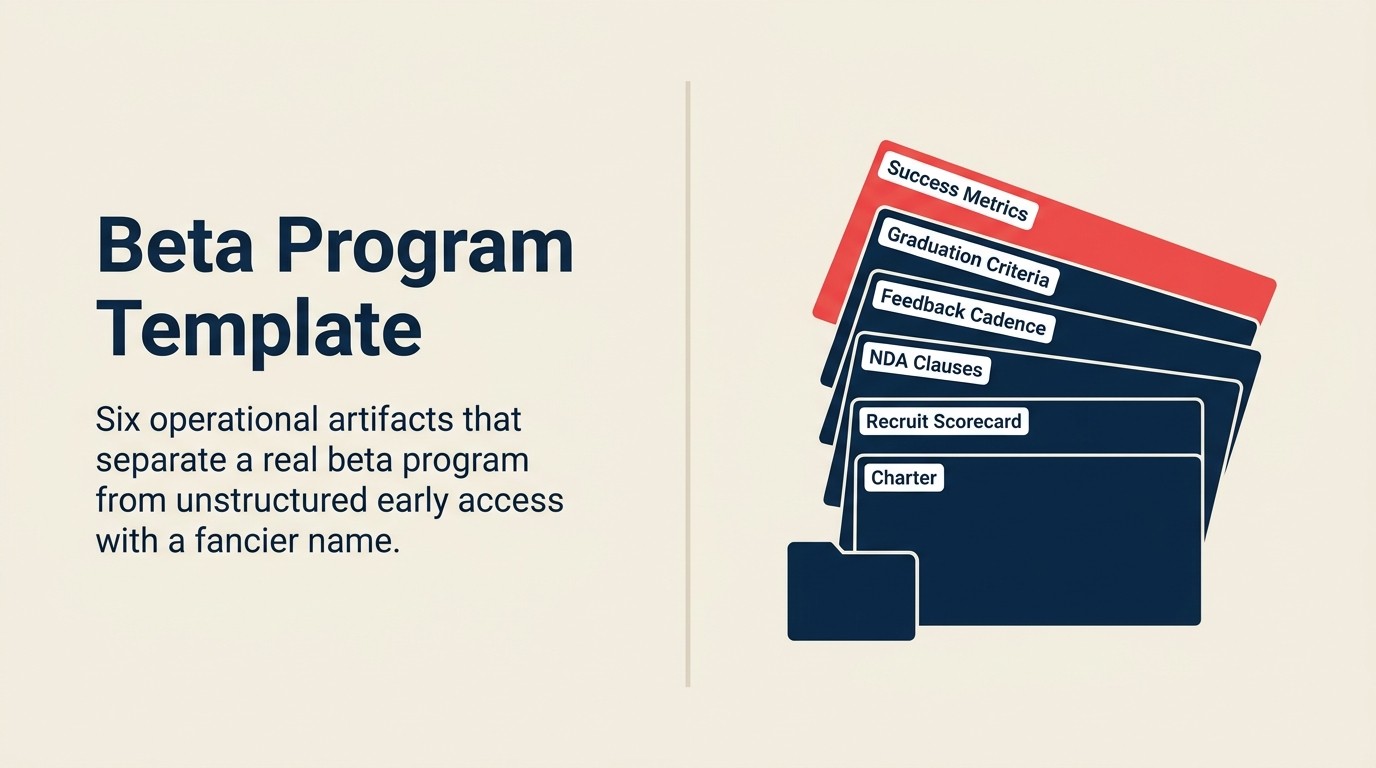
不足しているのは熱意ではありません。運用インフラです。早期アクセスをエビデンスに変えるためのものです。このテンプレートでは、本物のベータプログラムを構成する6つのコピペ可能なアーティファクトを提供します。各アーティファクトは単独でも使えます。組み合わせることで、ベータプログラムをコストのかかる形式的なイベントにしてしまうすべてのギャップを埋めます。
アーティファクト1: ベータプログラムチャーター
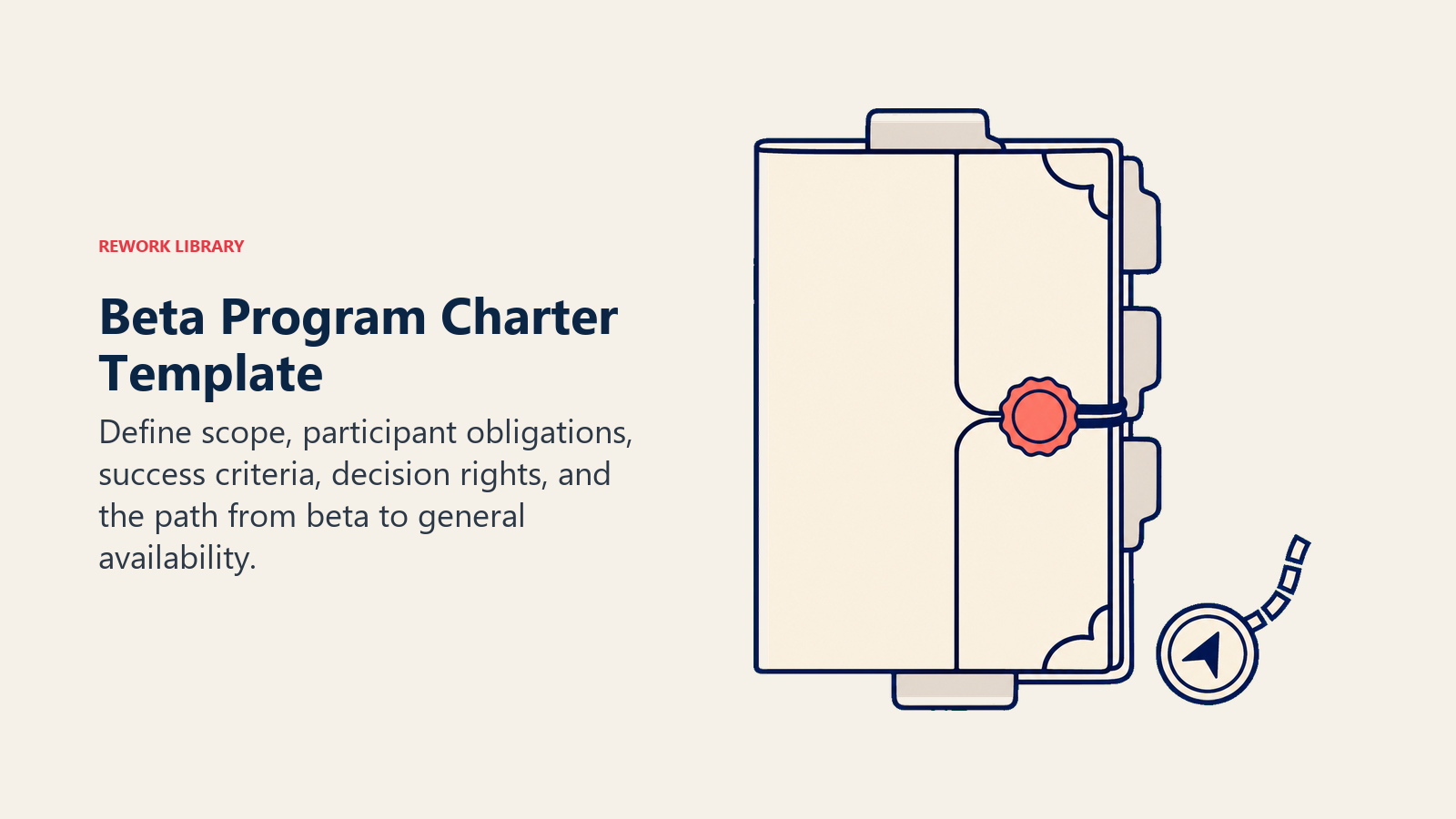
NotionやGoogle Docs、あるいはプログラムを管理するツールにコピーしてください。括弧の中を埋めてください。採用開始前にCSリードとPMの承認を得てください。
主要データ: ベータプログラムの構造が重要な理由
- 書面による卒業基準を持つベータプログラムは、出口条件が定義されていないプログラムと比べて、GA後の機能定着率が2〜3倍高くなります (Pragmatic Instituteのプロダクトローンチ有効性調査)。
- ソフトウェアベータプログラムの67%は実行可能なプロダクトデータの生成に失敗しており、主な原因は構造化されていないフィードバック収集です。参加者は再現可能な観察ではなく印象を提供します (Product Management Institute)。
- ベータ参加者の選定を正式化した企業(オープン招待ではなく)は、フィードバック品質スコアが40%高く、プログラム完了までのベータ参加者リテンションが35%高いと報告しています (Gainsightのベータプログラム設計調査)。
- チャータードキュメントを持たないベータプログラムは78%のケースでスコープクリープを経験します。プログラムスコープ外の機能リクエストが、バックログ準備できるアイテムを生み出さずにPMの時間の30〜40%を消費します (ProductBoard)。
ベータプログラムチャーター
プログラム名: [機能/プロダクトエリア]ベータプログラム
バージョン: v1.0 | ステータス: 草案 / アクティブ / 終了
プログラムオーナー: [名前、役割: CSリードまたはPMリード、両方ではなく一方]
ローンチ日: [YYYY/MM/DD] | 目標完了日: [YYYY/MM/DD]
テスト対象: [スコープに含まれる特定の機能、ワークフロー、またはプロダクトエリアを説明する2〜3文。具体的に: 「レポートの改善」ではなく「新しいレポートダッシュボード」]
明示的にスコープ外のもの: [このプログラムでテストしないものを2〜4項目リストアップ。これはスコープ内と同様に重要です。プログラム中に顧客が尋ねた際に断るものです。]
成功基準(ローンチ前に記載):
- [測定可能な結果1、例: 「10社中8社のベータ顧客がサポートなしに初期セットアップを完了する」]
- [測定可能な結果2、例: 「キックオフから30日以内に機能定着率が60%に達する」]
- [測定可能な結果3、例: 「100回の利用セッションあたりP1バグ報告が3件未満」]
目標参加者数: [N社]
ステークホルダー:
- プロダクトスポンサー: [名前]
- CSスポンサー: [名前]
- エンジニアリング担当: [名前(バグトリアージ用)]
- 法務レビュー完了: 済 / 未 / 進行中
チャーターに含まれる「約束しない」条項は両者を保護します。会社はプログラムにコミットしますが、プログラムから生まれるすべての機能リクエストを構築することにはコミットしません。この区別は、多くのチームが認識している以上に重要です。3週間後、顧客はPMのカジュアルなコメントをコミットメントとして引用しているかもしれません。では、そもそも誰が参加できるかをどう決めるのでしょうか?
アーティファクト2: ベータ採用スコアカード
ベータに参加したいすべての顧客がベータに参加すべきではありません。そして最も声高に参加を望む顧客が、しばしば最悪の候補者です。通常、彼らはあなたのロードマップを検証するためではなく、自分たちの方向へロードマップを誘導するためにプログラムに参加しています。
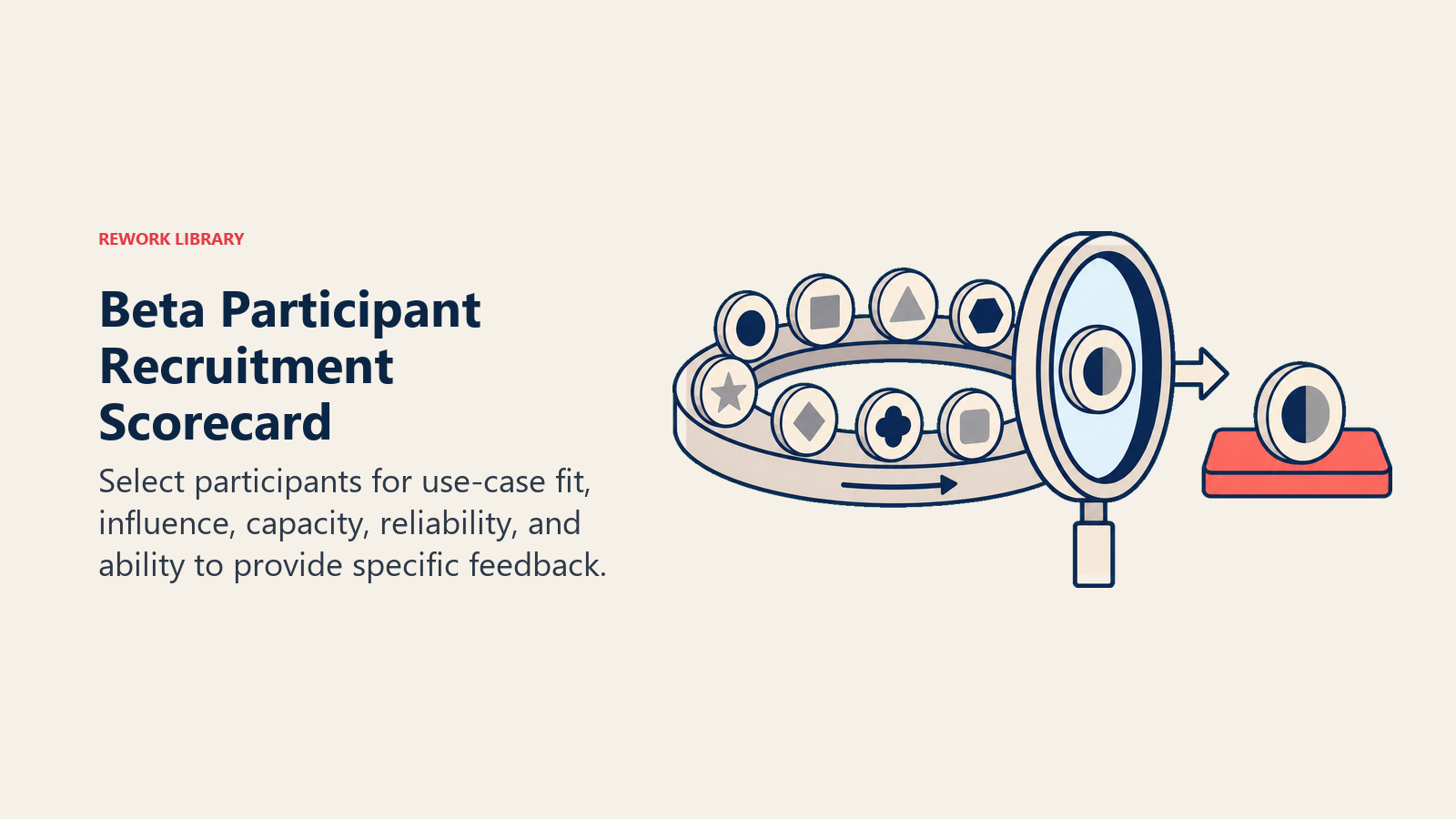
以下の4つの基準で各候補アカウントを評価してください。12点未満のアカウントは、ARRや熱意に関わらずプログラムに入れません。
ベータ採用スコアカード
各基準を0〜5で採点してください。最低合格スコア: 20点満点中12点。
| 基準 | 0〜1 | 2〜3 | 4〜5 | スコア |
|---|---|---|---|---|
| 技術的適合性: 顧客のユースケースはテスト対象と一致しているか? | ユースケースが隣接または不明確 | 部分的一致: 関連機能を使用するが、スコープ内の機能そのものではない | 完全一致: これが本番環境での機能の使い方 | |
| エンゲージメントコミットメント: 参加できるか? | 担当窓口なし、最後のQBRに無断欠席 | 対応はするが一貫性なし、CSMが追いかけている | フィードバック通話と非同期アンケートにコミットした担当者がいる | |
| 戦略的価値: ARRティア、拡大ポテンシャル、リファレンスポテンシャル | ARR $25K未満、拡大シグナルなし、リファレンス不可 | ARR $25K〜$100K、中程度の適合 | ARR $100K以上、拡大の会話が進行中、リファレンス可能 | |
| アカウントヘルス: このアカウントは参加できるほど安定しているか? | 解約リスクあり、オープンエスカレーションあり、NPS 6未満 | イエローヘルス、軽微なオープンイシューあり | グリーンヘルス、オープンエスカレーションなし、NPS 7以上 |
除外トリガー(スコアに関わらず失格):
- アクティブな解約会話中のアカウント
- P2以上のオープンサポートエスカレーションあり
- プログラム終了日から60日以内に更新がある
- CSMがアカウントをリレーションシップ上センシティブとしてフラグを立てている
メモ: [プログラムオーナーに提出する前にアカウント固有のコンテキストを追加]
採用決定: 承認 / 待機リスト / 否認
除外トリガーはスコアリングと同じくらい重要です。解約リスクのあるアカウントは安定したCustomer Success Manager (CSM)リレーションシップが必要であり、ベータプログラムではありません。それらを混ぜると、顧客がベータへの参加をレバレッジとして使い、PMがフィードバックが本物のプロダクトインプットなのか交渉上のポジションなのかを区別できなくなります。顧客ヘルスモニタリングは、採用開始前にこの判断に必要なシグナルを提供します。コホートが確定したら、本当の作業が始まります。毎週構造化されたフィードバックを得ることです。
アーティファクト3: NDAと参加契約の主要条項
法務チームが実際の契約書を作成します。しかし、CSチームは通常、ベータプログラムに特に重要な4つの条項をフラグ立てすることなく法務に渡します。草案作成前にこれらについて法務にブリーフィングしてください。
ベータ参加契約: 主要条項
第1条: 機密の範囲
含めるべき内容: 機密となるものを正確に定義します。通常、機能そのもの、プログラム中に共有されたロードマップのコンテキスト、議論されたパフォーマンスベンチマークです。期間を定義します(通常、プログラム終了から12〜24ヶ月、またはGAローンチのいずれか早い方)。
よく見落とされる点: チームは「機密情報」を未定義のままにします。顧客がスクリーンショットが機密と知らなかったため、コミュニティフォーラムに投稿します。メディアタイプを明示的に記載してください。
サンプル文言: 「参加者は、スクリーンショット、画面録画、機能の説明、またはパフォーマンスデータを含むがこれに限定されない非公開プロダクト情報を、プログラム期間中およびプログラム終了後[X]ヶ月間、第三者に開示しないことに同意します。」
第2条: フィードバックの権利
含めるべき内容: 帰属なし、補償なしでフィードバックを使用する会社の権利。顧客は自分たちが提供したアイデアに対してIP所有権を期待することがあります。この条項がその曖昧さを排除します。
サンプル文言: 「参加者が提供するフィードバック、提案、または推奨事項は[会社]の単独の財産となり、帰属、補償、またはさらなる同意なしに製品または関連資料に組み込まれる場合があります。」
第3条: 約束しない条項
含めるべき内容: 参加がプログラム中に議論された特定の機能を構築したり、特定の変更を行ったりするコミットメントではないという明示的な記述。これはポストベータの期待を管理するために最も重要な条項です。
サンプル文言: 「このプログラムへの参加は、プログラム中に議論された機能、変更、またはプロダクト方針を開発、リリース、または優先することを[会社]がコミットするものではありません。」
第4条: 退出条項
含めるべき内容: どちらの当事者も[5〜10]営業日前の通知で退出できます。退出時に顧客のアクセスがどうなるか(通常は即時失効)、プログラム中に生成されたデータがどうなるか(標準のデータ契約に基づいて会社が保持)を定義します。
サンプル文言: 「いずれの当事者も[N]営業日前の書面による通知により、参加者のこのプログラムへの参加を終了することができます。終了時、参加者のベータ機能へのアクセスは[48時間 / 5営業日]以内に失効します。」
アーティファクト4: 週次フィードバック頻度
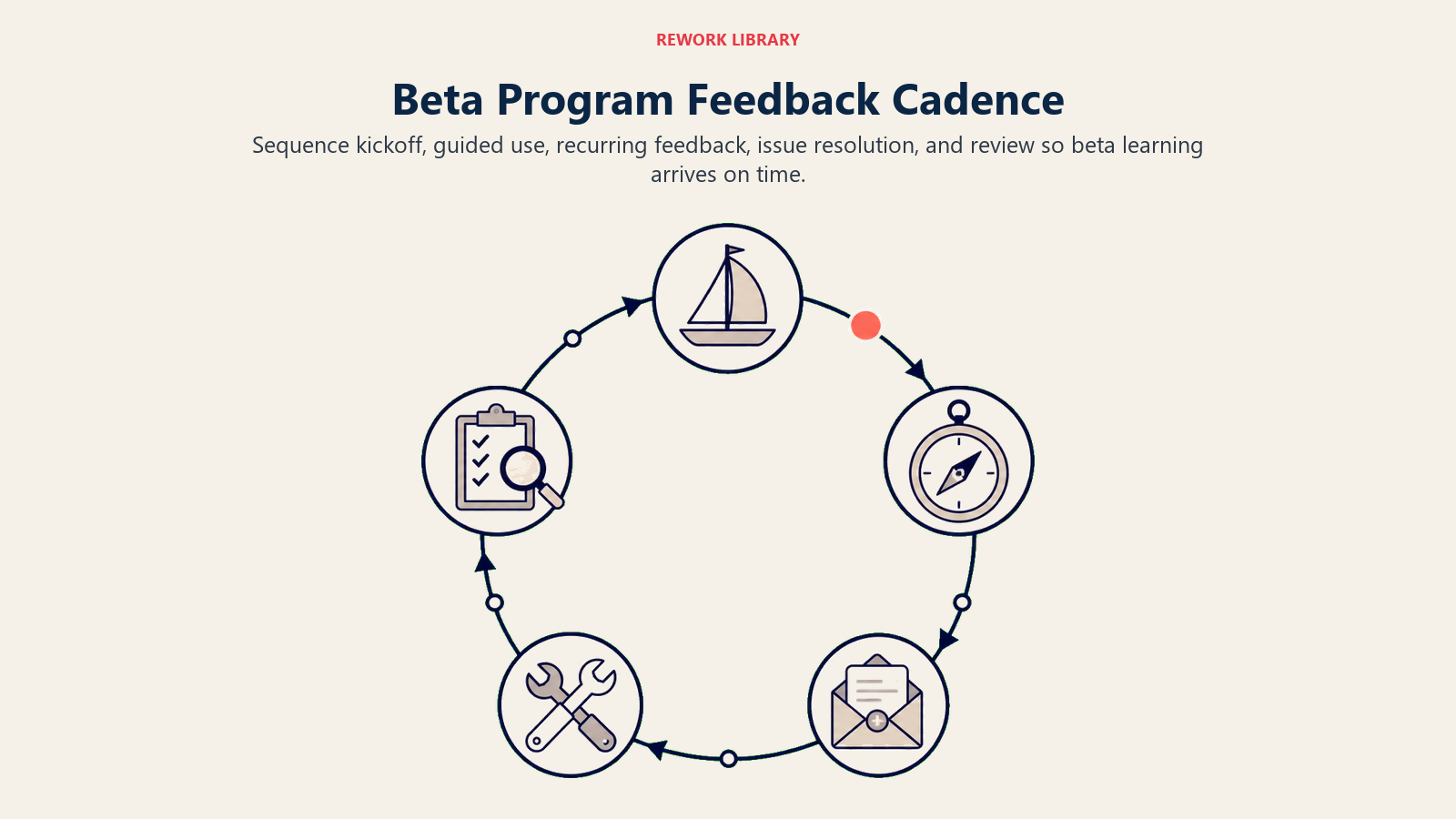
これはキックオフ通話後にベータプログラムが沈黙するのを防ぐ運用リズムです。
ベータプログラムフィードバック頻度
第1週: キックオフ通話 (30分)
アジェンダ:
- プログラムスコープと明示的にスコープ外のもの (5分、チャーターのセクションを声に出して読む)
- 参加者紹介: 名前、役割、テストする特定のワークフロー (10分)
- 最初のタスク割り当て: 第2週の非同期チェックイン前に試す特定の1つのこと (5分)
- フィードバックチャンネルのセットアップ: Slackだけでなく非同期フォームへのアクセスを確認 (5分)
- Q&A (5分)
記録すること: 出席状況、各参加者が挙げた具体的なユースケース、即時アクセスやセットアップの問題。
第2〜4週: 非同期フィードバック収集
フォーマット: SlackチャンネルやメールスレッドではなくStructured Form (構造化フォーム)。自由形式のフィードバックは集約が難しいです。構造化されたフィードバックはクエリ可能です。
非同期チェックインごとの最低限の質問:
- 今週何を試しましたか? (1〜2文)
- 期待通りに機能したことは何ですか?
- 機能しなかったか、わかりにくかったことは何ですか?
- 1〜5のスケールで、この機能を現在のワークフローで使用する可能性はどれくらいですか? (スケール)
- より多くテストする上で妨げになっていることはありますか?
頻度: 週次フォーム、完了に5〜10分。それ以上かかるなら短くしてください。
CSMの責任: 同じ週に「1または2」の可能性スコアがあった場合、その日の業務終了までにフォローアップしてください。グループ通話まで待たないでください。
ベータ中盤: グループフィードバック通話 (60分)
アジェンダ:
- パターンサマリー: これまでの非同期フィードバックから上位3つのテーマを共有 (15分、CSMではなくPMが発表)
- オープンディスカッション: アカウント全体で機能しているもの、機能していないもの (25分)
- 矛盾するフィードバックの解決: 3社が1つのことを求め、2社が逆のことを求める場合、ここで表面化させる (15分)
- 期待の確認: 約束しない条項を再読し、全参加者がコミットしているものとしていないものを覚えているか確認 (5分)
記録すること: 名前の付いた矛盾、多数派のポジションと少数派のポジション、個別フォローアップが必要なアカウント固有の問題。
最終週: 卒業アンケート
5問のアンケート:
- ベータ体験全体の評価は? (1〜5)
- 機能は期待した問題を解決しましたか? (はい / 部分的に / いいえ、コメント欄付き)
- GAになったらこの機能を使用する可能性はどれくらいですか? (1〜5)
- GA前にこの機能を最も改善するものは何ですか?
- この機能のリファレンス顧客になる意思はありますか? (はい / いいえ / 検討中)
アーティファクト5: 卒業基準テーブル
卒業ゲートのないベータプログラムは終わりません。フェードアウトします。プログラム開始前に終了基準を定義することで、卒業の会話が交渉にならないようにします。
卒業基準
GAに卒業するための基準:
| 基準 | 閾値 | 測定方法 |
|---|---|---|
| 最低使用完了 | 各参加者が定義されたテストタスクの少なくとも[N]を完了している | CSプラットフォームのタスクトラッキングまたはPMの使用ログ |
| P1・P2バグ数 | プログラム終了時にP1バグゼロ、P2バグ[N]未満 | エンジニアリングバグトラッカー |
| 卒業アンケートNPS | 参加者全体の平均「使用可能性」スコアが5点満点で3.5以上 | アンケートツール |
| フィードバックからバックログへの変換 | 構造化されたフィードバックの少なくとも[N]%がプロダクトバックログにトリアージ・記録されている | PMバックログツール |
| 顧客サインオフ | プログラムオーナーが各参加者と個別に卒業準備完了を確認 | メールまたは電話確認 |
参加者を早期退出させる基準:
| トリガー | アクション | 通知期間 |
|---|---|---|
| コミュニケーションなしで2週連続の非同期チェックイン欠席 | CSMが再エンゲージメントメモを送信。5日以内に返答がない場合、退出手続き開始 | 5営業日 |
| 競合他社への懸念(顧客がプログラムのコンテキストを使用して競合他社を評価していることを開示) | 即時退出、法務通知、アクセス失効 | 即時 |
| プログラム中にアカウントヘルスが解約リスクに低下 | プログラムオーナーが評価。通常は10日前通知での退出 | 10営業日 |
| 顧客が早期退出を要求 | 即時に対応。プログラム中に生成されたデータはすべて保持 | 即時 |
卒業時のCSの対応:
- プロダクトとのGAアクセスプロビジョニングのタイムラインを確認
- テストした内容、リリースされるもの、リリースされないもの(とその理由)を振り返る20分の卒業通話をスケジュール
- 卒業アンケートで「はい」と回答した参加者のリファレンスステータスを確認
- アカウントを標準CSMモーションに戻す。「延長ベータ」の中途半端な状態に置かない
- 拡大の会話が適切なら、ベータ参加のコンテキストとともにAEに引き渡す
アーティファクト6: 成功指標テーブル
プロダクトとCSはローンチ前に両チームが事前合意した指標を使って、共にベータを成功と宣言します。
ベータプログラム成功指標
| 指標 | 目標ベンチマーク | 測定担当 | 測定タイミング |
|---|---|---|---|
| 機能定着率: プログラム終了時にアクティブに機能を使用しているベータ参加者の割合 | 60%以上 | PM (プロダクト分析) | プログラム終了時 |
| フィードバックからバックログへの変換率: 報告された固有の問題のうち記録されたバックログアイテムになった割合 | 40%以上 | PM (バックログツール) | プログラム終了時 |
| NPSデルタ: プログラム前 vs プログラム後の参加者NPS | +5以上 | CS (アンケートツール) | プログラム前キックオフと卒業アンケート |
| ベータからGAへの定着率: GA後60日時点でまだ機能を使用しているベータ参加者の割合 | 70%以上 | PM (プロダクト分析) | GAローンチ後60日 |
| リテンションシグナル: ベータ参加者と非参加者の12ヶ月更新率 | ベータコホートが5%以上高い | CS / RevOps | プログラム後12ヶ月 |
| バグ解決率: ベータ中に報告されたP1/P2バグのうちGA前に解決された割合 | P1 100%、P2 80%以上 | エンジニアリング | GAローンチ時 |
指標の読み方:
- プログラム終了時の機能定着率が40%未満の場合、機能はGA前に単なるブラッシュアップではなく、根本的な見直しが必要です。
- フィードバックからバックログへの変換率が20%未満の場合、CSチームがエスカレーションしていないか、PMがトリアージしていないかのどちらかです。いずれにせよ、ループが壊れています。
- リテンションシグナルは測定に12ヶ月かかりますが、CFOレベルのステークホルダーにプログラムの存在理由を正当化する指標です。
ベータプログラムを台無しにする5つの過ち
HBRのフィードバックループのクローズに関する調査によると、顧客プログラムから最大の効果を得るには、結果をそれらの顧客を担当した人々に即座に伝え、行動する権限を与えることが最重要です。卒業後まで遅らせるベータプログラムはフィードバックの価値を完全に失います。
採用前にチャーターがない。 顧客は異なる期待を持って参加します。一人はデザインパートナーシップだと考えます。別の一人は早期アクセスだと考えます。3人目はロードマップのコミットメントだと考えます。書面によるチャーターなしに、3つの異なるメンタルモデルを同時に管理することになり、フィードバックの質はそれに応じて低下します。
コホートに解約リスクのあるアカウントがいる。 ベータに参加しているヘルスがイエローの顧客は、検証のための参加者ではありません。リレーションシップリスクを管理しています。彼らのフィードバックは「これが壊れていると言ったら、更新の会話に影響するか?」というフィルターを通されます。解約リスクのあるアカウントは安定するまで排除してください。どちらのチームもプログラム途中で驚かないよう、採用開始前にアカウントヘルスの閾値について合意してください。
約束のクリープ。 「確認してみます」から始まります。PMが機能にコミットしたと顧客が信じる状況で終わります。ベータ通話に参加するすべてのPMに、どの言葉がコミットメントに当たり、どれが当たらないかをトレーニングしてください。non-disclosure agreement (NDA)の「約束しない」条項は法的保護です。通話中のトレーニングは運用上の保護です。
卒業ゲートがない。 定義された出口のないプログラムは2つの方法で終わります。突然終了させられるか、正式にクローズしないかです。終了がマイルストーンであってから判断にならないよう、ローンチ前に卒業基準を定義してください。
フィードバックへの返答がない。 顧客がフィードバックを提供し、何も返ってこなかったプログラムほど、CSMの将来のベータ参加者採用へのモチベーションを素早く殺すものはありません。「確認したが、バックログには入らなかった」という答えであっても、ループをクローズしてください。顧客とのフィードバックループのクローズでは、「はい、構築します」と「今は構築しません、その理由はこちらです」の両方の返答に対する具体的な言葉を説明しています。この返答を受けたアカウントは、次のサイクルで最高のベータ採用候補になります。
ローンチ前・ベータ中・ポストベータのチェックリスト
| フェーズ | アイテム | 担当 | 完了? |
|---|---|---|---|
| ローンチ前 | チャーターの草案作成と承認 | CSリード + PM | |
| すべての候補者の採用スコアカード完了 | CSM | ||
| すべての参加者のNDA/参加契約の締結 | 法務 + CS | ||
| フィードバックフォームの構築とテスト | PMまたはCS Ops | ||
| すべての参加者とのキックオフ通話のスケジュール | CSM | ||
| エンジニアリングバグトリアージSLAの合意 | PM + エンジニアリング | ||
| ベータ中 | 週次非同期チェックインの送信と回答率のトラッキング | CSM | |
| 「1または2」の可能性スコアを同じ週にフォローアップ | CSM | ||
| ベータ中盤のグループ通話の完了 | PM + CSM | ||
| フィードバックからバックログへの変換が40%以上で進行 | PM | ||
| 解約リスクのあるアカウントがコホートにいない | CSM | ||
| ポストベータ | 卒業アンケートの送信と回答の収集 | CSM | |
| GAローンチ前のP1/P2バグの解決 | エンジニアリング | ||
| リファレンス顧客の確認 | CSリード | ||
| すべての参加者の標準CSMモーション再開 | CSM | ||
| RevOpsでの12ヶ月リテンショントラッキング開始 | RevOps |
これがより広いCS-Productループにどのように接続するか
ベータプログラムは単独で存在しません。CSからプロダクトへのVoC (Voice of Customer)パイプラインの最も集中的な形です。継続的に稼働すべきフィードバックチャネルの、集中した時間制限のあるバージョンです。ここに示すアーティファクトは、そのパイプラインが最大強度の時にどのような形をとるかの正式なインフラです。
ベータプログラムの実施、よりシンプルな早期アクセスプログラムとの違い、継続的な早期アクセスアカウント管理、ポストベータのアドバイザリーボード運営については、以下の詳細リンクで説明しています。
Rework分析: ミッドマーケットSaaS企業からのベータプログラムデータに基づくと、6つすべての運用アーティファクト(チャーター、スコアカード、NDA、頻度、卒業基準、指標)を使用するプログラムは、アドホック構造のプログラムより2〜3倍高い確率で予定通りに完了します。最もレバレッジの高い単一のアーティファクトは卒業基準テーブルです。採用開始前に出口基準を定義するチームは、80%以上のケースで「永続的ソフトローンチ」の失敗モードを回避します。私たちのフレームワークでは、卒業基準を最初に構築し、その後チャーターに向けて逆算することを提案しています。誰が参加するかを定義する前に「完了」がどのような状態かを知ることで、最も一般的なスコープの争いが始まる前に排除できます。
詳細について
- 顧客ベータプログラムの運営
- 早期アクセス階層: 誰が入れるか、どのように管理するか
- 顧客とのフィードバックループのクローズ
- VoCパイプライン: CSからプロダクトへ
- 顧客共同デザインとアドバイザリーボード運営
- CS-Product アラインメント用語集
- CS-PM 1:1頻度
ベータプログラムテンプレートに関するよくある質問
ベータプログラムチャーターとは何ですか?また、なぜ重要ですか?
ベータプログラムチャーターは、採用開始前にプログラムのスコープ、スコープ外のアイテム、成功基準、参加者数、ステークホルダーの承認を定義する書面です。チャーターなしでは、参加者が異なるメンタルモデルを持って参加するため重要です。一人はデザインパートナーシップを期待し、別の一人はロードマップのコミットメントを期待し、3人目は早期アクセスを期待します。期待のずれは、隠れたアジェンダでフィルタリングされたフィードバックを生み出し、そのフィードバックはプロダクト決定に対して信頼性がありません。
ベータプログラムには何社の顧客を入れるべきですか?
ほとんどのミッドマーケットSaaSのベータプログラムは8〜15人の参加者で最もうまく機能します。6人未満では十分なシグナルの多様性が得られません。20人を超えると、フィードバック頻度が1人のPMには管理しきれなくなります。Pragmatic Instituteの調査では、20人を超える参加者を持つプログラムは構造化されたチェックイン頻度が崩れるため、参加者1人あたりのフィードバック品質が40%低下することがわかっています。量よりも参加者の一致の質の方が重要です。
ベータ採用スコアカードとはどのようなものですか?どのように使いますか?
採用スコアカードは、各候補アカウントを技術的適合性、エンゲージメントコミットメント、戦略的価値、アカウントヘルスの4つの基準で評価する0〜5スケールのルーブリックです。最低合格スコアは20点満点で12点です。招待前に使用します。すべての候補者を招待前にスコアリングしてください。12点未満のアカウントはARRや熱意に関わらず断ります。アクティブな解約会話中のアカウント、P2以上のオープンエスカレーションがあるアカウント、プログラム終了から60日以内に更新があるアカウントはスコアに関わらず失格です。
卒業基準には何を含めるべきですか?
卒業基準には以下を定義すべきです。最低使用完了(各参加者がN個の定義されたテストタスクを完了)、P1/P2バグの閾値(P1バグゼロ、終了時P2バグN未満)、卒業アンケートNPS(5点満点で平均使用可能性3.5以上)、フィードバックからバックログへの変換率(構造化されたフィードバックの少なくともN%がバックログにトリアージ済み)、プログラムオーナーからの個別の顧客サインオフ。5つすべての基準はプログラム終了時に交渉するのではなく、採用開始前に書面に記載されるべきです。
約束せずにベータ後に顧客とのフィードバックループをクローズするにはどうすればいいですか?
推奨される言葉は次の通りです。「ベータ中に提起された問題がプロダクトバックログアイテムとして記録されたことをお知らせします。具体的なタイムラインはお約束できませんが、あなたの報告がチームがこれを優先することに貢献しました。ステータスの更新がある際にご連絡します。」これはコミットメントを示唆することなくループをクローズします。参加契約の「約束しない」条項が法的保護です。この言葉を一貫して使用することが運用上の保護です。
ベータプログラムが成功したかどうかを知るためにどの指標を追跡すべきですか?
6つの指標を追跡します。機能定着率(目標: プログラム終了時に60%以上の参加者がアクティブに機能を使用)、フィードバックからバックログへの変換率(40%以上)、NPSデルタ(プログラム前と卒業アンケートの比較、目標+5以上)、ベータからGAへの定着率(GA後60日時点でも70%以上のベータ参加者が機能を使用)、ベータコホートと非参加者の12ヶ月更新率(ベータコホートが5%以上高い)、P1/P2バグ解決率(P1 100%、GA前にP2 80%以上解決)。リテンションシグナルは測定に12ヶ月かかりますが、CFOレベルのステークホルダーにプログラムの存在を正当化する指標です。
ベータプログラムが実行可能なデータを生み出すことに失敗する最も一般的な理由は何ですか?
構造化されていないフィードバック収集です。Product Management Instituteの調査によると、ソフトウェアベータプログラムの67%は実行可能なプロダクトデータの生成に失敗しています。参加者が再現可能な観察ではなく印象を提供するためです。解決策は、特定の質問を含む週次の構造化フォームです(SlackチャンネルやメールスレッドではなくStructured Form): 何を試したか、何が機能したか、何が機能しなかったか、1〜5の使用可能性スケール。「1または2」のスコアにはCSMが同じ週の業務終了までにフォローアップすることが必要です。