
Turn this article into takeaways for your work.


Each assistant summarizes the article only for you and suggests best practices for your work.
El martes en que Maya supo que algo andaba mal, la sala estaba en silencio. No el silencio productivo de gente en llamadas. El silencio de treinta personas que habían dejado de hablarse entre sí. Audífonos puestos, ojos en las pantallas, sin charla, sin preguntas entre compañeros, sin risas. Productivo en el papel. Hueco en persona.
Este es el manual de lo que debe sentirse una sala de agencia entre cinco agentes (donde la energía es automática) y cincuenta (donde la energía es diseñada). El tramo intermedio es donde la mayoría de las agencias la pierden.
Lo que se perdió entre cinco y treinta
Con cinco agentes, la cultura de sala era el almuerzo. Comían juntos, se escuchaban las llamadas mutuamente, se preguntaban "¿cómo manejo esta objeción?" sin que nadie lo programara. El conocimiento compartido era un subproducto automático de estar en la misma sala con las mismas cinco personas.
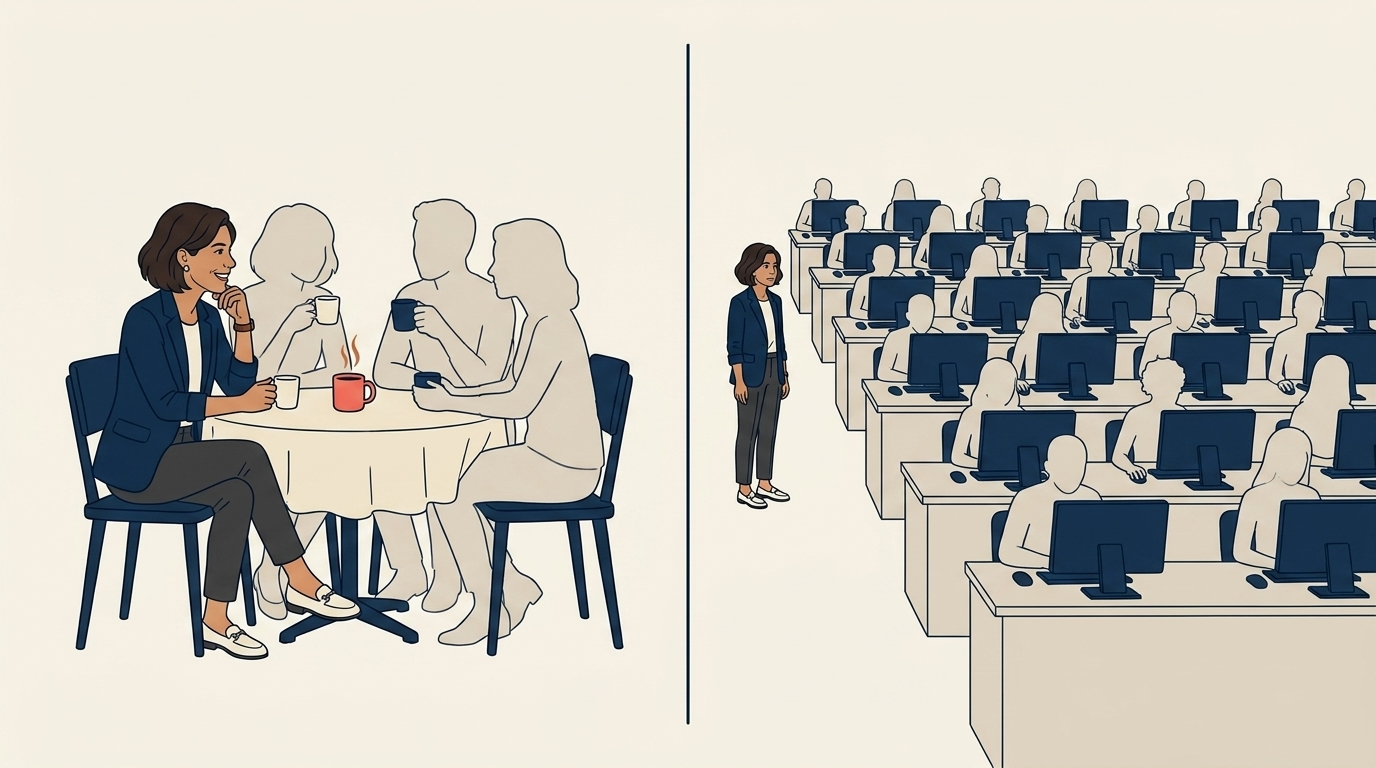
Con treinta agentes, nada de eso sobrevivía sin esfuerzo. La sala era más grande. Los escritorios estaban más separados. La mitad del equipo se había unido en los últimos seis meses y no sabía que los agentes senior ya habían resuelto las objeciones en las que estaban atascados. La cultura no desapareció. Solo dejó de reproducirse a sí misma.
El ritual matutino
Nueve de la mañana, de lunes a jueves, quince minutos como máximo. Los agentes se ponen de pie junto a sus escritorios. Pasan tres cosas.

Primero, un agente tiene dos minutos para compartir un trato que se cerró y una cosa específica que hizo y que funcionó. No una historia motivacional genérica, una táctica real con detalles. "Noté que seguían diciendo que sus fechas eran flexibles, así que empecé con tres opciones de precio en vez de pedir las fechas primero."
Segundo, cualquiera con un trato atascado puede pedirle ayuda a la sala en 60 segundos. Quien tenga una idea responde. La conversación continúa después; la reunión de pie solo abre el canal.
Tercero, una actualización de liderazgo de dos oraciones como máximo. Cuotas, ofertas, cualquier cosa urgente.
Lo que hace esta reunión de pie es reconstruir el subproducto que la era de equipo pequeño tenía gratis: los agentes sabiendo en qué está trabajando cada uno, aprendiendo las tácticas de los demás, y sintiéndose un equipo en lugar de treinta freelancers independientes en sillas contiguas.
El tablero de líderes que no arruina amistades
Un tablero de líderes individual en tiempo real que clasifica a todos del 1 al 30 va a dañar tu sala más rápido que no tener ningún tablero. Maya lo probó durante dos semanas. Los agentes del tercio inferior se encogieron. Los agentes del tercio superior empezaron a competir de maneras que dañaban la colaboración.
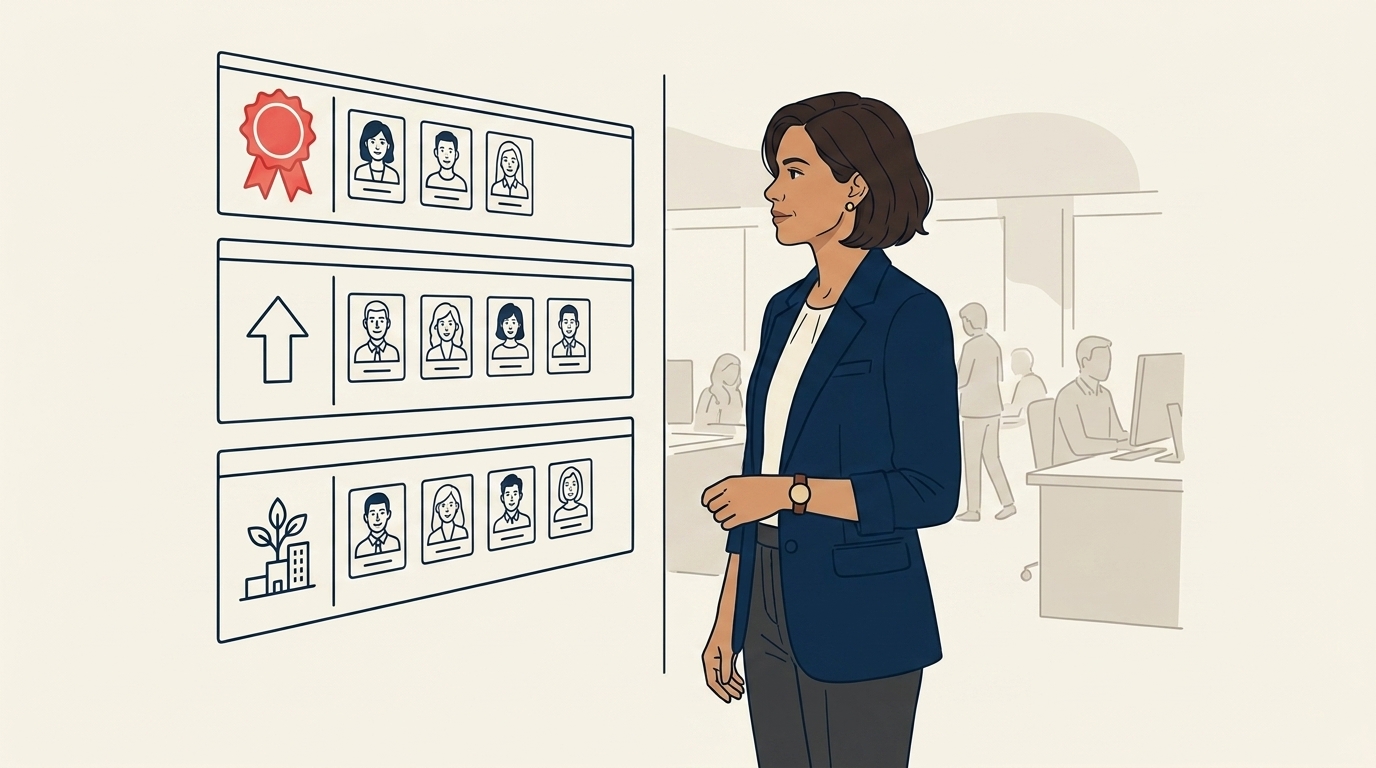
Lo que lo reemplazó fue una visualización por niveles. Tres grupos: mejores desempeños, en curso, en desarrollo. Los nombres dentro de un grupo no estaban clasificados. La visualización se actualizaba trimestralmente, no a diario. Los agentes podían ver si iban bien encaminados sin ver que estaban en el puesto número 17. La información era honesta sin ser humillante.
El grupo de nivel superior era visible para todos. El grupo inferior existía, pero era una conversación privada entre agente y gerente, no una pantalla de pared.
Parejas de coaching entre pares
La intervención de cultura de mayor impacto que hizo Maya fueron las parejas de coaching entre pares. Cada agente se emparejaba con otro agente, a veces senior con junior, a veces par con par. Treinta minutos a la semana, a elección de los agentes cuándo. La agenda era simple: cada persona elige una llamada de la semana anterior y la otra persona escucha la grabación y da una sola sugerencia.
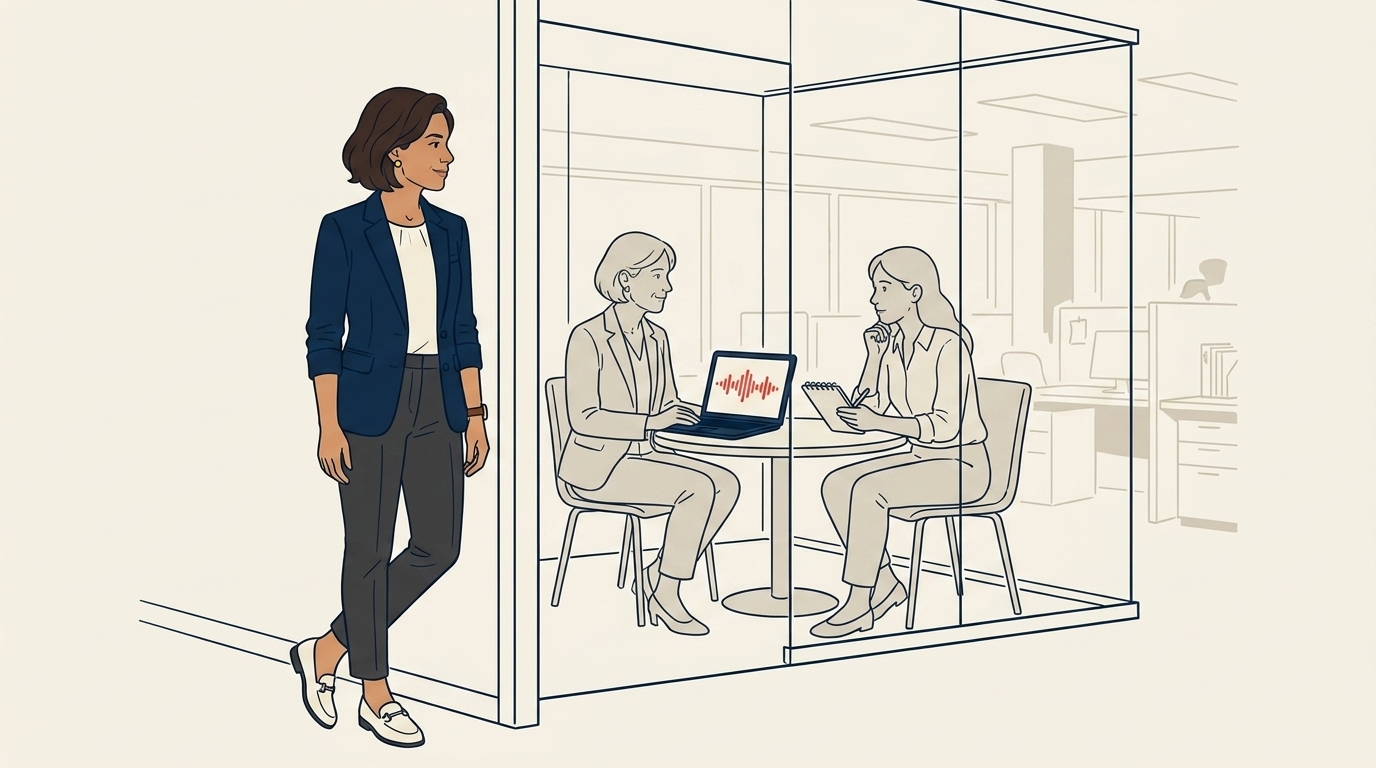
Las parejas rotaban cada trimestre, de modo que, a lo largo de un año, cada agente había trabajado con la mayor parte de la sala. Los agentes senior descubrieron que aprendían de los junior casi tan a menudo como al revés, distintas generaciones del equipo tenían distintas intuiciones para distintos segmentos de viajeros.
La dinámica de coaching entre pares reemplazó el modelo de "el gerente acompaña las llamadas," que no escalaba más allá de un equipo de cinco agentes.
Lo que la "energía de sala" realmente es
La energía de sala no es volumen. No es ruido. No es una campana de ventas sonando por cada trato cerrado, eso se desgasta rápido. La energía de sala es la textura de la conversación en todo el espacio.
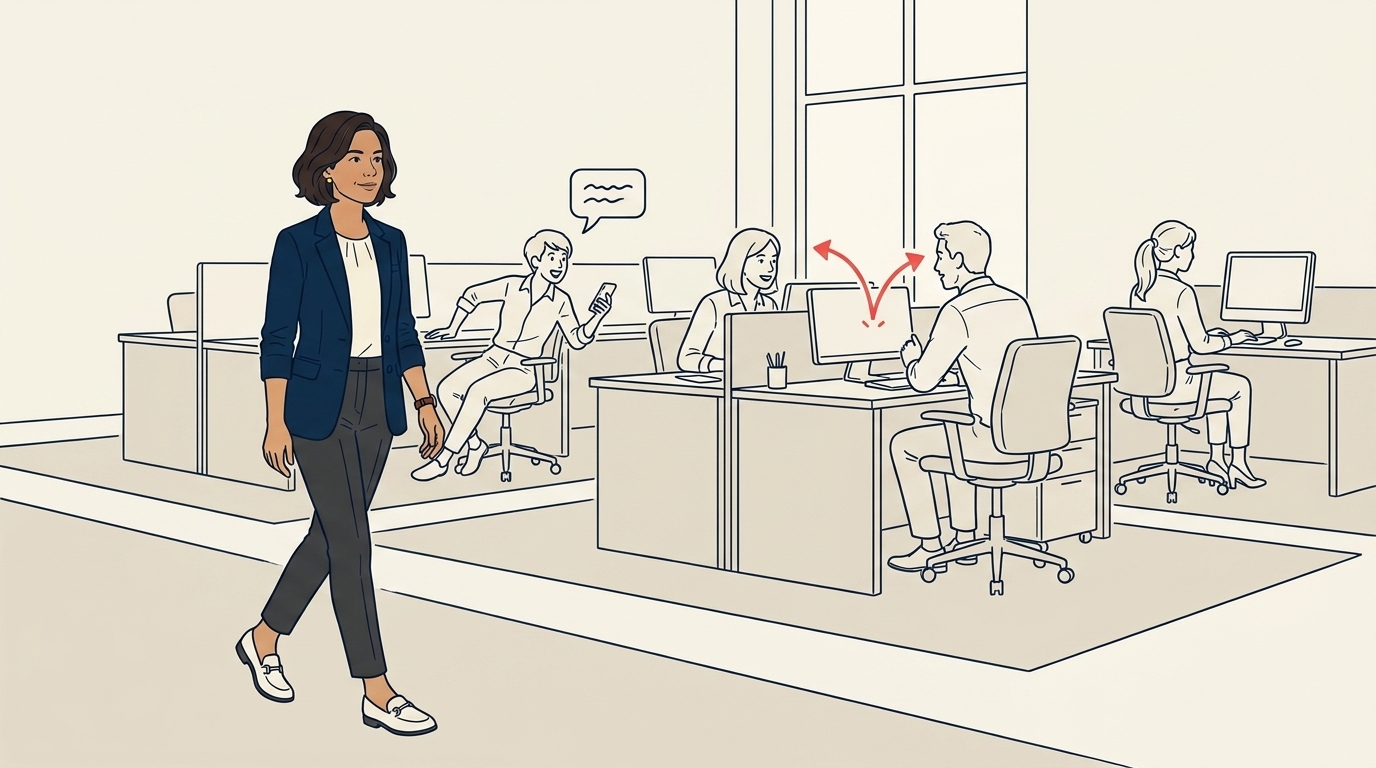
La sala más saludable que Maya vio, después de la reconstrucción, fue una sala por la que podías caminar a las 2pm y escuchar tres cosas: alguien en una llamada sonando interesado en el cliente, dos agentes rebotando una objeción de un lado a otro en escritorios contiguos, y al menos un tramo tranquilo donde nadie estaba actuando para nadie. La sala se veía viva sin verse frenética.
Lo que agota a una sala
Los patrones que silenciosamente matan una sala son fáciles de pasar por alto hasta que ya se afianzaron.
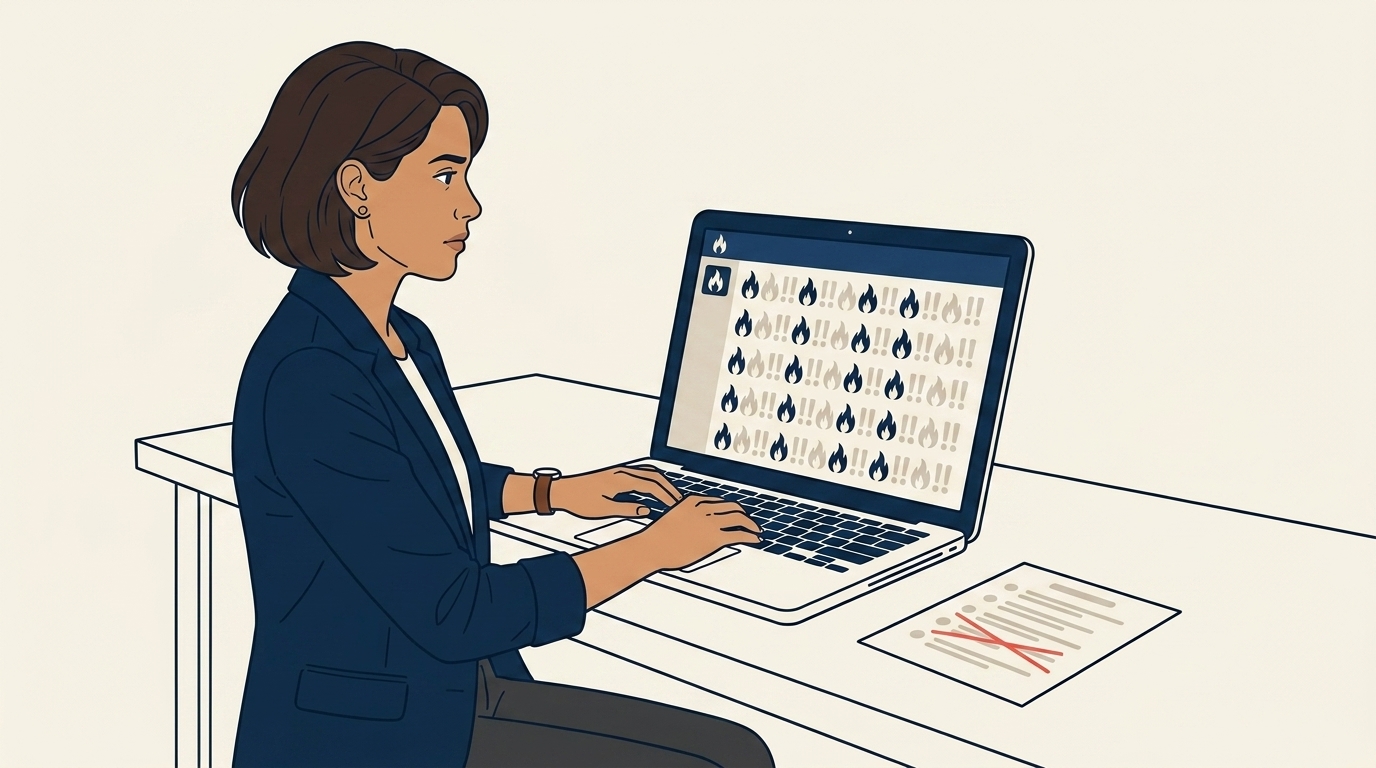
Un tablero de líderes que se actualiza a diario crea ansiedad los miércoles. Una campana que suena por cada trato convierte la sala en una actuación competitiva. Los almuerzos compartidos obligatorios se sienten como trabajo. Las fiestas de pizza atadas a cuotas convierten la comida en presión. Todo gesto "divertido" atado a un número se convierte en un número, no en diversión.
Lo que Maya eliminó, en el año posterior a la reconstrucción: el tablero de líderes diario, la campana de tratos, el "rally" trimestral de toda la empresa, y un canal de Slack llamado #victorias que silenciosamente se había convertido en un ranking público. Lo que agregó: sobre todo, menos. La reunión matutina de pie y las parejas de coaching entre pares fueron suficientes.
El punto de inflexión en cincuenta
La cultura de sala que funciona para treinta agentes empieza a romperse en cincuenta. La reunión matutina de pie se alarga demasiado. Las parejas de coaching entre pares se vuelven inmanejables. Los grupos del tablero de líderes necesitan redibujarse para una distribución diferente.
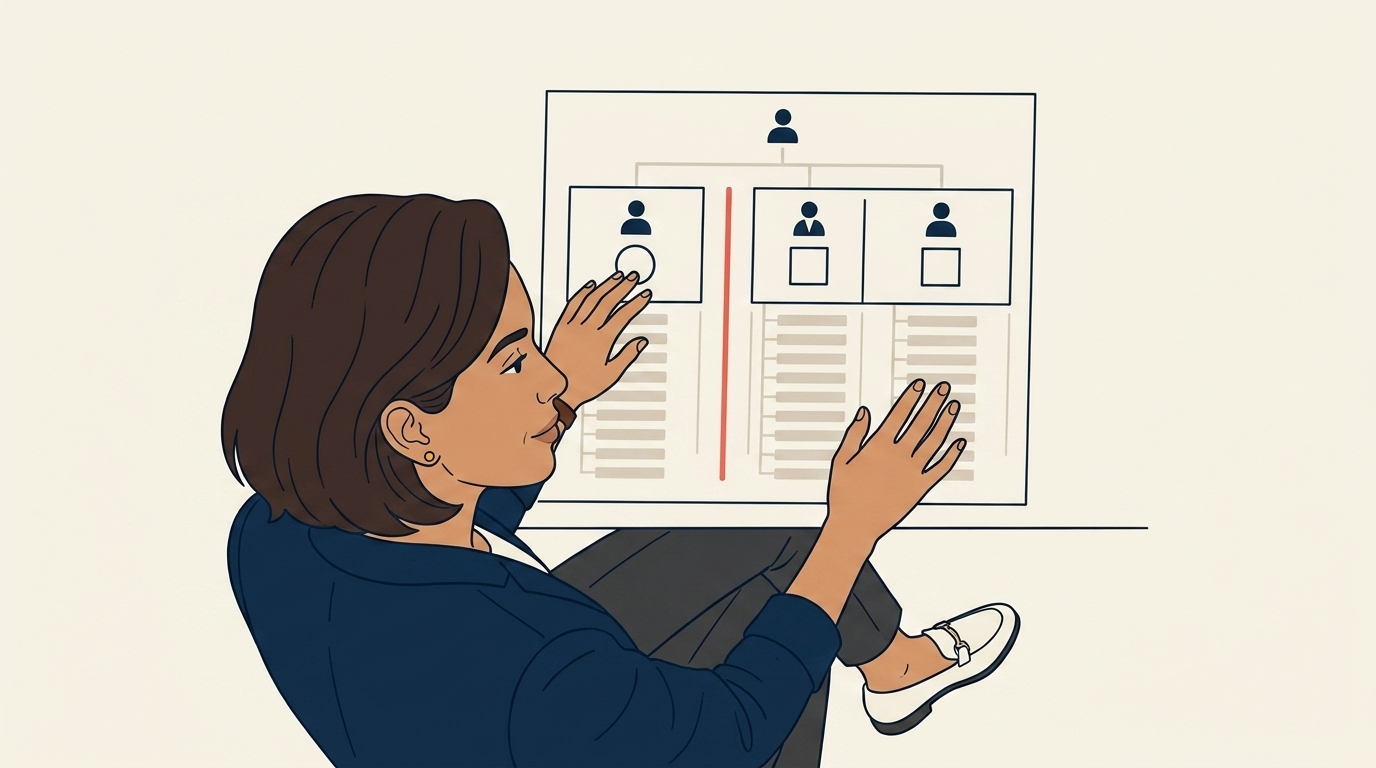
La solución no es una versión más grande de lo mismo. Es dividir la sala en dos subequipos de tamaño aproximadamente igual, cada uno con su propio ritual diario y su propia cohorte de coaching entre pares. Los rituales entre equipos ocurren semanalmente, no a diario.
Cuando Maya llegó a cuarenta y cinco agentes, supo que la división se acercaba. Empezó a prototipar la estructura de subequipos en cuarenta. Para cuando llegó a cincuenta, la división ya estaba implementada.
La señal de que está funcionando
La señal no son los puntajes de compromiso. Es si las nuevas contrataciones cierran su primer trato en la semana dos o en la semana seis. Una sala saludable acelera la curva de aprendizaje de las nuevas contrataciones porque los senior están visiblemente disponibles, la reunión matutina saca a la luz consejos tácticos, y las parejas de coaching entre pares aceleran el ciclo de retroalimentación.

Maya rastreó el tiempo hasta el primer cierre cada mes. Antes de la reconstrucción, la mediana era de 38 días. Seis meses después, era de 19. Mismo perfil de contratación, mismo programa de capacitación. Lo que cambió fue la sala en la que estaban aprendiendo.
Para seguir leyendo
- Contratar gerentes vs. ascender a tus mejores productores. Quién dirige la sala cuando se divide.
- Comisiones escalonadas que retienen a tus mejores productores. La otra mitad de la pregunta sobre una sala de alta energía.
- Cómo construir un rol de Sales Ops en una agencia de viajes de tamaño medio. El rol que gestiona la matemática del tablero de líderes.

Growth Partner