Bahasa Indonesia
Kekacauan Multi-WhatsApp: Mengapa Agensi Skala Menengah Beralih ke Inbox Omnichannel
Turn this article into takeaways for your work.


Each assistant summarizes the article only for you and suggests best practices for your work.
Ketika agensinya mencapai tiga puluh agen, Maya sudah merasakan ada yang tidak beres dengan cara percakapan pelanggan berjalan. Ia belum tahu bahwa produser terbaiknya diam-diam telah membangun buku kliennya di WhatsApp pribadi selama dua tahun.
Ketika ia keluar, buku klien itu ikut hilang bersamanya.
Hari Jumat Saat James Menyampaikan Pengunduran Dirinya
James memberi pemberitahuan dua minggu. Sopan, profesional. Pada hari Kamis berikutnya, Maya menyadari ini tidak akan menjadi penyerahan yang bersih.

Agensi melacak pelanggan dalam spreadsheet bersama. Spreadsheet itu memiliki nama, nomor telepon, dan tanggal perjalanan terakhir. Spreadsheet itu tidak memiliki riwayat percakapan delapan belas bulan.
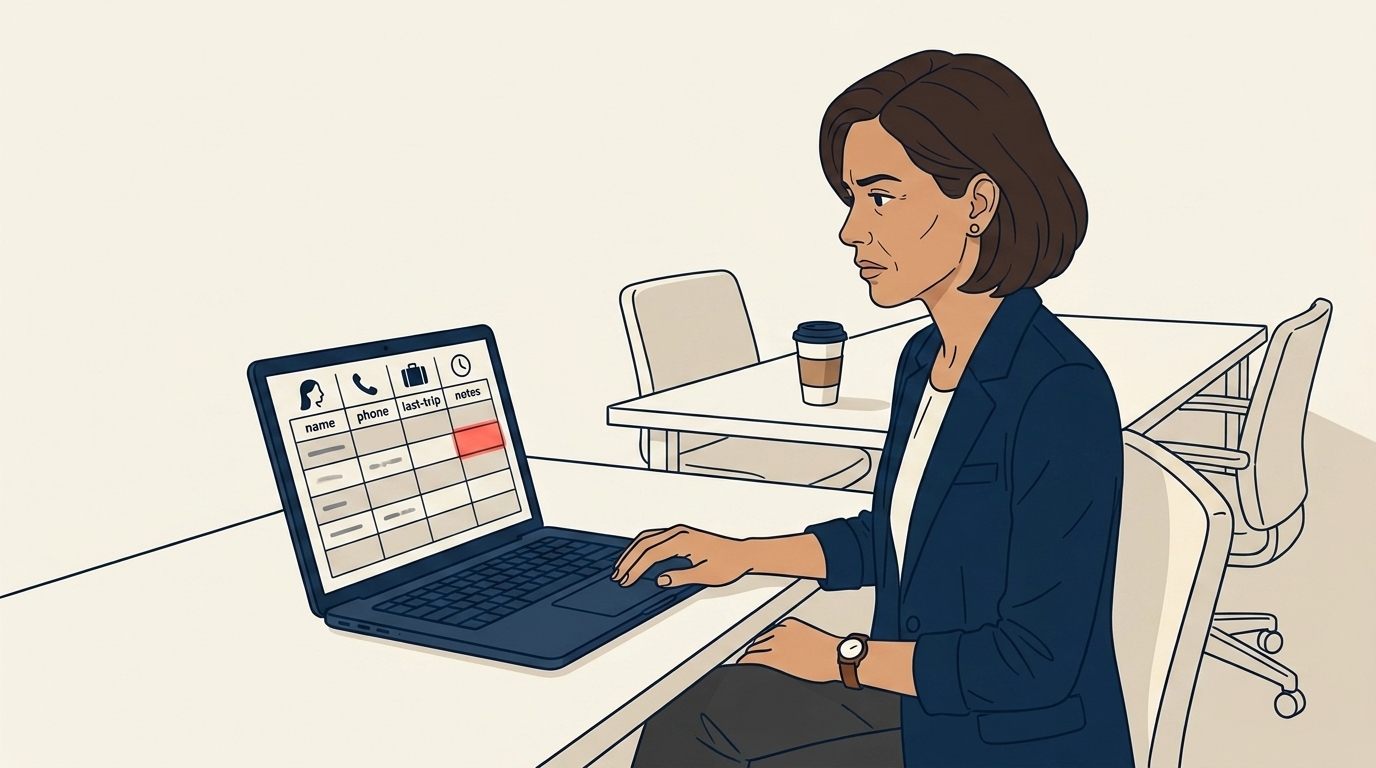
Angka-angka itu, ketika dijumlahkan, mencapai sekitar $480.000 dalam pipeline. Sebagian besar tidak akan kembali. Agensi bahkan tidak punya cara untuk mengetahui apa yang ada di ponselnya.
Apa yang Sebenarnya Disembunyikan Oleh "Pakai Saja Ponsel Saya"
Setup satu-agen-satu-ponsel-pribadi adalah cara setiap agensi memulai. Ini juga yang diam-diam terus dilakukan sebagian besar agensi saat mereka berkembang.
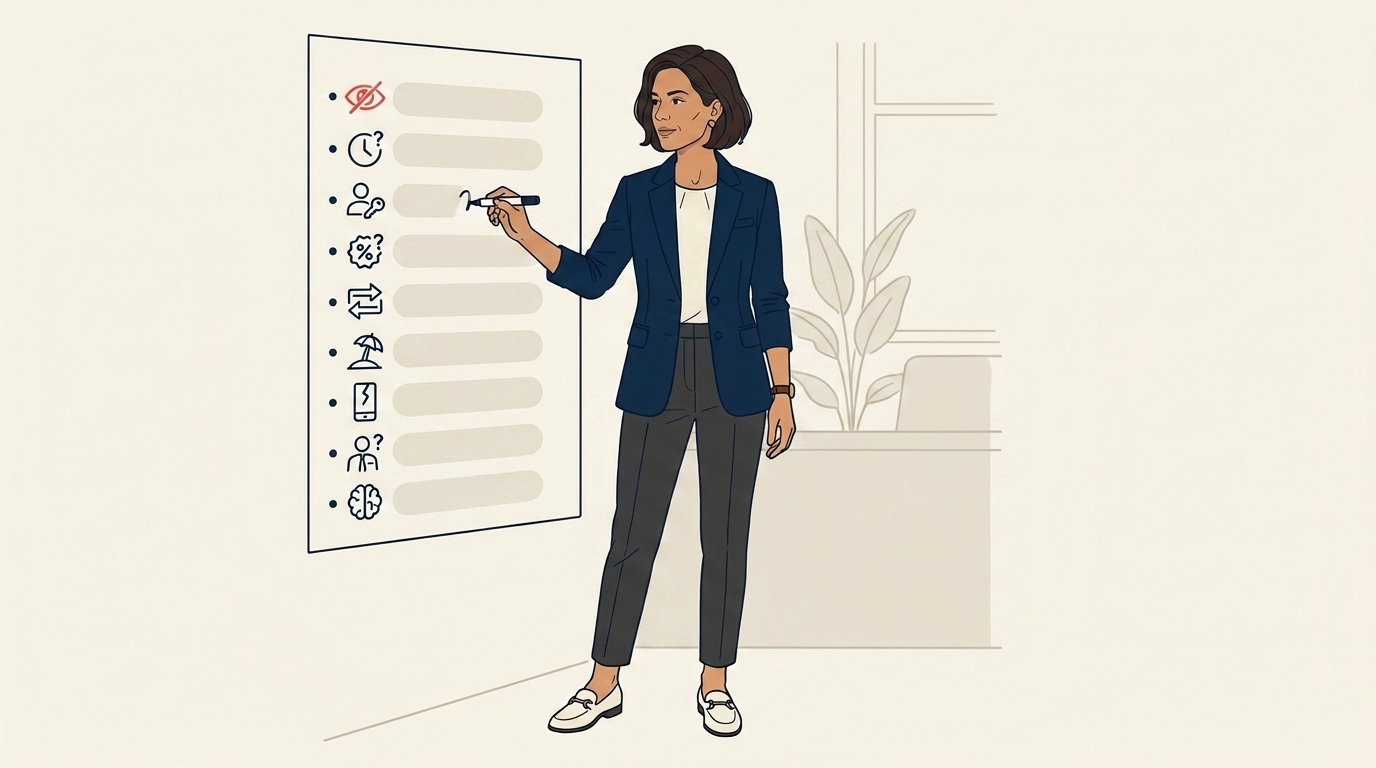
Kelihatannya baik-baik saja dari luar. Dari dalam, hampir semua hal yang penting secara operasional tersembunyi di dalam ponsel masing-masing individu: komitmen yang dibuat kepada pelanggan, SLA yang terlewat dan tidak pernah diukur, siapa yang memiliki hubungan mana, apa yang dijanjikan dalam pesan diam-diam, serta memori institusional yang ikut keluar setiap kali seorang agen keluar.
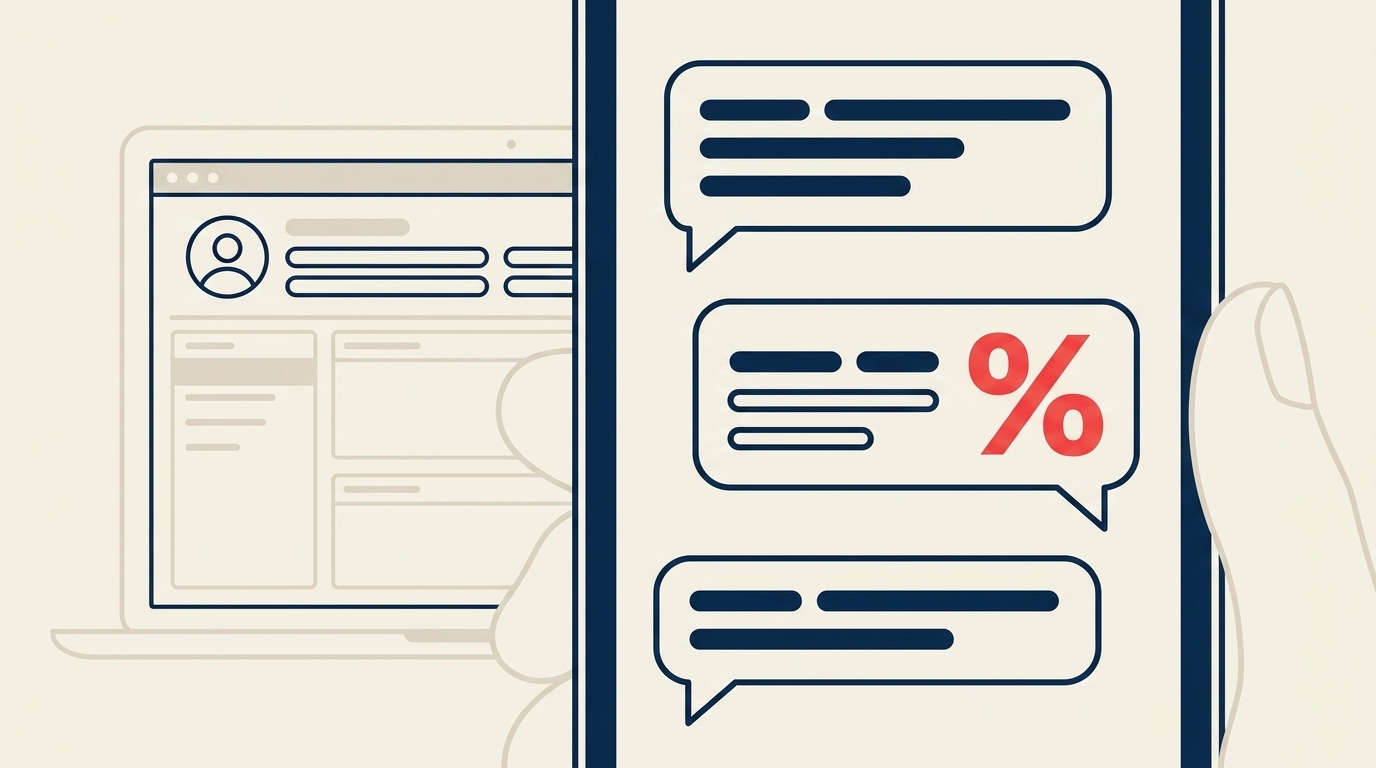
Yang terbesar yang ditemukan Maya kemudian adalah komitmen di luar channel resmi. Seorang agen akan menawarkan diskon 10% kepada pelanggan yang kembali lewat pesan singkat. Diskonnya nyata. Diskon itu tidak tercatat di mana pun selain di ponsel agen tersebut.
Pelanggan mengingatnya. Agen berikutnya tidak.
Apa yang Pertama Kali Ia Coba
Versi spreadsheet yang ada dibuat lebih disiplin, di mana agen akan mencatat ringkasan percakapan setiap hari Jumat. Dalam tiga minggu, spreadsheet itu hanya diisi sekitar 30% dari waktunya, kebanyakan sehari sebelum tinjauan kuartalan.

Formulir itu menghabiskan waktu nyata para agen tanpa memberi mereka imbalan apa pun.
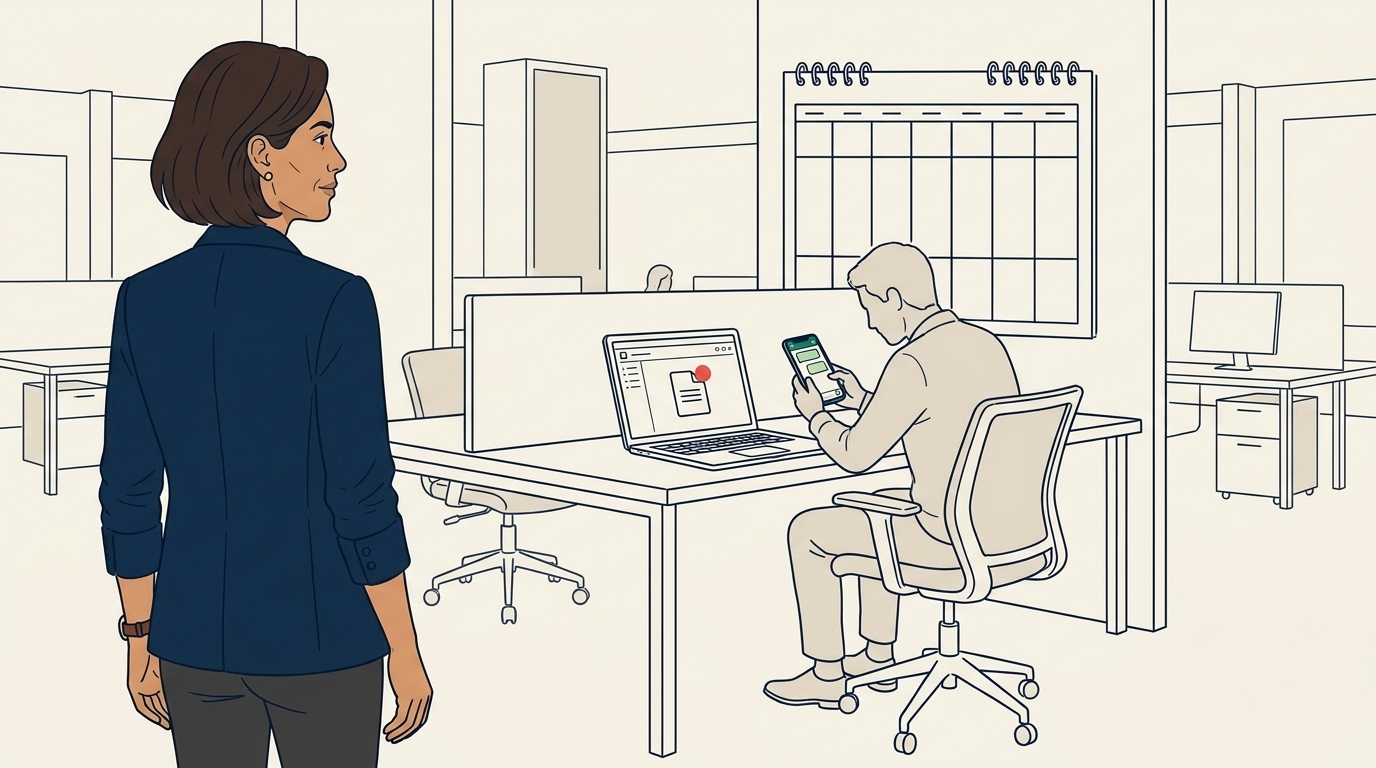
Percobaan keduanya adalah dokumen bersama tempat agen menyalin-tempel pesan-pesan yang penting. Itu berhasil untuk kesepakatan yang semua orang tahu penting. Itu gagal untuk semua hal lainnya.
Pada saat agen memutuskan apakah pesan itu layak dicatat, konteksnya sudah hilang.
Pertanyaan Sebenarnya: Bagaimana Seharusnya Nomor-Nomor Itu Diorganisasi?
Penangkapan setelah kejadian akan selalu bocor. Maya sudah menghabiskan cukup banyak malam untuk mengetahui itu.
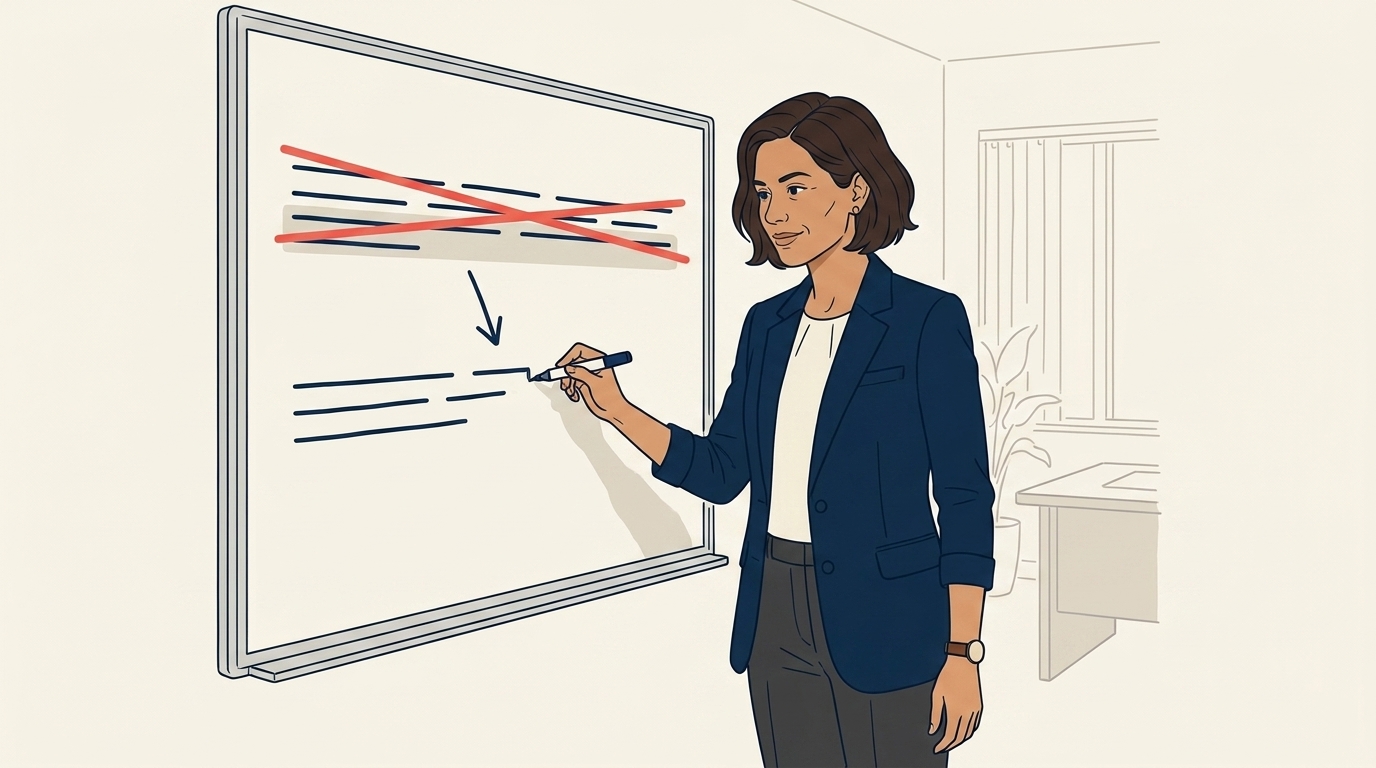
Ia pulang dan berhenti memikirkan software. Ia mulai memikirkan angka-angka itu sendiri. Siapa yang memilikinya. Bagaimana mereka diorganisasi. Bagaimana pelanggan diarahkan ke agen yang tepat. Masalah penangkapan adalah gejala hilir dari masalah kepemilikan di hulu.
Ada tiga cara untuk mengorganisasi nomor-nomor itu.
Tiga Model, Masing-Masing dengan Trade-off
Maya mempersempit pertanyaan kepemilikan menjadi tiga arsitektur nomor yang praktis, masing-masing dengan trade-off berbeda antara kesederhanaan, spesialisasi, dan kendali agensi.
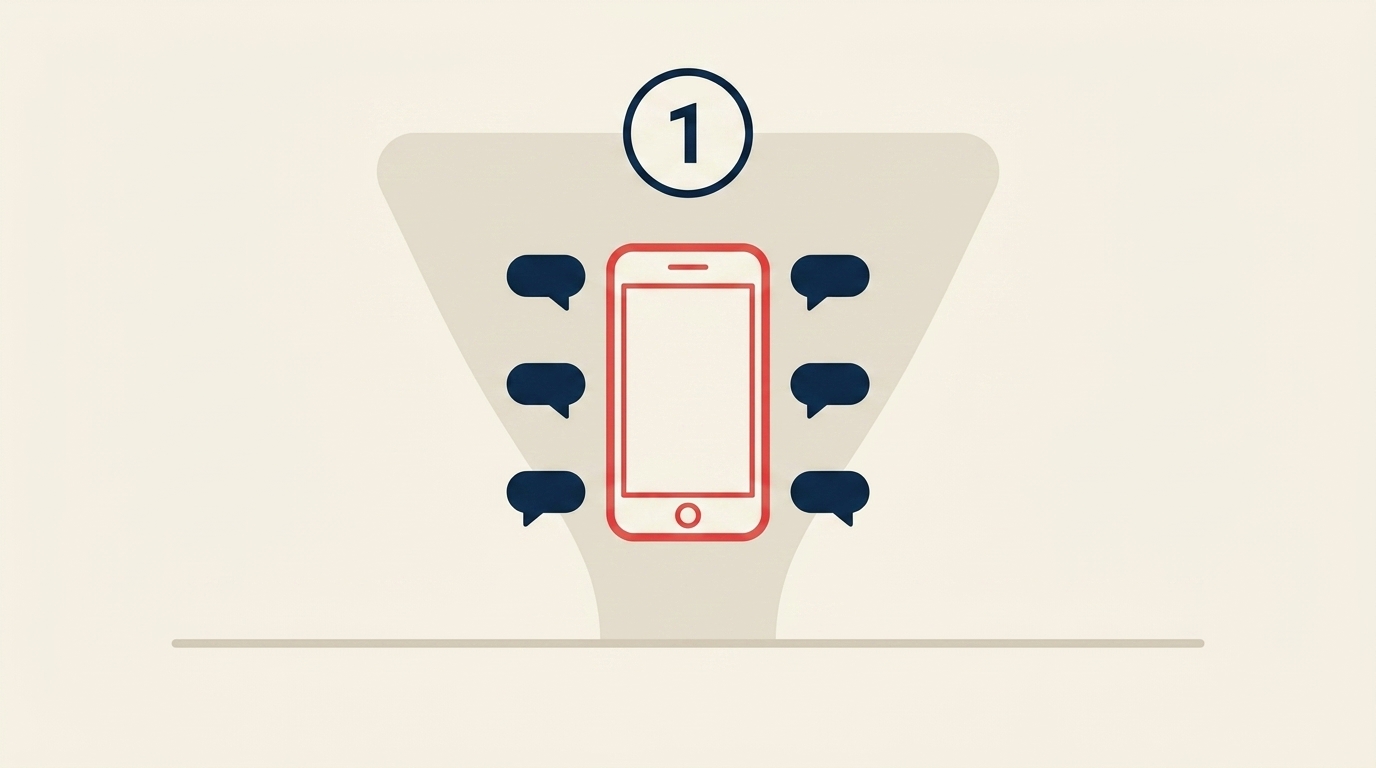
Satu lini agensi. Satu nomor WhatsApp Business yang dimiliki perusahaan. Setiap pelanggan mengirim pesan ke nomor itu. Perutean internal menentukan siapa yang menangani setiap percakapan.
Kelebihan: sederhana untuk dipasarkan dan diiklankan, mudah dikelola, agensi memiliki 100% dari hubungan tersebut. Kekurangan: setiap percakapan mengantre di satu pintu depan, tidak ada sinyal spesialisasi bagi pelanggan, dan agen kehilangan identitas individual mereka dalam hubungan itu.
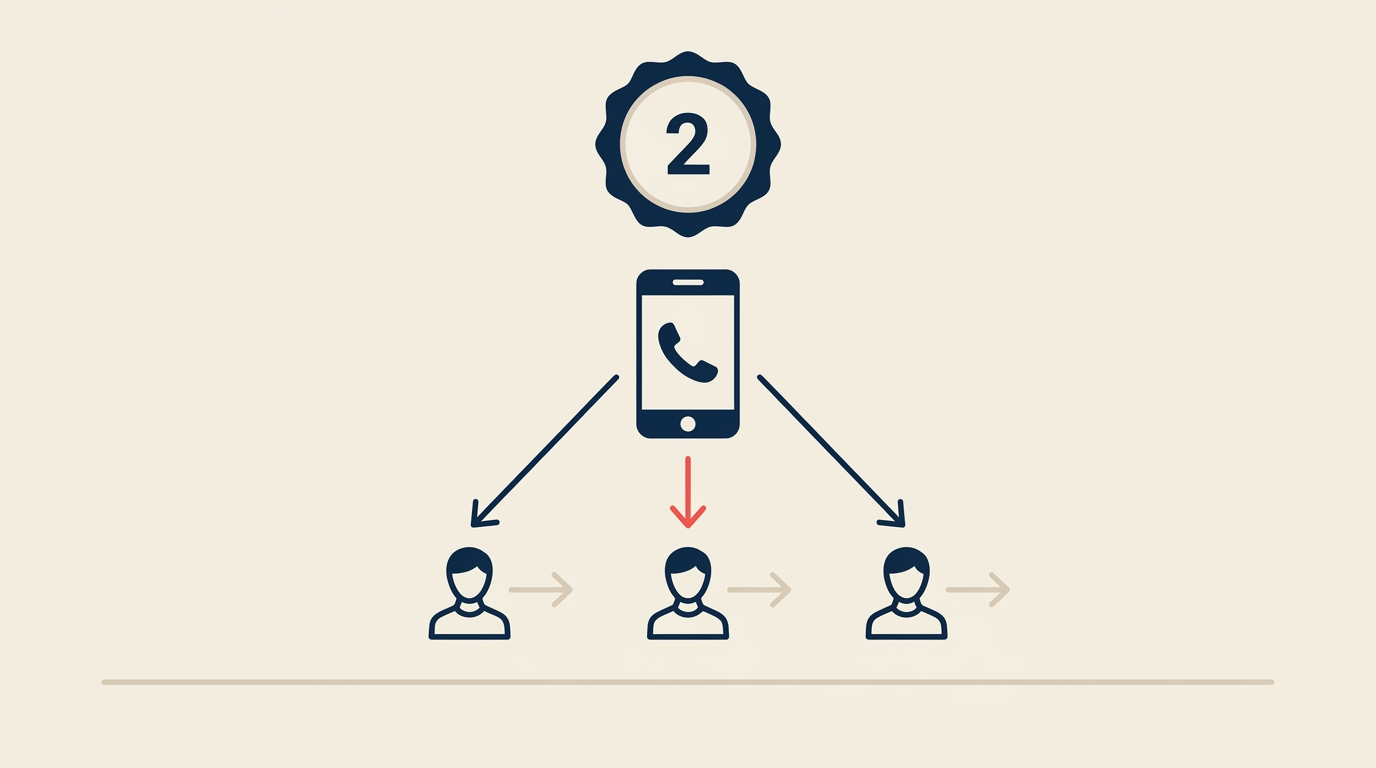
Nomor utama dengan penyerahan. Satu lini utama perusahaan untuk kontak pertama. Setelah pelanggan terkualifikasi, percakapan berpindah ke lini kerja langsung milik agen yang ditugaskan.
Kelebihan: satu pintu depan untuk iklan, fleksibilitas perutean internal, agen berspesialisasi setelah diserahkan. Kekurangan: hubungan dua tahap terasa seperti transfer dingin, pelanggan sering menginginkan lini langsung kembali, dan friksi sentuhan-kedua kehilangan sebagian lead yang hangat.
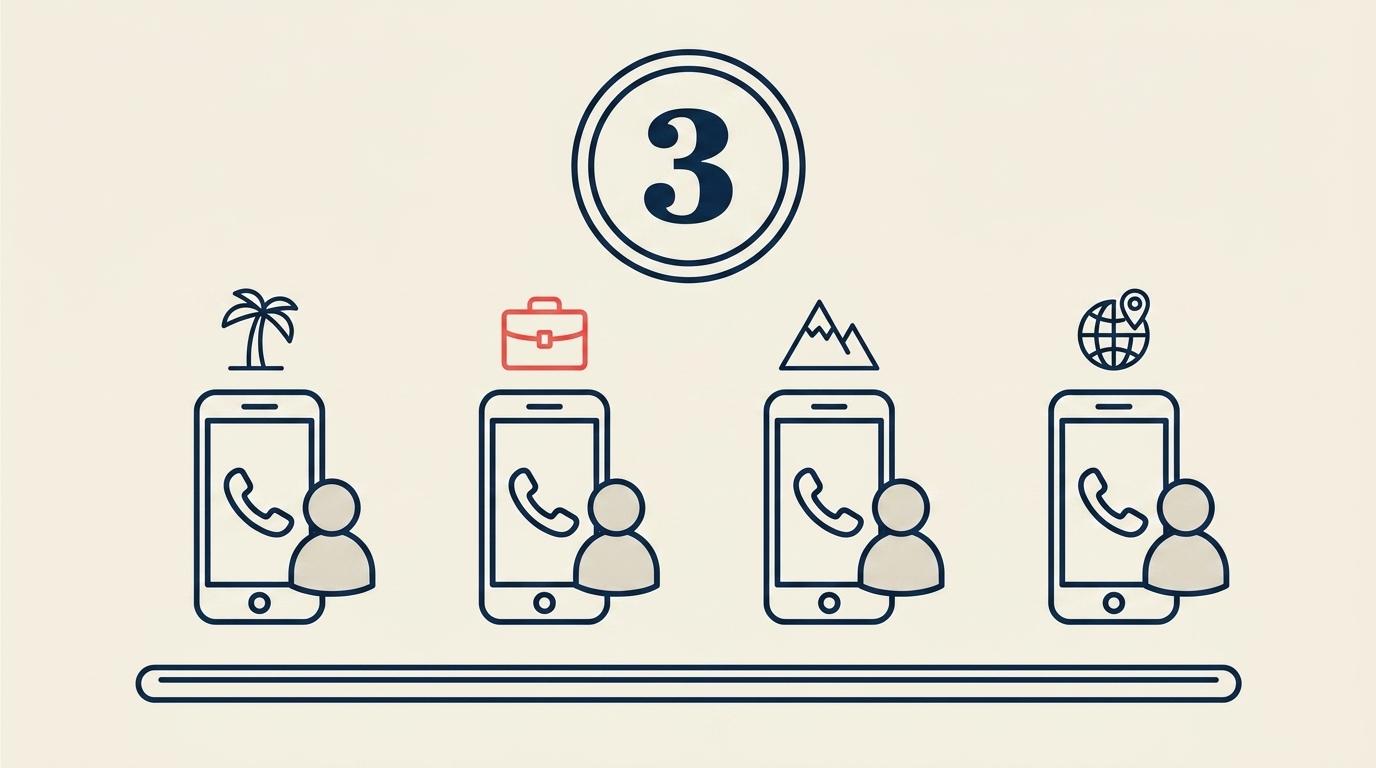
Per produk atau lokasi. Nomor berbeda yang dimiliki agensi untuk setiap lini produk (wisata, korporat, tur privat, internasional), atau untuk setiap kantor cabang. Pelanggan mengarahkan diri sendiri berdasarkan nomor mana yang mereka hubungi.
Kelebihan: sinyal spesialisasi instan, antrean lebih kecil per nomor, agen menjadi ahli produk yang dikenal. Kekurangan: pelanggan harus tahu nomor mana yang harus dihubungi, lebih banyak nomor untuk dipublikasikan dan dipelihara, lebih sulit memindahkan pelanggan antar lini produk di tengah hubungan.
Yang Dipilih Maya: Satu Utama + Per-Produk
Jawaban yang tepat untuk tiga puluh agen bukanlah versi murni dari salah satu dari ketiganya. Melainkan hibrida.
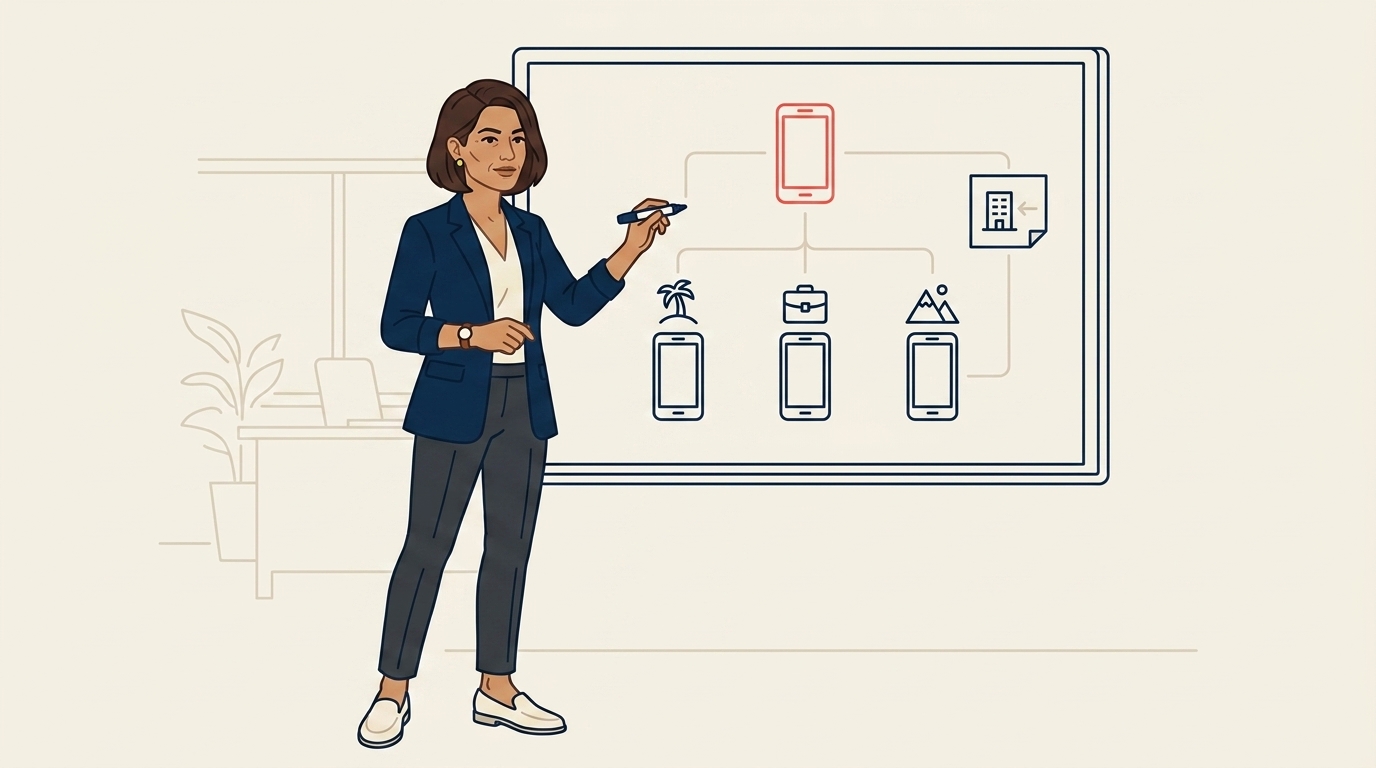
Satu nomor agensi utama untuk pertanyaan yang belum jelas apa yang diinginkan. Tiga nomor lini produk tambahan (wisata, korporat, tur privat) untuk pelanggan yang mengarahkan diri sendiri berdasarkan niat. Keempat nomor tersebut dimiliki oleh agensi. Tidak satu pun dimiliki oleh agen individu.
Ini adalah pergeseran struktural. Hubungan pelanggan kini dengan nomor perusahaan, bukan nomor pribadi. Agen yang mengoperasikan nomor itu adalah seorang manusia, tetapi nomor itu bertahan lebih lama dari agen mana pun. Ketika seorang agen keluar, nomor itu tetap bersama agensi dan dialihkan ke siapa pun yang mengambil alih buku klien tersebut.
Perubahan tunggal itulah yang membuat segala sesuatu di hilir menjadi mungkin.
Memilih Alat yang Tepat
Dengan arsitektur yang sudah diputuskan, persyaratan alatnya menjadi spesifik. Mendukung beberapa nomor WhatsApp Business di bawah satu akun agensi. Memungkinkan agen mengoperasikan nomor perusahaan dari ponsel pribadi mereka (tanpa harus melepas WhatsApp pribadi mereka). Menyinkronkan setiap percakapan ke inbox pusat yang bisa diaudit agensi. Menangani catatan kontak secara native, karena agensi belum memiliki CRM.

Ia memilih omnichannel messaging Rework untuk tim penjualan. Alat itu mendukung WhatsApp Business API untuk setup multi-nomor, menggabungkan Instagram, web chat, dan email, dan bisa berfungsi sebagai sistem kontak agensi pada skala ini, dengan opsi untuk mengintegrasikan CRM yang lebih lengkap nanti.

Bagaimana Nomor Perusahaan Berlabuh di Ponsel Agen
Bagian teknisnya lebih sederhana dari yang diperkirakan Maya. Setiap agen menginstal WhatsApp Business di ponsel mereka dan masuk ke nomor milik perusahaan yang ditugaskan kepada mereka. WhatsApp pribadi tetap untuk penggunaan pribadi. Nomor Business milik perusahaan itu berdampingan dengannya di perangkat yang sama.
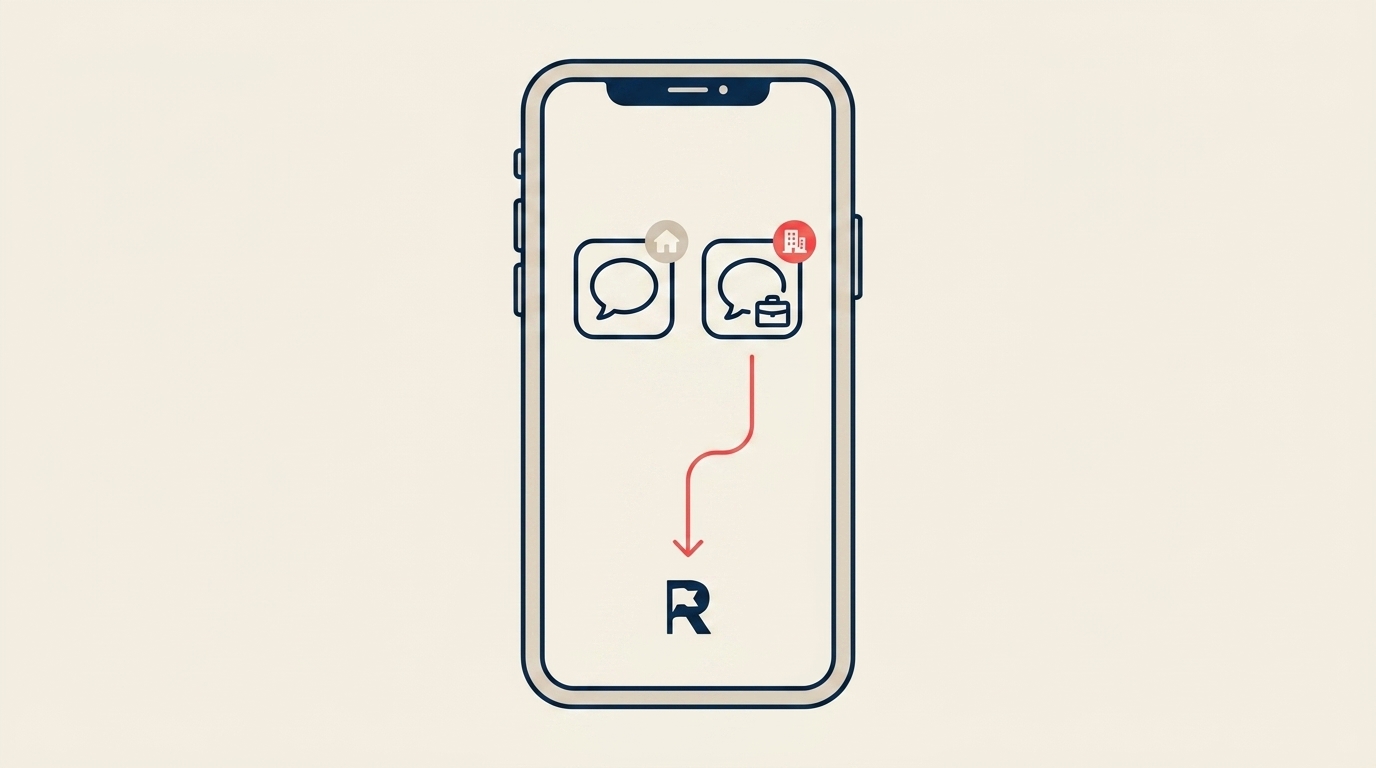
Kedua aplikasi berjalan di ponsel yang sama. Agen mengerjakan nomor perusahaan. Pelanggan melihat nomor perusahaan. Pribadi tetap pribadi.
Ketika agen tersebut keluar, mereka membawa ponsel dan WhatsApp pribadi mereka. Nomor perusahaan dilepas dari ponsel mereka dan dialihkan ke siapa pun yang mengambil alih buku klien. Hubungan pelanggan berlanjut dari nomor yang sama seperti sebelumnya.
Hari Pertama
Rollout berupa pelatihan dua jam. Setiap agen menginstal WhatsApp Business di ponsel mereka dan masuk ke nomor perusahaan yang ditugaskan kepada mereka. WhatsApp pribadi mereka tetap persis seperti sedia kala.

Empat nomor perusahaan (satu utama, tiga lini produk) sudah disiapkan seminggu sebelumnya. Pada akhir hari, setiap agen sudah mengoperasikan nomor perusahaan yang ditugaskan kepada mereka dari ponsel mereka, dan setiap percakapan tersinkronisasi ke inbox pusat.
Tidak ada tahap migrasi pelanggan karena tidak ada nomor pribadi agen yang ditinggalkan. Nomor perusahaan yang baru dikirimkan bersama setiap kontak keluar baru dan dipublikasikan di situs web serta listing agensi.
Ketika Agen Bertanya "Apakah Ini Pengawasan?"
Pelatihan memakan waktu dua jam. Bagian yang lebih sulit dimulai saat agen menyadari pimpinan kini bisa membaca setiap percakapan yang mereka lakukan dengan pelanggan.

Pada akhir minggu pertama, pertanyaan itu sampai ke Maya dari tiga agen berbeda dalam bentuk yang sama: "Apakah ini pengawasan?" Mereka tidak salah bertanya. Dengan platform baru, setiap pesan yang mereka ketik terlihat olehnya.
Maya menjawab dengan cara yang sama setiap kali. Platform ini ada untuk tiga alasan. Agar pelanggan tidak menghilang ketika seorang agen sakit atau cuti. Agar agen baru bisa membaca konteks sebelumnya dan melanjutkan dengan lancar ketika seseorang keluar. Agar pimpinan bisa membimbing berdasarkan percakapan nyata, bukan dari laporan penjualan.
Lalu ia mengatakan bagian yang paling penting. "Saya tidak membaca setiap pesan yang Anda kirim. Saya tidak bisa, dan saya tidak akan." Tiga pemicu audit menyala otomatis: kesepakatan mana pun di atas $20K, percakapan mana pun yang melewati 24 jam tanpa respons, pelanggan mana pun yang menyebut kompetitor. Selebihnya disampel, bukan dibaca.
Ia juga memasangkan rollout ini dengan perubahan komisi kecil. Agen yang menyerahkan pelanggan secara bersih (dengan riwayat percakapan lengkap terlihat oleh agen berikutnya) mendapatkan insentif yang sama seperti agen yang mendapatkan pelanggan baru. Penyerahan yang bersih kini bernilai bagi agensi, dan agensi bersedia membayarnya.
Kepercayaan itu tidak muncul dalam semalam. Pada bulan kedua, pertanyaan itu berhenti diajukan.
Menetapkan Pemicu Audit Sebelum Tenggelam dalam Volume Audit
Dua tahun beroperasi tanpa visibilitas, lalu tiba-tiba visibilitas penuh, adalah masalahnya sendiri.
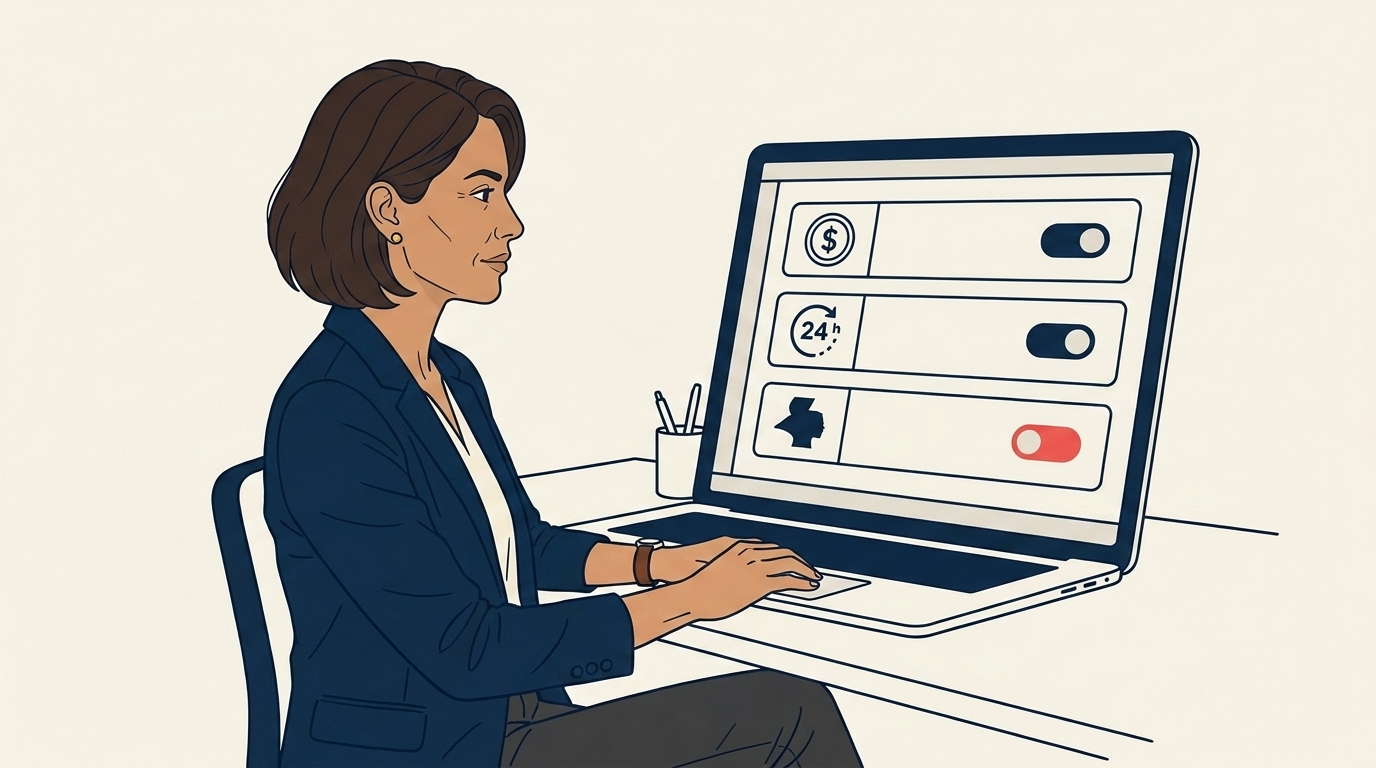
Ia menetapkan tiga pemicu audit. Kesepakatan mana pun di atas $20K. Percakapan mana pun yang melewati 24 jam tanpa respons. Pelanggan mana pun yang menyebut kompetitor.
Itu sudah cukup. Sisanya bisa disampel.
Apa yang Membaik, dan Seberapa Banyak
Enam bulan berjalan, angka-angka yang bergerak sangat spesifik.

Kepatuhan SLA naik dari "tidak diketahui" menjadi 89%. Waktu ramp-up karyawan baru turun dari dua belas minggu menjadi tujuh, karena agen baru bisa membaca thread pelanggan yang sudah ada sebagai materi pelatihan mereka. Dua kesepakatan berhasil diselamatkan langsung karena sistem memunculkan pesan pelanggan yang seharusnya terlewat selama transisi agen.
Volume percakapan yang bisa ditangani agensi naik sekitar 30% tanpa penambahan perekrutan.
Platform ini membayar dirinya sendiri dalam kuartal pertama.
Apa yang Masih Tidak Diperbaiki Software
Kesalahan terbesar pada tahap ini adalah menganggap platform memperbaiki segala hal yang rusak. Tidak demikian.
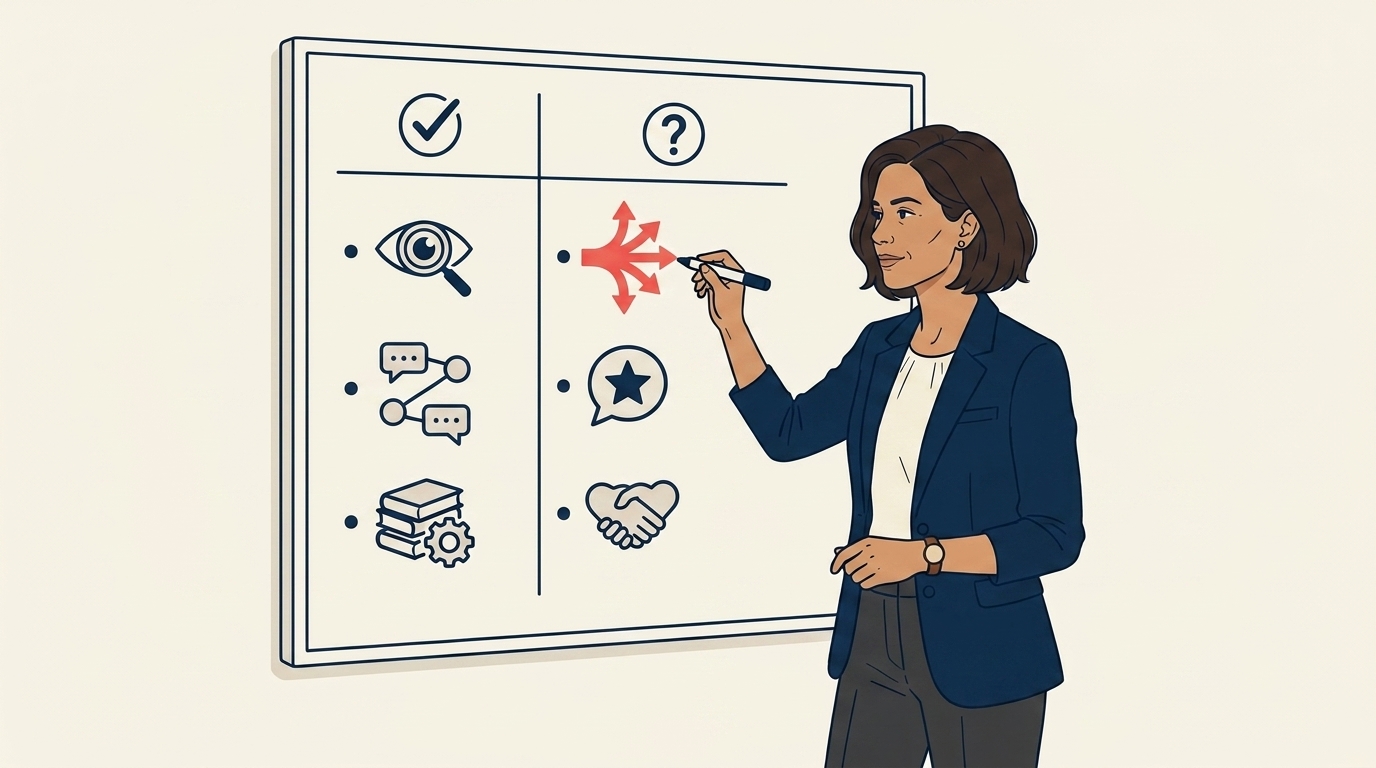
Keputusan distribusi lead. Platform merutekan lead. Platform tidak memberi tahu Anda aturan perutean yang tepat. Itu adalah pertanyaan kebijakan. Agensi Maya melalui tiga iterasi sebelum menemukan aturan yang bertahan. Pemikirannya ada di membagi lead secara adil di antara 3-5 agen dan tinjauan lintas industri di strategi distribusi lead.
Kualitas respons agen. Shared inbox berarti Maya bisa membaca setiap percakapan. Itu tidak membuat percakapan menjadi lebih baik. Gerakan peer-coaching dalam membangun budaya sales floor adalah yang benar-benar mengubah kualitas respons.
Budaya kepemilikan hubungan pelanggan. Arsitektur nomor perusahaan berarti agen adalah operator hubungan yang dimiliki agensi. Pergeseran struktural itu adalah bagian yang mudah. Pergeseran budaya, memori otot dari memperlakukan pelanggan sebagai properti pribadi alih-alih aset agensi, membutuhkan waktu berbulan-bulan percakapan mingguan untuk dilatih ulang.
Platform itu perlu. Platform itu tidak cukup.
Sinyal Bahwa Ini Berhasil
Sinyal paling jelas bukanlah dashboard. Melainkan apa yang terjadi ketika seorang agen keluar sekarang.

Agen membawa ponsel dan WhatsApp pribadi mereka. Mereka tidak membawa nomor perusahaan. Nomor itu dilepas, riwayat percakapan tetap di Prospectors, dan dalam sehari agen berikutnya sudah masuk ke nomor yang sama dari ponsel mereka, melanjutkan thread yang sama. Pelanggan mengirim pesan ke nomor yang sama seperti biasa dan mendapatkan balasan dari orang yang berbeda.
Ketika itu terjadi untuk pertama kalinya setelah pembangunan ulang, Maya tahu arsitektur itu sudah berhasil. Agen yang keluar membawa serta pemberitahuannya dan gaji terakhirnya. Agensi mempertahankan nomornya, riwayatnya, dan pelanggannya.
Bacaan Lanjutan
- Membagi lead secara adil di antara 3-5 agen. Keputusan kebijakan perutean yang dijalankan dengan bersih oleh inbox omnichannel, tetapi tidak dirancang olehnya.
- Strategi distribusi lead. Empat model kanonis, dibandingkan berdampingan.
- Membangun Budaya Sales Floor untuk 20-50 Agen. Pekerjaan budaya yang harus berjalan berdampingan dengan platform.
- Membangun Peran Sales Ops di Agen Perjalanan Skala Menengah. Peran yang memiliki rollout omnichannel dari ujung ke ujung.
- Penyerahan Lintas Departemen: Penjualan, Pemenuhan, Layanan. Masalah penyerahan yang dimunculkan oleh inbox omnichannel tetapi tidak diselesaikannya.

Growth Partner
On this page
- Hari Jumat Saat James Menyampaikan Pengunduran Dirinya
- Apa yang Sebenarnya Disembunyikan Oleh "Pakai Saja Ponsel Saya"
- Apa yang Pertama Kali Ia Coba
- Pertanyaan Sebenarnya: Bagaimana Seharusnya Nomor-Nomor Itu Diorganisasi?
- Tiga Model, Masing-Masing dengan Trade-off
- Yang Dipilih Maya: Satu Utama + Per-Produk
- Memilih Alat yang Tepat
- Bagaimana Nomor Perusahaan Berlabuh di Ponsel Agen
- Hari Pertama
- Ketika Agen Bertanya "Apakah Ini Pengawasan?"
- Menetapkan Pemicu Audit Sebelum Tenggelam dalam Volume Audit
- Apa yang Membaik, dan Seberapa Banyak
- Apa yang Masih Tidak Diperbaiki Software
- Sinyal Bahwa Ini Berhasil
- Bacaan Lanjutan