
Turn this article into takeaways for your work.


Each assistant summarizes the article only for you and suggests best practices for your work.
Taufan menjejaskan 200 pengembara agensi Maya merentas tiga akaun korporat dalam satu hujung minggu pada 2026. Menjelang berita itu tersebar di Twitter, agensi hanya ada 90 minit untuk kelihatan seperti pengendali sebenar sebelum pegawai perolehan di ketiga-tiga akaun mula bertanya soalan. 90 minit itu menentukan hala tuju minggu pemulihan dan juga perbualan pembaharuan kontrak enam bulan kemudian.

Amaran itu tiba pada jam 7:14 pagi hari Sabtu. Menjelang jam 7:25 pagi, Maya sudah berada dalam saluran insiden agensi. Menjelang jam 7:40 pagi, pusat operasi sudah aktif dengan tiga ahli kanan pasukan sudah berada dalam panggilan. Jam 90 minit itu bukan bermula apabila berita tersebar di Twitter. Ia bermula saat Maya membaca amaran tersebut, dan apa yang berlaku dalam sebelas minit pertama itu sama pentingnya dengan apa jua yang berlaku sepanjang hujung minggu itu.
Inilah panduan krisis yang dibina dan diuji tekanan oleh pasukan kepimpinannya sepanjang hujung minggu itu. Ia adalah manual operasi untuk saat-saat apabila skala diuji.
90 Minit Pertama Menentukan Segalanya
90 minit pertama sesuatu krisis adalah saat pelanggan membentuk pandangan kekal mereka tentang cara agensi mengendalikannya. Keputusan yang dibuat lebih pantas daripada itu biasanya silap; keputusan yang dibuat lebih lambat daripada itu sudah terlambat.

Pusat operasi agensi diaktifkan dalam masa 15 minit selepas sesuatu peristiwa luaran disahkan. Tiga perkara berlaku serentak. Seorang komander insiden yang dilantik mengambil alih pembuatan keputusan (COO atau timbalan yang ditetapkan). Pokok komunikasi dicetuskan, pasukan dalaman, pembekal, dan kenalan perolehan akaun korporat masing-masing menerima susulan pertama dalam masa 30 minit. Senarai impak pelanggan dibina, setiap pengembara yang sedang dalam penerbangan, hotel, atau aktiviti di kawasan terjejas dikategorikan mengikut tahap keterukan.

Senarai impak tidak dibina dari kosong semasa krisis berlaku. Ia adalah pertanyaan CRM tersimpan yang menapis setiap pengembara aktif mengikut kawasan, status perjalanan, dan tahap keterukan impak. Satu klik, dan senarai itu muncul. Pertanyaan ini dibina enam bulan lebih awal semasa latihan simulasi meja. Disiplin membina pertanyaan senarai lebih awal sebelum ia diperlukan itulah yang membezakan 8 minit daripada 45 minit untuk tugas yang sama.
Menjelang minit ke-90, agensi sudah tahu siapa yang terjejas, siapa yang sudah dimaklumkan, dan siapa yang bertanggungjawab untuk keputusan seterusnya. Kejelasan itulah pembezaan antara krisis yang dikendalikan dengan baik dan krisis yang menjadi cerita buruk pelanggan.
Peranan yang Ditetapkan Sebelum Ia Diperlukan
Kesilapan yang dilakukan kebanyakan agensi ialah menentukan peranan semasa krisis sedang berlaku. Agensi yang kelihatan tenang dalam 90 minit pertama adalah agensi yang telah berlatih peranan tersebut berbulan-bulan lebih awal.
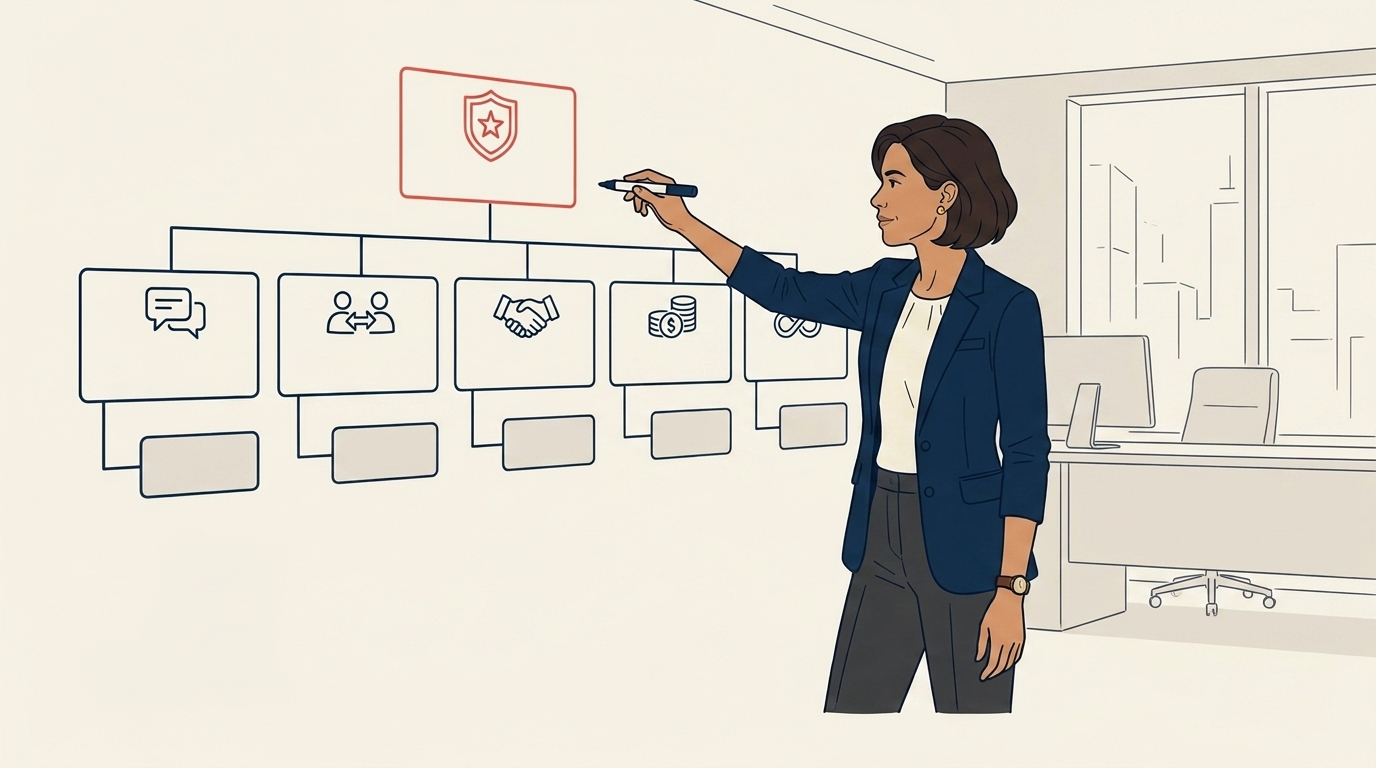
Agensi Maya mempunyai enam peranan tetap, setiap satu dengan seorang utama dan seorang timbalan.
Komander Insiden memiliki semua keputusan semasa insiden aktif. Satu titik kuasa sahaja. Tidak mengendalikan pengembara secara individu; mengendalikan sistem dan triaj.
Ketua Komunikasi memiliki mesej, sama ada dalaman, pelanggan, mahupun awam. Pokok komunikasi mempunyai SLA susulan pertama yang ditetapkan bagi setiap khalayak.
Ketua Impak Pelanggan memiliki senarai pengembara terjejas dan tindakan pemulihan bagi setiap pengembara. Melapor kepada Komander Insiden mengenai status keseluruhan; menguruskan pasukan kecil pakar pemulihan pelanggan.
Perantara Pembekal memiliki hubungan dengan pembekal terjejas, syarikat penerbangan, hotel, operator darat. Mereka mengendalikan penempahan semula, rundingan bayaran balik, dan kemas kini pihak pembekal.
Ketua Kewangan memiliki penjejakan kos, baik impak kewangan segera mahupun bajet pemulihan. Meluluskan sebarang pampasan setiap pelanggan yang melebihi ambang yang ditetapkan.
Ketua Kesinambungan Perkhidmatan memiliki bahagian agensi yang tidak terjejas, memastikan perkhidmatan pelanggan bagi pengembara yang tidak terjejas tidak merosot kerana pasukan sedang tertumpu kepada krisis.
Peranan-peranan ini dilatih setiap suku tahun melalui latihan simulasi meja. Kali pertama peranan itu dijalankan tidak sepatutnya berlaku semasa peristiwa sebenar.
Pokok Komunikasi
Pokok komunikasi mempunyai tiga cabang dengan SLA yang ditetapkan bagi setiap cabang.
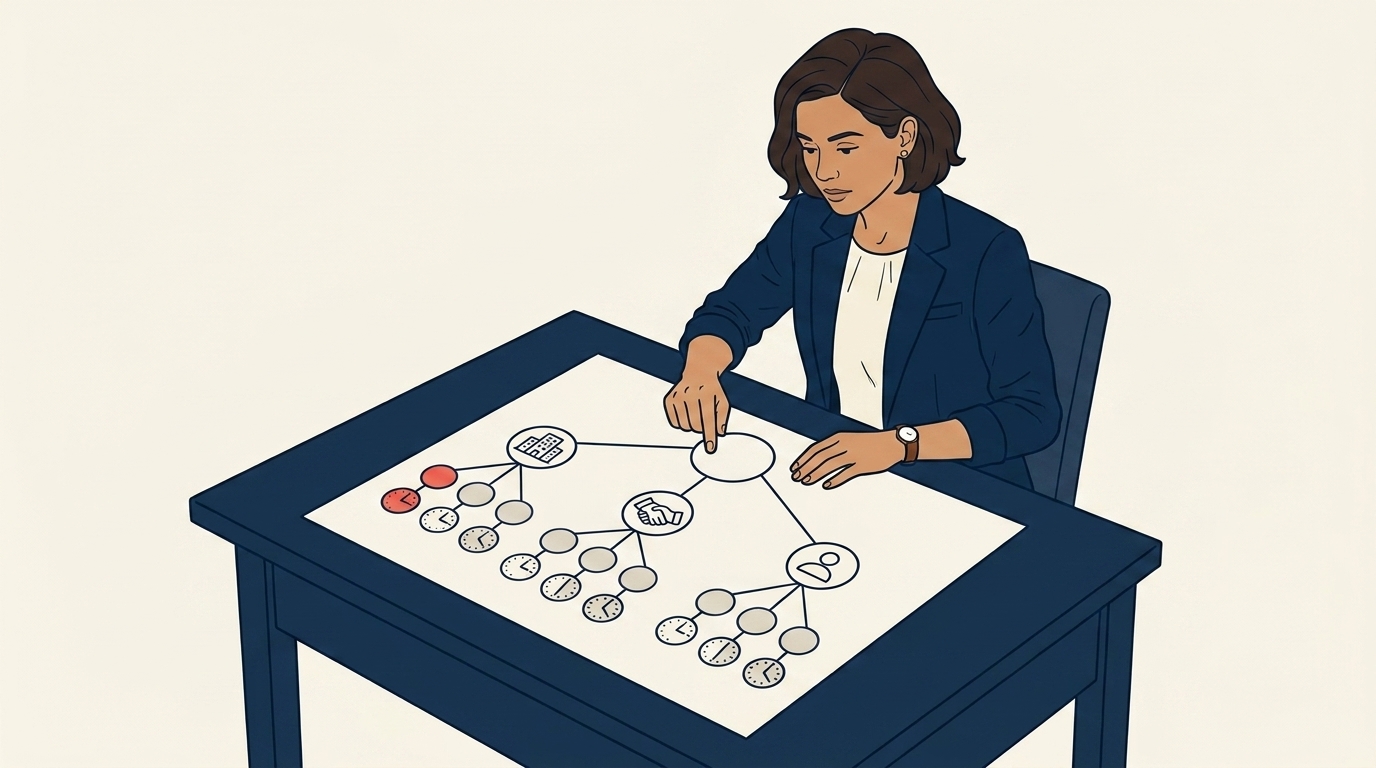
Dalaman dahulu. Dalam masa 15 minit, saluran Slack/Teams kepimpinan menerima mesej insiden yang disahkan bersama apa yang diketahui dan apa yang sedang dinilai. Dalam masa 30 minit, seluruh kakitangan agensi menerima taklimat ringkas tentang apa yang berlaku dan kepada siapa pelanggan perlu dirujuk jika mereka menelefon.
Pembekal seterusnya. Dalam masa 30 minit, perantara pembekal membuat susulan terus kepada syarikat penerbangan, hotel, dan operator darat di kawasan terjejas. Hubungan memainkan peranan penting di sini, perantara pembekal tahu siapa yang akan mengangkat telefon pada jam 2 pagi.

Senarai kenalan perantara pembekal bukanlah hamparan data. Ia adalah senarai kenalan yang dibina bertahun-tahun melalui pertukaran harian yang kecil dengan setiap pembekal. Panggilan jam 2 pagi itu sampai kepada telefon yang dijawab kerana hubungan itu sudah sedia terbina. Agensi yang cuba membina hubungan semasa krisis berlaku akan mendapati hubungan itu belum wujud, dan panggilan akan jatuh ke mel suara.
Pelanggan dan akaun korporat yang terakhir. Dalam masa 60-90 minit, setiap pelanggan terjejas menerima susulan pertama yang diperibadikan daripada seorang manusia bernama (bukan mesej automatik). Kenalan perolehan korporat menerima taklimat berasingan di peringkat eksekutif dalam tempoh masa yang sama.
Susunan ini penting. Pelanggan yang menelefon agensi sebelum agensi menghubungi mereka adalah mod kegagalan yang memusnahkan kepercayaan. Walaupun mesejnya "kami sedang mengusahakannya dan akan tahu lebih lanjut dalam dua jam," hubungan proaktif itu membina semula kepercayaan.
Apa Sebenarnya Maksud "Pemulihan"
Pemulihan bukan bayaran balik. Pemulihan adalah pelanggan meninggalkan pengalaman itu dengan menceritakan kepada orang lain bahawa agensi mengendalikan situasi dengan baik.

Kiraannya konkrit. Pengembara yang mengalami gangguan tetapi berasa dilayan dengan baik mempunyai nilai sepanjang hayat yang lebih kurang sama dengan pengembara yang perjalanannya berjalan lancar. Pengembara yang mengalami gangguan dan berasa dilayan dengan buruk mempunyai nilai sepanjang hayat yang lebih kurang sama dengan pelanggan yang terus berhenti menggunakan perkhidmatan.
Tindakan pemulihan yang penting bukanlah tindakan kewangan. Ia adalah tindakan yang bersifat manusiawi, seseorang bernama yang memanggil mereka dengan nama, yang tahu butiran situasi khusus mereka, yang mengakui kesulitan itu tanpa memperkecilkan atau membesar-besarkannya. Langkah kewangan (penempahan semula atas kos agensi, pampasan untuk aktiviti yang terlepas, kredit muhibah sederhana untuk tempahan akan datang) penting, tetapi ia menyokong tindakan manusiawi itu, bukan menggantikannya.
Agensi yang berjaya dalam aspek manusiawi dan mencukupi dalam aspek kewangan akan mengekalkan pelanggan. Agensi yang berjaya dalam aspek kewangan tetapi gagal dalam aspek manusiawi biasanya kehilangan mereka.
Peraturan Postmortem
Dalam masa lima hari bekerja selepas krisis diselesaikan, agensi menjalankan postmortem yang berstruktur. Peraturannya:

Tanpa menyalahkan. Intinya bukan siapa yang tersilap. Intinya ialah apa yang perlu diubah. Menamakan individu adalah dilarang dalam dokumen tersebut; item tindakan menamakan peranan atau sistem.
Garis masa dahulu. Postmortem bermula dengan pembinaan semula garis masa yang tepat, apa yang berlaku, bila, siapa tahu apa, siapa bertindak. Tafsiran subjektif datang selepas garis masa dipersetujui.
Tiga kategori. Setiap pemerhatian dimasukkan ke dalam salah satu daripada tiga kategori: perkara yang berjalan lancar (dikekalkan), perkara yang hampir berjaya (ditambah baik), perkara yang tidak berjaya (direka semula). Item tindakan datang hanya daripada kategori kedua dan ketiga.
Susulan dijejaki. Setiap item tindakan mempunyai pemilik yang dinamakan, hasil kerja, dan tarikh akhir. Semakan kepimpinan bulanan seterusnya menyemak kemajuan semua item postmortem yang masih terbuka. Item yang melebihi 90 hari tanpa kemajuan akan dinaikkan taraf.
Agensi Maya menjalankan 4-6 postmortem setahun. Kebanyakannya adalah insiden kecil. Disiplin menjalankan postmortem untuk peristiwa kecil itulah yang menjadikan tindak balas terhadap peristiwa besar bersifat profesional.
Apa yang Dibina Lebih Awal Sebelum Krisis Seterusnya
Aset krisis yang dibina lebih awal dan kini diselenggara oleh agensi termasuk:

Templat komunikasi pelanggan bagi 8-10 jenis insiden paling biasa, peristiwa cuaca, kegagalan pembekal, peristiwa geopolitik, insiden kesihatan, mogok pengangkutan, tempahan berlebihan hotel, situasi dokumen hilang, kumpulan terpisah. Setiap templat adalah titik permulaan, bukan mesej akhir, ketua komunikasi memperibadikannya semasa peristiwa berlangsung.
Panduan pembekal bagi setiap rakan kongsi utama, siapa menelefon siapa pada jam 2 pagi, apa tawaran pemulihan standard setiap pembekal, apa yang boleh dirunding, apa yang memerlukan penaikan taraf.
Pertanyaan senarai impak pelanggan, laporan CRM tersimpan yang menapis semua pengembara semasa mengikut kawasan, jenis pengembara, dan tahap keterukan impak. Pertanyaan ini hanya satu klik semasa peristiwa berlangsung.
Ambang kebenaran, jumlah pampasan setiap pengembara yang telah diluluskan lebih awal yang boleh ditawarkan oleh pakar pemulihan pelanggan tanpa menaikkan taraf kepada Ketua Kewangan. Melebihi ambang tersebut, Ketua Kewangan meluluskan; melebihi ambang yang lebih tinggi, Komander Insiden meluluskan.
Aset yang dibina lebih awal ini memampatkan 90 minit pertama krisis akan datang. Kerja yang mengambil masa 30 minit untuk mengumpul maklumat semasa hujung minggu taufan itu kini hanya mengambil masa 8 minit kerana aset tersebut sudah dibina lebih awal.
Perbualan Pembaharuan Kontrak Enam Bulan Kemudian
Pegawai perolehan di ketiga-tiga akaun korporat yang terjejas semasa hujung minggu taufan itu membangkitkannya semasa mesyuarat pembaharuan kontrak mereka enam bulan kemudian. Ketiga-tiganya membangkitkannya secara positif. Frasa yang muncul dalam dua daripadanya ialah "anda mengendalikannya seperti pengendali sebenar."

Pembaharuan kontrak diteruskan. Dua daripada tiga akaun meningkatkan volum pada tahun berikutnya khususnya kerana tindak balas krisis itu telah membina kepercayaan melebihi apa yang mampu dibina oleh tahun yang lancar. Krisis yang dikendalikan dengan baik boleh menggandakan hubungan lebih pantas daripada setahun perkhidmatan rutin.
Sebaliknya juga benar. Krisis yang dikendalikan dengan buruk pada tahun pertama akan muncul dalam perbualan tidak memperbaharui kontrak 18 bulan kemudian. Pegawai perolehan jarang menamakan krisis itu sebagai sebab; mereka biasanya menyebut "sedang melihat alternatif lain." Krisis itulah sebab yang tidak disebut.
Itulah pengajaran jangka panjang. Tindak balas krisis bukan pusat kos. Ia adalah salah satu saat paling berpengaruh untuk sama ada menggandakan atau kehilangan hubungan pelanggan di peringkat enterprise.
Bacaan Lanjut
- HR Merentas Pelbagai Negara untuk Agensi Pelancongan Beroperasi di 3+ Negara. Seni bina HR yang membolehkan tindak balas krisis merentas bidang kuasa.
- Panduan RFP Enterprise untuk Agensi Pelancongan. Keupayaan tindak balas krisis kini menjadi kriteria RFP yang boleh dinilai.
- Penyerahan Merentas Jabatan: Jualan, Pemenuhan, Perkhidmatan. Disiplin penyerahan harian yang menjadi sandaran tindak balas krisis.