Bahasa Indonesia
Turn this article into takeaways for your work.


Each assistant summarizes the article only for you and suggests best practices for your work.
Ketika agen Maya mengakuisisi operator safari mewah kecil pada tahun 2025, ia memasuki integrasi M&A pertamanya dengan pertanyaan yang terdengar sederhana. Haruskah merek operator safari itu dipertahankan, dilebur ke dalam agen induk, atau menjadi sesuatu di antara keduanya?
Jawabannya ternyata lebih struktural dari yang ia duga. Inilah kerangka kerja yang kini digunakan tim kepemimpinannya untuk keputusan portofolio di seluruh merek yang diakuisisi, peluncuran niche, dan pertanyaan tentang kapan satu merek saja tidak lagi cukup.
Tiga Arsitektur, Dan Mengapa Ketiganya Tidak Bisa Dipertukarkan
Ada tiga model arsitektur merek yang layak diketahui, dan masing-masing cocok untuk jenis bisnis yang berbeda.
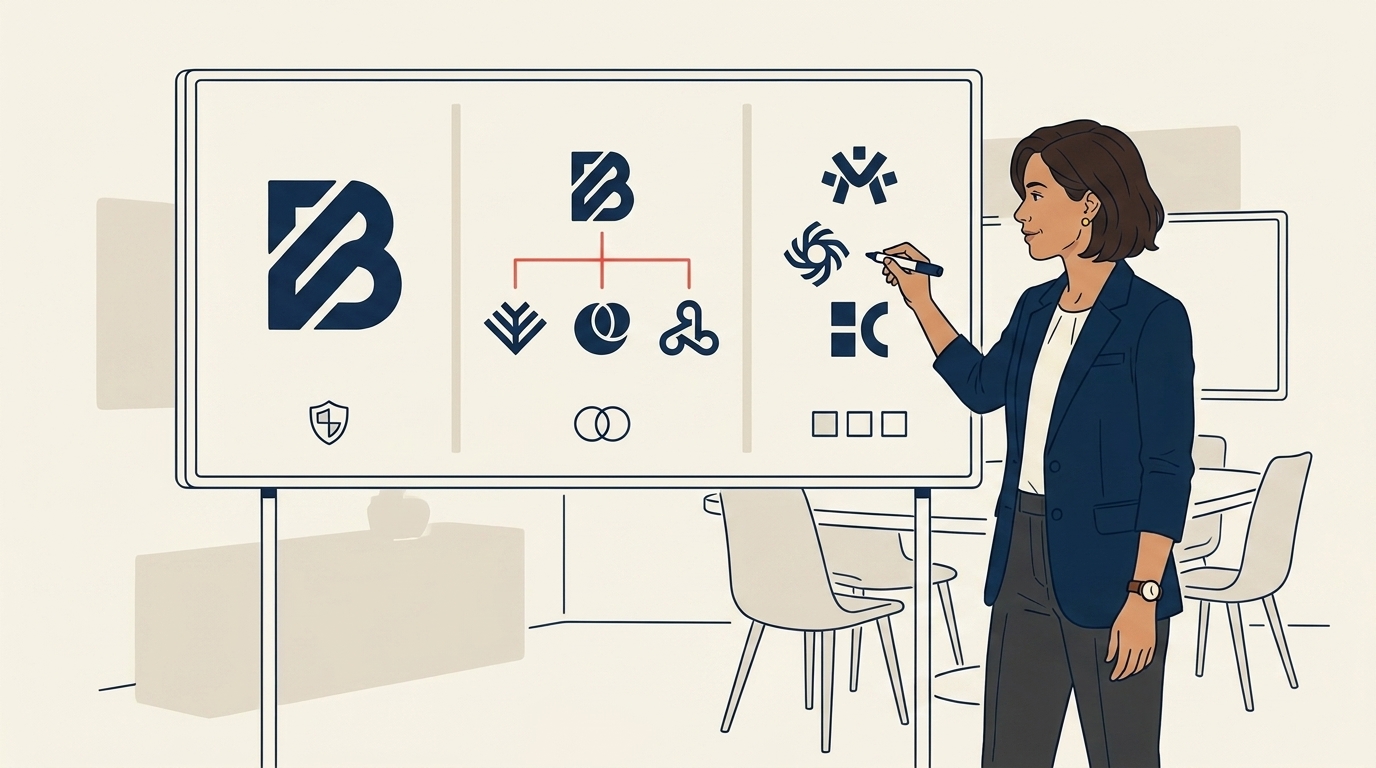
Arsitektur merek induk tunggal memiliki satu merek untuk segalanya. Nama agen induk muncul di setiap produk, setiap pasar, setiap titik sentuh pelanggan. Anggaran pemasaran bertumpuk secara berlipat. Kepercayaan berpindah antar kategori. Operasionalnya sederhana.
Arsitektur rumah merek menjalankan beberapa merek yang berbeda-beda, masing-masing dengan posisi, basis pelanggan, dan identitasnya sendiri. Perusahaan induk tidak terlihat oleh pelanggan. P&G, Unilever, dan sebagian besar portofolio mewah berjalan dengan cara ini. Setiap merek membangun loyalitasnya sendiri.
Arsitektur merek terafiliasi berada di tengah-tengah. Sub-merek memiliki identitasnya sendiri tetapi secara nyata mewarisi kredibilitas dari induknya. Portofolio Marriott bekerja seperti ini, Ritz-Carlton, Westin, Courtyard masing-masing memiliki posisinya sendiri, tetapi koneksi dengan Marriott tetap diakui.
Memilih arsitektur yang salah untuk portofolio Anda adalah salah satu kesalahan paling mahal yang bisa dibuat agen pada skala ini. Biayanya tidak terlihat sampai Anda mencoba mengembangkan segmen pelanggan yang tidak didukung oleh arsitektur tersebut, dan barulah biayanya menjadi sangat besar.
Tes Kebingungan Pelanggan
Diagnosis paling berguna yang dijalankan Maya sebelum keputusan arsitektur apa pun adalah tes kebingungan pelanggan. Pilih tiga pelanggan yang mewakili setiap segmen yang dilayani agen. Tanyakan: ketika mereka dalam mode membeli untuk segmen yang berbeda, apakah mereka memercayai merek Anda yang sudah ada untuk memberikan hasilnya?

Seorang pelanggan wisata yang memesan perjalanan keluarga dengan agen induk, apakah mereka akan memercayai merek yang sama untuk retret korporat? Apakah mereka akan memercayainya untuk safari mewah? Apakah mereka akan memercayainya untuk layanan perencanaan pernikahan?
Jika jawabannya tidak untuk salah satu dari itu, merek induk tidak bisa secara kredibel meluas ke kategori tersebut. Pelanggan merasakan ketidaksesuaian. Anda memerlukan merek terafiliasi atau merek terpisah untuk mendukung segmen tersebut. Jika jawabannya ya, merek induk kemungkinan bisa meluas, dan merek terpisah hanyalah biaya yang tidak perlu.
Tesnya memang tidak sempurna. Tetapi ia memunculkan pertanyaan ini secara lebih jujur dibandingkan sekadar bertanya kepada tim kepemimpinan apa pendapat mereka.
Kapan Mengakuisisi Merek vs Membangun Sendiri
Keputusan mengakuisisi merek biasanya muncul dari salah satu dari dua alasan. Entah agen induk ingin memasuki suatu segmen dengan cepat dan sebuah merek yang sudah ada memiliki basis pelanggan yang dibutuhkan, atau agen induk sedang mengonsolidasikan pasar regional dan merek yang diakuisisi memiliki kredibilitas lokal yang tidak bisa dipindahkan begitu saja.

Merek yang diakuisisi datang dengan ekuitas merek yang membutuhkan bertahun-tahun untuk dibangun secara organik. Operator safari mewah yang diakuisisi Maya memiliki reputasi 12 tahun dalam memberikan perjalanan impian di segmen kelas atas. Mencoba membangun reputasi itu di bawah merek induk akan menjadi proyek lima tahun. Akuisisi memangkas itu menjadi nol.
Merek yang dibangun sendiri lebih masuk akal ketika agen menciptakan posisi baru yang tidak dilayani dengan baik oleh target akuisisi mana pun. Agen Maya pernah mempertimbangkan membangun merek petualangan berfokus anak muda. Tidak ada target akuisisi yang menarik, merek-merek anak muda yang ada tidak memiliki disiplin operasional seperti yang ia inginkan. Membangun dari nol adalah keputusan yang tepat di situasi itu, meskipun butuh 18 bulan untuk mendapatkan daya tarik.
Keputusan yang Ia Ambil Soal Operator Safari
Operator safari itu tetap menjadi mereknya sendiri, dengan baris kecil "Bagian dari [Agen Induk]" di identitas mereknya. Arsitektur merek terafiliasi.
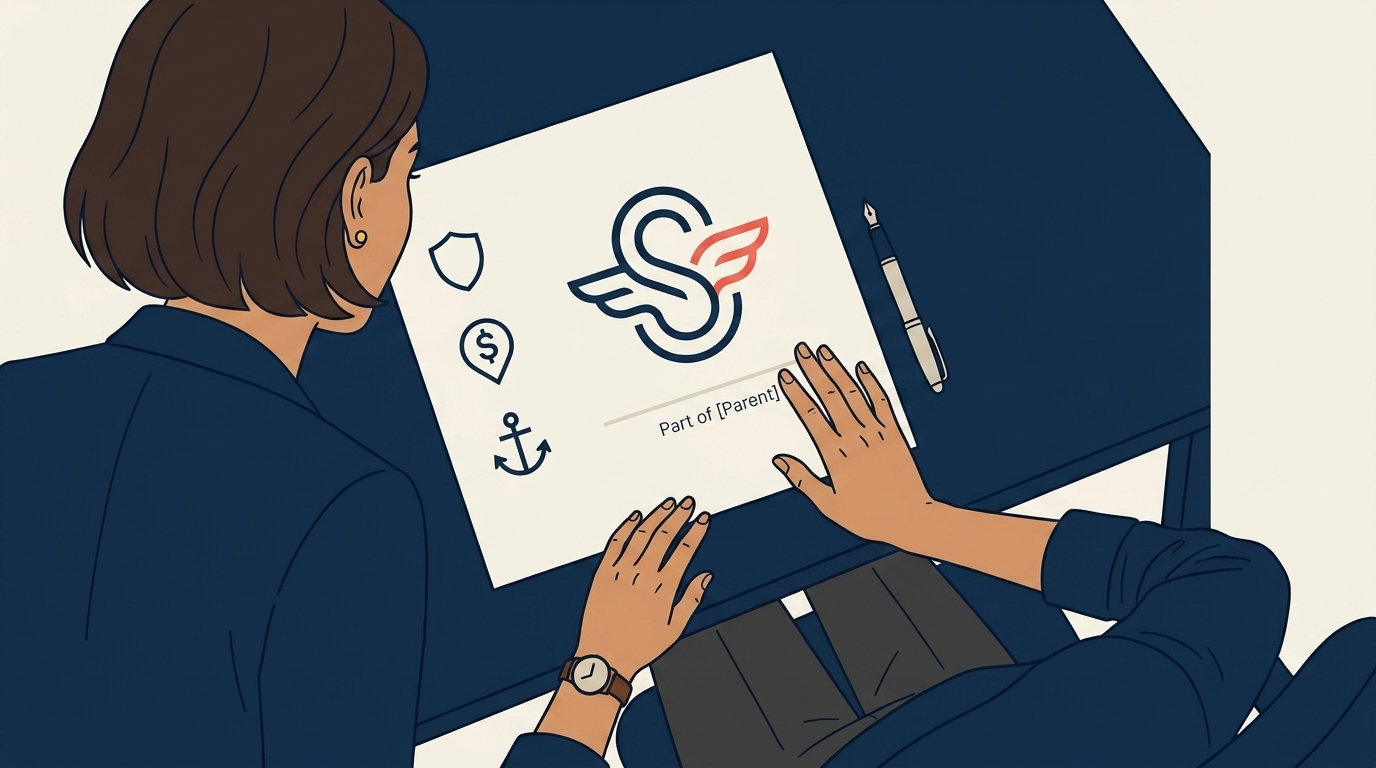
Alasannya bermuara pada tiga hal. Pertama, basis pelanggan operator safari yang sudah ada membeli secara spesifik karena reputasi operator itu; mengganti mereknya akan menghancurkan aset tersebut. Kedua, merek agen induk tidak cukup kredibel di titik harga mewah, melebur operator safari ke dalam induk akan memberi sinyal penurunan kelas kepada pelanggan yang ada. Ketiga, reputasi agen induk untuk keandalan operasional dan stabilitas finansial adalah sesuatu yang benar-benar dihargai oleh pelanggan operator safari; menampilkan koneksi itu secara jelas justru menambah kredibilitas.
Afiliasi ini bersifat halus. Situs web operator safari mempertahankan identitasnya. Baris "Bagian dari" muncul di footer dan di dokumen hukum. Pemasaran yang menghadap pelanggan mengandalkan warisan operator tersebut. Di balik layar, agen induk memberikan dukungan finansial, infrastruktur teknologi, dan manajemen risiko, alasan-alasan operasional yang membuat operator itu bisa diakuisisi sejak awal.
Seperti Apa Rumah Merek untuk Sebuah Agen
Strategi rumah merek jarang diterapkan untuk satu agen tetapi layak dipertimbangkan pada skala yang sangat besar. Alasannya sederhana: setiap merek bisa diposisikan secara sempurna untuk segmennya tanpa mengorbankan posisi segmen lain.

Alasan menentangnya adalah kompleksitas operasional dan biaya pemasaran. Tiga merek membutuhkan tiga situs web, tiga gerak langkah akuisisi pelanggan, tiga program konten. Perusahaan induk menanggung biaya itu secara tidak terlihat tanpa memperoleh manfaat ekuitas yang bertumpuk di antara mereka.
Bagi kebanyakan agen perjalanan, termasuk milik Maya, model merek terafiliasi menghasilkan 80% manfaat segmentasi dengan hanya 30% biaya operasional. Rumah merek masuk akal ketika segmen-segmennya cukup saling eksklusif sehingga koneksi induk yang terlihat justru merugikan salah satunya, misalnya perjalanan hemat dan perjalanan ultra-mewah di bawah satu atap yang sama.
Implikasi bagi Pemasaran
Arsitektur merek bukan keputusan sekali jadi. Ia berdampak berkelanjutan pada pemasaran operasional setiap kuartal. Tiga aturan yang diterapkan tim pemasaran Maya:
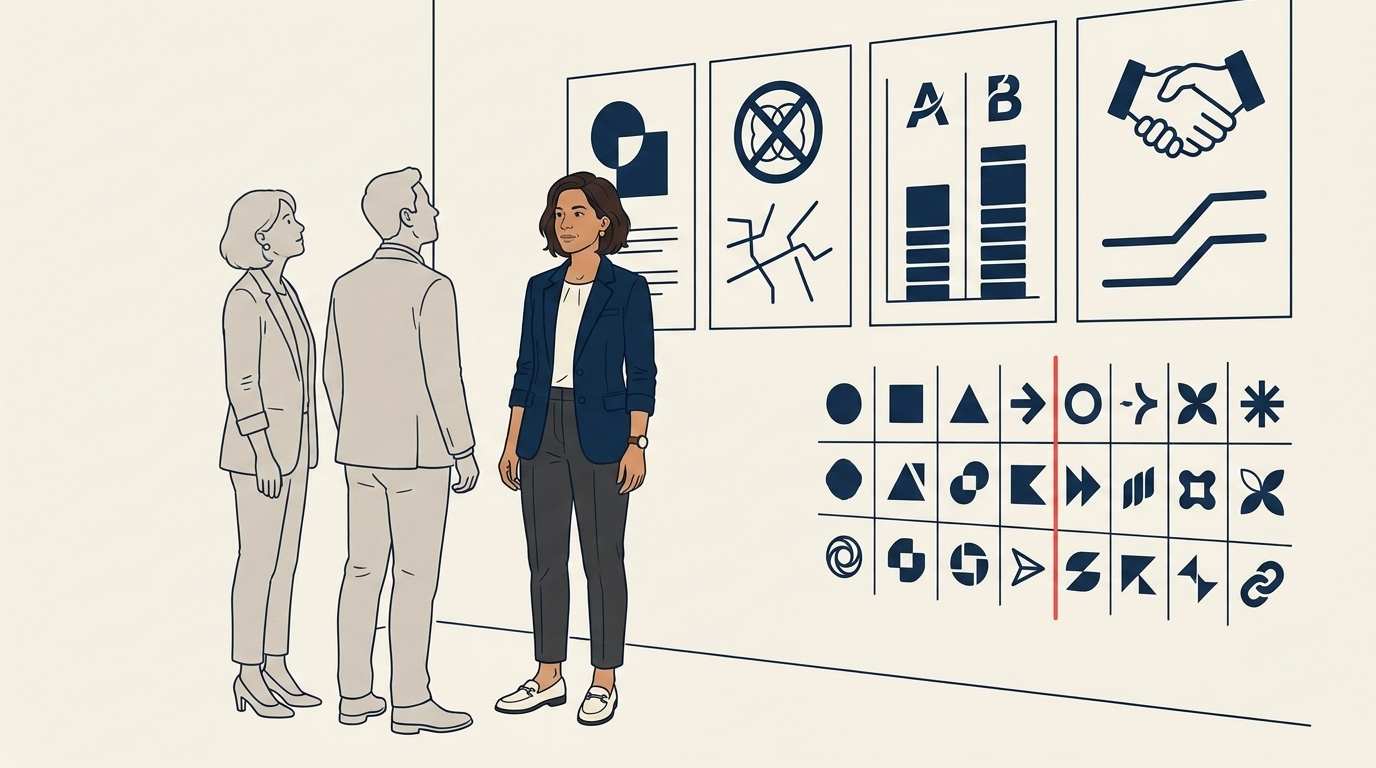
Merek induk dan sub-merek terafiliasi tidak pernah bersaing dalam lelang paid-search yang sama. Jika keduanya menawar "perjalanan mewah Afrika," mereka saling mengorbankan sambil menaikkan biaya per klik untuk keduanya. Aturan wilayah yang ketat mencegah hal ini.
Anggaran akuisisi pelanggan dialokasikan per merek, tidak dikumpulkan menjadi satu. Tim pemasaran melacak ROAS untuk setiap merek secara independen dan menyesuaikan komposisi berdasarkan ekonomi masing-masing merek. Mengumpulkan anggaran menjadi satu menyembunyikan merek mana yang sebenarnya memberikan hasil.
Promosi lintas merek bersifat opt-in dan konservatif. Seorang pelanggan safari mungkin adalah tipe pelanggan yang juga akan menikmati perjalanan keluarga mewah dengan agen induk, tetapi promosi lintas merek harus terasa seperti rekomendasi yang dikurasi, bukan cross-sell dari sebuah daftar. Mekanismenya adalah menahan diri.
Kapan Harus Menghentikan Sebuah Merek
Keputusan tersulit dalam portofolio multi-merek adalah menghentikan salah satunya. Sinyalnya biasanya sudah jelas jauh sebelum tim kepemimpinan siap bertindak atasnya. Sebuah merek yang biaya akuisisi pelanggannya terus naik selama empat kuartal sementara nilai seumur hidup pelanggannya datar sedang menghabiskan uang tanpa memperoleh apa pun dalam ekuitas.

Solusinya jarang berupa memperbaiki mereknya. Solusinya biasanya adalah melebur ke merek lain atau menutupnya sama sekali. Agen Maya menutup sub-merek wisata kota eksperimental pada tahun 2026 setelah delapan belas bulan ekonomi unitnya terus menurun. Pelanggannya diserap ke dalam penawaran wisata agen induk dengan diskon transisi. Penutupan ini terasa menyakitkan bagi tim merek yang telah membangunnya dari nol, dan diam-diam melegakan bagi tim kepemimpinan yang selama ini menanggung kerugiannya.
Pelajaran yang diambil Maya dari penutupan ini: setiap sub-merek membutuhkan tinjauan tahunan terhadap rubrik lanjut-atau-tutup yang jelas. Kebiasaan default "biarkan berjalan setahun lagi" adalah cara portofolio mengumpulkan merek-merek mati yang menguras oksigen pemasaran.
Bacaan Lanjutan
- Playbook RFP Enterprise untuk Agen Perjalanan. Gerak langkah penjualan korporat yang didukung atau justru dirugikan oleh arsitektur merek.
- M&A untuk Agen Perjalanan: Mengakuisisi Pesaing. Akuisisi yang membawa keputusan arsitektur merek ke meja perundingan.
- Menambahkan Divisi Korporat pada Agen Perjalanan Wisata. Pertanyaan perluasan merek yang lebih awal pada skala mid-market.
Growth Partner