Bahasa Indonesia
Perencanaan Tenaga Kerja Manufaktur: Pengelolaan SDM Strategis untuk Keunggulan Produksi
Turn this article into takeaways for your work.


Each assistant summarizes the article only for you and suggests best practices for your work.
Lini produksi Anda baru saja menerima pesanan besar, namun Anda sudah menjalankan tiga shift. Apakah perlu merekrut karyawan baru? Menambah lembur? Atau mendatangkan tenaga kontrak? Dan apa yang terjadi setelah pesanan ini selesai?
Keputusan semacam ini dibuat setiap hari di industri manufaktur, tetapi para direktur operasional terbaik tidak mengambilnya secara reaktif. Mereka telah membangun sistem perencanaan tenaga kerja yang mengantisipasi kebutuhan berbulan-bulan ke depan, menyeimbangkan fleksibilitas dengan stabilitas, serta memastikan tersedianya orang-orang dengan keterampilan yang tepat ketika kebutuhan produksi berubah.
Apa yang Membuat Perencanaan Tenaga Kerja Berbeda di Manufaktur
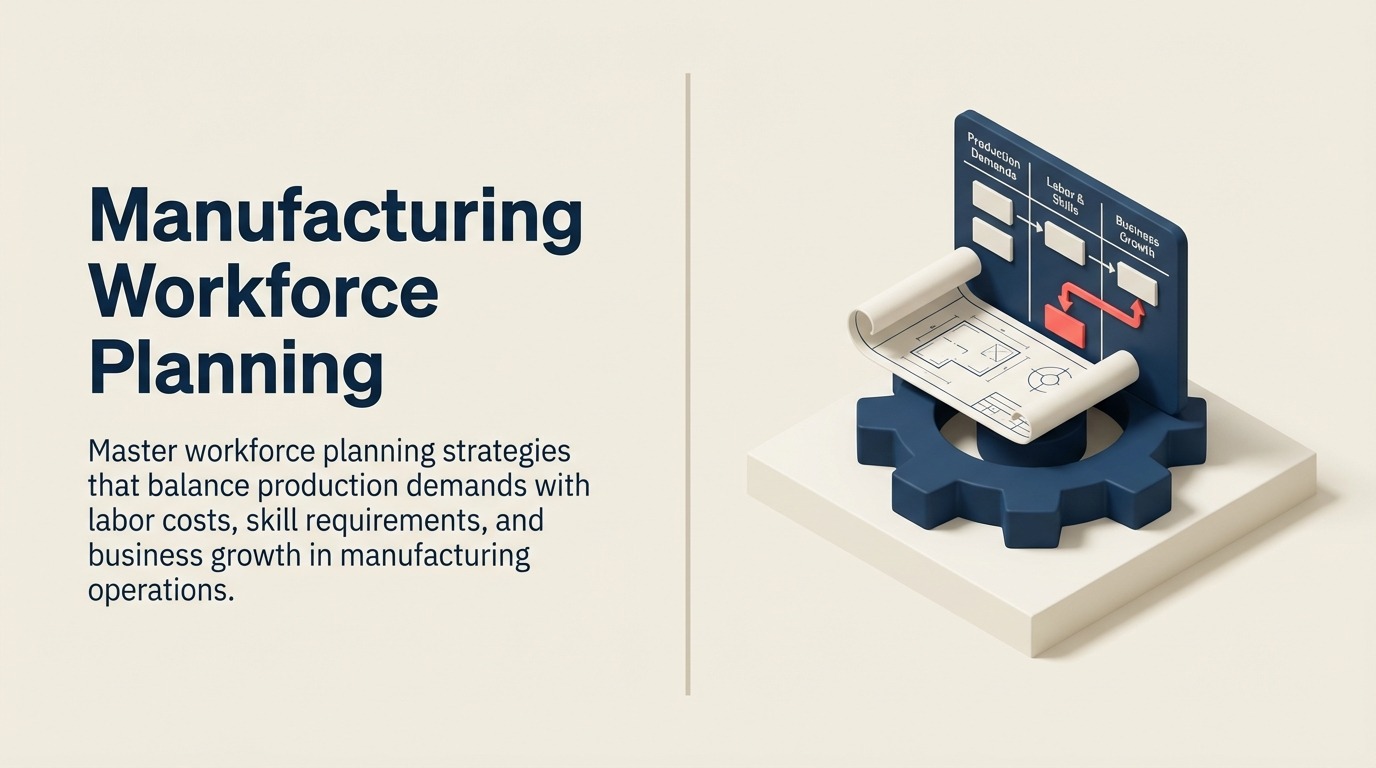
Perencanaan tenaga kerja manufaktur jauh melampaui sekadar perhitungan jumlah kepala. Ini adalah proses sistematis untuk menyelaraskan kapasitas tenaga kerja dengan kebutuhan produksi, sekaligus menjaga keterampilan, fleksibilitas, dan efisiensi yang dibutuhkan operasional Anda.
Perbedaan ini penting. Perencanaan SDM tradisional berfokus pada pengisian posisi. Perencanaan tenaga kerja manufaktur terhubung langsung ke jadwal produksi, kapasitas mesin, dan strategi pertumbuhan. Ketika Anda merencanakan peluncuran produk baru, perencanaan tenaga kerja memberi tahu Anda secara persis keterampilan apa yang dibutuhkan, kapan dibutuhkan, dan bagaimana mendapatkannya tanpa mengganggu produksi yang sedang berjalan.
Hal ini menuntut pemikiran dalam tiga dimensi sekaligus: kapasitas (berapa banyak orang), kemampuan (keterampilan apa yang dibutuhkan), dan fleksibilitas (bagaimana beradaptasi terhadap perubahan). Jika salah satu aspek ini terlewatkan, Anda akan menghadapi kelebihan pekerja saat periode sepi atau bottleneck produksi saat permintaan memuncak.
Taruhannya sangat besar secara finansial. Tenaga kerja biasanya mewakili 15-30% biaya manufaktur, dan perencanaan tenaga kerja yang buruk tercermin dalam biaya lembur, biaya agen tenaga kerja sementara, biaya pelatihan, masalah kualitas akibat pekerja yang kurang terlatih, serta hilangnya pendapatan dari keterlambatan pengiriman. Menurut riset Deloitte, tantangan produktivitas tenaga kerja dan dinamika SDM berdampak signifikan pada daya saing manufaktur.
Menerjemahkan Prakiraan Produksi Menjadi Kebutuhan Ketenagakerjaan
Perencanaan tenaga kerja yang efektif dimulai dari pemahaman kebutuhan produksi Anda, bukan hanya minggu depan, melainkan enam hingga dua belas bulan ke depan.
Prakiraan produksi menjadi pondasinya. Ambil volume produksi yang diproyeksikan dan uraikan berdasarkan lini produk, proses manufaktur, dan periode waktu. Menerapkan dasar-dasar perencanaan produksi yang kuat memastikan prakiraan yang akurat. Prakiraan yang hanya menyatakan "tingkatkan produksi 20%" tidak membantu pengambilan keputusan tenaga kerja. Anda perlu mengetahui lini mana yang akan meningkat, shift mana yang terdampak, dan keterampilan mana yang menjadi lebih kritis.
Hitung jam kerja standar per unit untuk setiap produk. Jika Produk A membutuhkan 2,4 jam kerja dan Produk B memerlukan 3,8 jam, pergeseran bauran produk mengubah kebutuhan tenaga kerja meskipun total volume unit tetap sama. Banyak produsen melewatkan hal ini, melakukan staffing berdasarkan total volume sementara kebutuhan tenaga kerja aktual mereka sudah bergeser drastis.
Buat asumsi produktivitas yang realistis. Jika Anda berencana meningkatkan efisiensi sebesar 8%, model tenaga kerja Anda harus mencerminkan hal itu, namun jangan menghitung efisiensi sebelum terbukti. Asumsi konservatif mencegah kekurangan staf.
Pertimbangkan pola musiman dan siklus. Sebagian besar produsen menghadapi variasi permintaan yang dapat diprediksi. Menggunakan demand forecasting untuk manufaktur membantu mengidentifikasi pola-pola ini secara akurat. Jika Q4 selalu menjadi musim tersibuk, rencana tenaga kerja Anda harus menunjukkan persiapan mulai Q3, bukan seminggu sebelum puncak permintaan. Petakan pola ini selama beberapa tahun untuk mengidentifikasi siklus sebenarnya, bukan kejadian satu kali.
Jangan lupakan waktu non-produksi. Jadwal cuti, kebutuhan pelatihan, periode perawatan mesin saat lini berjalan lebih lambat, dan waktu penahanan kualitas semuanya mengurangi jam produktif yang tersedia. Rencanakan realitas ini, bukan ketersediaan 100% yang tidak pernah terjadi.
Membangun Arsitektur Keterampilan yang Tepat
Memiliki cukup orang di lantai produksi tidak menjamin Anda dapat menjalankan produksi. Anda membutuhkan keterampilan spesifik dalam kombinasi yang tepat.
Mulailah dengan memetakan kebutuhan keterampilan kritis. Kemampuan apa yang esensial untuk proses produksi inti? Keterampilan apa yang menciptakan bottleneck saat tidak ada? Di mana Anda bergantung pada beberapa ahli kunci? Analisis ini mengungkap titik-titik kerentanan keterampilan Anda, yaitu area di mana kehilangan dua atau tiga orang akan berdampak serius pada operasional.
Bedakan antara keterampilan teknis dan kemampuan operasional. Keterampilan teknis mencakup pengoperasian peralatan tertentu, membaca gambar teknis, atau memprogram mesin. Kemampuan operasional meliputi pemecahan masalah, penilaian kualitas, kerja tim, dan mindset perbaikan berkelanjutan. Keduanya penting, tetapi dikembangkan dengan cara berbeda.
Pertimbangkan strategi kedalaman dan keluasan keterampilan Anda. Kedalaman berarti memiliki beberapa orang yang dapat melakukan operasi kompleks secara ahli. Keluasan berarti memiliki orang yang mampu menangani berbagai tugas berbeda dengan kompeten. Anda membutuhkan keduanya, diseimbangkan secara strategis.
Sebagian besar produsen membutuhkan keterampilan mendalam untuk operasi kompleks dan kritis, seperti die-setting, inspeksi kualitas, atau pemecahan masalah perawatan. Keterampilan ini membutuhkan bertahun-tahun untuk dikembangkan, sehingga Anda perlu beberapa orang yang berkualitas dan perencanaan suksesi yang aktif. Untuk operasi yang lebih sederhana dan berulang, keluasan melalui program cross-training memberikan fleksibilitas yang lebih baik.
Rencanakan kebutuhan keterampilan masa depan sejak sekarang. Jika Anda mengimplementasikan otomasi, siapa yang akan memprogram dan memecahkan masalah sistem tersebut? Jika Anda menambahkan lini produk baru, kemampuan berbeda apa yang diperlukan? Keterampilan membutuhkan waktu untuk dikembangkan, sehingga perencanaan tenaga kerja harus mengantisipasi kebutuhan kemampuan sebelum menjadi mendesak.
Buat matriks keterampilan yang menunjukkan siapa dapat melakukan apa pada level kompetensi tertentu. Matriks ini mengungkap kesenjangan, mengidentifikasi risiko suksesi, dan memandu prioritas pelatihan. Perbarui setiap kuartal seiring perkembangan kemampuan karyawan dan evolusi persyaratan pekerjaan.
Mengoptimalkan Model Tenaga Kerja untuk Fleksibilitas
Cara Anda menyusun tenaga kerja menentukan kemampuan Anda untuk berkembang secara efisien seiring variasi permintaan. Pertanyaan utamanya: kemampuan apa yang harus menjadi karyawan tetap versus sumber tenaga kerja fleksibel?
Tenaga kerja inti Anda harus mencakup karyawan dengan pengetahuan institusional mendalam, keterampilan teknis kritis, dan kemampuan kepemimpinan. Orang-orang ini membentuk fondasi operasional Anda. Mereka melatih orang lain, memecahkan masalah kompleks, dan menjaga standar produksi Anda. Investasikan dalam pengembangan dan retensi mereka karena mereka sulit digantikan.
Namun, bergantung sepenuhnya pada karyawan tetap menciptakan kekakuan. Saat permintaan turun, Anda menanggung biaya tenaga kerja berlebih. Saat permintaan melonjak, Anda tidak bisa berkembang cukup cepat. Di sinilah strategi tenaga kerja kontingen memberikan fleksibilitas.
Pekerja sementara melalui agen staffing menawarkan skalabilitas cepat untuk operasi dasar. Anda dapat menyesuaikan jumlah staf setiap minggu tanpa harus merekrut dan memberhentikan karyawan tetap. Komprominya: biaya per jam lebih tinggi, investasi pelatihan dengan tingkat turnover tinggi, dan biasanya produktivitas serta kesadaran kualitas yang lebih rendah.
Gunakan tenaga sementara secara strategis. Mereka bekerja dengan baik untuk puncak musiman yang dapat diprediksi di mana Anda tahu membutuhkan kapasitas ekstra selama tiga bulan. Mereka tidak cocok untuk operasi yang memerlukan pengetahuan teknis mendalam atau di mana risiko kualitas dan keselamatan tinggi.
Pertimbangkan pekerja kontrak untuk keterampilan khusus yang dibutuhkan secara berkala namun tidak terus-menerus. Teknisi pemeliharaan kontrak, programmer, atau insinyur proyek memberikan keahlian tanpa menambah headcount tetap.
Multi-skilling tenaga kerja inti Anda menciptakan fleksibilitas internal. Ketika karyawan dapat bekerja di berbagai area, Anda dapat memindahkan mereka ke titik bottleneck atau menutupi ketidakhadiran tanpa perekrutan eksternal. Hal ini membutuhkan pelatihan dan pengembangan keterampilan yang sistematis namun memberikan manfaat besar dalam fleksibilitas operasional.
Keputusan lembur memerlukan analisis cermat. Lembur memungkinkan peningkatan kapasitas cepat tanpa perekrutan, tetapi menjadi mahal di atas 10-15% dari total jam dan membawa risiko kualitas dan keselamatan akibat kelelahan. Menerapkan optimasi manajemen shift yang efektif membantu menyeimbangkan kompromi ini. Modelkan titik impas di mana perekrutan menjadi lebih ekonomis daripada lembur berkelanjutan.
Membangun Proses Perencanaan Tenaga Kerja Anda
Perencanaan tenaga kerja yang efektif membutuhkan proses sistematis dan berulang yang menghubungkan perencanaan bisnis Anda dengan keputusan ketenagakerjaan.
Mulailah dengan prakiraan permintaan. Ambil volume produksi berdasarkan lini produk, idealnya secara bulanan untuk 12-18 bulan ke depan. Sertakan perencanaan skenario untuk kasus terbaik, kasus yang diharapkan, dan kasus terburuk dari level permintaan.
Konversi volume produksi ke jam kerja menggunakan konten tenaga kerja standar per unit. Terapkan asumsi utilisasi kapasitas Anda secara realistis, dengan mempertimbangkan level efisiensi, downtime, dan aktivitas non-produksi.
Terjemahkan jam kerja ke jumlah karyawan per shift dan kategori keterampilan. Pertimbangkan jam per karyawan per tahun (biasanya 1.800-1.950 jam produktif setelah cuti, pelatihan, dan waktu terbuang lainnya). Ini memberi Anda jumlah karyawan yang dibutuhkan per periode waktu.
Bandingkan jumlah karyawan yang dibutuhkan dengan tenaga kerja Anda saat ini. Di mana kesenjangannya? Kapan kesenjangan itu muncul? Keterampilan mana yang kurang dibanding tenaga kerja umum?
Kembangkan strategi pengadaan untuk kesenjangan tersebut. Pilihannya meliputi transfer internal, perekrutan baru, cross-training karyawan yang ada, lembur, atau tenaga kontrak eksternal. Pilih berdasarkan durasi kebutuhan, level keterampilan yang diperlukan, dan biaya relatif.
Buat timeline rekrutmen. Jika Anda membutuhkan 15 operator baru pada Juli, rekrutmen harus dimulai pada April untuk menyisakan waktu perekrutan, onboarding, dan pelatihan. Posisi terampil mungkin membutuhkan waktu persiapan enam bulan.
Bangun rencana pelatihan. Karyawan lama mana yang membutuhkan keterampilan baru? Apa urutan dan waktu pelatihannya? Tim kepemimpinan shop floor Anda memainkan peran kritis dalam proses ini. Siapa yang akan melatih mereka, dan kapan mereka bisa dilepas dari tugas reguler untuk pelatihan?
Hitung biaya per skenario. Berapa total biaya tenaga kerja di bawah setiap rencana? Bagaimana perbandingan perekrutan versus lembur versus tenaga sementara secara finansial?
Tinjau dan perbarui setiap bulan. Seiring variasi produksi aktual dari prakiraan, sesuaikan rencana tenaga kerja Anda. Ini mencegah ketertinggalan enam minggu dalam ketenagakerjaan saat permintaan bergeser.
Membuat Keputusan Tenaga Kerja Berbasis Data
Rencana tenaga kerja terbaik dibangun di atas metrik dan data yang solid, bukan tebakan.
Lacak tren efisiensi tenaga kerja Anda. Berapa jam kerja aktual per unit dari waktu ke waktu per lini produk? Data BLS melacak tren produktivitas dan ketenagakerjaan sektor manufaktur. Peningkatan efisiensi berarti Anda membutuhkan lebih sedikit jam kerja untuk volume produksi yang sama, dan rencana tenaga kerja Anda harus mencerminkan peningkatan efisiensi yang realistis.
Pantau pola lembur Anda. Lembur berkelanjutan di atas 10% dari total jam sering mengindikasikan kekurangan staf. Melacak metrik produktivitas tenaga kerja membantu mengidentifikasi pola-pola ini. Namun jika lembur sporadis dan tidak dapat diprediksi, masalahnya mungkin variabilitas jadwal, bukan jumlah karyawan.
Ukur efektivitas pelatihan Anda. Berapa lama waktu yang dibutuhkan karyawan baru untuk mencapai produktivitas penuh? Bagaimana kualitas mereka dibandingkan dengan pekerja berpengalaman? Metrik ini menginformasikan seberapa jauh ke depan Anda perlu merekrut dan melatih.
Lacak turnover Anda per kategori pekerjaan dan masa kerja. Turnover tinggi dalam 90 hari pertama menunjukkan masalah rekrutmen atau onboarding. Turnover tinggi di kalangan pekerja berpengalaman mengindikasikan masalah retensi. Keduanya mempengaruhi asumsi perencanaan tenaga kerja Anda tentang berapa banyak orang yang perlu direkrut untuk menjaga level ketenagakerjaan.
Hitung metrik fleksibilitas tenaga kerja Anda. Berapa persentase tenaga kerja Anda yang sudah di-cross-train? Berapa banyak operasi yang hanya memiliki satu atau dua orang yang berkualitas? Metrik ini mengungkap kerentanan Anda terhadap ketidakhadiran dan kemampuan Anda untuk mengalihkan sumber daya ke bottleneck.
Pantau penggunaan dan biaya tenaga kerja sementara. Jika Anda secara konsisten menggunakan tenaga sementara melampaui puncak musiman, kemungkinan besar Anda perlu menyesuaikan level ketenagakerjaan inti. Hitung titik impas di mana perekrutan menjadi lebih ekonomis.
Kesalahan Umum dalam Perencanaan Tenaga Kerja
Bahkan pemimpin operasional berpengalaman pun membuat kesalahan yang dapat diprediksi dalam perencanaan tenaga kerja.
Merencanakan untuk permintaan rata-rata daripada variasi menciptakan masalah yang terus-menerus. Jika volume produksi Anda bervariasi 30% dari bulan ke bulan namun Anda menyiapkan staf untuk rata-rata, Anda akan kekurangan staf setengah waktu dan kelebihan staf separuhnya lagi. Rencanakan untuk pola permintaan Anda, bukan rata-rata yang tidak realistis.
Mengabaikan perubahan bauran keterampilan seiring pergeseran bauran produk menyebabkan bottleneck. Hanya karena total jam kerja tetap konstan bukan berarti Anda memiliki keterampilan yang tepat. Lacak kebutuhan tenaga kerja per kategori keterampilan, bukan hanya total headcount.
Memperlakukan semua tenaga kerja sebagai dapat dipertukarkan menciptakan masalah kualitas dan keselamatan. Karyawan baru tidak setara dengan pekerja berpengalaman, dan pekerja sementara tidak setara dengan karyawan tetap yang terlatih. Pertimbangkan perbedaan produktivitas dan kualitas dalam perhitungan kapasitas Anda.
Gagal memperhitungkan waktu pelatihan berarti karyawan baru Anda tiba tetapi tidak benar-benar bisa menjalankan produksi. Setiap karyawan baru menyerap waktu pekerja berpengalaman untuk pelatihan sambil diri mereka sendiri awalnya berproduksi lebih sedikit. Anggarkanlah untuk realitas ini.
Meremehkan waktu yang dibutuhkan untuk merekrut dan menemukan karyawan membuat Anda kewalahan. Di pasar tenaga kerja yang ketat, mencari pekerja manufaktur yang berkualifikasi membutuhkan berbulan-bulan, bukan berminggu-minggu. Riset MIT Sloan mengidentifikasi strategi praktis untuk mengatasi tantangan tenaga kerja manufaktur. Mulai proses perekrutan sebelum Anda membutuhkan orang-orang tersebut di lantai produksi.
Tidak merencanakan untuk turnover berarti Anda selalu tertinggal. Jika Anda memiliki turnover tahunan 10%, Anda perlu merekrut dan melatih pengganti secara terus-menerus hanya untuk menjaga level ketenagakerjaan. Masukkan hal ini ke dalam rencana tenaga kerja Anda.
Membangun Kelincahan Tenaga Kerja untuk Jangka Panjang
Produsen paling sukses tidak hanya merencanakan tenaga kerja mereka, mereka membangun kemampuan sistematis untuk beradaptasi seiring perubahan kondisi.
Ini dimulai dengan sistem pengembangan keterampilan yang terus-menerus memperluas kemampuan tenaga kerja Anda. Pelatihan reguler, program cross-training terstruktur, dan jalur perkembangan keterampilan yang jelas menciptakan tenaga kerja yang dapat beradaptasi dengan kebutuhan yang berubah.
Hal ini membutuhkan sistem data tenaga kerja yang memberikan visibilitas tentang siapa bisa melakukan apa, siapa sedang dilatih untuk apa, dan di mana kesenjangan kemampuan Anda berada. ERP untuk manufaktur modern dan manufacturing execution systems dapat menyediakan kemampuan ini. Banyak produsen masih melacaknya dalam spreadsheet atau di kepala supervisor, dan tidak ada yang berskala.
Hal ini menuntut kepemimpinan yang memandang perencanaan tenaga kerja sebagai strategis, bukan administratif. Ketika perencanaan tenaga kerja terhubung ke perencanaan bisnis, penjadwalan produksi, dan keputusan investasi modal, Anda membuat keputusan yang lebih baik di semua area ini.
Para produsen yang secara konsisten memenuhi tanggal pengiriman sambil mengendalikan biaya tenaga kerja memiliki satu kesamaan: mereka telah menjadikan perencanaan tenaga kerja sebagai proses sistematis dan berbasis data yang berjalan secara berkelanjutan. Mereka tidak bereaksi terhadap krisis ketenagakerjaan, melainkan mengantisipasi kebutuhan dan membangun kemampuan sebelum permintaan datang.
Tenaga kerja Anda adalah aset produksi terpenting dan biaya yang paling dapat Anda kendalikan. Merencanakannya secara strategis bukan pilihan, melainkan hal fundamental untuk keunggulan manufaktur.
Pelajari Lebih Lanjut

Co-Founder, Rework.com
On this page
- Apa yang Membuat Perencanaan Tenaga Kerja Berbeda di Manufaktur
- Menerjemahkan Prakiraan Produksi Menjadi Kebutuhan Ketenagakerjaan
- Membangun Arsitektur Keterampilan yang Tepat
- Mengoptimalkan Model Tenaga Kerja untuk Fleksibilitas
- Membangun Proses Perencanaan Tenaga Kerja Anda
- Membuat Keputusan Tenaga Kerja Berbasis Data
- Kesalahan Umum dalam Perencanaan Tenaga Kerja
- Membangun Kelincahan Tenaga Kerja untuk Jangka Panjang
- Pelajari Lebih Lanjut