Die besten SmartRecruiters-Alternativen 2026: 13 Tools für mittelständische und große Hiring-Teams
Turn this article into takeaways for your work.


Each assistant summarizes the article only for you and suggests best practices for your work.
Aktualisiert im September 2026
SmartRecruiters hat sich seinen Platz bei mittelständischen und großen Teams mit hohem Volumen oder Stundenlohn-Hiring verdient, aufgebaut um KI-gestütztes Sourcing und einen Recruiting-Marketing-Schwerpunkt, den die meisten Bewerbermanagementsysteme nicht erreichen. Zwei Dinge bringen Käufer trotzdem dazu, sich anderswo umzusehen. Der veröffentlichte Essential-Tarif beginnt bei 14.995 $, eine harte Untergrenze, die die Plattform für die meisten Unternehmen unter ein paar Hundert Mitarbeitern schon vor einem Vertriebsgespräch ausschließt. Und SAP hat die Übernahme von SmartRecruiters am 11. September 2025 abgeschlossen, sodass sich die Roadmap nun ebenso an Integrationsmeilensteinen mit SuccessFactors orientiert wie an der Nachfrage nach eigenständigem Recruiting. Wenn eines von beidem Ihr Auslöser ist, sind die stärksten Alternativen Greenhouse oder iCIMS für einen ähnlichen Funktionsumfang ohne das SAP-Fragezeichen, Workday Recruiting oder Avature, wenn Sie das HCM-Suite-Paket bewusst wollen, Ashby und Lever für mittelständische Teams, die einem schlankeren Tool entwachsen sind, und Rework, wenn das Hiring auf derselben Plattform wie HR und Zeiterfassung liegen soll statt im ERP eines anderen Anbieters.
Diese Liste bewertet 13 Alternativen nach Preis (im September 2026 auf der Seite des jeweiligen Anbieters geprüft), Eignung nach Teamgröße und Hiring-Volumen und danach, was sich für einen Käufer tatsächlich ändert, nun da SAP den Anbieter besitzt. Die Auswahl reicht von Greenhouse und iCIMS am oberen Ende über Ashby, Workable und Recruitee für wachsende Teams bis zu Paradox für reines Hiring mit hohem Volumen und Stundenlohnkräften.
Wichtige Fakten
Wichtige Fakten: Enterprise-Hiring und die Integration von SAP und SmartRecruiters
- SAP hat die Übernahme von SmartRecruiters am 11. September 2025 abgeschlossen und bestätigt, dass das Produkt als eigenständige Recruiting-Plattform weiterbetrieben wird. (SAP News, 2025)
- Die erste Phase der Integration mit SAP SuccessFactors, im März 2026 ausgeliefert, brachte Single Sign-on, eine einheitliche Navigation und SAPs KI-Assistenten Winston direkt in die Hiring-Workflows. (SAP News, 2026)
- 97,4 % der Fortune-500-Unternehmen setzen inzwischen ein Bewerbermanagementsystem ein, 487 von 500 wurden 2026 erfasst. (Jobscan, 2026)
- Die mediane Time-to-Fill für nicht leitende Stellen sank 2026 auf 39 Kalendertage, basierend auf Daten von mehr als 4.600 Organisationen. (SHRM, 2026)
- Reibung bei der Terminplanung verursacht 20 % der Kandidatenabbrüche, nur übertroffen von der Interviewphase mit 32 %, ein Muster, das Hiring mit hohem Volumen am stärksten trifft. (iCIMS 2025 State of Frontline Hiring Report, via Pin)
Schnellvergleich
Diese Liste wird an der Kernaufgabe von SmartRecruiters gemessen: KI-gestütztes Sourcing und strukturiertes Hiring bei hohem Volumen. Rework ist die Ausnahme; es punktet damit, E-Hiring, Interview und Career auf derselben Plattform wie HRIS, Zeiterfassung und Timesheets zu vereinen. Die vollständige Shortlist finden Sie unter Die besten Bewerbermanagementsysteme 2026.
| Tool | Am besten geeignet für | Einstiegspreis | Wichtigste Stärke | Wichtigste Einschränkung |
|---|---|---|---|---|
| Greenhouse | Unabhängiges Enterprise-ATS, keine Roadmap-Frage wegen eines Mutterkonzerns | Kein veröffentlichter Preis (berichtet 5.100 bis 12.000+ $/Jahr für kleine Teams; Vendr-Median 26.587 $) | Tiefe Interview-Kits, großer Integrations-Marktplatz | Keine veröffentlichten Preise; vergleichbarer Enterprise-Vertriebszyklus |
| iCIMS | Vollständige Enterprise Talent Cloud | Individuelles Angebot (berichtet Ø ca. 20.781 $/Jahr, laut Vendr) | ATS, CRM und Onboarding in einer Suite | Überhaupt keine öffentliche Preisliste; Kosten im ersten Jahr oft das 1,5- bis 2-Fache der Basis |
| Workday Recruiting | Teams, die bereits Workday HCM nutzen | Nicht einzeln verkauft (im HCM gebündelt, berichtet PEPM 34 bis 150+ $) | Ein führendes System für HR, Finanzen und Hiring | Recruiting nicht allein kaufbar; Implementierung nur für Enterprise |
| Phenom | Talent Experience und KI-gestütztes Kandidaten-Matching | Individuelles Angebot, keine veröffentlichten Zahlen | Tiefes KI-Matching, Personalisierung der Karriereseite | Keine öffentlichen Preise; am aufwendigsten für Employer Brand bei hohem Volumen |
| Avature | Konfigurierbares, CRM-zentriertes Enterprise-Hiring | Individuelles Angebot (berichtet Ø Vertrag ca. 465.000 $/Jahr) | Extreme Konfigurierbarkeit, starke CRM-/Sourcing-Tiefe | Keine veröffentlichten Preise; lange, technische Implementierung |
| Rework | Hiring vereint mit HR und Timesheets | Preis auf Anfrage (rework.com/pricing) | E-Hiring, Interview, Career auf der HRIS-Plattform | Nicht für Agentur-Recruiting mit hohem Volumen oder tiefes Sourcing gebaut |
| Lever | Recruiting-CRM im ATS | Individuelles Angebot (berichtet ca. 3.500 bis 15.000+ $/Jahr) | Talent Relationship Management, Nurture-Kampagnen | Keine öffentlichen Preise; gehört zum Mutterkonzern von JazzHR, Employ Inc. |
| Ashby | Native Analysen ohne BI-Zusatz | 400 $/Monat (Foundations, bis 100 Mitarbeiter) | Integriertes Reporting der Spitzenklasse, All-in-one-Stack | Plus und Enterprise nur auf Angebotsbasis |
| Workable | Mittelgroße Teams, Wechsel zu transparenten Preisen | 299 $/Monat, 3.588 $/Jahr bei jährlicher Zahlung (Standard) | Veröffentlichte Preise in jeder Stufe | Videointerviews und SMS als separate Add-ons berechnet |
| Teamtailor | Employer Branding und Karriereseiten | Individuelles Angebot, keine Zahlen veröffentlicht | Bester Karriereseiten-Builder dieser Liste | Schwächeres Sourcing bei hohem Volumen als SAP-gestützte Wettbewerber |
| Pinpoint | Kandidatenorientiertes Hiring, Blind Screening | Individuelles Angebot (berichtet ca. 345 bis 1.200+ $/Monat) | Beste kandidatenseitige Erfahrung | Keine öffentliche Preisliste; nur Jahresverträge |
| Recruitee (Tellent) | Hiring Manager, die Kandidaten aktiv bewerten | Kein veröffentlichter Preis (berichtet ca. 301 €/Monat Start, jährlich; 1 Jahr Mindestlaufzeit) | Einfache Zusammenarbeit mit Managern, unbegrenzte Nutzer | Preise nicht veröffentlicht; Abrechnung nach Mitarbeiterzahl |
| Paradox | Conversational AI für Stundenlohnstellen mit hohem Volumen | Individuelles Angebot, keine veröffentlichten Zahlen | Text-to-Apply, automatisierte Terminplanung im großen Maßstab | Nicht für Festanstellungen mit niedrigem Volumen und strukturiertem Hiring gebaut |
Was sich 2026 geändert hat: SAP hat im März 2026 die erste Phase der nativen Integration von SmartRecruiters und SuccessFactors ausgeliefert: ein einheitlicher Login und der KI-Assistent Winston, eingebettet in die Hiring-Workflows (SAP News, 2026). Eine zweite Phase später im Jahr 2026 verbindet Winston mit SAPs Assistenten Joule als koordinierte Agenten und ergänzt Funktionen zur Betrugserkennung. Unter KI im Recruiter-Workflow lesen Sie, wo diese Automatisierung hilft und wo sie Risiken birgt.
Was SAPs Eigentümerschaft tatsächlich verändert
Die Übernahme selbst ist gesicherte Tatsache, keine Spekulation: SAPs eigene Ankündigung bestätigt, dass der Deal am 11. September 2025 abgeschlossen wurde und dass Kunden SmartRecruiters-Lösungen „weiterhin mit SAP oder anderen HCM-Lösungen nutzen“ können, es also weder in SuccessFactors aufgegangen noch eingestellt wurde (SAP News, 2025). Was sich geändert hat, ist konkreter als „SAP gehört es jetzt“.
| Wenn Sie... | Was sich ändert | Was sich nicht ändert |
|---|---|---|
| Bereits SAP SuccessFactors nutzen | Single Sign-on, synchronisierte Stellen- und Personendaten, Winston-KI in Hiring-Workflows seit der Integrationsphase im März 2026 | Sie kaufen SmartRecruiters weiterhin als eigenes Produkt; es ist nicht kostenlos in einer SuccessFactors-Lizenz enthalten |
| Kein SAP-Haus sind | Im Alltag ändert sich wenig; SmartRecruiters wird weiterhin als eigenständige Plattform verkauft und betrieben | Die langfristigen Roadmap-Prioritäten richten sich zunehmend neben der reinen Nachfrage am Recruiting-Markt auch nach SAPs HCM-Agenda |
| 2026 evaluieren | Winston ist jetzt fester Bestandteil des Sourcing- und Screening-Workflows, kein Zusatz | Das Preismodell: Essential bleibt die einzige veröffentlichte Zahl, ab 14.995 $ |
| Abwägen, ob Sie jetzt wechseln | Nichts zwingt einen Bestandskunden von der Plattform; es gibt weder eine Abschaltung noch eine erzwungene Migration | Die eigenständige Identität wird aktiv integriert, prüfen Sie also die Roadmap 2026-2027 neu, nicht nur die heutige Funktionsliste |
Stage Fit auf einen Blick
| Tool | Passende Phase | Muster beim Hiring-Volumen |
|---|---|---|
| Greenhouse | Wachstum bis Enterprise | Strukturiert, mittleres bis hohes Volumen |
| iCIMS | Großes Enterprise | Hohes Volumen, mehrere Marken, global |
| Workday Recruiting | Enterprise, bereits auf Workday HCM | Stetiges, HR-integriertes Volumen |
| Phenom | Enterprise, Employer-Brand-getrieben | Sehr hohes Volumen, Kandidatenmarketing |
| Avature | Enterprise, komplexe Organisationsstrukturen | Variabel, CRM-getriebenes Sourcing |
| Rework | Mittelgroß, auf HR-Konsolidierung ausgerichtet | Moderat, Festanstellungen |
| Lever | Mittelstand bis Enterprise | Moderates Volumen, nurture-lastig |
| Ashby | Schnell wachsend, VC-finanzierte Tech-Unternehmen | Moderates Volumen, technische Stellen |
| Workable | KMU bis Mittelstand | Moderates, stetiges Volumen |
| Teamtailor | Mittelstand, markengetrieben | Viele eingehende Bewerbungen |
| Pinpoint | Mittelstand, DEI-orientiert | Moderat, am Kandidatenerlebnis ausgerichtet |
| Recruitee (Tellent) | Mittelstand, mit eingebundenen Managern | Moderat, kollaboratives Hiring |
| Paradox | Jede Größe, Stundenlohn oder Frontline | Sehr hohes Volumen, schnelle Time-to-Fill |
Welche Teamgröße zu welchem Tool passt
| Tool | Mitarbeiterspanne | Typischer Käufer |
|---|---|---|
| Greenhouse | 150-5.000+ | Head of Talent Acquisition |
| iCIMS | 1.000-10.000+ | VP Talent Acquisition, CHRO |
| Workday Recruiting | 1.000-10.000+ (bestehende Workday-HCM-Kunden) | CHRO, HRIS Director |
| Phenom | 1.000-20.000+ | VP Talent Acquisition, Employer-Brand-Verantwortlicher nahe am CMO |
| Avature | 2.000-50.000+ | Global Head of Talent Acquisition |
| Rework | 20-500 | Director of People, COO |
| Lever | 200-2.000 | Head of Talent Acquisition |
| Ashby | 20-1.000 | Head of Recruiting, VP Engineering (für Tech-Hiring) |
| Workable | 20-300 | HR Director, Head of Talent |
| Teamtailor | 50-400 | Employer Brand Lead, HR Director |
| Pinpoint | 50-500 | Head of Talent Acquisition |
| Recruitee (Tellent) | 50-500 | HR Director |
| Paradox | 500-50.000+ (Belegschaften mit Stundenlohn und Frontline) | VP Talent Acquisition, Head of Frontline Hiring |
1. Greenhouse: Das andere unabhängige Enterprise-ATS
Greenhouse ist die naheliegende erste Anlaufstelle für einen SmartRecruiters-Käufer, der von der Roadmap eines Mutterkonzerns unabhängig bleiben will. Es hat seine Kategorieposition auf strukturiertem Hiring aufgebaut: Interview-Kits und Scorecards, die jeder Interviewer tatsächlich nutzt, ein tiefer Integrations-Marktplatz und Reporting zu DEI und Compliance auf Enterprise-Niveau. Es jagt dem KI-Sourcing und dem Recruiting-Marketing von SmartRecruiters nicht so hart nach, aber was es tut, tut es mit mehr Tiefe bei Drittanbietern.
Auch hier sind die Preise nicht veröffentlicht. Greenhouse verkauft die Stufen Core, Plus und Pro nach Mitarbeiterzahl, wobei Recherchen und Beschaffungsdaten von Drittanbietern kleine Teamverträge bei etwa 5.100 bis 12.000 $ im Jahr verorten, mit deutlich höheren Beträgen im Mittelstand und im Enterprise-Maßstab.
| Was Sie bekommen | Was Sie nicht bekommen |
|---|---|
| Tiefe Interview-Kits und strukturierter Hiring-Workflow | Veröffentlichte Self-Service-Preise |
| Großer Integrations-Marktplatz von Drittanbietern | KI-Sourcing-Tiefe, die SmartRecruiters oder Phenom vergleichbar wäre |
| Starkes Compliance- und DEI-Reporting | Eine Budgetoption für Teams unter 150 Mitarbeitern |
| Unabhängige Roadmap, kein HCM-Mutterkonzern, dem Rechenschaft geschuldet wird | Ein Kandidatenerlebnis, das Recruiting-Marketing in den Vordergrund stellt |
Preise: Individuelles Angebot; Schätzungen von Drittanbietern liegen je nach Größe bei 5.100 bis 12.000 $ und mehr im Jahr.
Am besten geeignet für: Unternehmen (150 bis 5.000 und mehr Mitarbeiter), die die Tiefe strukturierten Hiring wollen, ohne die Integrationsagenda eines Mutterkonzerns im Schlepptau. Siehe die besten Greenhouse-Alternativen, falls auch Greenhouse selbst nicht passt.
Nicht ideal für: Teams, die gezielt den Recruiting-Marketing- und KI-Sourcing-Fokus von SmartRecruiters wollen; Greenhouses Stärke ist die Workflow-Struktur, nicht Kandidatenmarketing.
2. iCIMS: Die vollständige Enterprise Talent Cloud
iCIMS konkurriert bei den größten Kunden direkt mit SmartRecruiters und bündelt ATS, CRM, Onboarding und Predictive Analytics in einer Talent Cloud. Wo SmartRecruiters mit KI-generierten Stellenanzeigen und einem Kandidatenerlebnis auf Konsumentenniveau führt, setzt iCIMS auf Konfigurationstiefe für Organisationen mit mehreren Geschäftsbereichen, die Dutzende Req-Typen über Regionen hinweg abwickeln.
iCIMS veröffentlicht überhaupt keine Preise; seine Preisseite enthält keine Preisliste. Verträge im Mittelstand (200-1.000 Mitarbeiter) liegen typischerweise bei 30.000 bis 60.000 \(im Jahr, Enterprise-Kunden (1.000 und mehr Mitarbeiter) bei 60.000 bis 120.000\) und mehr, wobei Implementierung, SMS und Support die Gesamtkosten im ersten Jahr häufig auf das 1,5- bis 2-Fache der angebotenen Basislizenz treiben.
| Was Sie bekommen | Was Sie nicht bekommen |
|---|---|
| Breiteste Enterprise-Suite: ATS, CRM, Onboarding, Analysen | Veröffentlichte Preise, in irgendeiner Stufe |
| Konfigurationstiefe für große Organisationen mit mehreren Geschäftsbereichen | Einen preisgünstigen Einstieg |
| Starkes Reporting zu Time-to-Fill und Quelleneffektivität | Planbare Kosten im ersten Jahr oder bei der Verlängerung |
| Etablierte Marktposition im Enterprise-Segment | Eine schnelle Implementierung mit geringem Aufwand |
Preise: Individuelles Angebot; es gibt keine Self-Service-Stufe. Vendrs Käuferdaten weisen einen durchschnittlichen Jahresvertrag von 20.781 \(aus, mit einer Spanne von 14.500 bis 635.000\) (Vendr, berichtet).
Am besten geeignet für: Große Unternehmen (1.000 und mehr Mitarbeiter), die ATS, CRM und Onboarding in einer Talent Cloud mit tiefen Konfigurationsmöglichkeiten brauchen. Siehe die besten iCIMS-Alternativen, wenn Kosten oder Komplexität von iCIMS selbst das Problem sind.
Nicht ideal für: Mittelgroße oder kleinere Teams; sowohl Preis als auch Implementierungsaufwand sind für eine viel größere Organisation gebaut, als SmartRecruiters unterhalb seiner High-Volume-Stufe typischerweise bedient.
3. Workday Recruiting: Hiring in der HCM-Suite, die Sie bereits betreiben
Workday Recruiting ist keine eigenständige Kaufentscheidung wie SmartRecruiters. Workdays eigene Produktseiten bestätigen, dass Recruiting als Teil von Workday Human Capital Management geliefert wird und nicht als separat lizenziertes Modul. Der ehrliche Vergleich lautet daher nicht „SmartRecruiters vs. Workday Recruiting“, sondern „Hiring getrennt halten oder in das HCM-System integrieren, das bereits Ihre HR-, Lohn- und Finanzdaten verwaltet“.
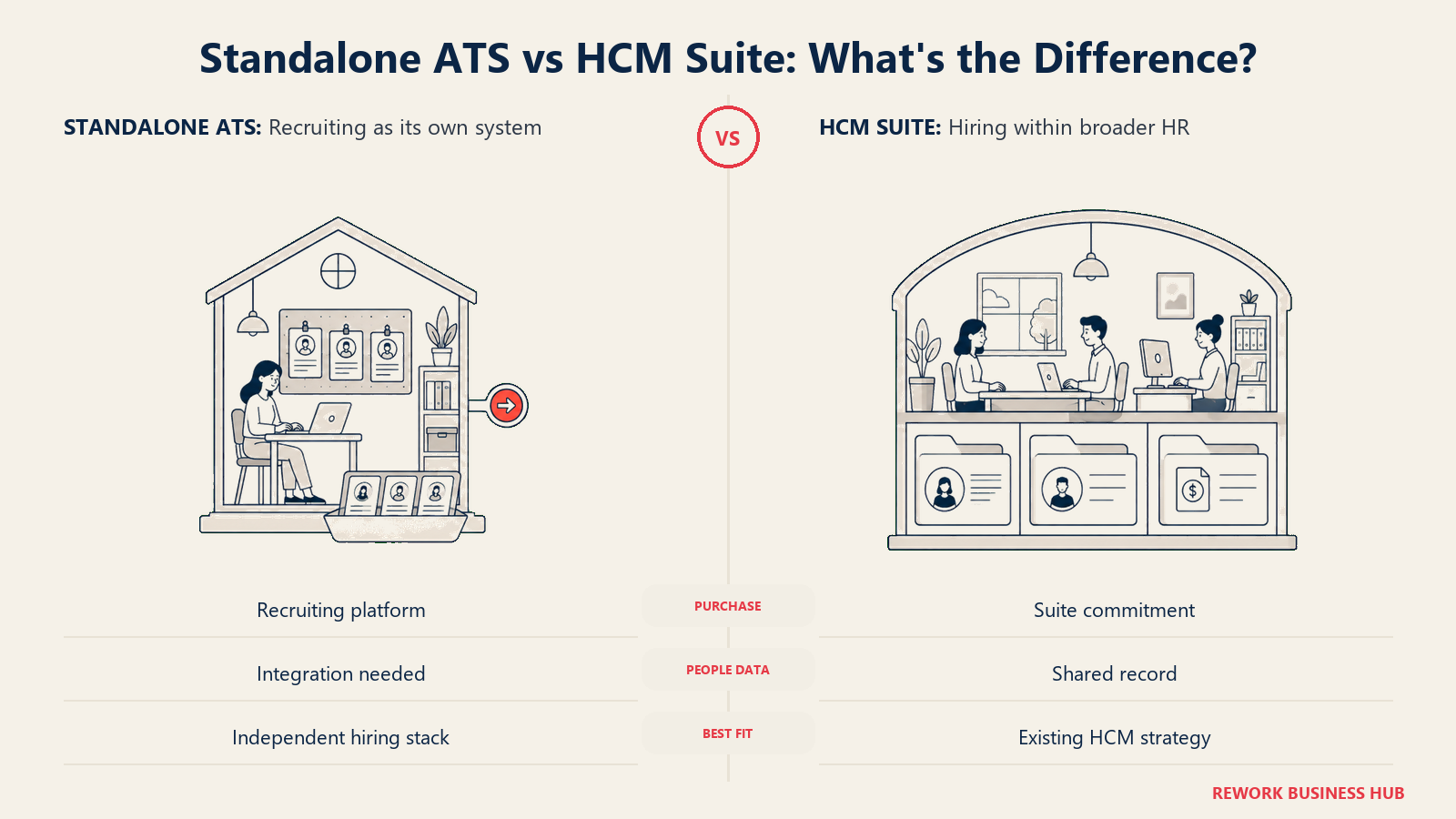
Diese Bündelung ist der gesamte Pitch und der gesamte Zielkonflikt. Für ein Unternehmen, das bereits Workday HCM nutzt, bedeutet das Hinzufügen von Recruiting eine Integration weniger und ein gemeinsames Datenmodell für die Mitarbeiterakte. Für alle anderen bedeutet es, eine vollständige Enterprise-HCM-Suite zu kaufen, nur um ein ATS zu bekommen. Berichtete Zahlen pro Mitarbeiter und Monat für die gesamte Suite liegen je nach Modulen bei etwa 34 bis 150 \(und mehr, wobei der gesamte Vertragswert je nach Unternehmensgröße häufig zwischen 150.000\) und 1,5 Millionen $ im Jahr liegt (berichtet, via Pin).
| Was Sie bekommen | Was Sie nicht bekommen |
|---|---|
| Recruiting im selben führenden System wie HR, Lohn und Finanzen | Die Möglichkeit, Recruiting allein zu kaufen |
| Tiefe Personalplanung und Analysen, verknüpft mit Hiring-Daten | Veröffentlichte Self-Service-Preise auf irgendeiner Ebene |
| Compliance und Reporting auf Enterprise-Niveau | Eine schnelle oder günstige Implementierung |
| Eine Anbieterbeziehung über den gesamten Mitarbeiterlebenszyklus | Eignung für alle, die nicht bereits auf Workday HCM festgelegt sind |
Preise: Nicht einzeln verkauft; berichteter gesamter Vertragswert häufig 150.000 bis 1,5 Millionen $ und mehr im Jahr, je nach Größe (berichtet).
Am besten geeignet für: Große Unternehmen (1.000 und mehr Mitarbeiter), die Workday HCM bereits als ihr zentrales HR-System betreiben oder aktiv evaluieren.
Nicht ideal für: Jedes Unternehmen, das sich nicht bereits auf Workdays umfassende HCM-Suite festgelegt hat; einen schlankeren Einstieg nur mit Recruiting gibt es nicht.
4. Phenom: Talent Experience und KI-Matching im Enterprise-Maßstab
Phenom kommt auf dieser Liste dem Pitch von SmartRecruiters selbst am nächsten, nur weitergedacht. Es hat seine Kategorie um die Idee der „Talent-Experience-Plattform“ gebaut: KI-gesteuertes Job-Matching, personalisierte Karriereseiten und chatbotgestützte Kandidatenbindung, alles ausgerichtet auf Employer Brands mit hohem Volumen und hohem Traffic, die riesige Bewerberpools effizient konvertieren müssen.
Preise sind auf Phenoms Website nirgendwo veröffentlicht; die Preisseite ist ausdrücklich als RFP-Anfrageformular angelegt, nicht als Preisliste. Das passt zu seinem Käuferprofil: große Unternehmen mit formalen Beschaffungsprozessen, die nicht nach Listenpreis einkaufen.
| Was Sie bekommen | Was Sie nicht bekommen |
|---|---|
| Tiefes KI-Matching und Kandidatenbewertung im großen Maßstab | Veröffentlichte Preise |
| Starke Personalisierung der Karriereseite und Employer Branding | Einen unkomplizierten Kaufprozess für kleinere Teams |
| Chatbotgestützte Kandidatenbindung bei hohem Bewerbungsvolumen | Eine Budgetoption für Unternehmen mit weniger als 1.000 Mitarbeitern |
| Bewährte Eignung für Hiring mit sehr hohem Volumen und Traffic | Einen schnellen Implementierungszeitplan |
Preise: Individuelles Angebot über RFP-Prozess; in keiner Stufe veröffentlichte Zahlen.
Am besten geeignet für: Große Unternehmen (1.000 und mehr Mitarbeiter) mit sehr hohem Bewerbungsvolumen, die KI-Matching und eine Karriereseite auf Konsumentenniveau brauchen, um es zu bewältigen.
Nicht ideal für: Mittelgroße Teams ohne das Bewerbungsvolumen oder ohne den internen Beschaffungsprozess, um einen RFP-basierten Enterprise-Verkauf zu rechtfertigen.
5. Avature: Die konfigurierbare, CRM-zentrierte Alternative
Avature geht Hiring von der CRM-Seite an, nicht von der Pipeline-Seite. Es ist eine hochgradig konfigurierbare Plattform, beliebt bei globalen Konzernen, besonders in Europa, die Recruiting, Sourcing und Workforce-Marketing-Kampagnen als laufende Programme führen statt Requisition für Requisition. Wo SmartRecruiters vorgegebene Workflows liefert, liefert Avature ein Toolkit und erwartet, dass ein interner Administrator oder Implementierungspartner es aufbaut.
Auf Avatures eigener Website steht nirgendwo ein Preis; die Startseite leitet jeden Besucher zu einem Kontaktformular. Recherchen zur Beschaffung von Drittanbietern beziffern den durchschnittlichen Vertragswert auf rund 465.000 $ im Jahr (berichtet, via Vendr), was seine reinen Enterprise-Einführungen mit starker Konfiguration widerspiegelt.
| Was Sie bekommen | Was Sie nicht bekommen |
|---|---|
| Extreme Konfigurierbarkeit für komplexe Organisationsstrukturen | Veröffentlichte Preise |
| Starkes CRM-artiges Sourcing und Talentpool-Management | Eine schnelle oder Self-Service-Implementierung |
| Beliebt und bewährt bei großen globalen und EMEA-Konzernen | Eine Budgetoption unterhalb des Enterprise-Maßstabs |
| Workforce-Marketing- und Kampagnen-Tools über eine einzelne Req hinaus | Einen Workflow, der sofort funktioniert; rechnen Sie mit echtem Konfigurationsaufwand |
Preise: Individuelles Angebot (berichteter durchschnittlicher Vertragswert ca. 465.000 $ im Jahr).
Am besten geeignet für: Globale Konzerne (2.000 und mehr Mitarbeiter) mit den Implementierungsressourcen, eine hochflexible, CRM-zentrierte Hiring-Plattform zu konfigurieren.
Nicht ideal für: Teams, die einen Workflow wollen, der sofort gut funktioniert, oder alle ohne Budget und Personal für ein echtes Implementierungsprojekt.
6. Rework: Hiring auf derselben Plattform wie Personalakten und Zeiterfassung
Rework versucht nicht, SmartRecruiters in dessen eigenem Spiel beim Recruiting zu überbieten. Das E-Hiring-Modul (das ATS), dazu Interview und Career, laufen innerhalb der Rework-People-Linie, neben HRIS, Zeiterfassung und Timesheets. Das Versprechen ist weder tieferes KI-Sourcing noch eine größere Recruiting-Marketing-Engine; es ist, dass die Person, die Sie gerade über E-Hiring eingestellt haben, zu einer Personalakte, einem Anwesenheitsprofil und einem Timesheet-Inhaber wird, ohne dass jemand die Angaben neu erfasst, geschweige denn in einem System, das nun der Roadmap eines anderen Mutterkonzerns untersteht.

Das ist ein anderes Problem als das, das die meisten SmartRecruiters-Wechsler lösen. Wenn Ihre Beschwerde der Preissockel oder die Sourcing-Tiefe bei hohem Volumen ist, lösen Greenhouse, iCIMS oder Ashby das direkter. Rework ist die richtige Wahl, wenn die Reibung nach dem Angebot auftritt: ein neuer Mitarbeiter, der in einem Tool zusagt und dann manuell in ein separates HRIS neu eingegeben wird, mit Startdatum und Vergütung doppelt erfasst.
| Was Sie bekommen | Was Sie nicht bekommen |
|---|---|
| E-Hiring, Interview und Career auf derselben Plattform wie HRIS, Anwesenheit und Timesheets | Einen großen Integrations-Marktplatz von Drittanbietern |
| Neueinstellungen fließen ohne Neueingabe direkt in die Personalakten | KI-gesteuertes Sourcing oder Recruiting-Marketing-Tiefe auf dem Niveau von SmartRecruiters oder Phenom |
| Eine Anbieterbeziehung für Hiring, HR und Zeiterfassung | Agentur-artiges Sourcing mit hohem Volumen oder VMS-Workflows |
| Passung für mittelgroße Teams (etwa 20-500 Mitarbeiter) | Einen veröffentlichten Self-Service-Preis |
Preise: Rework People, einschließlich E-Hiring, Interview und Career, wird pro Organisation angeboten, nicht als Pauschalpreis veröffentlicht und keinem bestimmten Rework-Paket zugeordnet. Siehe rework.com/pricing. Für die HR-Seite allein deckt der Leitfaden die beste HR-Software auch HRIS-Optionen ab.
Am besten geeignet für: Mittelgroße Teams (etwa 20-500 Mitarbeiter), deren eigentliche Kosten beim Verlassen von SmartRecruiters nicht die ATS-Rechnung sind, sondern der Betrieb von Hiring, HR und Zeiterfassung als getrennte, nicht verbundene Logins.
Nicht ideal für: Hiring mit hohem Volumen oder Stundenlohn im großen Maßstab, Agentur-Recruiting oder Teams, die gezielt KI-Sourcing und Recruiting-Marketing auf SmartRecruiters-Niveau brauchen.
7. Lever: Recruiting-CRM, in das ATS eingebaut
Lever, inzwischen Teil des Employ-Inc.-Portfolios neben JazzHR und Jobvite, ist die Wahl für Teams, deren eigentliche Beschwerde über SmartRecruiters nicht der Preis ist, sondern dass sie CRM-artiges Nurturing ohne SAP an der Roadmap wollen. LeverTRM baut Pipelines, Nurture-Kampagnen und die Verfolgung passiver Kandidaten in das ATS ein und kommt den Recruiting-Marketing-Instinkten von SmartRecruiters näher als die meisten Tools auf dieser Liste.
Die Preise sind nicht veröffentlicht. Beschaffungsdaten verorten ein Unternehmen mit 200 Mitarbeitern nach Verhandlung bei etwa 12.000 \(im Jahr, mit einem Anstieg auf 65.000\) und mehr bei 1.000 Mitarbeitern, abgerechnet nach der Gesamtmitarbeiterzahl statt nach Recruiter-Lizenzen.
| Was Sie bekommen | Was Sie nicht bekommen |
|---|---|
| CRM-artige Nurture-Kampagnen, ins ATS eingebaut | Veröffentlichte Self-Service-Preise |
| Starkes Reporting und Pipeline-Transparenz | Unabhängigkeit von der gemeinsamen Roadmap von Employ Inc. mit JazzHR und Jobvite |
| Etablierte Erfolgsbilanz im Mittelstand | Hohes Volumen und KI-Sourcing im Maßstab von SmartRecruiters |
| Solides Interviewer-Erlebnis | Eine Budgetoption für kleine Teams |
Preise: Individuelles Angebot (berichtet ca. 3.500 bis 15.000 $ und mehr im Jahr, jährliche Abrechnung).
Am besten geeignet für: Mittelständische Unternehmen (200-2.000 Mitarbeiter), die Recruiting-CRM und Nurture-Sequenzen ohne eine SAP-eigene Roadmap wollen. Siehe die besten Lever-Alternativen, wenn die intransparente Preisgestaltung weiterhin der Knackpunkt ist.
Nicht ideal für: Hiring mit hohem Volumen oder Stundenlohn im großen Maßstab, oder Teams, die Recruiting-Marketing auf SmartRecruiters-Niveau sofort einsatzbereit wollen.
8. Ashby: Native Analysen ohne Vertriebsgespräch
Ashby ist das ATS, zu dem schnell wachsende, VC-finanzierte Tech-Unternehmen greifen, sobald sie Tabellen-Dashboards entwachsen sind, und eines der wenigen Tools hier mit einem veröffentlichten Einstiegspreis. Es kombiniert Sourcing, Terminplanung, CRM und ein ATS mit wirklich nativen Analysen, wie sie die meisten Wettbewerber, SmartRecruiters eingeschlossen, über einen BI-Export oder eine höhere Stufe nachrüsten.
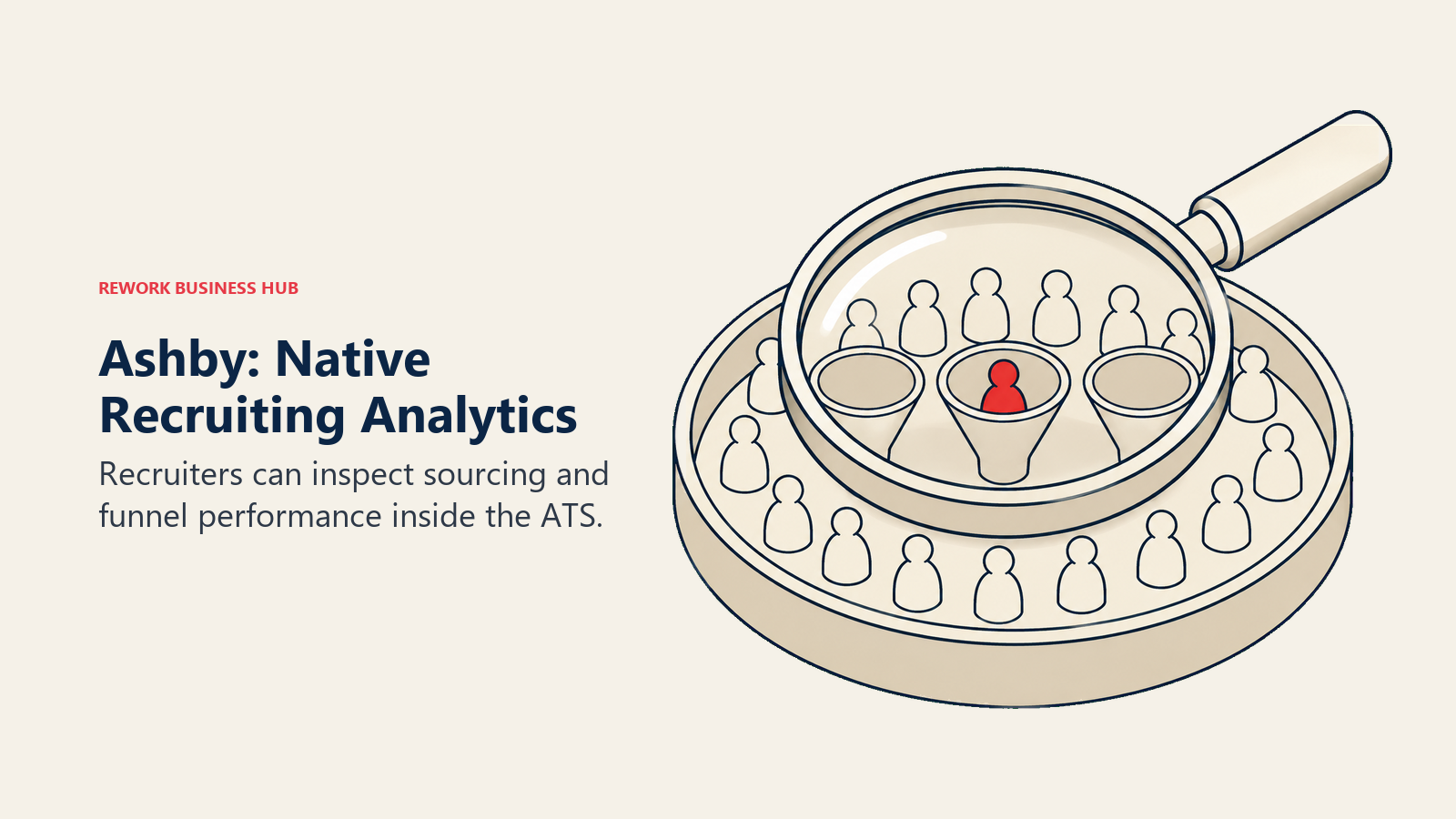
Foundations beginnt bei 400 $ im Monat für bis zu 100 Mitarbeiter, mit etwa 10 % Rabatt bei Jahresbindung. Plus und Enterprise werden individuell angeboten, und Ashby Analytics ist als eigenständiges Add-on erhältlich, nutzungsabhängig bepreist, mit einer Mindestgröße von 100 und mehr Mitarbeitern.
| Was Sie bekommen | Was Sie nicht bekommen |
|---|---|
| Native Reports und Analysen der Spitzenklasse | Den günstigsten Einstiegspreis dieser Liste |
| All-in-one-Sourcing, Terminplanung und ATS | Einen großen Integrations-Marktplatz von Drittanbietern |
| Ein echter veröffentlichter Einstiegspreis, anders als bei den meisten Enterprise-Optionen hier | Hiring-Tools im Maßstab von SmartRecruiters für hohes Volumen |
| Moderne, schnelle Oberfläche | Eine kostenlose Stufe oder eine Testphase mit geringer Verpflichtung |
Preise: Ab 400 $/Monat (Foundations, bis 100 Mitarbeiter, etwa 10 % Rabatt bei jährlicher Zahlung); individuelles Angebot für Plus, Enterprise und das Analytics-Add-on.
Am besten geeignet für: Schnell wachsende, VC-finanzierte Tech-Unternehmen (20-1.000 Mitarbeiter), die tiefe Hiring-Analysen ohne separates BI-Tool wollen. Siehe die besten Ashby-Alternativen, wenn Ashbys eigener Preis für Ihre Mitarbeiterzahl zu hoch ausfällt.
Nicht ideal für: Hiring-Betriebe mit hohem Volumen oder Stundenlohn; Ashbys Tiefe ist für technisches und Produkt-Hiring gebaut, nicht für Frontline-Maßstab.
9. Workable: Veröffentlichte Preise, strukturiertes Hiring
Workable ist das, was einer transparenten Self-Service-Alternative auf dieser Liste am nächsten kommt. Es bepreist nach Unternehmensgröße, in Bändern von 1-20 Mitarbeitern bis 1.000 und mehr, und veröffentlicht jede Zahl, statt Käufer über ein Vertriebsgespräch zu leiten. Standard kostet 299 \(im Monat oder 3.588\) im Jahr, Premier 599 \(im Monat oder 7.188\) im Jahr und Enterprise 719 \(im Monat oder 8.628\) im Jahr; die Jahrespreise entsprechen hier exakt dem 12-Fachen des Monatspreises und sind kein Rabatt.
Workable liefert 3.000 kostenlose KI-Credits pro Tarif, zusätzliche Credits kosten je nach gekauftem Volumen 0,12 $, 0,10 \(oder 0,095\) pro Stück, und es erreicht weder die Recruiting-Marketing- noch die CRM-Tiefe von SmartRecruiters.
| Was Sie bekommen | Was Sie nicht bekommen |
|---|---|
| Veröffentlichte Preise in jeder Stufe, kein Vertriebsgespräch nötig | Pauschalpreise, wenn die Mitarbeiterzahl über ein Band hinauswächst |
| KI-gestütztes Sourcing und Kandidaten-Matching | Eine Recruiting-Marketing-Engine, die SmartRecruiters vergleichbar wäre |
| Schnelle Implementierung, minimale Einrichtungszeit | Hiring-Tools für hohes Volumen im Enterprise-Maßstab |
| Kostenlose Testphase verfügbar | Einen garantierten Pauschalpreis bei der Verlängerung |
Preise: 299 $/Monat Standard (3.588 $/Jahr), 599 $/Monat Premier (7.188 $/Jahr), 719 $/Monat Enterprise (8.628 $/Jahr); KI-Credits zu 0,12 $/0,10 $/0,095 $ pro zusätzlichem Credit je nach Volumen.
Am besten geeignet für: Wachsende Teams (20-300 Mitarbeiter), die strukturiertes Hiring mit einem veröffentlichten, planbaren Preis statt der reinen Angebotsstufen oberhalb von Essential bei SmartRecruiters wollen. Siehe die besten Workable-Alternativen, wenn auch Workable selbst nicht ausreicht.
Nicht ideal für: Teams im Mittelstand bis Enterprise mit mehr als einigen Hundert Mitarbeitern, die die Sourcing-Tiefe von SmartRecruiters, Phenom oder Avature brauchen.
10. Teamtailor: Employer Branding und Karriereseiten zuerst
Teamtailor führt mit der Karriereseite, nicht mit dem Pipeline-Board. Sein Builder erzeugt Karriereseiten, die handgestaltet statt vorlagenbasiert wirken, und für Unternehmen, bei denen eingehende Bewerbungen das Hiring bestimmen, ist diese Employer-Branding-Tiefe eine echte Alternative zu SmartRecruiters' KI-generierten Stellenanzeigen, um die Aufmerksamkeit von Kandidaten zu gewinnen.
Die Preise werden individuell angeboten und skalieren mit der Unternehmensgröße nach einem Job-Slot-Modell statt nach Lizenzen pro Nutzer. Auf Teamtailors eigener Preisseite erscheinen nirgendwo Zahlen, nicht einmal Platzhalter für Tarifnamen.
| Was Sie bekommen | Was Sie nicht bekommen |
|---|---|
| Karriereseiten- und Employer-Branding-Tools der Spitzenklasse | Veröffentlichte Preise |
| Unbegrenzte Nutzer, Preise auf Basis von Job-Slots | KI-gesteuerte Sourcing-Tiefe auf dem Niveau von SmartRecruiters |
| Starke Passung für Hiring mit vielen eingehenden Bewerbungen | Planbare Kosten bei saisonalen Hiring-Spitzen |
| Sauberer ATS-Workflow unter der Branding-Ebene | Tiefe CRM- oder Nurture-Kampagnen-Tools |
Preise: Individuelles Angebot; in keiner Stufe öffentliche Zahlen.
Am besten geeignet für: Unternehmen (50-400 Mitarbeiter), bei denen Karriereseite und Employer Brand der wichtigste Hiring-Hebel sind.
Nicht ideal für: Teams, die mit aktivem KI-Sourcing statt mit eingehenden Bewerbungen führen oder die die Hiring-Tools von SmartRecruiters für hohes Volumen brauchen.
11. Pinpoint: Kandidatenorientiertes Hiring mit Blind Screening
Pinpoint geht von der Seite des Kandidaten aus, nicht von der des Recruiters. Karriereseiten im eigenen Branding, eine mehrsprachige Bewerbungserfahrung und eine anonymisierte Blind-Screening-Funktion geben Hiring-Teams ein praktisches DEI-Werkzeug, ein anderes Wertversprechen als der Scale-und-Automatisierungs-Pitch von SmartRecruiters.
Die Preise sind nicht veröffentlicht; Pinpoints eigene Preisseite ist ein Anfrageformular, keine Preisliste. Schätzungen von Drittanbietern verorten Growth bei etwa 345 \(im Monat und Enterprise bei 1.200\) und mehr im Monat, beide jährlich abgerechnet, mit typischen Gesamtjahreskosten zwischen 4.000 und 15.000 $ (berichtet).
| Was Sie bekommen | Was Sie nicht bekommen |
|---|---|
| Beste kandidatenseitige Bewerbungserfahrung dieser Liste | Eine öffentliche Preisliste |
| Blind Screening für praktisches DEI ohne vollständige Methodenumstellung | Eine kostenlose Testphase |
| Unbegrenzte Zugänge in jedem Tarif | Monatliche Abrechnung; nur Jahresverträge |
| Starker Karriereseiten-Builder | KI-Sourcing oder Automatisierung für hohes Volumen auf SmartRecruiters-Niveau |
Preise: Individuelles Angebot (berichtet ca. 345 $/Monat Growth bis 1.200 $ und mehr/Monat Enterprise, jährlich abgerechnet).
Am besten geeignet für: Mittelständische interne Hiring-Teams (50-500 Mitarbeiter), die eine kandidatenorientierte Bewerbungserfahrung und ein schlankes DEI-Werkzeug wollen.
Nicht ideal für: Recruiting mit hohem Volumen oder in Agenturen oder Teams, die monatliche Abrechnungsflexibilität brauchen.
12. Recruitee (Tellent): Hiring Manager im Prozess
Recruitee hat sich 2025 neu aufgestellt, nachdem PSG Equity Recruitee, Javelo und KiwiHR zu einer einzigen Marke Tellent zusammengeführt hat, die jetzt als Tellent Recruitee vermarktet wird. Das Produkt hat sich kaum verändert; es ist immer noch eines der freundlicheren Tools hier, um Hiring Manager aktiv in die Bewertung von Kandidaten einzubinden, eine leichtere Alternative für Teams, denen das Recruiting-Marketing-Tooling von SmartRecruiters überdimensioniert erscheint.
Preise sind auf der Website von Tellent Recruitee nicht veröffentlicht, nur Währungsplatzhalter. Die Tarife heißen Start, Advance und Optimize, mit einer jährlichen Mindestvertragslaufzeit, einer monatlichen Zahlungsoption und einem berichteten Rabatt von 20 % bei jährlicher Zahlung. Schätzungen von Drittanbietern verorten Einstiegstarife bei etwa 199 $ im Monat (grob geschätzt).
| Was Sie bekommen | Was Sie nicht bekommen |
|---|---|
| Starke Tools für die Zusammenarbeit mit Hiring Managern | Veröffentlichte Self-Service-Preise |
| Unbegrenzte Nutzer in kostenpflichtigen Tarifen | Einen festen Pauschalpreis bei der Verlängerung |
| Jetzt gestützt auf Tellents breitere HR-Plattform | KI-Sourcing oder Recruiting-Marketing in der Tiefe von SmartRecruiters |
| Saubere, zugängliche Oberfläche | Eigenständige Markenidentität (jetzt Teil von Tellent) |
Preise: Individuelles Angebot; Schätzungen von Drittanbietern beginnen bei etwa 199 $ im Monat, jährlich abgerechnet (berichtet).
Am besten geeignet für: Mittelständische Teams (50-500 Mitarbeiter), die Hiring Manager aktiv Kandidaten bewerten lassen wollen, ohne großen Administrationsaufwand.
Nicht ideal für: Teams, die vor einem Vertriebsgespräch exakte Preise sehen wollen oder die das Sourcing-Tooling von SmartRecruiters für hohes Volumen brauchen.
13. Paradox: Conversational AI für Hiring mit hohem Volumen und Stundenlohn
Paradox ist erwähnenswert für das Segment der SmartRecruiters-Käufer, das diese Liste sonst unterversorgt: Arbeitgeber aus Einzelhandel, Gesundheitswesen, Gastgewerbe und Logistik, die Stundenlohnkräfte und Frontline-Mitarbeiter in echtem Volumen einstellen. Sein Conversational-AI-Assistent Olivia übernimmt Text-to-Apply, Screening und Interviewplanung per SMS und reduziert damit die Reibung bei der Terminplanung, die hinter einem Fünftel aller Kandidatenabbrüche beim Hiring mit hohem Volumen steht (iCIMS 2025 State of Frontline Hiring Report, via Pin).
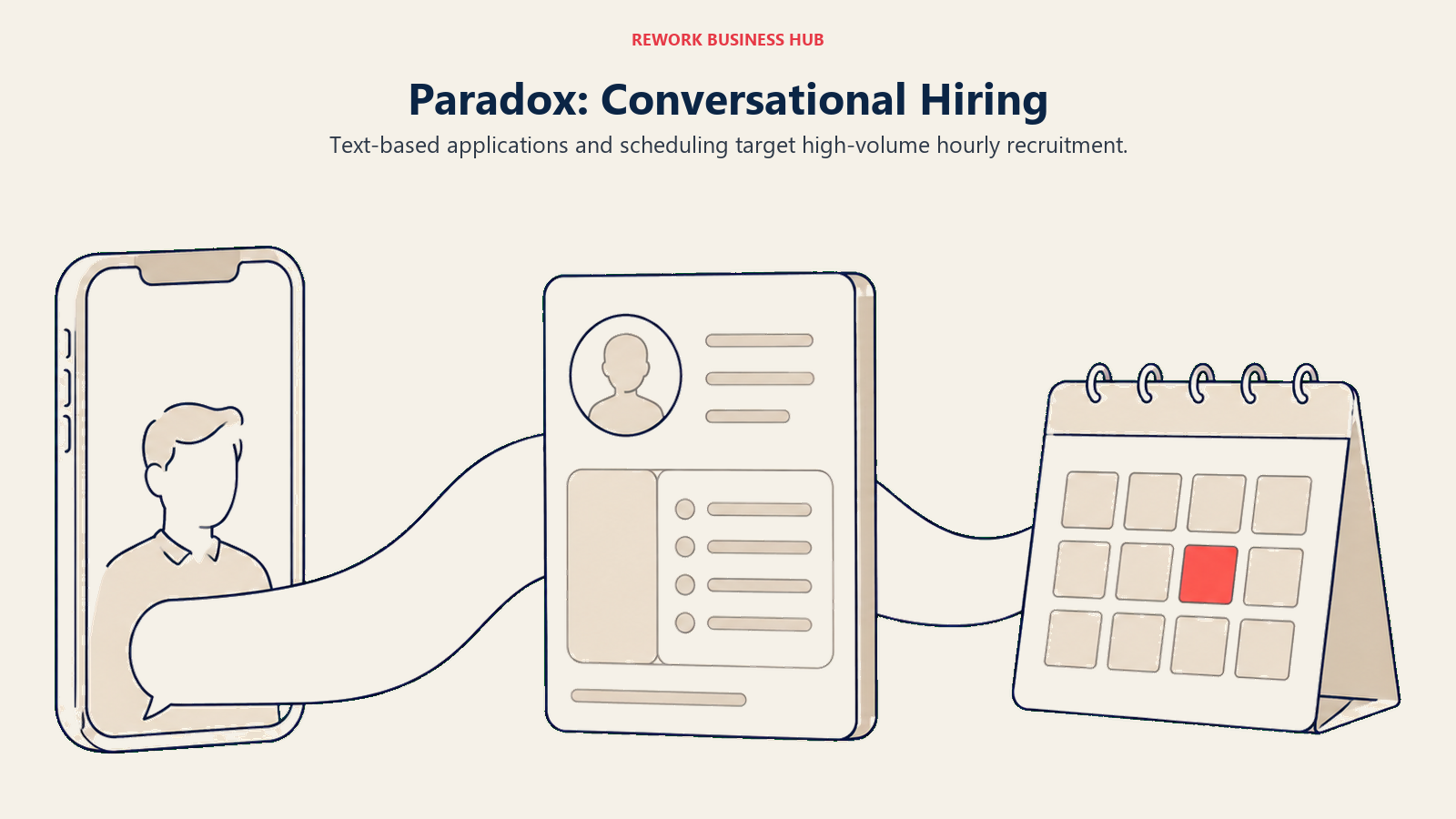
Preise sind auf Paradox' Website nirgendwo veröffentlicht; jeder Weg führt zu einer Demo-Anfrage statt zu einer Preisliste, passend zu seinem Käuferprofil aus Enterprise und hohem Volumen.
| Was Sie bekommen | Was Sie nicht bekommen |
|---|---|
| Conversational, SMS-basierte Bewerbung und Terminplanung im großen Maßstab | Veröffentlichte Preise |
| Gezielt für Volumen bei Stundenlohn- und Frontline-Hiring gebaut | Eignung für strukturiertes Hiring mit niedrigem Volumen bei Festanstellungen |
| Verringert Kandidatenabbrüche in der Terminplanungsphase | Tiefe Interview-Kit- oder Scorecard-Tools wie bei Greenhouse |
| Schnelle Kandidatenreaktionszeiten bei hohem Bewerbungsvolumen | Ein Self-Service- oder KMU-freundliches Vertriebsmodell |
Preise: Individuelles Angebot; keine veröffentlichten Zahlen.
Am besten geeignet für: Arbeitgeber jeder Größe mit wirklich hohem Volumen oder Stundenlohn-Hiring, bei denen SmartRecruiters' eigene High-Volume-Stufe sonst der Vergleichspunkt wäre.
Nicht ideal für: Strukturiertes Hiring mit niedrigem Volumen bei Festanstellungen; eine Conversational-AI-Ebene löst ein Terminplanungsproblem, das die meisten Hiring-Teams im Bürobereich nicht haben.
Warum Teams über SmartRecruiters hinausschauen
Die meisten Teams, die SmartRecruiters-Alternativen evaluieren, lehnen KI-gesteuertes Sourcing oder Recruiting-Marketing nicht ab. Sie wägen ab, ob diese Stärken den Preissockel wert sind oder es wert sind, SAPs Integrations-Roadmap gleich mit dem ATS zu übernehmen.
Ein Preissockel, der Größe voraussetzt. Der veröffentlichte Essential-Tarif beginnt bei 14.995 $, wobei Professional, High Volume und Complete darüber ausschließlich auf Angebotsbasis laufen. Für ein Unternehmen unter 200 Mitarbeitern ohne wirklich hohes Hiring-Volumen ist das viel Plattform, die man kauft, bevor das Vertriebsgespräch überhaupt beginnt. Interview-Scorecards und strukturierte Bewertungsraster sind in jeder Größe wichtig, aber für eine gute Umsetzung brauchen sie keinen fünfstelligen Sockelbetrag.
Eine Roadmap, die jetzt zwei Herren dient. SAP bestätigt, dass SmartRecruiters eigenständig weiterbetrieben wird, und die Integrationsphase vom März 2026 (ein Login, Winston-KI in Workflows eingebettet) ist für SAP-Häuser eine echte Verbesserung. Doch jede Roadmap hat begrenzte Entwicklungskapazität, und ein Käufer, der SmartRecruiters 2026 evaluiert, wettet implizit darauf, dass SAPs SuccessFactors-Prioritäten und die Wettbewerbsfähigkeit der Plattform im Recruiting-Markt aufeinander abgestimmt bleiben.
Stärke bei hohem Volumen, die bei niedrigem Volumen verpufft. SmartRecruiters' KI-Anzeigengenerierung, CRM-artige Talentpools und strukturiertes Onboarding glänzen im großen Maßstab wirklich, besonders bei Arbeitgebern aus Einzelhandel, Gesundheitswesen und Logistik, die Dutzende offene Reqs gleichzeitig führen. Ein Team, das 15 Festanstellungen pro Jahr besetzt, nutzt Tooling für dieses Volumen nicht voll aus, dieselbe Fehlpassung, die man vor der Bindung an jeden Recruiter-Tech-Stack prüfen sollte.
Sourcing-Tiefe, die mit Spezialisten konkurriert, aber ungleichmäßig. SmartRecruiters bündelt Sourcing im Kern-ATS, statt es als eigene Disziplin zu behandeln. Teams, die eine bewusste Strategie aus aktivem, passivem und Empfehlungs-Sourcing fahren, stellen manchmal fest, dass ein CRM-zentriertes Tool wie Lever oder Avature mehr Kontrolle über die Nurture-Sequenzen bietet.
Entscheidungsrahmen: So wählen Sie
Wählen Sie nach der konkreten Lücke, die Sie schließen, nicht nach Markenbekanntheit. Ein Team, das SmartRecruiters aus Kostengründen ersetzt, sollte nicht dieselbe Wahl treffen wie eines, das es wegen der SAP-Roadmap oder wegen der reinen Passung beim Hiring-Volumen ersetzt.
| Wenn Ihr Team braucht... | Beste Wahl |
|---|---|
| Ein unabhängiges Enterprise-ATS mit tiefen Interview-Kits | Greenhouse |
| Eine vollständige Enterprise Talent Cloud mit CRM und Onboarding | iCIMS |
| Recruiting, eingebunden in eine HCM-Suite, die Sie bereits betreiben | Workday Recruiting |
| KI-gesteuertes Kandidaten-Matching bei sehr hohem Volumen | Phenom |
| Eine konfigurierbare, CRM-zentrierte Plattform für komplexe globale Organisationen | Avature |
| Hiring vereint mit HR, Anwesenheit und Timesheets | Rework |
| Recruiting-CRM und Nurture-Kampagnen ohne SAP-Roadmap | Lever |
| Native Analysen und einen veröffentlichten Einstiegspreis | Ashby |
| Transparente Self-Service-Preise in jeder Stufe | Workable |
| Karriereseite und Employer Branding der Spitzenklasse | Teamtailor |
| Kandidatenorientierten Ablauf und Blind Screening für DEI | Pinpoint |
| Hiring Manager, die aktiv an der Bewertung von Kandidaten beteiligt sind | Recruitee (Tellent) |
| Conversational AI für Stundenlohn-Hiring mit hohem Volumen | Paradox |
Häufig gestellte Fragen zu SmartRecruiters-Alternativen
Was ist der größte Grund, warum Teams nach SmartRecruiters-Alternativen suchen?
Der veröffentlichte Essential-Tarif beginnt bei 14.995 $ im Jahr, eine harte Untergrenze für Unternehmen unter ein paar Hundert Mitarbeitern, und jede Stufe darüber läuft nur auf Angebotsbasis. Teams ohne wirklich hohes Hiring-Volumen stellen oft fest, dass sie für Größe zahlen, die sie nicht nutzen.
Hat SAPs Übernahme von SmartRecruiters für Bestandskunden etwas verändert?
SAP hat die Übernahme am 11. September 2025 abgeschlossen und bestätigt, dass SmartRecruiters als eigenständige Recruiting-Plattform weiterbetrieben und nicht in SuccessFactors aufgelöst wird. Die erste Integrationsphase wurde im März 2026 ausgeliefert, mit Single Sign-on und SAPs eingebettetem KI-Assistenten Winston in den Hiring-Workflows, eine zweite Phase ist für später im Jahr 2026 geplant.
Wie viel kostet SmartRecruiters tatsächlich?
Der Essential-Tarif ist mit „ab 14.995 $“ veröffentlicht, wobei SmartRecruiters neben dieser Zahl keine Abrechnungsdauer nennt. Die Stufen Professional, High Volume und Complete sind allesamt individuelle Angebote, dimensioniert nach Enterprise-Hiring-Volumen und Mitarbeiterzahl.
Ist Greenhouse ein guter Ersatz für SmartRecruiters?
Ja, wenn das Ziel ein unabhängiges Enterprise-ATS ohne die Roadmap eines Mutterkonzerns ist. Greenhouse hält bei Enterprise-Maßstab und Tiefe der Interview-Kits mit SmartRecruiters mit, setzt aber weniger auf KI-Sourcing und Recruiting-Marketing als SmartRecruiters oder Phenom.
Was ist der Unterschied zwischen Workday Recruiting und einem eigenständigen ATS wie SmartRecruiters?
Workday Recruiting kann nicht allein gekauft werden; es wird nur als Teil der umfassenden Workday-Human-Capital-Management-Suite geliefert. Das ist sinnvoll, wenn Sie Workday HCM bereits betreiben, da das Hiring ein Datenmodell mit HR, Lohn und Finanzen teilt, bedeutet aber, eine ganze HCM-Plattform zu kaufen, nur um Recruiting zu bekommen.
Welche SmartRecruiters-Alternative ist am besten für Hiring mit hohem Volumen und Stundenlohn?
Paradox, gezielt um conversational, SMS-basierte Bewerbungen und Terminplanung für Frontline- und Stundenlohnstellen gebaut. Phenom ist die nächstbeste Wahl bei sehr hohem Bewerbungsvolumen mit stärkerer Employer-Branding-Ebene, und SmartRecruiters' eigene High-Volume-Stufe bleibt eine legitime Option, wenn Sie die SAP-Frage nicht stört.
Ersetzt Rework SmartRecruiters beim Hiring?
Das hängt davon ab, was Sie lösen wollen. Wenn tiefes KI-Sourcing oder Recruiting-Marketing auf SmartRecruiters-Niveau die Priorität ist, kommen Greenhouse, iCIMS oder Phenom näher heran. Reworks Module E-Hiring, Interview und Career ergeben mehr Sinn für ein Team mit 20-500 Personen, das Hiring, Personalakten und Zeiterfassung auf einer Plattform statt in drei Logins haben will.
Wann ist es sinnvoll, bei SmartRecruiters zu bleiben, statt zu wechseln?
Wenn Ihr Hiring wirklich hohes Volumen oder Stundenlohn betrifft, im Maßstab von Einzelhandel, Gesundheitswesen, Gastgewerbe oder Logistik, und Sie KI-generierte Stellenanzeigen und CRM-artige Talentpools schätzen, sind die Kernstärken von SmartRecruiters real und anderswo schwer vollständig zu ersetzen. Die Rechnung ändert sich am schnellsten für Unternehmen weit unterhalb des Volumens, das die Essential-Stufe voraussetzt.
Was Sie als Nächstes tun sollten
Wählen Sie zwei oder drei Tools aus dem obigen Rahmen, nicht nach Markenbekanntheit, und lassen Sie jedes mit einer echten Requisition laufen statt mit einer Sandbox-Demo. Importieren Sie eine offene Stelle, lassen Sie Recruiter und Hiring Manager einen echten Kandidatenpool durch den Screening- und Terminplanungs-Ablauf jedes Tools führen, und messen Sie, wie lange es von „Kandidat bewirbt sich“ bis „Interviewer hat, was er braucht“ dauert. Die meisten Tools hier bieten eine Testphase, Demo oder einen Pilot, also gibt es keinen Grund, einen mehrjährigen Vertrag auf Basis einer Präsentation zu unterschreiben.
Wenn SmartRecruiters' Preissockel Sie zum Umsehen treibt, beginnen Sie mit Workable oder Ashby. Wenn die SAP-Roadmap-Frage die eigentliche Sorge ist, beginnen Sie mit Greenhouse oder iCIMS. Wenn die Reibung dort entsteht, was nach dem Angebot passiert, wenn ein neuer Mitarbeiter in einem zweiten, nicht verbundenen HR-System verschwindet, beginnen Sie stattdessen mit Rework. Unter rework.com/pricing erhalten Sie ein Angebot.

On this page
- Wichtige Fakten
- Schnellvergleich
- Was SAPs Eigentümerschaft tatsächlich verändert
- Stage Fit auf einen Blick
- Welche Teamgröße zu welchem Tool passt
- 1. Greenhouse: Das andere unabhängige Enterprise-ATS
- 2. iCIMS: Die vollständige Enterprise Talent Cloud
- 3. Workday Recruiting: Hiring in der HCM-Suite, die Sie bereits betreiben
- 4. Phenom: Talent Experience und KI-Matching im Enterprise-Maßstab
- 5. Avature: Die konfigurierbare, CRM-zentrierte Alternative
- 6. Rework: Hiring auf derselben Plattform wie Personalakten und Zeiterfassung
- 7. Lever: Recruiting-CRM, in das ATS eingebaut
- 8. Ashby: Native Analysen ohne Vertriebsgespräch
- 9. Workable: Veröffentlichte Preise, strukturiertes Hiring
- 10. Teamtailor: Employer Branding und Karriereseiten zuerst
- 11. Pinpoint: Kandidatenorientiertes Hiring mit Blind Screening
- 12. Recruitee (Tellent): Hiring Manager im Prozess
- 13. Paradox: Conversational AI für Hiring mit hohem Volumen und Stundenlohn
- Warum Teams über SmartRecruiters hinausschauen
- Entscheidungsrahmen: So wählen Sie
- Was Sie als Nächstes tun sollten