Die besten Ashby-Alternativen 2026: 12 Tools für Startups, die der 100-Mitarbeiter-Grenze entwachsen
Turn this article into takeaways for your work.


Each assistant summarizes the article only for you and suggests best practices for your work.
Aktualisiert im September 2026
Ashby hat sich bei VC-finanzierten Startups und Scale-ups aus einem bestimmten Grund eine treue Anhängerschaft aufgebaut: Es war eines der ersten Bewerbermanagementsysteme (ATS), das native Analysen und CRM-artiges Sourcing als Kern des Produkts behandelte, statt als aufgesetzten Bericht oder separates Tool. Wenn Ihr Team Funnel-Daten nach Quelle, Recruiter und Phase aufschlüsseln möchte, ohne etwas in eine Tabelle zu exportieren, und Sie Sourcing sowie strukturierte Interviews im selben System wollen, überzeugt Ashbys Produktphilosophie nach wie vor.
Die Suche nach Alternativen beginnt allerdings an einer ganz bestimmten Stelle. Foundations endet bei 100 Mitarbeitern, und sobald ein Unternehmen diese Grenze überschreitet, springt der Preis von pauschal 400 $ im Monat direkt auf Plus, das ausschließlich auf Angebotsbasis angeboten wird. Dazu kommen Käufer, die für ein Team mit 30 Personen etwas Schlankeres und Günstigeres suchen, und Enterprise-Käufer, die selbst Plus entwachsen sind. Das ergibt einen stetigen Strom an Suchanfragen danach, was es sonst noch gibt. Dieser Leitfaden behandelt 12 Alternativen, bewertet nach Analysetiefe, Preistransparenz und Eignung für Teams, die über das hinauswachsen, wofür Ashby ursprünglich gebaut wurde. Den Überblick über die gesamte Kategorie finden Sie unter die besten Bewerbermanagementsysteme 2026.
Wichtige Fakten
Wichtige Fakten: ATS-Markt und die Kosten falscher Einstellungen
- Die durchschnittlichen Kosten pro Einstellung liegen in den USA bei knapp 4.700 $, basierend auf SHRM-Benchmarkdaten zu den tatsächlichen Kosten der Personalgewinnung. (SHRM)
- 89 % der Talent-Acquisition-Fachleute sagen, dass die Messung der Einstellungsqualität zunehmend wichtiger wird, aber nur 25 % sind sehr zuversichtlich, dass ihr Unternehmen das tatsächlich leisten kann. Genau diese Lücke soll ein analysezentriertes ATS wie Ashby schließen. (LinkedIn Talent Solutions)
- 61 % der Recruiting-Teams setzen neben ihrem primären ATS drei oder mehr Tools ein. Dieses Tool-Wildwuchs-Muster macht die Preisobergrenze einer Plattform zu einer aktuellen Konsolidierungsentscheidung und nicht bloß zu einer Position bei der Vertragsverlängerung. (HR Tech Institute)
- Eine starke Arbeitgebermarke kann die Recruiting-Kosten um bis zu 43 % senken, und 96 % der Kandidaten informieren sich über den Ruf eines Unternehmens, bevor sie den Job wechseln. (LinkedIn Talent Solutions)
- Der weltweite Markt für Bewerbermanagementsysteme hatte 2025 ein Volumen von 17,22 Mrd. \(und soll 2026 bei einem jährlichen Wachstum (CAGR) von 8,2 % auf 18,57 Mrd.\) steigen. (Fortune Business Insights)
Schnellvergleich
Die meisten dieser Anbieter veröffentlichen ihre vollständigen Preise nur bis zu einer Einstiegsstufe, Ashby eingeschlossen (jenseits von Foundations). Verstehen Sie die folgenden Zahlen daher als Einstiegspunkte für ein Gespräch und nicht als verbindliche Angebote.
| Tool | Am besten geeignet für | Einstiegspreis | Wichtigste Stärke | Wichtigste Einschränkung |
|---|---|---|---|---|
| Greenhouse | Strukturiertes, skalierbares Hiring ab dem Mittelstand | Kein veröffentlichter Preis (berichtet 5.100 bis 12.000+ $/Jahr für kleine Teams; Vendr-Median 26.587 $) | Tiefgehende strukturierte Interviews und DEI-orientierte Workflows | Ashbys gebündelte Analysen kosten hier extra |
| Lever | Outbound-Sourcing und Pflege passiver Kandidaten | Individuelles Angebot (berichtet ca. 3.500 bis 15.000+ $/Jahr) | Speziell entwickeltes CRM und Nurture-Kampagnen | Keine Self-Service-Analyseebene wie bei Ashby |
| SmartRecruiters | Konzerne, die auf SAP standardisieren | Ab 14.995 $/Jahr (Essential) | KI-Matching, jetzt von SAP SuccessFactors getragen | Einstiegspreis schließt die meisten Teams unter 200 Mitarbeitern aus |
| Pinpoint | Hiring mit unbegrenzten Zugängen für wachsende Teams | Individuelles Angebot (berichtet ca. 345 bis 1.200+ $/Monat) | Unbegrenzte Hiring-Manager-Zugänge, pauschaler Unternehmenstarif | Zum Zeitpunkt dieser Prüfung keinerlei öffentliche Preisliste |
| Teamtailor | Recruiting-Marketing mit Fokus auf Employer Branding | Individuelles Angebot (berichtet ca. 300 bis 400 $/Monat, laut Vendr) | Karriereseiten- und Employer-Branding-Tools integriert | Abrechnung nach Stellenslots, was Einstellungsspitzen teuer macht |
| Rework | Teams, die Hiring in einer breiteren People-Plattform bündeln | Preis auf Anfrage | E-Hiring, Interview, Career neben HRIS und Zeiterfassung | Nicht für Agentur-Recruiting mit hohem Volumen oder tiefes Sourcing-getriebenes Recruiting gebaut |
| Recruitee (Tellent) | Kollaboratives Hiring für mittelgroße Teams | Kein veröffentlichter Preis (berichtet ca. 301 €/Monat Start, jährlich; 1 Jahr Mindestlaufzeit) | Auch für Nicht-Recruiter geeignete Bedienung, WhatsApp-Sourcing | Keine veröffentlichten Preise; schwächer bei Analysen |
| Workable | Teams, die einen veröffentlichten Preis wollen | 299 $/Monat bei monatlicher Zahlung, 3.588 $/Jahr bei jährlicher Zahlung (Standard) | Transparente Stufen, integrierter KI-Sourcing-Agent | Add-ons (SMS, Video, Assessments) treiben die Rechnung in die Höhe |
| JazzHR | Ein erstes echtes ATS mit knappem Budget | 1.000 $/Jahr (Hero, jährliche Abrechnung) | Pauschale Jahresgebühr, deutlich unter Ashbys Einstiegspreis | Dünn bei Analysen und Sourcing-Tiefe |
| Breezy HR | Schlanke Early-Stage-Teams mit Wunsch nach Pauschalpreis | 157 $/Monat (Startup, jährlich) | Pauschalgebühr, unbegrenzte Nutzer, kostenlose Stufe für eine Stelle | Bewusst weniger Reporting als bei Ashby |
| Zoho Recruit | Budgetbewusste Teams, die bereits im Zoho-Ökosystem arbeiten | 25 $/Recruiter/Monat (Standard, jährlich) | Niedrigster veröffentlichter Preis pro Lizenz in dieser Liste | Weniger ausgereifte Bedienung; kein individueller Analyse-Builder |
| iCIMS | Große Unternehmen jenseits von Ashbys Plus-Tarif | Individuelles Angebot (berichtet Durchschnitt ca. 20.781 $/Jahr, laut Vendr) | Tiefste Compliance- und Integrationsebene im großen Maßstab | Keinerlei öffentliche Preisseite |
1. Greenhouse: Strukturiertes Hiring, das Ashby nicht zu ersetzen versucht
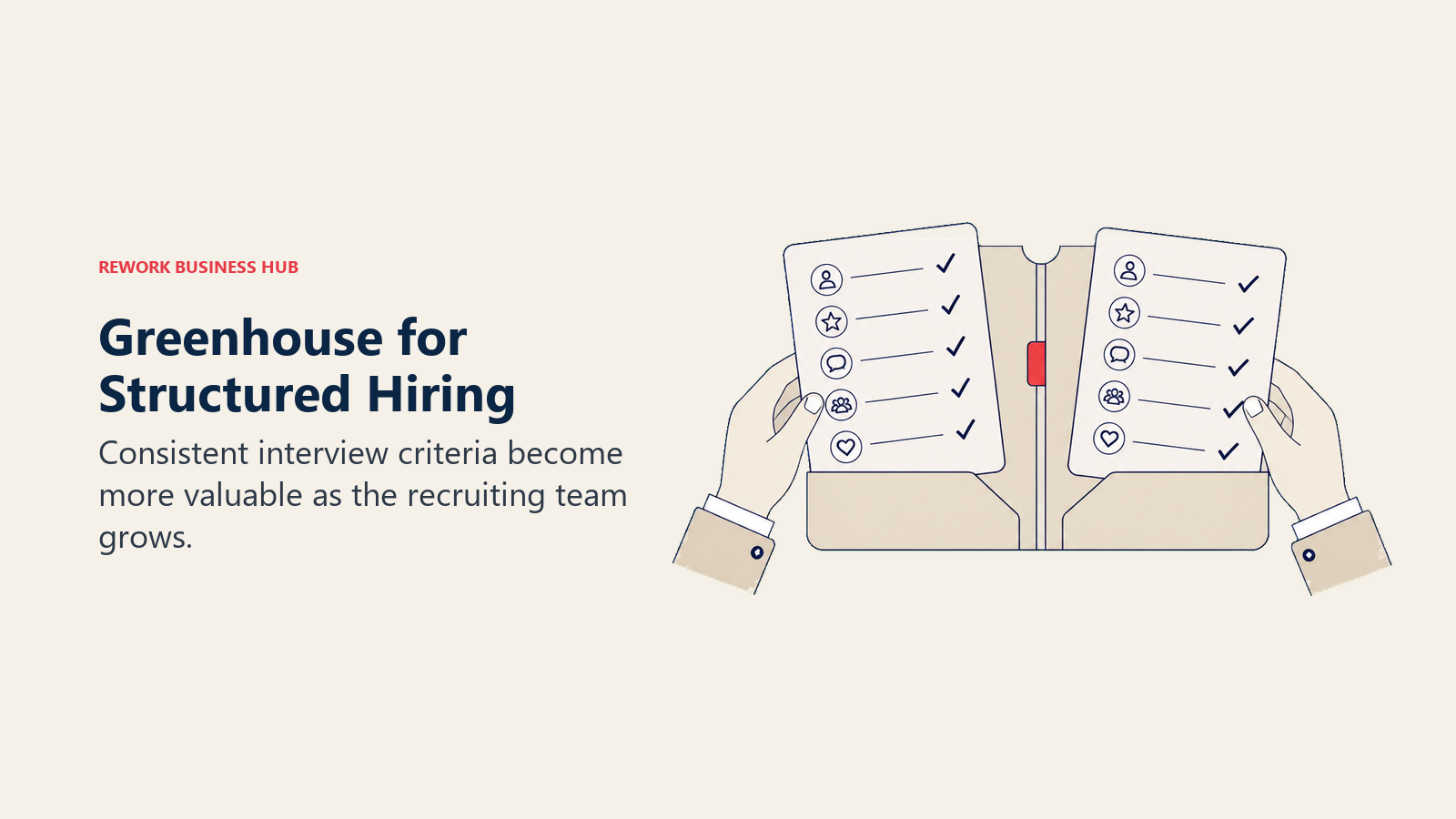
Greenhouse ist der direkteste Eins-zu-eins-Ersatz für ein Team, das Ashbys Obergrenze hinter sich lässt. Während Ashby seinen Ruf auf flexible Analysen und ein modernes Datenmodell gründete, gründete Greenhouse seinen Ruf auf strukturierte Interviews: standardisierte Scorecards, Interview-Kits und DEI-orientierte Workflows, die einen konsistenten, nachvollziehbaren Prozess über Dutzende offene Stellen gleichzeitig erleichtern. Für Teams, die beide direkt gegeneinander abwägen, schlüsselt Greenhouse vs. Lever den Zielkonflikt zwischen strukturiertem Vorgehen und Sourcing ausführlicher auf, und Greenhouse-Alternativen zeigt, wo Teams landen, wenn Greenhouse selbst für ihre Größe zu viel Prozess bedeutet.
Der Zielkonflikt zeigt sich bei der Vertragsverlängerung. Greenhouse veröffentlicht keine Preise, und Käufer berichten von Verträgen ab etwa 5.100 \(pro Jahr für kleine Teams bis weit über 12.000\) für wachsende Unternehmen, wobei Reporting- und Sourcing-Tools häufig als Add-ons verkauft werden, statt wie bei Ashby gebündelt zu sein. Wenn Prozesskonsistenz in einer schnell wachsenden Recruiting-Organisation die Priorität ist, lohnt sich dieser Preis in der Regel. Geht es um Self-Service-Analysen im Ashby-Stil direkt ab Werk, wird die Lücke schnell sichtbar.
| Was Sie bekommen | Was Sie nicht bekommen |
|---|---|
| Strukturierte Scorecards und Interview-Kits | Ashbys gebündelte Self-Service-Analysen |
| Starke Werkzeuge für DEI- und Compliance-Workflows | Einen pauschalen, veröffentlichten Einstiegspreis |
| Breiter Integrationsmarktplatz | Reporting ohne kostenpflichtiges Add-on in den niedrigeren Stufen |
| Bewährt bei hohen Einstellungsvolumen | Ashbys flexibles Datenmodell mit individuellen Feldern |
Preise: Individuelles Angebot; berichtete Einstiegspreise beginnen bei etwa 5.100 bis 12.000+ $/Jahr, je nach Teamgröße und Add-ons. Am besten geeignet für: Mittelständische Unternehmen und Konzerne, die standardisierte, prüfbare Hiring-Prozesse über viele offene Stellen hinweg brauchen. Den direkten Vergleich der beiden finden Sie unter Greenhouse vs. Ashby. Nicht ideal für: Teams, die Ashby vor allem wegen der Self-Service-Analysen schätzen, ohne für Reporting extra zu zahlen.
2. Lever: Sourcing- und Nurture-Tiefe, die Ashby nicht priorisiert
Lever ist die Wahl für Teams, deren eigentliche Kritik an Ashby nicht die Obergrenze ist, sondern dass Ashbys Sourcing und CRM-artige Kandidatenpflege nie ganz das leisteten, was ein dediziertes Outbound-Recruiting braucht. Lever baute sein Produkt darauf auf, einen lebendigen Pool früherer Kandidaten zwischen den Stellen warmzuhalten, mit Nurture-Kampagnen und Pipeline-Werkzeugen, die Sourcing als vollwertigen Workflow behandeln und nicht als einen Reiter unter vielen. Teams, die beide direkt abwägen, finden unter Lever-Alternativen den Vergleich in umgekehrter Richtung.

Wie Ashby veröffentlicht auch Lever ab einem gewissen Punkt keine Preise, die Budgetierung erfordert also ein Verkaufsgespräch. Die Unterschiede liegen in der Philosophie: Ashbys Versprechen ist, dass sein Datenmodell Fragen beantworten kann, die sich ein Team noch gar nicht gestellt hat, während Levers Versprechen ist, dass seine Pipeline auch dann weiterarbeitet, wenn die Stellenanforderung längst geschlossen ist.
| Was Sie bekommen | Was Sie nicht bekommen |
|---|---|
| Tiefe, speziell entwickelte Kandidatenpflege und CRM-Werkzeuge | Ashbys pauschalen, veröffentlichten Foundations-Preis |
| Starker Outbound-Sourcing-Workflow | Ashbys integrierte Analysetiefe ohne Add-on |
| Etablierter, langjähriger Enterprise-Kundenstamm | Einen modernen Self-Service-Report-Builder |
| Solide Interviewplanung | Planbare Preise bei der Vertragsverlängerung |
Preise: Individuelles Angebot; Käuferdaten von Drittanbietern beziffern Verträge auf etwa 3.500 bis 15.000+ $/Jahr, je nach Teamgröße. Am besten geeignet für: Outbound-lastige TA-Teams, deren Hiring-Ansatz auf der Pflege einer Pipeline passiver Kandidaten beruht. Nicht ideal für: Teams, die sich gezielt wegen der Analysen für Ashby entschieden haben und diese als Kernworkflow behalten möchten.
3. SmartRecruiters: KI-Recruiting für Konzerne, jetzt unter dem Dach von SAP
SmartRecruiters etablierte seine Kategorieposition mit KI-gestütztem Kandidaten-Matching und einer modernen Hiring-Manager-Erfahrung für große, verteilte Organisationen, also genau die Größenordnung, auf die ein Startup zusteuert, das Ashbys Foundations-Tarif entwächst. Das änderte sich am 11. September 2025, als SAP die Übernahme von SmartRecruiters abschloss und das Unternehmen in die Human-Capital-Management-Suite SAP SuccessFactors eingliederte. (SAP News Center)
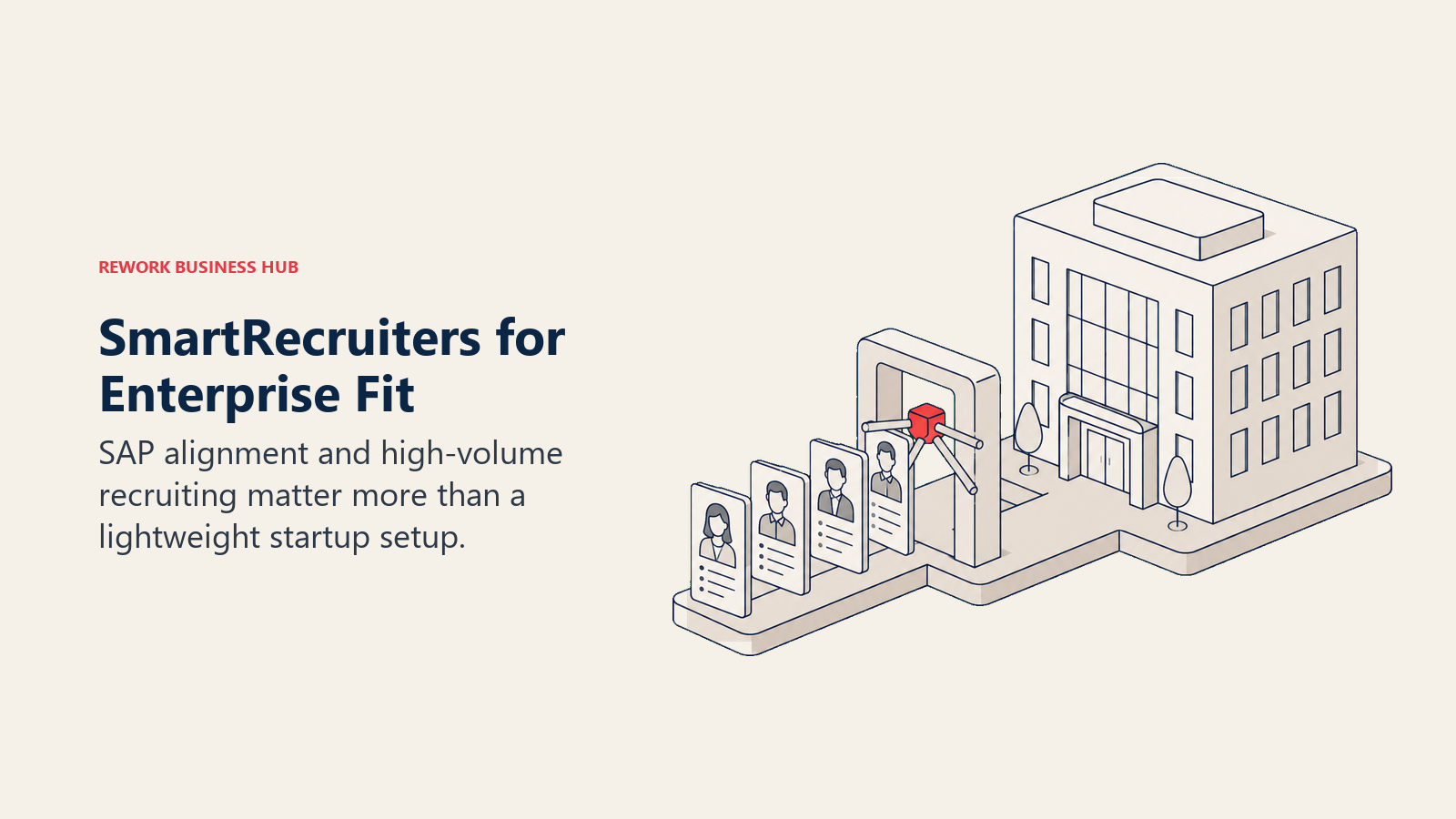
Für Enterprise-Käufer, die bereits mit SAP arbeiten oder mit wachsender Größe über Series C hinaus in diese Richtung gehen, ist das ein echter Anreiz: eine tiefere Integration mit Finanzwesen und Personalplanung, als ein eigenständiges ATS sie bietet. Für alle anderen beginnt der veröffentlichte Essential-Tarif bei 14.995 $ pro Jahr, eine harte Untergrenze, die SmartRecruiters für die meisten Unternehmen unter 200 Mitarbeitern ausschließt und bei jeder Größe weit über Ashbys Foundations-Tarif liegt. Einen genaueren Blick darauf, was es für ein Team auf dieser Höhe des Marktes sonst noch gibt, bietet SmartRecruiters-Alternativen.
| Was Sie bekommen | Was Sie nicht bekommen |
|---|---|
| Starkes KI-gestütztes Kandidaten-Matching bei hohem Volumen | Ashbys pauschale, nach Größe gestaffelte Preise |
| Tiefen Integrationspfad in SAP SuccessFactors | Unabhängigkeit von SAPs übergreifender Roadmap |
| Bewährt im großen, globalen Konzernmaßstab | Eine passende Lösung für Teams unter 200 Mitarbeitern |
| Etablierten Anbieter mit über 4.000 Kundenorganisationen | Einen schlanken Self-Service-Kaufprozess |
Preise: Essential ab 14.995 $/Jahr, ohne angegebene Abrechnungsdauer veröffentlicht; die Stufen Professional, High Volume und Complete sind individuelle Angebote. Am besten geeignet für: Große Unternehmen, vor allem SAP-Anwender, die KI-orientiertes Recruiting brauchen, das in umfassendere HR- und Finanzsysteme eingebunden ist. Nicht ideal für: Startups, die noch in der Größenordnung sind, für die Ashby gebaut wurde; schon der Einstiegspreis schließt SmartRecruiters aus.
4. Pinpoint: Unbegrenzte Zugänge, aber ebenfalls kein veröffentlichter Preis
Pinpoints Angebot spiegelt einen Teil dessen wider, was Teams überhaupt zu Ashby zieht: eine moderne Oberfläche, solides integriertes Reporting und unbegrenzte Hiring-Manager-Zugänge zu einem pauschalen Unternehmenstarif statt einer Abrechnung pro Recruiter. Es positioniert sich für wachsende Teams, die strukturiertes Hiring ohne die Enterprise-Komplexität von Greenhouse wollen.
Der Haken: Die Preisgestaltung ist weniger transparent geworden, nicht transparenter. Auf Pinpoints eigener Website läuft jede Preisfrage inzwischen über ein Preisanfrage-Formular, ohne dass irgendwo Dollarbeträge zu sehen wären, auch nicht auf der Seite, die eigens für diese Anfrage gebaut wurde. Das ist ein Rückschritt gegenüber der berichteten Spanne, die Drittanbieter-Tester weiterhin nennen.
| Was Sie bekommen | Was Sie nicht bekommen |
|---|---|
| Unbegrenzte Hiring-Manager-Zugänge zum Pauschalpreis | Veröffentlichte Self-Service-Preise |
| Strukturierte Hiring-Workflows direkt ab Werk | Ashbys Tiefe bei individuellen Analysen und Reports |
| Übersichtliches Reporting für ein mittelgroßes TA-Team | Eine kostenlose Testphase, um das Risiko vor einem Verkaufsgespräch zu senken |
| Ausgelegt für Unternehmen, die 30+ Stellen pro Jahr besetzen | Einen großen Integrationsmarktplatz von Drittanbietern |
Preise: Individuelles Angebot; auf Pinpoints eigener Website sind keine Beträge veröffentlicht. Drittanbieter-Tester berichten von etwa 345 $/Monat (Standard) bis 1.200+ $/Monat (Enterprise), jährlich abgerechnet. (berichtet, SelectSoftware Reviews) Am besten geeignet für: Wachsende Teams, die unbegrenzte interne Zugänge wollen und für eine Preisangabe ein Verkaufsgespräch in Kauf nehmen. Nicht ideal für: Teams, die Ashbys pauschalen, veröffentlichten Foundations-Preis ausdrücklich geschätzt haben.
5. Teamtailor: Employer Branding direkt im ATS
Teamtailor behandelt die Karriereseite als das Produkt und nicht als nachträglichen Gedanken. Karriereseiten-Design, Employer-Branding-Inhalte und Recruiting-Marketing gehören zum Kern der Plattform, und das ist wichtig, denn 96 % der Kandidaten informieren sich über den Ruf eines Unternehmens, bevor sie den Job wechseln, und eine starke Arbeitgebermarke kann die Recruiting-Kosten um bis zu 43 % senken. (LinkedIn Talent Solutions)
Wo Ashby auf Daten setzt, setzt Teamtailor auf ein kandidatenorientiertes Design, und sein Preismodell spiegelt eine andere Wette wider: Es rechnet nach der Zahl der gleichzeitig offenen Stellenslots ab, nicht nach Mitarbeiterzahl oder Recruiter-Lizenzen, was ein gleichmäßiges Einstellungstempo belohnt und eine plötzliche Einstellungswelle bestraft.
| Was Sie bekommen | Was Sie nicht bekommen |
|---|---|
| Wirklich starke Karriereseiten- und Employer-Branding-Tools | Ashbys analysezentriertes Datenmodell |
| Unbegrenzte Nutzer in jeder Stufe | Planbare Preise bei einer Einstellungswelle |
| Saubere, moderne Candidate Experience | Veröffentlichte Preise (nur Angebot) |
| KI-Copilot und Nurture-Kampagnen in höheren Stufen | Eine große nordamerikanische Enterprise-Installationsbasis |
Preise: Individuelles Angebot; berichtete Einstiegspreise liegen bei etwa 3.000+ $/Jahr für kleine Teams. Am besten geeignet für: Teams, deren Hiring-Engpass Employer Brand und Candidate Experience sind, nicht Funnel-Analysen. Nicht ideal für: Operativ geprägte TA-Teams, die Reporting-Tiefe im Ashby-Stil als Kernworkflow wollen.
6. Rework: Hiring vereint mit HR, kein eigenständiges ATS
Rework ist der richtige Vergleich, wenn das Problem nicht darin besteht, dass Ashbys Analysen nutzlos geworden wären, sondern darin, dass das Hiring in einem vierten, getrennten System neben dem HRIS, der Zeiterfassung und dem Rest des People-Stacks liegt. Reworks People-Linie liefert E-Hiring (das ATS-Modul), Interview und Career zusammen mit HRIS, Zeit- und Anwesenheitserfassung, ESOPs und Timesheets, sodass eine Stellenanforderung, eine Interview-Scorecard und der daraus entstehende Mitarbeiterdatensatz ein gemeinsames Datenmodell teilen statt drei Logins.
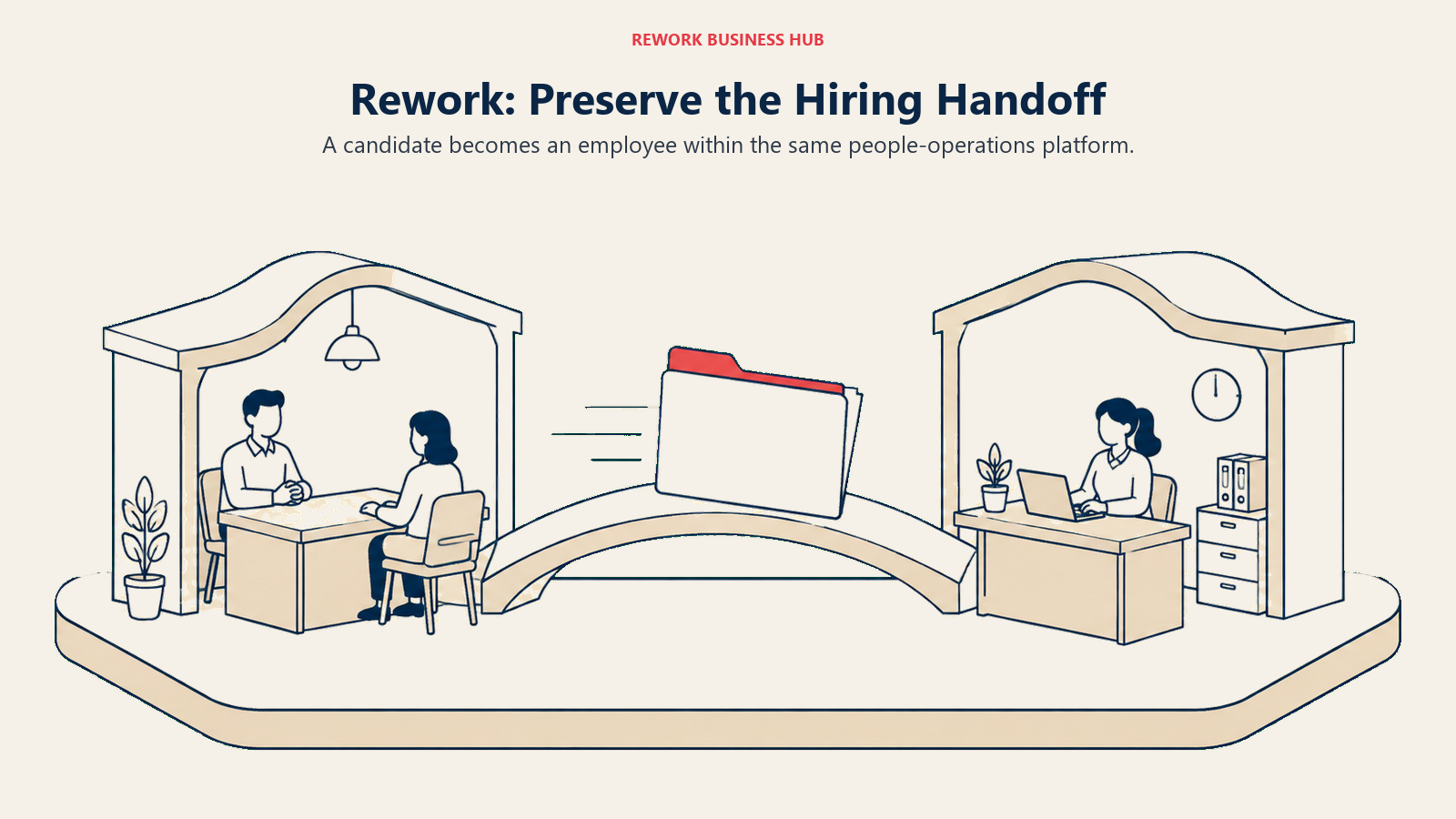
Das ist ein Argument für Konsolidierung, nicht für Analysetiefe. Rework versucht weder, Ashbys individuelle Dashboards im Reporting zu übertreffen, noch Levers Nurture-Kampagnen im Sourcing. Es schließt die Übergabelücke zwischen „wir haben jemanden eingestellt“ und „diese Person steckt jetzt im HR-System“, eine reale, wenn auch unspektakuläre Quelle für verlorene Daten bei Scale-ups, die Hiring, HR und Operations bei getrennten Anbietern betreiben.
| Was Sie bekommen | Was Sie nicht bekommen |
|---|---|
| Hiring, HRIS, Zeit- und Anwesenheitserfassung sowie Timesheets in einer Plattform | Ashbys Tiefe bei individuellen Recruiting-Analysen |
| Interview- und Career-Module, verknüpft mit demselben Mitarbeiterdatensatz | Einen dedizierten Workflow für hohes Volumen oder Agentur-Recruiting |
| Eine Anbieterbeziehung statt ATS plus separates HRIS | Veröffentlichte Self-Service-Preise |
| Passt zu Reworks Sales Ops und Work Ops, falls bereits im Einsatz | Einen großen Integrationsmarktplatz von Drittanbietern für ATS |
Preise: Reworks People-Linie, die E-Hiring, Interview und Career umfasst, hat keine öffentlichen Preise. Die Preise werden pro Organisation angeboten; aktuelle Paketdetails zu Reworks veröffentlichten Linien Sales Ops, Lead Ops und Work Ops finden Sie unter rework.com/pricing. Am besten geeignet für: Scale-ups (etwa 20 bis 500 Mitarbeiter), die Hiring in dieselbe Plattform wie HR, Zeiterfassung und Timesheets integrieren möchten, vor allem wenn sie Rework bereits für CRM oder Operations prüfen. Nicht ideal für: Teams, deren Kernbedarf Analysen auf Ashby-Niveau oder ein dedizierter Sourcing-und-Nurture-Workflow ist, denn genau darin sind Ashby und Lever stark.
7. Recruitee (Tellent): Kollaboratives Hiring ohne Analysefokus
Recruitee, 2025 in Tellent Recruitee umbenannt, machte sich einen Namen damit, die Zusammenarbeit mit Hiring Managern mühelos zu gestalten: strukturierte Pipelines, einfache Scorecards und eine Oberfläche, die Nicht-Recruiter ohne Schulung nutzen können. Es ist im Umgang mit Daten ein schlankeres Produkt als Ashby, passt aber gut zu mittelgroßen Teams, die bei jeder Einstellung breite interne Zustimmung brauchen und nicht nur die Nutzung durch Recruiter.
Die jüngere Entwicklung setzte auf Automatisierung und globales Sourcing, darunter eine Übernahme im Jahr 2025, die WhatsApp-basierte Kandidatenansprache hinzufügte. Preise sind nicht veröffentlicht (Recruitees eigene Preisseite zeigt Währungsplatzhalter statt Beträgen), und Schätzungen bestehender Käufer beziffern den Einstiegspreis auf etwa 199 $ im Monat, ausdrücklich eine Schätzung und kein genanntes Angebot.
| Was Sie bekommen | Was Sie nicht bekommen |
|---|---|
| Einfache, auch für Nicht-Recruiter geeignete Hiring-Manager-Bedienung | Veröffentlichte Self-Service-Preise |
| WhatsApp-basiertes Kandidaten-Sourcing (Neuerung 2025) | Ashbys analysezentriertes Datenmodell mit individuellen Feldern |
| Starke europäische Compliance und Lokalisierung | Eine große nordamerikanische Support-Präsenz |
| Aktive Investitionen unter PE-finanziertem Eigentümer | Tiefe CRM-artige Sourcing- und Nurture-Werkzeuge |
Preise: Individuelles Angebot; Schätzungen bestehender Käufer beziffern den Einstiegspreis auf etwa 199+ $/Monat, ausdrücklich eine Schätzung und kein veröffentlichter Betrag. Jahresverträge sind erforderlich, mit einem angegebenen Rabatt von 20 % bei jährlicher Zahlung. Am besten geeignet für: Mittelständische Teams, die Hiring Manager aktiv in einen kollaborativen Prozess einbinden möchten. Nicht ideal für: Teams, die sich gezielt wegen granularer Funnel-Analysen für Ashby entschieden haben.
8. Workable: Transparente Preise, wenn Ashby auf reine Angebote umstellt
Workable ist die Antwort für Teams, die eine Zahl wollen, bevor sie in ein Gespräch gehen, genau der Moment, den viele Ashby-Käufer erreichen, sobald Foundations ausgeschöpft ist und Plus zum Verkaufsgespräch wird. Workable veröffentlicht seine Tarife offen: Standard für 299 $/Monat (3.588 $/Jahr bei jährlicher Zahlung), Premier für 599 $/Monat (7.188 $/Jahr) und Enterprise für 719 $/Monat (8.628 $/Jahr), jeweils gestaffelt nach Mitarbeiterzahl-Band statt nach Recruiter-Lizenzen. Dazu kommen ein KI-Sourcing-Agent und 3.000 kostenlose KI-Credits pro Tarif. (Workable-Preise) Teams, die es in die engere Wahl nehmen und dann bei den Add-on-Kosten zögern, finden mehr unter Workable-Alternativen.
Der Haken ist die Tiefe. Workables Reporting ist solide, aber nicht Ashbys Analyseebene mit individuellen Dashboards und beliebiger Aufschlüsselung, und Add-ons wie SMS, Videointerviews und Assessments sind im Standard-Tarif nicht enthalten, was die tatsächlichen Monatskosten für Teams, die sie brauchen, über den beworbenen Preis hebt.
| Was Sie bekommen | Was Sie nicht bekommen |
|---|---|
| Veröffentlichte, nach Mitarbeiterzahl gestaffelte Preise in jeder Stufe | Ashbys Tiefe bei individuellen Analysen und Reports |
| Integrierter KI-Sourcing-Agent | Im Standard-Tarif nicht gebündelte SMS, Videointerviews und Assessments |
| HR-Funktionen (Onboarding, Abwesenheiten) neben dem ATS | Eine CRM-artige Nurture-Ebene für passive Kandidaten |
| Schnelle Einrichtung, geringer Onboarding-Aufwand | Compliance-Werkzeuge auf Enterprise-Niveau direkt ab Werk |
Preise: 299 $/Monat (Standard) bis 719 $/Monat (Enterprise); bei jährlicher Zahlung entspricht der Betrag dem Monatspreis mal 12, Sie können also in beiden Fällen den Monatsbetrag als die reale Zahl behandeln. Add-ons für SMS, Video und Assessments kosten im Standard-Tarif extra. Am besten geeignet für: Teams, die einen klaren, veröffentlichten Preis und ein funktionierendes KI-Sourcing-Tool ohne Verkaufsverhandlung wollen. Nicht ideal für: Teams, die Ashbys integrierte Analysetiefe ohne Add-ons ausdrücklich geschätzt haben.
9. JazzHR: Ein pauschaler, veröffentlichter Preis weit unter Ashbys Untergrenze
JazzHR ist für Teams erwähnenswert, deren eigentliches Problem mit Ashby das Budget ist: Ein Unternehmen mit 15 oder 20 Mitarbeitern braucht Ashbys Analysetiefe nicht immer, und 400 \(im Monat sind in dieser Größe echtes Geld. JazzHRs veröffentlichte Preise sind eine pauschale Jahresgebühr, nicht pro Lizenz: Hero für 1.000\)/Jahr, Plus für 3.480 $/Jahr, Pro für 5.508 $/Jahr, wobei jede Stufe mehr aktive Stellen und mehr Reporting-Tiefe freischaltet, nicht mehr Logins. (JazzHR-Preise) Wenn die Pauschale passt, der Funktionsumfang aber dünn wirkt, zeigt JazzHR-Alternativen, was es sonst in dieser Budgetklasse gibt.
Diese Pauschalstruktur ist die zentrale Stärke, nicht eine Lizenzzahl. JazzHRs Preisseiten nennen überhaupt keine Nutzer- oder Lizenzgrenze, die ehrliche Aussage betrifft also das Abrechnungsmodell und nicht die Zahl der Personen, die sich einloggen können.
| Was Sie bekommen | Was Sie nicht bekommen |
|---|---|
| Eine einfache, veröffentlichte, pauschale Jahresgebühr | Ashbys analysezentriertes Datenmodell mit individuellen Feldern |
| Schnelle Einrichtung für ein erstes echtes ATS | Tiefe Sourcing- oder CRM-Werkzeuge für passive Kandidaten |
| Verteilung von Stellenanzeigen an große Jobbörsen | Erweitertes Reporting in der Einstiegsstufe Hero |
| Ein unkomplizierter Schritt weg von Tabelle oder Postfach | Eine moderne Oberfläche im Ashby-Stil |
Preise: 1.000 $/Jahr (Hero) bis 5.508 $/Jahr (Pro), jährlich abgerechnet. Es gibt einen Schalter für monatliche Abrechnung, aber JazzHR veröffentlicht keinen Monatsbetrag. Am besten geeignet für: Early-Stage-Startups, die ihr erstes echtes ATS mit knappem, planbarem Budget kaufen, weit unter Ashbys Foundations-Untergrenze. Nicht ideal für: Teams, die bereits wissen, dass sie mit wachsender Größe Analysen oder Sourcing-Tiefe auf Ashby-Niveau wollen.
10. Breezy HR: Pauschalpreis, unbegrenzte Nutzer
Breezy HRs Angebot ist das SMB-Gegenstück zu Ashbys pauschalem Foundations-Preis, nur zu einem Bruchteil der Kosten: eine pauschale Monatsgebühr, unbegrenzte Hiring-Manager-Zugänge, keine Rechnerei pro Recruiter. Für ein schlankes Team, in dem drei Personen Admin-Zugriff und acht gelegentlich Einblick brauchen, ist dieses Modell deutlich günstiger als Ashbys 400-$-Untergrenze, sobald das Team klein genug ist, um die Analyseebene nicht zu brauchen. Wer das gesamte Feld an Budgetoptionen und nicht nur diese Liste prüfen möchte, findet auch die beste Recruiting-Software für kleine Unternehmen 2026.
Bootstrap, Breezys kostenlose Stufe, deckt jeweils eine aktive Position oder einen Kandidatenpool mit unbegrenzten Nutzern ab, eine wirklich brauchbare Option für ein Unternehmen bei seiner allerersten Einstellung. Die kostenpflichtigen Stufen skalieren von dort mit mehr aktiven Positionen und Add-ons.
| Was Sie bekommen | Was Sie nicht bekommen |
|---|---|
| Pauschale Monatspreise unabhängig von der Zahl der Hiring Manager | Ashbys Tiefe bei individuellen Analysen und Reports |
| Eine kostenlose Bootstrap-Stufe für eine aktive Stelle | Compliance und Reporting auf Enterprise-Niveau |
| Schnelle Einrichtung mit minimalem Schulungsaufwand | Starke Sourcing-Automatisierung oder CRM-artige Kandidatenpflege |
| Flexible Add-ons (SMS, Onboarding) | Eine moderne, datenorientierte Oberfläche |
Preise: Kostenlos (Bootstrap, eine aktive Stelle, unbegrenzte Nutzer) bis 439 $/Monat (Business, jährlich), darüber eine individuelle Pro-Stufe. Bei monatlicher Zahlung liegen die Preise höher: 189 bis 529 $/Monat über dieselben Stufen. Am besten geeignet für: Early-Stage- oder schlanke Teams, die unbegrenzten Hiring-Manager-Zugang weit unter Ashbys Preisuntergrenze wollen. Nicht ideal für: Teams, die Ashbys Analysetiefe brauchen, wenn die Mitarbeiterzahl über SMB-Größe hinauswächst.
11. Zoho Recruit: Die Budget-Variante
Zoho Recruit ist die Value-Option in dieser Liste, besonders für Teams, die bereits andere Zoho-Produkte nutzen. Die Edition Corporate HR rechnet pro Recruiter-Lizenz ab statt nach Mitarbeiterzahl: Standard für 25 $/Recruiter/Monat und Enterprise für 50 $/Recruiter/Monat, beide jährlich abgerechnet, mit einer wirklich brauchbaren kostenlosen Stufe für eine aktive Stelle pro Recruiter.
Der Zielkonflikt liegt in Ausgereiftheit und Tiefe. Zoho Recruits Oberfläche und Reporting sind spürbar weniger ausgefeilt als bei Ashby, und es gibt kein Gegenstück zu Ashbys individuellem Analyse-Builder mit beliebiger Aufschlüsselung. Für ein budgetbewusstes Team, das vor allem eine funktionierende Pipeline und Bewerberverfolgung braucht, ist es beim Preis kaum zu schlagen.
| Was Sie bekommen | Was Sie nicht bekommen |
|---|---|
| Niedrigster veröffentlichter Preis pro Lizenz in dieser Liste | Ashbys Tiefe bei individuellen Analysen und Reporting |
| Tiefe Integration mit anderen Zoho-Apps | Eine moderne, ausgefeilte Oberfläche |
| Eine wirklich brauchbare kostenlose Stufe für eine Stelle | Starke Automatisierung von Nurture-Kampagnen |
| Zwei Editionen für unterschiedliche Hiring-Modelle | Compliance-Tiefe auf Enterprise-Niveau |
Preise: Kostenlos (eine aktive Stelle pro Recruiter) bis 50 $/Recruiter/Monat (Enterprise), mit Standard für 25 $/Recruiter/Monat, alle jährlich abgerechnet. Zu den Add-ons zählen eine Employee License für 8,34 $/Monat (jährlich, Pakete à 10) und Videointerviews für 12 $ pro offene Stelle. Am besten geeignet für: Budgetbewusste Teams, vor allem solche, die bereits im Zoho-Ökosystem arbeiten. Nicht ideal für: Teams, die Ashbys Analysetiefe oder eine modernere Erfahrung für Kandidaten und Recruiter brauchen.
12. iCIMS: Enterprise Talent Cloud für die andere Seite der Obergrenze
iCIMS ist die Option für Organisationen, die nicht nur Ashbys Foundations-Tarif, sondern auch Plus entwachsen sind, Unternehmen, die weit über die Scale-up-Phase hinaus in die volle Enterprise-Größe wechseln. Die Talent Cloud umfasst Sourcing, ATS, Onboarding und Personalplanung, mit der Compliance- und Integrationstiefe, die große, regulierte Organisationen mit Tausenden von Mitarbeitern brauchen. Für Enterprise-Käufer, die vor Vertragsabschluss das gesamte Feld sehen möchten, deckt iCIMS-Alternativen den Rest dieser Shortlist ab.
iCIMS veröffentlicht überhaupt keine Preise; die Preisseite gibt einen 404-Fehler zurück, und jeder Vertrag ist ein individuelles Angebot, das auf Mitarbeiterzahl, Modulen und Laufzeit beruht. Käuferdaten von Drittanbietern (von Vendr abgeleitet) beziffern den durchschnittlichen Vertrag auf etwa 20.781 $/Jahr, mit berichteten Sätzen pro Mitarbeiter im Bereich von 6 bis 9 $, wobei keine der beiden Zahlen vom Anbieter bestätigt ist.
| Was Sie bekommen | Was Sie nicht bekommen |
|---|---|
| Tiefe Compliance- und Integrationsebene bei echter Größe | Eine öffentliche Preisseite jeglicher Art |
| Vollständige Talent-Cloud-Abdeckung (von Sourcing bis Personalplanung) | Ashbys pauschalen Self-Service-Einstiegspreis |
| Bewährte Erfolgsbilanz bei großen, regulierten Arbeitgebern | Eine passende Lösung für Teams unter etwa 1.000 Mitarbeitern |
| Dedizierten Customer Success in Enterprise-Stufen | Ashbys Geschwindigkeit bis zum ersten Nutzen |
Preise: Individuelles Angebot; auf iCIMS' eigener Website sind keine Beträge veröffentlicht. Vendrs Käuferdaten nennen einen durchschnittlichen Jahresvertrag von 20.781 $, mit einer Spanne von 14.500 bis 635.000 $, abhängig von Modulmix und Unternehmensgröße (Vendr, berichtet). Am besten geeignet für: Große, regulierte Unternehmen (1.000+ Mitarbeiter), die Ashbys Plus-Tarif vollständig entwachsen sind. Nicht ideal für: Startups und Scale-ups, die noch in Ashbys Zielbereich liegen; allein der Implementierungsaufwand schließt iCIMS unterhalb der Enterprise-Größe aus.
Warum Teams Ashby entwachsen
Ashbys Produkt ist nicht schlechter geworden. Was sich ändert, ist die Position eines Unternehmens im Verhältnis zu zwei konkreten Zahlen: 100 Mitarbeiter und was auch immer Plus kostet, sobald ein Vertriebsteam es beziffert.
Die Foundations-Obergrenze ist eine harte Linie, keine weiche. Ashby bepreist Foundations pauschal mit 400 $/Monat für bis zu 100 Mitarbeiter, mit 10 % Rabatt bei jährlicher Bindung. Überschreitet man 100 Mitarbeiter, gibt es keinen Zwischenschritt: Der nächste Tarif, Plus, richtet sich an 101 bis 1.000 Mitarbeiter und ist ausschließlich auf Angebotsbasis. Für ein Startup, das mit einer planbaren Pauschale kalkuliert hat, ist das eine echte Planungslücke und nicht bloß eine Preiserhöhung.
Analysezentriert zahlt sich nur aus, wenn das Team die Analysen tatsächlich nutzt. Ashbys Alleinstellungsmerkmal, und der Grund, warum sich viele dieser Käufer überhaupt für Ashby statt für Greenhouse oder Lever entschieden haben, ist ein Datenmodell, das darauf ausgelegt ist, Recruiting-Funnel-Daten nach Quelle, Recruiter und Phase aufzuschlüsseln, ohne in eine Tabelle zu exportieren. Das ist für eine operativ geprägte TA-Funktion wirklich wertvoll. Es ist aber auch das Erste, was ein budgetbeschränktes Team nicht mehr braucht, sobald Mitarbeiterzahl und Einstellungsvolumen im Verhältnis zu dem schrumpfen, wofür das Tool gebaut wurde. Genau dann wirken JazzHR, Breezy HR oder Zoho Recruit wie die bessere Wahl.
Manche Teams wollen mehr Tiefe, nicht weniger. Ab einer gewissen Größe stößt ein Ashby-TA-Team auf Lücken, die Greenhouses strukturierter Prozess oder Levers dediziertes Sourcing- und Nurture-Werkzeug direkter schließen. Keine der beiden Kritiken besagt, dass Ashby stillschweigend schlechter wird. Es geht darum, dass sich der Bedarf eines Unternehmens auf die eine oder andere Seite genau dessen verschiebt, wo Ashby angesiedelt ist.
Eignungsmatrix nach Unternehmensphase
| Unternehmensphase | Typische Mitarbeiterzahl | Passende Alternativen |
|---|---|---|
| Pre-Seed / Seed, erstes echtes ATS | 1-30 | JazzHR, Breezy HR, Zoho Recruit |
| Series A, strukturierter Prozess entsteht | 30-100 | Workable, Recruitee (Tellent), Zoho Recruit |
| Series B-C, an oder nahe Ashbys Foundations-Obergrenze | 100-300 | Greenhouse, Lever, Pinpoint, Rework |
| Series C-D, Employer Brand und Hiring-Volumen steigen | 200-500 | Teamtailor, Greenhouse, Rework |
| Late-Stage / Pre-IPO, SAP- oder Enterprise-Stack entsteht | 500-1.000 | SmartRecruiters, Greenhouse |
| Enterprise, vollständig jenseits von Ashby Plus | 1.000+ | iCIMS, SmartRecruiters |
Größe und Persona-Eignung
| Wenn Sie ... sind | Priorität | Empfohlene Tools |
|---|---|---|
| Head of Talent Acquisition, der Ashby jenseits seiner Obergrenze erbt | Strukturierter Prozess im großen Maßstab | Greenhouse, Rework |
| VP People, der Hiring mit HR und Operations konsolidiert | Eine Plattform, weniger Logins | Rework |
| Gründer oder COO, der mit knappem Budget ein erstes echtes ATS kauft | Niedrigster veröffentlichter Preis | JazzHR, Breezy HR, Zoho Recruit |
| Recruiting Ops Manager, der Ashbys Analysen anderswo haben möchte | Individuelles Reporting und Datenmodell | Greenhouse, Pinpoint |
| TA-Leiter, dessen Ansatz Outbound-Sourcing ist | Nurture- und CRM-Tiefe | Lever |
| People-Verantwortlicher, der Employer Brand als Wachstumshebel aufbaut | Karriereseiten- und Branding-Tools | Teamtailor |
| HR-Verantwortlicher, der in einen SAP- oder globalen Enterprise-Stack hineinwächst | Compliance- und Integrationstiefe | SmartRecruiters, iCIMS |
Entscheidungsrahmen: So wählen Sie
Ordnen Sie die Alternative dem Grund zu, aus dem Sie tatsächlich suchen, nicht der Markenbekanntheit.
| Wenn Sie ... brauchen | Beste Wahl |
|---|---|
| Den nächsten Eins-zu-eins-Ersatz mit strukturiertem, skalierbarem Hiring | Greenhouse |
| Tiefes Sourcing und Kandidatenpflege, die Ashby nicht priorisiert | Lever |
| KI-Recruiting für Konzerne, eingebunden in SAP-Finanzwesen und Personalplanung | SmartRecruiters |
| Unbegrenzte Hiring-Manager-Zugänge zum pauschalen Unternehmenstarif | Pinpoint |
| Employer Branding und Karriereseiten-Tools direkt im ATS | Teamtailor |
| Hiring vereint mit HRIS, Zeit- und Anwesenheitserfassung und Timesheets in einer Plattform | Rework |
| Kollaboratives Hiring für ein mittelständisches Team ohne Ashbys Analysefokus | Recruitee (Tellent) |
| Transparente, veröffentlichte Preise, wenn Ashby bei Plus auf reine Angebote umstellt | Workable |
| Ein schlankes erstes ATS mit veröffentlichtem Preis weit unter Ashbys Untergrenze | JazzHR |
| Pauschalpreis mit unbegrenzten Nutzern für ein Early-Stage-Team | Breezy HR |
| Den niedrigsten veröffentlichten Preis pro Lizenz, besonders im Zoho-Ökosystem | Zoho Recruit |
| Tiefe Compliance und Integration bei 1.000+ Mitarbeitern | iCIMS |
Häufig gestellte Fragen zu Ashby-Alternativen
Warum suchen Unternehmen 2026 nach Ashby-Alternativen?
Meist ist es ein Wachstumsproblem und keine Produktkritik. Ashbys Foundations-Tarif kostet pauschal 400 $/Monat für bis zu 100 Mitarbeiter, und wer diese Grenze überschreitet, landet direkt bei den reinen Angebotspreisen von Plus. Dazu kommen Teams, die etwas Schlankeres und Günstigeres unterhalb von Ashbys Untergrenze wollen, sodass die Suche nach Alternativen an beiden Enden des Größenspektrums üblich ist.
Was kostet Ashby jenseits von Foundations tatsächlich?
Ashby veröffentlicht keine Zahl für Plus (101 bis 1.000 Mitarbeiter) oder Enterprise (1.000+ Mitarbeiter). Beide sind reine Angebote, und auch Ashby Analytics als eigenständiges Add-on wird individuell angeboten, nutzungsbasiert und mit einem Minimum von 100+ Mitarbeitern.
Was ist die nächstliegende Alternative zu Ashby mit einem ähnlich analysezentrierten Ansatz?
Greenhouse für strukturierte Prozesse im großen Maßstab oder Pinpoint, wenn pauschale Preise mit unbegrenzten Zugängen wichtiger sind als Greenhouses Add-on-Struktur. Keines von beiden erreicht Ashbys genaue Reporting-Tiefe, aber beide sind die nächste philosophische Entsprechung.
Welche Ashby-Alternative hat die transparentesten Preise?
Workable veröffentlicht seine Tarife direkt mit 299 bis 719 $/Monat. Auch JazzHR (ab 1.000 $/Jahr, jährlich abgerechnet) und Zoho Recruit (25 $/Recruiter/Monat) veröffentlichen Preislisten, beides sind jedoch schlankere Produkte als Ashby.
Ist Rework ein direkter Ersatz für Ashby?
Nein. Reworks Module E-Hiring, Interview und Career ersetzen ein eigenständiges ATS für Teams, die Hiring mit HRIS, Zeit- und Anwesenheitserfassung und Timesheets in einer Plattform vereinen möchten. Es ist nicht darauf ausgelegt, Ashbys Tiefe bei individuellen Analysen oder einen dedizierten Sourcing-und-Nurture-Workflow zu erreichen, denn genau darin sind Ashby und Lever stark.
Was sollte ein Startup mit unter 30 Mitarbeitern statt Ashby nutzen?
JazzHR, Breezy HR oder Zoho Recruit. Alle drei veröffentlichen pauschale oder lizenzbasierte Preise weit unter Ashbys Untergrenze von 400 $/Monat, und keines verlangt die Analysetiefe, die ein Team dieser Größe in der Regel noch nicht nutzt.
Welche Alternative passt für ein Unternehmen, das Ashbys Plus-Tarif vollständig entwachsen ist?
iCIMS für die vollständige Enterprise-Talent-Cloud-Abdeckung oder SmartRecruiters, wenn das Unternehmen bereits auf SAP standardisiert. Beide sind für Mitarbeiterzahlen gebaut, die weit über das hinausgehen, worauf Ashbys Tarife Foundations und Plus ausgerichtet sind.
Was Sie als Nächstes tun sollten
Wählen Sie zwei Alternativen danach, warum Sie tatsächlich suchen, nicht nach Markenbekanntheit: eine, die Ashbys Analysetiefe erreicht oder erweitert (Greenhouse oder Pinpoint), und eine für Budget oder Konsolidierung (JazzHR, Breezy HR oder Rework, wenn der Wildwuchs aus Hiring und HR das eigentliche Problem ist). Lassen Sie beide in der Testphase mit einer echten offenen Stellenanforderung laufen, nicht in einer Sandbox-Demo, und holen Sie die Einschätzung der Hiring Manager ein, nicht nur die der Recruiter, bevor Sie etwas unterschreiben. Die meisten Anbieter in dieser Liste führen Sie durch ein konkretes Angebot, sobald Sie mit realen Mitarbeiterzahlen auftreten; nutzen Sie dieses Gespräch auch, um gezielt nach Analysen und Reporting zu fragen, denn genau diese Funktion vermissen Ashby-Käufer beim Wechsel zuerst.
Wenn der Abschied von Ashby eigentlich darum geht, dass Hiring ein viertes, getrenntes System neben HR, Zeiterfassung und Timesheets ist, beginnen Sie mit Rework und prüfen Sie, ob das Konsolidierungsargument an einer realen offenen Stellenanforderung standhält, nicht an einer Demo. Für den Überblick über die Kategorie jenseits der hier aufgeführten Tools reiht die Übersicht die besten Bewerbermanagementsysteme 2026 die Plattformen nach Unternehmensgröße und Hiring-Modell.

On this page
- Wichtige Fakten
- Schnellvergleich
- 1. Greenhouse: Strukturiertes Hiring, das Ashby nicht zu ersetzen versucht
- 2. Lever: Sourcing- und Nurture-Tiefe, die Ashby nicht priorisiert
- 3. SmartRecruiters: KI-Recruiting für Konzerne, jetzt unter dem Dach von SAP
- 4. Pinpoint: Unbegrenzte Zugänge, aber ebenfalls kein veröffentlichter Preis
- 5. Teamtailor: Employer Branding direkt im ATS
- 6. Rework: Hiring vereint mit HR, kein eigenständiges ATS
- 7. Recruitee (Tellent): Kollaboratives Hiring ohne Analysefokus
- 8. Workable: Transparente Preise, wenn Ashby auf reine Angebote umstellt
- 9. JazzHR: Ein pauschaler, veröffentlichter Preis weit unter Ashbys Untergrenze
- 10. Breezy HR: Pauschalpreis, unbegrenzte Nutzer
- 11. Zoho Recruit: Die Budget-Variante
- 12. iCIMS: Enterprise Talent Cloud für die andere Seite der Obergrenze
- Warum Teams Ashby entwachsen
- Eignungsmatrix nach Unternehmensphase
- Größe und Persona-Eignung
- Entscheidungsrahmen: So wählen Sie
- Was Sie als Nächstes tun sollten