Best AI Tools for Content Writers in 2026: 14 Tools Ranked by Use Case
Turn this article into takeaways for your work.


Each assistant summarizes the article only for you and suggests best practices for your work.
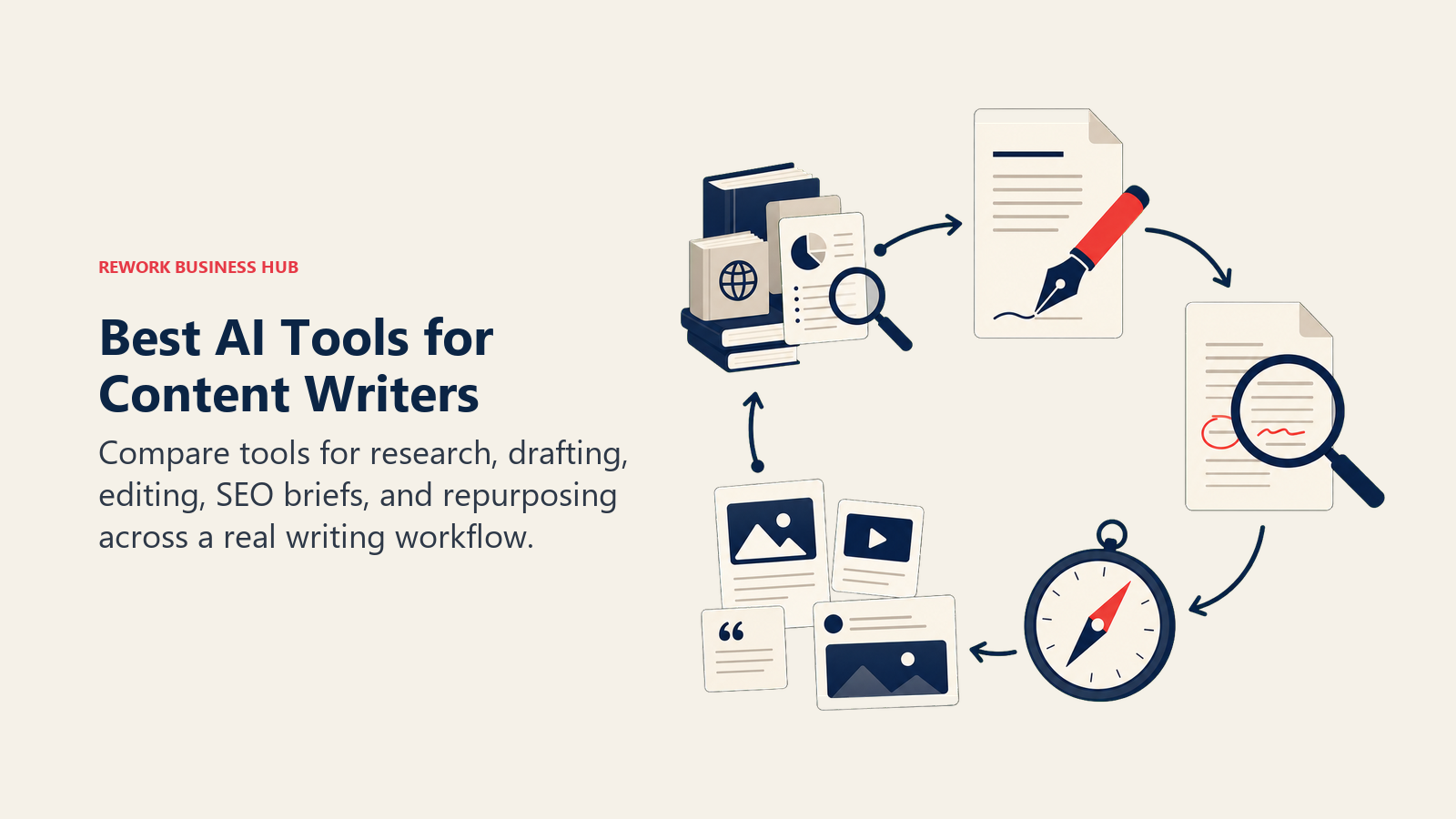
No single AI tool covers everything a content writer does in a day. ChatGPT and Claude are the strongest general drafting engines, Grammarly and Wordtune catch what a first-pass edit misses, Surfer and Frase turn a blank page into a brief backed by real SERP data, and Sudowrite is built specifically for long-form fiction that generic chatbots handle badly. Most working writers end up running three or four of these tools side by side, not one all-in-one platform.
This guide evaluates 14 tools on drafting quality, editing accuracy, SEO research depth, pricing, and how well each fits into a real writing workflow, not a marketing demo.
What Changed in 2026
- Notion retired its standalone AI add-on. Full AI access, including AI Agents and Ask Notion, now requires the $20/user/month Business plan rather than a separate add-on fee.
- Jasper's pricing page now leads with the $69/month Pro tier. The older $39 Creator plan is no longer the default entry point for new signups.
- Surfer SEO rebranded its tiers to Discovery, Standard, Pro, and Peace of Mind, with the entry plan dropping to $49/month on annual billing.
- A large-scale Semrush ranking study found purely AI-generated pages reached Google's #1 spot just 9% of the time, versus 80% for human-written pages, reinforcing why human-led editing workflows are winning over fully automated ones.
Key Facts
- Generative AI is now used in at least one business function at 70% of organizations, according to Stanford's 2026 AI Index Report.
- 86.4% of marketing teams now use AI in at least a few areas of their workflow, and only 1.7% have no AI plans at all, per HubSpot's 2026 State of Marketing Report.
- Content creation is marketers' single most extensively used AI application, at 42.5% of respondents, ahead of media creation and ad automation, per the same HubSpot report.
- 83.5% of marketers say AI means they're now expected to produce more content, with 35.7% saying "much more," per HubSpot's 2026 data.
- 64% of SEO professionals now run a human-led, AI-assisted content workflow, the single most common production model in 2026, per Semrush's ranking study.
Quick Comparison Table
| Tool | Best For | Standout Capability | Starting Price | Free Tier? |
|---|---|---|---|---|
| ChatGPT | General drafting, brainstorming, research synthesis | GPT-5.6, Canvas, Deep Research, Agent Mode | Free; Plus $20/mo | Yes |
| Claude | Long-form drafting, nuanced tone, following detailed style guides | Long context window, strong instruction-following | Free; Pro $20/mo ($17/mo annual) | Yes |
| Jasper | Enterprise brand-voice campaigns at volume | 50+ marketing templates, brand voice controls | Pro $69/mo ($59/mo annual) | No (free trial only) |
| Copy.ai | GTM teams blending marketing and sales copy | Workflow automation connecting content to CRM | Free (2,000 words/mo); Chat $29/mo | Yes |
| Writer | Regulated industries needing brand and compliance control | Style guide enforcement, terminology gating | Team $18/seat/mo | No (demo only) |
| Grammarly | Grammar, clarity, and tone editing on top of any draft | Full-sentence rewrites, tone detection | Free; Pro $12/mo (annual) | Yes |
| Sudowrite | Fiction and long-form creative writing | Story Bible, Muse creative model, brainstorm tools | $10/mo (annual, Hobby tier) | No (limited trial) |
| Surfer SEO | Data-backed SEO content briefs and on-page scoring | Content Score against live SERP data | $49/mo (annual, Discovery) | No |
| Frase | SEO briefs plus AI drafting in one workflow | Research + brief + draft in a single interface | $39/mo (annual, Starter) | No (7-day trial) |
| Notion AI | Teams drafting inside their existing docs and wiki | AI Agents that search across your workspace | Bundled into Business, $20/user/mo (annual) | Basic AI on Free/Plus |
| Rytr | Budget short-form copy at high volume | Unlimited generation in one language for $9/mo | Free (10k characters/mo); $9/mo | Yes |
| QuillBot | Paraphrasing and rewriting existing drafts | Fastest, most natural paraphrase modes tested | Free; Premium $8.33/mo (annual) | Yes |
| Wordtune | Sentence-level rewrites for non-native or fast editors | Rewrite suggestions with tone sliders | Free; Advanced $4.89/mo (annual) | Yes |
| Descript | Repurposing video/audio into written content | Transcription plus text-based video editing | Free; Hobbyist $16/mo (annual) | Yes |
How to Choose: By Task
Most writers don't need one tool. They need the right tool for the stage of the writing process they're in.
| Writing Task | What Matters Most | Best Fits |
|---|---|---|
| First drafts and brainstorming | Fast ideation, following a brief, handling nuance | ChatGPT, Claude, Jasper |
| SEO research and briefs | Real SERP data, keyword clustering, content gaps | Surfer SEO, Frase |
| Grammar and clarity editing | Catching errors a spellchecker misses, tone consistency | Grammarly, QuillBot, Wordtune |
| Long-form fiction or narrative | Character and plot consistency across chapters | Sudowrite, Claude |
| High-volume short-form copy | Speed and cost per piece over depth | Rytr, Copy.ai |
| Brand-governed enterprise content | Style guide enforcement, compliance review | Writer, Jasper |
| Repurposing existing content | Turning video/audio into blog posts or transcripts | Descript |
| Drafting inside existing docs | No context switching between tools | Notion AI |
How to Choose: By Budget
| Monthly Budget | What You Can Realistically Cover | Best Fits |
|---|---|---|
| $0 (free tier only) | Light drafting and basic grammar checks | ChatGPT Free, Claude Free, Grammarly Free, QuillBot Free, Wordtune Free |
| Under $15/mo | One core drafting tool or one editing tool | ChatGPT Plus, Claude Pro, Grammarly Pro, Rytr Unlimited, Wordtune Unlimited |
| $15-$50/mo | A drafting tool plus a dedicated SEO or editing layer | Claude Pro + Surfer Discovery, ChatGPT Plus + Frase Starter |
| $50-$150/mo | Full SEO content pipeline (research, brief, draft, score) | Surfer Standard, Frase Professional, Jasper Pro |
| $150+/mo (team) | Multi-seat governance, brand voice, and workflow tooling | Writer Team/Enterprise, Copy.ai Growth, Surfer Pro |
How to Choose: By Team Size
| Team Size | What You Need | Best Fits |
|---|---|---|
| Solo freelancer | Low cost, fast setup, no seat minimums | ChatGPT Plus, Claude Pro, Grammarly Pro, Rytr |
| Small team (2-10 writers) | Shared editing standards, moderate SEO tooling | Grammarly Pro (up to 149 seats), Surfer Standard, Frase Professional |
| Content marketing team (10-50) | Brief-to-draft workflow, brand voice consistency | Jasper Pro/Business, Frase Scale, Surfer Pro |
| GTM or RevOps-adjacent team | Content tied to CRM and sales workflows | Copy.ai Growth |
| Regulated or enterprise org | Compliance gating, terminology control, SSO | Writer Enterprise, Notion AI Business |
1. ChatGPT: The Default Drafting Engine
ChatGPT remains the most widely used AI writing tool because it's genuinely good at the full range of writing tasks: outlining, drafting, rewriting, summarizing research, and adjusting tone on request. The Plus tier runs GPT-5.6, and Canvas gives you a side-by-side editing surface that behaves more like a real writing tool than a chat window.
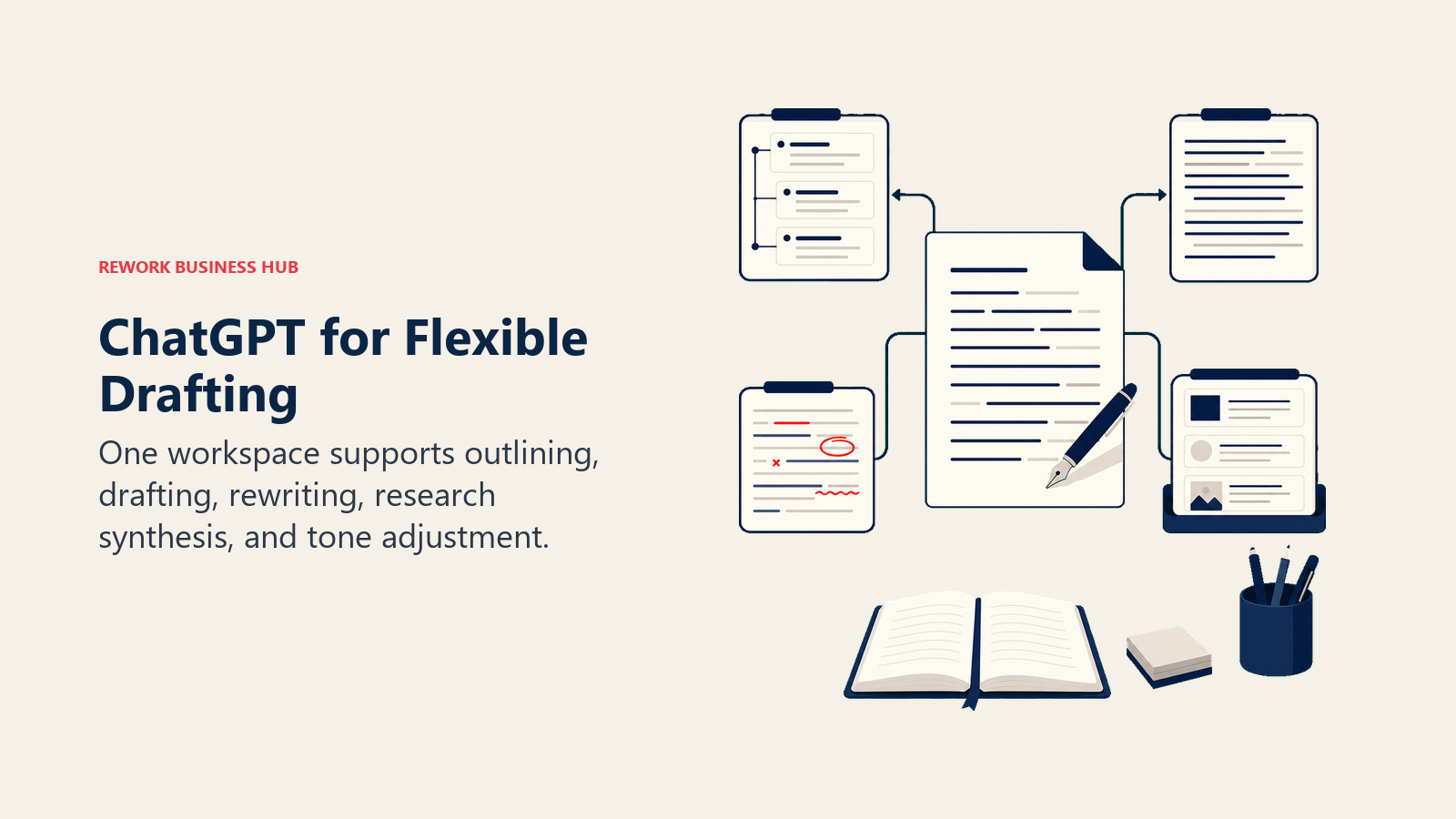
Best for: Writers who want one flexible tool for outlining, drafting, and research synthesis across formats.
Key strengths:
- Canvas for in-line editing and version comparisons
- Deep Research for pulling and synthesizing multiple sources into a brief
- Custom GPTs for repeatable, brand-specific writing workflows
- Broadest plugin and integration ecosystem of any AI writing tool
Limitations:
- Default output leans generic without a detailed prompt or custom instructions
- No built-in SEO or SERP data, unlike Surfer or Frase
- Usage limits on Plus can be restrictive during heavy research sessions
Pricing: Free tier available; Plus $20/mo; Pro $200/mo (best available models, higher limits); Business and Enterprise tiers with custom pricing, per ChatGPT's pricing page.
Standout use case: Turning a rough content brief into a structured first draft in minutes, then iterating tone and structure in Canvas.
2. Claude: Best for Long-Form Nuance and Style Guides
Claude's core strength for writers is instruction-following on long, detailed prompts. Feed it a full style guide, a set of brand voice examples, and a 3,000-word source document, and it holds onto all of it more reliably than most competitors across a long drafting session.
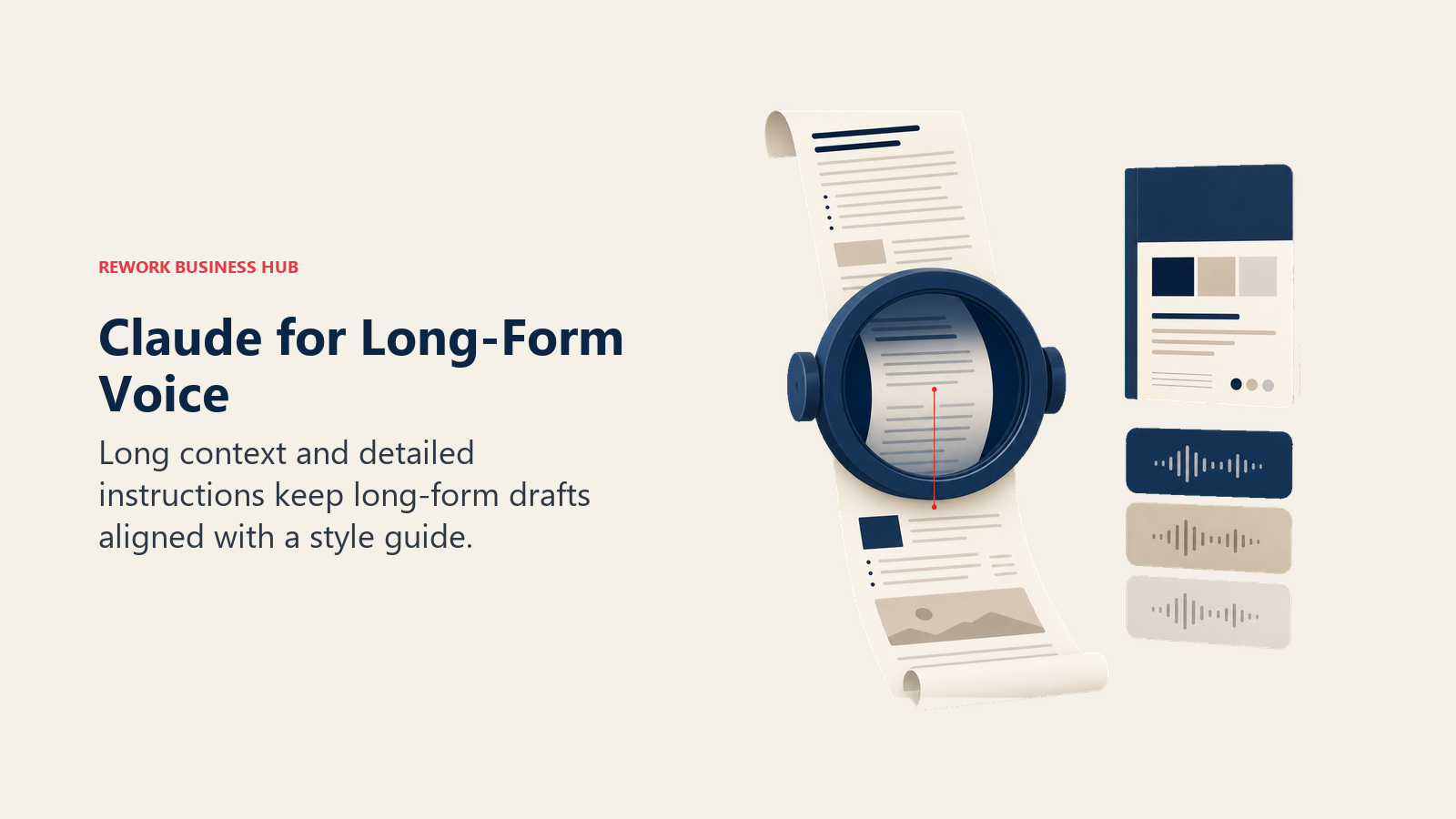
Best for: Writers producing long-form content (guides, whitepapers, in-depth articles) that needs to follow a detailed style guide.
Key strengths:
- Strong adherence to detailed, multi-part instructions
- Large context window for working with long source documents
- Noticeably less "AI voice" in default output compared to some competitors
- Projects feature for keeping brand voice and reference material persistent across sessions
Limitations:
- No native SEO research or SERP data
- Image generation and multimedia handling lag behind ChatGPT
- Free tier usage limits fill up quickly during heavy drafting sessions
Pricing: Free tier; Pro $20/mo ($17/mo billed annually); Max plans at $100/mo and $200/mo; Team from $25/seat; Enterprise custom, per Claude's pricing page. For a full head-to-head, see Claude vs ChatGPT vs Gemini.
Standout use case: Drafting a long guide or whitepaper against a detailed brand style guide without the model drifting off-voice halfway through.
3. Jasper: Brand-Voice Campaigns at Enterprise Scale
Jasper is built around a campaign workspace: upload your brand voice and product positioning once, and every generated piece stays on those rails. Its template library covers more than 50 marketing content types, from ad copy to long-form SEO articles.

Best for: Marketing teams producing high-volume, multi-channel content that all needs to sound like the same brand.
Key strengths:
- 50+ purpose-built marketing templates
- Brand voice and knowledge base controls that persist across every generation
- Strong for teams producing content across many channels at once
Limitations:
- Pricing jumped meaningfully in 2026; Pro now starts at $69/mo instead of the older $39 Creator tier
- Less flexible than ChatGPT or Claude for open-ended, non-template writing
- Workflow automation is thinner than Copy.ai's
Pricing: Pro $69/mo ($59/mo billed annually); Business custom-quoted, per Jasper's pricing page. See the full breakdown in Jasper vs Copy.ai vs Writer.
Standout use case: Producing a week's worth of on-brand social captions, ad variants, and email copy from one set of brand guidelines.
4. Copy.ai: GTM Workflows That Connect Content to Sales
Copy.ai has moved away from being a simple short-form generator and repositioned around "GTM workflows," automations that move content through CRM and sales tooling without manual handoffs. For teams whose writers also produce sales enablement material, that connective layer is the differentiator.
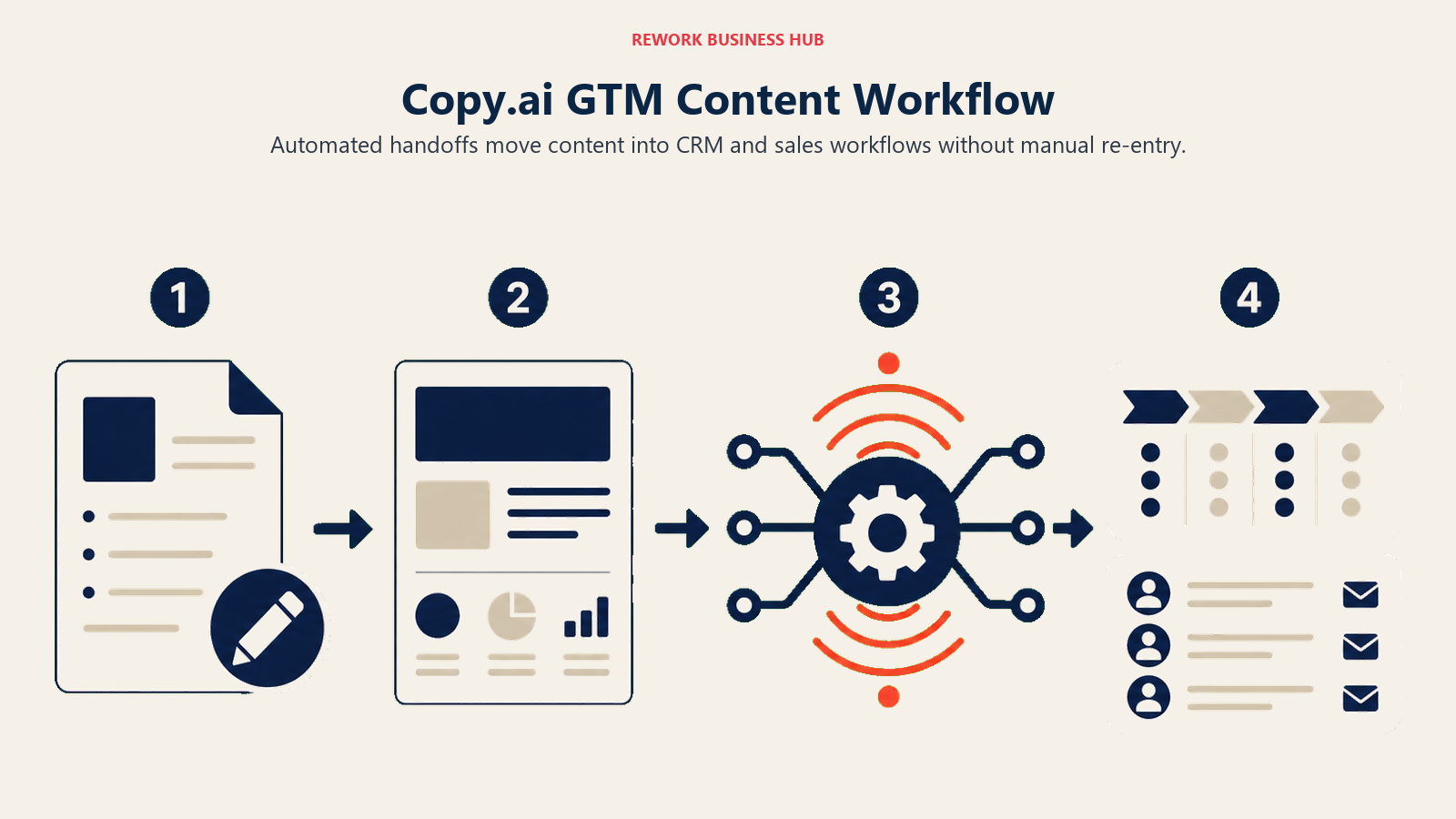
Best for: Content and marketing ops teams that need copy to flow directly into CRM and sales workflows, not just a document.
Key strengths:
- Workflow automation linking content output to CRM records
- Free plan is genuinely usable for light short-form work
- Strong for outreach templates, battlecards, and sales-adjacent copy
Limitations:
- Large pricing gap: after the $29/mo Chat plan, the next tier jumps to $1,000/mo
- Long-form content quality is weaker than Jasper or Claude
- Growth tier is built for revenue teams, not solo writers
Pricing: Free (2,000 words/mo); Chat $29/mo (unlimited chat, up to 5 people); Growth $1,000/mo (workflow automation, CRM integrations, 75 seats); Enterprise custom, per Copy.ai's pricing page.
Standout use case: A content team writing outreach sequences and sales one-pagers that need to sync straight into the CRM.
5. Writer: Governance and Compliance for Regulated Content
Writer's differentiator isn't creative output, it's governance. You configure it with your company's style guide, approved terminology, banned phrases, and legal review rules, and it acts as a gate: content that violates the rules gets flagged before it ships, whether AI-drafted or human-written.
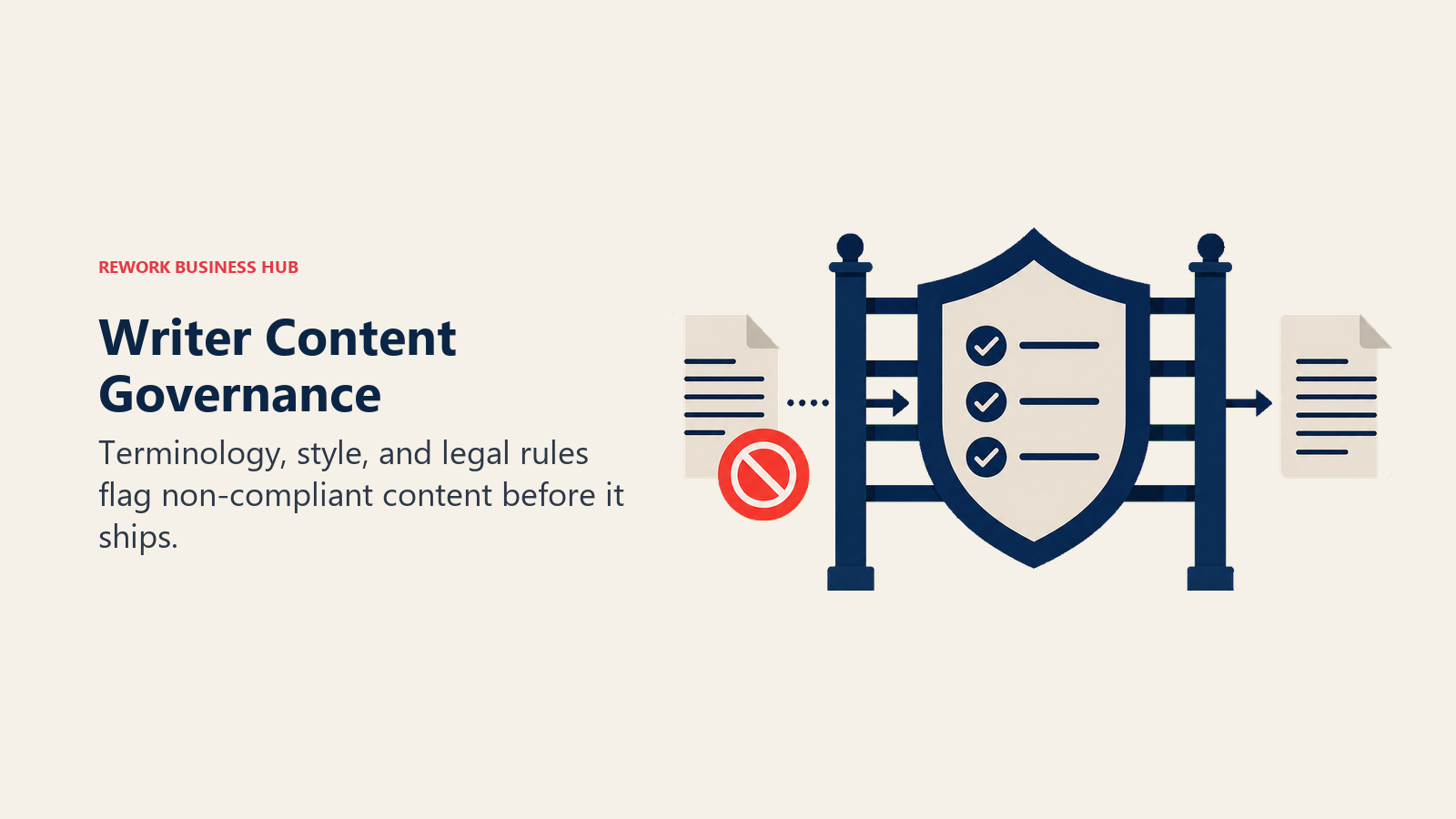
Best for: Content teams in regulated industries (fintech, healthcare, legal) or any brand with strict, non-negotiable voice standards.
Key strengths:
- Actively flags off-brand or non-compliant content, including human-written drafts
- Enterprise SSO and security controls built for regulated environments
- Terminology and style guide enforcement is the most rigorous of any tool here
Limitations:
- Least creative and flexible of the marketing-focused tools
- Enterprise pricing isn't published and can run into six figures annually for larger deployments
- Overkill for teams that don't have formal compliance requirements
Pricing: Team $18/seat/mo; Starter $29/seat/mo billed annually ($39 monthly); Enterprise custom, typically $50,000 to $500,000+ per year depending on seats and API usage, per Writer's pricing page.
Standout use case: A healthcare or fintech content team that needs every published piece, human or AI-drafted, to pass a compliance and terminology check automatically.
6. Grammarly: The Editing Layer Every Writer Still Needs
Grammarly isn't a drafting tool, it's what catches what your drafting tool misses. Full-sentence rewrites, tone detection, and clarity suggestions sit on top of whatever you write, whether that's a ChatGPT draft or something typed from scratch.
Best for: Every writer, regardless of which drafting tool they use, as a final editing pass.
Key strengths:
- Works everywhere you write: browser, docs, email, Slack
- Tone detection flags when a draft reads as too casual, too stiff, or off-brand
- Pro tier now supports up to 149 seats, replacing the old separate Business plan
Limitations:
- Not a drafting tool; it improves existing text rather than generating new ideas
- Enterprise pricing is now quote-based since the Business plan was retired
- Some suggestions still need a human judgment call on tone
Pricing: Free tier; Pro $12/mo billed annually ($30/mo monthly); Enterprise custom, per Grammarly's pricing page. If you want to compare it against alternatives first, see best Grammarly alternatives.
Standout use case: Running a final tone and clarity pass on AI-drafted content before it goes out under your byline.
7. Sudowrite: Purpose-Built for Fiction and Long-Form Creative Work
Sudowrite is the one tool on this list not built for marketing or business content. It's designed specifically for novelists and long-form fiction writers, with a "Story Bible" feature that tracks characters, plot threads, and world details across an entire manuscript so the AI doesn't contradict itself 40 chapters in.
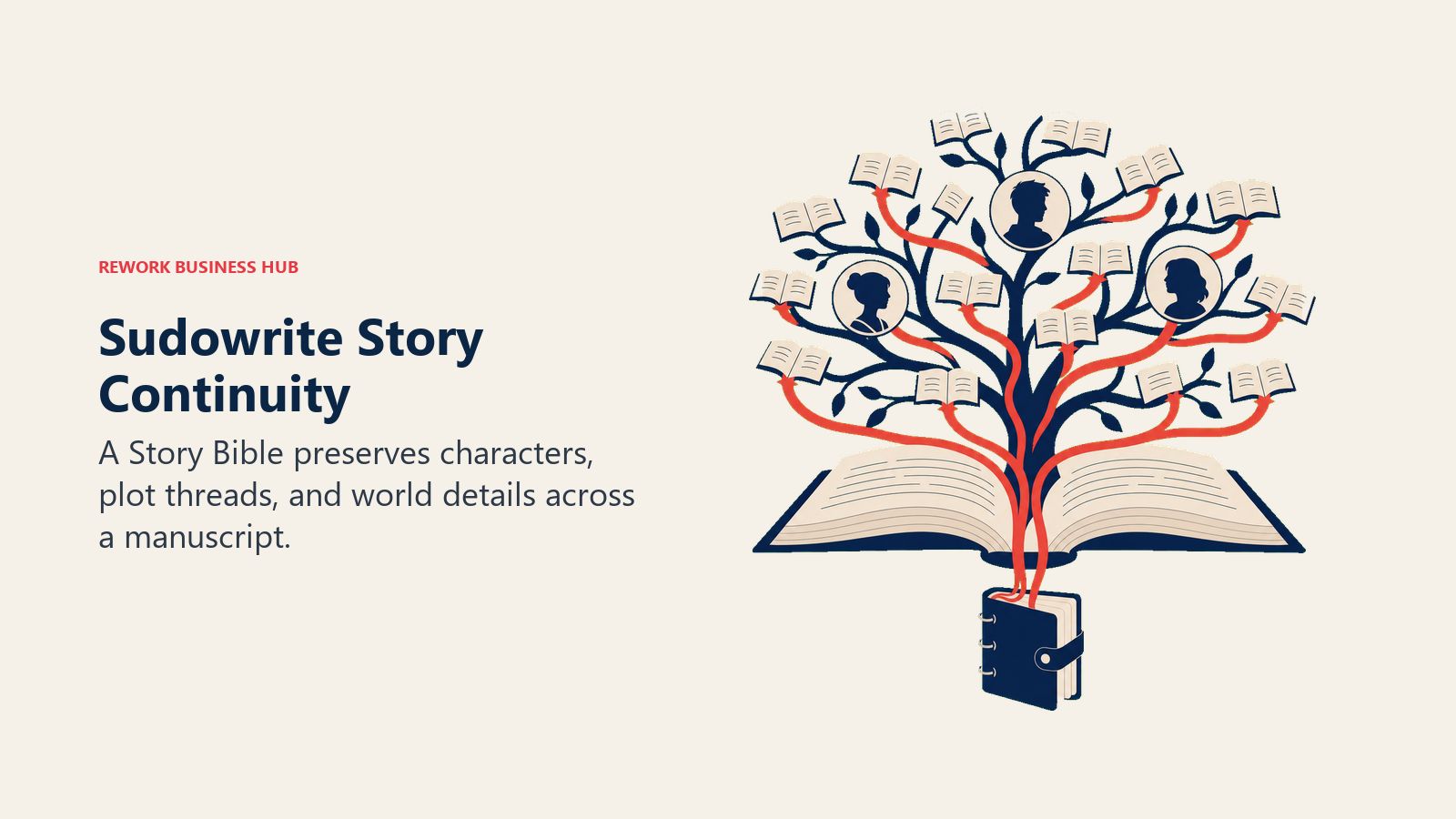
Best for: Fiction writers, novelists, and anyone drafting long-form narrative content that generic chatbots handle inconsistently.
Key strengths:
- Story Bible keeps character and plot details consistent across a full manuscript
- Muse, its custom creative model, is noticeably better at prose style than general chatbots
- Brainstorm and "describe" tools built specifically for fiction craft, not business copy
Limitations:
- Not useful for SEO content, marketing copy, or business writing
- Credit-based pricing means heavy users can burn through a plan faster than expected
- Smaller ecosystem and fewer integrations than the business-focused tools
Pricing: Hobby & Student $10/mo (annual, 225,000 credits); Professional $22/mo (annual, 1,000,000 credits); Max $44/mo (annual, 2,000,000 rollover credits), per Sudowrite's pricing page.
Standout use case: Keeping a novel's cast of characters and plot threads consistent while drafting across dozens of chapters.
8. Surfer SEO: Data-Backed Content Briefs and On-Page Scoring
Surfer's job is narrow and specific: turn a target keyword into a data-backed content brief, then score your draft against what's actually ranking. The Content Score feature compares your draft to the top-ranking pages in real time as you write.
Best for: SEO content teams who need every article backed by real SERP data, not just a general AI draft.
Key strengths:
- Content Score benchmarks your draft against live top-ranking pages
- Keyword clustering and content gap analysis built into the research step
- Rebranded 2026 tier structure lowered the entry price to $49/mo annual
Limitations:
- Not a drafting tool on its own; works best paired with ChatGPT, Claude, or its own AI article generator
- AI Tracker and SERP Analyzer add-ons cost extra on lower tiers
- Enterprise tier starts at $999/mo, a steep jump from Standard
Pricing: Discovery $49/mo (annual); Standard $99/mo (annual); Pro roughly $182-$219/mo; Peace of Mind $299/mo; Enterprise from $999/mo, per Surfer's pricing page.
Standout use case: Writing an SEO article with a live content score so you know before publishing whether it's thin compared to what's already ranking.
9. Frase: Research, Brief, and Draft in One Workflow
Frase covers more of the pipeline in a single interface than Surfer does: it pulls competitor research, builds a content brief, and generates a first draft without switching tools. For solo writers or small teams who don't want to stitch together three separate products, that consolidation is the appeal.
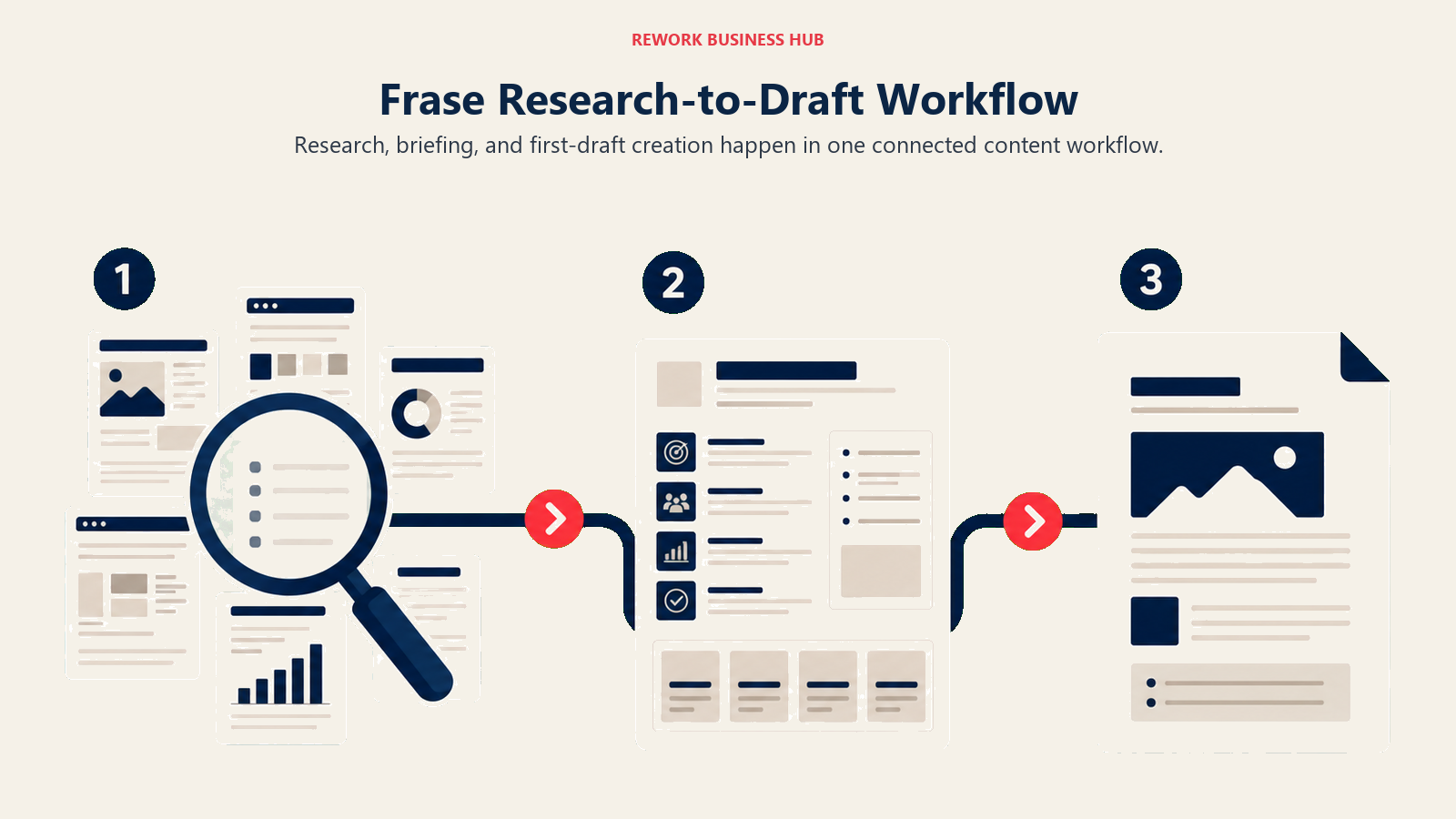
Best for: Solo SEO writers or small content teams who want research, briefing, and drafting in one place.
Key strengths:
- Research, brief-building, and AI drafting live in one workflow
- Content scoring against competitor pages, similar to Surfer
- More affordable entry point than Surfer for solo writers
Limitations:
- Draft quality out of Frase's own AI writer trails dedicated tools like Claude or ChatGPT
- Extra seats cost $29/mo each on Professional and Scale plans
- Smaller research database than Surfer for competitive, high-volume niches
Pricing: Starter $39/mo (annual); Professional $103/mo (annual); Scale $239/mo (annual); Enterprise custom, per Frase's pricing page.
Standout use case: A solo content writer who needs research, a brief, and a starting draft without paying for three separate subscriptions.
10. Notion AI: Writing Where Your Team Already Works
Notion AI's advantage isn't raw drafting quality, it's proximity. If your team already plans, briefs, and stores content in Notion, having AI drafting and AI Agents built into the same workspace removes a context switch that costs real time across a content calendar.
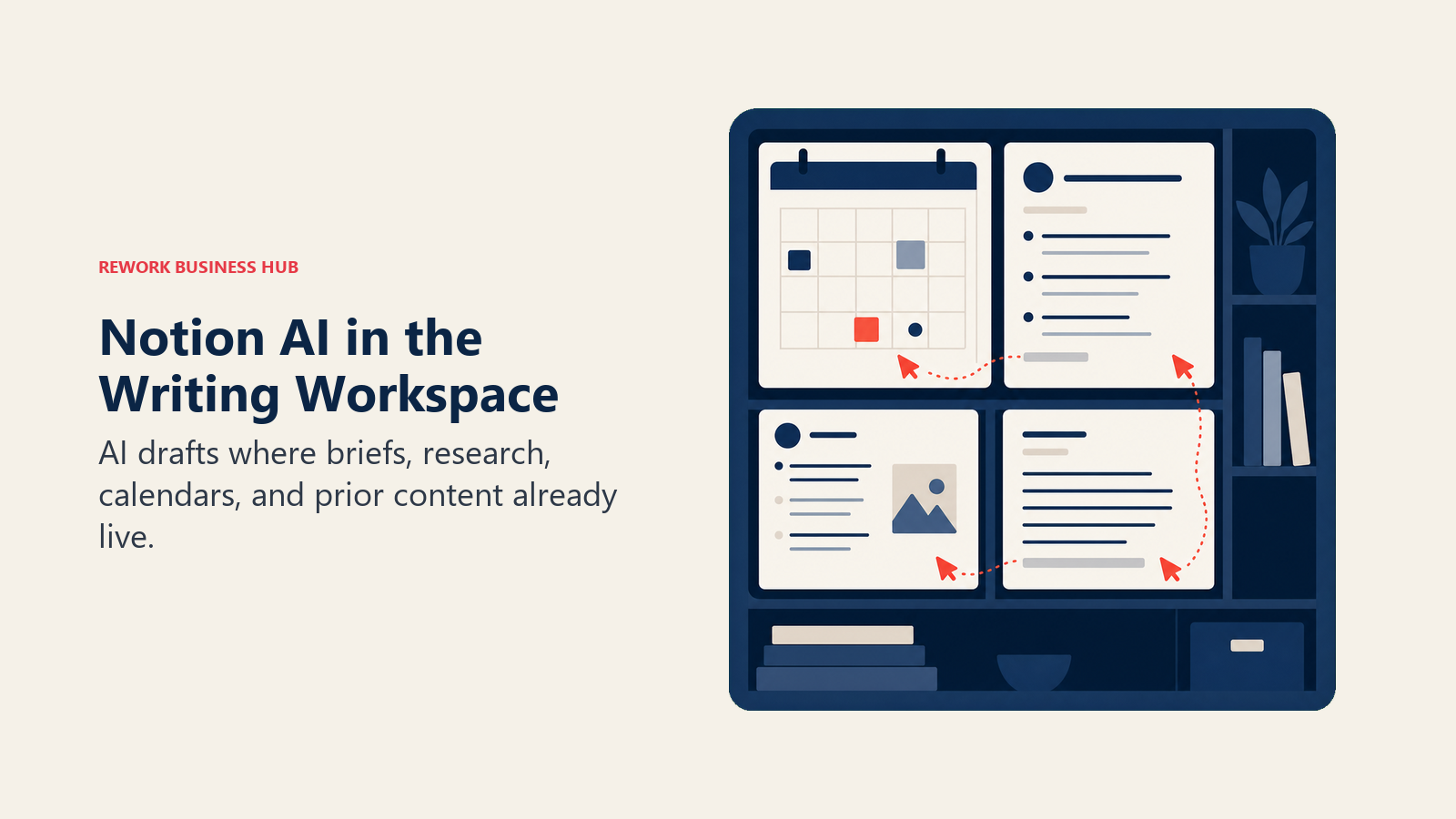
Best for: Content teams that already run their editorial calendar and docs in Notion and want AI in the same place.
Key strengths:
- AI Agents can search and pull context from across your entire workspace, including connected tools
- No separate tool or tab needed for teams already living in Notion docs
- Business tier bundles project management, docs, and AI into one seat cost
Limitations:
- 2026 restructure moved full AI access behind the $20/user/mo Business plan; Free and Plus users get only basic AI writing
- Drafting quality is solid but not best-in-class compared to Claude or ChatGPT
- Custom Agents now bill separately at $10 per 1,000 credits
Pricing: Free $0 (basic AI only); Plus $10/user/mo (annual); Business $20/user/mo (annual, full AI access); Enterprise custom, per Notion's pricing page.
Standout use case: Drafting a content brief or first pass directly inside the same doc where your editorial calendar and past research already live.
11. Rytr: The Budget Option for High-Volume Short-Form Copy
Rytr trades depth for price. At $9/mo for unlimited generation in one language, it's the cheapest genuinely usable AI writing subscription on this list, aimed squarely at high-volume short-form work: product descriptions, social captions, ad variants.
Best for: Freelancers and small businesses producing high volumes of short-form copy on a tight budget.
Key strengths:
- Unlimited generation for $9/mo, the lowest price point on this list for unlimited use
- 20+ pre-set tones of voice for quick variety
- Chrome extension for writing directly inside other apps
Limitations:
- Output quality and nuance trail every other tool on this list for long-form work
- Unlimited tier is capped to one language; Premium ($29/mo) is needed for 35+ languages
- Not built for SEO research, brand governance, or long-form drafting
Pricing: Free (10,000 characters/mo); Unlimited $9/mo; Premium $29/mo, per Rytr's pricing page.
Standout use case: A freelancer churning out dozens of short product descriptions or ad variants a week on a minimal budget.
12. QuillBot: Fast, Natural Paraphrasing for Existing Drafts
QuillBot's paraphraser is its core product, and it's still the fastest, most natural-sounding rewrite tool tested here. Feed it a clunky sentence or paragraph and it returns several rewrite options in different tones almost instantly.
Best for: Writers who need to quickly rework existing sentences rather than generate new content from scratch.
Key strengths:
- Multiple paraphrase modes (Standard, Fluency, Formal, Creative) that genuinely read differently
- Built-in grammar checker and plagiarism checker on paid tiers
- Fast enough to use as a mid-draft tool, not just a final pass
Limitations:
- Not a drafting tool; it rewrites what you already have rather than generating from a brief
- Free tier is limited to short passages
- Regional pricing means the exact monthly cost can vary by location
Pricing: Free tier; Premium $19.95/mo (monthly), $13.31/mo (quarterly), $8.33/mo (billed annually at $99.95/yr), per QuillBot's pricing page.
Standout use case: Reworking an awkward paragraph into three tonal variants in seconds during a live edit.
13. Wordtune: Sentence-Level Rewrites for Fast Editors
Wordtune occupies similar territory to QuillBot but leans more toward tone control: sliders for formal versus casual, and shorter versus longer, make it useful for writers who need to quickly match a specific voice rather than just fix grammar.
Best for: Non-native English writers or fast-moving editors who need sentence-level tone adjustments without a full rewrite tool.
Key strengths:
- Tone sliders for formal/casual and shorter/longer rewrites
- Cheapest entry-level paid tier of any tool on this list at $4.89/mo annual
- Teams plan adds centralized billing for small agencies or content teams
Limitations:
- Daily rewrite caps on Free and Advanced tiers can interrupt a long editing session
- Not built for first-draft generation, only sentence-level editing
- Less capable than Grammarly for structural or full-document feedback
Pricing: Free tier; Advanced $6.99/mo monthly ($4.89/mo annual); Unlimited $9.99/mo monthly ($6.99/mo annual); Teams $15.99/seat/mo monthly ($7.99/seat/mo annual), per Wordtune's pricing page.
Standout use case: A non-native English writer fine-tuning sentence-level tone without needing a full AI drafting tool.
14. Descript: Turning Video and Audio Into Written Content
Descript isn't a writing tool in the traditional sense, it's a repurposing engine. If your content strategy includes turning webinars, podcasts, or video interviews into blog posts and articles, Descript's transcription and text-based video editing make that pipeline dramatically faster.
Best for: Content teams repurposing video, podcast, or webinar recordings into written articles and blog posts.
Key strengths:
- Transcription accurate enough to use as a first-draft source document
- Text-based editing lets you cut video by deleting words in a transcript
- Overdub and AI voice tools for turning written scripts back into audio/video
Limitations:
- Not useful if your content pipeline doesn't include audio or video source material
- Transcription minutes are capped by tier and add up fast for heavy podcast teams
- Learning curve for the video-editing side if you only need transcription
Pricing: Free (about 60 minutes/mo); Hobbyist $16/mo (annual); Creator $24/mo (annual); Business $50/mo (annual); Enterprise custom, per Descript's pricing page. For meeting-specific transcription needs, see Otter vs Fireflies vs Fathom.
Standout use case: Turning a 45-minute webinar recording into a publishable blog post draft in under an hour.
Pricing at a Glance
| Tool | Free Tier | Entry Paid Tier | Mid Tier | Top Individual/Team Tier |
|---|---|---|---|---|
| ChatGPT | Yes | Plus $20/mo | Pro $200/mo | Business (custom) |
| Claude | Yes | Pro $20/mo ($17 annual) | Max 5x $100/mo | Max 20x $200/mo |
| Jasper | No | Pro $69/mo ($59 annual) | - | Business (custom) |
| Copy.ai | Yes | Chat $29/mo | - | Growth $1,000/mo |
| Writer | No | Team $18/seat/mo | Starter $29-39/seat/mo | Enterprise (custom) |
| Grammarly | Yes | Pro $12/mo (annual) | - | Enterprise (custom) |
| Sudowrite | No | Hobby $10/mo (annual) | Professional $22/mo (annual) | Max $44/mo (annual) |
| Surfer SEO | No | Discovery $49/mo (annual) | Standard $99/mo (annual) | Pro ~$182-219/mo |
| Frase | No | Starter $39/mo (annual) | Professional $103/mo (annual) | Scale $239/mo (annual) |
| Notion AI | Basic only | Plus $10/user/mo (annual) | Business $20/user/mo (annual) | Enterprise (custom) |
| Rytr | Yes | Unlimited $9/mo | Premium $29/mo | - |
| QuillBot | Yes | Premium $8.33/mo (annual) | Premium $13.31/mo (quarterly) | Premium $19.95/mo (monthly) |
| Wordtune | Yes | Advanced $4.89/mo (annual) | Unlimited $6.99/mo (annual) | Teams $7.99/seat/mo (annual) |
| Descript | Yes | Hobbyist $16/mo (annual) | Creator $24/mo (annual) | Business $50/mo (annual) |
Trends to Watch
AI writing tools are converging on two things in 2026: agentic workflows that chain research, drafting, and editing into one pass, and tighter integration with the platforms where writers already work (Notion, Google Docs, CMS platforms) rather than standalone chat windows. At the same time, the ranking data cuts against fully automated content. As Semrush's study shows, editors who stay in the loop are still winning the top spots, which is why the fastest-growing workflow in 2026 is "human-led, AI-assisted" rather than "AI-only." Expect pricing to keep compressing at the low end (Rytr, Wordtune, Notion's bundled tiers) while enterprise governance tools like Writer hold their premium.

Related Reading
- Claude vs ChatGPT vs Gemini: Which LLM Fits Your Business in 2026
- Jasper vs Copy.ai vs Writer: AI Writing Tools for Marketing Teams
- Perplexity vs ChatGPT Search vs Gemini: AI Research Tools for Executives
- Otter vs Fireflies vs Fathom: AI Meeting Tools for Sales Leaders
- Best Grammarly Alternatives
- Best Email Marketing Software in 2026
- AI Content Creator (Job Description Template)
- AI Content Drafting Agent
- AI SEO Content Brief Agent
- AI for Business: What It Actually Means
What to Do Next
Pick one drafting tool and one editing tool, not five subscriptions. If you write long-form content, start with Claude or ChatGPT for drafting and Grammarly for the edit pass. If organic search traffic is part of your job, add Surfer or Frase for briefs. Run that two-or-three-tool stack for a month before adding anything else. The tools that actually change your output are the ones you use every day, not the ones with the longest feature list.

Principal Product Marketing Strategist
On this page
- What Changed in 2026
- Key Facts
- Quick Comparison Table
- How to Choose: By Task
- How to Choose: By Budget
- How to Choose: By Team Size
- 1. ChatGPT: The Default Drafting Engine
- 2. Claude: Best for Long-Form Nuance and Style Guides
- 3. Jasper: Brand-Voice Campaigns at Enterprise Scale
- 4. Copy.ai: GTM Workflows That Connect Content to Sales
- 5. Writer: Governance and Compliance for Regulated Content
- 6. Grammarly: The Editing Layer Every Writer Still Needs
- 7. Sudowrite: Purpose-Built for Fiction and Long-Form Creative Work
- 8. Surfer SEO: Data-Backed Content Briefs and On-Page Scoring
- 9. Frase: Research, Brief, and Draft in One Workflow
- 10. Notion AI: Writing Where Your Team Already Works
- 11. Rytr: The Budget Option for High-Volume Short-Form Copy
- 12. QuillBot: Fast, Natural Paraphrasing for Existing Drafts
- 13. Wordtune: Sentence-Level Rewrites for Fast Editors
- 14. Descript: Turning Video and Audio Into Written Content
- Pricing at a Glance
- Trends to Watch
- Related Reading
- What to Do Next