More in
Berita Sales Tech
Tim Sales Berbasis AI Tumbuh 2,6x Lebih Cepat. Gartner Menyatakan Pembeli Masih Menginginkan Rep Manusia
Jun 6, 2026
Aircall Mengakuisisi Piper AI untuk Mengubah Setiap Sales Call Menjadi Pipeline
Jun 6, 2026
Salesforce Baru Saja Memberi Pemasar AI Agent yang Membangun Sales Pipeline
Jun 6, 2026
Revenue Intelligence Menunjukkan Risikonya. Revenue Execution Bertindak Atasnya.
Jun 5, 2026
Meta Menempatkan AI Agent di WhatsApp yang Menutup Penjualan untuk Bisnis Mana Pun
Jun 4, 2026
VC Menggelontorkan Lebih dari $200M ke Startup AI Sales: Sinyal GTM Stack
Jun 4, 2026
Apakah AI SDR Sepadan di 2026? Data Menunjukkan Bangun Tim Hibrida
Jun 3, 2026
GTM Engineering di 2026: Rekrutan Sales yang Menggantikan Tiga Peran Sekaligus
Jun 3, 2026
ZoomInfo Memasok Data Terverifikasi ke AI Sales Agent Anda: Pertimbangan Vendor Tunggal
Jun 3, 2026
Salesforce Summer '26 Menghadirkan Multi-Agent Orchestration pada 15 Juni. Inilah Audit Sales Ops Sebelum Agent Anda Mulai Melakukan Handoff
Jun 2, 2026
Bahasa Indonesia
HubSpot Baru Saja Menulis Ulang Aturan Harga AI: Ini yang Harus Dilakukan CRO Sekarang
Selama tiga tahun terakhir, membeli alat AI terasa seperti berjudi. Anda membayar biaya kursi bulanan atau biaya per aktivasi, menyaksikan tim Anda bereksperimen selama satu kuartal, lalu duduk dalam pertemuan perpanjangan kontrak sambil berusaha menghitung apakah alat tersebut benar-benar mendongkrak pendapatan. Sebagian besar waktu, jawabannya tidak bisa ditemukan. Biaya nyata dari membengkaknya jumlah perangkat lunak (biaya lisensi, beban integrasi, dan pajak perhatian pada tim Anda) telah menjadikan pengeluaran AI sebagai salah satu item yang paling sulit dipertahankan dalam P&L seorang CRO.
HubSpot mengubah ketentuan kesepakatan tersebut pada 14 April 2026. Berdasarkan pengumuman resmi perusahaan, dua agen Breeze AI unggulannya dipindahkan ke model bayar per hasil, dan strukturnya lebih tegas dari apa pun yang saat ini ada di pasar.
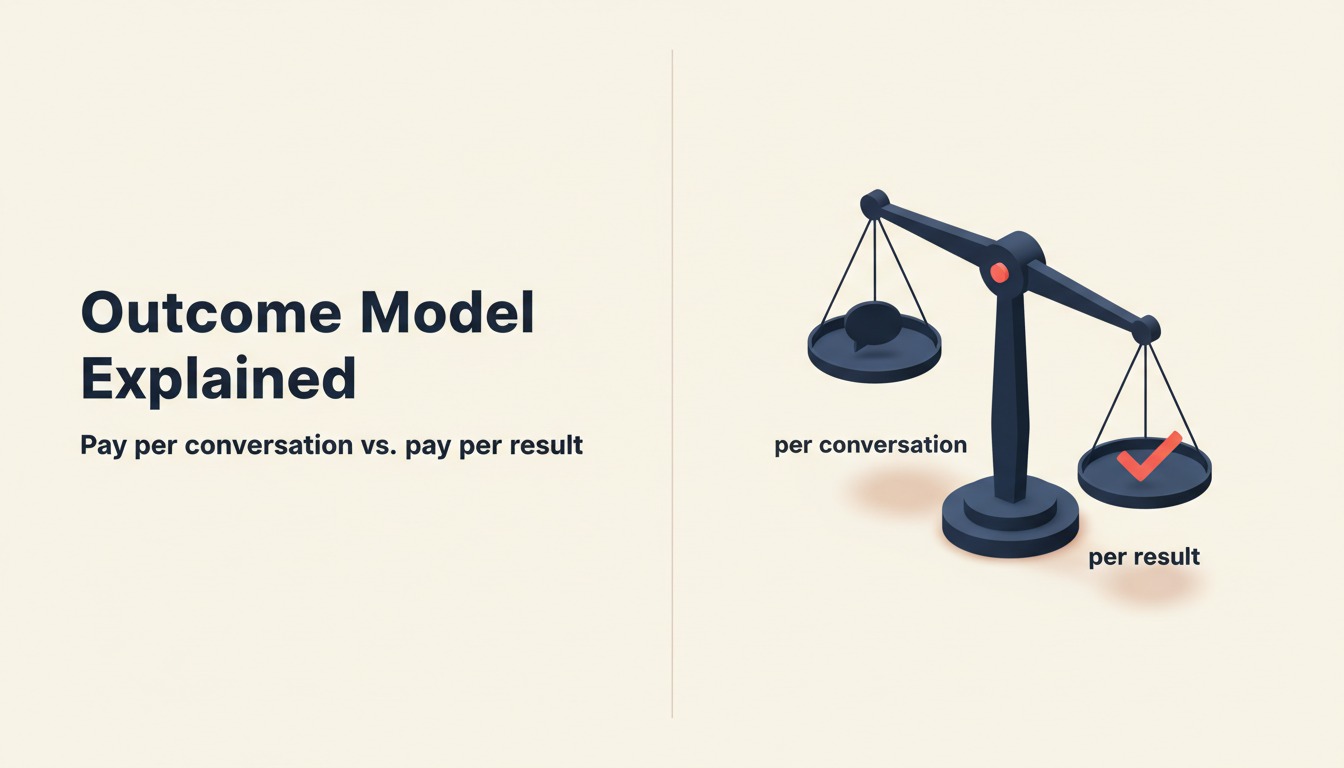
Breeze Customer Agent kini dikenakan biaya $0,50 per percakapan yang terselesaikan. Sebelumnya, pelanggan membayar $1,00 per percakapan, terlepas dari apakah AI benar-benar menutup tiket tersebut. Breeze Prospecting Agent beralih dari biaya bulanan berulang per kontak yang didaftarkan menjadi $1,00 per prospek terkualifikasi yang direkomendasikan untuk penjangkauan. Jika agen tidak menghasilkan prospek terkualifikasi, Anda tidak perlu membayar.
Ini bukan sekadar penyesuaian harga. Ini adalah realokasi risiko secara fundamental, dari pembeli ke vendor.
Apa yang Sebenarnya Berubah (dan Mengapa Ini Penting)
Turn this article into takeaways for your work.


Each assistant summarizes the article only for you and suggests best practices for your work.
Model lama memiliki masalah struktural yang melekat: Anda membayar ketika AI mencoba menjalankan tugas. Model baru hanya mengenakan biaya ketika AI menyelesaikannya sesuai spesifikasi. Untuk Customer Agent, "terselesaikan" berarti percakapan ditutup tanpa eskalasi ke agen manusia. Untuk Prospecting Agent, "terkualifikasi" berarti prospek memenuhi kriteria yang Anda tetapkan untuk penjangkauan.
Chief Customer Officer HubSpot, Jon Dick, mengungkapkannya secara langsung: "Penetapan harga berbasis hasil menghilangkan risiko tersebut. Anda membayar ketika itu berhasil, selesai."
Kepercayaan di balik pernyataan itu bukan sekadar pemasaran. HubSpot melaporkan bahwa Customer Agent sudah menyelesaikan 65% percakapan di lebih dari 8.000 pelanggan, memangkas waktu penyelesaian sebesar 39%. Prospecting Agent mencatat lonjakan aktivasi kuartal ke kuartal sebesar 57%. Itulah metrik yang memungkinkan penetapan harga berbasis hasil. Anda tidak menawarkan bayar per hasil pada alat yang tidak memberikan hasil.
Perubahan ini berlaku mulai 14 April untuk pelanggan Pro dan Enterprise. Kedua agen menyertakan uji coba gratis 28 hari, yang berarti Anda dapat memvalidasi angka kinerja terhadap pipeline Anda sendiri sebelum faktur pertama muncul.
Mengapa Penetapan Harga Berbasis Hasil Merupakan Sinyal yang Lebih Besar dari Satu Peluncuran Produk
HubSpot bukan satu-satunya yang melakukan langkah ini, tetapi ini adalah CRM all-in-one besar pertama yang menerapkannya secara khusus untuk prospecting penjualan, yang merupakan aktivitas bernilai tertinggi dan paling mendapat pengawasan dalam P&L seorang CRO.
Zendesk telah bereksperimen dengan model per penyelesaian dalam dukungan pelanggan. Salesforce sedang mengeksplorasi struktur serupa untuk beberapa kasus penggunaan Agentforce. Arahnya sudah jelas: dalam 18 bulan ke depan, "berapa harga per kursi?" akan menjadi pertanyaan yang salah untuk diajukan kepada vendor AI. Pertanyaan yang tepat adalah "berapa harga per hasil, dan bagaimana Anda mendefinisikannya?"
Jika Anda saat ini sedang dalam siklus perpanjangan kontrak untuk alat AI apa pun dalam tumpukan teknologi penjualan Anda, momen ini adalah waktu yang tepat untuk menguji pertanyaan tersebut terhadap setiap vendor di ruangan.
Playbook Anggaran CRO: 5 Langkah untuk Minggu Ini
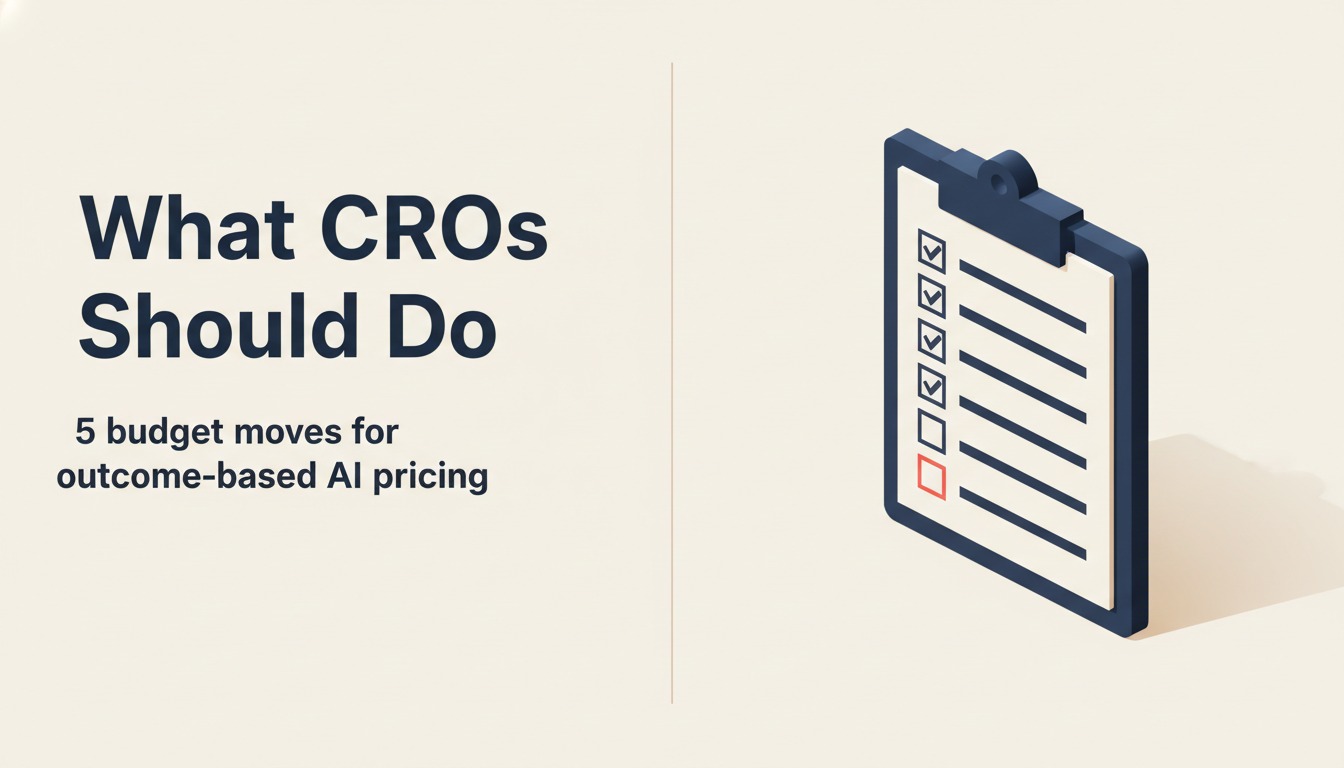
1. Audit pengeluaran AI Anda saat ini berdasarkan output, bukan aktivitas. Tarik laporan kuartal terakhir Anda untuk setiap alat AI yang menyentuh pendapatan. Hitung aktivasi, jam penggunaan, kursi. Lalu hitung tiket yang ditutup, prospek terkualifikasi yang dimunculkan, pipeline yang dipengaruhi. Kesenjangan antara dua angka tersebut adalah subsidi Anda saat ini kepada vendor yang belum terbukti layak mendapat kepercayaan berbasis hasil. Kebiasaan pipeline hygiene sebagai disiplin dimulai dengan jenis audit pengeluaran-terhadap-output ini, bukan hanya pembersihan data CRM.
2. Coba kedua agen Breeze sebelum Q2 berakhir. Uji coba gratis 28 hari adalah tes ROI paling bersih yang tersedia saat ini. Jalankan Customer Agent terhadap tingkat dukungan yang telah ditentukan dan Prospecting Agent terhadap satu segmen ICP Anda. Gunakan data konversi Anda sendiri sebagai tolok ukur, bukan statistik agregat HubSpot. Jika Anda mengevaluasi apakah HubSpot adalah platform yang tepat untuk tim Anda, perbandingan alternatif HubSpot CRM layak ditinjau bersamaan dengan uji coba tersebut.
3. Ubah framing percakapan perpanjangan kontrak berikutnya. Ketika vendor AI Anda datang untuk memperpanjang, minta mereka mengusulkan tingkat berbasis hasil. Jika mereka tidak dapat mendefinisikan apa arti "penyelesaian" atau "kualifikasi" dalam produk mereka, itu adalah sinyal tentang seberapa percaya diri mereka dengan data kinerja mereka sendiri. Penetapan harga berbasis kursi sudah dalam tren penurunan, dan vendor yang tidak bisa beralih ke model berbasis hasil menetapkan harga berdasarkan volume, bukan nilai.
4. Pisahkan pengeluaran platform dari pengeluaran agen. Langkah HubSpot menyoroti realitas baru: platform (data CRM, workflow, integrasi) kini berbeda dari lapisan agen (AI yang bertindak atas data tersebut). Anggarkan keduanya secara terpisah. Pengeluaran platform relatif tetap. Pengeluaran agen harus fleksibel sesuai hasil. Jika tim Anda masih mengevaluasi apa yang seharusnya dilakukan platform CRM Anda, daftar periksa pembeli CRM memisahkan kemampuan platform dari fitur yang dapat ditambahkan nanti.
5. Perbarui model ROI AI Anda untuk pelaporan kepada dewan direksi. Penetapan harga bayar per hasil membuat hitungannya menjadi mudah dipahami untuk pertama kalinya. $0,50 per percakapan yang terselesaikan untuk 10.000 tiket dukungan bulanan adalah angka yang dapat dihitung. Bandingkan dengan biaya penuh agen dukungan manusia yang menangani tiket yang sama. Bangun model itu sekarang agar pembaruan dewan Q2 Anda mencerminkan lingkungan harga baru, bukan asumsi tahun lalu. CAC payback dan unit economics SaaS memberi Anda kerangka kerja untuk menempatkan pengeluaran agen AI dalam konteks di samping investasi pertumbuhan lainnya.
Apa Artinya Ini bagi Cara Anda Mengevaluasi Setiap Alat AI Lainnya
Pengumuman HubSpot tidak hanya mempengaruhi HubSpot. Ini menetapkan tolok ukur ekspektasi baru untuk seluruh kategori.
Sebelumnya, vendor dapat berargumen secara masuk akal bahwa penetapan harga berbasis hasil terlalu kompleks secara teknis: terlalu banyak variabel, terlalu sulit mendefinisikan "kesuksesan." Implementasi HubSpot dalam skala besar (tingkat penyelesaian 65% di 8.000 pelanggan adalah skala yang nyata) menghapus argumen tersebut dari meja. Jika vendor mengatakan mereka tidak bisa menetapkan harga berdasarkan hasil, terjemahan jujurnya adalah mereka tidak cukup mempercayai data kinerja mereka sendiri untuk melakukannya.
Itu adalah informasi yang berguna untuk dimiliki sebelum Anda menandatangani kontrak 12 bulan.
CRO yang memperbarui rubrik evaluasi vendor mereka sekarang, sebelum pasar lainnya menyesuaikan diri, akan berada dalam posisi negosiasi yang lebih baik secara struktural di setiap perpanjangan kontrak hingga 2027. Alat yang tidak bisa memenuhi penetapan harga berbasis hasil akan mendiskon biaya kursi sebagai kompensasi. Yang bisa melakukannya layak dilihat lebih seksama. Proses rollout CRM yang terstruktur memudahkan penggantian lapisan agen baru tanpa mengganggu alur kerja tim di bawahnya.
Model harga adalah sinyal produk. Bertindaklah sesuai dengan itu.
Pelajari Lebih Lanjut
- AI HubSpot Kini Hadir di Ruang Rapat: Strategi CRO, Kerangka manajemen perubahan untuk fitur Breeze yang menghasilkan hasil ini
- Pendanaan AI Rekor di Q1 2026: Implikasi untuk Tumpukan Penjualan Anda, Bagaimana penetapan harga berbasis hasil terhubung dengan pergeseran pendanaan dan produk yang lebih luas di pasar teknologi penjualan
- Daftar Periksa Pembeli CRM, Memperbarui rubrik evaluasi vendor Anda untuk menyertakan persyaratan harga berbasis hasil
- Rework vs. HubSpot CRM, Panduan perbandingan CRM untuk tim yang mengevaluasi model harga AI HubSpot yang terus berkembang
Sumber: HubSpot Company News, Penetapan Harga Berbasis Hasil Agen Breeze. Laporan tambahan dari MarTech dan CX Today.

Co-Founder, Rework.com