Gemini Enterprise Agent Platform vs Bedrock AgentCore vs Azure AI Foundry
Turn this article into takeaways for your work.


Each assistant summarizes the article only for you and suggests best practices for your work.
If you run most of your workloads on one hyperscaler, the "bedrock agentcore vs azure ai foundry" question usually arrives with a third name attached: Google's agent platform. All three clouds now sell the same idea. You write an agent in a framework you like, and the cloud provides the hosting, the agent's identity, its memory, a managed path to tools, tracing and a place to enforce policy. What differs is how much each one assumes you already live inside its cloud, and how each one bills the pieces.
This is written for the CTO, head of platform or cloud architect who has to pick a landing zone for production agents, not a model leaderboard. Two naming notes first, because both changed. Google's platform is now called Gemini Enterprise Agent Platform. Microsoft's is Microsoft Foundry, with the agent hosting product named Foundry Agent Service, which many teams still search for as Azure AI Foundry. AWS's is Amazon Bedrock AgentCore. If you want the packaged, business-user side of these vendors instead, see Copilot Studio vs Gemini Enterprise. This page is the developer-platform layer underneath.
Key Facts
- Three platforms, one job. All three host agents, give them identities, store memory, expose tools and trace what happened. None of them requires you to use that cloud's own models.
- Different billing shapes. AWS bills AgentCore per service meter, such as $0.0895 per vCPU-hour and $0.00945 per GB-hour for v1 Runtime. Google bills one pool of Agent Compute at $0.085 per vCPU-hour and converts other services into vCPU-hours. Microsoft charges nothing extra to create or run Foundry-native agents, and bills container compute only for hosted agents.
- Identity is built in on all three. Foundry gives agents a dedicated Microsoft Entra identity, Google ships Agent Identity, and AgentCore Identity is compatible with existing identity providers such as Okta and Entra ID.
- Model choice is open. AgentCore works with any foundation model in or outside Bedrock, Google offers a Model Garden of first-party, third-party and open models, and Foundry swaps models from its catalog without changing agent code.
- The real lock-in is the neighbors. Entra, IAM, Google Cloud IAM, your data warehouse and your network design pull harder than any single agent API.
TL;DR
| Gemini Enterprise Agent Platform | Amazon Bedrock AgentCore | Microsoft Foundry (Agent Service) | |
|---|---|---|---|
| Vendor | Google Cloud | AWS | Microsoft Azure |
| Agent hosting | Agent Runtime | Runtime, plus a managed Harness | Agent Runtime: prompt agents, voice agents, hosted agents |
| Agent identity | Agent Identity | AgentCore Identity, works with your existing IdP | Dedicated Microsoft Entra identity per agent |
| Memory | Sessions and Memory Bank | Memory, short-term and long-term | Built-in memory tool, session state for hosted agents |
| Tool access | Agent Gateway and Agent Registry | Gateway (turns APIs and Lambda into MCP tools) and Registry | Toolboxes behind one managed MCP-compatible endpoint |
| Observability | Unified Trace Viewer | Observability, billed through CloudWatch | Tracing, metrics and Application Insights |
| Policy layer | Governance Policies, Semantic Governance Policy | Policy, authored in natural language or Cedar-compatible language | Guardrails, content filters, Azure RBAC |
| Pricing shape | vCPU-hours converted from usage | Separate meter per service | Free for Foundry-native agents, hosted compute and tools metered |
| Best fit | Teams on Google Cloud and BigQuery | Teams on AWS who want modular parts | Teams on Microsoft Entra and Microsoft 365 |
What Each Platform Is Built For
Gemini Enterprise Agent Platform is Google's answer for teams that want one place to build, deploy and govern agents next to Gemini models and Google Cloud data. Google lists Agent Runtime, Sessions, Memory Bank, Agent Gateway, Agent Identity, Agent Registry, Model Garden, observability and governance policies as the building blocks. Google's pitch is a single governed path rather than a menu of independent services.
Amazon Bedrock AgentCore is the most modular of the three. AWS describes modular services you can use together or independently: Harness, Runtime, Memory, Gateway, Identity, Code Interpreter, Browser, Observability, Payments, Evaluations, Optimization, Policy and Registry. You can adopt the Gateway in front of existing agents without moving them. That flexibility is the draw, and the bill has more meters to watch.
Microsoft Foundry is where the Azure estate meets the agent. Foundry Agent Service offers three agent types: prompt agents defined by configuration, voice-based prompt agents, and hosted agents where you bring your own code and framework as a container or a .zip file. The center of gravity is Microsoft Entra, Azure RBAC, virtual networks and publishing into Microsoft Teams and Microsoft Copilot.
If the question is which one ranks across the whole field including SaaS-native vendors, Best Enterprise AI Agent Platforms in 2026 and Best AI Agent Platforms in 2026 cover that wider shortlist.
Agent Runtime and Frameworks
| Gemini Enterprise Agent Platform | Bedrock AgentCore | Microsoft Foundry | |
|---|---|---|---|
| Runtime description | A scalable environment for deploying and managing agents, with fast startup and support for long-running agents | A secure, serverless runtime with fast cold starts, extended runtime for asynchronous agents and true session isolation | Hosts and scales prompt agents and hosted agents, manages conversations, tool calls and lifecycle |
| Frameworks named by the vendor | Not itemized on the overview page | CrewAI, LangGraph, LlamaIndex, Google ADK, OpenAI Agents SDK, Strands Agents, custom frameworks | Agent Framework, LangGraph, OpenAI Agents SDK, Anthropic Agent SDK, Copilot SDK, custom code |
| Protocols named | Not itemized on the overview page | MCP and A2A | A2A (v1.0 generally available), OpenResponses, Activity, Invocations |
| No-code path | Not described on the platform overview | Harness: one API call with model, prompt and tools inline | Prompt agents authored in the portal, CLI, SDK or REST |
| Private networking | Not itemized on the overview page | Not itemized on the overview page | Virtual network isolation; bring-your-own VNet for hosted agents |
The honest read: all three run containerized agent code, and all three have a lighter, config-first option in some form. Foundry is the one that most clearly separates "I want the least to manage" (prompt agents) from "I want full control" (hosted agents) in its own docs. AgentCore is the one that explicitly lets you use Runtime, Gateway or Memory alone.
Identity: Who Is the Agent?
Agents that call real systems need their own credentials, not a shared service account. This is where the three platforms line up with the identity provider you already run.
| Gemini Enterprise Agent Platform | Bedrock AgentCore | Microsoft Foundry | |
|---|---|---|---|
| Identity product | Agent Identity: a fully managed, unique identity per agent for access control and auditing | AgentCore Identity: agent identity, access and authentication management | Dedicated Microsoft Entra identity per agent; automatic for hosted agents |
| Works with your existing IdP | Not described on the overview page | Yes: Amazon Cognito, Okta, Microsoft Entra ID, Auth0 | Microsoft Entra native |
| Delegated user access | Gateway manages authentication | Credential providers for third-party tools | OAuth identity passthrough (On-Behalf-Of) |
| Directory of agents | Agent Registry | Registry | Entra Agent Registry for sharing published agents |
AgentCore is the most neutral here, because AWS says it works with identity providers you already have rather than assuming its own. Foundry is the most tightly coupled to one provider, which is a benefit if that provider is Entra and a constraint if it isn't.
Memory and Sessions
| Gemini Enterprise Agent Platform | Bedrock AgentCore | Microsoft Foundry | |
|---|---|---|---|
| Within-conversation state | Sessions: stateful data and context within a single interaction | Short-term memory for multi-turn conversations | Conversation state; hosted agents get session-level state persistence |
| Across-session memory | Memory Bank: persistent memory across sessions | Long-term memory that persists across sessions, shareable across agents | Memory is listed as a built-in tool |
| Bring your own store | Not described on the overview page | Not described on the overview page | Yes: your own storage, Azure AI Search and Azure Cosmos DB for conversation state |
If memory is the deciding factor, our guide to agent memory tools compares standalone options that work across all three clouds.
Tools and Gateways
Agents become useful when they can reach your APIs. All three now expose a governed layer between the agent and the tool, and all three lean on the Model Context Protocol.
| Gemini Enterprise Agent Platform | Bedrock AgentCore | Microsoft Foundry | |
|---|---|---|---|
| Gateway | Agent Gateway: a central policy point that governs agent tool calls, manages authentication and applies security policies | Gateway: converts APIs, Lambda functions and existing services into MCP-compatible tools, and connects existing MCP servers | Toolboxes: a curated tool set exposed behind one managed MCP-compatible endpoint with central authentication, governance and versioning |
| Catalog | Agent Registry for agents, tools and MCP servers | Registry with a publish, review and approve workflow, covering resources on AWS, on-prem or other clouds | Entra Agent Registry for published agents |
| Built-in tools | Not itemized on the overview page | Code Interpreter, Browser | Web search, file search, code interpreter, memory |
| MCP server auth | Handled at the gateway | Gateway endpoints | Key-based, Entra managed identity, OAuth passthrough, or unauthenticated |
For a dedicated look at this layer, Best MCP Gateways in 2026 covers independent gateways that sit in front of any of these.
Observability and Evaluation
| Gemini Enterprise Agent Platform | Bedrock AgentCore | Microsoft Foundry | |
|---|---|---|---|
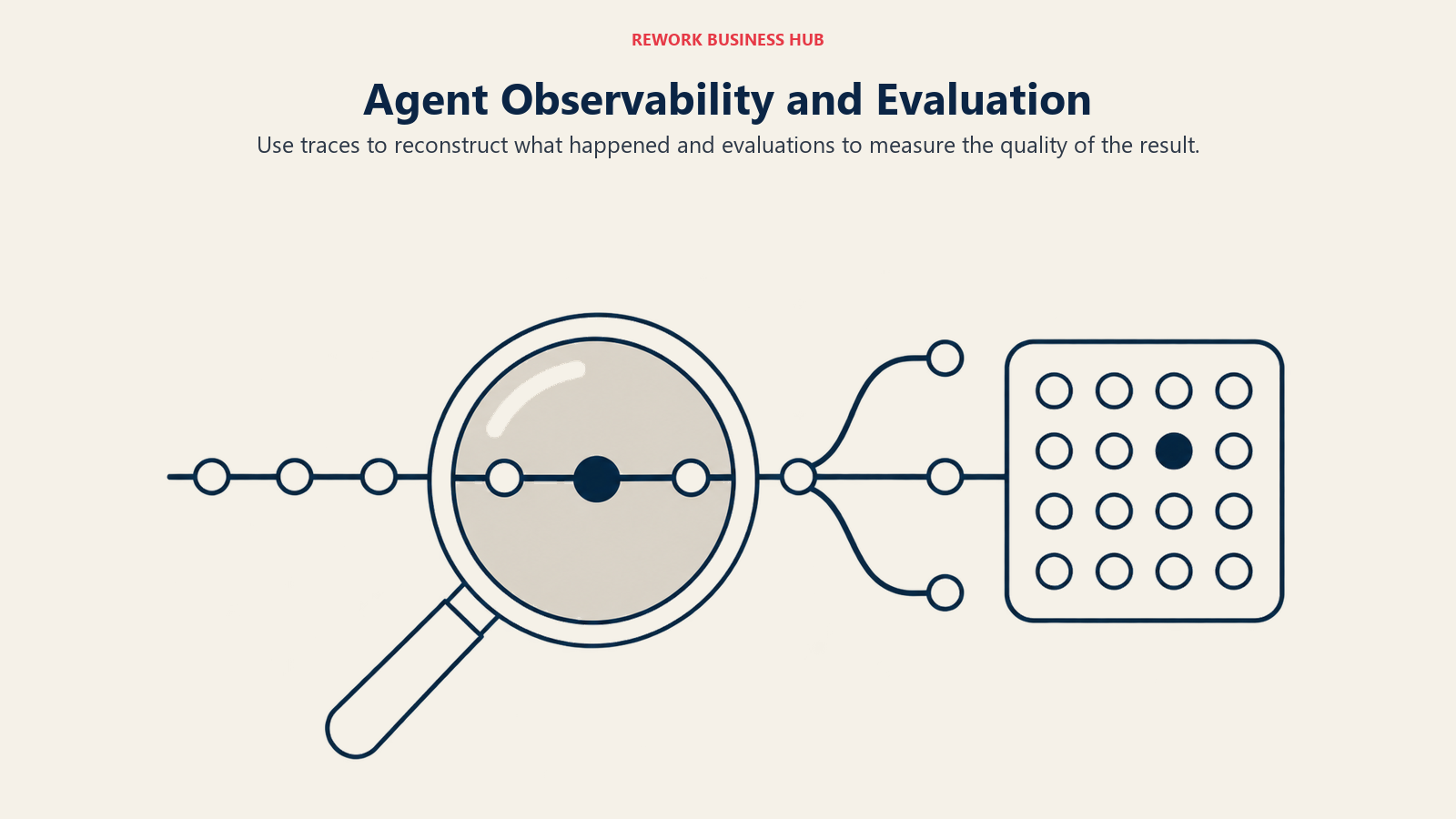
| Tracing | Monitoring, logging and tracing, including the Unified Trace Viewer | Step-by-step traces, with telemetry in OpenTelemetry-compatible format | End-to-end tracing, metrics and evaluations |
| Backend | Not named on the overview page | Amazon CloudWatch | Application Insights |
| Evaluation | Not itemized on the overview page | Evaluations: built-in and custom evaluators | Evaluations to catch regressions |
| Auto-improvement | Not itemized on the overview page | Optimization: AI-generated recommendations, versioned configuration, A/B testing | Agent optimizer (preview) |
Because AgentCore emits OpenTelemetry, it is the easiest to pipe into a tool you already own. If you'd rather use an independent tracer, see Best LLM Observability Tools in 2026.
Model Choice
| Gemini Enterprise Agent Platform | Bedrock AgentCore | Microsoft Foundry | |
|---|---|---|---|
| Model source | Model Garden: Google's frontier models plus third-party and open-source models | Any foundation model in or outside Bedrock, including OpenAI, Gemini, Claude, Nova, Llama and Mistral | Models from the Foundry catalog; swap without changing agent code |
| Practical implication | Gemini is the default path | The model is a separate choice from the runtime | Model catalog and agent runtime sit in one project |
None of the three forces a single model family. The bigger question is where model tokens get billed: usually separately from the agent runtime, on the vendor's model pricing page.
Governance and Policy
| Gemini Enterprise Agent Platform | Bedrock AgentCore | Microsoft Foundry | |
|---|---|---|---|
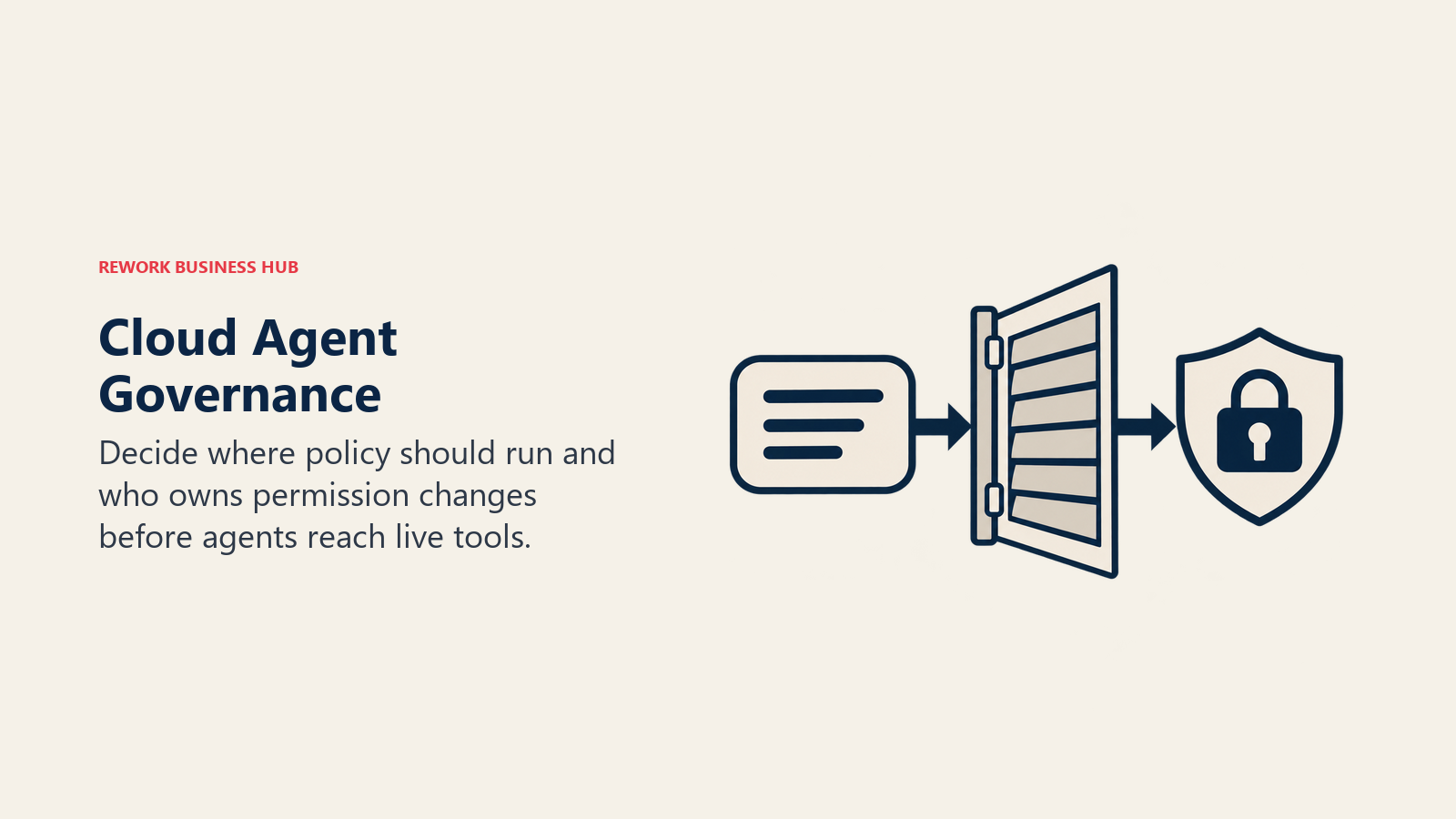
| Policy enforcement | Governance Policies for content protection and semantic governance | Policy: deterministic rules that intercept every tool call through Gateway, authored in natural language or a Cedar-compatible language | Guardrails and content filters, including cross-prompt injection defenses |
| Access control | Agent Identity for access control and auditing | IAM plus Identity and Policy | Microsoft Entra and Azure RBAC over who can create, invoke and manage agents |
| Network isolation | Not itemized on the overview page | Not itemized on the overview page | Virtual networks and bring-your-own resources |
AgentCore Policy stands out because it evaluates a rule before each tool call executes, which suits regulated workflows where an auditor wants a deterministic answer. Foundry's strength is organizational: it plugs into the RBAC model your security team already administers. For a full certification and compliance cut across vendors, use the enterprise platform roundup.
Pricing: Three Different Meters
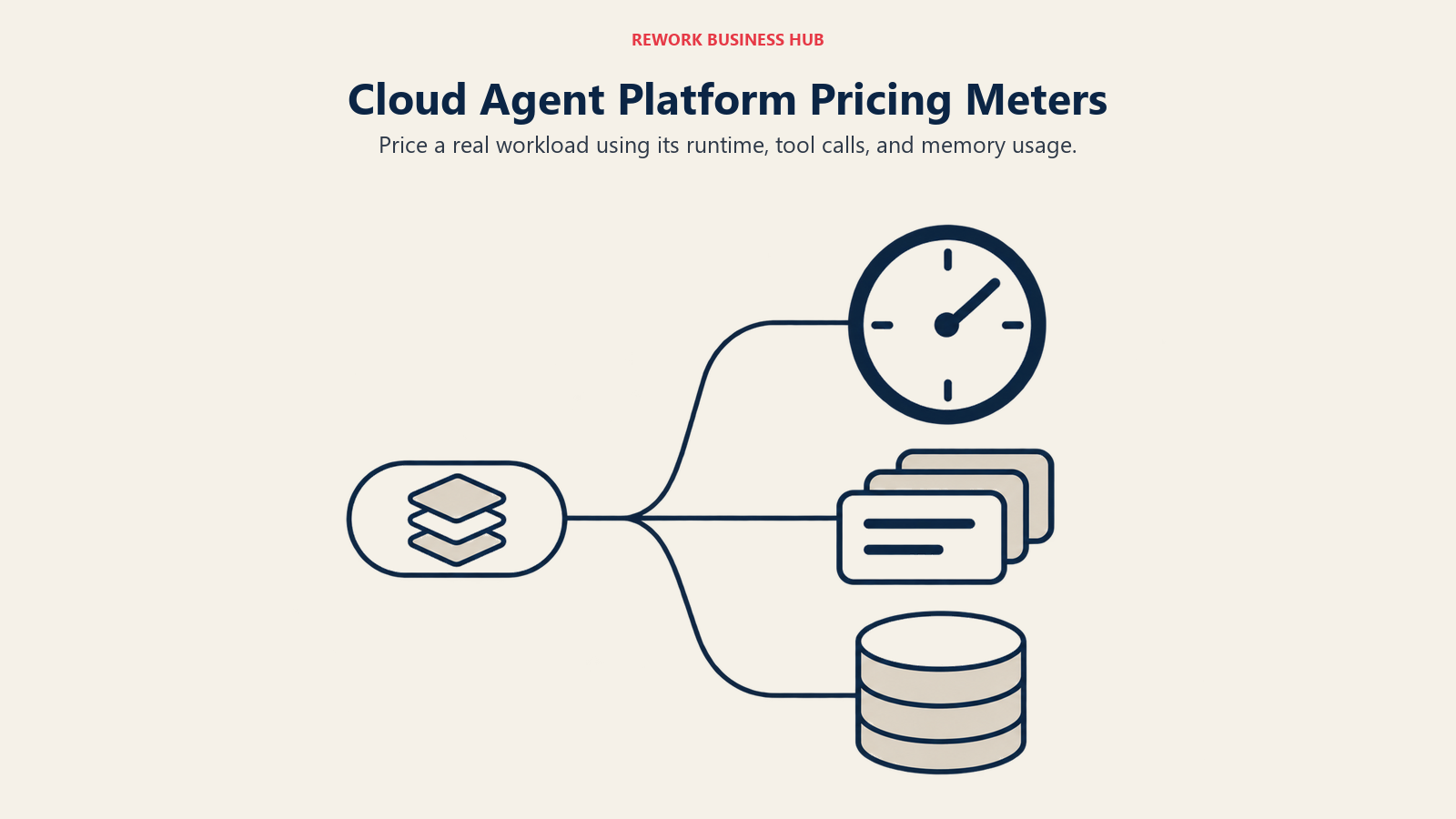
These platforms don't share a unit, so a headline rate comparison misleads. Here is each vendor's own published meter.
| Gemini Enterprise Agent Platform | Bedrock AgentCore | Microsoft Foundry | |
|---|---|---|---|
| Compute, CPU | $0.085 per vCPU-hour list; $0.0765 on a 1-year plan; $0.068 on a 3-year plan | $0.0895 per vCPU-hour (v1 Runtime) | $0.0994 per hour for Hosted vCPU Usage in East US |
| Compute, memory | $0.009 per GiB-hour | $0.00945 per GB-hour (v1 Runtime) | $0.0118 per hour for Hosted Memory Usage in East US; the pricing page labels the unit GiB-hour |
| Gateway | Billed on Agent Compute: $0.085 covers 15,000 API calls or authorization requests | $0.005 per 1,000 invocations; $0.025 per 1,000 invocations for Search API; $0.02 per 100 tools indexed per month | Toolboxes: no separate rate listed on the pricing page |
| Identity | No price listed in the agent pricing section | $0.010 per 1,000 token or API keys requested for non-AWS resources; no charge through Runtime or Gateway | No separate charge listed |
| Memory | Storage $0.30 per GiB-month; reads 1 vCPU-hour per 3 million operations; writes 1 vCPU-hour per 1 million | Long-term storage $0.75 per 1,000 records per month (built-in); $0.50 per 1,000 retrievals; short-term storage $0.10 per GB-month | No separate memory rate listed on the pricing page |
| Observability | Not itemized in the agent pricing section | Billed under Amazon CloudWatch pricing | Application Insights, a separate Azure service |
| Policy and governance | Semantic Governance Policy: 1 vCPU-hour per 15,000 agent-model response evaluations, plus evaluation-model tokens; billing starts later in 2026 | $0.000025 per authorization request; $0.13 per 1,000 input tokens for natural-language policy authoring | No agent-level policy meter listed on the pricing page |
| Base fee for the agent itself | None listed | None: "no upfront commitments or minimum fees" | None for Foundry-native agents; model tokens billed on the Foundry Models pricing page |
Region matters. Google's agent compute rate has no region attached on its page, and its other tables use Iowa (us-central1). AWS's AgentCore table names no region for the rates above. The Azure figures are for East US and move by region. AgentCore also lists a v2 Runtime at $0.0169 per GB-hour for memory (consumption), so confirm which Runtime generation your quote assumes.
A Worked Example (arithmetic on the listed rates)
Take one hosted agent container with 1 vCPU and 2 GiB of memory running 100 hours in a month, ignoring model tokens, tools and storage. At Google's list rate that is 100 x ($0.085 + 2 x $0.009) = $10.30. On AgentCore's v1 Runtime rates it is 100 x ($0.0895 + 2 x $0.00945) = $10.84. On Foundry's East US hosted meters, assuming the memory rate applies per GiB-hour as the pricing page labels it, it is 100 x ($0.0994 + 2 x $0.0118) = $12.30. The gap is a couple of dollars. In practice the compute is small and the surrounding meters decide the bill: tool calls through a gateway, memory reads and writes, evaluations, and above all model tokens.
Two things to read carefully. Google says idle time waiting for the next prompt between turns is not billed, which can matter for chat-style agents. And Google's memory, sessions and registry reads and writes are converted into vCPU-hours, so a memory-heavy agent shows up as compute, not as a separate line.
Which Cloud Does Each Platform Pair With?
| Your situation | Likely pairing | Why |
|---|---|---|
| Identity is Microsoft Entra, users live in Teams and Microsoft 365 | Foundry | Agents get Entra identities and publish into Teams and Copilot |
| Data lives in BigQuery and Google Cloud, models are Gemini-first | Gemini Enterprise Agent Platform | Closest to Google's data, models and governance |
| Workloads on AWS, mixed model vendors, existing IdP like Okta | AgentCore | Modular, IdP-neutral, and Gateway can front agents you've already built elsewhere |
| Multi-cloud with no dominant provider | Evaluate AgentCore Gateway or an independent gateway first | Registry and Gateway claim to cover resources outside their own cloud |
| Primarily business-user agents in a SaaS suite | Look at the packaged products instead | See Copilot Studio vs Gemini Enterprise and Best Gemini Enterprise Alternatives |
When Each One Is the Right Call
Gemini Enterprise Agent Platform fits when your data platform is already Google Cloud and you want identity, registry, gateway and memory in one governed product. The tradeoff is that several pieces bill through a shared vCPU-hour conversion, so you need usage data before the budget is predictable, and some pieces, such as Semantic Governance Policy, have billing that starts later.
Bedrock AgentCore fits when you want to take the parts you need. It's the strongest choice for teams that already have agents in LangGraph, CrewAI or Strands and want a gateway, identity and policy layer without a rewrite. The tradeoff is the number of meters: Runtime, Gateway, Identity, Memory, Policy, Evaluations and CloudWatch each bill on their own unit.
Microsoft Foundry fits when Entra is your identity backbone and the people consuming the agents work in Teams or Microsoft 365. Foundry-native agents carry no additional charge, which makes early pilots cheap. The tradeoff is that the Azure pricing page itself renders no numbers without the pricing calculator, so use the retail prices API or calculator for a real quote, and plan for regional differences.
Decision Framework
| Pick this | If this describes your situation |
|---|---|
| Foundry | Your agents need Entra identities, Azure RBAC and virtual network isolation, and your users are in Teams |
| Foundry | You want a no-infrastructure start with prompt agents and a path up to hosted code |
| Gemini Enterprise Agent Platform | Your data and models are Google-first and you want one governed platform for identity, gateway, registry and memory |
| AgentCore | You need IdP neutrality, MCP gateway conversion of existing APIs, and per-service adoption |
| AgentCore | You want rule-based tool-call authorization that is deterministic and auditable |
| Run a two-week pilot on two clouds | You haven't measured tool-call volume, memory reads and writes, or token spend. Instrument one real agent and price it on each meter before committing |
What to Do Next
Pick one production-shaped agent, not a demo. Log its real numbers for a week: hours of runtime, tool calls per task, memory reads and writes, and model tokens. Then price those numbers on each vendor's meters from the table above, in the region you will actually deploy. That exercise settles most of this decision, because the compute rates are close and the surrounding meters are not.
Then ask your security team one question that no feature table answers: which identity provider and policy engine do they already operate? The platform that fits that answer will usually be easier to approve than the one with the longest feature list. If you are still deciding whether you need a cloud platform at all, start with Best AI Agent Platforms in 2026 and Best Copilot Studio Alternatives.

Principal Product Marketing Strategist
On this page
- Key Facts
- TL;DR
- What Each Platform Is Built For
- Agent Runtime and Frameworks
- Identity: Who Is the Agent?
- Memory and Sessions
- Tools and Gateways
- Observability and Evaluation
- Model Choice
- Governance and Policy
- Pricing: Three Different Meters
- A Worked Example (arithmetic on the listed rates)
- Which Cloud Does Each Platform Pair With?
- When Each One Is the Right Call
- Decision Framework
- What to Do Next